The Ultimate Portugal Travel Guide: Budget, Itineraries & Best Places to Visit
Welcome to your go-to guide for planning an unforgettable trip to Portugal! This sun-kissed corner of Europe offers a captivating blend of historic cities, stunning coastlines, and a rich cultural tapestry . Whether you're seeking adventure, relaxation, or a deep dive into history and cuisine, Portugal has something for every traveler .
Planning Your Portuguese Adventure: When to Go
Choosing the right time to visit Portugal can greatly enhance your experience . The country boasts over 300 sunny days a year, but each season offers a different vibe.
Spring (April to June): Many consider late spring (May-June) to be the ideal time to visit . The weather is pleasantly warm, perfect for exploring cities and enjoying outdoor activities without the intense summer heat . Tourist areas are open but not yet at their peak season crowds, and prices for accommodation are generally lower than in the summer . Spring is also a time of festivals, most notably the Festas dos Santos Populares (Popular Saints' Festivals) in June, which bring lively street parties, music, and grilled sardines to Lisbon and Porto .
Summer (July and August): This is the high season, especially in the coastal areas like the Algarve, which sees an influx of families and beachgoers . Expect hot, sunny weather, bustling beaches, and higher prices for flights and accommodation . While the coast is ideal for sun-seekers, the interior of the country can become uncomfortably hot for sightseeing . August is the busiest month, so booking well in advance is essential .
Autumn (September and October): Another excellent time to visit, autumn offers warm weather, and the sea is at its warmest, making it great for swimming . The summer crowds have thinned, and prices are more moderate . This season is particularly magical in the Douro Valley, where you can witness the grape harvest .
Winter (November to March): Winter is the low season, offering the most affordable prices and the fewest crowds . While it's the rainiest time of year, especially in the north, the south still enjoys plenty of sunshine . The Algarve offers some of mainland Europe's mildest winter weather, pleasant for hiking and exploring . Cities like Lisbon are year-round destinations, though you should be prepared for some rain .
Budgeting for Your Trip
Portugal remains one of Western Europe's more affordable destinations, though prices have been rising in popular cities like Lisbon and Porto . Your daily expenses will vary significantly based on your travel style .
Budget Traveler: €50-€107 per day
- Accommodation: A bed in a hostel dorm typically costs €15-€25, while a budget hotel room can be up to €80 .
- Meals: You can eat well by taking advantage of the prato do dia (dish of the day) at local eateries for €8-€12 . A budget dinner might cost around $10 to $15 .
- Attractions: Many natural attractions are free, and museum entries are often €3-€12 .
Mid-Range Traveler: €100-€260 per day
- Accommodation: Centrally located, well-reviewed hotels generally cost between €100 and €150 per night .
- Meals: A three-course meal for two at a mid-range restaurant might cost around €40, while a single dinner can range from €12-€25 .
- Attractions: A daily activity budget of around €20 allows for major attractions and boat tours .
Luxury Traveler: €250-€600+ per day
- Accommodation: High-end hotels and resorts start at €180-€250 and can exceed $400 per night .
- Meals: Fine dining experiences can range from $50 to $100 or more per person .
- Attractions: This budget allows for private guided tours, helicopter tours (from $110), and exclusive experiences without constraint .
Getting to and Around Portugal
Portugal is well-connected and easy to navigate, whether you're arriving by air or traveling within the country . The best method depends on your itinerary, budget, and desired flexibility .
Arriving by Air
Portugal has three main international airports that serve the entire country :
- Lisbon Airport (LIS): As the main international gateway, it handles most flights from outside Europe . It's the best choice for visiting Lisbon, the central region, and the Alentejo .
- Porto Airport (OPO): Ideal for exploring northern Portugal, including the city of Porto and the Douro Valley . It's a modern and often less hectic airport .
- Faro Airport (FAO): The main airport for the popular Algarve region in the south .
The islands of Madeira and the Azores have their own airports with regular flights from mainland Portugal .
Getting Around
By Train: Comboios de Portugal (CP)
Portugal's train network, operated by Comboios de Portugal (CP), is an efficient, affordable, and scenic way to travel between major cities and towns .
- Types of Trains: The services include the high-speed Alfa Pendular (AP), the fastest and most modern option connecting major cities like Lisbon, Porto, Coimbra, and Faro . Intercidades (IC) are express trains that are slightly slower but more budget-friendly . Slower Regional (R) and Urbano trains connect smaller towns and local stations, such as the popular routes to Sintra and Cascais .
- Booking and Onboard Experience: Tickets can be purchased online at the official CP website, via the app, or at station counters . Booking AP and IC trains 8 or more days in advance can result in discounts of up to 65% . Long-distance trains offer first (Conforto) and second (Turística) class, with first class providing more spacious seating and power outlets . Free Wi-Fi is available on Alfa Pendular trains, and you can bring luggage and even a bicycle at no extra cost on many intercity services .
By Bus: Rede Expressos and FlixBus
Buses connect almost every town and village, often reaching places trains do not, making them a great alternative .
- Network and Amenities: Rede Expressos is the main long-distance operator, connecting over 300 destinations and making it invaluable for exploring remote areas . FlixBus also operates on popular routes . The fleets are modern, with many coaches offering Wi-Fi and power outlets for a comfortable journey .
- Booking: Tickets can be booked online through the company websites or third-party platforms . Seat reservations are required, and tickets can be booked up to 90 days in advance .
By Car
Renting a car offers the most flexibility for exploring off-the-beaten-path villages and remote beaches at your own pace .
- Costs and Booking: Car rentals can be inexpensive, with rates starting around €150 per week if booked in advance . However, one-way drop-off fees and charges for additional drivers (around €10 per day) can add to the cost .
- Electronic Toll System (Via Verde): Portugal has an extensive network of toll roads, many of which are exclusively electronic . Since 2023, rental cars are legally required to have an electronic transponder (like Via Verde) . Rental companies charge a small daily fee for the device (typically €1.50-€2.23, capped per rental), and the accumulated tolls are billed to your credit card . This mandatory system simplifies the process significantly .
- Driving and Parking in Cities: Driving in the historic centers of Lisbon and Porto can be challenging and expensive due to narrow streets and high demand for parking . On-street parking is mostly paid, and mobile apps like ePark can simplify payment . Underground garages are a secure option and often accept payment via the Via Verde transponder . Using public transport or ride-sharing services is often more practical in major cities .
Top Destinations to Explore
From vibrant cities to idyllic islands, Portugal's diverse regions offer a wealth of experiences .
Lisbon: The Vibrant Capital
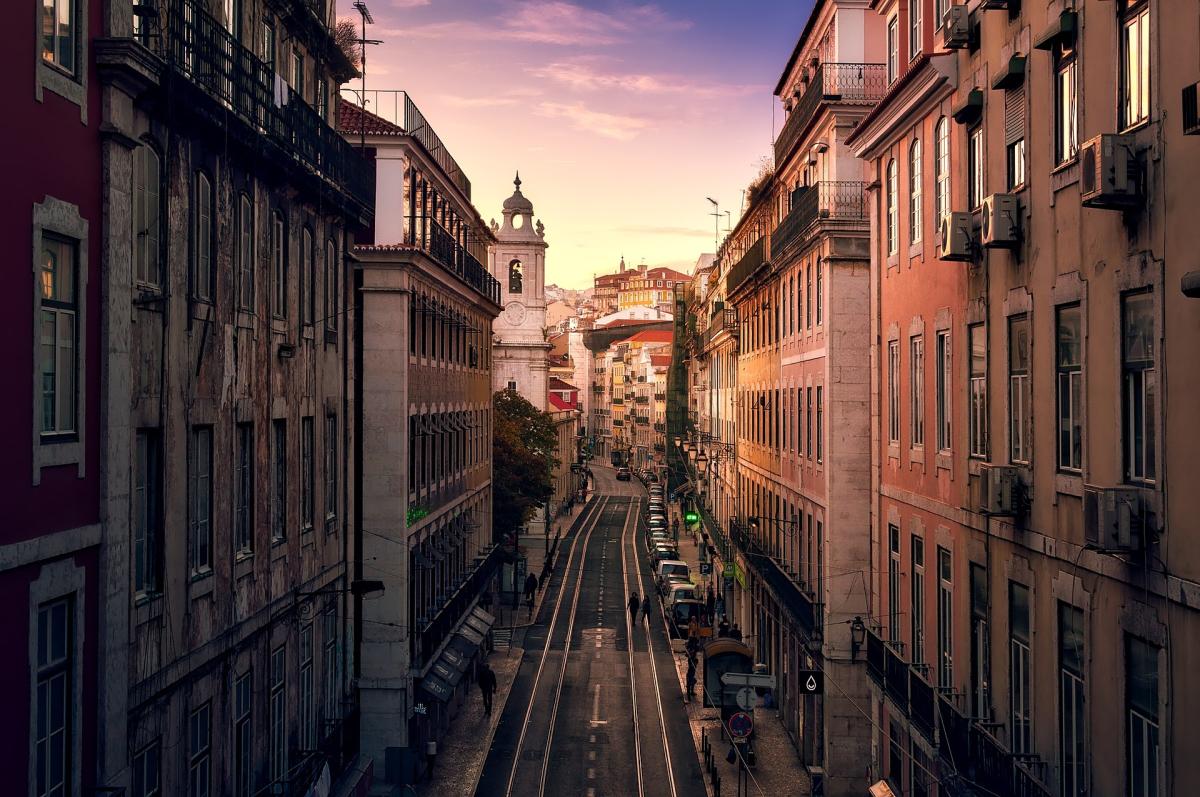
Portugal's hilly, coastal capital city is a feast for the senses .
- Historic Neighborhoods: Wander the narrow, cobbled streets of Alfama, the birthplace of Fado music . Explore the elegant Chiado and Baixa districts and the lively Bairro Alto, known for its nightlife .
- Iconic Landmarks:
- Jerónimos Monastery: This UNESCO World Heritage site is a masterpiece of Manueline architecture . A standard ticket for the cloisters is €18, though entry to the main church is free . It's highly recommended to book online at the official
museusemonumentos.ptwebsite to avoid long queues . The Lisboa Card includes free entry . - Belém Tower: Important Note: This iconic tower is undergoing extensive renovation and is expected to be closed to visitors for much of 2025, with a potential reopening in spring 2026 . Always check the official
museusemonumentos.ptwebsite for the latest status before your visit . - São Jorge Castle: Offering breathtaking panoramic views, an adult ticket for this historic castle costs €15 . Book online at the official site,
castelodesaojorge.pt, to skip the lines . The Lisboa Card also provides free entry . Visit early in the morning or near sunset for a more peaceful experience . - Santa Justa Lift: A return ticket for this 19th-century lift costs around €5.30-€6.00 and includes access to the observation deck . Access to just the viewpoint is about €1.50 . The ride is included with a 24-hour public transport ticket or the Lisboa Card . To avoid the notoriously long queues, walk up to the Carmo Convent and access the top platform from there .
- Jerónimos Monastery: This UNESCO World Heritage site is a masterpiece of Manueline architecture . A standard ticket for the cloisters is €18, though entry to the main church is free . It's highly recommended to book online at the official
- Culinary Delights: Indulge in a pastel de nata at Pastéis de Belém, where the original recipe dates to 1837 . Explore the bustling Time Out Market .
Porto: The Charming Northern Hub
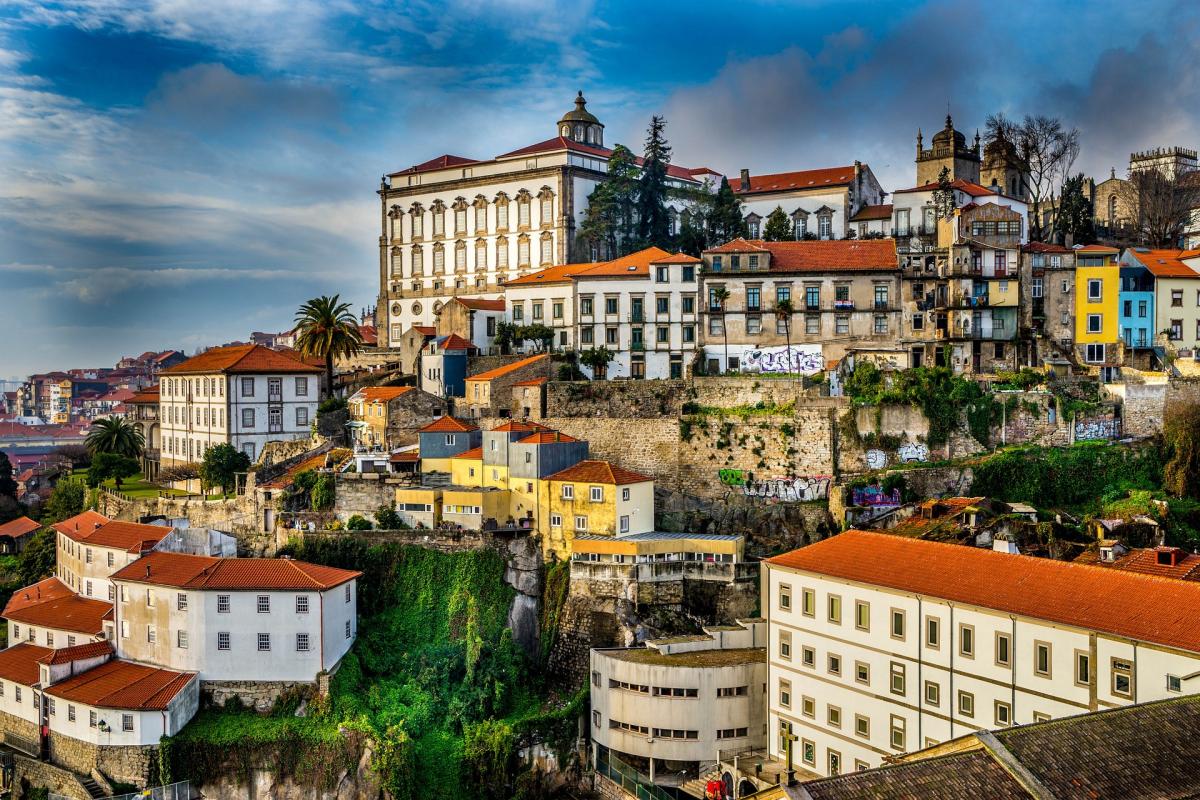
The country's second-largest city is famous for its stately bridges and port wine .
- Ribeira District: A UNESCO World Heritage site, this picturesque riverside district is filled with colorful houses and lively cafes .
- Port Wine Cellars: Cross the Dom Luís I Bridge to Vila Nova de Gaia to tour historic port cellars . Caves Calem and Sandeman are popular choices, with tours and tastings starting from €20-€22 . Other highly regarded cellars include Graham's, Taylor's, and Cockburn's . Booking in advance on the cellars' official websites is highly recommended . For a more intimate experience, visit on a weekday before 11:00 AM or after 5:00 PM .
- Architectural Gems:
- Admire the azulejo tiles at São Bento Train Station and the Chapel of Souls .
- Climb the baroque Clérigos Tower for 360-degree views. A day ticket for the tower and museum costs €10 . Book online at
torredosclerigos.ptto save time . - Visit the stunning Livraria Lello bookstore. A standard "Silver Ticket" costs around €8-€10, which is redeemable against a book purchase . Tickets must be purchased online in advance to secure a time slot .
The Algarve: Sun, Sand, and Sea
The southernmost region is renowned for its stunning coastline of golden beaches, dramatic cliffs, and hidden coves .
- Beautiful Beaches: The Algarve has a beach for everyone, from the family-friendly sands of Albufeira to the dramatic cliffs of Lagos . For surfers, the region offers great spots for beginners like Arrifana and Amado .
- Natural Wonders: Explore breathtaking sea caves, including the famous Benagil Cave, and the protected lagoons of the Ria Formosa Natural Park .
- Charming Towns: Discover the historic charm of towns like Lagos, Tavira, and Silves .
Sintra: A Fairytale Town
A short train ride from Lisbon, Sintra is a picturesque town of fairytale palaces .
- Pena Palace: This romanticist castle is a must-see, with its vibrant colors and whimsical architecture . A full ticket with timed entry costs €20 as of early 2025 .
- Quinta da Regaleira: Explore mysterious gardens, hidden tunnels, and the iconic Initiation Well .
- Moorish Castle: Climb the ancient walls of this hilltop castle for stunning views .
- Pro Tip: Due to immense popularity, booking tickets well in advance is highly advisable .
The Douro Valley: A Wine Lover's Paradise
A UNESCO World Heritage site, this is one of the world's oldest demarcated wine regions, famous for its terraced vineyards .
- Wine Tasting: Visit the quintas (wine estates) for tours and tastings of Port and other regional wines .
- Scenic Experiences: Take a scenic drive, enjoy a relaxing boat cruise, or take a train to Pinhão . For hikers, the Pinhão to Casal de Loivos route offers magnificent panoramic views through the vineyards .
The Alentejo: Sun-Drenched Plains and Historic Towns
The Alentejo is a vast region known for its rolling plains, cork oaks, and rugged coastline .
- Historic Towns: Explore fortified towns like Elvas (a UNESCO site), Marvão (a medieval walled town), and Monsaraz (a serene hilltop village) .
- Scenic Areas: The Alqueva Lake is a designated "Starlight Tourism Destination" perfect for stargazing . The Alentejo Coast (Costa Vicentina) features some of Portugal's most beautiful and wild beaches and is part of the Rota Vicentina hiking network .
Cultural Experiences: The Soul of Fado
Fado is more than music; it is a musical expression of the Portuguese soul, recognized by UNESCO as an Intangible Cultural Heritage of Humanity .
- History of Fado: Fado emerged in the 1820s from the working-class neighborhoods of Lisbon, such as Alfama, Mouraria, and Bairro Alto . Its melancholic tunes and lyrics often speak of the sea, the hard life of the poor, destiny, and a sense of longing known as saudade . Initially associated with sailors and prostitutes, Fado was popularized by figures like Maria Severa and brought to international fame by the legendary Amália Rodrigues . Traditionally performed by a solo singer (fadista) accompanied by a classical guitar and the pear-shaped 12-string Portuguese guitar, it is a deeply emotional experience .
- Authentic Fado Houses in Lisbon: To experience authentic Fado, where silence during performances is demanded out of respect, venture into the historic districts after dark .
- In Alfama: This historic quarter is considered the birthplace of Fado . Venues like Clube de Fado offer polished performances near the cathedral . For a more intimate feel, the tiny, family-run Sr. Fado de Alfama feels like being welcomed into a home . Mesa de Frades, housed in a former 18th-century chapel, offers an incredibly atmospheric setting, while A Baiuca is known for its raw and spontaneous fado vadio (amateur Fado) .
- In Bairro Alto: This vibrant nightlife district hosts renowned Fado houses . O Faia, founded in 1947, is a classic and respected venue . Adega Machado, established in 1937, offers a gourmet take on Portuguese cuisine alongside professional shows . For a more casual experience, Tasca do Chico is a small bar famous for its fado vadio and was even visited by Anthony Bourdain .
Portugal's Vibrant Cultural Calendar
Experiencing a local festival is a fantastic way to immerse yourself in Portuguese culture .
- Carnaval (February/March): Celebrated across the country before Lent, this festival features colorful costumes, music, and dancing, with particularly lively parades in towns like Torres Vedras and Ovar .
- Semana Santa in Braga (Holy Week): In the week leading up to Easter (March/April), Braga hosts the most magnificent and important Holy Week celebrations in Portugal . Known as the "Portuguese Rome," the city is elaborately decorated with flowers and lights . The main events are the solemn and atmospheric processions, especially the "Fogaréus" procession on Maundy Thursday, led by barefoot, hooded penitents known as Farricocos carrying torches .
- Madeira Flower Festival (Festa da Flor): Held in Funchal, this festival is a beautiful tribute to spring and the island's flora, typically taking place over several weeks in May . Highlights include the spectacular Allegoric Flower Parade with floral floats, the "Wall of Hope" where children place flowers as a symbol of peace, and a parade of classic cars decorated with flowers .
- Festas dos Santos Populares (Popular Saints' Festivals): In June, Lisbon and Porto erupt in street parties with grilled sardines, music, and dancing . The biggest celebration is Porto's Festa de São João (June 23rd-24th), famous for its fireworks and the quirky tradition of hitting people on the head with plastic hammers .
- National Gastronomy Festival (October/November): Held in Santarém, this is a major event for food lovers, showcasing the diverse cuisine from all regions of Portugal .
Outdoor and Adventure Activities
Portugal's diverse geography makes it a playground for outdoor enthusiasts .
Hiking
- Peneda-Gerês National Park: As Portugal's only national park, it offers spectacular trails through ancient rock formations and oak forests . The "Trilho da Cidade da Calcedónia" is a moderate loop with prehistoric engravings .
- The Algarve: The famous Seven Hanging Valleys Trail is a 12 km coastal path between Carvoeiro and Praia da Marinha, passing dramatic cliffs and sea caves .
- Rota Vicentina: This network of trails in the Alentejo and Algarve includes the coastal "Fishermen's Trail" and the rural "Historical Way" .
- Serra da Estrela: Mainland Portugal's highest mountain range offers unique hikes, including a trail to the striking Covão dos Conchos, a man-made sinkhole in a lagoon .
- Paiva Walkways (Passadiços do Paiva): This stunning boardwalk along the Paiva River features one of the world's largest suspension footbridges .
Surfing
With over 943 km of continental coastline, Portugal is a world-class, year-round surfing destination .
- Ericeira: Just north of Lisbon, this is Europe's only World Surfing Reserve, offering waves for all levels, from beginner-friendly Foz do Lizandro to the expert-only Coxos .
- Peniche: Known as the "surf capital of Europe," it's famous for the powerful Supertubos wave, while the bay of Baleal is perfect for beginners .
- Nazaré: Home to Praia do Norte, this is a big-wave mecca reserved for elite professional surfers and spectators, holding records for the largest waves ever surfed .
- The Algarve: The southern coast offers a milder climate and great spots for learners around Sagres and Aljezur, such as the sheltered beach break at Arrifana .
- Lisbon Coast: Spots like Carcavelos and Praia do Guincho offer excellent and accessible surfing .
The Islands: A World Apart
For a different kind of Portuguese experience, head to the Atlantic archipelagos .
Madeira: The Pearl of the Atlantic
Known as the "Island of Eternal Spring," Madeira is a haven for nature lovers and adventurers with a lush, subtropical climate .
- Levada Walks: Follow the island's historic irrigation channels, which form over 2,000 km of walking trails . Popular routes include the Levada das 25 Fontes (PR6), an 11km trail to a stunning lagoon, and the demanding Vereda do Areeiro (PR1), which connects the island's highest peaks .
- Funchal Cable Car: A 15-20 minute ride from the Funchal seafront up to Monte offers spectacular panoramic views . A roundtrip ticket costs approximately €18 .
- Monte Toboggan Ride: Experience a thrilling 2 km descent from Monte in a traditional wicker sled steered by two carreiros . Prices start around €27.50 for one person .
- Porto Moniz Natural Pools: Swim in spectacular saltwater pools formed by volcanic lava on the island's northwest tip . The entry fee is just €3 .
- Other Attractions: Don't miss the views from Pico do Arieiro, the unique black sand beach at Seixal, and the magical, ancient Fanal Forest .
The Azores: A Volcanic Paradise
This archipelago of nine volcanic islands is a playground for nature enthusiasts, defined by dramatic landscapes and rich marine life .
São Miguel: The Green Island
The largest island, São Miguel is a land of crater lakes, geothermal wonders, and lush landscapes .
- Primary Attractions: Visit the iconic twin lakes of Sete Cidades (one blue, one green) and the pristine crater lake Lagoa do Fogo ("Lagoon of Fire") . In the Furnas Valley, see bubbling mud pools and try Cozido das Furnas, a stew slow-cooked by volcanic heat .
- Unique Experiences: The Azores are a premier destination for whale and dolphin watching, with tours departing from Ponta Delgada . Visit Europe's only tea plantations at Gorreana, and bathe in thermal waters at Terra Nostra Park or Ponta da Ferraria, where a hot spring meets the ocean .
Terceira: The Lilac Island
Terceira is known for its UNESCO World Heritage capital and fascinating volcanic geology .
- Primary Attractions: Explore Angra do Heroísmo, a beautiful historic city with colorful chapels known as impérios . Descend into Algar do Carvão, one of the few volcanoes in the world you can enter, to see a stunning cavern and underground lake .
- Unique Experiences: Swim in the Biscoitos natural pools, formed by black volcanic rock . See the island's "patchwork" of green fields from the Serra do Cume viewpoint and try the local specialty, Alcatra, a pot roast slow-cooked in a clay pot .
Pico: The Mountain Island
Dominated by Portugal's highest mountain, Pico is a land of whalers and unique vineyards .
- Primary Attractions: For the adventurous, the challenging climb up Mount Pico (2,351 meters) offers unforgettable panoramic views . Discover the island's UNESCO World Heritage vineyards, where grapes grow in small, stone-walled plots called currais .
- Unique Experiences: Pico is one of the Azores' best whale watching spots, with its history showcased at the Whalers' Museum in Lajes . Explore Gruta das Torres, one of Europe's longest lava tubes, and sample the local Verdelho wine .
Sample 7-Day Itinerary: Lisbon & Porto
This itinerary is crafted for the first-time visitor, blending iconic sights with travel time .
- Day 1: Arrival in Lisbon. Arrive and explore the central Baixa and Chiado districts . Take the Santa Justa Lift for city views . In the evening, wander Alfama and enjoy a Fado dinner .
- Day 2: Lisbon's Golden Age. Journey to Belém to visit the Jerónimos Monastery and see the exterior of the Belém Tower . Taste the original pastéis de nata at Pastéis de Belém . Spend the evening in Bairro Alto .
- Day 3: Day Trip to Sintra. Take a 40-minute train to the fairytale town of Sintra . Explore the colorful Pena Palace and the mystical Quinta da Regaleira . Remember to book tickets in advance .
- Day 4: Travel to Porto. Take a morning train to Porto . Explore the UNESCO World Heritage Ribeira district and walk across the Dom Luís I Bridge .
- Day 5: Porto's Treasures. Marvel at the azulejo tiles at São Bento Train Station and climb the Clérigos Tower . In the afternoon, cross the river to Vila Nova de Gaia for a Port wine cellar tour and tasting .
- Day 6: Day Trip from Porto. Wine lovers can visit the scenic Douro Valley . History buffs can visit Braga and Guimarães, the birthplace of Portugal .
- Day 7: Departure from Porto. Spend your last morning at the Bolhão Market or shopping on Rua Santa Catarina before heading to the airport .
Beyond the Main Cities: Hidden Gems
For a more intimate and authentic Portuguese experience, venture off the beaten path .
- Monsanto: Voted the "most Portuguese village," it features houses built into giant granite boulders and a medieval castle that was a "House of the Dragon" filming location .
- Piódão: A fairytale-like schist village in the mountains with slate-roofed houses and distinctive blue-painted windows .
- Marvão: An impeccably preserved medieval walled town in the Alentejo, offering breathtaking views into Spain .
- Azenhas do Mar: A stunning coastal village clinging to cliffs, known for its whitewashed houses and a natural saltwater pool .
- Tomar: Steeped in Knights Templar history, its main attraction is the magnificent Convent of Christ, a UNESCO World Heritage Site .
A Taste of Portugal: What to Eat and Drink
Portuguese cuisine is hearty, flavorful, and deeply connected to the sea .
Understanding Portuguese Eateries
- Tasca: A traditional, family-run tavern serving the heart of Portuguese home-style cooking . These are unpretentious, affordable eateries where locals gather for hearty meals in a convivial atmosphere .
- Cervejaria: Literally a "beerhouse," a cervejaria is a bustling restaurant where cold draft beer is a highlight, but the main attraction is fresh seafood (marisco) like prawns, crabs, and gooseneck barnacles . They also serve classic meat dishes like the prego steak sandwich .
- Pastelaria: Much more than a pastry shop, the pastelaria is a cornerstone of daily Portuguese life . It's the neighborhood café for morning coffee and toast (torrada), a quick lunch, or an afternoon sweet treat like the famous Pastel de Nata .
The 'Prato do Dia'
The prato do dia, or "dish of the day," is a lunchtime institution offered in most tascas and local restaurants . It is a set-price menu that usually includes soup, bread, a main course (meat or fish), and a drink . Its cultural significance lies in its role as a fresh, wholesome, and incredibly economical meal relied upon by locals, reflecting the day's market offerings .
Must-Try Dishes and Drinks
- Bacalhau (Salted Cod): The national obsession, said to have over 365 recipes . Its importance dates to the Age of Discovery, when it was a vital protein for long sea voyages . Two popular preparations are:
- Bacalhau à Brás: A beloved comfort food from Lisbon's Bairro Alto, this dish features shredded salt cod, onions, straw-fried potatoes, and scrambled eggs, garnished with black olives .
- Bacalhau com Natas: A rich and creamy casserole, this dish layers salt cod, onions, and diced fried potatoes, all baked in a savory cream sauce, popular for festive gatherings .
- Francesinha: Porto's signature sandwich, the "Little Frenchie," is a hearty meal in itself . Created in the 1950s by an emigrant who adapted the French croque-monsieur, it's made with bread, ham, sausage, and steak, then covered in melted cheese and drenched in a secret, spicy tomato-beer sauce .
- Porco Preto (Iberian Black Pig): From the Alentejo region, this free-range pig feasts on acorns, giving its meat a unique, nutty flavor and a tender, marbled texture rich in healthy fats . It's used for prized cured ham (presunto) and grilled steaks .
- Caldo Verde: This traditional "green soup" originated in the northern Minho province . Its creamy base is made from potatoes, onions, and olive oil, with finely shredded collard greens providing the color and flavor, typically served with slices of chouriço sausage .
- Sardinhas Assadas: Grilled sardines, a summertime staple .
- Pastel de Nata: The world-famous custard tart .
- Port Wine: The famous fortified wine from the Douro Valley .
- Vinho Verde: A light, crisp, and slightly effervescent "green wine" (young wine) from the north .
- Ginjinha: A sweet cherry liqueur, often served in a chocolate cup .
Where to Stay: Accommodation for Every Traveler
Beyond standard hotels, Portugal offers unique lodging that provides a deeper connection to the country's history, culture, and landscape .
- Pousadas de Portugal: This is a chain of luxury hotels located in impeccably restored historic buildings such as castles, monasteries, and palaces . Originally a government initiative to preserve national heritage, the Pousadas blend historical grandeur with modern comfort, offering a unique opportunity to sleep in a piece of Portuguese history . Guests can expect high-end service and fine dining featuring regional cuisine . Notable examples include the Pousada Castelo de Óbidos and the Pestana Palácio do Freixo in Porto .
- Solares de Portugal: These are private manor houses, country estates, and rustic homes that offer a personal and intimate experience of Portuguese hospitality . Often hundreds of years old and still owned by the original families, these properties emphasize authenticity and a warm, family-like welcome . Guests are treated more like friends, with hosts sharing stories, home-cooked meals, and insider tips . Well-regarded examples include Paço de Calheiros in Ponte de Lima and Casa de Óbidos .
- Turismo Rural (Rural Tourism): This category encompasses a wide range of properties in the countryside, from restored farmhouses to eco-lodges, all focused on a connection with nature . Many are working farms (agroturismo) where guests can participate in activities like wine tasting or olive harvesting . The experience is about slowing down, enjoying simple pleasures like hiking, and eating farm-to-table food . Examples include the rustic-chic Herdade da Matinha in the Alentejo and the sustainable Chão do Rio cottages in the Serra da Estrela .
- Hotels and Hostels: Portugal also has a full range of international hotel chains, charming boutique hotels, and a thriving, modern hostel scene for budget travelers .
Practical Tips for Your Trip
- Currency: The currency is the Euro (€) . Have some cash on hand for smaller towns and purchases .
- Language: The official language is Portuguese . English is widely spoken in tourism, but learning a few basic phrases is appreciated .
- Safety: Portugal is a very safe country, but be mindful of pickpockets in crowded areas .
- Etiquette: Greetings often involve two kisses on the cheek . Appetizers brought to your table in restaurants are not complimentary; politely decline if you don't want them . Tipping 5-10% is common but not obligatory .
- What to Pack: Comfortable walking shoes for cobblestone streets, layers for changing weather, and sun protection are essential . Portugal uses the Type F power outlet .
Executive Summary
Portugal is a diverse and captivating country that offers a rich travel experience . For the best balance of good weather and manageable crowds, visit in the shoulder seasons of spring (April-June) or autumn (September-October) . While it remains one of Western Europe's more affordable destinations, a daily budget can range from €50-€107 for a budget traveler to €250-€600+ for a luxury experience . The country is well-connected by airports in Lisbon, Porto, and Faro, with an efficient and easy-to-navigate transport system of trains (CP), buses (Rede Expressos), and rental cars, which now come with a mandatory electronic toll transponder .
Top destinations include the vibrant capital of Lisbon, charming Porto, the sunny Algarve, fairytale Sintra, the scenic Douro Valley, and the historic Alentejo region . For a unique adventure, the Atlantic islands offer incredible natural beauty . Madeira is famous for its extensive levada hiking trails, while The Azores are a volcanic paradise perfect for whale watching, with São Miguel offering geothermal wonders, Terceira boasting the explorable Algar do Carvão volcano, and Pico challenging adventurers to climb Portugal's highest mountain .
Cultural immersion is a highlight, from experiencing the soulful sounds of Fado music to participating in vibrant annual festivals like Semana Santa in Braga and the Madeira Flower Festival . The culinary scene is a journey in itself; learn the difference between a traditional Tasca, a seafood-focused Cervejaria, and the all-day Pastelaria, and be sure to try iconic dishes like Bacalhau à Brás, Porto's Francesinha, and the comforting Caldo Verde soup . Accommodation offers a chance to connect with Portuguese heritage, whether staying in a historic castle converted into a luxury Pousada, a family-owned manor house known as a Solar, or a peaceful countryside farmhouse through Turismo Rural . With its welcoming culture, affordability, and wealth of attractions, Portugal promises a memorable journey .
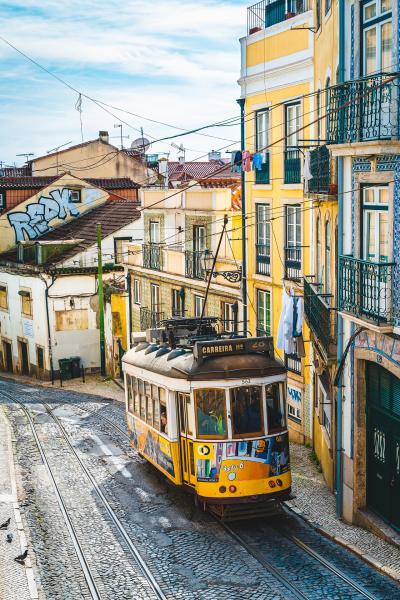
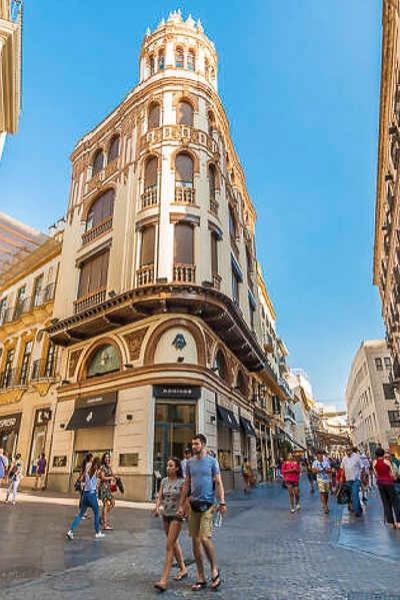
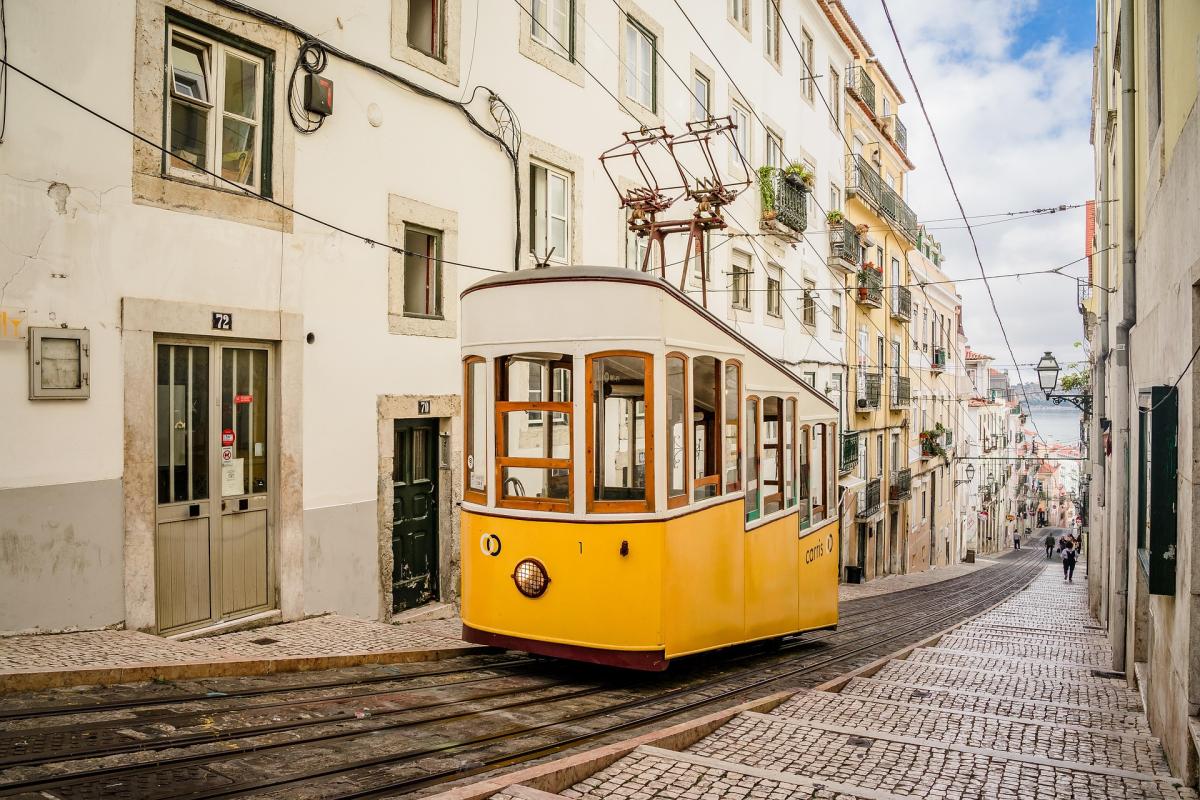
Lisbon, the stunning capital of Portugal, is a city that blends rich history, vibrant culture, and breathtaking landscapes. Located on the western coast of the Iberian Peninsula along the Tagus River, this city has long been a significant cultural and maritime hub. Whether youre drawn to its charming...
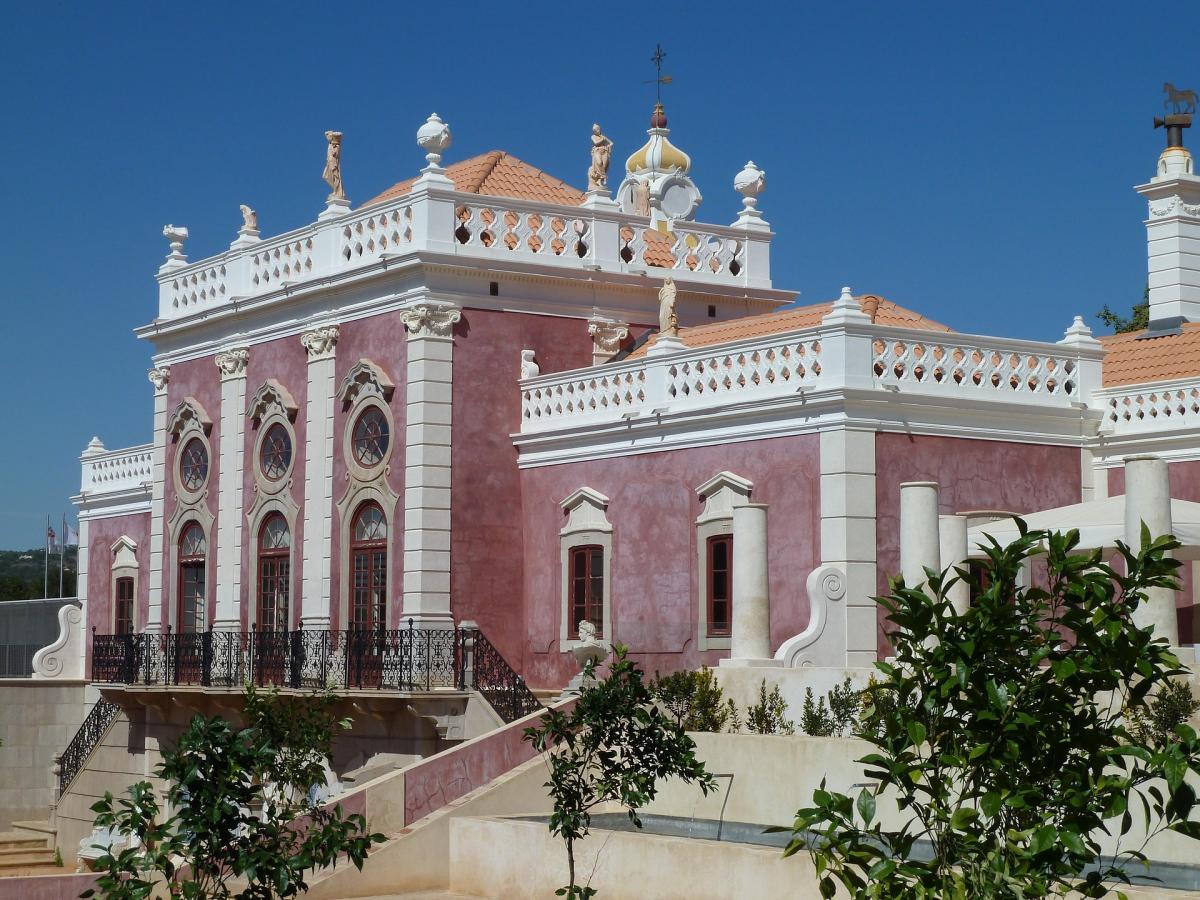
Nestled along Portugal’s southern coastline, Faro, the capital of the Algarve region, is a city where history, culture, and natural beauty seamlessly blend. With its origins tracing back over 40,000 years, Faro has been shaped by ancient civilizations, from the Romans and Moors to the Christian reconquest....
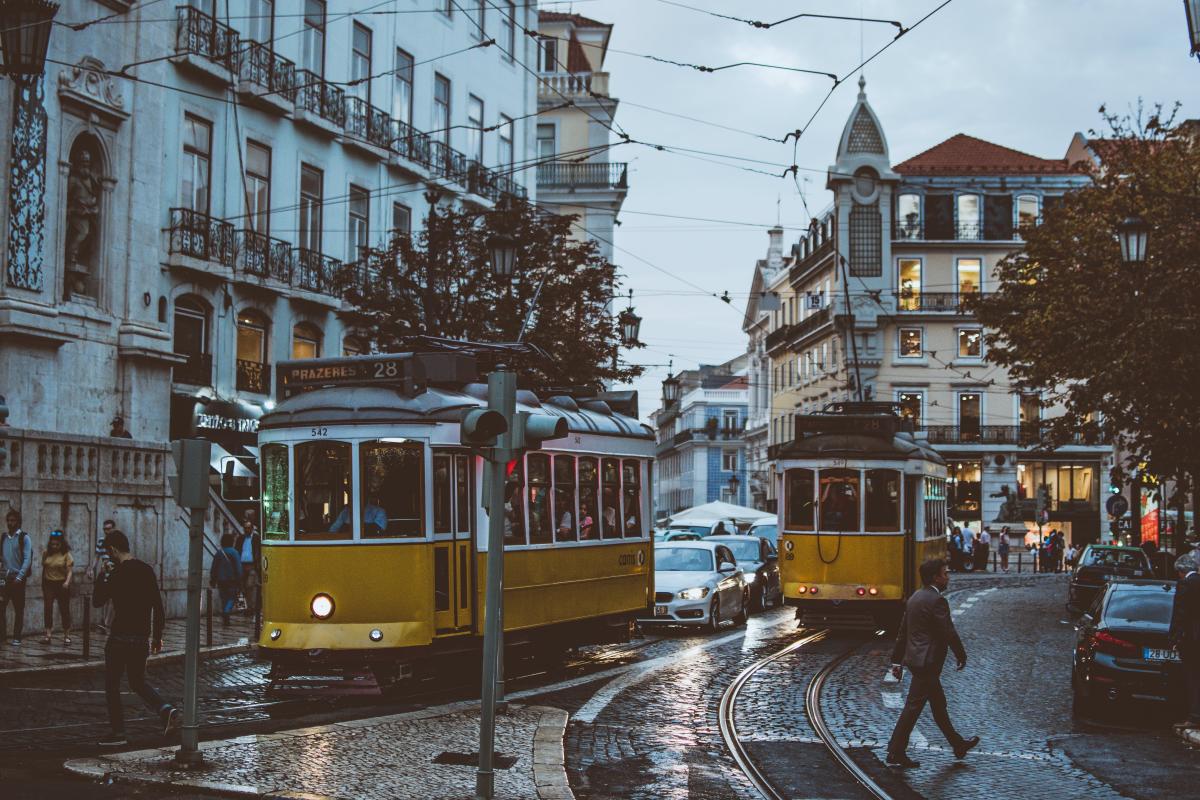
Portugal is a country of contrasts, where ancient history meets modern culture, and natural beauty meets urban charm. Whether you want to explore the stunning monasteries of Batalha and Alcobaça, where the Knights Templar left their mark, or enjoy the world-class golf courses and wines that have earned...