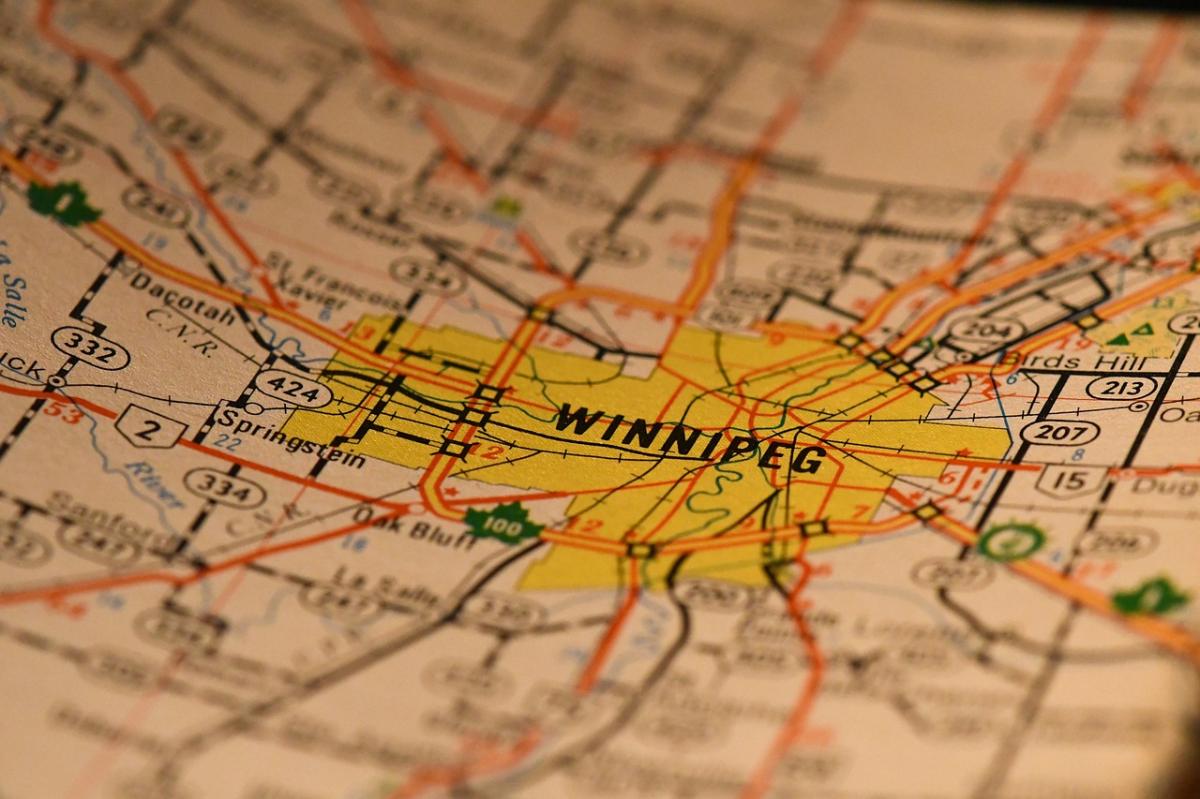
Winnipeg Attractions: A Guide to the Best Things to Do in the Heart of Canada
Welcome to Winnipeg, the vibrant capital of Manitoba, affectionately known as the "Gateway to the West" . Situated at the confluence of the Red and Assiniboine rivers, this city is a cultural and historical hub with a surprisingly diverse array of attractions and activities . Whether you're a history buff, an art aficionado, a nature lover, or a foodie, Winnipeg has something to offer . This guide will walk you through the best experiences this Canadian gem has to offer.
Top Attractions
Winnipeg is home to several world-class attractions that are must-sees for any visitor.
The Forks: A historic site at the meeting of the Red and Assiniboine rivers, The Forks has been a meeting place for over 6,000 years . Today, it's a bustling hub of dining, shopping, and entertainment . The Forks Market, housed in former horse stables, offers a variety of food vendors and unique shops . In the winter, the river trail becomes a popular spot for ice skating .
Canadian Museum for Human Rights (CMHR): This stunning architectural marvel is the only museum in the world solely dedicated to the evolution, celebration, and future of human rights .
- Architectural Symbolism: Designed by architect Antoine Predock, the building itself is a metaphor for the human rights journey . It emerges from the earth on four massive stone "roots," symbolizing humanity's deep connection to the land . The visitor's path begins in the darker, lower levels and ascends a series of crisscrossing, internally lit alabaster ramps that stretch for nearly a kilometer . This represents the ongoing, and often difficult, struggle toward enlightenment and hope . The ascent leads through a limestone "mountain" to a glass "cloud" meant to evoke the wings of a dove, a symbol of peace . The journey culminates in the 23-story Israel Asper Tower of Hope, a glass spire offering panoramic city views and serving as a beacon of optimism .
- The Visitor Experience: The museum features ten core galleries that use interactive technology, multimedia, and powerful artifacts to tell human rights stories from Canada and around the world . Key galleries include Indigenous Perspectives, which features a 360-degree film on Indigenous rights and responsibilities; Canadian Journeys, the largest gallery, which explores dozens of Canadian stories like the Underground Railroad and women's suffrage; and Examining the Holocaust, which serves as a powerful lesson on the fragility of rights . Interactive elements are central to the experience, allowing visitors to vote on divisive topics or use augmented reality to bring historical documents to life .
The Exchange District: A National Historic Site, the Exchange District is a testament to Winnipeg's prosperous past as the "Chicago of the North" . Spanning 20 city blocks, this remarkably preserved area features approximately 150 heritage buildings constructed between 1880 and 1920 . It showcases North America's most extensive collection of early 20th-century terracotta and cut-stone architecture . Its name originates from the Winnipeg Grain Exchange, which was the epicenter of Canada's grain industry . Today, these magnificent structures and cobblestone streets have been repurposed into a vibrant, pedestrian-friendly neighborhood that is also a popular filming location .
- Galleries and Theatres: As the city's recognized arts and culture hub, the district is home to numerous galleries, including Urban Shaman Contemporary Aboriginal Art, a leader in Indigenous arts programming; Cre8ery Gallery & Studio, which supports local artists; and Martha Street Studio, the province's only printmaking artist-run centre . The area also hosts the Dave Barber Cinematheque for independent film and is central to the city's theatre district .
- Restaurants: The culinary scene is as diverse as its architecture, with many restaurants housed in historic buildings . Standouts include Deer + Almond for innovative small plates, Peasant Cookery for European-inspired cuisine, The Merchant Kitchen for global street food, and the James Avenue Pumphouse, a unique restaurant set in a restored 1906 fire station .
Assiniboine Park & Zoo: One of Canada's largest urban parks, Assiniboine Park covers over 1,000 acres and offers a wide range of attractions . The park is home to the Assiniboine Park Zoo, the beautiful English Garden, and the Leo Mol Sculpture Garden .
- Journey to Churchill: The award-winning "Journey to Churchill" exhibit is the most comprehensive northern species exhibit of its kind in the world, spanning 10 acres . It offers an immersive experience dedicated to the wildlife and landscapes of Manitoba's north . Visitors can see polar bears, muskoxen, Arctic foxes, and grey wolves in naturalistic habitats . A major highlight is the "Gateway to the Arctic," which houses the 'Sea Ice Passage,' a pair of 70-foot-long underwater acrylic viewing tunnels where visitors can watch polar bears and seals swimming overhead . The exhibit is also home to the Leatherdale International Polar Bear Conservation Centre (IPBCC), a hub for research, rescue, and education .
- The Leaf: A Journey Through Global Gardens: Opened in late 2022, The Leaf is a spectacular indoor horticultural attraction . Its innovative architecture features a unique spiral roof made of Ethylene Tetrafluoroethylene (ETFE), a transparent material that allows for maximum light penetration . Inside, visitors can journey through four distinct biomes, including the Hartley and Heather Richardson Tropical Biome, which is home to Canada's tallest indoor waterfall . Other areas include a Mediterranean Biome, a rotating floral display house, and the Shirley Richardson Butterfly Garden .
The Manitoba Museum: As the largest non-profit heritage and science center in the province, The Manitoba Museum offers an immersive journey through Manitoba's rich human and natural history . Its story unfolds across nine meticulously designed permanent galleries .
- Gallery Highlights: A standout is the Nonsuch Gallery, which transports visitors to 17th-century England and features a full-size, sea-worthy replica of the Nonsuch, the ship whose voyage led to the founding of the Hudson's Bay Company (HBC) . The HBC Gallery showcases the world's most significant collection of artifacts from the company's 300-year history . The popular Winnipeg Gallery recreates a bustling street scene from the 1920s, allowing visitors to explore the city's diverse communities and key events like the 1919 General Strike .
Vibrant Arts and Culture Scene
Winnipeg's cultural scene is rich and diverse, reflecting its multicultural heritage and a deep-seated passion for the arts .
Winnipeg Art Gallery (WAG)-Qaumajuq: The WAG is Western Canada's oldest public art gallery and is home to Qaumajuq, an innovative centre housing the world's largest public collection of contemporary Inuit art .
- Architectural Design: Qaumajuq means "it is bright, it is lit" in Inuktitut . The building's undulating white stone façade evokes the landscapes of the North, while inside, a stunning three-story glass "Visible Vault" showcases thousands of carvings . The main gallery, Qilak (meaning "sky"), is an expansive, 8,000-square-foot space with monumental, sculptural walls .
- The Collection: WAG-Qaumajuq holds nearly 14,000 pieces of Inuit art, including carvings, drawings, prints, and textiles, sharing the stories, lands, and cultures of the North .
Professional Theatre and Performing Arts: Winnipeg enjoys a robust professional performing arts scene with several distinguished institutions .
- Royal Manitoba Theatre Centre (RMTC): Founded in 1958, the RMTC is Canada's oldest English-language regional theatre and its creation sparked the regional theatre movement across North America . Granted a royal designation in 2010, it presents a diverse season of classics, Broadway hits, and new Canadian plays .
- Manitoba Opera: Established in 1969, this is the province's only full-time professional opera company, typically producing two full-scale productions each year with the Winnipeg Symphony Orchestra .
- Royal Winnipeg Ballet (RWB): As Canada's oldest ballet company and the longest continuously operating in North America, the RWB is a cornerstone of the nation's cultural scene . Founded in 1939 by Gweneth Lloyd and Betty Farrally, it was granted a royal charter by Queen Elizabeth II in 1953-the first of her reign . Known for its versatile and eclectic repertoire, the RWB balances classics like Swan Lake with unique Canadian works, including a version of Nutcracker set in Winnipeg . A prolific touring company, it has served as a cultural ambassador for Canada, performing in 44 countries and becoming the first Canadian ballet company to grace stages in Moscow and Paris .
Festivals: Winnipeg is a city of festivals, celebrating its diverse cultures and seasons throughout the year .
- Folklorama: Recognized as the world's largest and longest-running multicultural festival, Folklorama is a vibrant two-week celebration held every August . It features over 40 volunteer-run "pavilions" across the city, each representing a specific culture with authentic food, traditional music and dance, and cultural displays .
- Festival du Voyageur: Held in February, this is Western Canada's largest winter festival, celebrating the joie de vivre of the region's French-Canadian, Métis, and First Nations heritage . The festival's main site is the reconstructed Fort Gibraltar, where historical reenactors bring the fur trade era to life . Key activities include the International Snow Sculpting Symposium, live music in heated tents, and historical activities like snowshoeing and horse-drawn wagon rides . Visitors can enjoy traditional foods like tourtière (meat pie) and pea soup, as well as treats like maple taffy on snow (tire sur la neige) and the signature "Caribou" drink-a warm mix of red wine, whisky, and maple syrup .
- Winnipeg Folk Festival: This four-day outdoor music festival held in July at Birds Hill Provincial Park attracts renowned folk and roots musicians from around the world .
Unique Experiences and Family Fun
Red River Mutual Trail: In the winter, the frozen Red and Assiniboine rivers are transformed into one of the world's longest natural skating trails, a unique way to experience the city .
FortWhyte Alive: This 660-acre nature preserve and environmental education center offers hiking, canoeing, and bison safaris to see North America's largest land mammal up close .
Thermëa by Nordik Spa-Nature: For a truly unique and rejuvenating experience, this Scandinavian-inspired spa offers a multi-sensory journey centered on the ancient tradition of thermotherapy . The experience involves a three-step Nordic thermal cycle of hot, cold, and rest .
Manitoba Children's Museum: Located at The Forks, the Children's Museum offers a variety of hands-on exhibits, including a real locomotive and a giant treehouse .
Royal Canadian Mint: Take a tour to see how coins are made for Canada and other countries, and get the chance to hold a solid gold bar .
Prairie Dog Central Railway: This heritage railway offers a charming trip back in time aboard a vintage train . Operated by The Vintage Locomotive Society Inc. since 1970, its fleet includes Steam Locomotive No. 3, one of North America's oldest operating steam locomotives (built in 1882), and beautifully restored wooden coaches from as early as 1901 . The nearly four-hour roundtrip journey runs from Inkster Junction to the rural community of Grosse Isle, where passengers can explore a heritage village . The railway also hosts popular themed events like the "Great Train Robbery," the "Howlin' Halloween Express," and dinner excursions .
Day Trips from Winnipeg
Gimli: This charming town on the shores of Lake Winnipeg is known for its Icelandic heritage, boardwalk, and the New Iceland Heritage Museum .
Grand Beach Provincial Park: Just an hour from the city, Grand Beach is one of Canada's top beaches, with soft white sand and rolling dunes perfect for summer swimming and sunbathing .
Summary
Winnipeg, the heart of Canada, is a city that offers a rich tapestry of experiences for every traveler . From the historic and bustling Forks to the poignant and architecturally symbolic Canadian Museum for Human Rights, the city's top attractions provide a deep dive into its culture and history . The Exchange District, a National Historic Site, showcases an unparalleled collection of early 20th-century architecture . The natural wonders of Assiniboine Park are highlighted by the spectacular Leaf, an indoor horticultural marvel, and the world-class "Journey to Churchill" exhibit, where visitors can see polar bears swim overhead in underwater tunnels .
Cultural enthusiasts will find a wealth of options, from Canada's oldest English-language regional theatre, the Royal Manitoba Theatre Centre, to the world-renowned Royal Winnipeg Ballet (RWB), Canada's oldest ballet company with a rich history of international touring and a uniquely Canadian repertoire . The impressive Winnipeg Art Gallery-Qaumajuq stands as a global beacon for Inuit art, with a stunning design that includes a three-story "Visible Vault" . A journey through time awaits at The Manitoba Museum, which features nine immersive galleries, including a full-size 17th-century ship replica, the Nonsuch . The city's spirit comes alive through its many festivals, especially Festival du Voyageur, Western Canada's largest winter festival celebrating French-Canadian and Métis heritage with snow sculptures, historical reenactments, and traditional treats, and Folklorama, the world's largest multicultural festival .
For those seeking unique adventures, the Prairie Dog Central Railway offers a nostalgic trip on a vintage steam train, while the Red River Mutual Trail provides a one-of-a-kind skating experience in winter . In essence, Winnipeg is a destination that combines urban energy with natural beauty and a deep sense of history and culture, making it a truly unforgettable Canadian city to explore.