
How to Experience the Best of Cruise Travel: Extraordinary Voyages and Adventures at Sea
Imagine waking up to a different coastline every morning, enjoying breakfast with panoramic ocean views and discovering remarkable destinations without the inconvenience of constantly changing hotels. A cruise vacation brings together the excitement of international travel and the comforts of a floating resort, offering opportunities to explore distant cultures, encounter spectacular wildlife and indulge in exceptional experiences along the way. From the sun-drenched shores of the Caribbean to the dramatic glaciers of Alaska, every voyage promises its own distinctive blend of adventure, discovery and relaxation.
Why a Cruise Vacation Is Unlike Any Other Holiday
One of the most compelling advantages of cruising is the opportunity to explore several destinations without repeatedly packing suitcases, arranging transportation or changing hotels. Your accommodation travels with you, allowing you to concentrate on the places and experiences that make a holiday worthwhile.
Modern cruise ships vary enormously in character. Some resemble sophisticated seaside resorts, complete with swimming pools, theatres, restaurants and wellness facilities. Others accommodate considerably fewer passengers and concentrate on cultural discovery, personal service or expeditions into remote corners of the world.
There is also an appealing flexibility to life at sea. Travellers can spend their mornings exploring historic neighbourhoods, their afternoons beside the pool and their evenings enjoying live entertainment. Those who prefer a quieter pace can retreat to a comfortable lounge or simply watch the ocean from their private balcony.
Cruising is not necessarily about doing more. Sometimes, its greatest attraction is having the freedom to do considerably less.
Finding a Cruise That Matches Your Travel Style
Choosing the right cruise involves more than selecting an attractive destination. The atmosphere aboard the ship, the pace of the itinerary and the available facilities all influence the quality of the experience.
Cruise type | Key attractions | Ideal for |
|---|---|---|
Luxury cruises | Refined dining, spacious accommodation and personalised service | Couples and luxury travellers |
Adventure cruises | Wildlife encounters, remote landscapes and outdoor activities | Nature enthusiasts |
Family cruises | Water parks, children's programmes and interactive entertainment | Families with children |
Expedition cruises | Expert-led exploration and visits to remote regions | Curious and adventurous travellers |
River cruises | Historic towns, cultural experiences and inland scenery | History and culture enthusiasts |
World cruises | Extended voyages across multiple countries and continents | Long-term travellers |
Small-ship cruises | Intimate surroundings and access to selected smaller ports | Travellers seeking quieter experiences |
Large ships generally offer a broader selection of entertainment and recreational facilities, while smaller vessels may provide a stronger connection with the destinations along their routes.
Expedition cruising, in particular, places considerable emphasis on education, environmental awareness and hands-on exploration. Specialist voyages may take passengers to Antarctica, Greenland, the Galápagos Islands or the remote waterways of Patagonia.
The World's Most Captivating Cruise Destinations
The Mediterranean: A Journey Through History and Culture
Few regions combine architectural heritage, culinary traditions and coastal beauty as effortlessly as the Mediterranean.
A voyage through southern Europe might include the historic streets of Barcelona, the archaeological treasures of Rome, the waterfront neighbourhoods of Dubrovnik and the whitewashed villages of the Greek islands.
Each port introduces a different rhythm of life. There are bustling food markets, centuries-old churches, family-run restaurants and quiet coastal settlements where lunch can easily become an afternoon-long affair.
Spring and early autumn are particularly appealing for travellers who prefer sightseeing in generally milder weather rather than the intense heat of midsummer.
The Caribbean: Tropical Escapes and Island Adventures
The Caribbean remains a classic choice for travellers dreaming of warm sunshine, clear waters and palm-lined beaches.
Yet the region offers considerably more than beach holidays. Visitors can discover tropical forests, explore historic colonial towns, sample regional cuisine and encounter diverse marine ecosystems through guided snorkelling and diving excursions.
Each island has its own cultural identity, and some of the most rewarding experiences lie beyond the familiar beachfront resorts.
Weather deserves consideration when planning a voyage. The official Atlantic hurricane season extends from June 1 to November 30, although tropical storms can occasionally develop outside this period.
Alaska: Nature on an Extraordinary Scale
An Alaskan cruise offers a striking contrast to the warmth of the Caribbean. Snow-covered mountains rise above forested coastlines, glaciers descend towards the water and wildlife can occasionally be spotted directly from the ship.
Alaska's Inside Passage is especially renowned for its sheltered waterways, temperate rainforests and glacial landscapes. Activities include whale watching, kayaking, hiking and opportunities to learn about Alaska Native cultures.
The principal cruise season generally runs from May through September, when numerous vessels explore the region's coastal communities and natural attractions.
For anyone who appreciates wilderness, an Alaskan voyage offers compelling reasons to spend more time on deck than inside the ship.
Northern Europe and the Norwegian Fjords
Norway's coastline is particularly well suited to exploration by water. Steep mountains, cascading waterfalls and peaceful settlements frame narrow fjords that extend deep into the mainland.
Sailing through landscapes such as the Sognefjord reveals geographical features that are difficult to appreciate fully from the road. Northern European itineraries may also include Scandinavian capitals, medieval trading cities and culturally rich coastal communities.
These voyages are especially rewarding for photographers, nature lovers and travellers who appreciate quieter surroundings.
Asia: Ancient Traditions and Modern Wonders
Cruising through Asia presents an extraordinary variety of experiences. The contrast between Singapore's contemporary architecture, Vietnam's traditional markets, Japan's historic temples and Southeast Asia's tropical islands makes the region particularly fascinating.
Food is often an essential part of the journey. A single itinerary might introduce passengers to regional noodle dishes, Japanese cuisine, aromatic street food and centuries-old culinary traditions.
Asia's considerable geographical and climatic diversity means that selecting the appropriate travel season requires careful attention to the specific destinations included in the itinerary.
Antarctica: An Adventure Beyond the Ordinary
For travellers seeking something genuinely unusual, Antarctica occupies a category of its own.
Vast ice formations, penguin colonies and immense stretches of untouched wilderness create an environment unlike conventional cruise destinations. Expedition vessels may offer guided landings, small-boat excursions and educational programmes, subject to weather, ice conditions and environmental restrictions.
Antarctic visitors must follow strict guidelines intended to protect wildlife and minimise human interference with fragile ecosystems.
The appeal of such a journey lies not in extravagant entertainment but in witnessing one of the planet's most remarkable natural environments.
Life Onboard: When the Ship Becomes a Destination
Modern cruising has transformed the traditional understanding of passenger ships. On many vessels, spending an entire day at sea can be just as enjoyable as visiting a new destination.
Exceptional Dining Experiences
Dining is frequently one of the highlights of a cruise holiday. Depending on the ship, passengers may choose between elegant dining rooms, informal cafés, international buffets and speciality restaurants.
Some cruise operators incorporate regional ingredients and destination-inspired menus, giving passengers an introduction to local culinary traditions before they even step ashore.
Vegetarian, vegan and other dietary options are increasingly available, although travellers with allergies or specific medical dietary requirements should discuss their needs with the operator before departure.
It is also worth remembering that premium restaurants and certain beverages may not be included in the standard cruise fare.
Entertainment After Sunset
Evenings at sea can be surprisingly varied. Musical productions, comedy performances, live orchestras, outdoor cinemas and themed celebrations are common features aboard many larger ships.
Smaller and expedition-oriented vessels often adopt a different approach, offering intimate musical performances, destination lectures and discussions led by historians, scientists or experienced guides.
The best entertainment programme is not necessarily the most elaborate one. It is the one that complements the character of the voyage and the interests of its passengers.
Wellness, Relaxation and Time for Yourself
A holiday should provide an opportunity to recover from the pressures of everyday life. Many cruise ships cater to this need through spas, fitness centres, thermal facilities, yoga sessions and designated quiet areas.
However, relaxation at sea does not require an expensive treatment or a carefully organised schedule. Reading a book beside a window, enjoying an unhurried breakfast or walking around the deck in the early morning can be equally satisfying.
The occasional unplanned afternoon may become one of the most memorable parts of the entire trip.
Shore Excursions That Turn a Holiday Into an Adventure
The experiences awaiting passengers beyond the ship are often what distinguish an enjoyable cruise from a truly memorable one.
Shore excursions can introduce travellers to archaeological sites, traditional villages, national parks, local kitchens and remarkable natural landscapes. Depending on the destination, adventurous passengers might find opportunities for kayaking, snorkelling, wildlife observation or guided mountain hikes.
Cultural activities can be equally rewarding. Learning to prepare a regional dish, visiting a traditional artisan's workshop or joining a knowledgeable local guide offers insights that a hurried sightseeing tour might overlook.
Passengers can generally choose between cruise-operated excursions, independently arranged tours and self-guided exploration. Each approach has advantages, but independent travellers must pay particular attention to transportation arrangements and the ship's departure schedule.
The Government of Canada recommends using reputable tour operators, respecting local regulations and remaining aware of departure times during shore visits.
Rather than attempting to see everything within a few hours, it is often better to select experiences that genuinely interest you and allow sufficient time to enjoy them.
Choosing the Perfect Cabin for Your Voyage
Accommodation can have a considerable influence on comfort throughout a cruise, particularly on longer itineraries.
Cabin category | Main advantage | Considerations |
|---|---|---|
Interior cabin | Generally more affordable | No natural daylight |
Ocean-view cabin | Natural light and views through a window | Usually no private outdoor space |
Balcony cabin | Private outdoor seating and sea views | Higher fare |
Suite | Additional space and potentially premium services | Considerably more expensive on many ships |
A balcony cabin can be particularly worthwhile on scenic itineraries through Alaska or the Norwegian fjords, where the passing landscape forms an important part of the experience.
Travellers who intend to spend most of their time exploring ports or enjoying communal facilities may find an interior cabin perfectly adequate.
Passengers susceptible to motion sickness may prefer accommodation near the centre of the ship and on a lower deck, where movement is generally less pronounced. It is also sensible to examine the deck plan before booking to avoid cabins immediately beneath busy entertainment venues or other potentially noisy areas.
Understanding the True Cost of a Cruise Vacation
Cruise holidays can offer considerable value, particularly when accommodation, transportation between destinations, meals and entertainment are bundled into a single fare.
Nevertheless, the advertised price does not always represent the full cost of the holiday.
Potential additional expenses include:
- Flights, airport transfers and pre-cruise accommodation
- Port charges, taxes and service fees
- Gratuities and onboard service charges
- Speciality dining and beverage packages
- Internet access
- Shore excursions and independent tours
- Spa treatments and premium activities
- Travel insurance and medical expenses
Inclusions vary significantly between operators, ships and fare categories. Comparing complete holiday costs rather than advertised starting prices provides a much more accurate understanding of value.
An apparently expensive cruise with extensive inclusions may ultimately cost less than a cheaper alternative with numerous additional charges.
Essential Tips for First-Time Cruise Travellers
Preparing thoughtfully before departure can prevent many of the inconveniences associated with international travel.
Arriving in the departure city at least a day before embarkation provides a useful buffer against flight delays and missed connections. It can also create an opportunity to explore a destination that might otherwise be overlooked.
Check passport validity, visa requirements and entry regulations for every country included in the itinerary. Requirements depend on nationality and destination, and a valid passport can be particularly important if an emergency requires passengers to return home by air.
Comprehensive travel insurance should cover cruise travel, relevant recreational activities, trip interruption, overseas medical treatment and emergency evacuation where appropriate.
Passengers with existing medical conditions, mobility limitations or specialised care requirements should discuss their circumstances with both their healthcare provider and the cruise operator before travelling.
Onboard, familiarise yourself with emergency procedures, practise regular handwashing, remain hydrated and seek medical attention if symptoms of illness develop. The CDC identifies sensible health precautions as an important component of safe cruise travel.
Finally, remember that weather conditions, port restrictions and operational circumstances can occasionally change an itinerary. A flexible attitude is invaluable when travelling by sea.
Exploring the Oceans Responsibly
The privilege of visiting extraordinary coastal environments comes with a responsibility to protect them.
Cruise tourism presents environmental challenges, including greenhouse gas emissions, waste management, pressure on marine ecosystems and congestion in heavily visited destinations.
The International Maritime Organization establishes international maritime standards addressing passenger safety and pollution prevention, including requirements concerning ship-generated waste and sewage. However, regulatory compliance alone does not eliminate cruising's environmental footprint.
International Maritime Organization
Travellers can make more informed choices by examining an operator's environmental practices, selecting responsibly managed excursions, avoiding unnecessary single-use plastics and supporting locally owned businesses.
Wildlife encounters should always take place without disturbing animals or damaging their habitats. Purchasing locally produced goods, eating at independent restaurants and employing local guides can also help ensure that tourism expenditure benefits destination communities.
Responsible cruising is ultimately about appreciating the places we visit without compromising what makes them special.
The Unexpected Pleasure of Days at Sea
In the excitement of planning shore excursions, travellers sometimes underestimate the value of a day without a scheduled port visit.
There are no transfers to organise, museums to reach before closing or unfamiliar streets to navigate. The ocean stretches in every direction, and the day belongs entirely to you.
A leisurely breakfast might lead to a conversation with another passenger, an afternoon lecture or several hours spent reading in the sunshine. Even the changing colours of the water and sky become part of the experience.
These quieter intervals give a voyage its distinctive rhythm. Without them, cruising could easily become another exhausting exercise in collecting destinations rather than appreciating them.
Final Thoughts
The ultimate cruise experience is not defined by the size of the ship, the extravagance of its facilities or the number of countries visited. Its real value lies in the balance between discovery and comfort, excitement and tranquillity, familiar pleasures and unfamiliar surroundings.
For some travellers, the perfect voyage means sailing between sun-drenched Mediterranean islands. For others, it involves observing glaciers in Alaska, discovering Asian culinary traditions or venturing into the remote wilderness of Antarctica.
A thoughtfully selected itinerary offers something increasingly precious in modern life: the opportunity to explore the world without constantly feeling rushed.
Long after the voyage ends, it may not be the grand theatre or luxurious restaurant that remains most vivid in your memory. It might simply be the sight of a distant coastline emerging in the morning light, the sound of waves against the ship or the quiet anticipation of discovering somewhere entirely new.
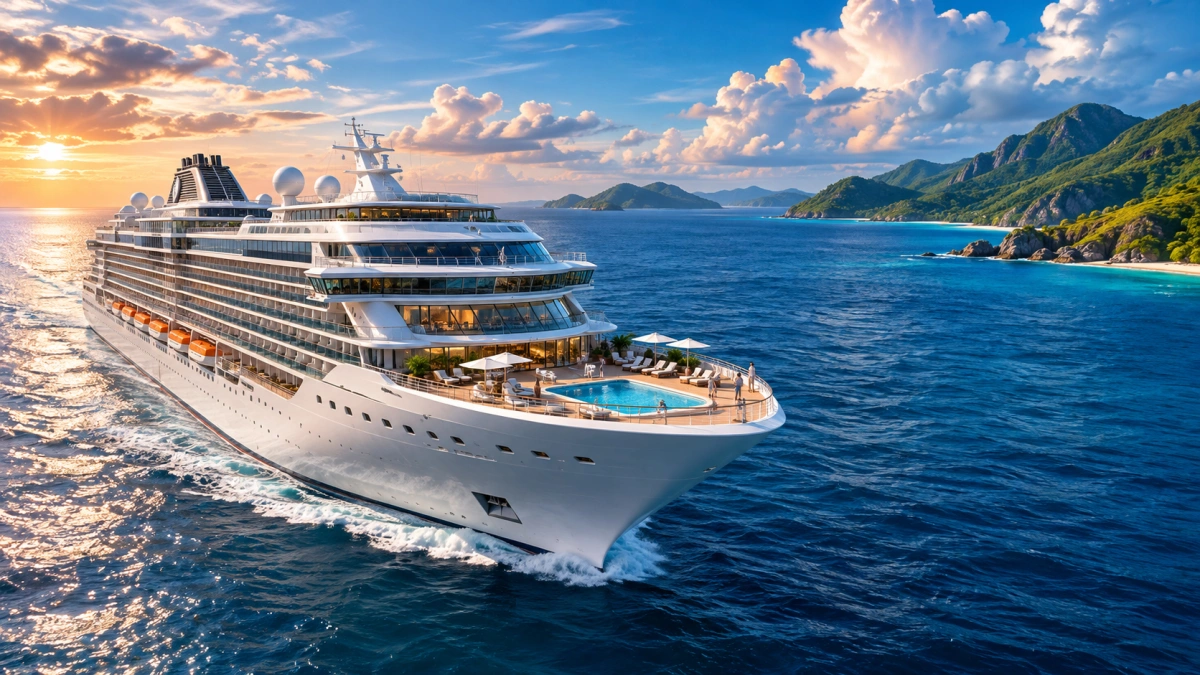
There is something remarkably liberating about watching the coastline disappear from the deck of a cruise ship. The ocean stretches toward the horizon, the demands of everyday life begin to fade, and the anticipation of discovering another corner of the world takes over.Cruising has evolved far beyond...

The Nile is more than a river; it is the central artery of a civilization, the lifeblood that has pulsed through the heart of Egypt for millennia, uniting its upper and lower realms and nourishing a culture that has captivated the world. To journey along its banks is to embark on a passage through time...

Felucca cruising is a unique and relaxing way to explore the Nile in Luxor, Egypt. Take a step back in time as you board one of these traditional wooden boats, known locally as feluccas, and sail down the river. The beauty of this ancient sailing craft is unparalleled with its classic design that has...