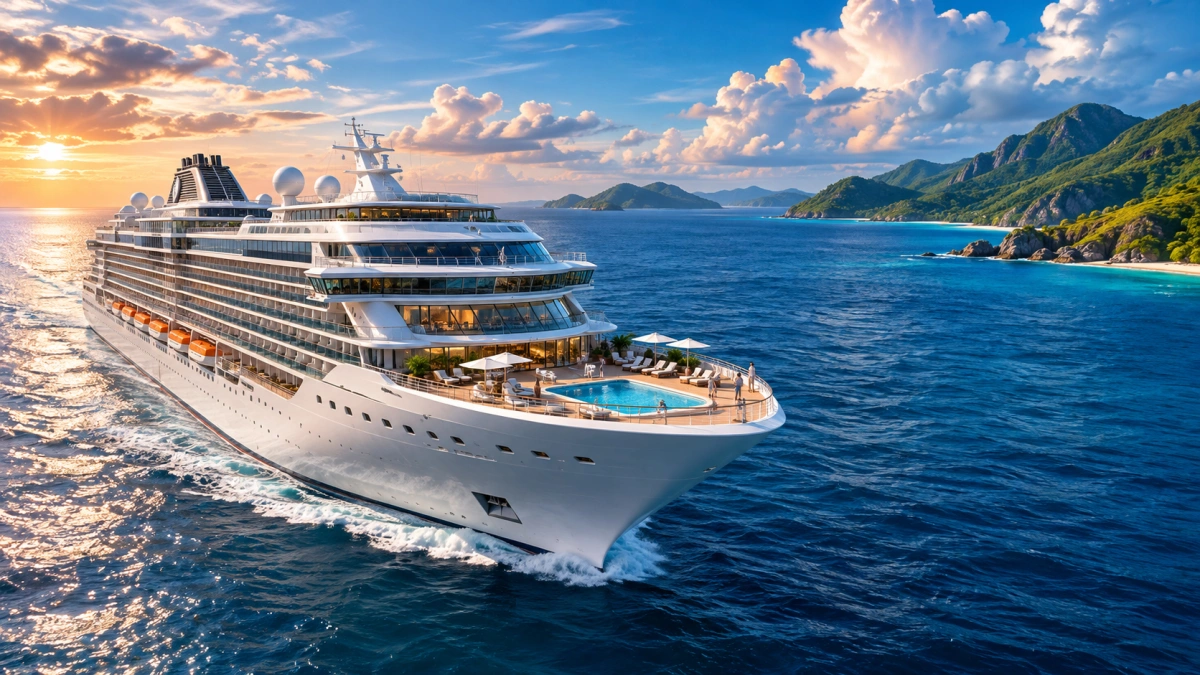
What Makes the Ultimate Cruise Vacation? A Guide to Unforgettable Adventures at Sea
There is something remarkably liberating about watching the coastline disappear from the deck of a cruise ship. The ocean stretches toward the horizon, the demands of everyday life begin to fade, and the anticipation of discovering another corner of the world takes over.
Cruising has evolved far beyond the traditional image of sunbathing beside a swimming pool. Today's voyages bring together remarkable destinations, sophisticated dining, outdoor adventures, cultural discoveries, wellness retreats, and world-class entertainment. Passengers can explore ancient Mediterranean cities, sail past towering Alaskan glaciers, or venture into the remote landscapes of Antarctica without repeatedly packing their belongings.
The ultimate cruise experience, however, is not necessarily defined by the size of the ship or the extravagance of its facilities. It is about finding a journey that complements your interests, satisfies your curiosity, and leaves you with memories that extend well beyond the voyage itself.
Why Cruising Offers a Different Way to Discover the World
Conventional holidays often involve considerable time spent arranging transportation, checking into hotels, and moving between destinations. Cruising removes much of that logistical burden by combining accommodation, transportation, dining, and recreation within a single journey.
One evening might be spent enjoying dinner overlooking the Mediterranean, while the following morning begins in an entirely different country. Passengers can experience multiple destinations without sacrificing the comfort of a familiar room or the convenience of onboard facilities.
Many contemporary cruise ships offer accommodation, regular dining, entertainment, recreational facilities, and fitness amenities as part of their standard fare, although inclusions differ considerably between operators and individual voyages.
Beyond convenience, cruising introduces a refreshing sense of perspective. Approaching a destination from the water reveals landscapes, harbours, and coastal communities in ways that are difficult to appreciate when arriving by road or air.
Finding a Cruise That Matches Your Travel Personality
Not every cruise promises the same experience. Some vessels resemble lively seaside resorts, while others offer intimate surroundings designed for relaxation, exploration, or cultural enrichment.
Understanding these differences is essential when selecting a voyage.
Large Ocean Cruises for Entertainment and Variety
Large cruise ships appeal particularly to families, groups of friends, and travellers who enjoy having numerous activities within easy reach.
Depending on the vessel, passengers may encounter elaborate water parks, climbing walls, surfing simulators, live theatrical productions, swimming pools, sports facilities, and dedicated children's programmes.
The advantage of this style of cruising is flexibility. Members of the same family can pursue entirely different interests throughout the day before gathering for dinner and sharing their experiences.
Luxury Cruises for Refined Experiences
Luxury cruising generally places greater emphasis on personalised hospitality, sophisticated surroundings, spacious accommodation, and carefully considered dining experiences.
Rather than filling every hour with organised activities, these voyages frequently encourage a more leisurely rhythm. Smaller passenger numbers may contribute to a quieter atmosphere, although luxury ships vary significantly in size and character.
For travellers celebrating an anniversary, retirement, honeymoon, or another significant occasion, the appeal often lies in the details: attentive service, an unhurried breakfast, and the opportunity to experience extraordinary destinations in comfort.
Expedition Cruises for Curious Adventurers
Expedition cruising approaches travel from an entirely different perspective. The destination takes precedence over conventional onboard entertainment, with itineraries often focusing on wildlife, geography, conservation, and remote natural environments.
Expedition passengers may participate in guided coastal explorations, small-boat excursions, wildlife observations, and educational presentations.
Antarctic expeditions are particularly distinctive. Their activities operate within environmental guidelines intended to protect fragile ecosystems, minimise disturbances to wildlife, and prevent the introduction of non-native species.
For anyone who considers discovery more rewarding than elaborate resort facilities, expedition cruising can offer an exceptionally meaningful travel experience.
The World's Most Extraordinary Cruise Destinations
The choice of destination shapes almost every aspect of a cruise, from the excursions available ashore to the atmosphere aboard the ship. Some regions are best appreciated for their cultural richness, while others offer extraordinary encounters with nature.
The Caribbean: Tropical Escapes and Island Adventures
The Caribbean remains an enduring favourite among travellers seeking sunshine, warm waters, and a relaxed island atmosphere.
A voyage through this region might include snorkelling above coral reefs, exploring colourful coastal towns, tasting regional cuisine, or spending an afternoon beside turquoise waters.
The Bahamas, in particular, offers contrasting experiences across its islands, ranging from the lively surroundings of Nassau and Paradise Island to quieter, more secluded coastal settings.
Seasonal planning deserves consideration. The official Atlantic hurricane season runs from June 1 to November 30, although tropical storms can develop outside this period. Travellers cruising during these months should remain flexible about possible itinerary changes.
The Mediterranean: Where History Meets the Sea
Few cruising regions bring together such a remarkable concentration of historical landmarks, architectural masterpieces, and culinary traditions as the Mediterranean.
Passengers can discover Roman heritage in Italy, explore Greek island villages, wander through historic Spanish neighbourhoods, and encounter distinctive cultures along the Adriatic coastline.
Spain alone offers several prominent cruise ports, including Barcelona, Valencia, Palma de Mallorca, Málaga, and Cádiz, providing access to destinations with remarkably different regional identities.
Mediterranean cruising is particularly rewarding for travellers who enjoy combining sightseeing with leisurely meals, local markets, museums, and historical exploration.
There is also an undeniable pleasure in returning to the ship after a long afternoon spent navigating unfamiliar cobbled streets, knowing that another destination awaits the following morning.
Alaska: A Journey Through Untamed Wilderness
An Alaskan cruise offers a striking departure from the conventional tropical holiday. Here, the greatest attractions are often visible directly from the ship.
Glaciers, forested coastlines, snow-covered mountains, and extensive waterways create a landscape of extraordinary scale.
Glacier Bay National Park and Preserve is especially well suited to maritime exploration. On many cruise visits, park naturalists board vessels to explain the region's geological history, wildlife, and environmental significance while passengers observe the landscape from the water.
Depending on the itinerary and natural conditions, travellers may also encounter whales, sea otters, seals, and seabirds.
The unpredictable nature of these encounters is part of their appeal. No timetable can guarantee the appearance of a whale or the dramatic movement of glacial ice.
Northern Europe and the Norwegian Fjords
Northern European cruises combine coastal heritage, striking architecture, and some of the continent's most dramatic scenery.
Norway's fjords are particularly impressive when approached by sea. Steep mountainsides rise above narrow waterways, waterfalls descend from elevated valleys, and small settlements occupy the limited stretches of accessible shoreline.
The Geirangerfjord and Nærøyfjord are recognised as UNESCO World Heritage landscapes, reflecting their outstanding natural characteristics.
Travellers interested in photography, hiking, Scandinavian culture, and quieter surroundings will find considerable variety throughout this region.
Antarctica: An Adventure Beyond the Ordinary
Antarctica occupies a special place in the imagination of adventurous travellers. Its immense ice formations, isolated landscapes, and remarkable wildlife offer an experience unlike conventional cruising destinations.
Voyages may involve observing penguin colonies, navigating waters filled with floating ice, and learning about polar ecosystems from expedition specialists.
Activities are heavily influenced by weather, sea conditions, environmental restrictions, and operational safety requirements. Visitors should understand that planned landings and excursions are never guaranteed.
The reward is an opportunity to encounter a part of the planet where nature, rather than human development, remains overwhelmingly dominant.
Life on Board: When the Ship Becomes a Destination
Sea days are sometimes regarded as intervals between destinations. In reality, they can become some of the most enjoyable parts of a cruise.
Without the pressure of reaching a museum before closing time or returning from an excursion, passengers can settle into a rhythm that feels genuinely restorative.
Culinary Experiences Worth Exploring
Dining has become a central element of contemporary cruising.
Depending on the ship, guests can choose between traditional dining rooms, casual buffets, international restaurants, poolside eateries, and speciality establishments.
Some venues form part of the standard cruise fare, whereas premium restaurants, selected beverages, and exclusive culinary experiences may incur additional charges.
The most memorable meals are not always the most elaborate. A quiet breakfast overlooking the open ocean or dinner shared with newly acquainted travellers can become just as memorable as an extravagant tasting menu.
Travellers with food allergies or specific dietary requirements should discuss their needs with the operator before departure rather than relying on arrangements made after boarding.
Entertainment After Sunset
Evenings at sea offer a character of their own.
Large vessels may feature musical productions, comedy performances, live bands, themed events, dance venues, and interactive entertainment. Other ships favour intimate concerts, classical performances, lectures, and quieter social gatherings.
Passengers are under no obligation to participate in everything. Part of the pleasure of cruising is deciding whether an evening calls for a spectacular performance or simply a comfortable seat overlooking the moonlit ocean.
Wellness and the Art of Slowing Down
The absence of everyday obligations makes a cruise an excellent opportunity to establish a more balanced routine.
Many ships provide fitness centres, swimming facilities, walking tracks, spa treatments, and organised exercise sessions. Access to certain wellness facilities and treatments may require an additional payment.
Yet relaxation does not necessarily require purchasing a spa package. Reading on an outdoor deck, watching the sunrise, or taking an unhurried walk in the sea air can be equally restorative.
Shore Excursions That Turn Travel Into Adventure
The experiences awaiting passengers beyond the gangway are frequently the defining moments of a cruise.
Shore excursions can range from gentle sightseeing tours to physically demanding outdoor activities. Depending on the region, travellers might explore archaeological sites, participate in cooking classes, hike through forests, kayak along rugged coastlines, or visit traditional communities.
Organised excursions are particularly useful when attractions are located far from the port or transportation is difficult to arrange independently.
Independent exploration, on the other hand, offers greater freedom. Spending several hours in a neighbourhood café, discovering a small museum, or walking through a local market can provide a more personal introduction to a destination.
Whichever approach passengers choose, they should consider local safety conditions, transportation reliability, accessibility, and the ship's scheduled departure time. Travel insurance should also cover the activities undertaken ashore.
An enjoyable excursion is not necessarily the one with the longest itinerary. Sometimes, experiencing a single place properly is far more rewarding than rushing through several attractions.
Choosing the Right Cabin for a Comfortable Voyage
Cabin selection can have a surprisingly significant influence on the overall cruise experience.
An affordable interior cabin may suit passengers who expect to spend most of their time exploring ports or enjoying public areas. Conversely, travellers who appreciate privacy and natural light may consider an ocean-view or balcony cabin worth the additional expense.
Cabin category | Main characteristics | Best suited to |
|---|---|---|
Interior cabin | Enclosed accommodation without an external view | Budget-conscious and active travellers |
Ocean-view cabin | Natural light through a window or porthole | Passengers seeking comfort and value |
Balcony cabin | Private outdoor space overlooking the surroundings | Couples and scenic cruise enthusiasts |
Suite | More spacious accommodation, often with additional privileges | Luxury travellers and special occasions |
Location matters almost as much as cabin category. Passengers sensitive to motion may prefer accommodation closer to the middle of the vessel on a lower deck. Those who value quiet surroundings should examine deck plans carefully and consider the location of entertainment venues, restaurants, and other busy public spaces.
Understanding the True Cost of a Cruise Vacation
One of the most common misconceptions about cruising is that every voyage is entirely all-inclusive.
Although the advertised fare generally covers accommodation, transportation between scheduled ports, and selected dining and entertainment options, additional expenses can accumulate throughout the holiday.
Depending on the operator and booking package, these may include:
Flights, airport transfers, and pre-cruise accommodation.
Speciality restaurants and beverage packages.
Shore excursions and guided sightseeing.
Internet access and communication services.
Gratuities and onboard service charges.
Spa treatments and premium recreational activities.
Travel insurance and medical expenses.
Cruise inclusions and exclusions vary considerably, making it important to examine booking conditions rather than relying solely on advertised starting prices.
A higher-priced cruise with generous inclusions can sometimes represent better overall value than a seemingly inexpensive voyage accompanied by numerous additional charges.
When Is the Best Time to Go on a Cruise?
There is no universally perfect cruising season. Weather patterns, regional attractions, passenger demand, and personal preferences all influence the ideal departure date.
Cruise region | Generally favourable travel period | Principal attractions |
|---|---|---|
Caribbean | December to April | Tropical beaches and marine adventures |
Mediterranean | April to October | Historical sites, coastal towns and cultural experiences |
Alaska | May to September | Glaciers, wilderness and wildlife |
Northern Europe | May to September | Fjords, scenic coastlines and long daylight hours |
Antarctica | November to March | Polar landscapes and wildlife encounters |
These periods should be treated as general planning guidelines rather than guarantees of favourable weather or wildlife sightings.
Travelling during the shoulder season can offer a particularly attractive balance between comfortable conditions, manageable crowds, and potentially lower prices.
For destination-focused travellers, the best departure date is often determined by what they hope to experience rather than by temperature alone.
Staying Healthy and Safe on the High Seas
Modern international passenger ships operate within an established maritime safety framework covering construction, equipment, emergency preparedness, and operational procedures. Passengers are also required to participate in safety arrangements designed to familiarise them with emergency procedures.
Nevertheless, individual preparation remains important.
Cruise passengers should carry appropriate travel documents, sufficient prescription medication, and comprehensive insurance that includes emergency medical treatment and evacuation where necessary. Entry requirements should be checked for every scheduled destination, not merely the departure country.
Seasickness, respiratory infections, and gastrointestinal illnesses are among the health concerns associated with cruise travel. Regular handwashing with soap and water, appropriate vaccinations, and prompt reporting of illness to onboard medical personnel can help reduce health risks.
Travellers can also consult publicly available sanitation inspection results for vessels covered by relevant public health inspection programmes before making a booking.
Good preparation should provide peace of mind rather than become a source of unnecessary anxiety.
Responsible Cruising and Protecting the Ocean
The beauty of maritime travel comes with an environmental responsibility that cannot be overlooked.
Cruise ships require substantial energy, generate waste, and operate in marine environments that may be ecologically sensitive. Their environmental impact depends on factors including vessel design, fuel consumption, operating practices, and itinerary.
International maritime regulations address several forms of ship-generated pollution, including oil, sewage, garbage, and atmospheric emissions.
The international shipping sector has also established a greenhouse gas reduction strategy aimed at improving energy efficiency and progressing toward net-zero greenhouse gas emissions by or around 2050.
Passengers can contribute by choosing operators that publish transparent environmental information, reducing unnecessary consumption, respecting wildlife, conserving resources onboard, and supporting locally owned businesses during port visits.
Responsible travel does not diminish the enjoyment of a cruise. It helps ensure that the landscapes and communities attracting travellers today remain worth visiting in the future.
Making Your First Cruise Truly Memorable
First-time cruisers often make the mistake of trying to experience everything.
They reserve numerous excursions, fill their evenings with entertainment, and approach the daily activity programme as though every opportunity must be taken.
A more satisfying approach is to leave room for spontaneity.
Arriving in the departure city a day early can reduce the stress associated with transportation delays. Reserving particularly important excursions in advance provides greater certainty, while leaving some days unplanned allows passengers to discover unexpected interests.
Packing comfortable walking shoes, suitable clothing for changing weather, essential medication, and accessible travel documents also makes the journey considerably easier.
Above all, resist the temptation to measure the success of a cruise by the number of activities completed. Some of its finest moments may involve nothing more than watching the ocean change colour as evening approaches.
Final Thoughts
The ultimate cruise experience is not a single destination, a particular ship, or an extravagant collection of onboard luxuries. It is the remarkable combination of discovery, comfort, freedom, and anticipation that makes travelling by sea so distinctive.
For some travellers, the highlight will be sailing between Mediterranean cities steeped in history. For others, it will be encountering wildlife in Alaska, discovering remote tropical islands, or witnessing the extraordinary stillness of Antarctica.
Between those adventures lie the quieter pleasures of life at sea: conversations with fellow travellers, meals overlooking the horizon, peaceful mornings, and evenings spent beneath an unfamiliar sky.
Choose your itinerary thoughtfully, travel responsibly, and leave enough space for the unexpected. The ocean has a remarkable way of reminding us that the journey itself can be every bit as rewarding as the destination.

Imagine waking up to a different coastline every morning, enjoying breakfast with panoramic ocean views and discovering remarkable destinations without the inconvenience of constantly changing hotels. A cruise vacation brings together the excitement of international travel and the comforts of a floating...

The Nile is more than a river; it is the central artery of a civilization, the lifeblood that has pulsed through the heart of Egypt for millennia, uniting its upper and lower realms and nourishing a culture that has captivated the world. To journey along its banks is to embark on a passage through time...

Felucca cruising is a unique and relaxing way to explore the Nile in Luxor, Egypt. Take a step back in time as you board one of these traditional wooden boats, known locally as feluccas, and sail down the river. The beauty of this ancient sailing craft is unparalleled with its classic design that has...