
How to Travel to Egypt: Essential Tips for an Unforgettable Holiday
Egypt is a destination where ancient history, extraordinary landscapes, and everyday life come together in ways few other countries can match. One moment, you might be standing beneath the towering columns of an ancient temple; the next, you could be sailing along the Nile, wandering through the lively streets of Cairo, or watching the sun disappear behind the golden dunes of the Sahara. From the legendary pyramids of Giza to the tranquil beaches of the Red Sea, Egypt offers an extraordinary range of experiences for travellers with different interests and expectations.
Yet, as with any destination rich in history and cultural traditions, a little preparation can make a considerable difference. Understanding local customs, choosing the right season, arranging transportation, and knowing what to expect when visiting popular attractions will help you enjoy your holiday with greater confidence.
Whether you are visiting Egypt for the first time, planning a family holiday, travelling independently, or dreaming of a Nile cruise, the following tips will help you prepare for a memorable journey. The aim is not simply to see Egypt's famous landmarks, but to experience the country more comfortably, respectfully, and meaningfully.
Choose the Best Time to Visit Egypt
One of the most important decisions when planning a trip to Egypt is choosing the right time of year. Although the country enjoys abundant sunshine throughout the year, temperatures can vary considerably between the Mediterranean coast, the Nile Valley, and the southern desert regions.
According to Egypt's official tourism authority, the country generally experiences a mild winter from November to March and a hot, dry summer from May to September. The southern regions, including Luxor and Aswan, tend to remain warmer throughout the year, while coastal destinations benefit from the moderating influence of the sea.
Here is a general guide to choosing your travel season:
November to March: An excellent period for exploring historical attractions, visiting the pyramids, discovering ancient temples, and enjoying Nile cruises. Daytime temperatures are generally more comfortable for extended outdoor activities.
April and October: These transitional months can offer a pleasant balance between warm weather and sightseeing opportunities, although temperatures vary by destination.
May to September: Summer brings considerable heat, particularly in Upper Egypt. It can still be an attractive period for beach holidays along the Mediterranean and Red Sea, but outdoor sightseeing requires careful planning.
If you intend to visit Luxor, Aswan, and the Valley of the Kings, consider scheduling archaeological excursions early in the morning. Not only will you avoid some of the day's strongest heat, but you will also have a better opportunity to appreciate the monuments before the busiest visiting hours.
For a beach-focused holiday, destinations such as Hurghada, Sharm El-Sheikh, and Marsa Alam offer different experiences throughout the year. Your choice should depend on whether you prioritise swimming, diving, relaxation, or combining seaside activities with cultural excursions.
Plan Your Itinerary Before Arriving
Egypt is considerably larger and more diverse than many first-time visitors expect. Although the pyramids of Giza, the temples of Luxor, and the beaches of the Red Sea are all part of the same country, travelling between these destinations requires time and thoughtful planning.
Rather than attempting to visit every major attraction during a single holiday, concentrate on a few destinations that complement one another.
Cairo and Giza: Discover the foundations of ancient Egypt
For most first-time visitors, Cairo is an excellent starting point. The capital offers a fascinating combination of ancient monuments, Islamic architecture, historic neighbourhoods, traditional markets, and contemporary Egyptian culture.
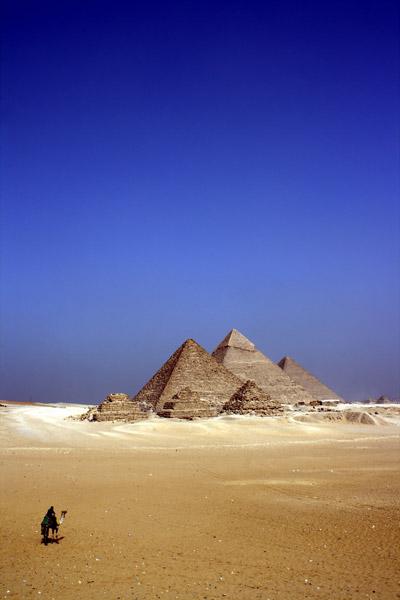
The Giza Pyramid Complex and the Great Sphinx deserve a prominent place on your itinerary. You should also consider visiting the Grand Egyptian Museum, the National Museum of Egyptian Civilization, the Citadel of Saladin, and the historic Khan el-Khalili bazaar.
Allow enough time to experience Cairo beyond its most famous attractions. Its neighbourhoods, cafés, traditional restaurants, and lively streets reveal a side of Egypt that cannot be understood through archaeological monuments alone.
Luxor and Aswan: Experience the magnificence of ancient temples
Luxor is one of the world's most remarkable destinations for anyone interested in ancient history. The Karnak Temple Complex, Luxor Temple, Valley of the Kings, and Temple of Hatshepsut offer an extraordinary glimpse into the religious beliefs, royal traditions, and architectural achievements of ancient Egypt.
Further south, Aswan provides a more relaxed atmosphere, with beautiful Nile scenery, Nubian communities, colourful markets, and important archaeological sites.
A Nile cruise between Luxor and Aswan is one of the most rewarding ways to experience this region. Depending on the vessel and itinerary, cruises generally operate over three to seven nights, with stops at important historical attractions along the river.
The Red Sea: Enjoy a different side of Egypt
Egypt is not exclusively a destination for history enthusiasts. Its Red Sea coastline is internationally recognised for its marine environment, diving opportunities, beaches, and resort experiences.
Hurghada is particularly popular for family holidays and water-based activities. Sharm El-Sheikh offers established resort facilities and access to excellent diving areas, while Marsa Alam attracts visitors looking for a quieter coastal experience.
Alexandria and Egypt's Mediterranean coast
If you have additional time, Alexandria is well worth considering. Its Mediterranean atmosphere, historic waterfront, seafood restaurants, and cultural landmarks provide a striking contrast to Cairo and Upper Egypt.
The key is to avoid making your itinerary unnecessarily exhausting. A well-paced journey with time to explore each destination is usually more rewarding than rushing through a long list of attractions.
Check Visa Requirements and Travel Documents Carefully
Before booking flights or accommodation, make sure you understand Egypt's entry requirements.
Visa regulations depend on your nationality, passport, and purpose of travel. Many international visitors require a tourist visa, while eligible nationalities may apply for an electronic visa or obtain a visa on arrival.
Egypt operates an official electronic visa platform through which eligible travellers can submit applications and pay the applicable fees. The official portal lists eligible nationalities and explains the application process.
Important travel document checklist
- Make sure your passport is valid for at least six months from your arrival date.
- Check whether your nationality requires a visa.
- Apply through the official Egyptian e-Visa portal if eligible.
- Keep a printed copy of your approved e-Visa.
- Have your return flight information and hotel reservations accessible.
- Keep digital copies of your passport, visa, and travel insurance documents.
The Egyptian e-Visa portal specifies the six-month passport validity requirement and lists supporting documents travellers may need to present.
Do not assume that visa information published on an independent travel website is still accurate. Entry rules, fees, and eligibility can change, so verify everything using official government information before departure.
It is also sensible to purchase comprehensive travel insurance. Ideally, your policy should cover medical treatment, unexpected cancellations, lost belongings, and any activities included in your itinerary.
If you are planning scuba diving, desert excursions, or hot-air balloon flights, check that your insurance explicitly covers those activities. The UK's Foreign, Commonwealth & Development Office also recommends using reputable operators for adventure activities and checking the safety arrangements before booking.
Understand Transportation Options in Egypt
Getting around Egypt can be an adventure in itself. The country has several transportation options, but the most suitable choice depends on the distance, your budget, and how much flexibility you want.
Domestic flights
For travellers with limited time, domestic flights are often the most convenient way to connect major destinations. Flights can connect Cairo with Luxor, Aswan, Hurghada, and Sharm El-Sheikh, among other destinations.
EgyptAir, Nile Air, and Air Cairo are among the airlines operating domestic services. Booking in advance can help you secure more convenient departure times.
Trains
Egypt's railway network connects several important cities, including Cairo, Alexandria, Luxor, and Aswan. Air-conditioned trains can be a practical alternative to flying, particularly if you enjoy watching the countryside pass by.
First-class services and sleeper trains offer additional comfort on longer journeys. However, ticketing arrangements can vary, particularly for international visitors using online booking platforms. Check the current arrangements with Egyptian National Railways before relying on an online reservation.
Buses
Long-distance buses connect Cairo with many destinations throughout the country, including the Nile Valley, the Red Sea coast, Alexandria, and parts of Sinai.
They can be an economical option, although journey times are generally longer than domestic flights. Compare departure locations, luggage allowances, and arrival times before purchasing tickets.
Taxis and ride-hailing applications
In Cairo and Alexandria, ride-hailing services are widely used and can make getting around urban areas considerably easier.
Traditional taxis are also readily available. Egyptian tourism authorities advise passengers to ensure that the taxi meter is switched on at the beginning of the journey. If a meter is unavailable or not working, agree on the fare before travelling.
For independent travellers, using a recognised ride-hailing service can be particularly useful because the journey and estimated fare are displayed before the trip begins.
Nile cruises and traditional feluccas
A Nile cruise offers a particularly memorable way to travel between Luxor and Aswan. For something more intimate, consider a traditional felucca sailing experience.
These wooden sailing boats provide a peaceful opportunity to enjoy the Nile, especially around sunset in Aswan.
Book Major Attractions in Advance
Egypt's most famous historical attractions can become busy, particularly during the cooler months when international tourism is at its strongest.
Planning your visits beforehand can save time and help you avoid unnecessary queues.
The Ministry of Tourism and Antiquities provides an official online ticketing platform for archaeological sites and museums. Visitors can check available attractions, ticket information, and opening hours before their visits. Tickets may also be purchased at the entrance where available.
For a smoother experience, consider these suggestions:
- Check opening hours before leaving your hotel.
- Purchase advance tickets for attractions that offer online reservations.
- Arrive early at popular monuments.
- Consider hiring a licensed local guide for major archaeological sites.
- Check whether photography or additional entrance fees apply.
- Keep your electronic tickets accessible on your phone and retain any confirmation details.
A knowledgeable guide can add considerable value to visits to places such as Karnak, the Valley of the Kings, and the Giza Plateau. Understanding the historical context behind the monuments makes the experience far more meaningful than simply walking through them and taking photographs.
One additional recommendation is to avoid scheduling several demanding archaeological excursions on consecutive afternoons. Walking around ancient sites under the Egyptian sun can be tiring, so allow yourself time to rest.
Dress Comfortably and Respect Local Customs
Egypt is a culturally diverse country with traditions shaped by its Islamic heritage, Christian communities, regional identities, and long history of international exchange.
Visitors are generally welcomed warmly, but understanding local customs helps create more positive interactions.
Clothing is an important consideration. In major beach resorts, swimming attire is perfectly normal around hotel pools and designated beaches. However, modest clothing is generally more appropriate when exploring cities, traditional neighbourhoods, local markets, and rural communities.
When visiting mosques, churches, and other religious buildings, visitors should cover their shoulders and legs. Women should also carry a headscarf when visiting places of worship where head coverings are expected. Egypt's official tourism authority specifically recommends bringing a scarf or light cardigan for this purpose.
A few practical suggestions can make your journey more comfortable:
- Choose lightweight, breathable fabrics, especially during warmer months.
- Carry a scarf or light cardigan for religious sites.
- Wear comfortable walking shoes when visiting archaeological attractions.
- Avoid overly revealing clothing when exploring conservative neighbourhoods.
- Be considerate when photographing people or entering places of worship.
It is also worth checking whether your trip coincides with Ramadan. The dates change each year according to the Islamic lunar calendar.
During Ramadan, many Egyptians fast from sunrise to sunset. Visitors should be mindful of local sensitivities, particularly when eating, drinking, or smoking in public during daylight hours. Restaurant opening times and daily schedules may also change.
Respecting these traditions does not mean you cannot enjoy your holiday. Rather, a little cultural awareness helps you experience Egypt in a more thoughtful and rewarding way.
Prepare Your Budget and Carry Some Local Currency
The official currency of Egypt is the Egyptian pound, commonly abbreviated as EGP.
Although international credit and debit cards are accepted in major cities and tourist destinations, Egypt remains relatively cash-oriented, particularly for taxis, small shops, traditional markets, and everyday purchases.
The Egyptian tourism authority confirms that currency exchange facilities are available at major hotels, airports, and tourist destinations. Banks also provide ATMs, including machines offering currency exchange services.
A sensible approach is to carry a combination of payment methods.
Use your bank card for larger expenses where accepted, such as hotel payments and restaurant bills, while keeping a reasonable amount of Egyptian currency for smaller purchases.
It is particularly useful to have smaller banknotes available. They make it easier to pay for minor services, purchase refreshments, and leave gratuities when appropriate.
Tipping, commonly associated with the local term baksheesh, is part of everyday service culture. However, visitors should not feel pressured into paying for unsolicited services or assistance they did not request.
When shopping in traditional markets, take your time comparing prices. Bargaining is common in many souvenir markets, and a friendly, respectful approach is usually more productive than an aggressive negotiation.
Most importantly, establish the price of services before accepting them. This is particularly useful when arranging informal transportation, guided visits, or camel and horse rides around tourist attractions.
Stay Connected with a Local SIM Card
Having reliable mobile internet makes travelling through Egypt considerably easier.
You can use navigation applications, communicate with your hotel, arrange transportation, check attraction opening hours, and access online reservations without relying entirely on public Wi-Fi.
Egypt's major telecommunications providers include:
- Vodafone Egypt
- Orange Egypt
- Etisalat by e&
- WE
According to the official tourism authority, temporary tourist mobile packages are available through these operators. Visitors generally need to present their passports when purchasing and registering a local SIM card.
If your phone supports eSIM technology, check whether a suitable international or Egyptian eSIM package is available before departure.
It is also worth downloading offline maps of the cities and regions you intend to visit. Mobile coverage can become less reliable in remote desert areas.
A local SIM card is particularly helpful if you are travelling independently rather than relying on an organised tour.
Experience Egyptian Food and Traditional Cuisine
Food is one of the most enjoyable parts of travelling through Egypt. The country's culinary traditions reflect centuries of regional influences, with dishes built around vegetables, legumes, aromatic spices, fresh bread, rice, and grilled meats.
Although international restaurants are widely available in major tourist destinations, trying traditional Egyptian food is an essential part of understanding the country's culture.
Here are some dishes worth looking for:
Koshari
Often regarded as one of Egypt's signature dishes, koshari combines rice, pasta, lentils, chickpeas, tomato sauce, garlic, and crispy fried onions.
It is a satisfying meal with a distinctive combination of textures and flavours.
Ful Medames
This traditional breakfast dish consists of slow-cooked fava beans seasoned with ingredients such as olive oil, lemon, and cumin. It is commonly served with Egyptian flatbread.
Taameya
Egyptian taameya is similar to falafel but is traditionally prepared using fava beans rather than chickpeas. Fresh herbs give the fritters their characteristic flavour and green interior.
Molokhiya
A traditional green soup prepared from finely chopped molokhiya leaves, usually flavoured with garlic and coriander. It is often served with rice or bread.
Alexandrian Liver Sandwiches
If you visit Alexandria, consider trying Alexandrian-style beef liver sandwiches, which are known for their distinctive seasoning and spicy flavour.
These dishes are among the traditional favourites highlighted by Egypt's official tourism website.
Beyond the food itself, do not overlook Egyptian tea, freshly prepared juices, and traditional hibiscus drinks.
Exploring local restaurants can be a wonderful way to experience Egyptian hospitality. Nevertheless, choose establishments with good hygiene standards, particularly when ordering meat, seafood, or uncooked ingredients.
Take Food and Water Safety Seriously
Food and water precautions are among the most important practical considerations when visiting Egypt.
The US Centers for Disease Control and Prevention (CDC) identifies travellers' diarrhoea as a significant health concern in Egypt and recommends careful attention to food and water hygiene.
A few straightforward precautions can reduce the likelihood of illness:
- Drink bottled water from properly sealed bottles.
- Avoid untreated tap water, particularly outside major international hotels.
- Be cautious with ice unless you know it has been prepared using safe water.
- Choose freshly cooked food served hot.
- Avoid raw or undercooked meat and seafood.
- Be selective about salads and uncooked vegetables.
- Wash your hands regularly, particularly before eating.
The CDC notes that thoroughly cooked meals in established hotels, popular restaurants, and Nile cruise vessels are generally safer choices than questionable raw or undercooked food.
Another important precaution concerns swimming. Although the Red Sea and Mediterranean are popular swimming destinations, avoid swimming or wading in the Nile and untreated freshwater canals. Such exposure can carry a risk of waterborne infections, including schistosomiasis.
Before travelling, arrange a consultation with a healthcare professional or travel clinic. The CDC recommends reviewing vaccination requirements at least a month before departure. Its Egypt guidance recommends hepatitis A vaccination for unvaccinated travellers and typhoid vaccination for most visitors, alongside keeping routine vaccinations up to date.
Do not forget sunscreen, sunglasses, a hat, and any personal medication you may need during the journey.
Understand Safety Considerations Before You Travel
Egypt welcomes millions of international visitors, and many holidays proceed without significant problems. Nevertheless, travelling responsibly means understanding the country's security situation and taking sensible precautions.
Before departure, review the latest travel advisory issued by your own government. Recommendations can differ depending on nationality and may change as regional circumstances develop.
For example, as of 25 November 2026, the UK's Foreign, Commonwealth & Development Office advises against all travel to North Sinai and areas within 20 kilometres of the Egyptian-Libyan border. It also identifies other regions where travel is restricted or discouraged, with specific exceptions for certain established tourist destinations.
This is particularly important if you intend to explore remote desert regions or travel beyond conventional tourist routes.
For everyday safety, consider the following recommendations:
Use reputable tour operators. Choose established companies for excursions, transfers, desert safaris, and water activities. Check reviews, insurance arrangements, and what is included in the advertised price.
Be cautious around tourist attractions. Popular sites sometimes attract unofficial guides, persistent vendors, and people offering services that may eventually involve unexpected charges. Politely decline offers that you do not want.
Take care when travelling alone at night. The UK government advises female travellers to exercise additional caution when travelling alone, particularly in taxis after dark. Using recognised transportation services and sharing journey details with someone you trust are sensible precautions.
Keep important documents accessible. Carry a copy of your passport and visa, and store separate digital copies securely. Keep the original passport in a safe location when practical, but have appropriate identification available when required.
Avoid demonstrations and political gatherings. Stay informed about local developments and follow instructions from Egyptian authorities.
A final point concerns adventure tourism. If you intend to dive in the Red Sea, book with a reputable operator, check equipment and safety arrangements, and make sure your insurance covers the activity. Similar precautions apply to desert expeditions and hot-air balloon excursions.
Understand Photography Rules and Restrictions
Egypt is a photographer's dream. From the dramatic silhouettes of the pyramids to the colourful streets of Aswan and the tranquil waters of the Nile, there are countless opportunities to capture memorable images.
However, photography regulations deserve attention.
Egypt's official tourism authority states that personal, non-commercial photography is generally permitted in public areas and at archaeological sites. Indoor photography in museums and archaeological buildings is allowed without flash.
There are important exceptions:
- Photographing children is prohibited.
- Egyptian citizens should only be photographed after obtaining their written permission.
- Military installations, police facilities, and sensitive government buildings must not be photographed.
- Professional photography equipment and commercial filming may require permits.
- Drones require special government authorisation.
These restrictions are explained in the Egyptian tourism authority's photography guidance and the UK government's travel advice.
If you are carrying professional photography equipment, check the relevant requirements before travelling. Do not assume that equipment permitted in your home country can automatically be imported or operated in Egypt.
Being respectful when photographing local people is just as important as understanding the official regulations.
Learn a Few Basic Arabic Expressions
Although English is widely understood in many hotels, restaurants, and popular tourist destinations, learning a handful of Arabic expressions can make everyday interactions more enjoyable.
Arabic is Egypt's official language, and even a little effort to communicate in the local language is often appreciated.
Here are a few useful expressions:
English | Arabic expression | Pronunciation |
|---|---|---|
Hello | مرحباً | Marhaban |
Thank you | شکراً | Shukran |
Please | من فضلک | Min fadlak |
Yes | نعم | Na'am |
No | لا | La |
How much? | بکام؟ | Bikam? |
Goodbye | مع السلامة | Ma'a salama |
Egyptian Arabic has its own distinctive pronunciation and everyday expressions, so you may hear slightly different versions of some phrases.
Do not worry about speaking perfectly. A friendly greeting, a smile, and a simple thank-you can go a long way.
Keep Important Emergency Numbers Handy
It is always wise to know whom to contact if something unexpected happens during your holiday.
Egypt's official tourism authority publishes several useful telephone numbers for visitors:
Service | Telephone number |
|---|---|
Tourist Police | 126 |
Ambulance | 123 |
Tourism Authority Information | 19654 |
Fire Services | 180 |
Gas Emergency | 129 |
Save these numbers on your phone before travelling. It is also sensible to keep your accommodation address, travel insurance details, and the contact information of your country's embassy or consulate somewhere accessible.
If you experience a problem with a tourism service, the official tourism hotline can also provide assistance and information.
Make Time for Experiences Beyond the Famous Landmarks
Although Egypt's ancient monuments deserve their worldwide reputation, some of the most memorable moments of a holiday happen away from the major attractions.
Consider spending an evening sailing along the Nile on a traditional felucca. Explore the colourful Nubian villages near Aswan, where distinctive architecture and local traditions offer a different perspective on Egyptian culture.
In Cairo, wander through historic markets, discover traditional cafés, and experience the city's lively food scene. Along the Red Sea, spend a day snorkelling or simply enjoying the coastline.
Erkundung des nubischen Dorfes mit dem Motorboot in Assuan zur Verfügung gestellt von Alfa Tours Egypt - Aswan | Ägypten - Tripadvisor 10 Unique Egypt Adventure Tours & Experiences | Encounters Travel Egypt Travel: A First-Timer's Guide to Visiting Cairo | Condé Nast Traveler 10
If you have sufficient time, consider exploring Egypt's desert landscapes and oases. Siwa Oasis, for example, offers a striking contrast to the crowded streets of Cairo and the monumental architecture of Luxor.
For remote destinations, however, always check current access conditions and arrange excursions through licensed guides or authorised tour operators. Egypt's official tourism authority specifically recommends confirming that secluded destinations are open to visitors before making arrangements.
These experiences can transform an ordinary sightseeing holiday into a much richer journey.
Make Your Egyptian Holiday an Experience to Remember
Egypt is a destination that rewards curiosity. Its extraordinary monuments tell stories of ancient civilisations, its cities reveal layers of cultural history, and its natural landscapes offer experiences that extend far beyond conventional sightseeing.
A successful journey begins with sensible preparation. Choose the right season, organise your travel documents, plan a realistic itinerary, and understand the transportation options available. Pay attention to local customs, take reasonable health and safety precautions, and leave enough flexibility in your schedule to discover places that were not necessarily part of your original plan.
Most importantly, do not limit your experience to ticking famous attractions off a list. Spend time enjoying local food, talking to people, watching the Nile at sunset, and discovering the character of the places you visit.
Whether you find yourself standing before the Great Pyramids, exploring the temples of Luxor, sailing between Aswan and Kom Ombo, or relaxing beside the turquoise waters of the Red Sea, Egypt has a remarkable ability to leave a lasting impression.
With thoughtful planning and an open mind, your Egyptian holiday can become much more than a vacation. It can be an unforgettable journey through history, culture, nature, and some of the most extraordinary landscapes in the world.
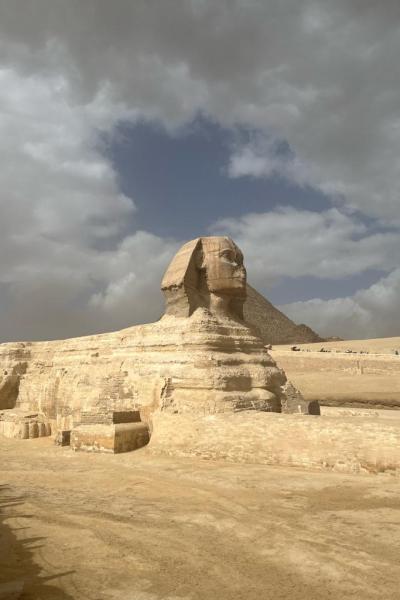

The Great Sphinx is one of the most iconic monuments in the world, located at Giza in Egypt. It stands guard at the entrance to the Pyramids and has been a source of fascination for archaeologists and historians for centuries. The true age of this enigmatic structure is still debated by experts, with...

Egypt is a destination where history, spirituality, culture, and natural beauty come together in remarkable ways. From the centuries-old mosques of Cairo to the peaceful banks of the Nile, the ancient wonders of Luxor, and the turquoise waters of the Red Sea, the country offers an extraordinary variety...

Few places in the world offer such an extraordinary connection to the ancient past as Luxor, a city in southern Egypt where monumental temples, royal tombs, and centuries-old religious traditions remain woven into the landscape. Situated along the banks of the Nile, Luxor is often described as the worlds...