
What Are the Best Places to Visit in Egypt for Muslim Travelers?
Egypt is a destination where history, spirituality, culture, and natural beauty come together in remarkable ways. From the centuries-old mosques of Cairo to the peaceful banks of the Nile, the ancient wonders of Luxor, and the turquoise waters of the Red Sea, the country offers an extraordinary variety of experiences for visitors from around the world. For Muslim travelers, however, Egypt has an additional appeal: its deep Islamic heritage, welcoming religious atmosphere, widespread availability of halal food, and the opportunity to explore places closely connected to Islamic history.
Unlike destinations where Muslim visitors need to make special arrangements to find suitable food or places to pray, Egypt's predominantly Muslim society makes many aspects of daily travel relatively straightforward. The call to prayer can be heard across cities and towns, mosques are an integral part of local neighborhoods, and traditional Egyptian cuisine offers plenty of halal options.
Yet Egypt should never be viewed exclusively through its religious heritage. It is also home to some of the world's most extraordinary archaeological treasures, distinctive coastal landscapes, fascinating traditional communities, and vibrant modern cities. Whether you are planning a spiritual journey, a family holiday, or a cultural adventure, there are plenty of places worth including in your itinerary.
Here are some of the best places to visit in Egypt for Muslim travelers, along with the experiences that make each destination particularly rewarding.
Cairo: Discovering the Heart of Islamic Egypt
Cairo is arguably the most important destination for Muslim travelers visiting Egypt. Often described as the City of a Thousand Minarets, the Egyptian capital has been a major center of Islamic scholarship, architecture, and cultural development for more than a thousand years.
Historic Cairo, recognized as a UNESCO World Heritage Site in 1979, contains an exceptional collection of mosques, religious schools, historic houses, public fountains, and traditional markets. Its importance extends beyond individual monuments: the historic neighborhoods preserve the character of a city that once stood among the most influential centers of the Islamic world.
For visitors interested in Islamic history, spending several days exploring Cairo is highly recommended.
Al-Azhar Mosque: A Landmark of Islamic Learning
Al-Azhar Mosque is one of the most significant Islamic landmarks in Egypt and a particularly meaningful destination for Muslim visitors.
Established during the Fatimid period, the mosque opened for Friday prayers in 972 AD. Over the centuries, it developed into one of the most influential institutions of Islamic scholarship, eventually becoming closely associated with Sunni Islamic education.
Al-Azhar is more than an architectural attraction. Its historical connection to Islamic learning has given it an international reputation, attracting scholars and students from different parts of the Muslim world.
Visitors can appreciate its courtyards, prayer halls, architectural details, and atmosphere of religious devotion. It is also an excellent starting point for exploring the surrounding historic district.
For travelers interested in the intellectual history of Islam, few places in Egypt are as significant as Al-Azhar.
Al-Muizz Street: Walking Through Centuries of Islamic Architecture
Al-Muizz Street is one of Cairo's most remarkable historical streets and a destination that deserves considerably more than a quick visit.
Established during the Fatimid period, the street developed into an important commercial, cultural, and architectural center. Today, it is frequently described as one of the world's largest open-air museums of Islamic architecture.
Along its length, visitors encounter mosques, madrasas, mausoleums, traditional houses, and historic fountains representing different periods of Egyptian Islamic history. Some of the most notable monuments include the Qalawun Complex, Al-Hakim Mosque, Al-Aqmar Mosque, and the Mosque of Sultan Barquq.
The architecture reflects the artistic achievements of Fatimid, Ayyubid, Mamluk, and later Islamic dynasties.
Walking through Al-Muizz Street is particularly enjoyable in the late afternoon, when the changing light brings out the intricate details of stone façades, carved entrances, and decorative inscriptions.
It is an excellent place for travelers who want to understand how Islamic architecture influenced everyday life in medieval Cairo.
Khan el-Khalili and Al-Hussein Mosque
Not far from Al-Muizz Street lies Khan el-Khalili, one of Cairo's most famous traditional markets.
Dating back more than six centuries, this historic bazaar remains an important part of the city's commercial and cultural life. Its narrow lanes are filled with shops selling traditional jewelry, handmade crafts, perfumes, lanterns, textiles, spices, and souvenirs.
The market is also closely associated with Al-Hussein Mosque, one of Egypt's most significant religious sites. Located in the heart of the Al-Hussein district, the mosque is an important destination for visitors interested in the religious traditions and history of Egyptian Muslims.
The surrounding neighborhood has a distinctive atmosphere, particularly during Ramadan, when the streets become lively with decorations, food vendors, and evening gatherings.
Travelers should remember that Al-Hussein is an active religious site. Visiting respectfully, observing local arrangements, and avoiding disruption to worshippers are essential.
The Mosque of Amr ibn al-As: Where Islamic History in Egypt Began
For anyone interested in the early history of Islam in North Africa, the Mosque of Amr ibn al-As is an essential stop.
Located in the historic district of Fustat, it is recognized as the oldest surviving mosque in Egypt and Africa. Its establishment dates to 641 AD, following the Arab conquest of Egypt and the foundation of Fustat as the country's first Islamic capital.
The mosque originally served as a gathering place for the early Muslim community. Although the building has undergone numerous architectural changes and the present structure is largely a modern reconstruction, it remains an important symbol of Islam's early development in Egypt.
Its relatively simple architectural character offers an interesting contrast with the elaborate Mamluk and Ottoman monuments found elsewhere in Cairo.
For Muslim visitors, the historical significance of this mosque makes it one of the most meaningful places to include in a Cairo itinerary.
The Mosque of Ibn Tulun
Another remarkable Islamic landmark is the Mosque of Ahmad Ibn Tulun, completed in 879 AD.
It is particularly famous for its spacious courtyard, distinctive spiral minaret, elegant arches, and geometric architectural decoration. Unlike some of Cairo's more crowded religious attractions, its expansive layout allows visitors to appreciate the building's proportions and architectural details at a relaxed pace.
The mosque is one of the most important surviving examples of early Islamic architecture in Egypt and reflects the artistic influences of the Abbasid period.
Photography enthusiasts and architecture lovers will find it especially rewarding.
The Citadel of Saladin and the Mosque of Muhammad Ali
The Citadel of Saladin occupies a commanding position above Cairo and provides some of the city's most impressive panoramic views.
Originally established as a defensive fortress in the medieval period, the citadel gradually developed into an important political and administrative center.
Its most recognizable landmark is the Mosque of Muhammad Ali, also known as the Alabaster Mosque. Built in the nineteenth century, it features a large central dome, elegant semi-domes, twin minarets, and extensive marble decoration.
The mosque's Ottoman-inspired architectural style distinguishes it from the older Fatimid and Mamluk monuments found in central Cairo.
Visitors can combine a visit to the mosque with the citadel's other historic buildings and museums, making this an excellent half-day excursion.
Giza: Experience the Pyramids and Ancient Egyptian Civilization
Although Giza is not primarily an Islamic heritage destination, no comprehensive trip to Egypt would be complete without visiting its extraordinary ancient monuments.
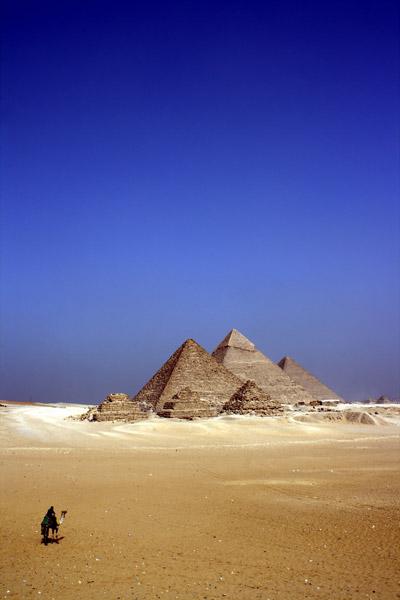
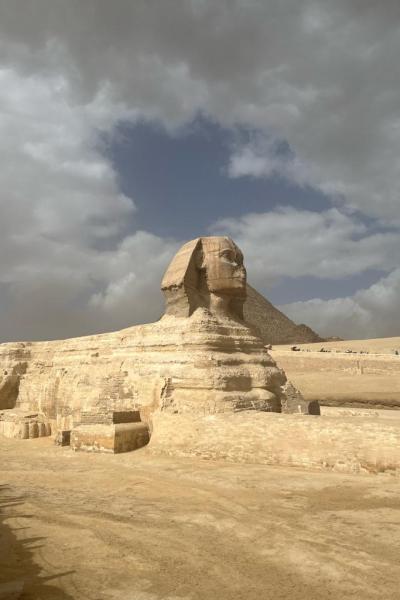
The Giza Plateau is home to the Great Pyramid of Khufu, the Pyramid of Khafre, the Pyramid of Menkaure, and the famous Great Sphinx.
These monuments represent one of humanity's most remarkable architectural achievements. Standing in front of the pyramids offers an experience that photographs and documentaries can never fully reproduce.
Muslim travelers may also appreciate the opportunity to reflect on the ancient civilizations discussed in Islamic religious and historical traditions. The Qur'an refers to Pharaoh and the story of Prophet Musa (Moses), although the identification of particular archaeological monuments with specific historical figures should not be assumed without evidence.
Beyond the pyramids, consider visiting the Grand Egyptian Museum, which provides an extensive introduction to ancient Egyptian civilization through its archaeological collections.
Saqqara is another worthwhile destination. Located south of Giza, it contains the Step Pyramid of Djoser and a vast archaeological landscape that helps explain the development of ancient Egyptian burial architecture.
Giza is easily combined with a Cairo itinerary, although visitors should allow sufficient time for traffic and travel between attractions.
Alexandria: Islamic Heritage Along the Mediterranean Coast
Alexandria offers a different atmosphere from Cairo. Situated along Egypt's Mediterranean coastline, it combines ancient history, Islamic architecture, impressive waterfront scenery, and a more relaxed urban environment.
The city was founded by Alexander the Great in 331 BC and subsequently became one of the most important intellectual and commercial centers of the ancient Mediterranean.
For Muslim travelers, Alexandria is particularly interesting because of its historic mosques and religious heritage.
Abu al-Abbas al-Mursi Mosque
The most recognizable Islamic landmark in Alexandria is the Mosque of Abu al-Abbas al-Mursi.
Located near the Eastern Harbour, this impressive mosque is one of the city's most important religious buildings. Its architecture features four large domes, an elegant minaret, decorative arabesque elements, and an expansive interior.
The mosque was built in 1775 to commemorate the life of Abu al-Abbas al-Mursi, an Andalusian religious scholar associated with the Shadhili Sufi tradition.
Its distinctive cream-colored exterior and beautifully decorated interior make it one of Alexandria's most memorable architectural attractions.
For Muslim visitors, it offers an opportunity to experience an important part of the city's religious identity while exploring its historic waterfront district.
Qaitbay Citadel
Another essential attraction is the Qaitbay Citadel, a historic coastal fortress constructed between 1477 and 1479 during the Mamluk period.
The fortress was built on the site associated with the ancient Lighthouse of Alexandria, one of the Seven Wonders of the Ancient World. Its original purpose was to protect the city from naval attacks.
Today, visitors can explore its defensive towers, stone corridors, courtyards, and rooms while enjoying views of the Mediterranean Sea.
Its location makes it particularly attractive for combining sightseeing with a relaxing walk along Alexandria's waterfront.
The Corniche and Bibliotheca Alexandrina
Alexandria's Corniche is ideal for travelers who want to experience the city's everyday atmosphere.
The waterfront stretches along the Mediterranean and offers beautiful views, traditional cafés, seafood restaurants, and opportunities for leisurely evening walks.
Another important attraction is the Bibliotheca Alexandrina, a modern cultural institution inspired by the ancient Library of Alexandria. Its exhibitions, museums, and cultural programs make it a worthwhile stop for visitors interested in history and education.
Alexandria is particularly suitable for families and couples looking for a combination of historical attractions and a coastal holiday.
Luxor: Explore the Ancient Wonders of the Nile
Luxor is one of the world's most important archaeological destinations. Situated on the banks of the Nile, it occupies the site of ancient Thebes, which served as a major capital of Egypt during several historical periods.
Although its principal attractions predate Islam by many centuries, Luxor deserves a place on the itinerary of Muslim travelers interested in history, architecture, and ancient civilizations.
The city is divided into two main sightseeing areas: the East Bank and the West Bank of the Nile.
Karnak Temple and Luxor Temple
The East Bank is home to two of Egypt's most impressive archaeological sites.
Karnak Temple is an enormous religious complex developed over many centuries by successive Egyptian rulers. Its enormous columns, monumental gateways, obelisks, and hieroglyphic inscriptions reveal the architectural ambitions of ancient Egypt.
Luxor Temple, located closer to the modern city center, is another extraordinary monument. It is particularly atmospheric in the evening when its illuminated columns and statues create a striking visual experience.
The two temples were historically connected by the Avenue of Sphinxes, an ancient processional route extending approximately 2.7 kilometers.
Valley of the Kings
On the West Bank, the Valley of the Kings is one of Egypt's most fascinating archaeological attractions.
This desert valley contains more than sixty tombs associated with the rulers and members of the royal families of the New Kingdom.
Many tombs feature remarkably preserved paintings, inscriptions, and elaborate burial chambers.
The tomb of Tutankhamun is among the best-known attractions, although separate admission arrangements may apply.
Other highlights include the Temple of Hatshepsut, the Colossi of Memnon, and Medinet Habu.
Ancient Thebes and its Necropolis were inscribed on UNESCO's World Heritage List in 1979, reflecting the exceptional historical importance of the region.
For Muslim visitors, Luxor provides an opportunity to discover the civilization of ancient Egypt while enjoying the hospitality and everyday culture of modern Upper Egypt.
Aswan and Nubia: A Peaceful Escape Along the Nile
If Cairo's energy and Luxor's archaeological attractions are not enough to satisfy your curiosity, Aswan offers an entirely different experience.
Located in southern Egypt, Aswan is known for its relaxed atmosphere, beautiful Nile scenery, distinctive Nubian culture, and proximity to some of the country's most impressive archaeological sites.
For Muslim travelers, it is also an appealing destination for a slower-paced holiday, with opportunities to enjoy traditional food, local hospitality, and peaceful riverside surroundings.
Philae Temple
Philae Temple is among Aswan's most memorable attractions.
Situated on Agilkia Island, the complex is dedicated primarily to the ancient Egyptian goddess Isis. Reaching the site involves a boat transfer, which adds to the experience.
The temple was relocated from its original location during an international UNESCO-led campaign between 1960 and 1980 to protect it from rising water levels following the construction of the Aswan High Dam.
The island setting, monumental gateways, and detailed stone carvings make Philae an especially photogenic destination.
Abu Simbel
Located considerably farther south, near Egypt's border with Sudan, Abu Simbel is one of the country's most extraordinary archaeological sites.
The complex consists of two monumental rock-cut temples commissioned by Ramesses II during the thirteenth century BC.
Its most famous feature is the façade of the Great Temple, dominated by four enormous seated statues of the pharaoh.
The temples were relocated in the 1960s to protect them from the rising waters created by the Aswan High Dam. The international preservation campaign became one of the most important conservation projects in modern archaeological history.
Abu Simbel is usually visited as a dedicated excursion from Aswan. Because of the distance, travelers should plan transportation carefully and allow sufficient time for the journey.
Both Philae and Abu Simbel form part of the UNESCO-listed Nubian Monuments from Abu Simbel to Philae.
Discover Traditional Nubian Culture
Beyond its archaeological attractions, Aswan is a wonderful place to discover Nubian culture.
Nubian communities have a distinctive cultural identity reflected in their architecture, music, traditional clothing, cuisine, and hospitality.
A visit to a traditional Nubian village can provide a more personal perspective on southern Egyptian life. Many houses are decorated in bright colors, and the surrounding landscapes offer beautiful views of the Nile.
Travelers can also enjoy traditional boat rides, visit the Nubian Museum, or explore Elephantine Island.
For families, couples, and anyone seeking a quieter experience, Aswan is one of the most enjoyable destinations in Egypt.
Saint Catherine and Mount Sinai: A Journey Through Sacred History
For Muslim travelers interested in religious history, the Saint Catherine region in South Sinai offers a particularly meaningful experience.
The area is closely associated with Prophet Musa (Moses), one of the most important prophets in Islam. Mount Sinai, known as Jebel Musa, is traditionally identified with the mountain where Moses received divine revelation.
The region is also sacred to Christianity and Judaism, making it an important destination for understanding the shared religious heritage of the Abrahamic faiths.
Saint Catherine's Monastery
At the foot of Mount Sinai stands Saint Catherine's Monastery, one of the world's oldest continuously functioning Christian monasteries.
Founded in the sixth century, the monastery is internationally recognized for its architecture, religious manuscripts, icons, and historical significance.
An especially interesting feature for Muslim visitors is the presence of a Fatimid mosque within the monastery complex.
Built in 1106 during the reign of the Fatimid Caliph al-Amir bi-Ahkam Allah, the mosque reflects an important historical relationship between Muslim and Christian communities.
Its mihrab and surviving architectural elements make it an unusual and fascinating example of Islamic heritage within a Christian monastic setting.
The surrounding Saint Catherine Area was added to UNESCO's World Heritage List in 2002.
Climbing Mount Sinai
Climbing Mount Sinai is another memorable experience.
Many visitors undertake the ascent during the night to reach the summit around sunrise. From the top, the surrounding mountain landscape offers spectacular views across the rugged Sinai wilderness.
The climb can be physically demanding, so travelers should consider their fitness, weather conditions, and the availability of experienced local guides before attempting it.
For Muslim visitors, the area's association with Prophet Musa gives the journey a particular historical and spiritual dimension.
It is worth remembering, however, that Saint Catherine's Monastery is an active Christian religious institution. Visitors should respect its rules, opening arrangements, and religious traditions.
The Red Sea: Relaxation, Beaches, and Family-Friendly Resorts
Egypt is not only about ancient monuments and historic mosques. Its Red Sea coastline is among the country's greatest attractions, particularly for travelers who want to combine cultural sightseeing with a relaxing beach holiday.
The region includes several well-known destinations, each offering a slightly different experience.
Hurghada
Hurghada is one of Egypt's most established seaside destinations.
It is popular for its sandy beaches, resort hotels, water sports, snorkeling excursions, and boat trips to nearby islands.
For Muslim families, Hurghada can be a convenient choice because of its extensive hotel infrastructure and range of accommodation options.
When choosing a resort, it is worth checking its dining arrangements, prayer facilities, swimming-pool policies, and suitability for families who prefer a more modest holiday environment.
Sharm el-Sheikh
Situated on the Sinai Peninsula, Sharm el-Sheikh is famous for its clear waters and exceptional marine biodiversity.
The destination is particularly attractive to snorkeling and diving enthusiasts. Ras Mohammed National Park, located near the city, is one of the region's most celebrated marine environments.
Sharm el-Sheikh also offers upscale resorts, shopping areas, restaurants, and organized excursions into the desert.
Muslim travelers seeking a combination of relaxation and outdoor activities will find plenty to enjoy here.
Dahab
Dahab offers a more relaxed alternative to the larger resort cities.
Once a small coastal settlement, it has developed into a popular destination for independent travelers, divers, and people looking for a quieter atmosphere.
Its beachfront cafés, relaxed restaurants, diving centers, and surrounding desert landscapes give it a distinctive character.
The Red Sea region is especially suitable for travelers who want to finish a cultural tour of Egypt with several days of rest by the water.
What Makes Egypt a Comfortable Destination for Muslim Travelers?
One of Egypt's biggest advantages is that Muslim visitors generally do not need to make extensive arrangements to maintain their everyday religious practices.
Nevertheless, understanding a few practical considerations can make the journey considerably more enjoyable.
Halal Food Is Widely Available
Egyptian cuisine offers an extensive selection of dishes suitable for Muslim travelers.
Traditional foods such as koshari, ful medames, taameya, grilled meats, lentil soup, and freshly baked Egyptian bread are widely available.
Seafood is another excellent option, particularly in Alexandria and along the Red Sea coast.
In local Egyptian restaurants, finding halal food is generally straightforward. However, travelers with strict dietary requirements should still confirm meat sourcing and food preparation practices, especially in international hotel restaurants.
Egypt's Muslim-majority society and established tourism infrastructure make halal dining relatively accessible throughout the major destinations.
Finding Mosques and Places to Pray
Mosques are an important part of everyday Egyptian life, and visitors will find them throughout major cities, towns, and many smaller communities.
This makes it relatively easy to organize sightseeing around the five daily prayers.
Larger hotels, airports, and shopping centers may also provide designated prayer areas, although facilities differ from one establishment to another.
When booking accommodation, travelers who prioritize prayer facilities can ask the hotel whether it provides a dedicated prayer room, prayer mats, or information about nearby mosques.
It is also helpful to keep a prayer-time application on your phone and download the necessary information before traveling to remote areas where internet access may be limited.
Understanding Mosque Etiquette
Visiting historic mosques is one of the highlights of traveling in Egypt, but visitors should remember that many of these buildings remain active places of worship.
A few simple guidelines help ensure a respectful experience:
- Dress modestly, keeping shoulders and legs covered.
- Women should carry a headscarf when visiting mosques.
- Remove your shoes before entering designated prayer areas.
- Avoid walking in front of people who are praying.
- Ask permission before photographing worshippers.
- Follow any instructions provided by mosque staff.
- Be particularly considerate during Friday prayers and other busy religious occasions.
The official Egyptian tourism portal also advises visitors to dress appropriately when entering religious buildings.
Visiting Egypt During Ramadan
Traveling to Egypt during Ramadan can be a particularly memorable experience for Muslim visitors.
The atmosphere changes noticeably throughout the holy month. Streets and buildings are decorated with colorful lanterns, families gather for iftar, and restaurants and cafés become lively after sunset.
Cairo is especially interesting during Ramadan, with its historic neighborhoods, traditional food markets, and busy evening streets.
Travelers can experience traditional Egyptian iftar dishes, enjoy late-night shopping, and observe how local communities celebrate the month.
However, Ramadan also affects everyday schedules. Some businesses and attractions may change their opening hours, and restaurants may operate differently during daylight hours.
It is advisable to confirm schedules in advance and avoid eating, drinking, or smoking publicly during daylight hours in places where this could be considered disrespectful.
The exact dates of Ramadan should also be checked before departure, as they depend on the Islamic lunar calendar and local moon sightings.
When Is the Best Time to Visit Egypt?
The best time to visit Egypt largely depends on the destinations you intend to explore.
For travelers planning to visit Cairo, Giza, Luxor, and Aswan, the period between October and April is generally the most comfortable. Temperatures are usually more suitable for walking around archaeological sites and exploring historic neighborhoods.
Winter is particularly pleasant in southern Egypt, where daytime conditions are often more comfortable than during the summer months.
Spring and autumn are also attractive seasons for visiting the Red Sea resorts. Depending on the month, visitors can enjoy warm weather, swimming, diving, and outdoor activities.
Summer can be extremely hot, particularly in Luxor and Aswan. Anyone planning to travel during this period should schedule outdoor sightseeing for early morning or late afternoon and take appropriate precautions against the heat.
For Muslim travelers, the timing of Ramadan may also influence the decision. Those who want to experience the country's distinctive Ramadan atmosphere may deliberately plan their visit around the holy month, while families seeking a conventional sightseeing holiday may prefer other dates.
Suggested Egypt Itinerary for Muslim Travelers
Egypt has so many remarkable destinations that choosing where to begin can be challenging. A well-planned itinerary should balance Islamic heritage, ancient history, cultural experiences, and relaxation.
For a first visit, a journey lasting approximately 10 to 14 days provides a good opportunity to experience several of the country's highlights without making the schedule unnecessarily exhausting.
A practical route could look like this:
Cairo and Giza: Four days
Explore Al-Azhar Mosque, Al-Muizz Street, Khan el-Khalili, the Mosque of Amr ibn al-As, Ibn Tulun Mosque, and the Citadel of Saladin. Reserve additional time for the Giza Pyramids and the Grand Egyptian Museum.
Alexandria: Two days
Visit Abu al-Abbas al-Mursi Mosque, Qaitbay Citadel, the Corniche, and Bibliotheca Alexandrina. Enjoy the Mediterranean atmosphere and traditional seafood restaurants.
Luxor: Two days
Explore Karnak Temple, Luxor Temple, the Valley of the Kings, and the Temple of Hatshepsut.
Aswan: Two to three days
Discover Nubian culture, visit Philae Temple, enjoy a Nile boat excursion, and arrange a separate trip to Abu Simbel if time permits.
Red Sea: Two to three days
Finish the journey with a relaxing stay in Hurghada or Sharm el-Sheikh. Enjoy the beaches, marine activities, and resort facilities before returning home.
Travelers with more time can extend their itinerary to include Saint Catherine and Mount Sinai, particularly if Islamic and Abrahamic religious history is a major interest.
Final Thoughts: Why Egypt Belongs on Every Muslim Traveler's Bucket List
Egypt offers something that few destinations can match: the opportunity to explore one of the world's most important centers of Islamic civilization while experiencing some of the greatest historical and natural attractions on the planet.
In Cairo, centuries of Islamic scholarship and architectural achievement remain visible in the city's mosques, historic streets, and traditional markets. Alexandria introduces visitors to a different side of Egyptian culture, while Luxor and Aswan reveal the extraordinary legacy of ancient civilizations. Saint Catherine offers a deeper connection to the history of Prophet Musa, and the Red Sea provides the perfect setting for relaxation.
For Muslim travelers, the availability of halal food, widespread mosques, and a society where Islamic traditions remain an important part of everyday life make Egypt particularly convenient.
Ultimately, the best Egypt holiday is not necessarily one that includes the greatest number of attractions. It is one that allows enough time to appreciate the country's extraordinary diversity, connect with its history, enjoy its hospitality, and experience its unique atmosphere.
Whether you are traveling with family, planning a cultural adventure, or looking for a meaningful journey through Islamic heritage, Egypt offers an experience that is both enriching and unforgettable.

Egypt is a destination where ancient history, extraordinary landscapes, and everyday life come together in ways few other countries can match. One moment, you might be standing beneath the towering columns of an ancient temple; the next, you could be sailing along the Nile, wandering through the lively...

Egypts extraordinary historical heritage extends far beyond its pyramids, pharaonic temples, and royal tombs. Scattered throughout the country, from the narrow passageways of Old Cairo to the remote deserts surrounding the Red Sea, ancient Coptic churches preserve another remarkable chapter of Egyptian...
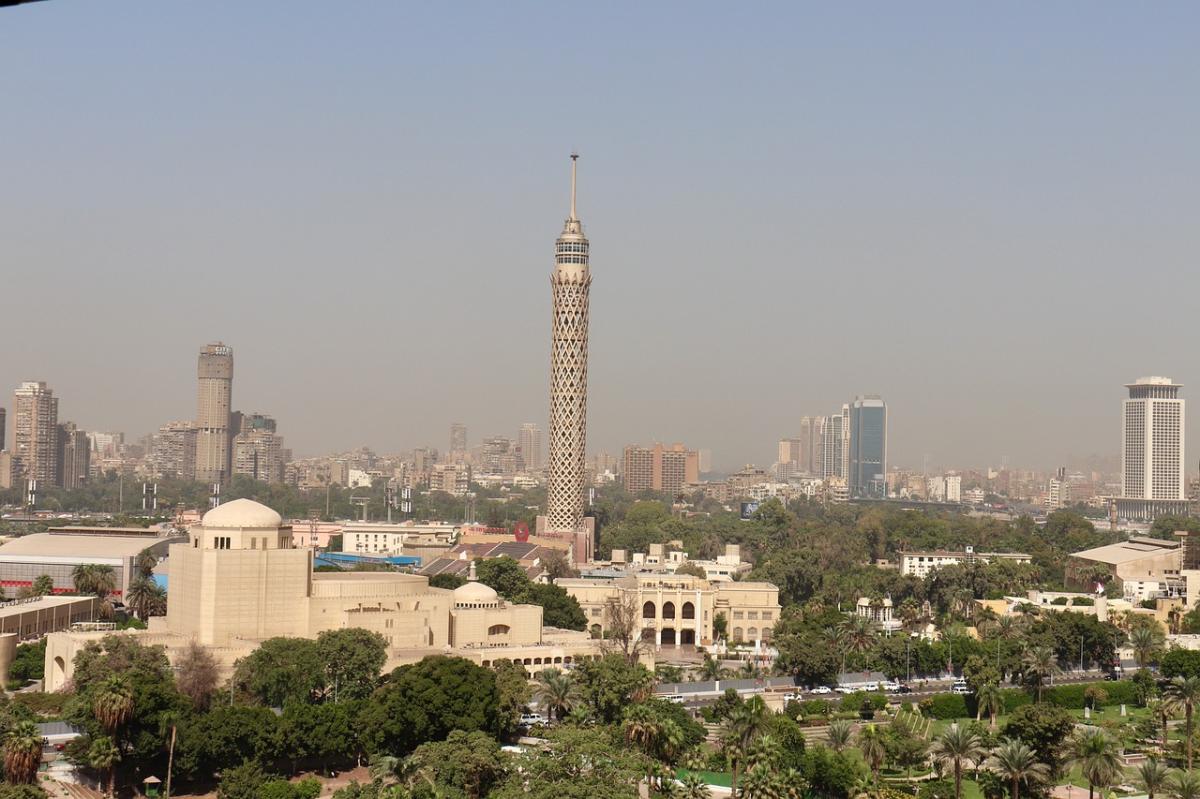
Proudly standing on Gezira Island in the heart of Cairo, the Cairo Tower, or Burj Al-Qahira, is a prominent feature of the citys skyline and a testament to modern Egyptian architecture. Reaching a height of 187 meters (614 feet), it is one of the tallest structures in Egypt and North Africa. For decades...