
What Are the Most Fascinating Ancient Coptic Churches to Visit in Egypt?
Egypt's extraordinary historical heritage extends far beyond its pyramids, pharaonic temples, and royal tombs. Scattered throughout the country, from the narrow passageways of Old Cairo to the remote deserts surrounding the Red Sea, ancient Coptic churches preserve another remarkable chapter of Egyptian civilization. Their weathered stone walls, intricately carved wooden screens, colorful religious paintings, and centuries-old manuscripts reveal the development of one of the world's earliest Christian communities.
Unlike many archaeological monuments, numerous Coptic churches remain active places of worship. Their historical significance is inseparable from the religious traditions, cultural identities, and daily lives of the communities that have protected them for generations.
Exploring ancient Coptic churches in Egypt offers an opportunity to discover the country's Christian heritage, appreciate its architectural diversity, and understand the profound relationship between Egyptian history and religious faith.
The Origins of Christianity in Ancient Egypt
According to Christian tradition, Saint Mark the Evangelist introduced Christianity to Egypt during the first century AD, establishing an early Christian community in Alexandria. The city, already an influential center of philosophy, commerce, and scholarship, subsequently became one of the most important intellectual centers of early Christianity.
Christianity gradually spread throughout the Nile Valley despite periods of persecution under Roman rule. Its position strengthened considerably during the fourth century as imperial attitudes toward Christianity changed.
Following the Council of Chalcedon in 451 AD, theological disagreements contributed to the separation of the Egyptian Church from other major Christian ecclesiastical institutions, shaping the distinct identity of the Coptic Orthodox Church.
Egypt also played an instrumental role in the development of Christian monasticism. Individuals seeking spiritual solitude established religious communities in isolated desert environments. Their practices subsequently influenced monastic traditions across Europe, Africa, and the Middle East.
The Hanging Church: An Architectural Treasure of Old Cairo
Among Egypt's most celebrated Christian landmarks, the Hanging Church occupies an unusual position above the remains of the Roman Babylon Fortress. Its elevated construction earned it the name Al-Muallaqa, meaning the Hanging Church.
Dedicated to the Virgin Mary, the church has ancient foundations, although its present appearance reflects successive periods of reconstruction and restoration.
The interior is particularly striking. A curved wooden ceiling resembling Noah's Ark stretches above marble columns, elaborate wooden screens, and religious icons. An eleventh-century marble pulpit stands among its most valuable architectural features, while its collection of icons includes examples dating back to the fifteenth century.
For centuries, the Hanging Church served as an important center of Coptic religious leadership. Its association with Coptic patriarchs and significant ecclesiastical ceremonies established its prominent position within Egyptian Christianity.
Despite its location within one of the world's busiest cities, the church retains an atmosphere of quiet intimacy. Its relatively modest proportions encourage visitors to appreciate the craftsmanship of individual architectural details rather than simply the grandeur of the building.
Abu Serga Church and the Journey of the Holy Family
A short distance from the Hanging Church stands the Church of Saints Sergius and Bacchus, commonly known as Abu Serga.
The church is traditionally traced to the late fourth or early fifth century, although scholars disagree about the dating of its surviving structure. Its dedication honors two Christian martyrs who lived during the Roman period.
What distinguishes Abu Serga from other historic churches is its association with the Holy Family. According to Coptic tradition, Mary, Joseph, and the infant Jesus sought refuge in a cave beneath the present church during their flight into Egypt.
This underground chamber remains a place of considerable spiritual importance for Christian pilgrims.
Architecturally, Abu Serga follows the traditional basilica arrangement, incorporating a nave, entrance area, and sanctuary. Its decorative features include intricate ivory and wooden inlays, religious paintings, and carved ecclesiastical furnishings.
The precise historical itinerary of the Holy Family cannot be independently established through archaeological evidence. Nevertheless, the tradition surrounding Abu Serga has shaped Egyptian religious culture for centuries.
Saint Barbara's Church and the Artistic Heritage of Coptic Cairo
The Church of Saint Barbara is another significant religious monument within the historic Babylon Fortress district.
Its origins are generally associated with the fourth or fifth century, although subsequent rebuilding altered much of its original architecture. The church commemorates Saint Barbara, a Christian martyr whose story occupies an important place in Eastern Christian traditions.
Its historical wooden furnishings, religious icons, and architectural features demonstrate the artistic sophistication achieved by Coptic craftsmen during different periods of Egyptian history.
Some objects associated with the church's heritage are preserved in the nearby Coptic Museum, where they contribute to a broader understanding of Christian art and religious life in Egypt.
Compared with the better-known Hanging Church, Saint Barbara's Church offers a quieter setting in which to appreciate the relationship between religious devotion and traditional craftsmanship.
The White Monastery: A Monument to Early Egyptian Christianity
Beyond Cairo, some of Egypt's most impressive Christian monuments stand near the Upper Egyptian city of Sohag.
The White Monastery, also known as Deir al-Abyad, is closely associated with Saint Shenoute, one of the most influential figures in Egyptian monastic history.
Its surviving monumental church was constructed around the middle of the fifth century. Built predominantly from pale limestone, the structure resembles an ancient Egyptian temple when viewed from outside. Archaeological investigations have identified reused architectural elements originating from earlier Egyptian religious buildings.
The monastery once formed part of a substantial monastic federation that included other religious communities. Its library also preserved important Coptic literary works, including the writings of Shenoute himself.
The White Monastery is particularly valuable for understanding the transition between ancient Egyptian and Christian architectural traditions. Its builders adapted familiar construction methods and materials to accommodate new religious practices without entirely abandoning the architectural vocabulary of earlier generations.
The Red Monastery and Its Extraordinary Ancient Paintings
Located near the White Monastery, the Red Monastery takes its name from the reddish bricks used in its construction.
Its principal church, dating to the late fifth century, contains one of the most remarkable surviving painted interiors from the early Byzantine period.
Elaborately decorated columns, niches, arches, and curved sanctuary walls feature religious figures, ornamental patterns, and biblical imagery. The extensive use of color challenges the familiar assumption that early Christian churches were predominantly plain and austere.
For centuries, accumulated soot, dirt, and deterioration concealed much of this extraordinary decoration. Conservation projects undertaken by the American Research Center in Egypt, in partnership with Egyptian authorities and the Coptic Orthodox Church, revealed substantial portions of the original painted surfaces.
The results have transformed scholarly understanding of late antique Christian art. The monastery demonstrates that spiritual discipline and artistic magnificence were not necessarily contradictory ideals within early Egyptian monastic communities.
The Monastery of Saint Anthony: Christianity in the Eastern Desert
Deep within Egypt's Eastern Desert, near the mountains overlooking the Red Sea region, stands the Monastery of Saint Anthony.
Its origins extend back to the fourth century and are associated with Saint Anthony the Great, widely regarded as a foundational figure in Christian desert monasticism.
The monastery developed around the landscape where Anthony pursued a life of solitude, prayer, and spiritual contemplation. Over subsequent centuries, it expanded into a fortified religious complex containing churches, residential buildings, gardens, and facilities supporting monastic life.
Its historic Church of Saint Anthony preserves an exceptional collection of medieval religious paintings. A major decorative program dating to 1232-1233 depicts saints, biblical figures, and theological themes central to Coptic Christianity.
The surrounding desert is essential to understanding the monastery's character. Its isolation reflects the spiritual philosophy of early Christian ascetics, who regarded separation from worldly distractions as a means of strengthening their relationship with God.
Today, the monastery remains an active religious community rather than simply a historical monument.
The Ancient Churches of Wadi El Natrun
Between Cairo and Alexandria lies Wadi El Natrun, a desert depression that became one of the most influential centers of Christian monasticism.
Four historic monasteries survive in the region:
- The Monastery of Saint Macarius (Deir Abu Makar)
- The Monastery of Saint Bishoy (Deir Anba Bishoy)
- The Syrian Monastery (Deir al-Suryan)
- The Monastery of the Romans (Deir al-Baramus)
These religious communities have undergone repeated construction, restoration, and expansion throughout their long histories. Their fortified walls, historic churches, libraries, and monastic residences preserve evidence of centuries of spiritual and intellectual activity.
The Syrian Monastery is especially noteworthy for its Church of the Virgin Mary. Archaeological and conservation research has revealed historic wall paintings beneath successive plaster layers, some dating as far back as the seventh century.
The monastery's artistic and literary heritage also reflects historical connections between Egyptian and Syriac Christian communities, illustrating the international character of medieval Eastern Christianity.
Abu Mena: The Remains of an Ancient Christian Pilgrimage City
Southwest of Alexandria lies Abu Mena, an archaeological site that once ranked among the most important Christian pilgrimage destinations of late antiquity.
The settlement developed around the burial place of Saint Menas, a Christian martyr whose tomb became associated with miraculous healing.
Between the fifth and seventh centuries, Abu Mena expanded into a considerable religious settlement, incorporating basilicas, churches, baptismal facilities, accommodation for pilgrims, workshops, public baths, and other buildings.
Its architectural remains reveal the scale and organizational complexity of early Christian pilgrimage.
UNESCO designated Abu Mena a World Heritage Site in 1979. Rising groundwater subsequently threatened its archaeological remains, leading to its inclusion on the List of World Heritage in Danger in 2001. Following extensive conservation and groundwater management efforts, it was removed from that list in 2025.
Although much of the ancient settlement survives as ruins, its historical importance remains immense. Abu Mena demonstrates how Christian pilgrimage stimulated urban development, trade, artistic production, and cultural exchange across the ancient Mediterranean world.
The Church of the Virgin Mary at Gabal El-Tair
One of Middle Egypt's most distinctive Christian landmarks stands on the eastern bank of the Nile near Samalut, in Minya Governorate.
The Church of the Virgin Mary at Gabal El-Tair, or the Mountain of the Birds, occupies an elevated rocky landscape overlooking the river.
According to religious tradition, the Holy Family rested in a cave at this location during their journey through Egypt. The establishment of the church is traditionally attributed to Empress Helena during the fourth century.
The building's rock-cut architectural elements distinguish it from many other Egyptian churches. Its integration into the surrounding limestone landscape creates a particularly compelling combination of natural geography and religious architecture.
Gabal El-Tair remains an important pilgrimage destination, demonstrating how sacred landscapes continue to influence contemporary Egyptian religious life.
What Makes Coptic Church Architecture Unique?
Coptic church architecture developed through a gradual interaction between indigenous Egyptian building traditions, Greco-Roman design, Byzantine Christianity, and later regional artistic influences.
Although considerable variation exists between individual churches, several architectural features appear frequently.
Architectural feature | Historical and religious significance |
|---|---|
Basilica layout | Organizes the building around a central nave and sanctuary, often with side aisles. |
Iconostasis | Separates the sanctuary from the congregation and displays religious icons. |
Wooden ceilings | Demonstrates traditional carpentry and sometimes incorporates biblical symbolism. |
Domes and vaults | Provide structural support and contribute to the distinctive appearance of many churches. |
Carved wooden screens | Feature crosses, geometric patterns, and intricate decorative inlays. |
Wall paintings | Represent biblical narratives, saints, martyrs, and theological concepts. |
Reused ancient columns | Reflect the adaptation of architectural materials from earlier historical periods. |
Fortified monastery walls | Historically offered protection to isolated religious communities. |
What makes these buildings particularly interesting is their diversity. A monumental limestone church in Upper Egypt may bear little visual resemblance to a compact medieval church in Cairo, yet both belong to the same broad religious and cultural tradition.
Coptic Icons and the Language of Sacred Art
Religious icons occupy a central position in Coptic Christianity. Rather than serving purely decorative purposes, they communicate theological ideas, commemorate saints, and support religious contemplation.
Many traditional Coptic icons feature expressive eyes, stylized facial features, carefully arranged figures, and symbolic gestures. Their emphasis lies less in realistic representation than in conveying spiritual meaning.
Historic churches also preserve examples of woodworking, embroidery, manuscript illumination, stone carving, and metalwork.
These artistic traditions reveal the enduring influence of Egyptian craftsmanship alongside artistic developments from the wider Mediterranean and Middle Eastern worlds. They also demonstrate that Coptic artistic identity continued to evolve long after the end of the Roman and Byzantine periods.
The Coptic Museum in Cairo provides a particularly valuable introduction to this artistic heritage and complements visits to the surrounding churches.
Following the Holy Family's Journey Through Egypt
One of the most distinctive elements of Egyptian Christianity is the tradition of the Holy Family's journey through the country.
The Gospel of Matthew describes the family's flight into Egypt to escape King Herod. Over centuries, Coptic tradition developed a more detailed account of their travels, associating numerous locations with their journey.
Churches, monasteries, caves, wells, and sacred trees across Egypt commemorate these traditions. Important locations include Old Cairo, Maadi, Wadi El Natrun, Gabal El-Tair, and the Monastery of Al-Muharraq in Assiut.
In 2022, UNESCO inscribed the festivals associated with the Holy Family's journey in Egypt on its Representative List of the Intangible Cultural Heritage of Humanity.
The recognition highlights the importance of these celebrations as living cultural practices that contribute to community identity and the preservation of religious heritage.
The Best Time to Explore Egypt's Ancient Coptic Churches
The period between October and April generally offers more comfortable conditions for exploring Egypt's Christian monuments, particularly those situated in desert environments and Upper Egypt.
Coptic Cairo can be explored throughout the year, while journeys to remote monasteries require more careful preparation.
Religious celebrations, including Coptic Christmas on January 7 and the Feast of the Holy Family's Entry into Egypt in early June, offer opportunities to experience living religious traditions. However, churches may be considerably busier during these occasions.
Early morning visits are often preferable for exploring architectural details in relative tranquility.
Essential Tips for Visiting Historic Coptic Churches
Many ancient Coptic churches continue to function as sacred spaces. Visitors should approach them with the same consideration they would extend to any active religious institution.
- Wear modest clothing that covers the shoulders and knees.
- Ask permission before photographing worshippers, religious ceremonies, or sacred objects.
- Avoid entering restricted sanctuaries and monastic residential areas.
- Check opening hours and visitor arrangements before traveling to remote monasteries.
- Refrain from touching historic paintings, wooden screens, and religious artifacts.
- Consider hiring a knowledgeable local guide with expertise in Coptic history.
- Respect periods of prayer, silence, and religious observance.
Remote monasteries and archaeological sites may have additional access restrictions, particularly during religious festivals or conservation work.
Preserving Egypt's Ancient Christian Heritage
The preservation of Coptic churches presents considerable challenges. Rising groundwater, humidity, urban development, structural deterioration, and environmental exposure threaten many historic buildings.
Wall paintings are particularly vulnerable to moisture, accumulated deposits, and inappropriate restoration techniques. Historic wooden elements also require specialized conservation to prevent damage caused by insects and environmental changes.
Collaborative projects involving Egyptian authorities, international archaeological institutions, conservation specialists, and the Coptic Orthodox Church have achieved significant results.
The restoration of the Red Monastery, conservation work at Saint Anthony's Monastery, and groundwater management at Abu Mena demonstrate how scientific research and careful heritage management can safeguard monuments without disregarding their religious significance.
Responsible tourism also has a role to play. By respecting conservation guidelines and supporting local communities, visitors can contribute to the long-term protection of these extraordinary sites.
Final Thoughts
Egypt's ancient Coptic churches reveal a dimension of the country's history that is frequently overshadowed by its pharaonic heritage. Yet their architectural achievements, artistic traditions, and enduring spiritual significance are indispensable to understanding Egyptian civilization.
From the elevated wooden interiors of the Hanging Church to the brilliantly painted sanctuary of the Red Monastery and the secluded religious communities of the Eastern Desert, each monument tells a different story of faith, adaptation, and cultural continuity.
Perhaps their greatest distinction is that many have never ceased to belong to the communities that cherish them. They are places where ancient traditions remain part of everyday life, where historical craftsmanship retains its religious purpose, and where the past continues to influence the present.
For travelers seeking a deeper appreciation of Egypt beyond its conventional archaeological attractions, exploring its ancient Coptic churches offers an exceptionally rewarding experience.
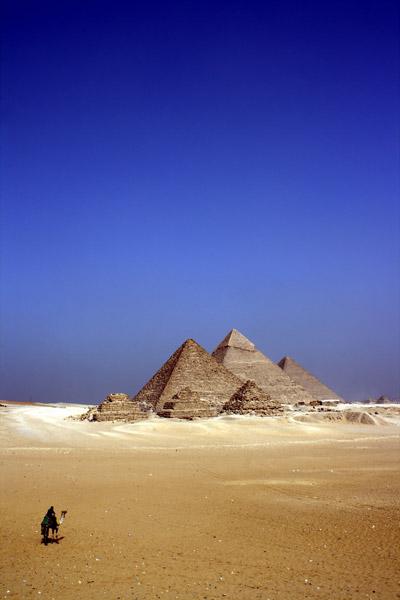
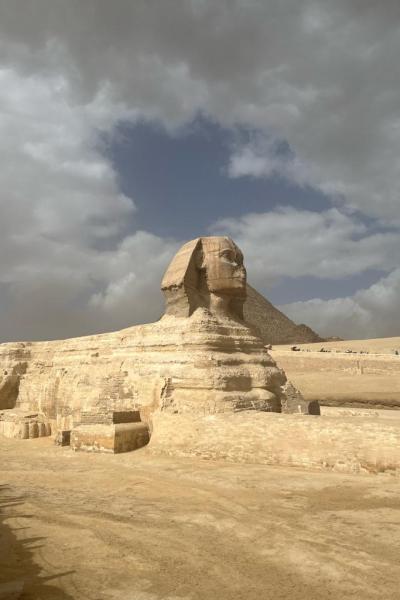

Egypt is a destination where ancient history, extraordinary landscapes, and everyday life come together in ways few other countries can match. One moment, you might be standing beneath the towering columns of an ancient temple; the next, you could be sailing along the Nile, wandering through the lively...

Egypt is a destination where history, spirituality, culture, and natural beauty come together in remarkable ways. From the centuries-old mosques of Cairo to the peaceful banks of the Nile, the ancient wonders of Luxor, and the turquoise waters of the Red Sea, the country offers an extraordinary variety...
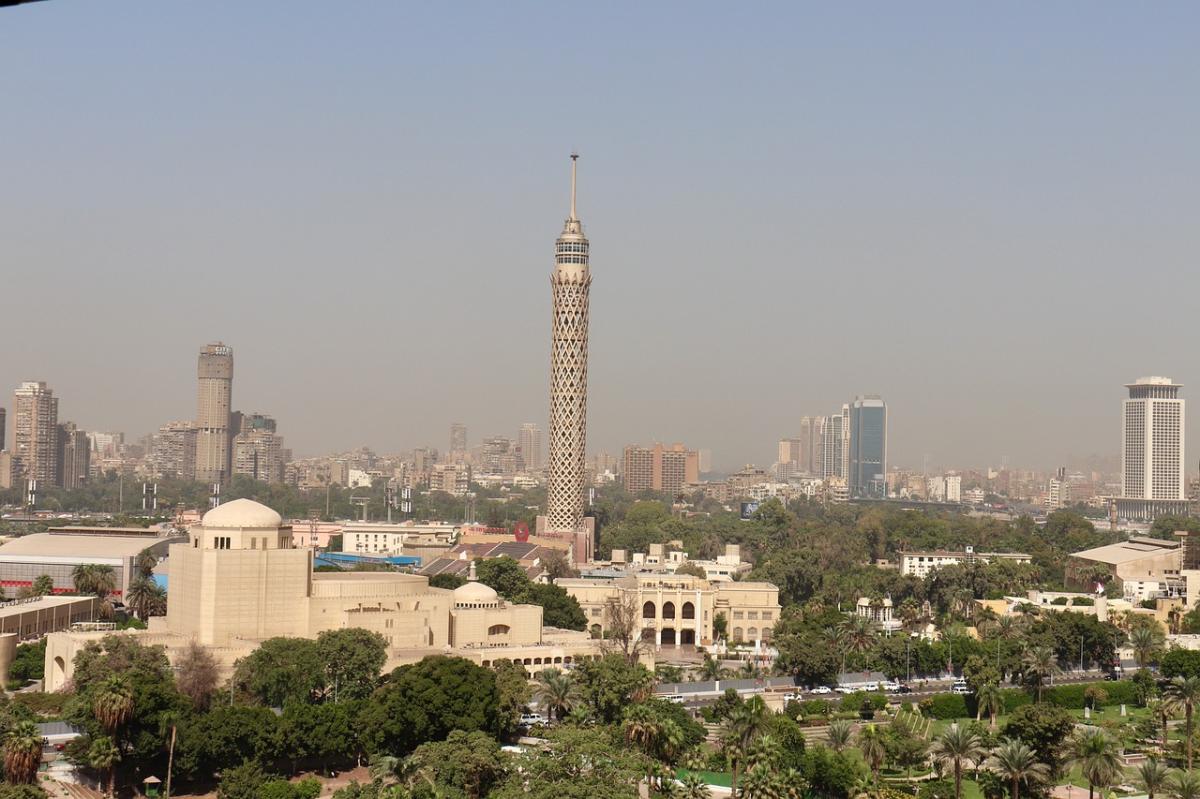
Proudly standing on Gezira Island in the heart of Cairo, the Cairo Tower, or Burj Al-Qahira, is a prominent feature of the citys skyline and a testament to modern Egyptian architecture. Reaching a height of 187 meters (614 feet), it is one of the tallest structures in Egypt and North Africa. For decades...