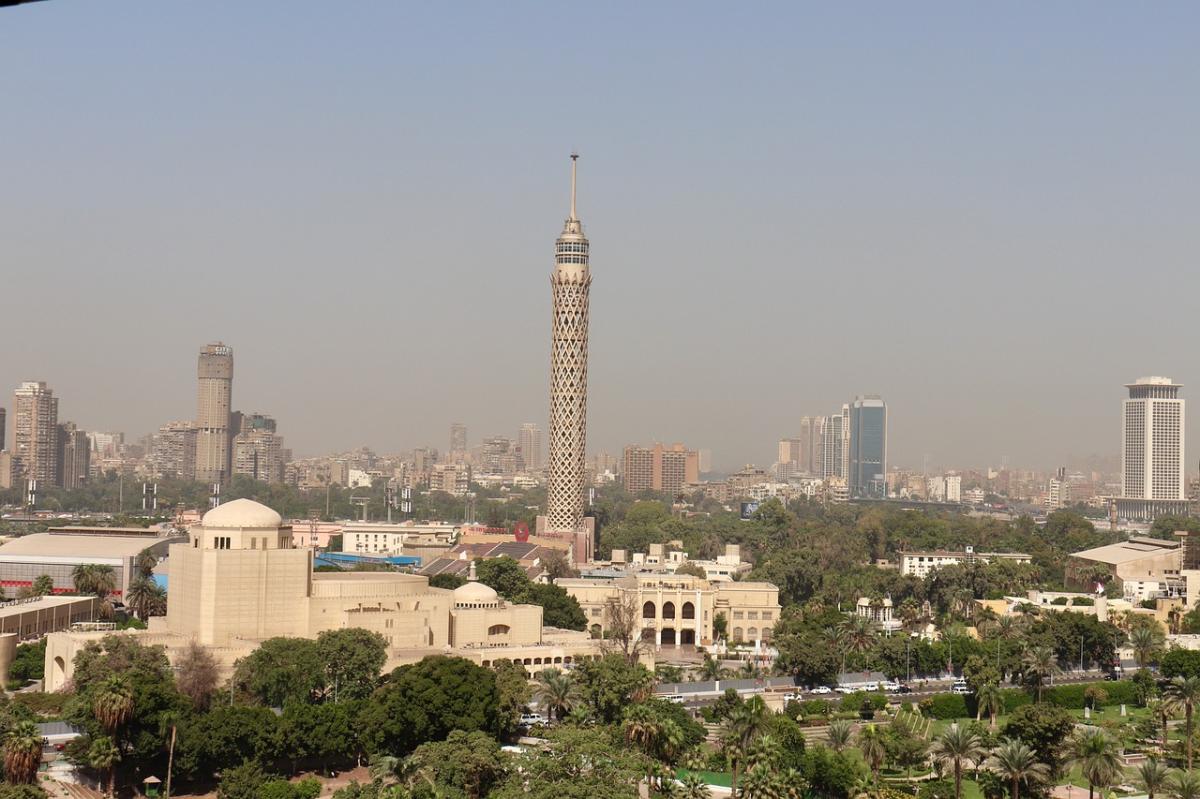
Cairo Tower: A Panoramic Vista of the Egyptian Capital
Proudly standing on Gezira Island in the heart of Cairo, the Cairo Tower, or Burj Al-Qahira, is a prominent feature of the city's skyline and a testament to modern Egyptian architecture. Reaching a height of 187 meters (614 feet), it is one of the tallest structures in Egypt and North Africa. For decades after its completion, it held the title of the tallest structure in all of Africa. The tower serves as both a communications tower and a major tourist attraction, drawing millions of visitors annually who come to experience its breathtaking 360-degree panoramic views.
The Unmatched Panoramic Views from Above
The primary allure of the Cairo Tower is its circular, open-air observation deck, which offers one of the most spectacular and uninterrupted views of the sprawling metropolis of Cairo. A high-speed elevator whisks visitors to the top in approximately 45 seconds, opening up to a platform partially enclosed by the tower's iconic latticework, allowing for a gentle breeze and a secure viewing experience.
From this vantage point, visitors can gaze upon a stunning tapestry of landmarks:
- The Majestic Nile River: The lifeblood of Egypt is seen cutting a gleaming path through the city, spanned by vital bridges like the Qasr El Nil Bridge, the 6th of October Bridge, and the Abul Ela Bridge.
- Historic & Modern Cairo: To the east, you can see the heart of Islamic Cairo, with the formidable Citadel of Saladin and the Mosque of Muhammad Ali perched on the Mokattam Hills. Closer in, the bustling Tahrir Square and the Egyptian Museum are clearly visible.
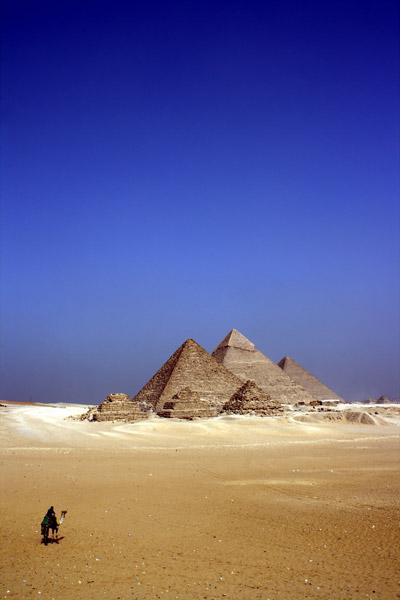
- The Pyramids of Giza: On clear days, the ancient Pyramids of Giza can be spotted on the distant western plateau, a truly awe-inspiring sight.
- The Urban Expanse: The view encompasses the upscale Zamalek district below, the bustling downtown area, and a vast mix of modern high-rises and traditional neighborhoods stretching in all directions.
For a closer look, telescopes are available on the deck for a fee of 10 EGP, and portable binoculars can be rented for 50 EGP.
A View for Every Time of Day
The visual spectacle from the tower changes dramatically throughout the day and into the night.
- Daytime View: The city is a vibrant tableau of earthy tones against the deep blue of the Nile. The sheer scale of Cairo is on full display, though the midday haze can sometimes obscure the most distant landmarks.
- Sunset View: This is a magical and extremely popular time to visit. The city is bathed in a warm, golden light, and the sky transforms into a canvas of oranges, pinks, and purples, creating picturesque silhouettes of the city's minarets and buildings.
- Nighttime View: After dark, Cairo becomes a glittering carpet of lights. The main roads, illuminated bridges, and lit-up boats on the Nile create a romantic and energetic panorama.
Architecture and Design: A Modern Lotus
The design of the Cairo Tower is deeply rooted in Egyptian symbolism, intended to evoke a pharaonic lotus plant, a potent symbol of ancient Egypt representing rebirth and creation. This iconic structure was the masterwork of Egyptian architect Naoum Shebib, a pioneer of modernism in the country.
The Mastermind: Naoum Shebib
Born in Cairo in 1915, Naoum Shebib was a graduate of Cairo University's Faculty of Engineering and held master's degrees in both Soil Mechanics & Engineering and Structural Engineering. This dual expertise allowed him to serve as the project's architect-in-chief, structural engineer, and main contractor, ensuring a seamless fusion of design and construction. He was a renowned innovator in the use of reinforced concrete, for which he held a patent.
Structural and Aesthetic Details
Shebib's design deliberately linked the modern, post-revolutionary Egyptian state with the glory of its ancient past.
- Height: At 187 meters, it stands about 43 meters taller than the Great Pyramid of Giza.
- Foundation: The tower rests on a massive reinforced concrete slab founded on bedrock 25 meters below ground, a testament to its robust engineering.
- Structure: The tower consists of a central concrete core, four peripheral columns, and circular platforms supporting the exterior latticework.
- Latticework Exterior: The most striking feature is the outer casing, an open-web pattern of interlocking, diamond-shaped forms made of reinforced concrete. These shapes become more elongated toward the top, creating an elegant sense of upward movement. This intricate design required complex structural calculations to ensure stability.
- Materials: The structure is built from reinforced concrete. The base and main staircase are clad in polished pink Aswan granite, a material favored by ancient Egyptians. The exterior is adorned with eight million small mosaic lozenges, chosen for their durability against weather.
Restoration and Modernization (2006-2009)
Between 2006 and 2009, the tower underwent an extensive E£15 million renovation led by the Arab Contractors Company to restore and modernize the landmark.
- Structural Repairs: The project included the treatment and restoration of the tower's concrete body, including its load-bearing walls and external facades.
- Facility Upgrades: To improve safety and access, an emergency staircase and a new visitor elevator were installed.
- Technological Enhancements: A new, energy-efficient LED lighting system was installed, allowing the tower to be illuminated in dynamic colors for national holidays and festivals.
A Monument of National Pride: The History of the Tower
The construction of the Cairo Tower is deeply rooted in a dramatic episode of Cold War politics and the defiant spirit of President Gamal Abdel Nasser. Construction began in 1956 and was officially inaugurated on April 11, 1961, after a suspension due to the Suez Canal War. The project was completed by a workforce of approximately 500 Egyptian workers.
A Financial "Gift" and a Public Rebuke
In the mid-1950s, the United States government, through the CIA, offered President Nasser a personal gift of approximately $1-3 million to persuade him to cease his support for anti-colonial movements. Deeply insulted by what he viewed as a bribe, Nasser publicly rebuked the United States and transferred the entire sum to the Egyptian government to fund the tower's construction. Nasser famously declared that the tower would be "visible from the US Embassy just across the Nile, as a taunting symbol of Egypt's, Africa and the Middle East's resistance, revolutions and pride". This act transformed a covert political maneuver into a lasting symbol of Egyptian sovereignty and anti-imperialist resistance.
Attractions Within the Tower
The 360 Revolving Restaurant
Located on the 14th floor at a height of 160 meters, the 360 Revolving Restaurant offers a unique dining experience.
- 360-Degree Views: The restaurant's main allure is its slowly rotating floor, which completes a full circle in about 70-75 minutes, offering diners a constantly changing panoramic perspective of the city.
- Cuisine: The menu features a standard selection of international cuisine. While the food is considered fair, the primary draw is the unparalleled view.
- Bypass the Queue: Dining at the restaurant can be a way to bypass the long elevator queues, though this comes at a higher cost.
Cafeteria and Other Facilities
One floor below the main observation deck, there is a café called Sky Window that serves drinks and light meals. The ground floor also contains a souvenir shop for those wishing to purchase mementos of their visit.
Planning Your Visit
Location and Getting There
The Cairo Tower is centrally located in the Zamalek district on Gezira Island, making it easily accessible.
- By Metro: The nearest metro stop is Opera Station (Line 2), about a 10-15 minute walk from the tower.
- By Car or Ride-Sharing: Visitors can reach the tower by car, Uber, or taxi.
Opening Hours and Tickets
- Hours: The tower is typically open daily from 9:00 AM to 11:00 PM or midnight.
- Ticket Prices: As of early 2024/2025, ticket prices are as follows :
- Foreign Visitors: 350 EGP
- Egyptian and Arab Visitors: 100 EGP (150 EGP on official holidays)
- Children under 6: Free of charge
- Camera Fee: A separate fee of 300 EGP is charged for the use of professional cameras (e.g., DSLRs).
- Payment: It is advisable to have cash on hand for tickets and other fees.
Best Time to Visit
- Avoiding Crowds: To avoid long queues, which can last from 40 minutes to two hours, it is best to visit on a weekday morning or later in the evening after the sunset rush.
- Peak Times: Sunset is the most popular time, so expect a significant wait if you aim to catch the golden hour from the top.
- Skip-the-Line: Some tour operators offer "skip-the-line" tickets, which can be a valuable time-saving option.
Photography from the Top
The Cairo Tower is a prime location for photography, but be aware of the following :
- Professional Camera Fee: Remember the 300 EGP fee for professional camera equipment.
- Tripods: The use of tripods or other bulky equipment may be restricted, especially during crowded periods.
- Best Lighting: The "golden hours" around sunrise and sunset provide the most dramatic lighting for photos. For night shots, a camera with good low-light capabilities is recommended.
- Composition: Consider using the tower's latticework as a unique framing element in your photos.
- Local Rules: As a general rule in Egypt, avoid photographing military or police personnel and be respectful of others' privacy by not taking close-up pictures of individuals without permission.
Accessibility
The Cairo Tower is equipped with several features to accommodate visitors with mobility challenges.
- Ramps and Elevators: The building is accessible via ramps and elevators. For wheelchair users, an elevator is located to the right of the main staircase at the entrance.
- Observation Deck and Restaurant: The main observation lounge and the revolving restaurant are wheelchair accessible. However, the uppermost open-air observation deck is only reachable by stairs.
- Accessible Restrooms: Accessible restrooms are available at ground level in a building separate from the tower itself.
Exploring the Surrounding Gezira Island
The Cairo Tower's location in the upscale Zamalek district on Gezira Island places it at the center of a vibrant cultural and recreational hub. Many attractions are within walking distance, allowing you to easily combine your visit to the tower with a full day of sightseeing.
Cultural Hub: Opera and Museums
A short stroll from the tower brings you to a cluster of major cultural institutions:
- Cairo Opera House: Located just 0.4 km away, this magnificent complex is a hub for high-quality musical and theatrical performances.
- Museum of Modern Egyptian Art: Situated within the Gezira Exhibition Grounds (0.3 km from the tower), this museum showcases a vast collection of 20th and 21st-century paintings and sculptures by Egyptian artists.
- Museum of Islamic Ceramics: Housed in the stunning palace of Prince Amr Ibrahim, this museum displays a splendid collection of ceramics from across the Islamic world.
Summary
The Cairo Tower is an essential destination for any visitor to Egypt's capital, offering unparalleled 360-degree panoramic views from its 187-meter-high observation deck on Gezira Island. Designed by Egyptian architect Naoum Shebib to resemble a lotus flower, the tower provides a stunning vista of landmarks including the Nile River, the Pyramids of Giza, and the Citadel of Saladin. The view is spectacular at any time, but transforms from a hazy daytime tableau to a magical golden-hour spectacle at sunset, and a glittering carpet of lights at night.
Built between 1956 and 1961, the tower has a rich political history, famously funded by a covert payment from the U.S. Central Intelligence Agency that President Gamal Abdel Nasser publicly repurposed as a symbol of Egyptian sovereignty and anti-imperialist resistance. Inside, visitors can dine at the 360 Revolving Restaurant or grab a snack at the Sky Window cafe.
A visit requires some planning. As of 2024/2025, tickets for foreigners are 350 EGP, with an additional 300 EGP fee for professional cameras. To avoid queues that can exceed an hour, it is best to visit on a weekday morning or late in the evening, as sunset is a peak time. With its central location, stunning views, and fascinating history, the Cairo Tower provides a unique and memorable perspective on the vibrant city of Cairo.
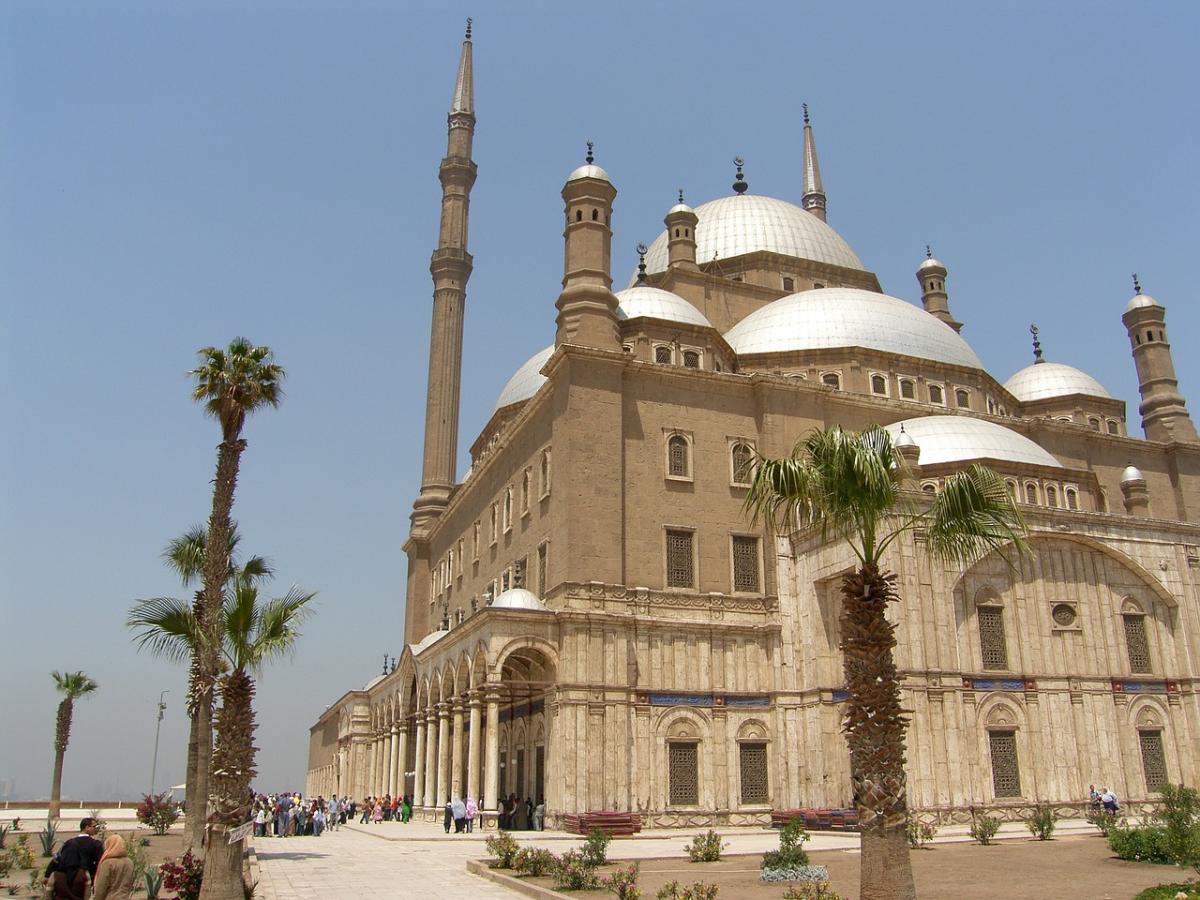
Cairo, Egypt - Perched majestically atop the Citadel of Saladin, the historic seat of Egyptian power for nearly 700 years, the Mosque of Muhammad Ali is an iconic landmark and an enduring symbol of Cairos skyline. Popularly known as the Alabaster Mosque for the extensive use of this gleaming stone on...
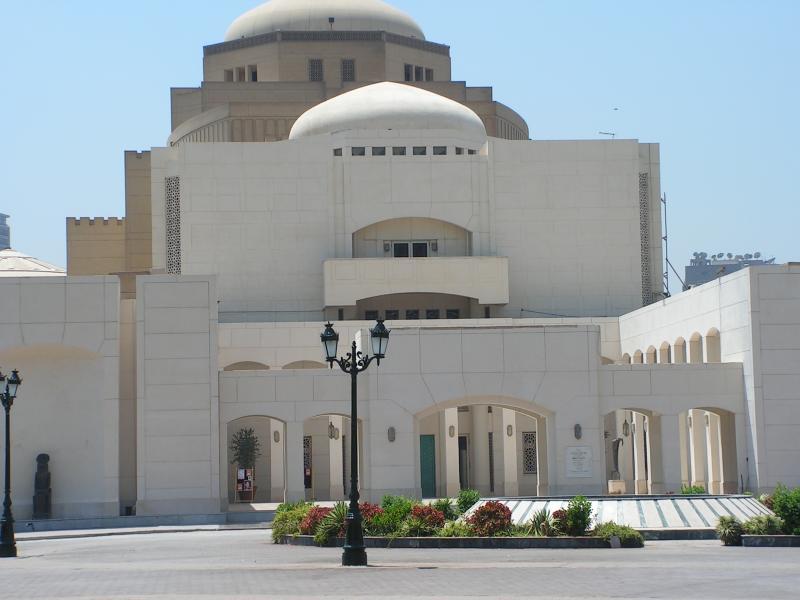
The Cairo Opera House, a magnificent architectural gem nestled on Gezira Island in the Nile, stands as the epicenter of performing arts in Egypt. Officially known as the National Cultural Centre, it is a vibrant hub that showcases a rich tapestry of local and international artistic expressions, from...
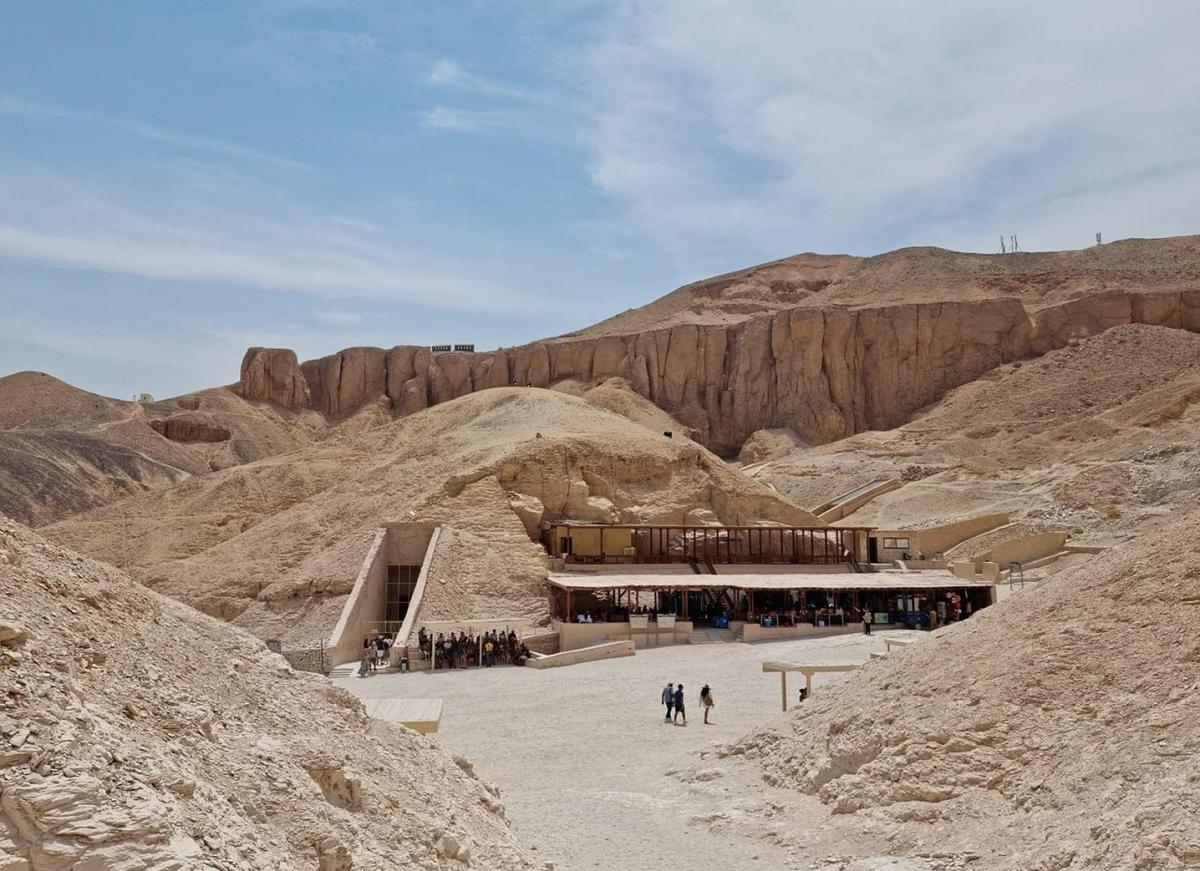
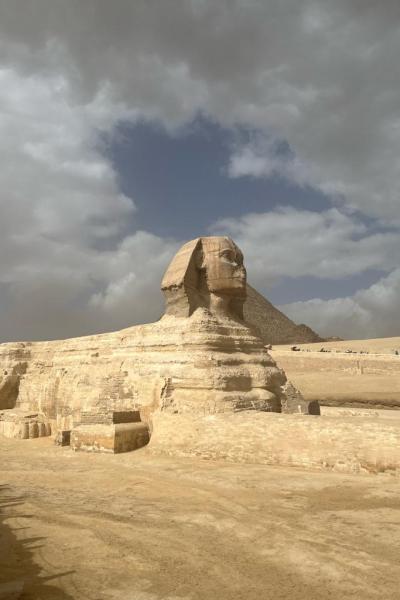
For over a millennium, the skyline of ancient Egypt was dominated by the colossal silhouettes of pyramids, monumental testaments to the power and divinity of the pharaohs. Yet, around 1550 BCE, with the dawn of the New Kingdom, this tradition of pyramid construction abruptly ceased. The rulers of Egypt...