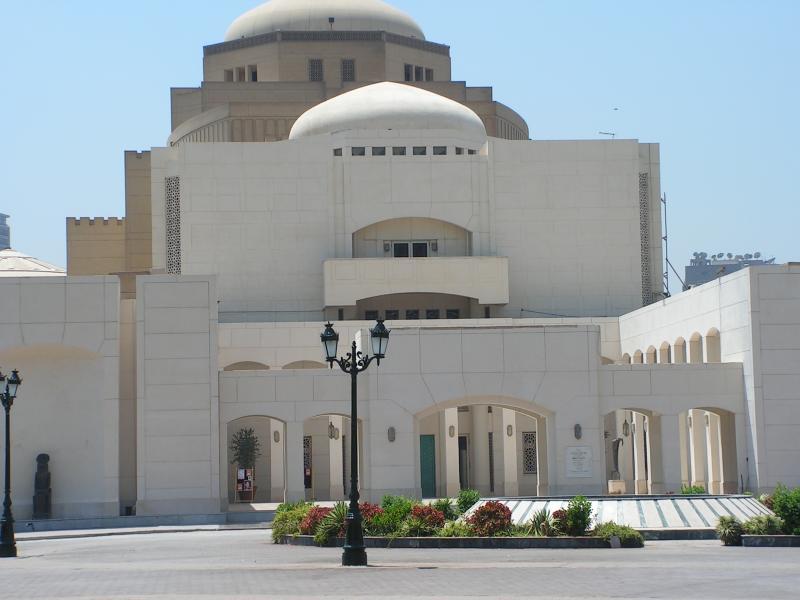
Cairo Opera House: A Beacon of Arts and Culture in the Heart of Egypt
The Cairo Opera House, a magnificent architectural gem nestled on Gezira Island in the Nile, stands as the epicenter of performing arts in Egypt. Officially known as the National Cultural Centre, it is a vibrant hub that showcases a rich tapestry of local and international artistic expressions, from opera and ballet to symphony concerts and traditional Arab music. This report delves into the storied past, architectural splendor, diverse offerings, and the extensive cultural network of this iconic institution.
A Tale of Two Operas: A Legacy Reborn
The history of the Cairo Opera House is a story of two distinct structures, each a symbol of its era.
The Khedivial (Royal) Opera House (1869-1971)
The original opera house was commissioned by Khedive Ismail to celebrate the grand opening of the Suez Canal in 1869. Designed by Italian architects Pietro Avoscani and Rossi, this lavish, mostly wooden structure was built in just six months in the Azbakeya district. It was the first of its kind on the African continent, intended to signify Egypt's cultural alignment with Europe.
Contrary to popular belief, the world premiere of Verdi's "Aida," an opera commissioned by Khedive Ismail with an ancient Egyptian theme, did not inaugurate the opera house due to delays caused by the Franco-Prussian War. Instead, Verdi's "Rigoletto" was the first opera performed on its stage on November 1, 1869. "Aida" eventually had its world premiere at the Khedivial Opera House on December 24, 1871. For over a century, it was a beacon of the arts, hosting world-famous operas and symphonies. Tragically, in the early morning of October 28, 1971, a devastating fire completely destroyed the wooden building, leaving Cairo without an opera house for nearly two decades. The site is now occupied by a multi-story car garage.
The New Cairo Opera House (1988-Present)
The current Cairo Opera House was inaugurated on October 10, 1988. It was a generous gift from the nation of Japan to Egypt, a gesture of goodwill following a visit by then-President Hosni Mubarak to Japan in 1983. Construction began in May 1985 and lasted for three years. The inauguration was a grand affair, attended by President Mubarak and Prince Tomohito of Mikasa, the younger brother of the Japanese Emperor. The event was marked by the first-ever Kabuki performance in Africa and the Arab world. The first chairperson of the new Cairo Opera House was the late Dr. Ratiba El-Hefny, a prominent figure in Egypt's cultural scene.
Architectural Grandeur and Design
The new Cairo Opera House is a masterpiece of modern architecture, skillfully blending Islamic design elements with contemporary Japanese aesthetics. The design was entrusted to the renowned Japanese architectural firm Nikken Sekkei. While lead architects are not widely publicized, the basic design study team included Hideo Watanabe as Acting Leader and Planner, and Koichiro Shikida as an architect.
The design philosophy aimed to create a cultural destination that harmonized with the existing museums in the area, with a layout featuring a courtyard and gallery reminiscent of traditional Egyptian design. The architecture integrates Islamic motifs like domes, arches, and crenelated rooflines into a clean, modern framework. A particularly symbolic detail is the chrysanthemum motif over the main theater; a symbol of longevity and nobility in Japan, it was also a symbol of the Egyptian royal family.
Construction and Materials
The complex is an elegant, yellow stone structure. The interior features an opulent mix of materials, including Italian marble in the entrance hall, white and green marble, red granite, and mosaics. International collaboration is evident in the materials used:
- Sweden: Provided the wood for the walls and flooring, as well as furniture for the Scandinavian-style cafeteria.
- Czech Republic: Gifted the crystal chandeliers.
- Egypt: Local materials were used for doors, windows, and elevators, grounding the project in local craftsmanship.
In a practical consideration for Cairo's climate, the Japanese design team used tiles for the walls instead of traditional velvet, which is difficult to clean. The main auditorium is adorned in a pink and fuchsia color scheme, reflecting a Japanese design sensibility. In 2015, the building's exterior was revitalized with a state-of-the-art Philips LED lighting system with over 100 luminaires, designed to highlight its architectural features and reduce energy consumption.
A World of Performance: Venues and Facilities
The Cairo Opera Complex is a multifaceted cultural center boasting seven theaters, a music library, an art gallery, and a museum. The main complex also houses its own costume and set design workshops to support productions across its entire network.
- The Main Hall: This is the largest and most sophisticated venue, seating 1,200 spectators across four levels. It is equipped with state-of-the-art stage technology, including velvet, duvetine, and blackout fabrics for its curtains, making it the premier space for grand opera productions, ballet performances, and orchestral concerts.
- The Small Hall: With a capacity of up to 500 people on a single floor, this hall is ideal for chamber music, recitals, and can also be transformed into a large reception hall for special events.
- The Open-Air Theatre: This acoustically designed, square-shaped stage provides a unique setting for outdoor performances, with a seating capacity of 600.
A Network of Theaters Across Egypt
Established as a public authority in 1989, the National Cultural Centre extends its administrative reach beyond its main complex to several affiliated venues, ensuring a cohesive artistic vision across Egypt.
- El Gomhouria Theatre: Located near Abdeen Royal Palace in Cairo, this historic theater hosts a variety of medium-sized productions. It played a crucial role as the primary temporary home for the Opera's resident companies during the 17-year period after the 1971 fire.
- Arab Music Institute: Situated on Ramses Street, this institute is dedicated to preserving traditional Arab music. Founded in 1914 and inaugurated in 1922, it was registered as an Egyptian antiquity and affiliated with the National Cultural Centre in 2001, undergoing extensive renovation to support its mission.
- Damanhour Opera House: Inaugurated in 1930 in the Beheira Governorate, this venue blends Italian opera house design with Islamic aesthetics and falls under the Cairo Opera House's umbrella.
- The Alexandria Opera House: A Mediterranean Jewel: Also known as the Sayed Darwish Theatre, this is a significant cultural landmark in its own right.
- History: Originally the Mohamed Ali Theatre, it was built between 1918 and 1921 and inaugurated in the presence of King Fouad I. It was renamed in 1962 to honor the pioneering Egyptian composer Sayed Darwish. After falling into disrepair, it was placed on Egypt's Heritage List in 2000 and reopened in 2004 following a comprehensive restoration.
- Architecture: Designed by French architect Georges Parcq, its design was inspired by the Vienna State Opera and the Odéon Theatre in Paris, featuring a grand Renaissance Revival and Ionic style.
- Programming: It hosts a diverse program including performances by the Cairo Opera's companies, international festivals, and has established its own Alexandria Opera Company for Arab Music and Singing and a Talents Development Centre.
The Heartbeat of the Opera: Resident Companies
The Cairo Opera House is home to some of Egypt's most prestigious performing arts companies, which were finally given a permanent home after the destruction of the old opera house.
Cairo Opera Company
While its roots trace back to the post-1952 revolution era, the Cairo Opera Company was officially established in 1964, born from the talent nurtured at the Cairo Conservatoire. Its mission is to present a wide range of operatic works and develop the skills of Egyptian artists. The company's inaugural performance was a production of Verdi's "La Traviata," notably translated into Arabic. Today, the company boasts a repertoire of over 32 opera productions and a permanent ensemble of 32 artists. Its repertoire spans from Baroque to Verismo and includes classics like "Aida," "Carmen," "The Magic Flute," "Madame Butterfly," and "La Bohème". Influential figures include the pioneering soprano Dr. Ratiba El-Hefny, who sang the lead in "The Merry Widow" in the early 1960s, and celebrated singers like Iman Mostafa, the company's current artistic director.
Cairo Symphony Orchestra: An Enduring Legacy
- Founding and Early Years: The orchestra was founded in 1959 with Austrian conductor Franz Litschauer as its first principal conductor, succeeded by Egyptian conductors Ahmed Ebeid and Youssef Elsisi. In its early years, it provided the musical backbone for both symphonic concerts and opera and ballet performances.
- The Interim Period (1971-1988): After the 1971 fire, the orchestra was left without a permanent home, using the Gomhouria Theatre as its primary venue. Conductor Youssef El-Sisi was instrumental in maintaining the orchestra's activities, pushing the musicians to perform sophisticated works like Beethoven's Ninth Symphony and organizing concerts outside of Cairo.
- A New Era at the Opera House: The 1988 inauguration marked a new beginning. Under the influential musical direction of Maestro Ahmed El Saedi (1991-2003), the orchestra significantly expanded its repertoire to include major works by Bruckner, Mahler, and Stravinsky. The establishment of the separate Cairo Opera Orchestra in 1994 allowed the Cairo Symphony Orchestra to focus solely on its symphonic repertoire. It has since become a cultural ambassador, touring internationally and collaborating with renowned guest conductors like Charles Munch and Daniel Barenboim and soloists like Mstislav Rostropovich.
Cairo Opera Ballet Company: Grace and Resilience
- Founding and Early Triumphs: The company's foundation was laid in 1958 through a collaboration between then-Culture Minister Tharwat Okasha and Leonid Lavrovsky, former artistic director of the Bolshoi Ballet. After two years of training in Russia, the company was officially established in 1966, affiliated with the Higher Institute of Ballet. Its first production, "The Fountain of Bakhshisarai," was attended by President Gamal Abdel Nasser. Early lead dancers included Abdel Moneim Kamel and Aleya Abdel Razek, and its first director was Enayat Azmi.
- Adversity and Survival (1971-1988): The 1971 fire was a devastating blow, followed by the severing of ties with the Soviet Union in 1972, which led to the departure of instructors and a period of "complete dismantlement". The company held performances at the Gomhouria Theatre during this difficult time.
- Rebirth and International Acclaim: The company's revival is largely credited to Abdel Moneim Kamel, who returned to Egypt to rebuild the troupe. With the opening of the new Opera House, the company was officially integrated into the National Cultural Centre in the early 1990s. Under Kamel's 25-year directorship, and later that of his wife Erminia Gambarelli Kamel (from 2004), the repertoire grew to include classics like "Swan Lake" and acclaimed contemporary works like "Zorba the Greek". The company has achieved international recognition through extensive touring.
Other Resident Companies
- National Arab Music Ensemble: Founded in 1989 under the guidance of Dr. Ratiba El-Hefny and the baton of Maestro Selim Sahab, its mission is to revive and preserve the masterpieces of Arab musical heritage. The ensemble of about 100 members presents musical traditions from various Arab nations in a sophisticated, academic context. Its repertoire focuses on the "Golden Age" of Arab music, including works by composers like Baligh Hamdy and traditional forms like the Muwashshah, Qasida, and Dor. It has collaborated with renowned singers such as Wadih El Safi and Souad Mohammed.
- Cairo Modern Dance Theater: The first of its kind in the Arab world, this company was founded in 1993 by internationally acclaimed choreographer Walid Aouni. Its establishment followed the success of Aouni's "Contradiction," which won a prize at the 1992 International Festival of Experimental Theatre. The company's debut performance was "The Fall of Icarus," and its repertoire includes major works like "The Elephants Hide to Die" and "The Seven Doors".
- Abdel-Halim Noweira Ensemble for Arab Music: Founded in 1967 by a presidential decree, this ensemble's mission is to preserve and develop Arab music heritage in a contemporary style while maintaining its artistic integrity.
- Cairo Opera Choir: Established in 1956, this choir performs with the opera company and in its own concerts.
- Heritage Ensemble for Arab Music: With a history dating back to 1932, this group focuses on preserving the rich heritage of Arab music.
- Nile Troupe for Folk Instruments: This group performs traditional Upper Egyptian music and dance in recurring shows.
A Diverse Calendar: Festivals and Performance Series
The Cairo Opera House offers a rich and varied program throughout the year, catering to a wide range of artistic tastes.
Annual Festivals
- Arab Music Festival and Conference: A major highlight launched in 1992, its roots trace back to the first Arab Music Conference in 1932. Founded by Dr. Ratiba El-Hefny, its mission is to promote the musical heritage of the Arab world. Spanning over two weeks, it features concerts in Cairo, Alexandria, and Damanhour, an academic conference, and art exhibitions. It consistently attracts celebrated artists like Hany Shaker, Medhat Saleh, Assala Nasri, and Saber Rebaï.
- Summer Festival: This annual event is held across the Opera's venues in Cairo, Alexandria, and Damanhour. It aims to revive classical Arabic music and traditional performing arts, providing a platform for both renowned stars and emerging artists in genres from Arabic music to jazz. The festival often features international collaborations to foster cross-cultural unity.
- Citadel Festival for Music and Singing: Organized by the Cairo Opera House, this popular festival takes place every summer at the historic Salah Eddin Citadel, presenting a rich program of music and honoring influential artists.
- Valentine's Day Festival: A more recent tradition, this festival presents a series of concerts over several nights in February. The program revolves around the theme of love, blending classical and contemporary romantic music performed by celebrated Arab singers.
Recurring Series and Events
- "Great Symphonies" Concert Series: This recurring series is a cornerstone of the Cairo Symphony Orchestra's season. It showcases masterpieces from the classical and twentieth-century repertoire by composers such as Tchaikovsky, Schubert, Mozart, and Brahms.
- Cairo International Film Festival (CIFF): The Cairo Opera House serves as the main venue for this prestigious film festival. Founded in 1976, it is the oldest internationally accredited film festival in the Arab world and Africa.
- A Stage for Global Talent: Since its 1988 inauguration, the Opera House has solidified its status as a global cultural hub by hosting a diverse range of internationally acclaimed performers. The stage has been graced by the Bolshoi Ballet, the London Royal Philharmonic Orchestra, and legendary soloists like Dizzy Gillespie and Mstislav Rostropovich.
Beyond the Stage: Other Cultural Offerings
The Cairo Opera House complex is more than just a collection of theaters; it is a comprehensive cultural destination.
Museum of Modern Egyptian Art
Located within the Opera House grounds, this museum is a vital institution dedicated to Egypt's artistic heritage from the 20th century to the present.
- History: The idea for the museum dates to a 1927 royal decree. It is housed in the "Great Palace" (al-Saraya al-Koubra), a neo-Islamic building from 1936 that officially became the museum's home in 1991. After a six-year closure for restoration, it fully reopened in December 2020.
- The Collection: The museum holds an extensive collection of over 13,000 paintings and sculptures. It represents a wide spectrum of artistic movements, reflecting the social and political transformations of modern Egypt.
- Key Artists: The collection features pioneers of modern Egyptian art, including Mahmoud Said ("The Whirling Dervishes"), Ragheb Ayad ("A Cafe in Aswan"), Abdel Hadi Al-Gazzar ("The Green Madman"), Gazbia Sirry ("Oum Ratiba"), and Inji Efflatoun.
Art Galleries and Music Library
The Salah Taher Gallery and the Ziad Bakir Gallery host rotating exhibitions by contemporary artists. The Music Library offers a rich collection of books, manuscripts, and recordings, serving as a valuable resource for researchers and the public.
Nurturing Future Generations: The Talents Development Center
Established in the early 1990s, the Talents Development Center is dedicated to cultivating the skills of young performers. The center offers classes for children as young as three and demonstrates a commitment to inclusivity by offering classes for individuals with special needs. The curriculum includes ballet, a wide variety of instrumental classes (piano, cello, oud, qanun), and vocal training in both Arabic and operatic singing.
Planning Your Visit: Practical Information
- Booking Tickets: Tickets can be purchased in advance through the official Cairo Opera House website or directly at the box office.
- Dress Code: A smart casual or semi-formal dress code is generally recommended. Casual wear such as t-shirts and shorts is not permitted.
- Getting There: The Opera House is located in the Zamalek district on Gezira Island and is easily accessible by taxi or ride-sharing services. The nearest metro station is Gezira on Line 2. The general opening hours are from 10:00 AM to 8:00 PM daily.
- Guided Tours: While official information is not readily available on the website, guided tours are available upon request.
- Booking: It is advisable to contact the Cairo Opera House directly for the most accurate information on costs and booking procedures. Several third-party tour operators also include a visit to the Opera House in their city tour packages.
- Duration and Language: Tours typically last about one hour and are offered in English and Arabic.
- What to Expect: Tours cover the history and architectural splendor of the building, allowing visitors to explore its grand halls, open-air theaters, and galleries. Access to backstage areas or workshops is not specified as part of a standard tour.
Summary
The Cairo Opera House, officially the National Cultural Centre, stands as a proud symbol of Egypt's enduring commitment to the arts. From its historical roots in the 19th-century Khedivial Opera House to its modern incarnation as a gift from Japan, it has been a stage for some of the world's most celebrated performances. Its stunning architecture, a blend of Japanese and Islamic styles by the firm Nikken Sekkei, features an elegant stone facade and opulent marble interiors. As an administrative authority, it oversees a network of historic venues including the Alexandria Opera House and the El Gomhouria Theatre. The Opera House is home to prestigious resident companies like the Cairo Opera Company, officially established in 1964 with an Arabic production of "La Traviata," and the Cairo Symphony Orchestra and Cairo Opera Ballet Company, both of which have rich histories marked by resilience. The annual calendar is packed with events like the Arab Music Festival, the Summer Festival, and the Citadel Festival for Music and Singing, and the venue also hosts the prestigious Cairo International Film Festival. Beyond performances, the complex houses the vital Museum of Modern Egyptian Art, which chronicles a century of the nation's creative spirit through its collection of over 13,000 works. With its comprehensive Talents Development Center and diverse cultural offerings, the Cairo Opera House is a complete ecosystem that educates, inspires, and entertains, making a visit an immersion into the vibrant artistic soul of Egypt.
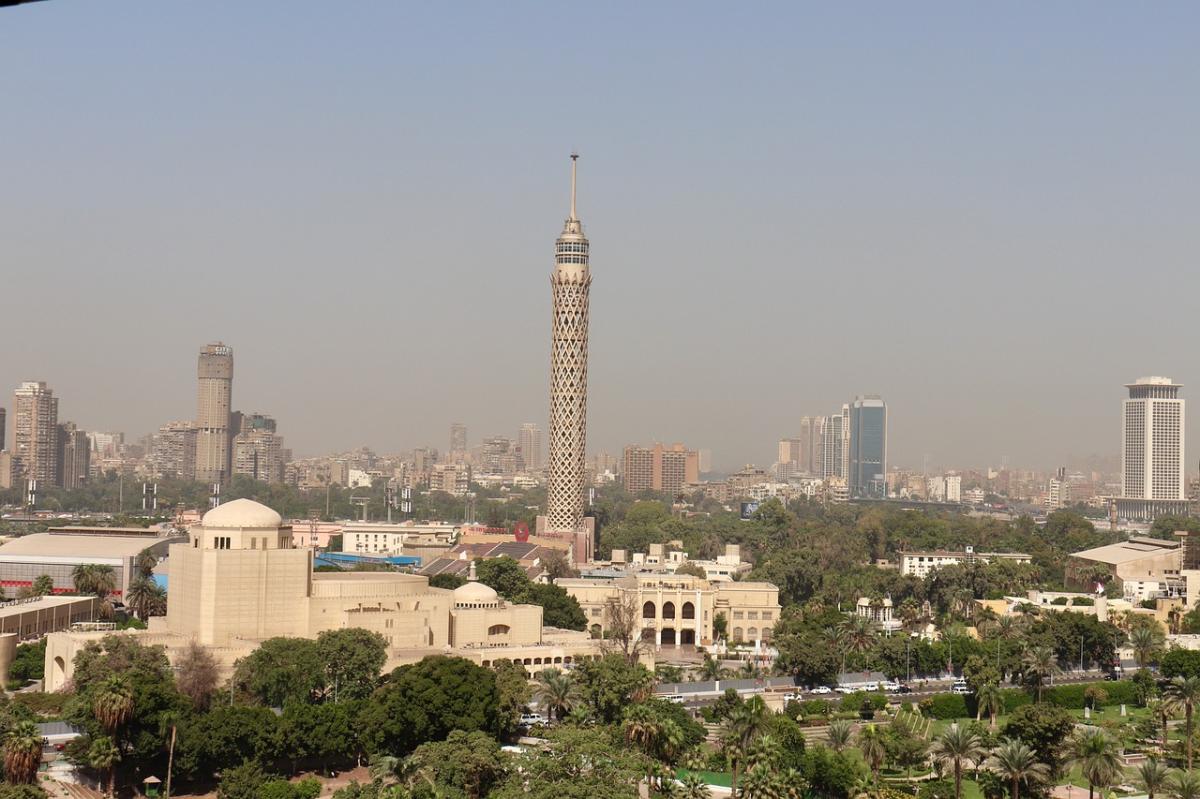
Proudly standing on Gezira Island in the heart of Cairo, the Cairo Tower, or Burj Al-Qahira, is a prominent feature of the citys skyline and a testament to modern Egyptian architecture. Reaching a height of 187 meters (614 feet), it is one of the tallest structures in Egypt and North Africa. For decades...
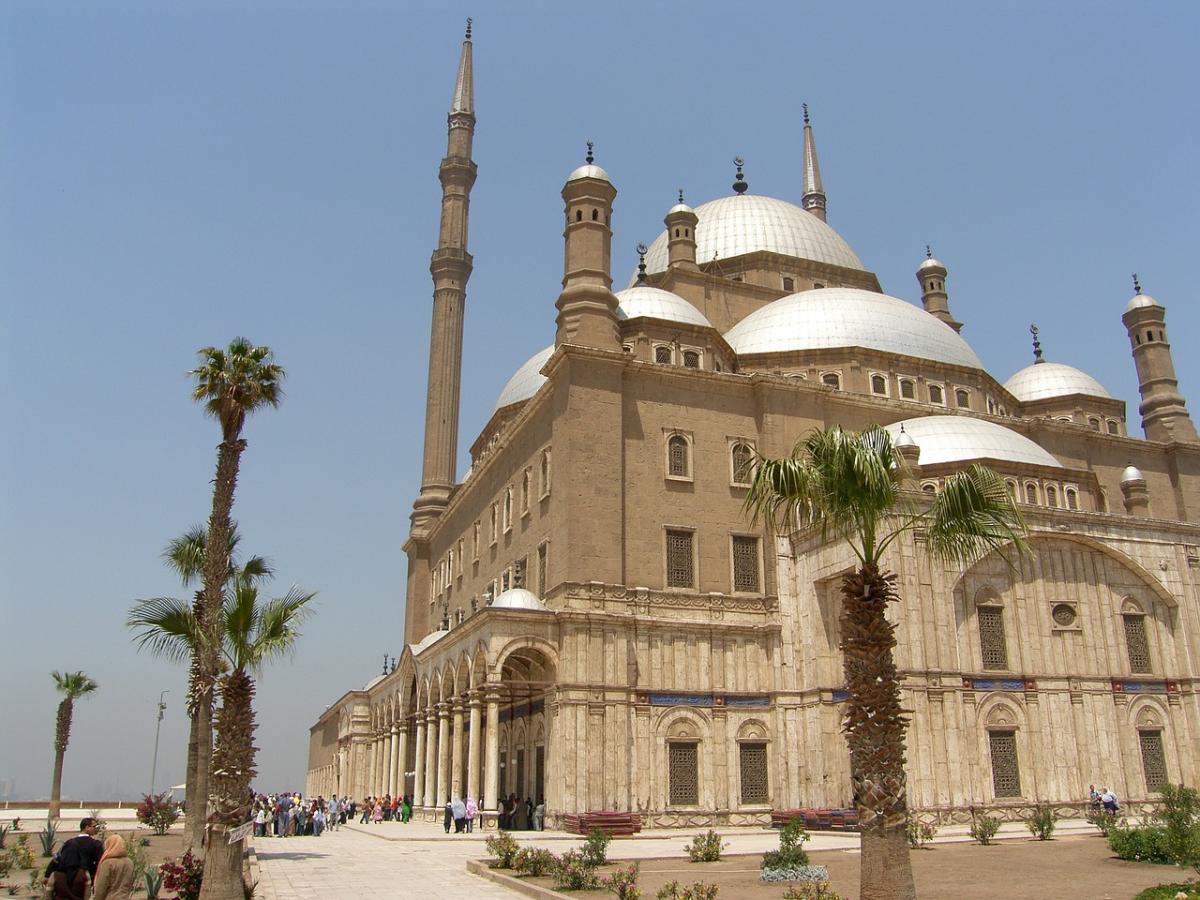
Cairo, Egypt - Perched majestically atop the Citadel of Saladin, the historic seat of Egyptian power for nearly 700 years, the Mosque of Muhammad Ali is an iconic landmark and an enduring symbol of Cairos skyline. Popularly known as the Alabaster Mosque for the extensive use of this gleaming stone on...
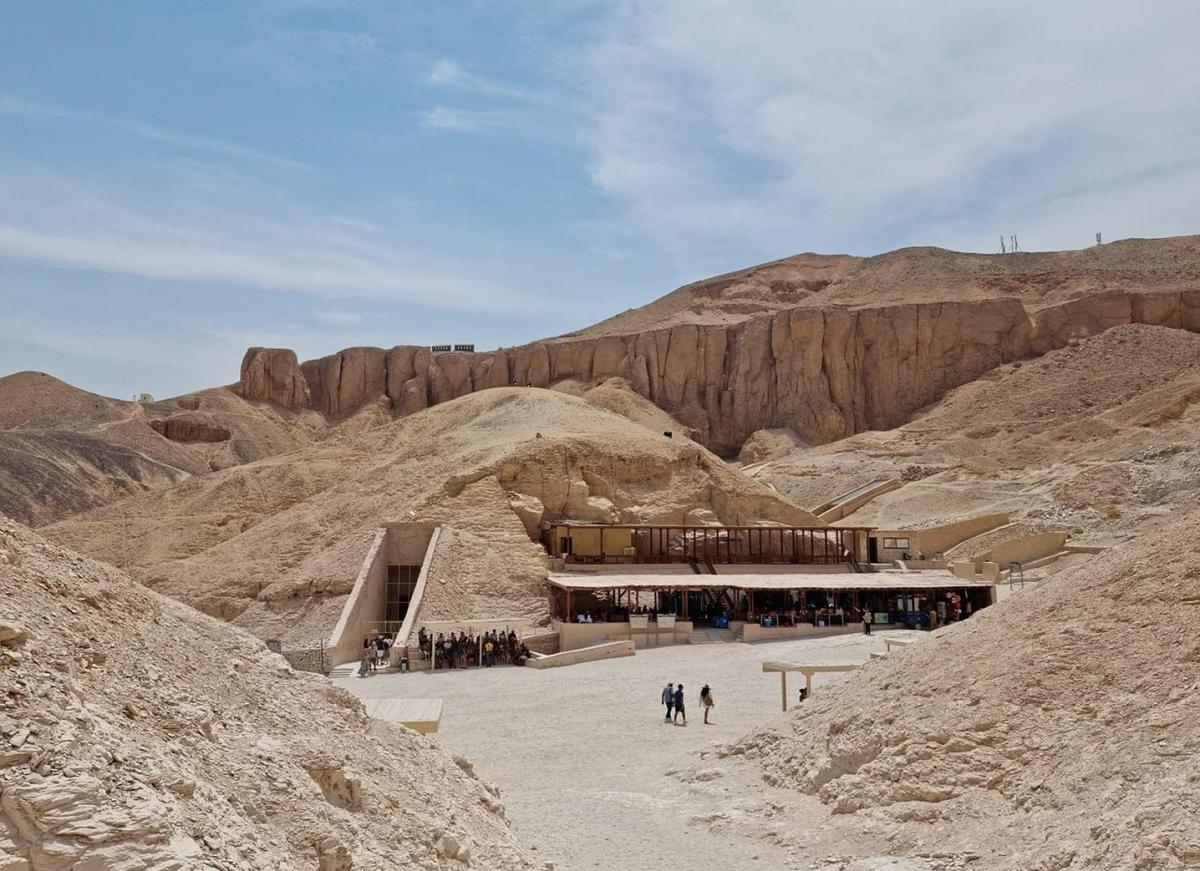
For over a millennium, the skyline of ancient Egypt was dominated by the colossal silhouettes of pyramids, monumental testaments to the power and divinity of the pharaohs. Yet, around 1550 BCE, with the dawn of the New Kingdom, this tradition of pyramid construction abruptly ceased. The rulers of Egypt...