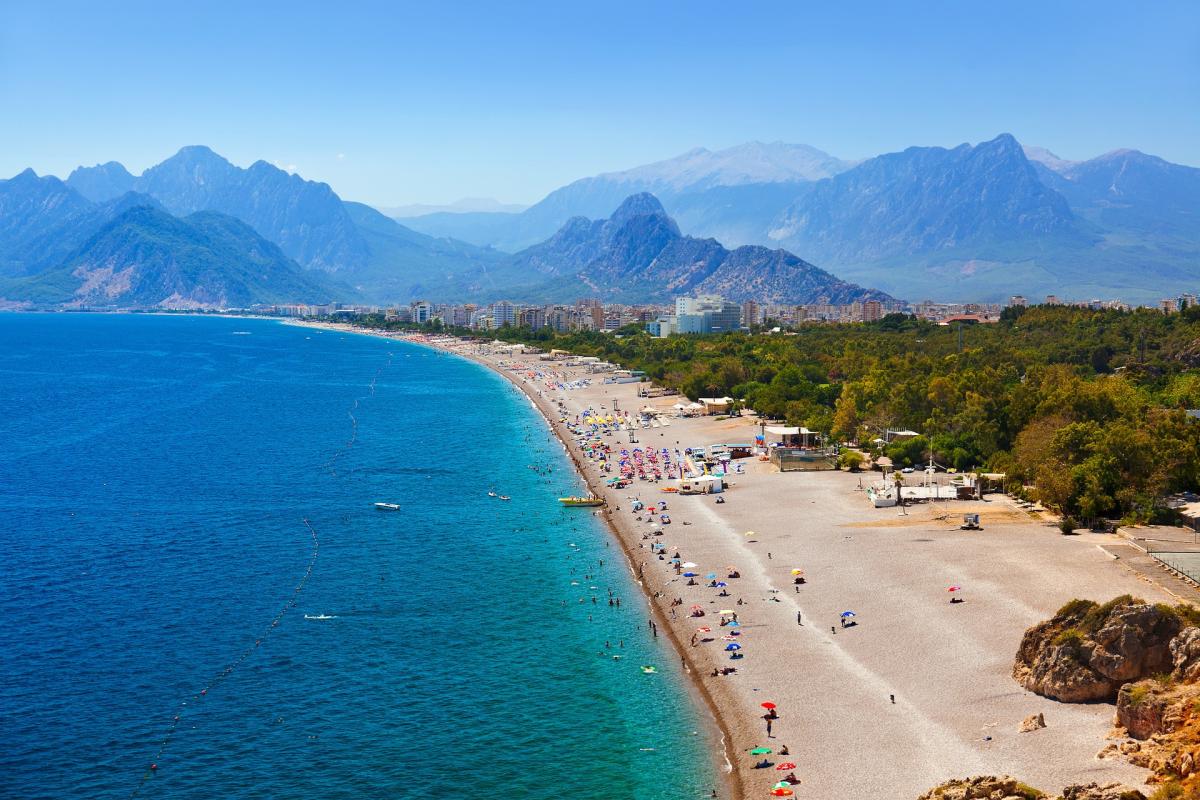
What Makes Bodrum, Turkey, Worth Visiting? A Complete Guide to Ancient Wonders, Aegean Beaches, and Coastal Culture
There is something particularly captivating about Bodrum. Whitewashed houses climb the hillsides, wooden sailing boats gather in the harbor, and a medieval castle rises above waters that seem to change color throughout the day. Behind this unmistakably Mediterranean setting lies a remarkably complex history, stretching from the ancient civilization of Caria to the maritime traditions and cosmopolitan lifestyle of contemporary Turkey.
Situated in Muğla Province on Turkey's southwestern Aegean coast, Bodrum occupies a peninsula distinguished by sheltered bays, rocky headlands, citrus orchards, and wooded hills. Its geography has influenced nearly every aspect of local life, from architecture and agriculture to fishing, navigation, and tourism.
Yet Bodrum is considerably more than an attractive summer resort. Once known as Halicarnassus, it was home to one of the Seven Wonders of the Ancient World and the birthplace of Herodotus, one of antiquity's most influential historians. Today, archaeological treasures coexist with sophisticated marinas, traditional fishing villages, waterfront restaurants, and an increasingly diverse cultural scene.
Understanding Bodrum means looking beyond its beaches and discovering the many different identities that have developed along this remarkable stretch of coastline.
From Ancient Halicarnassus to Modern Bodrum
Long before Bodrum became a fashionable holiday destination, Halicarnassus occupied an important position within the ancient region of Caria. Its sheltered harbor provided access to maritime trading routes, while its location brought Anatolian, Greek, and Persian cultural influences into close contact.
The city achieved particular prominence during the fourth century BC under Mausolus, a Carian ruler who governed within the Achaemenid Persian Empire. His ambitious transformation of Halicarnassus included monumental buildings, defensive fortifications, and an urban arrangement that reflected the wealth and political significance of his territory.
Halicarnassus was also the birthplace of Herodotus, whose investigations into the customs, conflicts, and histories of different societies helped establish the foundations of historical writing.
Over subsequent centuries, the city experienced Hellenistic, Roman, Byzantine, medieval European, and Ottoman influence. Each period contributed something to its architectural and cultural inheritance. Although much of ancient Halicarnassus now lies beneath modern development, surviving archaeological sites offer valuable insights into the city's former importance.
This continuity between ancient and modern urban life gives Bodrum an unusual character. Its historical monuments are not concentrated in an isolated archaeological park; they appear throughout a living coastal town where residents continue their daily routines.
The Mausoleum at Halicarnassus: The Lost Wonder of the Ancient World
Few archaeological sites possess a legacy comparable to that of the Mausoleum at Halicarnassus. Although relatively little of the original monument survives in Bodrum, its architectural influence has endured for more than two millennia.
Constructed during the fourth century BC as a monumental tomb for Mausolus, the structure is closely associated with his wife and sister, Artemisia II. Construction may have begun during Mausolus's lifetime, with the monument reaching completion around 350 BC.
The tomb combined architectural traditions in a remarkably ambitious design. A substantial rectangular base supported a colonnaded upper structure, above which rose a stepped pyramidal roof. Elaborate sculptural decoration emphasized both the wealth of the Carian ruler and the artistic sophistication of the period.
Its fame eventually became so widespread that the ruler's name gave rise to the word mausoleum, now used internationally to describe monumental burial structures.
The building suffered considerable deterioration over the centuries. Its surviving materials were subsequently reused in other construction projects, most notably Bodrum Castle. During the nineteenth century, important sculptures and architectural fragments were transported to the British Museum.
The archaeological site visible today contains foundations, stone fragments, and other surviving elements rather than an intact monumental building. Visitors expecting the scale of the Egyptian pyramids may initially find it surprisingly modest. Its significance, however, lies in what once occupied the site and the enduring influence of that extraordinary achievement.
Bodrum Castle: A Medieval Fortress Between Two Harbors
Standing on a rocky promontory between two sheltered bays, Bodrum Castle is the city's most recognizable architectural landmark.
Also known as the Castle of St. Peter, the fortress was constructed during the early fifteenth century by the Knights Hospitaller, a religious and military order with a substantial presence in the eastern Mediterranean.
Its position was strategically important, allowing the knights to oversee maritime activity around the harbor. The builders incorporated the natural rock into their defensive design, creating a fortress that responded closely to the peninsula's geography.
The complex contains several distinctive towers associated with different European branches of the order, including the English, French, German, Italian, and Spanish towers. Heraldic carvings, thick defensive walls, courtyards, water cisterns, and fortified gateways reveal the architectural sophistication of medieval military engineering.
Particularly fascinating is the use of materials taken from the ruins of the Mausoleum at Halicarnassus. Ancient Carian stonework became part of a medieval European fortress, creating a tangible connection between two dramatically different historical periods.
Following the Ottoman conquest in the sixteenth century, the castle acquired new functions and architectural additions. It later served as a prison and military facility before becoming a museum.
Bodrum Castle was added to Turkey's UNESCO World Heritage Tentative List in 2016. This recognition identifies its potential heritage significance but should not be confused with formal inscription on the World Heritage List.
Exploring the castle is worthwhile even for visitors with only a passing interest in history. Its elevated terraces and defensive walls offer expansive views across the harbor, surrounding hillsides, and Aegean coastline.
The Museum of Underwater Archaeology: History Recovered from the Sea
Within the walls of Bodrum Castle lies one of Turkey's most distinctive cultural institutions: the Bodrum Museum of Underwater Archaeology.
Established in 1964, the museum preserves archaeological discoveries recovered from submerged sites along Turkey's coastline. Its collections span thousands of years and include ancient amphorae, shipbuilding remains, glassware, jewelry, ceramics, metal ingots, and objects associated with maritime commerce.
Unlike conventional archaeological museums, where exhibits are often recovered from ancient settlements or burial grounds, many of Bodrum's treasures survived because ships carrying them sank at sea.
These discoveries provide exceptionally valuable evidence of how goods, technologies, artistic traditions, and ideas circulated among ancient civilizations.
The extraordinary Uluburun shipwreck
Among the museum's most important archaeological collections are discoveries from the Uluburun shipwreck, a Late Bronze Age vessel that sank near present-day Kaş around 1320 BC.
The wreck was discovered in 1982 by a Turkish sponge diver. Archaeological excavations conducted between 1984 and 1994 revealed an extraordinarily diverse cargo, including copper and tin ingots, ivory objects, jewelry, glass, pottery, and materials originating from distant regions.
The cargo demonstrates the complexity of international commerce during the Bronze Age. More than three thousand years ago, maritime networks were already connecting societies across the eastern Mediterranean and beyond.
The collection also offers insights into ancient ship construction, navigation, manufacturing, and the distribution of luxury goods.
Medieval shipwrecks and ancient maritime commerce
The museum's wider collections include artifacts from the Serçe Limanı shipwreck, particularly significant for the history of medieval glass production and trade.
Ancient transport vessels known as amphorae form another substantial part of the collection. These ceramic containers were used to carry commodities across maritime trading networks, making them important archaeological evidence of commercial relationships.
Together, the museum's collections reveal that the waters surrounding modern Turkey were once among the most interconnected commercial environments of the ancient world.
Visitors should allow several hours to explore the castle and museum. Exhibition access and opening arrangements may vary during restoration or conservation work.
Bodrum's Ancient Theatre: Where History Still Has an Audience
Built into the southern slopes of Göktepe Hill, the Ancient Theatre of Halicarnassus offers an impressive combination of archaeological heritage and coastal scenery.
The theatre has its origins in antiquity and reflects the importance of public performances and communal gatherings within ancient urban society. Its semicircular arrangement and elevated seating take advantage of the natural hillside.
Following restoration during the twentieth century, the theatre acquired a renewed cultural role. Today, it continues to accommodate concerts, festivals, and other artistic events.
There is a particular pleasure in sitting on its ancient stone seats and looking across modern Bodrum toward the harbor. Unlike many archaeological monuments that have lost their original function, this theatre retains a meaningful connection to the activities for which it was created.
Myndos Gate and the Defensive Legacy of Halicarnassus
The remains of Myndos Gate offer another perspective on Bodrum's ancient history.
Believed to have been constructed during the 360s BC under Mausolus, the gate formed part of the extensive defensive walls surrounding Halicarnassus. It protected the western approach to the city and incorporated substantial towers and defensive structures.
The surrounding fortifications played a role during Alexander the Great's campaign against Halicarnassus in 334 BC. Archaeological remains in the area also include burial structures originating from several historical periods.
Although less visually dramatic than Bodrum Castle, Myndos Gate rewards visitors interested in ancient urban planning, defensive architecture, and the military history of Caria.
The Natural Beauty of the Bodrum Peninsula
Bodrum's appeal is inseparable from its geography. Rather than extending along a single uninterrupted beach, the peninsula unfolds through a succession of bays, hills, small islands, headlands, and coastal settlements.
Its Mediterranean vegetation includes pine forests, evergreen shrubs, myrtle, oak trees, and other species adapted to the region's hot, dry summers. Inland valleys and agricultural areas introduce a contrasting landscape of orchards and cultivated fields.
The peninsula's northern and western coastal environments also provide habitats for important marine and bird species, including the protected Mediterranean monk seal.
This varied terrain explains why neighboring resorts can possess remarkably different characteristics. A busy waterfront lined with restaurants may be only a short drive from a quiet bay surrounded by vegetation.
Exploring beyond central Bodrum is therefore essential to appreciating the destination in its entirety.
The Best Beaches and Coastal Villages in Bodrum
Choosing where to spend time on the peninsula depends largely on the kind of experience a traveler is seeking. Some coastal communities are associated with sailing and water sports, others with relaxed family holidays, and several have developed into sophisticated luxury destinations.
Bitez: Relaxed coastal living and water sports
Bitez offers a gentler alternative to the busiest parts of Bodrum. Its long-established citrus-growing traditions remain part of the area's identity, while its coastal setting attracts swimmers, sailors, and windsurfing enthusiasts.
The combination of accessible beaches, restaurants, and a relatively relaxed atmosphere makes Bitez particularly suitable for travelers who prefer unhurried days by the sea.
Gümbet: An energetic seaside resort
Located west of central Bodrum, Gümbet is known for its extensive beach, shallow coastal waters, accommodation options, and active entertainment scene.
Its proximity to Bodrum makes it a practical choice for visitors interested in combining beach holidays with nightlife and historical sightseeing.
Those seeking absolute tranquility may prefer another part of the peninsula, particularly during the busiest summer months.
Gümüşlük: Ancient ruins and waterfront dining
Gümüşlük retains a distinctive atmosphere shaped by its fishing heritage, coastal scenery, and connection to the ancient settlement of Myndos.
Archaeological remains near the shoreline provide reminders of the area's long history, while waterfront seafood restaurants contribute to its contemporary appeal.
The village is especially rewarding in the late afternoon, when the heat begins to soften and the western coastline catches the evening light. Its comparatively intimate setting offers a welcome contrast to Bodrum's more heavily developed resort districts.
Yalıkavak: Traditional character meets contemporary luxury
Yalıkavak illustrates the dramatic transformation of the Bodrum Peninsula into an internationally recognized tourism destination.
Once associated primarily with fishing and local maritime activities, it has developed into a sophisticated coastal resort with yacht facilities, restaurants, boutiques, and high-end accommodation.
Its appeal extends beyond luxury tourism, however. The surrounding hills, waterfront setting, and traditional elements of the settlement offer opportunities to experience a quieter side of the peninsula.
Turgutreis: Sunsets and Aegean horizons
Situated toward the western end of the peninsula, Turgutreis is named after the celebrated Ottoman admiral Turgut Reis.
The town is particularly associated with its sunsets, coastal scenery, marina, and citrus-growing heritage. Its position provides broad views across the Aegean toward nearby islands.
Turgutreis offers an appealing balance between resort facilities and the character of a substantial coastal community.
Ortakent and Yahşi: A more leisurely seaside experience
Ortakent is known for its agricultural heritage, traditional architecture, citrus orchards, and sandy coastal areas.
The neighboring Yahşi waterfront is attractive to travelers who prefer a beach-oriented stay away from the most energetic entertainment districts.
Ortakent also provides an opportunity to explore the relationship between the peninsula's traditional village life and contemporary coastal tourism.
Göltürkbükü: Sophisticated waterfront retreats
Göltürkbükü has established a reputation for exclusive accommodation, fashionable waterfront restaurants, and upscale entertainment.
Its sheltered coastal environment and sophisticated hospitality facilities attract visitors looking for a more luxurious Aegean holiday.
A comparison of Bodrum's coastal destinations
| Destination | Distinctive character | Particularly suitable for |
|---|---|---|
| Central Bodrum | Historical landmarks and urban waterfront | Culture and sightseeing |
| Bitez | Relaxed beaches and sailing | Families and water sports |
| Gümbet | Energetic resort atmosphere | Entertainment and nightlife |
| Gümüşlük | Fishing heritage and archaeology | Couples and leisurely dining |
| Yalıkavak | Marina culture and refined hospitality | Luxury holidays |
| Turgutreis | Open sea views and coastal community life | Sunsets and longer stays |
| Ortakent and Yahşi | Agricultural heritage and beaches | Relaxed seaside holidays |
| Göltürkbükü | Exclusive waterfront hospitality | Upscale coastal retreats |
Discovering Bodrum from the Water
For all the attractions available on land, the peninsula reveals an entirely different personality when approached from the sea.
Small coves become accessible, the relationship between the settlements and surrounding hills becomes clearer, and the constant presence of the Aegean begins to make sense as a defining element of local identity.
The Blue Voyage and Bodrum's sailing traditions
Bodrum is closely associated with the Blue Voyage, known in Turkish as Mavi Yolculuk, a tradition of maritime exploration along southwestern Turkey's coastline.
Its cultural origins are linked to the writer Cevat Şakir Kabaağaçlı, better known as the Fisherman of Halicarnassus, and literary figures including Azra Erhat. Their journeys helped popularize a form of coastal travel centered on nature, history, and the pleasures of life at sea.
Over time, these voyages developed into an established element of Turkey's tourism industry.
Traditional wooden vessels known as gulets are particularly associated with this experience. Their development reflects a long history of local boatbuilding, fishing, sponge diving, and maritime transportation.
Modern gulets range from relatively simple sailing vessels to luxurious boats equipped with comfortable cabins and extensive leisure facilities.
Orak Island and the Gulf of Gökova
Orak Island is among the better-known destinations for boat excursions departing from Bodrum. The surrounding waters and sheltered coastal areas make it an attractive location for swimming and snorkeling when conditions permit.
Farther along the coastline, the Gulf of Gökova contains numerous coves, forested slopes, islands, and secluded anchorages. Destinations such as Karaada, Çökertme, and Yedi Adalar form part of the region's established maritime routes.
A full-day excursion offers a manageable introduction to this environment. Travelers with additional time may prefer a multi-day voyage, allowing greater flexibility and opportunities to explore quieter sections of the coast.
Responsible boating practices are particularly important. Anchoring in designated or appropriate locations, avoiding damage to sensitive marine habitats, and leaving archaeological objects undisturbed help protect the natural and cultural resources that make these journeys so rewarding.
Hiking, Forests, and Bodrum's Lesser-Known Landscapes
The conventional image of Bodrum rarely extends beyond the shoreline, yet the interior of the peninsula contains considerable historical and natural interest.
Walking the Leleg Way
The Leleg Way follows landscapes associated with the Leleges, an ancient population connected with the history of southwestern Anatolia.
The principal walking route extends approximately 88 kilometers between Etrim and Turgutreis, while connecting paths bring the wider trail network to roughly 185 kilometers.
Along the route, hikers encounter forested terrain, archaeological remains, ancient burial structures, and traces of historical settlements.
Travelers do not need to complete the entire route to appreciate its significance. Individual sections can provide rewarding opportunities to explore the peninsula's rural character and archaeological heritage.
Spring and autumn are generally preferable for extended walking, particularly for visitors unaccustomed to intense summer heat.
Traditional windmills and rural architecture
Bodrum's old windmills are reminders of an agricultural economy that existed long before large-scale tourism.
Traditional houses also reveal how earlier communities adapted to local environmental and security conditions. Particularly interesting are historic tower-style houses, examples of which survive around Ortakent and the settlements above Gümüşlük.
Their defensive characteristics and distinctive internal arrangements reflect practical considerations that differ considerably from those of modern holiday homes.
Exploring these quieter landscapes provides a more complete understanding of Bodrum than remaining exclusively within the coastal resort districts.
Bodrum's Cultural Identity Beyond Archaeology
Ancient monuments form only one chapter of Bodrum's cultural story. The town's more recent history is equally connected to music, literature, craftsmanship, and maritime livelihoods.
The Bodrum Maritime Museum
The Bodrum Maritime Museum preserves aspects of local history that might otherwise disappear beneath the rapid development of tourism.
Its exhibitions examine traditional boatbuilding, fishing, sponge diving, and maritime transportation. Detailed model boats represent vessel types that once supported the region's economic activities.
These collections reveal a community whose prosperity and daily routines were deeply influenced by the sea, long before international visitors began arriving in substantial numbers.
The museum provides particularly useful context for understanding Bodrum's gulet-building traditions and the transformation of working maritime skills into contemporary yacht tourism.
The legacy of Zeki Müren
The Zeki Müren Art Museum introduces visitors to one of Turkey's most celebrated musical personalities.
Located in Bodrum, the museum preserves the memory of an artist whose distinctive performances, costumes, and public persona made him an influential figure in modern Turkish cultural history. Personal belongings and exhibitions offer insights into his artistic career and private surroundings.
For international travelers unfamiliar with Turkish music, the museum offers an engaging introduction to a cultural world rarely represented in conventional beach-holiday itineraries.
Festivals and contemporary artistic life
Bodrum's cultural venues accommodate concerts, festivals, and artistic performances, particularly during the warmer months.
The continued use of historical spaces such as the Ancient Theatre creates an appealing connection between contemporary creativity and the peninsula's archaeological inheritance.
Travelers interested in cultural events should consult local programs before their visit, as performance schedules and venues vary from year to year.
The Flavors of Bodrum: Exploring Aegean Cuisine
Bodrum's culinary character owes much to the agricultural resources and maritime traditions of southwestern Turkey.
Olive oil, seasonal vegetables, wild herbs, fresh seafood, yogurt, citrus fruits, and regional pastries appear throughout traditional Aegean cooking.
Rather than relying exclusively on elaborate preparations, many dishes emphasize the natural flavors of locally available ingredients.
Traditional meze and wild greens
A traditional Bodrum meal often begins with a selection of small dishes known as meze.
Vegetables prepared with olive oil, yogurt-based dishes, roasted aubergines, and seasonal wild greens are particularly representative of regional tastes.
Stuffed squash blossoms, known as kabak çiçeği dolması, offer a delicate example of Aegean cooking, while köpoğlu mezesi combines aubergine with yogurt.
Wild plants such as chicory, mallow, and radish leaves also feature in the peninsula's traditional cuisine.
Seafood and the pleasures of waterfront dining
Given Bodrum's maritime heritage, seafood occupies an important place in its restaurant culture.
Grilled fish, seafood meze, salads, and vegetable dishes are commonly associated with leisurely waterfront meals.
In villages such as Gümüşlük, the setting contributes considerably to the dining experience. Dinner can become an unhurried evening rather than simply another scheduled activity.
Citrus orchards and regional produce
The peninsula's citrus-growing heritage remains evident in places such as Bitez, Ortakent, and Turgutreis.
Tangerine orchards represent a connection to the agricultural economy that preceded the expansion of coastal tourism.
Local preserves, seasonal produce, olive oil, and regional specialties are worthwhile purchases for travelers interested in bringing home something connected to the peninsula's traditional food culture.
Bodrum's evolving fine-dining scene
Alongside its traditional restaurants, Bodrum has developed an increasingly sophisticated contemporary culinary scene.
Internationally recognized restaurant guides now include establishments across the destination, reflecting the emergence of restaurants that reinterpret Turkish ingredients, Mediterranean techniques, and international culinary influences.
The result is an unusually broad dining environment, ranging from modest neighborhood establishments to ambitious gastronomic experiences.
Visitors need not choose between these approaches. Some of the most memorable culinary experiences in Bodrum may come from appreciating both.
Shopping, Local Markets, and Traditional Craftsmanship
Bodrum's shopping environment extends well beyond the polished boutiques surrounding its marinas.
Traditional markets provide opportunities to discover seasonal produce, spices, textiles, household goods, preserves, and locally influenced handicrafts.
For travelers interested in craftsmanship, textiles, ceramics, woven products, and items associated with Aegean cultural traditions can make meaningful souvenirs.
The experience differs considerably between neighborhood shops, open-air markets, and luxury commercial developments.
A worthwhile approach is to spend time browsing traditional commercial streets before visiting the more exclusive shopping districts. This provides a better sense of the contrast between everyday local life and Bodrum's international resort economy.
Bodrum After Sunset: From Quiet Evenings to Lively Nightlife
Few Turkish coastal destinations possess a nightlife identity as recognizable as Bodrum's.
Central Bodrum is particularly associated with evening entertainment around its waterfront and Cumhuriyet Street. Restaurants, bars, music venues, and social gathering places contribute to a lively atmosphere during the tourist season.
Gümbet appeals to travelers seeking more energetic nightlife, while upscale coastal districts offer sophisticated lounges and exclusive hospitality experiences.
Yet Bodrum after dark is not necessarily defined by crowded entertainment venues.
A leisurely seafood dinner in Gümüşlük, an evening walk along the waterfront in Turgutreis, or a quiet drink overlooking the marina can be equally rewarding.
This variety is one of the peninsula's strengths. It accommodates dramatically different preferences without requiring every visitor to participate in the same style of holiday.
The Best Time to Visit Bodrum
Bodrum experiences a climate characterized by hot, dry summers and comparatively mild, rainy winters. Its coastal position and peninsular geography influence local weather conditions, while seasonal differences significantly affect tourism activities.
The ideal time to visit depends on whether beaches, historical sightseeing, outdoor recreation, or nightlife are the principal priorities.
| Season | General conditions | Recommended experiences |
|---|---|---|
| March to May | Increasing warmth and spring vegetation | Archaeology, hiking, village exploration |
| June to August | Hot, dry weather and busy resorts | Beach holidays, sailing, nightlife |
| September to October | Generally warm early-autumn conditions | Swimming, dining, sightseeing |
| November to February | Cooler weather and increased rainfall | Cultural visits and quieter coastal stays |
Spring
Spring is particularly attractive for visitors who enjoy archaeological sightseeing and exploring rural landscapes.
The peninsula's vegetation is generally more vibrant than during the driest summer months, while temperatures are often more comfortable for walking and outdoor exploration.
Sea temperatures may remain cool, especially early in the season.
Summer
Summer brings Bodrum's most energetic atmosphere. Beaches, marinas, restaurants, boat excursions, and entertainment venues generally operate at their busiest.
July and August are particularly suitable for travelers prioritizing swimming and coastal recreation, although heat, traffic, crowds, and accommodation demand can make sightseeing more challenging.
Advance reservations are advisable for popular accommodation and boat excursions.
Autumn
September and early October frequently offer an appealing compromise between summer warmth and a more relaxed atmosphere.
This period can be particularly rewarding for travelers who want to combine coastal activities with historical sightseeing and outdoor dining.
Seasonal businesses may begin reducing their operations later in autumn.
Winter
Winter reveals a less commercial and more residential side of Bodrum.
Although rainfall increases and some tourism facilities close temporarily, visitors interested in history, local culture, and quiet coastal scenery may still find considerable appeal.
Winter travelers should verify accommodation availability, transport schedules, and museum opening arrangements before departure.
Getting to Bodrum and Exploring the Peninsula
Milas-Bodrum Airport serves as the principal air gateway to the region. According to the airport authority, it is situated approximately 37 kilometers from central Bodrum.
Ground transportation includes airport shuttle services, taxis, rental vehicles, and other road transport options.
Central Bodrum is reasonably convenient for exploring on foot, particularly around the harbor and commercial districts. However, the peninsula's dispersed settlements make additional transportation necessary for visiting many beaches and villages.
Local minibuses, commonly known as dolmuş, can be useful for traveling between established communities. Taxis and private transfers provide additional convenience, while rental vehicles offer greater independence for reaching rural areas and less accessible beaches.
During the peak summer season, travelers should allow additional time for road journeys and consider parking arrangements when choosing accommodation.
Exploring the Greek Islands from Bodrum
Bodrum's geographical position also makes it an attractive starting point for exploring parts of the eastern Aegean beyond Turkey.
Ferry services connect Bodrum and other nearby Turkish ports with Greek islands, including Kos. Other island connections may be available depending on seasonal schedules and operator arrangements.
Kos is particularly appealing to travelers interested in combining a Turkish coastal holiday with Greek archaeological sites, island settlements, and a contrasting Mediterranean cultural experience.
However, these journeys involve an international border crossing. Travelers must verify passport validity, visa eligibility, entry requirements, departure terminals, and return schedules before purchasing tickets.
Permission to enter Turkey does not automatically provide permission to enter Greece.
Where to Stay in Bodrum
Selecting the right part of the peninsula can significantly influence the character of a holiday.
Central Bodrum is particularly convenient for first-time visitors who want easy access to historical attractions, restaurants, the harbor, and transport connections.
Bitez and Ortakent are appealing alternatives for families and travelers who prioritize beach access and a more relaxed environment.
Gümüşlük suits those seeking a quieter setting, leisurely dining, and coastal atmosphere, while Gümbet is more appropriate for visitors who enjoy active nightlife.
Yalıkavak and Göltürkbükü offer sophisticated accommodation and hospitality facilities for travelers whose priorities include luxury, privacy, and contemporary marina culture.
Accommodation should be chosen according to actual travel preferences rather than reputation alone. A secluded luxury resort may be less practical for someone planning daily archaeological excursions, just as a centrally located hotel may not provide the tranquility sought by a family spending most of its holiday on the beach.
A Suggested Five-Day Bodrum Itinerary
Five days provide a comfortable introduction to Bodrum's principal attractions without reducing the holiday to a succession of hurried sightseeing stops.
| Day | Suggested activities |
|---|---|
| First day | Explore Bodrum Castle, the Museum of Underwater Archaeology, the harbor, and central shopping streets. |
| Second day | Visit the Mausoleum at Halicarnassus, Ancient Theatre, Myndos Gate, and Bodrum Maritime Museum. |
| Third day | Enjoy a gulet excursion around Karaada, Orak Island, or the surrounding coastal bays, depending on conditions. |
| Fourth day | Discover the western peninsula, including Turgutreis, Gümüşlük, and Yalıkavak. |
| Fifth day | Relax at Bitez or Ortakent, explore a traditional market, and enjoy a leisurely Aegean dinner. |
Travelers with additional time could include a section of the Leleg Way, a visit to the Zeki Müren Art Museum, a Greek island excursion, or a multi-day sailing experience.
The itinerary is deliberately flexible. Weather, sea conditions, museum access, and personal interests should determine the final arrangement.
Practical Travel Advice for Visiting Bodrum
A successful Bodrum holiday requires relatively little complicated planning, although several practical considerations can improve the experience considerably.
Book ahead during peak summer: Popular resorts, boat excursions, and waterfront accommodation may experience substantial seasonal demand.
Carry sun protection: The exposed archaeological sites and beaches can become intensely hot during summer.
Wear appropriate footwear: Castle stairways, ancient stone surfaces, rural paths, and archaeological sites can be uneven.
Check museum access: Opening hours, admission fees, restoration work, and exhibition availability can change.
Compare beach facilities: Some beaches are publicly accessible, while private beach clubs may charge for entry, loungers, or other services.
Respect archaeological remains: Never remove fragments, climb restricted structures, or disturb submerged cultural heritage.
Prepare for international ferry crossings: Confirm the relevant documentation and entry conditions before visiting Greek islands.
Consider accessibility requirements: Historical buildings, hillside settlements, and certain beaches may present challenges for visitors with limited mobility.
Use water responsibly: Bodrum's dry summers make sensible water consumption particularly important.
Respect local customs: Appropriate clothing and considerate behavior are advisable when visiting religious sites and residential communities.
Preserving Bodrum's Character in an Era of Rapid Tourism Development
Bodrum's growing international popularity presents both opportunities and challenges.
Tourism supports hospitality, restaurants, transportation services, boatbuilding, cultural institutions, and numerous other economic activities. At the same time, intensive development can place pressure on natural landscapes, coastal habitats, historic architecture, and local infrastructure.
The peninsula's environmental resources are particularly valuable because they include sensitive marine ecosystems, forested landscapes, and habitats supporting protected wildlife.
Responsible tourism does not require travelers to sacrifice comfort or enjoyment. Choosing locally operated businesses, supporting cultural institutions, reducing unnecessary waste, respecting archaeological sites, and avoiding environmentally damaging activities are practical ways to contribute to the destination's long-term well-being.
Visiting outside the busiest summer months can also provide a different perspective on Bodrum while distributing tourism activity more evenly throughout the year.
Preserving the qualities that originally made Bodrum attractive is ultimately important to both its residents and its visitors.
Frequently Asked Questions About Visiting Bodrum
Is Bodrum worth visiting for travelers who are not interested in beaches?
Absolutely. Bodrum offers substantial archaeological, architectural, maritime, and cultural attractions. The castle, underwater archaeology museum, Mausoleum, Ancient Theatre, and traditional settlements provide ample opportunities for a culturally focused holiday.
How many days should visitors spend in Bodrum?
Four to five days are generally sufficient for an introduction to the main historical sites and several coastal villages. A week or longer is preferable for travelers interested in sailing, hiking, additional beach time, and excursions to nearby islands.
Is Bodrum suitable for families?
Yes. Areas such as Bitez and Ortakent are particularly worth considering for families seeking relatively relaxed coastal surroundings. Families should assess individual beach conditions, accommodation facilities, and swimming safety before making reservations.
Can visitors still see the Mausoleum at Halicarnassus?
Yes, although the original monumental tomb no longer stands. Visitors can explore its archaeological remains, including foundations and surviving architectural fragments. Important sculptures from the monument are also preserved in the British Museum.
Is Bodrum only a luxury destination?
No. Although the peninsula contains prestigious marinas, exclusive hotels, and sophisticated restaurants, it also offers smaller accommodation establishments, traditional markets, public beaches, and modest dining options.
The overall cost of a holiday depends heavily on location, season, accommodation standards, and preferred activities.
What is Bodrum most famous for?
Bodrum is particularly famous for its association with ancient Halicarnassus, the Mausoleum of Mausolus, Bodrum Castle, underwater archaeology, traditional gulet cruises, whitewashed architecture, Aegean beaches, and contemporary coastal lifestyle.
Is Bodrum Castle a UNESCO World Heritage Site?
Bodrum Castle is included on Turkey's UNESCO World Heritage Tentative List. It has not been formally inscribed on the World Heritage List.
Can Bodrum be visited during winter?
Yes. Winter can be rewarding for cultural sightseeing and experiencing a quieter version of the town. However, cooler weather, rainfall, and reduced seasonal tourism services make it less suitable for a conventional beach holiday.
Final Thoughts
Bodrum is a destination that becomes more interesting the longer one stays.
Its beaches and waterfront restaurants provide an immediately accessible introduction, but the peninsula's deeper appeal emerges through its archaeological remains, maritime traditions, rural landscapes, traditional cuisine, and continuing cultural evolution.
The stones of an ancient wonder survive within a medieval fortress. Bronze Age cargoes recovered from the seabed illuminate trading relationships that existed thousands of years ago. Traditional wooden vessels, once essential to fishing and transportation, now carry travelers into secluded Aegean bays.
Such connections between past and present are what distinguish Bodrum from an ordinary seaside resort.
Whether approached as a historical destination, a sailing retreat, a gastronomic escape, or a sophisticated Mediterranean holiday, Bodrum offers experiences that extend well beyond the familiar pleasures of sunshine and sea.
Its greatest attraction may ultimately be the freedom to experience several different worlds within the same peninsula, without losing sight of the remarkable history and natural beauty that connect them.
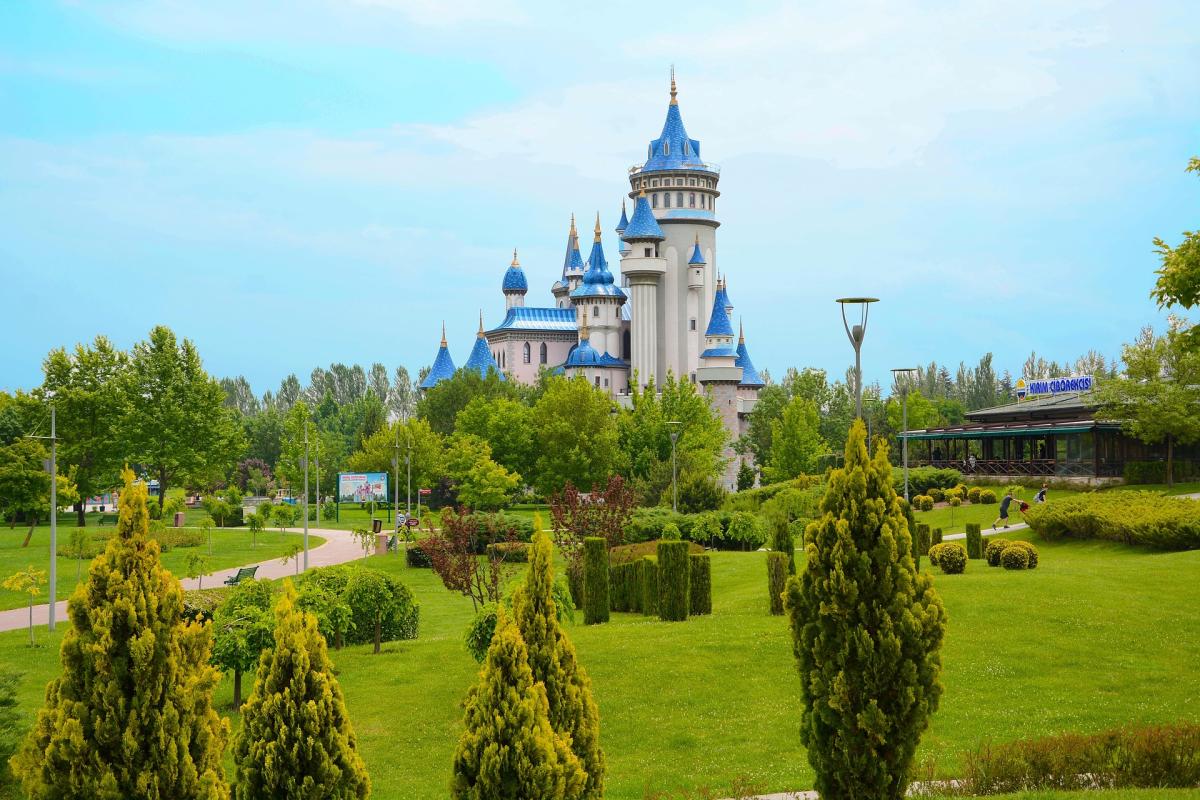
Among Turkey’s many fascinating destinations, Eskişehir occupies a rather unusual position. It has the historical depth of an old Anatolian settlement, the youthful atmosphere of a university town, and the cultural sophistication of a much larger European city. Colorful Ottoman houses stand within...
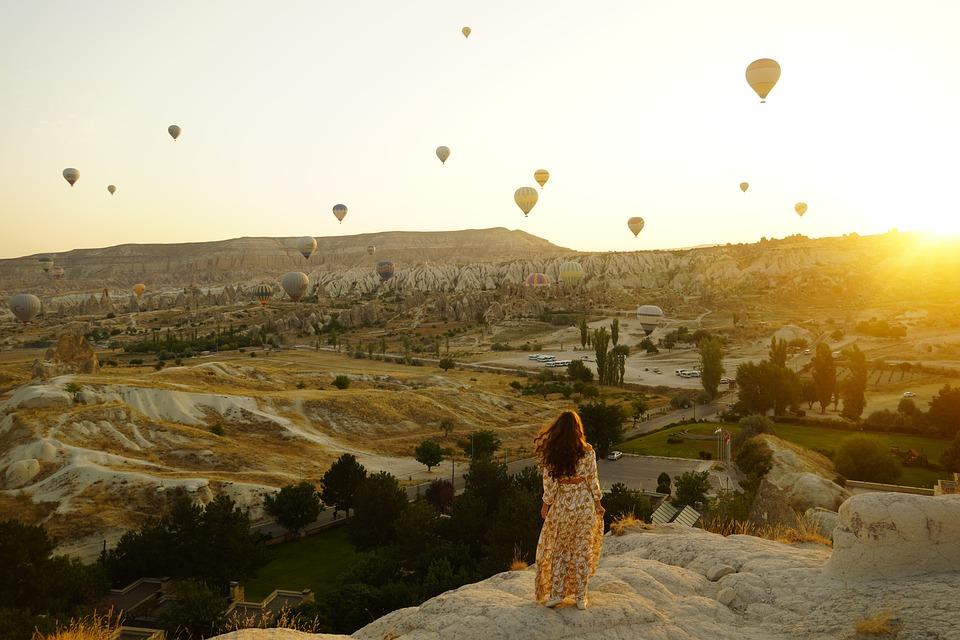
Few countries offer quite the same geographical, historical, and cultural diversity as Turkey. A journey here might begin among the imperial palaces of Istanbul, continue through the extraordinary volcanic landscapes of Cappadocia, and end beside the remarkably clear waters of the Mediterranean. Between...
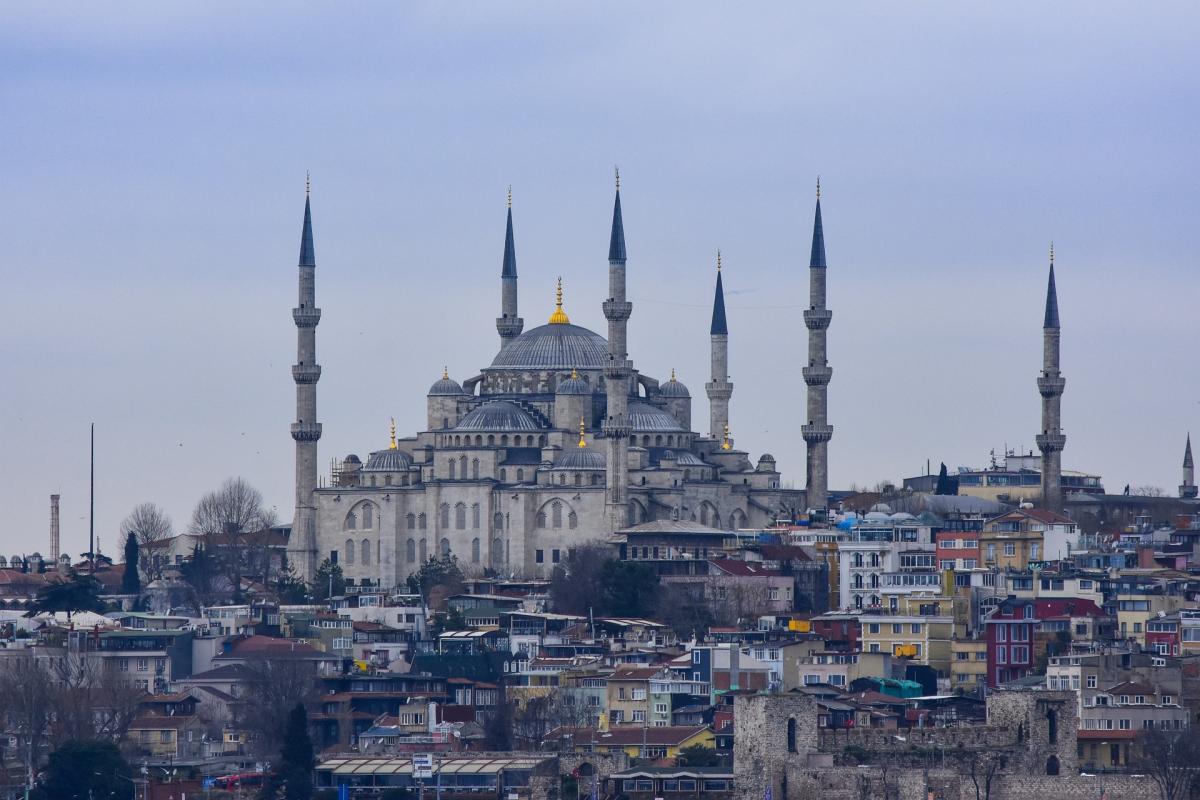
For the Toronto resident with a heart set on the historic and vibrant landscapes of Turkey, a journey of discovery awaits. This guide provides a comprehensive overview for planning your Turkish adventure, from pre-departure preparations in Toronto to immersing yourself in the rich culture, iconic destinations,...