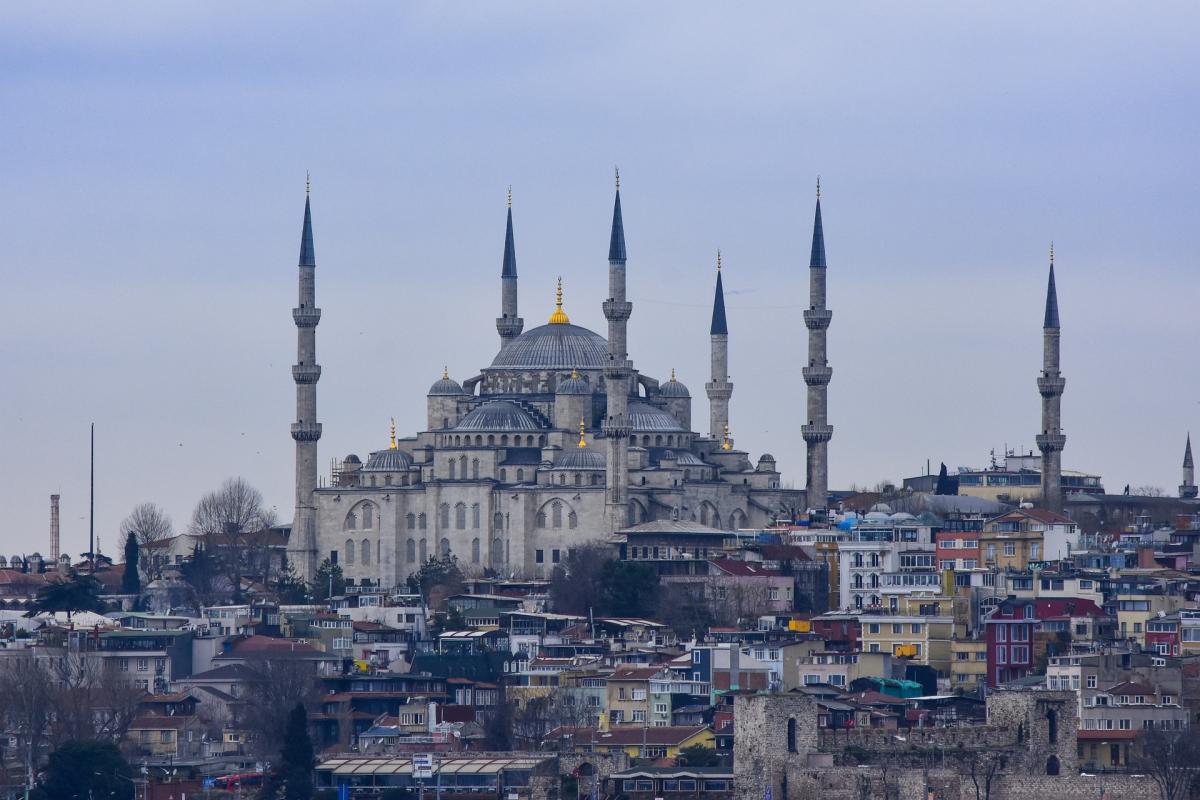
From Maple Leaves to Minarets: A Torontonians Guide to Turkish Adventures
For the Toronto resident with a heart set on the historic and vibrant landscapes of Turkey, a journey of discovery awaits. This guide provides a comprehensive overview for planning your Turkish adventure, from pre-departure preparations in Toronto to immersing yourself in the rich culture, iconic destinations, and incredible cuisine of this transcontinental country. We'll cover practical logistics like transportation and payments, all while helping you stay safe and healthy.
Pre-Travel Essentials: Flights and Visas
Getting There: Your gateway to Turkey will most likely be Istanbul. Direct flights from Toronto Pearson International Airport (YYZ) to Istanbul Airport (IST) are available, with a flight duration of approximately 10 hours. Airlines operating this route include Turkish Airlines, Biman Bangladesh Airlines, and Air Transat. Several other airlines also offer connecting flights, which may provide more flexibility in terms of cost and travel dates.
Visa Requirements: As of January 1, 2024, Canadian citizens holding ordinary passports are exempt from requiring a visa for tourist or business stays in Turkey for up to 90 days within a 180-day period. This recent change simplifies short-term travel, allowing for more spontaneous trips. Note that some online sources may still refer to the previous e-visa requirement, but this is no longer the case for short tourist visits.
- It is crucial to ensure your passport is valid for at least six months beyond your planned departure date from Turkey.
- Upon arrival, ensure you receive an entry stamp in your passport from immigration officials.
- For those planning to stay longer than 90 days or for purposes other than tourism or business, such as work or study, a visa will be necessary. It is advisable to check the latest regulations with the Turkish Consulate General in Toronto before your travels, as visa policies can change.
Safety and Security: Government of Canada Advisories
The Government of Canada advises all citizens to exercise a high degree of caution when travelling to Turkey. This is due to the persistent threat of terrorist attacks and the potential for demonstrations across the country. Enrolling in the Registration of Canadians Abroad service is a recommended precaution.
- General Vigilance: Be vigilant in public and crowded places, including tourist sites, transport hubs, and restaurants, as terrorist attacks can occur at any time in major cities like Ankara and Istanbul.
- Demonstrations: Demonstrations can occur unexpectedly, particularly in large cities, and have the potential to turn violent. It is best to avoid all demonstrations and large crowds and to monitor local media for updates on the security situation.
Regional Risk Levels
More stringent warnings are in place for specific regions:
- Avoid Non-Essential Travel to the following southeastern provinces due to an unpredictable security situation and clashes between terrorist groups and Turkish security forces :
- Hakkari
- Şırnak
- Other provinces noted for terrorist risk include Batman, Bingöl, Bitlis, Kilis, Siirt, and Tunceli.
- Avoid All Travel to areas within 10 kilometers of the borders with Iraq and Syria. These regions are dangerous due to military activities, drone attacks, heavy gunfire, and a significant risk of kidnapping.
Personal Security
- Arbitrary Detention: Be aware that Turkish authorities have conducted numerous detentions, including of foreign citizens. Criticizing the government, state officials, or the president, even on social media, can lead to arrest.
- Common Scams: Be cautious of overly friendly strangers who invite you to a bar or club, as this is a known scam that can result in an exorbitant bill.
- Personal Safety: Never leave food or drinks unattended or accept such items from strangers, as they may be drugged.
Health and Wellness: Staying Healthy in Turkey
It is highly recommended to consult a healthcare provider or visit a travel health clinic at least six weeks before your departure to discuss your travel plans and receive personalized health advice.
Vaccinations
- Routine Vaccinations: The Public Health Agency of Canada (PHAC) recommends ensuring your routine vaccinations are up-to-date, including for measles-mumps-rubella (MMR), tetanus-diphtheria-pertussis (Tdap), chickenpox, influenza, and pneumonia.
- Recommended Travel Vaccines:
- Hepatitis A and Typhoid: These are recommended for most travelers, as the diseases can be contracted through contaminated food or water.
- Hepatitis B: This vaccine is recommended for those who might have medical procedures, new sexual partners, or plan frequent or long stays in Turkey.
- Rabies: Rabies is present in animals in Turkey, particularly dogs. Vaccination is recommended for those whose activities may bring them into close contact with animals.
- Polio: A single adult booster dose is recommended as Turkey is considered vulnerable to outbreaks.
Food and Water Safety
To prevent illness, adhere to the "boil it, cook it, peel it, or leave it" rule.
- Drink only commercially sealed bottled water and avoid ice cubes unless you are certain they are made from purified water.
- Only consume food that is well-cooked and served hot. Avoid raw or undercooked meats and fish.
- Be cautious with food from street vendors.
- Wash fruits and vegetables in safe water or peel them yourself.
- Avoid unpasteurized dairy products.
Practicalities of Navigating Turkey
A little practical knowledge will go a long way toward making your Turkish adventure smooth and enjoyable.
Money, Payments, and ATMs
- Currency: The official currency is the Turkish Lira (TRY). While some tourist-heavy areas may accept Euros or US Dollars, you will get a better rate by paying in Lira for all daily expenses.
- Payment Methods: Credit and debit cards (Visa and Mastercard) are widely accepted in hotels, larger restaurants, and malls. However, it is essential to carry cash for smaller shops, local markets, taxis, and for tipping.
- ATMs: ATMs are widely available and are often the easiest way to withdraw Lira. It's a good idea to inform your bank of your travel plans to avoid any issues with your cards.
Getting Around: Transportation Logistics
Navigating Istanbul
Istanbul has an extensive and efficient public transportation system, which is often the quickest and most affordable way to explore the city and avoid its notorious traffic.
- The Istanbulkart: This rechargeable smart card is your key to the city's public transport.
- Acquiring: You can purchase an Istanbulkart from yellow or blue vending machines (Biletmatik) at metro and tram stations, ferry piers, and both Istanbul airports (IST and SAW). There is a small one-time fee for the card itself.
- Using: Load credit onto the card at the same machines using cash (Turkish Lira banknotes) or, at some blue machines, a credit card. Simply tap the card on the reader at the turnstile or upon boarding. A single card can be used for multiple people, but only the first tap receives a discount on transfers.
- Public Transit Options:
- Trams: The T1 tram line is a tourist's best friend, connecting major sights in the historical peninsula like the Hagia Sophia, Blue Mosque, and Grand Bazaar.
- Metro: The modern metro system is ideal for covering long distances. The M11 line provides a crucial link to Istanbul Airport (IST).
- Ferries (Vapur): A quintessential Istanbul experience, public ferries offer breathtaking views and a relaxing way to travel between the European and Asian sides.
- Marmaray: This commuter rail line runs through a tunnel under the Bosphorus, providing a fast connection between the two continents.
- Taxis and Ride-Hailing:
- Only use official, bright yellow taxis with a "Taksi" sign on the roof.
- Always insist that the driver turns on the digital meter; do not agree to a fixed price.
- For a more reliable experience with fare estimates, use apps like BiTaksi or Uber (which hails official city taxis).
- Carry small Lira notes for payment, as drivers may claim not to have change.
Traveling Between Major Destinations
Turkey is a large country, so planning inter-city travel is key.
- Domestic Flights: Flying is the most efficient way to cover long distances. Major carriers include Turkish Airlines, Pegasus Airlines, AnadoluJet, and SunExpress.
- Istanbul to Cappadocia: Take a 90-minute flight from Istanbul (IST or SAW) to either Nevşehir (NAV) or Kayseri (ASR).
- Cappadocia to the Aegean Coast: Pegasus Airlines offers direct flights between Kayseri (ASR) and İzmir (ADB) on certain days, which is the most efficient way to get near Ephesus. For Pamukkale, the closest airport is Denizli (DNZ).
- Long-Distance Buses: This is an affordable and popular option with an extensive network. Reputable companies include Kamil Koç and Pamukkale Turizm. You can book tickets online via sites like Obilet. Be prepared for long journeys; an overnight bus from Istanbul to Cappadocia takes about 12 hours.
- High-Speed Trains (YHT): Turkey's modern high-speed train network connects cities like Istanbul, Ankara, and Konya but does not currently serve the main tourist hubs of Cappadocia or the Aegean coast directly.
Staying Connected
- Local SIM Cards: For longer stays, purchasing a prepaid tourist SIM card is a good option. Major providers are Turkcell, Vodafone, and Türk Telekom. You will need your passport to buy one at the airport or a city store. Note that a foreign phone with a Turkish SIM will only work for 120 days before it needs to be registered and a tax paid.
- eSIMs: If your phone is compatible, an eSIM is a convenient option you can purchase and install before you arrive.
- Wi-Fi: Free Wi-Fi is common in hotels and cafes but can be unreliable. A personal data plan is recommended for navigation and communication, as some public networks require a local Turkish number for verification.
Cultural Considerations: Laws and Local Customs
A fundamental aspect of Turkish culture is hospitality, or misafirperverlik. Turks are generally welcoming hosts, and showing respect for their customs will be warmly appreciated.
- Dress Code: Modesty is valued, particularly outside of major tourist resorts.
- Public Spaces: While cities like Istanbul are modern, dressing conservatively can help avoid unwanted attention.
- Religious Sites: When visiting mosques, a specific dress code applies. Both men and women must cover their shoulders and knees. Women are also required to cover their hair; carrying a scarf is practical. Many mosques provide wraps or robes at the entrance. You must remove your shoes before entering any mosque.
- Greetings and Gestures:
- A simple "Merhaba" (Hello) is a versatile greeting. A firm handshake is customary, offered to elders first.
- Placing your right hand over your heart is a gesture of thanks or a polite way to decline an offer.
- A quick upward tilt of the head with a "tsk" sound means "no".
- Hospitality and Dining:
- Being invited to a Turkish home is an honor. Always accept offers of tea or coffee. It is customary to bring a small gift, such as pastries or something from Canada.
- Use your right hand for eating and passing dishes. Wasting food is frowned upon, so try to finish what is on your plate.
- Tipping: Tipping is customary as a sign of appreciation for good service.
- Restaurants: A tip of 10-15% of the bill is generally expected for good service. It's best to leave the tip in cash.
- Taxis: While not obligatory, it is common to round up the fare to the nearest convenient amount.
- Hotels: It is customary to tip porters a small amount per bag and to leave a daily tip for housekeeping.
- Tour Guides: Tipping your guide is a gesture of appreciation, with the equivalent of 10-15 Euros often suggested for a group tour.
A Culinary Journey: Experiencing Turkish Cuisine
Turkish cuisine is a magnificent fusion of Central Asian, Middle Eastern, and Balkan influences, offering a diverse and delicious experience.
The Morning Feast: Traditional Turkish Breakfast (Kahvaltı)
In Turkey, breakfast, or kahvaltı, is a cherished, leisurely ritual. The spread typically includes a variety of cheeses (peynir), olives (zeytin), fresh bread like simit, honey (bal) with clotted cream (kaymak), sliced tomatoes and cucumbers, and eggs, often as menemen (a scramble with vegetables) or with spicy sucuk sausage. This feast is accompanied by endless glasses of black tea, or çay.
The Art of the Appetizer: Popular Mezes
Similar to Spanish tapas, mezes are an array of small hot and cold dishes served at the beginning of a meal, meant for sharing. Popular choices include Acılı Ezme (spicy tomato dip), Haydari (yogurt dip), Baba Ghanoush (smoky eggplant dip), and Yaprak Sarma (stuffed vine leaves).
The Heart of the Meal: Kebabs and Pide
Turkish main courses often feature expertly grilled meats and savory flatbreads. Beyond the famous döner, be sure to try Şiş Kebab (skewered cubes of meat), Adana Kebab (spicy minced lamb), and Iskender Kebab (döner meat over bread with tomato sauce and yogurt). Pide, a boat-shaped flatbread with various toppings, is often called "Turkish pizza" and is perfect for sharing.
A Sweet Finale: Famous Turkish Desserts
- Baklava: Flaky phyllo pastry layers filled with nuts and soaked in syrup is Turkey's most famous dessert.
- Künefe: A unique dessert of shredded dough layered with soft cheese, baked until golden, and soaked in syrup, served hot.
- Turkish Delight (Lokum): A chewy, jelly-like confection in various flavors.
The Culture in a Cup: Turkish Tea (Çay) and Coffee (Kahve)
- Turkish Tea (Çay): More than a drink, çay is a symbol of hospitality and social life, offered everywhere as a gesture of welcome. It is a strong black tea served in small, tulip-shaped glasses.
- Turkish Coffee (Kahve): Recognized on UNESCO's Intangible Cultural Heritage List, Turkish coffee is a symbol of friendship and tradition. It is brewed unfiltered in a special pot called a cezve and is central to social rituals, including fortune-telling (fal) from the grounds.
A Taste of Turkey in Toronto
For Torontonians eager to sample these delights before their trip, the city and surrounding area offer several highly-rated Turkish restaurants, including Mama Fatma Turkish Cuisine (Woodbridge), Pasaj (Leslieville), A la Turk (Yonge Street), Mustafa (North York), and Aga Turkish Restaurant (Mississauga).
Iconic Destinations and Adventures
Istanbul: The City of Two ContinentsAs the former capital of the Byzantine and Ottoman Empires, Istanbul is a city steeped in history where East meets West.
- Key Attractions: Visit the magnificent Hagia Sophia , the stunning Blue Mosque with its blue Iznik tiles , the opulent Topkapi Palace , the labyrinthine Grand Bazaar and aromatic Spice Bazaar , and the ancient underground Basilica Cistern.
- Unique Experiences: Take a ferry cruise on the Bosphorus for scenic views, indulge in a traditional Turkish bath (hammam), and witness the mesmerizing Sufi ceremony of the whirling dervishes.
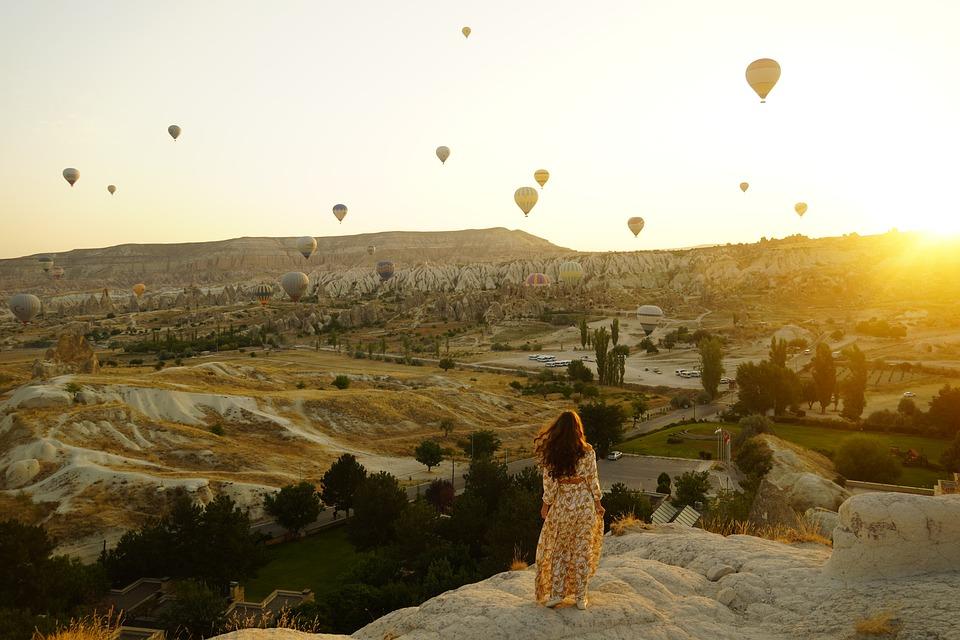
Cappadocia: Land of Fairy ChimneysThe surreal landscape of Cappadocia, with its "fairy chimneys," ancient cave dwellings, and skies filled with hot air balloons, is a magical destination.
- Key Attractions: Explore the Göreme Open-Air Museum, a UNESCO site with rock-cut churches , descend into the vast Underground Cities of Derinkuyu or Kaymakli , and climb Uçhisar Castle for panoramic views.
- Unique Experiences: The quintessential Cappadocian experience is a sunrise hot air balloon ride. Stay in a unique "cave hotel" and hike or horseback ride through the beautiful valleys.
Ephesus: A Glimpse into the Roman EmpireThe ancient city of Ephesus is one of the best-preserved Roman archaeological sites in the Mediterranean.
- Key Attractions: Marvel at the iconic facade of the Library of Celsus , stand in the massive Great Theatre , and examine the intricate mosaics in the Terrace Houses of wealthy Romans. Nearby, you can see the single remaining column of the Temple of Artemis, one of the Seven Wonders of the Ancient World.
Pamukkale: The "Cotton Castle"Pamukkale, meaning "cotton castle," is a natural wonder of white travertine terraces filled with mineral-rich thermal waters.
- Key Attractions: Walk barefoot on the cascading Travertine Terraces , explore the ruins of the ancient spa city of Hierapolis at the top , and swim amongst submerged Roman columns in Cleopatra's Antique Pool.
Summary
This guide serves as a foundational resource for Torontonians planning a trip to Turkey. Key takeaways include the convenience of direct flights from Toronto and the recent visa exemption for Canadian citizens on short-term tourist visits, effective as of 2024. However, it is critical to be aware of the Government of Canada's advisory to exercise a high degree of caution throughout the country due to risks of terrorism and civil unrest. Travelers should avoid all travel to areas near the Syrian and Iraqi borders.
For a smooth journey, this guide provides essential practical advice. This includes using the Istanbulkart for Istanbul's efficient public transit system and utilizing domestic flights as the most effective way to travel between major regions like Cappadocia and the Aegean coast. It is best to use the local currency, the Turkish Lira (TRY), and carry a mix of cash and credit cards. For connectivity, purchasing a local SIM or an eSIM is recommended over relying on public Wi-Fi.
A pre-travel health consultation is strongly recommended to ensure all vaccinations are up to date, and adhering to strict food and water safety is essential. To fully embrace the "Turkish Adventures" experience, this guide details the must-see attractions in Istanbul, Cappadocia, Ephesus, and Pamukkale. A significant part of the adventure is the world-renowned cuisine, from the elaborate kahvaltı breakfast to the social sharing of mezes and the cultural importance of Turkish tea and coffee. Finally, respecting local customs-including modest dress, specific greetings, and tipping etiquette-is crucial for a positive and enriching journey.
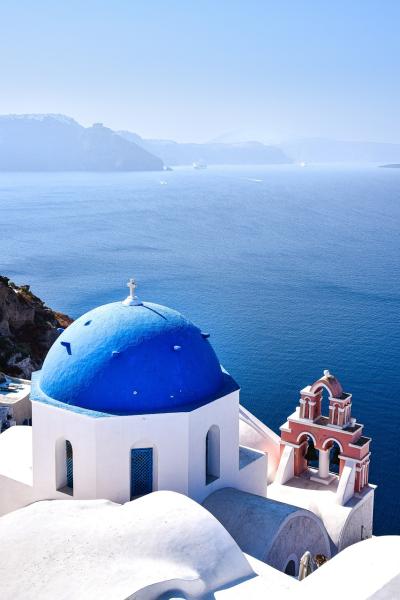


Welcome to Eskişehir! Often called the Student City or the Venice of Anatolia, this vibrant and modern city in northwestern Turkey is a delightful surprise for many travelers . With the picturesque Porsuk River flowing through its heart, a youthful energy fueled by its large university population, and...

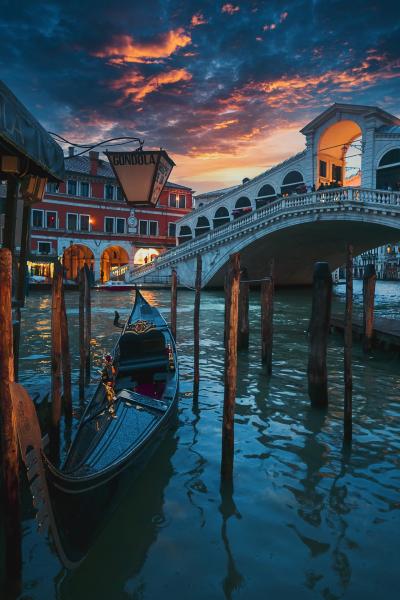
Konya, a city that resonates with deep historical and spiritual significance, invites travelers to explore its rich Seljuk heritage and the profound legacy of the poet and mystic, Rumi . Located in Turkeys Central Anatolia region, Konya is a captivating blend of ancient mosques, traditional bazaars,...
Turkey, a country straddling two continents, offers a unique blend of Eastern and Western cultures, a rich tapestry of history, and breathtaking natural landscapes . From the bustling bazaars of Istanbul to the surreal fairy chimneys of Cappadocia and the turquoise waters of the Mediterranean, Turkey...