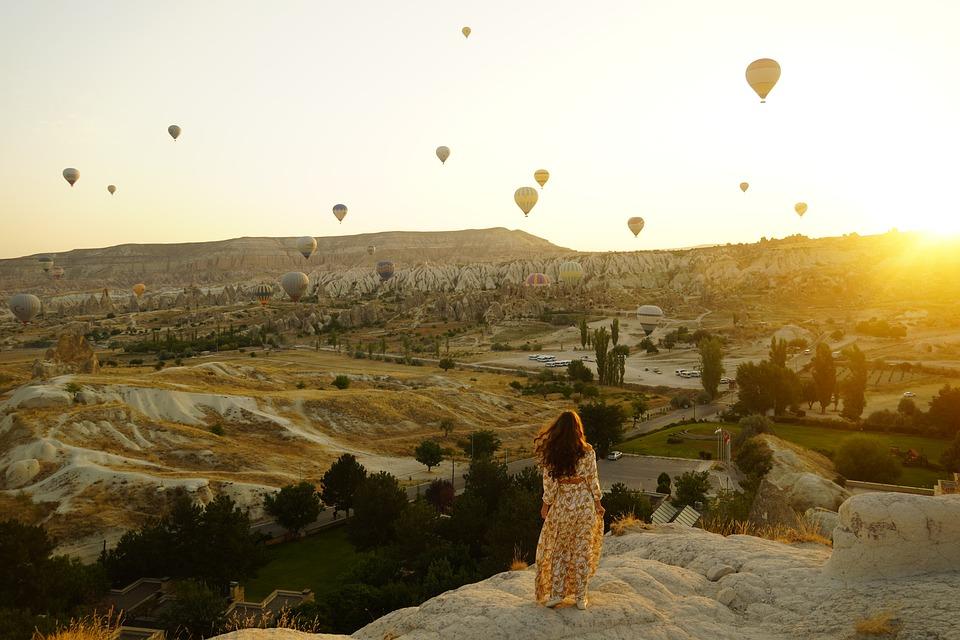
Discovering Turkey: A Comprehensive Guide to Travel and Tourism
Turkey, a country straddling two continents, offers a unique blend of Eastern and Western cultures, a rich tapestry of history, and breathtaking natural landscapes . From the bustling bazaars of Istanbul to the surreal fairy chimneys of Cappadocia and the turquoise waters of the Mediterranean, Turkey promises an unforgettable journey for every traveler . This guide provides a comprehensive overview of what to expect when visiting this captivating country, including key destinations, a deep dive into its celebrated cuisine, detailed transportation options, a guide to authentic shopping, and essential safety information.
A Land of Contrasts: An Introduction to Turkish Tourism
Turkey has firmly established itself as a top global tourist destination, ranking as the fifth most visited country in the world in 2023 . The nation's appeal lies in its diverse offerings, which cater to a wide range of interests . History enthusiasts can immerse themselves in the remnants of mighty empires, including the Roman, Byzantine, and Ottoman . Beach lovers can bask in the sun on the stunning Aegean and Mediterranean coasts, while adventure seekers can explore otherworldly landscapes and ancient ruins .
The country's tourism industry is well-developed, with a wide array of accommodation options, from luxury resorts to charming boutique hotels . The Turkish government has made significant investments in tourism infrastructure and security, with a noticeable police presence in popular areas . Turkey is also a popular destination for cultural, spa, and health tourism, offering high-quality services at competitive prices.
Major Destinations: Where to Go in Turkey
Turkey's vast and varied landscape is dotted with countless attractions. Here are some of the most popular and unmissable destinations:
Istanbul: The City of Two Continents
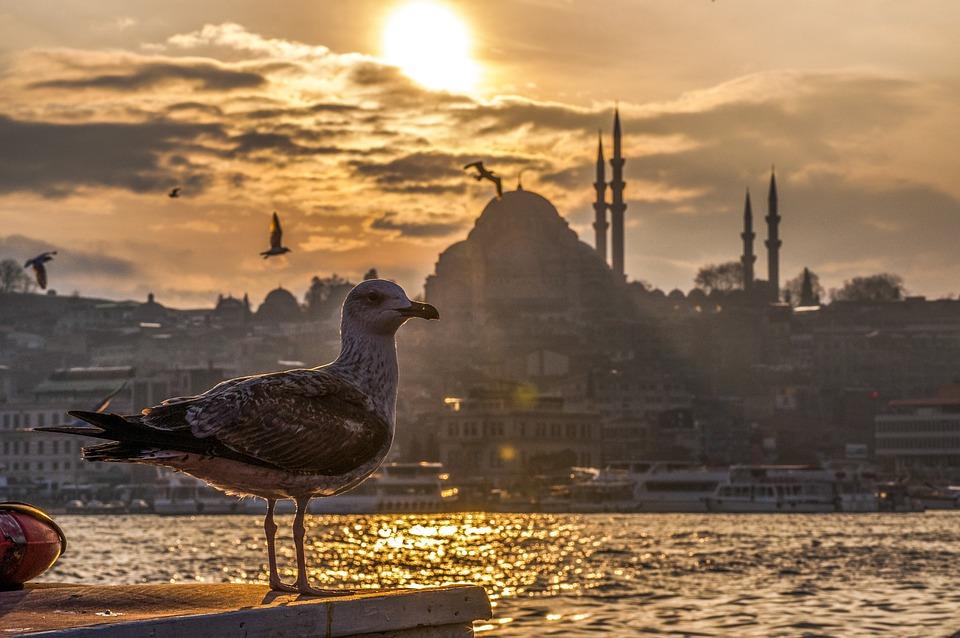
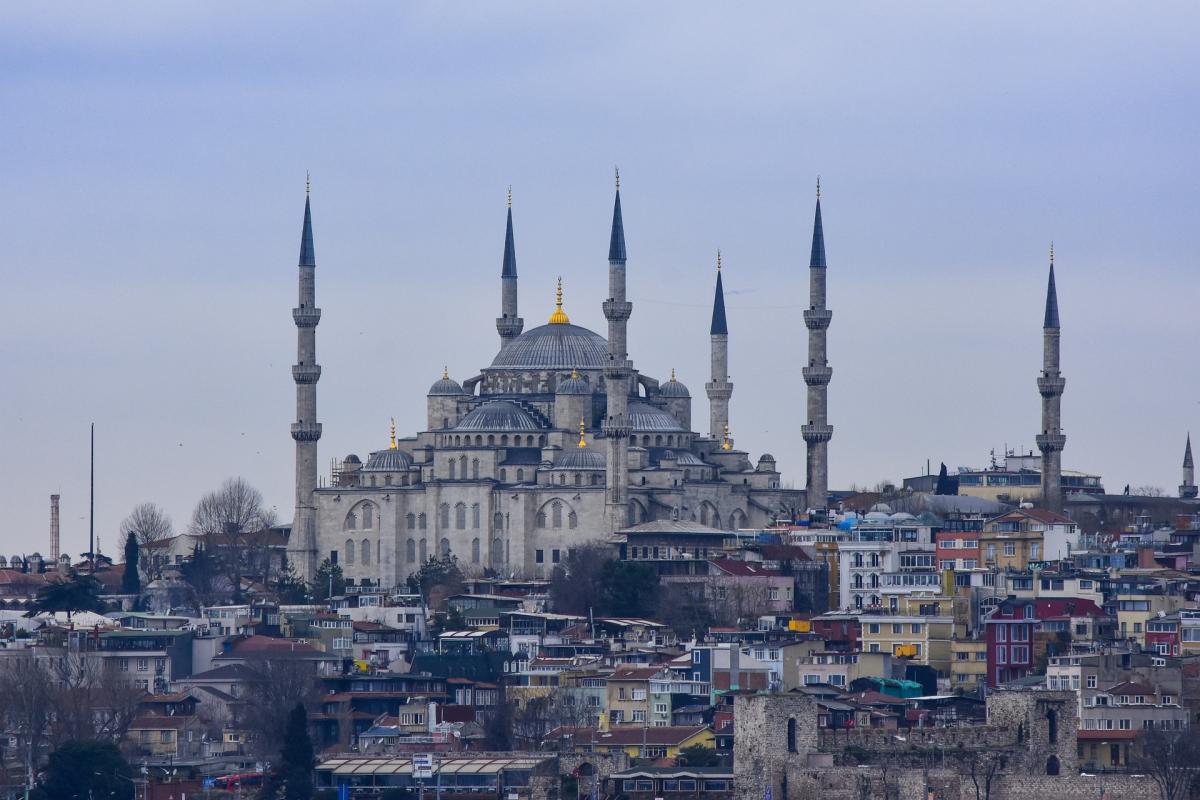
As the former capital of the Byzantine and Ottoman Empires, Istanbul is a city steeped in history and culture . Its skyline is a mesmerizing mix of majestic domes and minarets.
Top Attractions in Istanbul:
- Hagia Sophia: A marvel of Byzantine architecture, this 6th-century structure has served as a cathedral and a mosque, showcasing a stunning blend of Christian and Islamic art .
- The Blue Mosque (Sultan Ahmed Mosque): An iconic symbol of Istanbul, famous for its six minarets and intricate blue tilework.
- Topkapi Palace: The opulent former residence of Ottoman sultans, offering a glimpse into their lavish lifestyle.
- Grand Bazaar and Spice Bazaar: Vibrant and bustling markets where you can haggle for everything from carpets and lanterns to spices and Turkish delight . Be vigilant in these crowded areas, as pickpocketing can occur .
- Basilica Cistern: A vast underground reservoir with an ethereal atmosphere, supported by hundreds of ancient columns.
- Bosphorus Cruise: A boat trip along the Bosphorus Strait offers breathtaking views of the city's European and Asian shores, lined with palaces, fortresses, and traditional wooden houses .
Cappadocia: A Fairytale Landscape
Cappadocia is a region in central Anatolia renowned for its unique "fairy chimney" rock formations and ancient cave dwellings .
Unforgettable Experiences in Cappadocia:
- Hot Air Balloon Ride: A sunrise hot air balloon flight over the surreal landscape is a quintessential Cappadocian experience .
- Göreme Open-Air Museum: A UNESCO World Heritage site featuring a complex of rock-hewn churches with stunning Byzantine frescoes.
- Underground Cities: Explore the ancient subterranean cities of Derinkuyu or Kaymakli, which once provided refuge to early Christians and offer a cool respite from the summer heat .
- Hiking and Horseback Riding: The valleys of Cappadocia, such as the Rose and Pigeon Valleys, offer fantastic opportunities for hiking and horseback riding amidst the unique rock formations .
The Turquoise Coast: Sun, Sea, and Ancient Ruins
The Aegean and Mediterranean coastlines, often referred to as the Turkish Riviera, boast some of the country's most beautiful beaches, crystal-clear waters, and a wealth of historical sites.
Highlights of the Turquoise Coast:
- Antalya: Known as the tourism capital of Turkey, Antalya offers a charming old town (Kaleiçi), beautiful beaches like Konyaaltı and Lara, and easy access to ancient sites like Perge and Aspendos .
- Bodrum: A lively resort town with a picturesque harbor dominated by Bodrum Castle, which houses the Museum of Underwater Archaeology . It is also home to the Mausoleum at Halicarnassus, one of the Seven Wonders of the Ancient World.
- Fethiye and Ölüdeniz: Fethiye is a picturesque town with a stunning natural harbor . Nearby Ölüdeniz is famous for its Blue Lagoon and is a top spot for paragliding.
- Kaş: A charming fishing village that has become a popular destination for its laid-back atmosphere, beautiful beaches, and excellent diving opportunities.
- Ephesus: One of the most magnificent ancient cities in the world, Ephesus was a major Roman port. The ruins, including the Library of Celsus and the Great Theatre, are remarkably well-preserved.
Pamukkale: The Cotton Castle
A natural wonder and a UNESCO World Heritage Site, Pamukkale, meaning "cotton castle" in Turkish, is a surreal landscape of white travertine terraces filled with mineral-rich thermal waters. Visitors can walk on the terraces and bathe in the warm pools. The ancient Roman spa city of Hierapolis is located at the top of the terraces, offering impressive ruins to explore.
Göbekli Tepe: The Dawn of Civilization
Located in southeastern Anatolia, the archaeological site of Göbekli Tepe has fundamentally rewritten our understanding of early human history .
- Historical Significance: Dating back to around 9600 BCE, Göbekli Tepe is considered the world's oldest known temple, predating Stonehenge by 6,000 years and the Great Pyramids of Giza by 7,000 years . This monumental complex was built by hunter-gatherer societies, a discovery that challenges the long-held theory that agriculture was a prerequisite for developing complex societies and monumental architecture . The site consists of circular structures with massive T-shaped limestone pillars, some weighing up to 60 tons, which are adorned with intricate carvings of animals like foxes, lions, and vultures . In 2018, it was inscribed as a UNESCO World Heritage Site .
- The Visitor Experience: The site is located about 15 km (9 miles) northeast of the city of Şanlıurfa . Visitors follow a wooden walkway around the main excavated enclosures, which are protected by a large roof . A modern visitor center houses a ticket office, interactive displays, a gift shop, and a café . A shuttle bus is included in the ticket price to take visitors up to the main site . It is highly recommended to also visit the Şanlıurfa Archaeology Museum, which houses many artifacts from Göbekli Tepe and provides crucial context for your visit .
Troy: The City of Legend
Historical Significance:Troy is one of the most famous archaeological sites in the world, immortalized in Homer's epic poem, the Iliad, as the setting of the Trojan War . While the historicity of the war is debated, the site itself reveals a history of settlement spanning over 4,000 years, with at least nine distinct layers of civilization built one on top of the other since 3000 BCE . Its strategic location at the entrance to the Dardanelles strait made it a crucial hub for trade and a point of contact between Anatolia, the Aegean, and the Balkans . The layer known as Troy VII is often associated with the historical period of the Trojan War (c. 1200 BCE) . The site was visited by historical figures such as Alexander the Great and the Roman Emperor Augustus and is now a UNESCO World Heritage Site .
Key Archaeological Ruins and Attractions:
- The Walls of Troy: Visitors can see remnants of the impressive defensive walls from various periods, including the sloping walls from Troy VI, which are often associated with Homer's Troy .
- The Trojan Horse Replica: A large wooden horse at the entrance provides a popular photo opportunity, though it is a modern reconstruction inspired by the legend .
- Archaeological Layers: Well-marked paths and wooden walkways guide visitors through the different layers of the city, with informational panels explaining the various periods of settlement from the Early Bronze Age to the Roman era .
- Roman Odeon: A small, restored Roman-era amphitheater that was used for musical performances .
- The Troy Museum: Located near the archaeological site, this modern museum displays a vast collection of artifacts excavated from Troy, providing essential historical context for the visit .
Practical Information for Visitors:
- Location: Troy is located in northwestern Turkey at Hisarlık, near the city of Çanakkale .
- Getting There: The easiest way to visit is from Çanakkale, where you can take a local bus or join a guided tour . From Istanbul, the journey by car or bus takes approximately 5-6 hours, though day trips involve very long travel times . You can also fly to Çanakkale Airport and take a short ride to the site .
- Best Time to Visit: Spring and autumn offer the most pleasant weather for exploring the open-air site .
- Visiting Duration: Allow at least 1.5 to 2 hours to explore the ruins and another couple of hours for the Troy Museum .
- Tips: Wear comfortable shoes and bring water and sun protection, as there is little shade . Hiring a guide or using an audio guide can greatly enhance your understanding of the complex history of the site, which consists mostly of foundations and ruins .

Pergamon: A Center of Culture and Healing
Historical Significance:Pergamon was a powerful ancient Greek city that became the capital of the Hellenistic Attalid Kingdom (281-133 BCE) . It was a major center of culture, learning, and medicine, boasting a library that was second only to the great library of Alexandria, once holding 200,000 scrolls . The city was renowned for its invention of parchment, which revolutionized the recording of knowledge when papyrus exports from Egypt were restricted . Pergamon was also home to the Asclepion, a famous healing center dedicated to the god of medicine, Asclepius, and was the birthplace of the influential physician Galen . Listed as one of the Seven Churches of Asia in the Book of Revelation, Pergamon is also a UNESCO World Heritage Site .
Key Archaeological Ruins and Attractions:
- The Acropolis: Perched on a steep hill, the Acropolis was the administrative and cultural heart of the city . It can be reached by a cable car that offers stunning views .
- The Altar of Zeus: Although the original magnificent friezes are now in the Pergamon Museum in Berlin, the foundations of this monumental altar remain, giving a sense of its former grandeur .
- The Theater: One of the steepest ancient theaters in the world, with a capacity for 10,000 spectators, it offers breathtaking views of the surrounding valley .
- The Temple of Trajan: A beautifully restored Roman temple dedicated to the Emperor Trajan, its white marble stands out on the acropolis .
- The Asclepion: This ancient medical complex includes a sacred way, a theater, treatment rooms, sacred pools, and a tunnel, offering a fascinating insight into ancient healing practices .
- The Red Basilica (Kızıl Avlu): A massive Roman temple in the modern town of Bergama, originally dedicated to Egyptian gods and later converted into a church .
Practical Information for Visitors:
- Location: The ruins of Pergamon are located in and around the modern Turkish city of Bergama in the Izmir province .
- Getting There: Bergama is easily accessible by bus from major cities like Izmir . From the town, you can take a taxi or the cable car up to the Acropolis .
- Best Time to Visit: Spring and autumn are the most comfortable seasons for exploring the extensive, sun-exposed site . Summer can be very hot, with limited shade at the Acropolis .
- Visiting Duration: A full day is recommended to explore the Acropolis, the Asclepion, and the Red Basilica .
- Tips: Wear comfortable, sturdy walking shoes, as the site is large and the terrain can be uneven . Consider hiring a guide to fully appreciate the historical context of the ruins . The Bergama Archaeological Museum houses many artifacts from the site and can provide additional context .
A Culinary Journey: Exploring Turkish Cuisine
A legacy of the Ottoman Empire with influences from Central Asian, Middle Eastern, and Mediterranean cuisines, Turkish food is a captivating fusion of flavors that varies significantly by region . For any traveler, exploring this rich gastronomic world is an essential part of the Turkish experience . A typical meal often begins with soup, followed by a main course of meat or vegetables served with rice or bulgur and a fresh salad .
Iconic National Dishes
- Turkish Breakfast (Kahvaltı): More than a meal, the Turkish breakfast is a lavish affair meant to be savored . The spread often includes a variety of cheeses (like beyaz peynir and tulum), olives, tomatoes, cucumbers, jams, honey, kaymak (clotted cream), and fresh breads like simit . A popular hot dish is menemen, scrambled eggs cooked with tomatoes and green peppers .
- Meze: Similar to Spanish tapas, mezes are a selection of small, flavorful hot or cold appetizers served at the beginning of a meal . Common mezes include hummus, ezme (a spicy tomato dip), haydari (a yogurt and herb dip), and dolma (stuffed vegetables) .
- Kebab: As Turkey's most famous culinary export, "kebab" refers to a vast array of grilled meat dishes . Beyond the globally recognized Döner Kebab (rotating grilled meat), regional variations abound . Must-try versions include the spicy minced lamb Adana Kebab, the milder Urfa Kebab, and the İskender Kebab from Bursa, which features döner meat over bread with tomato sauce and yogurt . In Cappadocia, the Testi Kebab is a meat and vegetable stew theatrically served by breaking the sealed clay pot it was cooked in .
- Köfte: These are Turkish meatballs or patties, typically made from ground lamb or beef seasoned with spices . Nearly every region has its own recipe, such as İzmir köfte, which is cooked in a tomato sauce with potatoes .
- Mantı: Often called Turkish ravioli, these are tiny dumplings filled with minced meat . They are boiled and served with garlic-yogurt and a drizzle of melted butter with red pepper flakes .
- Pide and Lahmacun: Often called "Turkish pizza," pide is a boat-shaped flatbread with toppings like minced meat (kıymalı) or cheese (peynirli) . Lahmacun is a thinner, round, crispy flatbread topped with a spicy mixture of minced meat, vegetables, and herbs .
- Dolma and Sarma: Dolma refers to vegetables like peppers, zucchini, or eggplant stuffed with a mix of rice, pine nuts, and spices . When grape leaves are used as the wrapper, the dish is called yaprak sarma .
A Taste of the Regions
Turkey's diverse geography gives rise to distinct regional cuisines .
- Aegean Region: Characterized by a healthy Mediterranean diet, this coastal cuisine makes extensive use of fresh vegetables, wild herbs, and high-quality olive oil .
- Zeytinyağlılar: A category of dishes cooked in olive oil and served cold or at room temperature, such as enginar (artichokes) and taze fasulye (green beans) .
- Seafood: The Aegean is renowned for fresh fish like grilled levrek (sea bass) and çipura (gilt-head bream) .
- Local Delicacies: Look for kabak çiçeği dolması (stuffed zucchini flowers) and a variety of wild greens and herbs like deniz börülcesi (sea beans) .
- Black Sea Region: The cuisine of this lush, rainy region is dominated by corn, cabbage, and the Black Sea anchovy, or hamsi .
- Hamsi Dishes: Anchovies are a staple, prepared in countless ways from fried (hamsi tava) to being baked into rice (hamsili pilav) and even bread (hamsili ekmek) .
- Corn-Based Dishes: The most famous dish is kuymak (or muhlama), a rich, fondue-like dish of cornmeal, butter, and local cheese . Mısır ekmeği (cornbread) is also a common staple .
- Other Specialties: Hearty black cabbage soup (karalahana çorbası) and regional pide are local favorites .
- Southeastern Anatolia: This region is famous for its bold, spicy, and meat-heavy dishes .
- Kebabs and Meat Dishes: It is the heartland of kebabs and the birthplace of baklava . Specialties include ciğer kebabı (liver kebab) and içli köfte (bulgur shells stuffed with minced meat) .
- Çiğ Köfte: A regional specialty, traditionally made with raw minced meat and bulgur, though modern versions are often vegetarian .
- Desserts: Gaziantep is hailed as the world's baklava capital, while Hatay is famous for künefe, a cheese-filled pastry soaked in syrup .
The Pulse of the City: Popular Street Foods
- Simit: A quintessential Turkish snack, this sesame-crusted bread ring is sold everywhere .
- Börek: A flaky pastry filled with ingredients like cheese, minced meat, or spinach .
- Balık Ekmek: A classic Istanbul experience is eating a grilled fish sandwich from a boat by the Bosphorus .
- Midye Dolma: Mussels stuffed with herbed rice, sold by street vendors and eaten with a squeeze of lemon .
- Kumpir: A giant baked potato, mashed with butter and cheese and then loaded with a variety of toppings .
- Kokoreç: For the more adventurous eater, this is a beloved late-night snack of seasoned and grilled lamb intestines served in bread .
- Gözleme: A thin, savory pancake cooked on a griddle and filled with items like spinach, cheese, or potatoes .
A Sweet Finale: Traditional Desserts
- Baklava: The most famous Turkish dessert, consisting of layers of phyllo pastry filled with chopped pistachios or walnuts and soaked in sweet syrup .
- Künefe: A unique dessert of shredded pastry layered with soft, unsalted cheese, baked until golden, and soaked in syrup. It is best served hot .
- Lokum (Turkish Delight): Chewy, gel-like cubes that come in a variety of flavors like rosewater or lemon, often containing nuts .
- Dondurma: Turkish ice cream is distinctively chewy and stretchy, a texture derived from salep (orchid root flour) and mastic .
- Sütlaç: A creamy and comforting baked rice pudding .
Quenching Your Thirst: Common Beverages
- Çay (Turkish Tea): The most consumed beverage in Turkey, this strong black tea is a symbol of hospitality and is served in small, tulip-shaped glasses .
- Türk Kahvesi (Turkish Coffee): More than a drink, it's a cultural tradition. This strong, unfiltered coffee is prepared with finely ground beans, and the grounds left in the cup are sometimes used for fortune-telling .
- Ayran: Considered Turkey's non-alcoholic national drink, this is a refreshing and salty yogurt beverage that perfectly accompanies grilled meats .
- Rakı: Turkey's national alcoholic drink, this anise-flavored spirit is often called "lion's milk." It is traditionally mixed with water, turning it a milky white, and is slowly enjoyed with a spread of mezes .
- Şalgam Suyu: A tangy, salty, and sometimes spicy fermented beverage made from purple carrots and turnips, often enjoyed with kebabs in the south .
Dining Etiquette and Customs
- In Restaurants: Sharing dishes, especially mezes, is a central part of the dining culture . In many traditional restaurants (lokantas), it is common to go to the display counter and point at the dishes you want . To get a waiter's attention, you can say "Bakar mısınız?" (Excuse me!), and to ask for the bill, say "Hesap, lütfen" .
- Tipping: Tipping is customary in restaurants, with 10% of the bill being a standard amount . Check if a service charge (servis ücreti) has already been added . It is best to leave tips in cash . For taxis, simply rounding up the fare is appreciated .
- At a Turkish Home: Being invited to a home is a great honor . It is polite to bring a small gift, such as sweets, and to remove your shoes upon entering . Wait for the eldest person to begin eating, and say "Afiyet olsun" (enjoy your meal) before the meal and "Elinize sağlık" (health to your hands) to the cook afterward .
Navigating Turkey: A Guide to Transportation
Turkey offers a modern, efficient, and cost-effective transportation system that connects its major cities and tourist regions . Whether you prioritize speed, budget, or scenery, there is an ideal mode of travel for your journey.
Domestic Flights: The Swift Connection
For covering the vast distances between regions like Istanbul, Cappadocia, and the Aegean coast, domestic flights are the fastest and most practical choice . A journey that might take over 10 hours by bus can be reduced to a one-hour flight .
- Major Airlines: The primary carriers for domestic travel are Turkish Airlines and its budget-friendly subsidiary, AnadoluJet (rebranded as AJet), as well as Pegasus Airlines and SunExpress . These airlines offer frequent flights connecting major hubs like Istanbul (IST and SAW airports), Ankara (ESB), Izmir (ADB), and Antalya (AYT) with numerous other cities across the country .
- Booking: Tickets can be easily booked online through the airlines' official websites or mobile apps . It is highly recommended to book flights in advance, especially during peak tourist seasons, to secure the best prices . Pegasus Airlines and AnadoluJet are particularly known for their affordable fares .
- Travel Times: Flights connect all major hubs, as well as the airports serving Cappadocia (Kayseri/ASR and Nevşehir/NAV), typically within 60 to 90 minutes . A flight from Istanbul to Antalya is just over an hour .
Long-Distance Buses: The Backbone of Turkish Travel
Turkey's intercity bus network is extensive, connecting nearly every city, town, and even smaller villages . It stands out as the most popular and affordable way to travel the country .
- Major Companies: Reputable companies like Kamil Koç (now part of FlixBus), Metro Turizm, and Pamukkale Turizm operate modern and comfortable fleets .
- Services: These companies offer different tiers of service. Even standard buses are clean with assigned seating, while luxury options feature reclining seats, personal entertainment screens, onboard Wi-Fi, and complimentary refreshments and snacks .
- Booking: Tickets can be purchased easily at the main bus terminals (otogar) found in every city, from company offices in city centers, or booked online through the companies' websites or aggregator sites like Obilet and Biletall .
- Travel Times: While comfortable, bus journeys are longer. For example, a trip from Istanbul to Cappadocia can take 10-12 hours, often traveled overnight .
High-Speed Train Network (YHT): Modern and Scenic Rail Travel
Turkey has been heavily investing in its high-speed train network, known as YHT (Yüksek Hızlı Tren), which is a comfortable, modern, and increasingly popular option for travel between major cities .
- Major Routes: The YHT network primarily connects Istanbul, Ankara, Eskişehir, and Konya . A new line connecting Ankara and Sivas opened in 2023, with future expansions planned to Izmir and Kayseri .
- Services: The trains are equipped with modern amenities, including air conditioning, spacious reclining seats, power outlets, and often Wi-Fi and a dining car .
- Booking: Tickets should be booked in advance, especially for popular travel times, through the official Turkish State Railways (TCDD) website (ebilet.tcddtasimacilik.gov.tr) or at train stations .
- Travel Times: The YHT offers significant time savings over buses. The journey from Istanbul to Ankara takes approximately 4 to 4.5 hours, and from Ankara to Konya, it's about 1 hour and 45 minutes .
Car Rentals: The Freedom to Explore
Renting a car offers the ultimate freedom to explore Turkey's coastline and rural areas at your own pace, though it is generally not recommended for navigating congested cities like Istanbul .
- Booking: Book your car rental in advance, especially during peak season, to ensure availability and better rates . Using a comparison website like DiscoverCars or Booking.com can help find the best deals . The easiest place to pick up a rental is at the airport upon arrival .
- Requirements: To rent a car, you typically need to be at least 21 years old, possess a valid driver's license held for at least a year, a passport, and a credit card for the deposit . While a foreign license may be sufficient, an International Driving Permit (IDP) is highly recommended and legally required if your license is not in the Latin alphabet .
- Practical Advice:
- Cost: Expect to pay around $25-$70 USD per day . Be aware of potential extra costs like "one-way fees" and road tolls . Consider renting a diesel car, as diesel is often cheaper than gasoline .
- Driving: Drive on the right-hand side of the road . Be prepared for aggressive driving habits, particularly in cities . Roads between major tourist areas are generally well-maintained .
- Tolls: Most modern highways use an automatic toll system (HGS). Rental cars are typically equipped with a device that records tolls, which are then charged to you at the end of the rental period .
- Insurance: Third-party liability insurance is mandatory. Carefully review the insurance coverage offered by the rental company and consider additional coverage .
A Shopper's Paradise: Finding Authentic Turkish Treasures
Shopping in Turkey is an immersive cultural experience, a vibrant exchange that goes beyond a simple transaction . The bustling bazaars and artisan workshops are treasure troves of unique, handcrafted goods.
The Art of Bargaining
Haggling (pazarlık) is an expected and integral part of the shopping culture in Turkish bazaars, especially for items without a fixed price like carpets and crafts . It is a friendly social interaction, not a battle .
- Do Your Homework: Before buying, browse several shops to get a feel for the general price and quality of the item you want .
- Build Rapport: Accept the offer of tea . Engage in friendly conversation and be polite; a vendor is more likely to give a good price to someone they like .
- Negotiation Tactics: Let the shopkeeper name their price first . As a starting point, you can counteroffer 30-60% of the initial asking price and negotiate from there . Don't show excessive enthusiasm for an item .
- Be Prepared to Walk Away: If you can't agree on a price, politely thank the vendor and begin to leave. This often results in a better offer .
- Finalizing the Deal: Paying with cash can sometimes give you more bargaining power . If a seller accepts your offered price, you have made a verbal contract and are obligated to buy the item .
Treasures to Seek Out
Turkish Carpets and KilimsA handwoven Turkish carpet (halı) or flat-woven kilim is a timeless and iconic souvenir, representing a rich tradition passed down through generations .
- Uniqueness: Anatolian carpets are renowned for their intricate designs, use of natural dyes, and high-quality wool or silk . Each region, such as Hereke, Kayseri, and Bergama, has its own distinct style .
- Where to Buy: The Grand Bazaar in Istanbul offers a vast selection . For a more curated experience, seek out reputable dealers in Sultanahmet or Cappadocia who can provide a certificate of authenticity .
- Ensuring Authenticity: On a handmade rug, the pattern on the back should be a clear mirror of the front, and the knots will show slight irregularities . Authentic Turkish carpets often use the durable symmetrical "Gördes" knot . Rub a damp cloth on a corner; if color bleeds, it indicates synthetic dyes .
Ceramics and PotteryTurkish ceramics are famous for their vibrant colors and intricate, hand-painted designs that reflect centuries of Seljuk and Ottoman artistry .
- Uniqueness: Key styles include İznik ceramics, known for classic blue and white floral motifs on a quartz base, and Kütahya pottery, which features bolder patterns . Pottery from Avanos in Cappadocia is unique, made from the red clay of the local Kizilirmak River .
- Where to Buy: The Grand Bazaar and Arasta Bazaar in Istanbul offer a vast selection . For regional specialties, visit the workshops in Avanos, İznik, or Kütahya .
- Ensuring Quality: Look for hand-painted pieces rather than mass-produced transfers . Authentic Iznik-style pottery is made with a high percentage of quartz, giving it a bright white background .
Mosaic LanternsThese beautiful lamps cast a magical, colorful glow and are a hallmark of Turkish decor .
- Uniqueness: Each lamp is handmade by artisans who meticulously place pieces of colored glass and beads onto a glass globe to create intricate mosaic patterns . They come in a variety of forms, from hanging chandeliers to table lamps .
- Where to Buy: The Grand Bazaar and Arasta Bazaar in Istanbul are filled with shops displaying walls of these glittering lanterns . Some studios even offer workshops where you can create your own .
Spices and Turkish DelightA visit to a Turkish spice market is a feast for the senses, offering the chance to bring home the authentic flavors of Turkish cuisine .
- Uniqueness: Essential Turkish spices include Sumac (a tart, citrusy spice), Pul Biber (red pepper flakes), and Isot Biber (a smoky, dark pepper from Şanlıurfa) . Turkish delight (lokum) should be fresh, soft, and chewy .
- Where to Buy: The Spice Bazaar (Egyptian Bazaar) in Istanbul is the historic heart of the spice trade . Reputable vendors include Arifoğlu and Ucuzcular Baharat . For high-quality lokum, visit established confectioners like Hafız Mustafa 1864 or Hacı Bekir .
- Practical Tips: Ask to sample before buying . Purchase spices in vacuum-sealed packages to maintain freshness .
Textiles and PeshtemalsTurkey has a long history of producing beautiful textiles, from luxurious silks to practical cottons .
- Uniqueness: The Pestemal is a traditional Turkish towel used in hammams. It is lightweight, highly absorbent, and quick-drying, making it a practical and stylish souvenir . Look for those made from 100% Turkish cotton .
- Where to Buy: You can find pestemals and silk scarves in the Grand Bazaar and other markets . The city of Bursa is historically famous for its high-quality silk weaving, while the province of Denizli is renowned for its cotton products .
Essential Safety and Security Information
While millions of tourists visit Turkey without incident each year, it is crucial to be an informed and prepared traveler .
Official Travel Advisories
Most Western governments, including the U.S. and UK, have issued a "Level 2: Exercise Increased Caution" advisory for Turkey, citing the threat of terrorism and arbitrary detentions . This is a common advisory level for many global destinations . However, more severe warnings are in place for specific regions:
- Do Not Travel: Both the U.S. and UK governments strongly advise against all travel to the provinces of Hakkari and Şırnak, and any area within 10 kilometers (6 miles) of the Syrian border . These regions face a heightened risk of terrorism and armed conflict .
- Special Permits: Mount Ararat is a special military zone that requires a permit obtained from a Turkish embassy or consulate before visiting .
General Security Concerns
- Terrorism: Terrorist groups have previously plotted and carried out attacks in Turkey, sometimes targeting locations frequented by tourists with little warning . While major incidents have decreased in recent years, visitors should remain vigilant .
- Demonstrations: Political demonstrations can occur in major cities and have the potential to turn violent . It is advisable to avoid all protests and large gatherings .
- Identification: It is a legal requirement in Turkey to carry a form of photographic ID, such as your original passport or residence permit, at all times .
Common Scams in Tourist Areas
- The Shoe Shine Scam: A shoe shiner "accidentally" drops their brush; if you help, they offer a "free" shine and then demand an inflated price .
- Taxi Scams: Drivers may take longer routes, claim the meter is broken, or swap a large bill you paid with for a smaller one . Use reputable ride-sharing apps or have your hotel call a licensed taxi, and always insist on using the meter .
- The "Friendly Local" Scam: A stranger strikes up a conversation and invites you for a drink, leading to an exorbitant bill at a bar .
- Carpet and Rug Scams: Be wary of sellers passing off machine-made fakes as valuable handmade carpets .
- Restaurant Bill Scams: Some establishments may charge for "complimentary" items or provide tourists with a more expensive menu . Always check your bill carefully .
- Fake Police Officers: Individuals impersonating police may ask to see your wallet; legitimate officers will not ask to inspect your cash .
- ATM Helper Scam: A stranger may offer "help" at an ATM to skim your card details or see your PIN .
General Safety Tips
- Stay alert and aware of your surroundings, especially in crowded tourist spots and on public transport .
- Secure your belongings using a money belt or a hotel safe .
- Avoid walking alone at night in unfamiliar or poorly lit areas .
- Trust your instincts; if a situation feels uncomfortable, remove yourself from it .
- Enroll in your home country's travel alert program, like the U.S. Smart Traveler Enrollment Program (STEP), to receive updates .
- Keep the general emergency number (112) handy .
Practical Information for Travelers
Best Time to Visit: A Seasonal Guide
The ideal time to visit Turkey depends on your interests, with the shoulder seasons of spring and autumn generally offering the most pleasant conditions .
Spring (April to May)
Spring is widely considered one of the best times to visit, as the weather is mild and the countryside bursts into bloom with wildflowers .
- Pros: Comfortable temperatures for sightseeing, fewer crowds than in summer, and beautiful natural scenery . It's an excellent time for hiking and exploring ancient ruins .
- Cons: Occasional rain showers are possible, and in Cappadocia, windy conditions can sometimes lead to the cancellation of hot air balloon flights .
- Weather: Expect mild to warm temperatures, generally ranging from 15°C to 25°C (59°F to 77°F) .
- Crowd Levels: Moderate and increasing as summer approaches, so it's wise to book popular destinations in advance .
- Regional Highlights:
- Istanbul: Enjoy pleasant weather for exploring historic sites and parks like Gülhane and Yıldız . Bosphorus cruises are particularly enjoyable .
- Cappadocia: The landscape is lush and green, with blooming wildflowers adding color to the valleys . It's an ideal time for hiking through the Rose and Pigeon Valleys .
- Turquoise Coast: The sea is warming up, and the weather is perfect for enjoying beaches and ancient ruins like Ephesus before the summer crowds arrive.
Summer (June to August)
Summer is the peak tourist season, characterized by hot, sunny weather, bustling resorts, and a lively atmosphere .
- Pros: Ideal for beach holidays, swimming, and boat cruises on a traditional gulet . The weather is generally stable, increasing the likelihood of hot air balloon flights in Cappadocia . The season is also packed with festivals .
- Cons: High temperatures can make sightseeing uncomfortable, particularly at exposed archaeological sites . Major tourist areas are crowded, and prices for accommodation and flights are at their highest .
- Weather: Temperatures can soar, often reaching over 35°C (95°F) on the southern coast and around 32°C (90°F) in Cappadocia .
- Crowd Levels: High, especially in coastal resorts and popular tourist spots .
- Regional Highlights:
- Istanbul: The city can be hot and humid; explore indoor attractions like museums and bazaars during the day . Evenings are pleasant for rooftop dining and exploring the Princes' Islands.
- Cappadocia: Days can be scorching, making early morning or late afternoon the best times for exploration . The underground cities of Derinkuyu and Kaymakli offer a cool respite from the heat .
- Turquoise Coast: This is the prime season for sunbathing, swimming, and enjoying the lively atmosphere of resort towns like Antalya, Bodrum, and Fethiye .
Autumn (September to October)
Autumn is another excellent time to visit, offering mild weather, fewer crowds, and the beautiful hues of fall foliage .
- Pros: Pleasant temperatures for outdoor activities, thinning crowds, and lower prices than in summer . The sea remains warm enough for swimming in early autumn .
- Cons: Days become shorter, and there is a possibility of cooler, rainier weather, especially from November onwards .
- Weather: Mild and comfortable, with temperatures typically between 15°C and 25°C (59°F to 77°F) .
- Crowd Levels: Moderate and decreasing as the season progresses .
- Regional Highlights:
- Istanbul: The city is less crowded, making it a great time to visit major attractions with shorter queues . Cultural events like the Istanbul Biennial and the Akbank Jazz Festival often take place .
- Cappadocia: The valleys are adorned with stunning autumn colors, creating a picturesque backdrop for hiking and photography . The weather is generally clear, ideal for hot air ballooning .
- Turquoise Coast: The crowds have dispersed, but the weather and water are still pleasant for a tranquil coastal holiday.
Winter (November to March)
Winter in Turkey brings colder temperatures and, in many areas, snow, offering a unique, quieter, and more affordable travel experience .
- Pros: The least crowded and most affordable time to visit, perfect for budget travelers and those who prefer a more peaceful experience . The snowy landscapes in Cappadocia can be breathtaking .
- Cons: Cold weather, with the possibility of snow and rain, can limit outdoor activities . Many hotels and facilities in coastal areas may be closed for the season . Balloon flights in Cappadocia are more frequently canceled .
- Weather: Can be cold and rainy, with temperatures sometimes dropping below 0°C (32°F), especially in inland areas like Cappadocia .
- Crowd Levels: Low, offering a chance to have popular sites almost to yourself .
- Regional Highlights:
- Istanbul: The city can be cold and rainy, but it's a great time to explore museums and enjoy the cozy atmosphere of traditional Turkish baths (hammams).
- Cappadocia: The region transforms into a winter wonderland, with snow-dusted "fairy chimneys" . While hot air balloon flights are less frequent, seeing the landscape from above on a clear winter day is a magical experience .
- Turquoise Coast: Many resorts are closed, but it's a good time to explore ancient sites on the Aegean coast without the crowds .
Visa Requirements
Visa requirements vary by nationality. Many visitors can enter visa-free, while others may need to obtain an e-Visa online before their trip. Always check the latest regulations for your country before traveling.
Currency and Costs
The official currency is the Turkish Lira (TRY). Credit cards are widely accepted in cities and tourist areas, but it's wise to have cash for smaller purchases and bargaining in markets . Turkey is generally considered an affordable destination compared to many Western European countries.
Culture and Etiquette
- Hospitality: Hospitality is a cornerstone of Turkish culture, and Turkish people are known for their friendliness . A simple "Merhaba" (Hello) with a smile is a polite greeting in most situations . If you are invited into a Turkish home, it is considered a great honor .
- Dress Code: When visiting mosques, women should cover their heads, and both men and women should dress modestly, covering their shoulders and knees .
- Respect for Bread: Bread is considered sacred in Turkish culture and should not be wasted .
Executive Summary
Turkey is a destination that truly has something for every traveler. Its unique geographical position at the crossroads of Europe and Asia has resulted in a rich and diverse culture evident in its history, architecture, and world-renowned cuisine . The country's stunning natural beauty, from the sun-drenched Mediterranean coast to the otherworldly landscapes of Cappadocia, provides a spectacular backdrop for any journey . Key attractions like the historic wonders of Istanbul, the surreal terraces of Pamukkale, and the world-altering archaeological site of Göbekli Tepe draw millions of visitors each year . The country's vast historical tapestry is further explored through legendary sites like Troy and Pergamon, which offer a profound connection to the ancient world .
Navigating the country is straightforward thanks to a modern and efficient transportation network that includes fast domestic flights, an extensive and comfortable long-distance bus system, and a growing high-speed train network . A trip to Turkey is also a cultural and culinary adventure, offering an exploration of iconic dishes, diverse regional specialties, and vibrant street food . Shopping is an experience in itself, with bustling bazaars offering authentic treasures like handwoven carpets, intricate ceramics, and aromatic spices; mastering the friendly art of bargaining is part of the fun . This guide also provides a detailed seasonal breakdown to help travelers choose the perfect time for their visit, whether it's for hiking in the spring, beach-going in the summer, or enjoying cultural festivals in the autumn .
To ensure a safe and enjoyable trip, it is essential for travelers to be informed and cautious. This includes being aware of official travel advisories, particularly for regions bordering Syria, and recognizing common scams prevalent in tourist areas . Whether you are seeking a relaxing beach holiday, an adventure-filled exploration of ancient ruins, or a cultural and gastronomic immersion in a vibrant and welcoming society, Turkey offers a wealth of experiences that will leave a lasting impression.
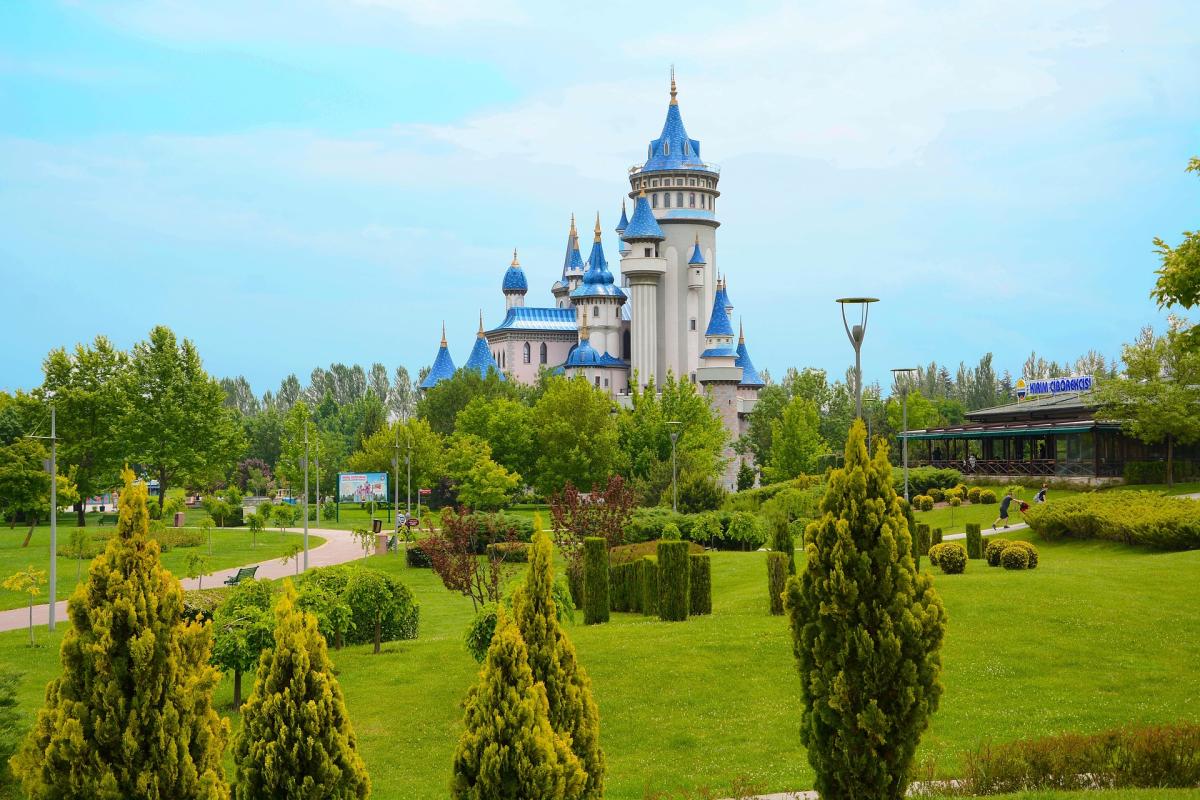
Welcome to Eskişehir! Often called the Student City or the Venice of Anatolia, this vibrant and modern city in northwestern Turkey is a delightful surprise for many travelers . With the picturesque Porsuk River flowing through its heart, a youthful energy fueled by its large university population, and...
For the Toronto resident with a heart set on the historic and vibrant landscapes of Turkey, a journey of discovery awaits. This guide provides a comprehensive overview for planning your Turkish adventure, from pre-departure preparations in Toronto to immersing yourself in the rich culture, iconic destinations,...

Konya, a city that resonates with deep historical and spiritual significance, invites travelers to explore its rich Seljuk heritage and the profound legacy of the poet and mystic, Rumi . Located in Turkeys Central Anatolia region, Konya is a captivating blend of ancient mosques, traditional bazaars,...