
A Comprehensive Guide to Visiting Konya, Turkey: The City of Rumi
Konya, a city that resonates with deep historical and spiritual significance, invites travelers to explore its rich Seljuk heritage and the profound legacy of the poet and mystic, Rumi . Located in Turkey's Central Anatolia region, Konya is a captivating blend of ancient mosques, traditional bazaars, and a modern, bustling city life . This guide provides a detailed overview for those planning a journey to this remarkable destination.
Getting to Konya
Konya's status as a major city ensures it is well-connected and accessible through various modes of transport.
By Air: Konya Airport (KYA) is located about 18 km from the city center and serves domestic flights from major Turkish hubs . Turkish Airlines and Pegasus Airlines offer several daily flights from both of Istanbul's airports (IST and SAW), with a flight duration of approximately one hour. This is often the most convenient and time-efficient way to reach the city. From the airport, travelers can take Havas shuttles, taxis, or rent a car to get to the city center . A taxi ride to the city center takes about 20 minutes .
By High-Speed Train (YHT): Turkey's high-speed train network offers a comfortable and modern way to travel to Konya. There are multiple daily departures from Ankara, with the journey taking less than two hours. From Istanbul, the trip takes about 4.5 hours. The main Konya railway station is located relatively close to the city center.
By Bus: Turkey has an extensive and efficient inter-city bus network, with modern coaches connecting Konya to virtually all major cities. The journey from Istanbul takes approximately 10 hours, making an overnight bus a practical option to save time and accommodation costs. The trip from Ankara is much shorter, at around 3 hours. It is advisable to book bus tickets a day or two in advance. The bus station (otogar) is located on the outskirts of the city but is well-connected by tram and local buses (dolmuş).
By Car: For those who prefer to drive, Konya is accessible by road from various parts of Turkey. The drive from Ankara takes about 3 hours, from Antalya about 3.5 hours, and from Istanbul around 10 hours.
Best Time to Visit
The ideal time to visit Konya largely depends on your preference for weather and cultural events.
Spring (April to June) and Autumn (September to October): These seasons are widely considered the best times to visit. The weather is pleasant and mild, perfect for sightseeing and exploring the city on foot. There are also fewer tourists during these periods, which can lead to better hotel prices.
Summer (July and August): Summers in Konya can be hot and dry. While it's a popular time for tourists, be prepared for high temperatures. It's essential to stay hydrated, wear sunscreen, and seek shade during the hottest parts of the day.
Winter (December to February): Winters are cold, with temperatures sometimes dropping below freezing. However, December holds a special allure for visitors due to the Mevlana Festival (Şeb-i Arûs). This major event, held annually from December 7th to 17th, commemorates the death, or "wedding night with God," of Rumi. The festival attracts tens of thousands of people from around the world for a series of spiritual events, including the famous Whirling Dervishes ceremonies.
Where to Stay
Konya offers a range of accommodation options to suit different budgets and preferences, with many hotels concentrated in the city center, close to the main attractions.
Luxury Hotels: For a high-end experience, consider the Hilton Garden Inn Konya, located near the Mevlana Cultural Center, or the Dedeman Konya Hotel and Convention Center. The Rixos Konya offers five-star luxury, though it is situated further from the city center.
Boutique Hotels: For a more intimate and unique stay, the Hich Hotel Konya and Araf Hotel are excellent choices, both housed in historic buildings and within walking distance of the Mevlana Museum. In the nearby village of Sille, the Sillehan Boutique Hotel offers a charming and highly-rated experience.
Mid-Range and Budget-Friendly Options: There are numerous comfortable and affordable hotels in the city center. The Rumi Hotel and Bera Konya Hotel are popular choices, offering good value and a convenient location.
Things to Do and See
Konya is a city steeped in history and spirituality, with a wealth of attractions to explore both within the city and in its stunning surroundings.
Mevlana Museum: This is Konya's most famous landmark and the main reason many people visit. It is the mausoleum of Jalal ad-Din Muhammad Rumi, the 13th-century Persian poet, Islamic scholar, and Sufi mystic. The museum complex, with its iconic turquoise-tiled dome, houses Rumi's tomb, as well as a collection of artifacts related to the Mevlevi order, including musical instruments, calligraphy, and ceremonial clothing. Admission to the museum is free.
Tomb and Mosque of Shams Tabrizi: A visit to Konya is incomplete without paying homage to Shams Tabrizi, the enigmatic wandering dervish who was Rumi's spiritual mentor . Their meeting in 1244 was a pivotal event that transformed Rumi from a respected scholar into an ecstatic mystic and poet . Located in Şems Park, the site is a place of deep reverence . While some historical sources suggest Shams's actual tomb may be in Khoy, Iran, the cenotaph in Konya is a powerful pilgrimage destination and a symbol of their transformative friendship . The current structure dates to a 1510 renovation by Emir Ishak Bey . The complex has a serene, contemplative atmosphere ideal for reflection . Visitors should dress modestly (women should cover their heads) and be respectful of those in prayer . There is no admission fee .
Whirling Dervishes Ceremony (Sema): Witnessing a Sema ceremony is a quintessential Konya experience . Recognized by UNESCO as a Masterpiece of the Oral and Intangible Heritage of Humanity, this spiritual ritual is a profound journey of the soul towards divine union, not merely a dance .
- Symbolism: Every element is rich with meaning . The tall brown hat (sikke) represents the ego's tombstone . The white flowing robe (tennure) is the ego's shroud . By removing the black cloak (hırka), which signifies the grave, the dervish is spiritually reborn . Dervishes begin with arms crossed, testifying to God's unity . As they whirl, the right hand faces up to receive God's grace, and the left hand faces down to bestow it upon humanity .
- The Spiritual Journey: The ceremony's seven parts represent a mystical ascent . The four core salutes, or selams, symbolize: 1) birth to truth and recognition of God; 2) rapture before creation's splendor; 3) the dissolution of the self into divine love; and 4) the return to serve all of creation .
- Performances: Public performances typically occur on Saturday evenings at the Mevlana Cultural Center. During the Mevlana Festival (December 7-17), ceremonies are held nightly, and tickets should be booked far in advance.
Alaeddin Hill and Mosque: This artificial hill in the city center offers a pleasant green space and panoramic views. At its summit is the Alaeddin Mosque, one of the oldest Seljuk mosques in Turkey, dating back to the 12th century. It houses the tombs of several Seljuk sultans.
Notable Mosques:
- Selimiye Mosque: Located next to the Mevlana Museum, this is a magnificent example of 16th-century classical Ottoman architecture.
- Aziziye Mosque: A stunning example of late-period Ottoman architecture, this mosque is known for its unique fusion of Baroque and traditional Ottoman styles.
Karatay Madrasa (Tile Museum): Built in 1251, this former theological school is now a museum showcasing exquisite Seljuk-era tiles and ceramics.
Ince Minareli Madrasa (Museum of Stone and Wooden Works): Another stunning example of Seljuk architecture, this 13th-century madrasa is famous for its ornate, intricately carved stone portal. It now houses a museum of stone and wooden works from the Seljuk and Ottoman periods .
Konya Archaeological Museum: Essential for understanding the region's deep history, this museum was established in 1901 and has been in its current building since 1962 . Its collections chronologically span from the Neolithic to the Byzantine periods, with artifacts from sites like Çatalhöyük and Sille .
- Neolithic Hall: A major highlight featuring finds from Çatalhöyük . Exhibits include terracotta pottery, stone tools, a transplanted wall painting, and the poignant skeleton of a baby girl clutching jewelry made of stone and bone .
- Roman and Byzantine Periods: The museum is renowned for its Roman sarcophagi collection, one of the most important in Turkey . The standout piece is the 3rd-century AD Heracles Sarcophagus, elaborately carved with the hero's twelve labors . The collection also includes a statue of Poseidon, mosaics, and glassware .
Konya Tropical Butterfly Garden: A surprising and enchanting modern attraction, this is Europe's largest tropical butterfly garden .
- Features: Opened in 2015, the facility is housed in an award-winning, butterfly-shaped building with a glass roof . Inside, a tropical climate (28°C and 80% humidity) is maintained for about 20,000 butterflies of up to 45 species and over 195 species of tropical plants .
- Experience: Visitors can walk freely among the butterflies, observe their entire life cycle, and explore an accompanying insect museum . For a quieter visit, weekdays are recommended .
- Practical Info: Located in the Selçuklu district, it is accessible by city bus lines 47, 57, and 58 . The garden is open from 9:00 AM to 5:00 PM but is closed on Mondays . An admission fee is required; as of late 2025, it was 400 TL for a single visitor, but it's best to confirm current prices .
Bedesten Bazaar (Çarşı): Immerse yourself in local culture at this historic bazaar, which dates to the 16th century and was constructed during the reign of Suleiman the Magnificent . With over 2,700 shops across 40 lanes, it is a vibrant labyrinth reflecting centuries of commerce . The atmosphere is authentically local, offering a glimpse into daily life . You can find handwoven carpets, traditional clothing, antiques, spices, and local sweets like Mevlana Candy . Bargaining is a common and expected practice .
Kadınlar Pazarı (Women's Market): For an authentic taste of Konya's culinary heart, a visit to the Kadınlar Pazarı-officially the Melike Hatun Çarşısı-is essential . The market is famous for Konya's 'küflü peynir' (moldy cheese), a pungent, blue-veined sheep's milk cheese similar to Roquefort . You can also find fresh produce from the fertile Konya plain, other cheeses, and spices .
Day Trips from Konya
Konya serves as an excellent base for exploring the wider region's unique historical and natural wonders.
Sille Village: Just 8 km from Konya, this tranquil village offers a journey back in time . For over 800 years, it was a thriving Greek Orthodox community that coexisted peacefully with its Turkish neighbors . The main landmark is the Aya Eleni Church, originally commissioned in 327 AD by Empress Helena . The surrounding hills are dotted with rock-carved chapels reminiscent of Cappadocia . The village is easily reached by public bus number 64 from near Alaaddin Hill .
Çatalhöyük: A must-see for history enthusiasts, this UNESCO World Heritage site is one of the world's oldest known urban centers, flourishing between 7500 and 6400 BC . This remarkably preserved Neolithic settlement is famous for its unique, streetless layout of mud-brick houses entered via ladders from the roof . Start at the modern Visitor Centre before exploring the reconstructed Neolithic house and the main excavation shelters . Located about 50-60 km from Konya, it is best reached by car or a combination of minibus and taxi .
Tuz Gölü (Salt Lake): A day trip to this otherworldly natural wonder is highly recommended. In summer, water evaporation leaves a vast white salt crust you can walk on. The high salinity often causes algae to bloom, turning the remaining water a stunning pink or red. The most convenient way to visit is by renting a car for the 1.5 to 2-hour drive.
Lake Meke: This unique volcanic crater lake has unfortunately dried up due to drought. Despite the water loss, the site remains visually dramatic, and visitors can hike on the lakebed to photograph the otherworldly landscape. It is best reached by car.
What to Eat and Drink
Konya has a rich culinary heritage, with several local specialties that are a must-try for any visitor.
- Etli Ekmek: Konya's most famous dish, a long, thin flatbread topped with minced meat.
- Fırın Kebabı (Oven Kebab): Tender, slow-cooked lamb served with soft pide bread.
- Tirit: A traditional dish of bread soaked in broth and topped with meat and yogurt.
- Bamya Çorbası (Okra Soup): A hearty soup made with dried okra.
- Konya Cheese Candy (Mevlana Şekeri): A hard candy that is a popular local souvenir .
Getting Around Konya
- On Foot: The central area, including the Mevlana Museum, Alaeddin Hill, and the bazaars, is compact and easily explored on foot.
- Public Transportation: Konya has an efficient system of trams and buses. You can use a contactless credit card or purchase a KonyaKart for multiple journeys.
- Taxis: Taxis are readily available and offer a convenient way to get around .
Practical Information
- Currency: The official currency is the Turkish Lira (TRY). Carry some cash for smaller shops and markets.
- Language: The official language is Turkish. English is not as widely spoken as in major tourist hubs.
- Dress Code: Konya is one of Turkey's more religiously conservative cities. It is respectful to dress modestly, especially when visiting mosques and religious sites like the Tomb of Shams Tabrizi . Women should carry a headscarf to cover their heads when entering mosques.
Executive Summary
A trip to Konya offers a unique opportunity to delve into the heart of Turkey's spiritual and cultural history. As the home of Rumi and the Whirling Dervishes, the city provides a deeply moving and authentic experience.
The city is easily accessible by air, high-speed train, and bus. The best times to visit are spring and autumn for pleasant weather, or December for the culturally significant Mevlana Festival. Key attractions include the Mevlana Museum, the historic Alaeddin Mosque, and the tomb of Rumi's mentor, Shams Tabrizi . Witnessing a Sema (Whirling Dervishes) ceremony is an unforgettable highlight, a UNESCO-recognized spiritual journey rich with symbolism .
For a dose of ancient history, the Konya Archaeological Museum showcases millennia of Anatolian civilizations, with world-class artifacts from Çatalhöyük and an impressive Roman sarcophagi collection . For a change of pace, the Konya Tropical Butterfly Garden, Europe's largest, offers an enchanting escape into a lush, man-made paradise . Immerse yourself in local commerce at the historic Bedesten Bazaar and the vibrant Kadınlar Pazarı, famous for its local produce and pungent moldy cheese .
Konya also serves as a fantastic base for remarkable day trips, including the 9,000-year-old Neolithic city of Çatalhöyük and the historic Greek village of Sille . By embracing its conservative and traditional atmosphere, visitors to Konya will be rewarded with a rich and memorable journey into a city that beautifully preserves its illustrious past.
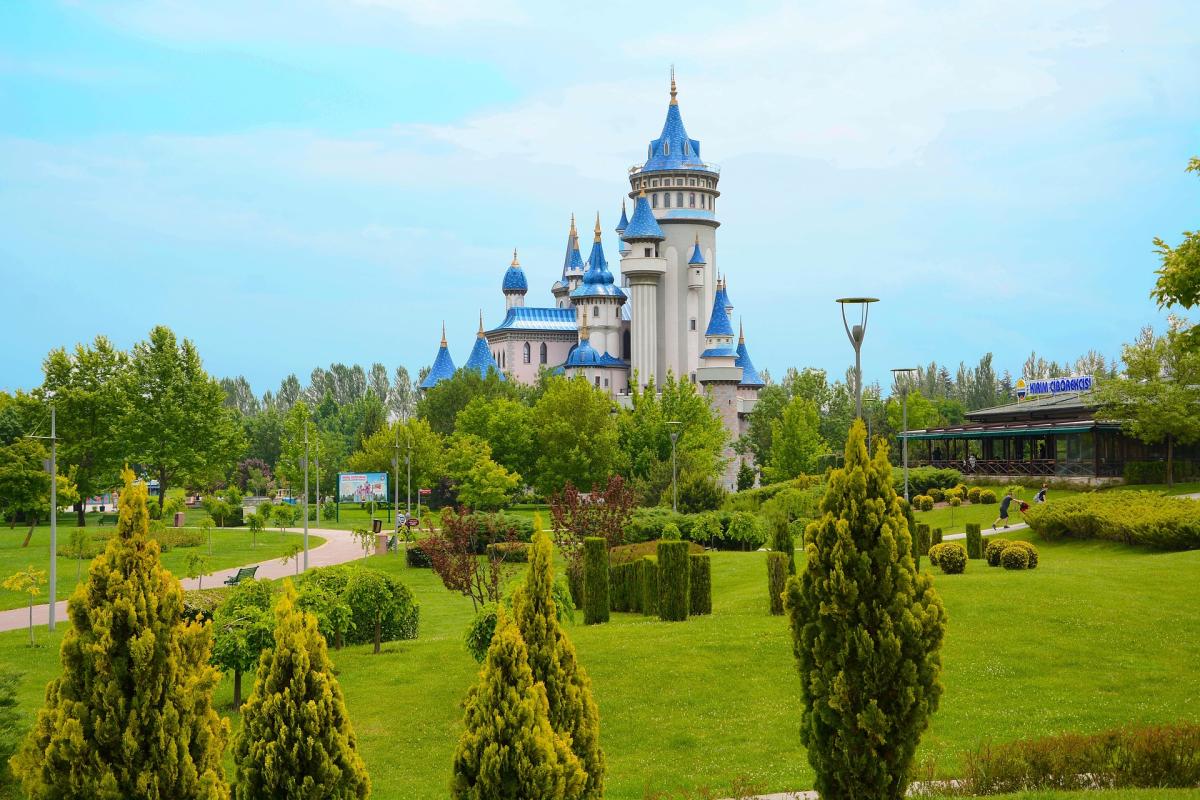
Welcome to Eskişehir! Often called the Student City or the Venice of Anatolia, this vibrant and modern city in northwestern Turkey is a delightful surprise for many travelers . With the picturesque Porsuk River flowing through its heart, a youthful energy fueled by its large university population, and...
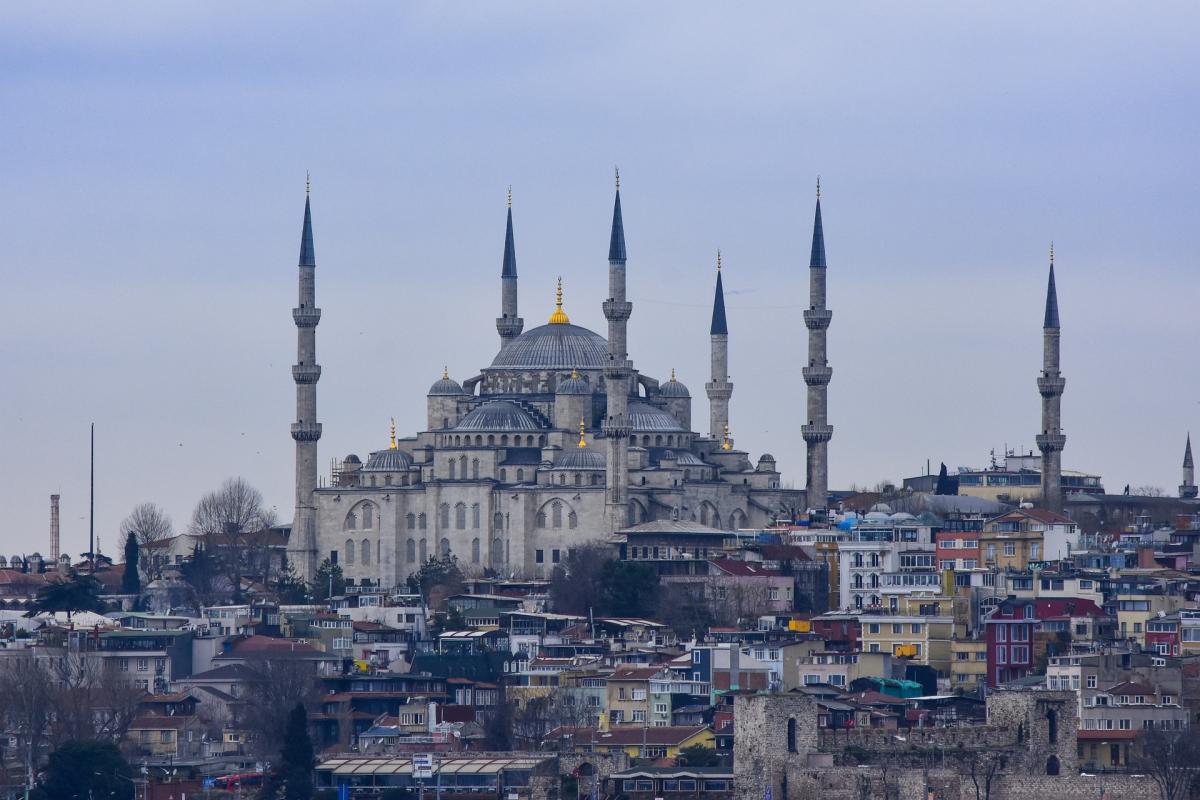
For the Toronto resident with a heart set on the historic and vibrant landscapes of Turkey, a journey of discovery awaits. This guide provides a comprehensive overview for planning your Turkish adventure, from pre-departure preparations in Toronto to immersing yourself in the rich culture, iconic destinations,...
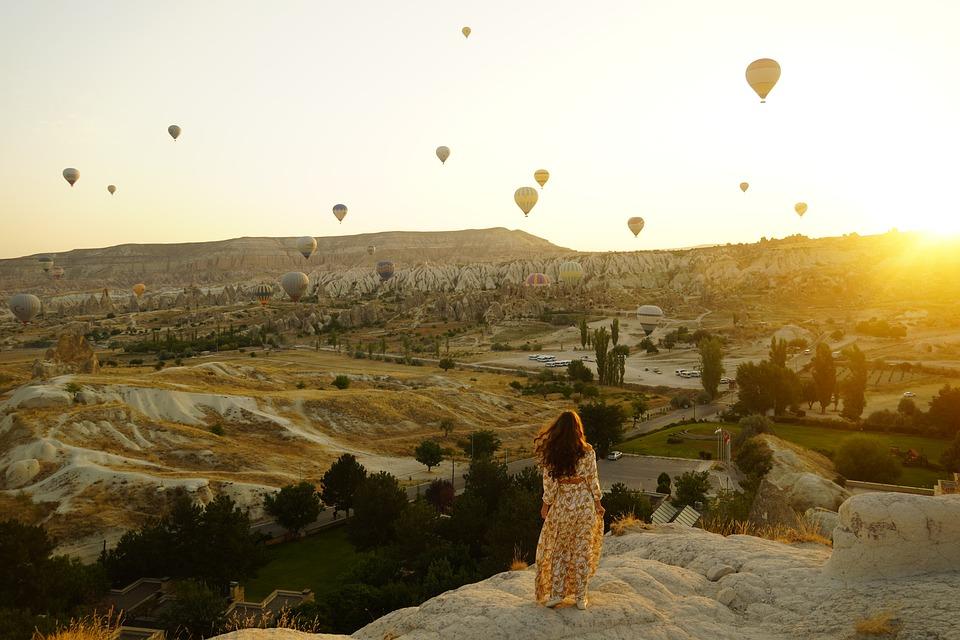
Turkey, a country straddling two continents, offers a unique blend of Eastern and Western cultures, a rich tapestry of history, and breathtaking natural landscapes . From the bustling bazaars of Istanbul to the surreal fairy chimneys of Cappadocia and the turquoise waters of the Mediterranean, Turkey...