Turkey Travel Guide: Best Places to Visit, Cultural Experiences, and Everything You Need to Know Before Your Trip
Few countries offer quite the same geographical, historical, and cultural diversity as Turkey. A journey here might begin among the imperial palaces of Istanbul, continue through the extraordinary volcanic landscapes of Cappadocia, and end beside the remarkably clear waters of the Mediterranean. Between these destinations lie ancient settlements, fertile agricultural plains, mountain villages, bustling markets, and architectural treasures inherited from civilizations that helped shape the modern world.
Officially known as Türkiye, the country occupies a distinctive position between Europe and Asia. Its shores meet the Black Sea, the Aegean Sea, the Mediterranean Sea, and the Sea of Marmara, while its interior encompasses landscapes ranging from forested mountains to semi-arid plateaus. This geographical diversity has profoundly influenced its architecture, agricultural traditions, regional cuisines, and ways of life.
What makes Turkey particularly rewarding, however, is the relationship between its extraordinary history and contemporary society. Ancient ruins stand near modern residential neighborhoods, traditional craftsmen work alongside fashionable boutiques, and centuries-old religious buildings remain part of everyday urban life. For travelers willing to venture beyond the established tourist circuits, the country offers considerably more than its celebrated landmarks might initially suggest.
Understanding Turkey's Geography and Historical Heritage
Turkey occupies a territory that has witnessed some of the most significant developments in human civilization. From prehistoric agricultural communities to the Hittites, ancient Greeks, Romans, Byzantines, Seljuks, and Ottomans, successive societies have left an unusually rich archaeological and cultural inheritance.
This heritage is reflected in the country's numerous World Heritage properties, which include prehistoric settlements, ancient cities, religious complexes, monumental tombs, and historic urban districts. The archaeological record encompasses thousands of years of human settlement, making Turkey an exceptional destination for anyone interested in understanding the evolution of architecture, religion, agriculture, and urban civilization.
Geographically, Turkey is traditionally divided into seven regions:
Region | Major destinations | Principal attractions |
|---|---|---|
Marmara | Istanbul, Bursa, Edirne, Çanakkale | Ottoman heritage, historic cities, coastal landscapes |
Aegean | İzmir, Bodrum, Kuşadası, Denizli | Classical ruins, beaches, thermal springs |
Mediterranean | Antalya, Fethiye, Kaş, Side | Seaside resorts, ancient cities, hiking |
Central Anatolia | Ankara, Cappadocia, Konya | Volcanic landscapes, museums, religious heritage |
Black Sea | Trabzon, Rize, Artvin | Mountain villages, forests, monasteries |
Eastern Anatolia | Van, Kars, Erzurum | Historic churches, lakes, mountains, winter tourism |
Southeastern Anatolia | Gaziantep, Mardin, Şanlıurfa | Archaeology, gastronomy, traditional architecture |
Each region deserves consideration as a destination in its own right. The difference between the humid mountains of the Black Sea coast and the dry interior of Central Anatolia can be as striking as the contrast between cosmopolitan Istanbul and the historic settlements of southeastern Turkey.
Istanbul: Exploring the City Between Two Continents
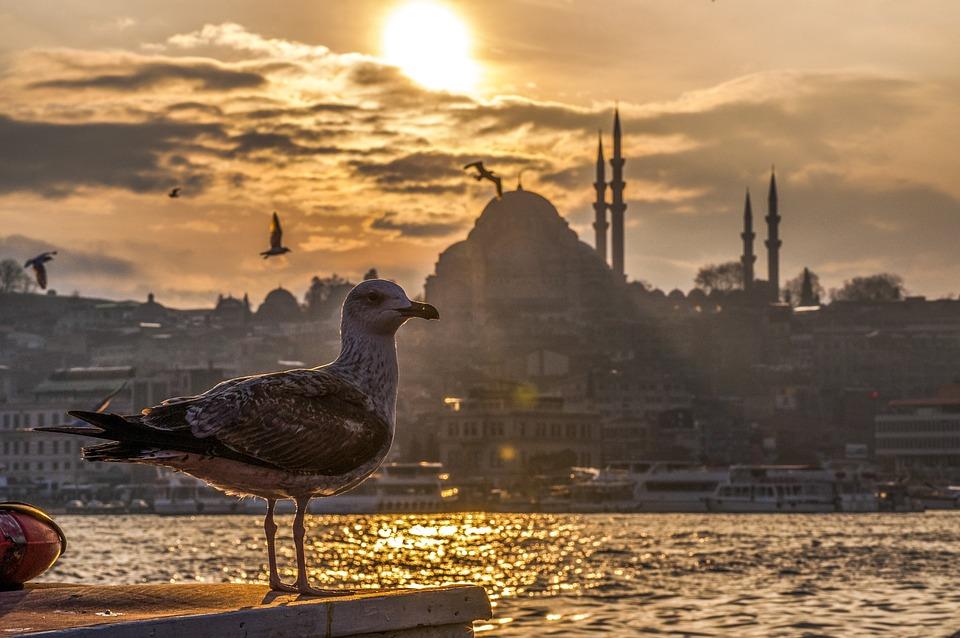
Istanbul is the natural starting point for many first-time visitors. Few cities possess such a complicated historical identity. Having served as the capital of the Eastern Roman and Ottoman empires, Istanbul accumulated an architectural legacy that reflects centuries of religious, political, and commercial importance. Its historic districts contain monuments that have influenced architectural development well beyond the borders of modern Turkey.
Discovering the Historic Peninsula
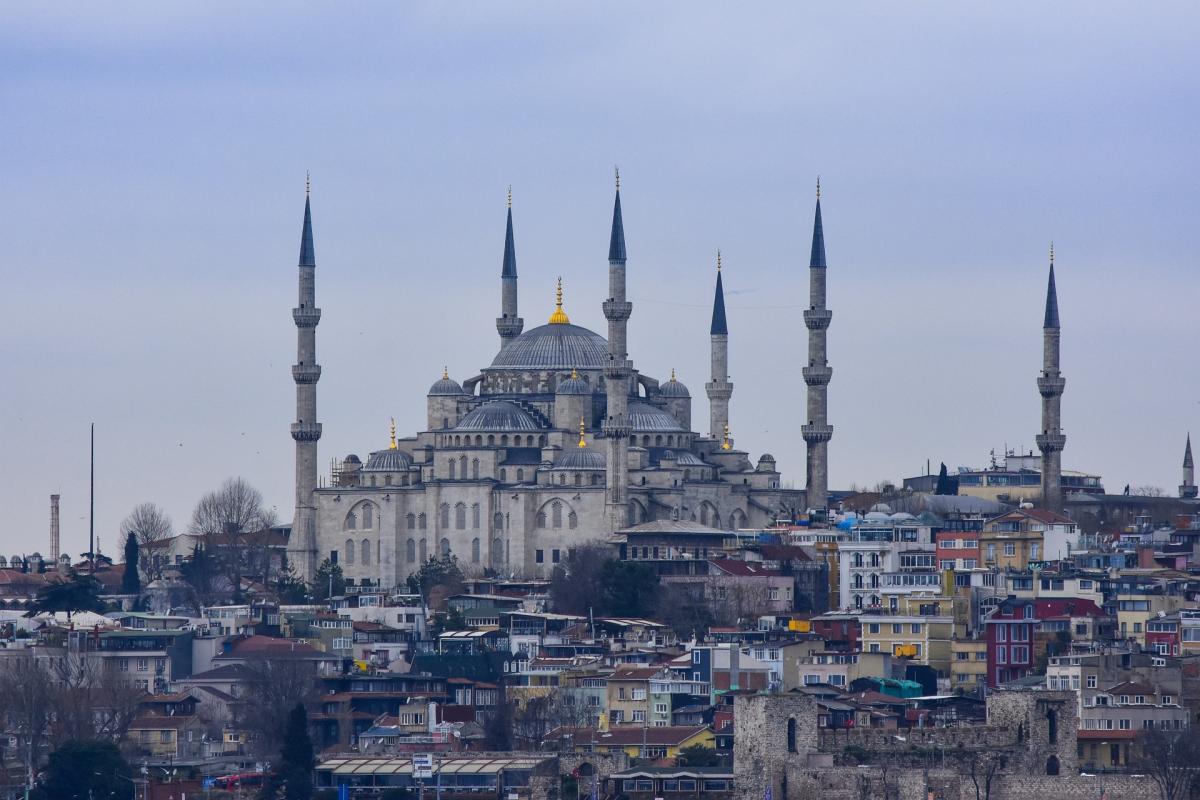
The Sultanahmet district contains several of Istanbul's most recognizable landmarks. Hagia Sophia, the Blue Mosque, Topkapı Palace, and the Basilica Cistern provide remarkable insights into the city's imperial past.
Hagia Sophia is particularly significant because of its extraordinary architectural achievements and changing religious identity. Its vast interior, monumental dome, and surviving decorative elements reveal the ambitions of successive civilizations that governed the city.
Nearby, Topkapı Palace offers a different perspective on Ottoman history. Its courtyards, residential chambers, administrative buildings, and collections illustrate the elaborate organization of imperial life.
The historic Süleymaniye district and the surviving land walls provide further opportunities to explore Istanbul's Byzantine and Ottoman inheritance beyond Sultanahmet.
Experiencing Istanbul Beyond Its Monuments
The city's personality becomes increasingly apparent when visitors leave its principal sightseeing districts.
A ferry journey across the Bosphorus, an afternoon exploring Kadıköy's food markets, or an evening wandering through the streets around Galata can reveal aspects of Istanbul that are easily overlooked on a tightly scheduled tour.
The Grand Bazaar and Spice Bazaar remain worthwhile destinations, but smaller neighborhood markets often provide a more relaxed shopping experience. Istanbul rewards curiosity, particularly when travelers allow enough time to explore without a predetermined schedule.
Four or five days is a reasonable starting point for discovering the city without reducing the experience to a succession of museum visits.
Cappadocia: A Landscape Unlike Anywhere Else
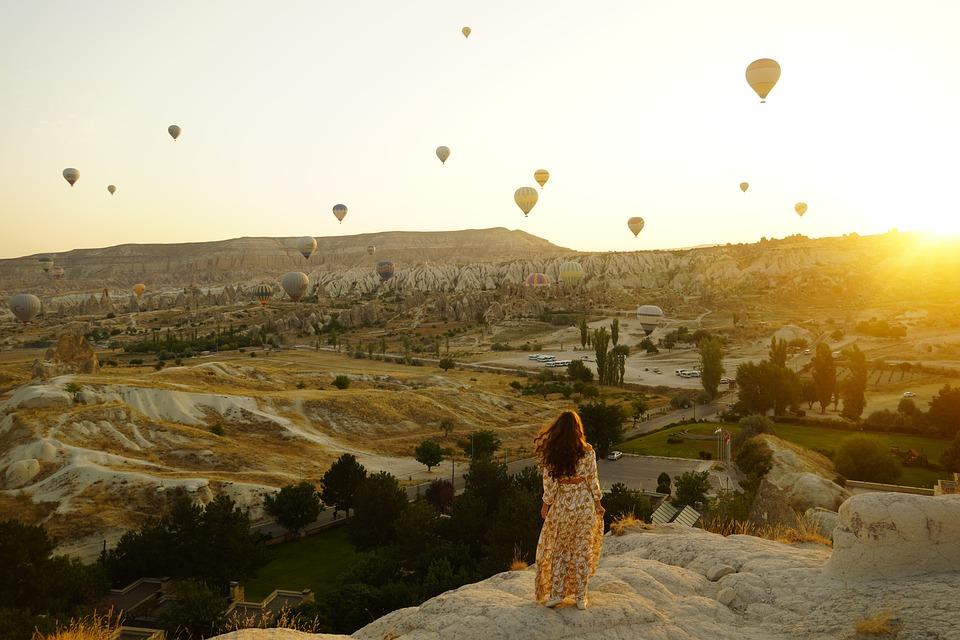
Central Anatolia is home to Cappadocia, one of Turkey's most distinctive natural and cultural landscapes. Over immense periods of geological time, erosion transformed volcanic deposits into unusual rock formations, deep valleys, and slender stone towers commonly known as fairy chimneys.
Human communities subsequently adapted these formations to their needs, excavating houses, religious buildings, storage chambers, and extensive underground settlements. The resulting cultural landscape demonstrates an extraordinary relationship between geology and human ingenuity.
Rock-Cut Churches and Underground Cities
The Göreme Open-Air Museum contains churches and monastic spaces carved directly into the rock, including interiors decorated with historic religious paintings.
Elsewhere, underground settlements such as Derinkuyu and Kaymaklı demonstrate the complexity of habitation beneath the Anatolian plateau. Their interconnected chambers, passages, ventilation systems, and communal spaces offer a fascinating contrast to the conventional architecture found elsewhere in Turkey.
Uçhisar, Ürgüp, Avanos, and the surrounding valleys each reveal different aspects of Cappadocia's character. Avanos, in particular, provides an opportunity to discover the region's pottery traditions, while the valleys are ideal for exploring on foot.
Hot Air Ballooning and Outdoor Experiences
An early-morning hot air balloon flight is among Cappadocia's most celebrated experiences. From above, the landscape takes on an entirely different character as sunlight gradually illuminates the valleys and rock formations.
Balloon flights are dependent on suitable weather conditions, so travelers should avoid scheduling this activity exclusively for their final morning.
Cappadocia is equally rewarding at ground level. Walking through its valleys, exploring rock-cut settlements, and staying in a thoughtfully restored cave hotel can provide a deeper appreciation of the region.
A stay of three or four nights allows sufficient time for both cultural exploration and outdoor activities.

The Aegean Coast: Ancient Civilization Meets Mediterranean Living
Turkey's Aegean coast combines archaeological treasures with olive-growing landscapes, fishing communities, contemporary seaside towns, and an appealingly relaxed culinary culture.
Destinations such as İzmir, Foça, Ayvalık, Alaçatı, Datça, Bodrum, and Kuşadası offer markedly different experiences, despite sharing the same broad coastal identity. Some are sophisticated holiday destinations, while others retain a quieter atmosphere centered on agriculture, fishing, and neighborhood life.
Ephesus and the Legacy of the Roman World
Located near Selçuk, Ephesus ranks among the most important archaeological destinations in Turkey. Its history stretches across several millennia, encompassing prehistoric communities, ancient religious traditions, Roman urban development, and the expansion of Christianity.
The Library of Celsus, monumental theater, paved streets, and surviving residential structures provide valuable insights into the organization of a prosperous ancient city. Although relatively little survives of the celebrated Temple of Artemis, the sanctuary once attracted visitors from across the Mediterranean world.
Visitors with a serious interest in archaeology should devote several hours to Ephesus rather than treating it as a brief excursion between coastal resorts.
Bodrum, İzmir, and the Smaller Coastal Towns
Bodrum appeals to travelers seeking maritime experiences, attractive waterfront restaurants, sailing excursions, and historical attractions. Its surroundings also contain quieter villages and sheltered bays that offer an alternative to the busy town center.
İzmir provides a more urban experience, with extensive waterfront promenades, traditional commercial districts, and convenient access to archaeological destinations throughout the surrounding region.
For a slower holiday, Alaçatı, Urla, Ayvalık, and Datça deserve particular consideration. Their restaurants, small hotels, agricultural traditions, and coastal scenery make them excellent destinations for travelers who prefer independent exploration to conventional resort holidays.
Pamukkale and Hierapolis: Where Nature and Archaeology Meet
Pamukkale's brilliant white terraces are among Turkey's most recognizable natural formations. Mineral-rich thermal waters have gradually deposited calcium carbonate along the hillside, producing cascading terraces and unusual geological structures.
Immediately above these formations lies Hierapolis, an ancient settlement that developed around the area's thermal springs. Its surviving theater, necropolis, religious structures, and other archaeological remains add substantial historical interest to the destination.
Together, Hierapolis and Pamukkale constitute a heritage landscape of both natural and cultural importance.
Visitors should follow designated walking routes and respect restrictions on access to the mineral terraces. The formations are environmentally sensitive, and their preservation depends partly on responsible management of visitor activity.
An overnight stay in the area can be more rewarding than a hurried day trip, particularly during the busy summer months.
Antalya and the Turkish Riviera
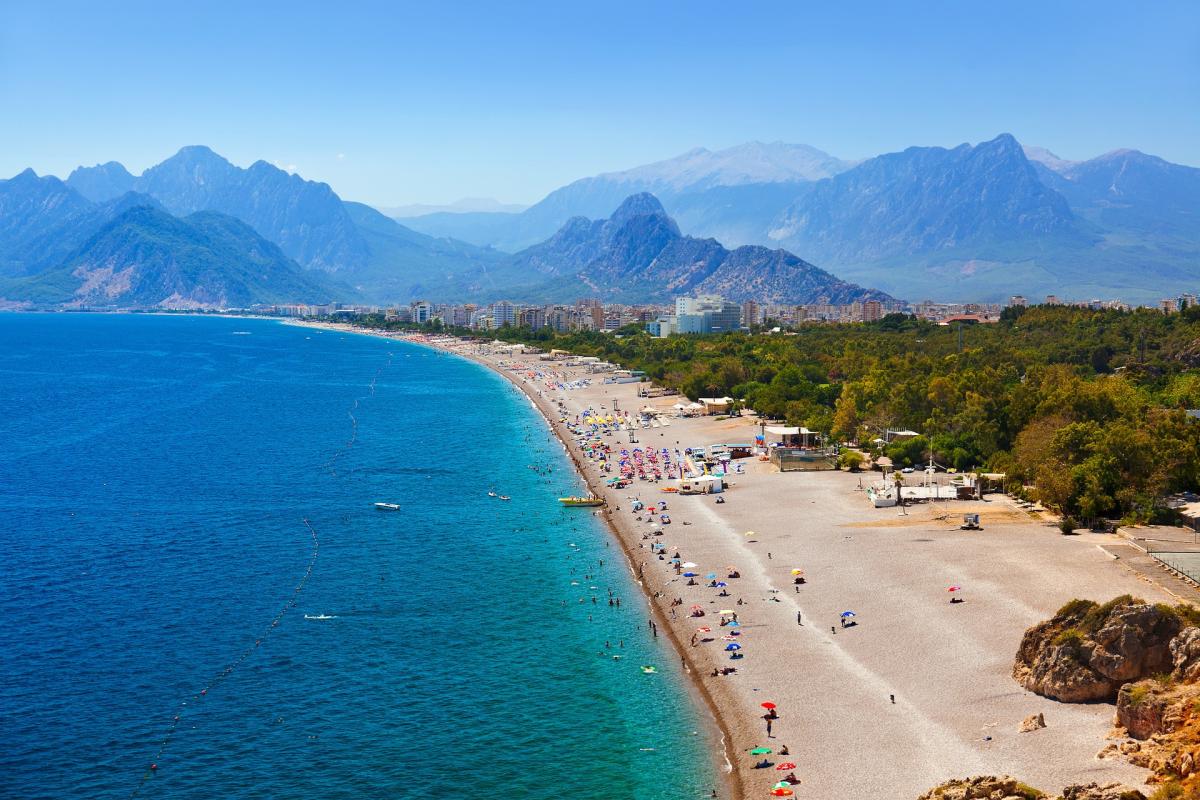
The southern Mediterranean coast is often associated with large beach resorts and all-inclusive holidays. Yet the region surrounding Antalya contains enough archaeological, cultural, and natural attractions to satisfy travelers who have little interest in spending their entire vacation beside a hotel swimming pool.
Antalya's historic center, Kaleiçi, offers narrow streets, traditional houses, and access to the old harbor. Beyond the city lie important archaeological sites, including Perge, Aspendos, and Side, each preserving evidence of the region's long history of settlement.
Aspendos is particularly celebrated for its remarkably well-preserved ancient theater, while Side combines archaeological remains with an established seaside holiday atmosphere.
Fethiye, Kaş, and the Lycian Coast
Farther west, the coastline becomes increasingly dramatic. Pine-covered hills descend toward sheltered bays, limestone cliffs rise above the water, and traces of ancient Lycia appear throughout the landscape.
Fethiye is a convenient base for sailing excursions and exploring the surrounding countryside. Nearby Ölüdeniz is renowned for its lagoon and opportunities for paragliding.
Kaş offers a smaller-scale coastal experience, attracting visitors interested in diving, sea kayaking, and independent travel. Patara combines an extensive beach with archaeological remains, while smaller settlements along the coast provide opportunities to escape the busiest resort areas.
The Lycian Way connects numerous destinations along this coastline. Stretching for more than 500 kilometers, it brings together mountain trails, coastal scenery, historic paths, rural communities, and archaeological sites. Travelers need not complete the entire route; selected sections can be incorporated into shorter walking holidays.
Ankara and Konya: Discovering the Heart of Anatolia
Turkey's capital is frequently overlooked by international tourists, but Ankara provides important historical context that complements a visit to Istanbul or Cappadocia.
The Museum of Anatolian Civilizations houses archaeological collections representing numerous periods of Anatolian history. For travelers interested in ancient cultures, visiting this museum before exploring archaeological sites elsewhere in Turkey can considerably enrich the experience.
Anıtkabir, the mausoleum of Mustafa Kemal Atatürk, offers insight into the foundation of the modern Turkish Republic and its national identity.
Konya presents another dimension of Anatolian culture. Its association with the thirteenth-century poet and mystic Jalal al-Din Rumi has made the city an important destination for visitors interested in Sufism and religious philosophy.
The Mevlana Museum, historic mosques, and surviving Seljuk architectural monuments reflect Konya's former importance as a political and intellectual center.
The Black Sea Coast: Turkey's Green and Mountainous North
Travelers familiar only with Turkey's Mediterranean beaches may find the Black Sea region surprisingly different. Frequent rainfall supports dense vegetation, mountain forests, and tea plantations, producing landscapes more reminiscent of humid mountain environments than the dry southern coast.
Trabzon serves as an important gateway to the eastern Black Sea region. One of its most remarkable nearby attractions is Sümela Monastery, built against a steep mountainside overlooking the Altındere Valley.
Farther east, the valleys surrounding Rize contain tea gardens, historic bridges, mountain settlements, and rushing rivers. The region lends itself particularly well to nature-oriented holidays and rural exploration.
The Kaçkar Mountains and traditional highland settlements offer an additional dimension to Black Sea tourism. During the warmer months, these elevated landscapes attract hikers and visitors seeking relief from coastal summer temperatures.
Weather can be unpredictable, however. Waterproof clothing, flexible itineraries, and careful planning are considerably more useful here than on the Mediterranean coast.
Southeastern Turkey: Archaeology, Architecture, and Extraordinary Food
Southeastern Anatolia contains some of Turkey's most compelling cultural destinations. Its history is deeply intertwined with the development of civilization in Mesopotamia, while its architecture and cuisine reflect centuries of interaction among different communities.
Gaziantep and Its Culinary Heritage
Gaziantep is particularly famous for its culinary traditions. Pistachios, expertly prepared meat dishes, regional spices, and elaborate pastries are central to its gastronomic identity.
Local specialties extend well beyond baklava. Beyran, a substantial soup traditionally enjoyed in the morning, is one example of the city's distinctive food culture. Kebabs, regional breads, vegetable preparations, and desserts provide sufficient variety to make gastronomy a central purpose of visiting the city.
Şanlıurfa and Göbekli Tepe
Near Şanlıurfa lies Göbekli Tepe, an archaeological site that has transformed scholarly understanding of prehistoric society.
Its monumental stone structures date to the early Neolithic period, revealing an unexpectedly sophisticated level of communal organization among populations living during a major transition in human history. The site challenges older assumptions about the relationship between settled agricultural life and monumental construction.
For visitors interested in the origins of civilization, Göbekli Tepe is arguably one of the most significant destinations in the country.
Mardin and the Mesopotamian Landscape
Mardin's historic architecture gives the city a distinctive appearance. Stone houses, religious buildings, courtyards, and narrow streets occupy a hillside overlooking the extensive Mesopotamian plains.
The surrounding region contains further architectural and archaeological treasures, including the historic settlement of Midyat and the ruins of Dara. Its churches, monasteries, mosques, and traditional houses reflect the diverse cultural inheritance of southeastern Anatolia.
Travelers considering this region should examine current security advisories carefully, particularly when planning excursions toward international border areas.
Eastern Anatolia: Remote Landscapes and Remarkable Monuments
Eastern Turkey remains less familiar to many international visitors, partly because of its considerable distances, mountainous terrain, and demanding winter conditions.
The region nevertheless contains exceptional cultural attractions. Near Kars, the ruined medieval city of Ani preserves an important part of Armenian architectural history. Its churches and other surviving structures occupy a striking landscape near the Turkish-Armenian border.
Lake Van provides another opportunity to discover eastern Anatolia's cultural heritage. The historic Armenian Church of the Holy Cross on Akdamar Island is particularly noteworthy for its stone architecture and decorative reliefs.
Mount Nemrut, in southeastern Anatolia, offers a different historical experience. Its monumental sanctuary and tomb complex were commissioned by Antiochus I of Commagene during the first century BCE. The enormous sculptural remains represent a distinctive combination of religious and cultural traditions from the Hellenistic world.
These destinations require more logistical planning than Istanbul or the Mediterranean resorts. Travelers should allow additional time for transportation, seasonal restrictions, and changing regional conditions.
When Is the Best Time to Visit Turkey?
There is no universally ideal season for visiting Turkey. The answer depends largely on the region and the experiences travelers wish to prioritize.
The Mediterranean coast generally experiences hot, dry summers and relatively mild, wetter winters. Inland and mountainous regions experience greater temperature extremes, while the Black Sea coast remains comparatively humid.
Travel period | Recommended experiences | General conditions |
|---|---|---|
March-May | Istanbul, Cappadocia, archaeological tours | Mild temperatures, spring vegetation, occasional rain |
June-August | Mediterranean beaches, sailing, mountain retreats | Hot weather, busy resorts, higher seasonal demand |
September-November | Cultural tours, hiking, gastronomy, coastal holidays | Gradually cooler temperatures and generally fewer crowds |
December-February | Museums, winter landscapes, skiing | Cold inland conditions, snow at higher elevations, quieter attractions |
April, May, September, and October are particularly attractive for itineraries combining urban sightseeing, archaeological exploration, and outdoor activities.
July and August are suitable for beach-oriented holidays but can be uncomfortable for extended sightseeing at exposed archaeological sites. Winter, meanwhile, offers a quieter atmosphere in Istanbul and the possibility of snow-covered landscapes in Cappadocia.
Turkish Cuisine: Exploring the Country Through Its Food
One of the most enjoyable ways to understand Turkey is to pay attention to what people eat. Turkish cuisine is not a single, uniform tradition but a collection of regional culinary cultures shaped by geography, agricultural production, trade, and historical exchange.
Olive oil and vegetables dominate many Aegean dishes. The southeast is associated with aromatic spices, pistachios, and meat-based specialties, while the Black Sea region makes extensive use of fish, corn, dairy products, and locally grown ingredients.
The Traditional Turkish Breakfast
Breakfast in Turkey can be an elaborate social occasion. A traditional spread may include olives, several varieties of cheese, tomatoes, cucumbers, eggs, honey, preserves, fresh bread, and small savory dishes.
The shared breakfast known as serpme kahvaltı encourages diners to take their time rather than hurry through the meal. Regional variations introduce local cheeses, pastries, sausages, and other ingredients, making breakfast worth experiencing in several different parts of the country.
Essential Turkish Dishes to Try
Dish | Description |
|---|---|
İskender kebab | Thinly sliced meat served with bread, tomato sauce, yogurt, and butter |
Mantı | Small dumplings commonly accompanied by yogurt and seasoned butter |
Lahmacun | Thin flatbread topped with a seasoned minced-meat mixture |
Pide | Boat-shaped baked bread with various savory fillings |
Gözleme | Thin flatbread folded around cheese, vegetables, or other fillings |
Menemen | Eggs cooked with tomatoes and peppers |
Dolma | Vegetables prepared with rice, meat, or other fillings |
Mercimek çorbası | Traditional lentil soup |
Hamsi | Anchovies particularly associated with Black Sea cuisine |
Baklava | Layered pastry prepared with nuts and sweet syrup |
Künefe | Warm shredded pastry dessert containing cheese |
Simit | Circular sesame-covered bread |
Vegetarian travelers can find numerous suitable dishes, particularly among olive oil-based vegetable preparations, lentil soups, meze, and regional pastries. Nevertheless, it is advisable to confirm whether soups and rice dishes have been prepared using meat stock.
Turkish Coffee and Tea Culture
Turkish coffee carries a cultural significance extending well beyond its distinctive preparation method. It is associated with hospitality, conversation, family gatherings, and important social occasions. Its preparation and associated customs were internationally recognized as intangible cultural heritage in 2013.
Tea occupies an equally important place in daily life. Commonly served in small, curved glasses, it accompanies business meetings, friendly conversations, breakfasts, and countless ordinary interactions. Its role in maintaining social relationships makes it an integral part of Turkish hospitality.
Getting Around Turkey
Turkey's considerable size makes transportation planning an important part of organizing a successful holiday.
Although several destinations may appear reasonably close together on a map, mountainous terrain and regional geography can make overland travel more time-consuming than expected.
Domestic Flights
Domestic aviation is particularly useful for travelers combining Istanbul with Cappadocia, Antalya, the Black Sea coast, or eastern Anatolia.
Cappadocia is commonly accessed through Kayseri or Nevşehir airports, while İzmir, Dalaman, Bodrum, and Antalya serve different sections of the western and southern coastline.
Travelers departing from Istanbul should pay attention to which airport their flight uses. Istanbul Airport and Sabiha Gökçen International Airport are located in different parts of the metropolitan area, and transferring between them requires substantial additional time.
Trains, Buses, and Rental Cars
High-speed trains offer convenient connections between major cities, particularly Istanbul, Ankara, Eskişehir, and Konya. Conventional railway services also provide opportunities for slower journeys through Anatolia.
Train tickets can be purchased through official online booking services, authorized sales offices, and railway stations. Advance reservations are advisable for popular services.
Intercity buses remain a practical option for destinations without convenient railway connections. Rental cars provide greater flexibility for exploring rural Cappadocia, the Aegean countryside, and smaller coastal settlements.
Driving in central Istanbul, however, is rarely necessary for ordinary sightseeing. Public transportation and walking are generally more practical.
Where to Stay in Turkey
Accommodation in Turkey ranges from inexpensive family-operated guesthouses to restored historic buildings, sophisticated urban hotels, and extensive coastal resort complexes.
The best choice depends on the nature of the journey rather than simply its budget.
Accommodation type | Best suited to |
|---|---|
Historic boutique hotels | Cultural holidays and architectural experiences |
Cave hotels | Cappadocia itineraries |
All-inclusive resorts | Beach holidays and family vacations |
Family-run guesthouses | Independent travel and regional exploration |
Mountain lodges | Hiking and nature-focused holidays |
Serviced apartments | Extended urban stays and family travel |
Luxury waterfront hotels | Premium holidays and special occasions |
Location deserves particular attention in Istanbul. Sultanahmet provides convenient access to historic monuments, whereas Karaköy and Beyoğlu offer a different balance of restaurants, nightlife, and urban exploration.
In coastal regions, travelers should determine whether they prefer direct beach access, proximity to town centers, or accommodation in a quieter surrounding village.
How Much Does a Trip to Turkey Cost?
Turkey accommodates a broad range of travel budgets. However, the assumption that it is uniformly inexpensive can lead to unrealistic expectations.
Accommodation in popular tourist districts, private guided excursions, admission to archaeological sites, and premium activities such as balloon flights can represent substantial expenses.
Costs also vary considerably according to the season, exchange rates, accommodation standards, and geographical region.
The following figures are illustrative planning estimates in US dollars, rather than verified current prices.
Expense category | Budget traveler | Mid-range traveler | Premium traveler |
|---|---|---|---|
Accommodation per night | $20-50 | $60-140 | $180+ |
Food per day | $15-25 | $25-50 | $70+ |
Local transportation | $5-15 | $10-25 | $40+ |
Sightseeing and activities | $10-30 | $25-60 | $100+ |
Estimated daily total | $50-120 | $120-275 | $390+ |
International flights, major domestic transfers, and expensive optional excursions are not included in these estimates.
Booking outside the peak summer season, choosing accommodation away from the busiest tourist streets, and using public transportation can help control expenses without sacrificing the quality of the experience.
Are Museum Passes Worth Purchasing?
MuseumPass Türkiye provides access to hundreds of participating museums and archaeological sites over a fifteen-day period. Regional passes are also available, although some attractions and special exhibition areas may require separate tickets.
Travelers should compare the cost of the pass with the combined admission fees of the places they intend to visit. Not every palace, museum, or cultural attraction participates in the scheme.
Visa Requirements and Essential Travel Documents
Turkey's entry requirements vary according to nationality, passport category, and the purpose of travel. Some visitors qualify for visa-free entry, others can obtain an electronic visa, and certain nationalities must apply through diplomatic missions.
Under the general passport-validity rule, a travel document must remain valid for at least sixty days beyond the authorized duration of stay associated with the relevant visa or visa exemption, subject to applicable exceptions.
Travelers are also generally advised to hold a passport with at least six months of remaining validity when entering the country. Entry requirements should always be verified before making non-refundable reservations.
Practical Information for International Visitors
Item | Information |
|---|---|
Official country name | Republic of Türkiye |
Capital | Ankara |
Official language | Turkish |
Currency | Turkish lira (TRY) |
Time zone | UTC+3 throughout the year |
International dialing code | +90 |
Emergency telephone number | 112 |
Electricity | 230 V, 50 Hz |
Electrical sockets | Types C and F |
Driving orientation | Right-hand side |
Major international gateway | Istanbul Airport |
Credit and debit cards are widely accepted in established tourist areas, although carrying some Turkish lira is useful when visiting small shops, rural settlements, markets, and independent restaurants.
Safety, Health, and Responsible Travel
Turkey's principal tourist destinations receive visitors from around the world, but sensible travel precautions remain important.
Security conditions vary geographically, and some areas near international borders are subject to serious travel warnings. Visitors should consult their government's latest destination-specific advisories before departure, particularly when planning journeys through southeastern or eastern regions.
Turkey is also exposed to earthquakes, wildfires, extreme temperatures, and other natural hazards. Comprehensive travel insurance and awareness of local emergency procedures are worthwhile precautions.
Health-related preparations should include reviewing routine vaccinations, obtaining destination-specific medical guidance, and taking appropriate precautions concerning food hygiene, drinking water, and contact with unfamiliar animals.
Respecting Local Customs
Turkey encompasses a wide spectrum of social attitudes and lifestyles. Expectations concerning clothing and public behavior can differ considerably between metropolitan neighborhoods, resort towns, and conservative rural communities.
When entering an active mosque, visitors should dress modestly, remove their shoes, and respect designated prayer areas. Women may be required to cover their hair. Sightseeing should not interfere with religious services.
Photography of individuals is best undertaken with permission, especially in traditional communities or religious settings.
Purchasing historical artifacts also requires caution. Turkish legislation restricts the export of objects considered culturally or historically significant, and travelers should obtain appropriate documentation before attempting to export potentially protected items.
Shopping and Traditional Turkish Handicrafts
Shopping in Turkey can be an opportunity to discover regional artistic traditions rather than simply collect souvenirs.
Handwoven carpets, ceramic products, decorative copperware, textiles, olive oil products, locally produced sweets, and traditional pottery are among the country's established specialties.
İznik is closely associated with ceramic traditions, while Cappadocia's Avanos district is well known for pottery. Southeastern cities offer opportunities to explore copperworking and regional culinary products.
Travelers purchasing valuable carpets, jewelry, or antiques should request clear information about materials, provenance, authenticity, and export requirements.
There is rarely any need to make an expensive purchase under pressure. Comparing several independent shops often provides a better understanding of both quality and price.
Suggested Turkey Travel Itineraries
Turkey is too geographically extensive to explore comprehensively during a single short vacation. A well-designed itinerary should prioritize meaningful experiences rather than attempting to cover every famous destination.
A Seven-Day Introduction to Turkey
Destination | Duration | Main experiences |
|---|---|---|
Istanbul | 4 days | Historic monuments, Bosphorus, markets, neighborhoods |
Cappadocia | 3 days | Rock-cut churches, valleys, underground settlements, ballooning |
This itinerary is particularly suitable for first-time visitors with limited vacation time.
A Ten-Day Cultural and Coastal Journey
Destination | Duration | Main experiences |
|---|---|---|
Istanbul | 3 days | Imperial architecture and urban culture |
Cappadocia | 3 days | Geological landscapes and historical settlements |
Selçuk and Ephesus | 2 days | Classical archaeology |
Pamukkale | 1 day | Thermal terraces and Hierapolis |
Antalya | 1 day | Historic center and Mediterranean atmosphere |
This is a relatively fast-paced itinerary. Efficient transportation arrangements are essential, and an additional night in Antalya would make the journey more comfortable.
A Two-Week Journey Through Turkey
Destination | Duration | Main experiences |
|---|---|---|
Istanbul | 4 days | History, architecture, gastronomy |
Cappadocia | 3 days | Nature and cultural heritage |
Konya | 1 day | Sufi and Seljuk traditions |
Antalya | 2 days | Archaeological sites and coastal exploration |
Fethiye or Kaş | 2 days | Sailing, hiking, beaches |
Selçuk and Ephesus | 2 days | Ancient civilization and Aegean culture |
These itineraries are suggested frameworks rather than fixed schedules. Travel days, flight connections, seasonal conditions, and individual interests should be considered before finalizing reservations.
Common Mistakes to Avoid When Visiting Turkey
One of the most frequent planning mistakes is underestimating distances. Attempting to combine Istanbul, Cappadocia, Antalya, the Black Sea, and eastern Anatolia within a single week inevitably leaves too little time for meaningful exploration.
Another mistake is visiting exposed archaeological sites during the hottest part of a summer afternoon. Early mornings generally provide more comfortable conditions and a better opportunity to appreciate the surroundings.
Travelers should also avoid relying exclusively on tourist-oriented restaurants, exchanging substantial amounts of money without comparing rates, or assuming every historical attraction is included in a museum pass.
Perhaps the greatest mistake, however, is treating Turkey as a collection of famous landmarks. Some of the most memorable experiences emerge from ordinary encounters: a conversation over tea, a meal prepared according to a family recipe, an unexpectedly beautiful village, or an afternoon spent exploring a neighborhood without a particular destination in mind.
Frequently Asked Questions About Traveling to Turkey
Is Turkey worth visiting for a first-time international traveler?
Yes. Its established tourism infrastructure, extensive accommodation options, domestic transportation network, and extraordinary variety of attractions make Turkey an appealing introduction to international travel. Organized tours can simplify logistics, while independent travel provides greater flexibility.
How many days are enough to visit Turkey?
Seven days allows visitors to explore Istanbul and Cappadocia comfortably. Ten to fourteen days provides opportunities to include the Aegean or Mediterranean coast. Three weeks or longer is preferable for a more geographically diverse journey.
Is Turkey expensive for tourists?
Turkey offers options across a wide range of budgets. Prices in major tourist districts and luxury resorts can be substantial, while smaller towns, local restaurants, and public transportation may offer better value.
Can tourists travel around Turkey without speaking Turkish?
English is commonly encountered in established tourism businesses and popular visitor destinations. In smaller towns and rural communities, learning a few basic Turkish expressions or using a translation application can make communication considerably easier.
Is Turkey a good destination for families?
Turkey offers numerous family-friendly experiences, including coastal resorts, museums, boat excursions, archaeological attractions, and outdoor activities. Families with younger children should pay particular attention to summer temperatures, transportation distances, and the accessibility of historical sites.
Which is better for a holiday, Istanbul or Antalya?
Istanbul is better suited to travelers interested in architecture, history, museums, shopping, and metropolitan culture. Antalya is more appropriate for those seeking beaches, resort facilities, Mediterranean scenery, and nearby archaeological sites. Combining both destinations offers a broader experience.
Can Turkey be visited during winter?
Certainly. Istanbul's museums and cultural attractions remain rewarding during winter, Cappadocia occasionally experiences remarkable snow-covered landscapes, and mountainous regions offer skiing opportunities. Travelers should nevertheless prepare for cold inland conditions and possible weather-related transportation disruptions.
Final Thoughts
Turkey's enduring appeal lies in its refusal to fit comfortably into a single description. It is a Mediterranean holiday destination, an archaeological treasure house, a center of culinary traditions, a country of spectacular mountain landscapes, and a society whose historical inheritance remains visible in everyday life.
Istanbul offers an extraordinary introduction, but it represents only one chapter of a much larger story. Cappadocia reveals the ingenuity of communities that adapted to an unusual landscape. The Aegean coast preserves important remnants of classical civilization, while southeastern Anatolia offers insights into some of humanity's earliest monumental achievements.
The most rewarding approach to discovering Turkey is to travel with sufficient time, genuine curiosity, and a willingness to move beyond familiar expectations. Rather than trying to see everything, choose destinations that reflect your interests and allow their individual character to emerge naturally.
Turkey is not merely a country to visit once. Its regional diversity provides compelling reasons to return, and each subsequent journey can reveal a cultural landscape remarkably different from the one encountered before.
References and Sources
1. Seas of Türkiye. GoTürkiye - Türkiye Tourism Promotion and Development Agency.
Go Türkiye
2. Türkiye - World Heritage Convention. UNESCO World Heritage Centre.
UNESCO World Heritage Convention
3. Historic Areas of Istanbul. UNESCO World Heritage Centre.
UNESCO World Heritage Centre
4. Göreme National Park and the Rock Sites of Cappadocia. UNESCO World Heritage Centre.
UNESCO World Heritage Centre
5. Aegean Destinations. GoTürkiye - Türkiye Tourism Promotion and Development Agency.
Go Türkiye Destinations
6. Ephesus. UNESCO World Heritage Centre.
UNESCO World Heritage Centre
7. Hierapolis-Pamukkale. UNESCO World Heritage Centre.
UNESCO World Heritage Centre
8. Discover and Work from Antalya. GoTürkiye - Türkiye Tourism Promotion and Development Agency.
Go Türkiye
9. The Lycian Way. GoTürkiye - Türkiye Tourism Promotion and Development Agency.
Go Türkiye
10. The Gateway from Ankara to Anatolia. GoTürkiye - Türkiye Tourism Promotion and Development Agency.
Go Türkiye
11. Black Sea Routes. GoTürkiye - Türkiye Tourism Promotion and Development Agency.
Go Türkiye
12. The Plateaus of the Black Sea Region. GoTürkiye - Türkiye Tourism Promotion and Development Agency.
GoTürkiye Experiences
13. Taste Gaziantep. GoTürkiye - Türkiye Tourism Promotion and Development Agency.
Go Türkiye
14. Göbekli Tepe. UNESCO World Heritage Centre.
UNESCO World Heritage Centre
15. Things to See in Mardin. GoTürkiye - Türkiye Tourism Promotion and Development Agency.
Go Türkiye
16. Things to See in Eastern Türkiye. GoTürkiye - Türkiye Tourism Promotion and Development Agency.
Go Türkiye
17. Nemrut Dağ. UNESCO World Heritage Centre.
UNESCO World Heritage Centre
18. Beaches in Türkiye. GoTürkiye - Türkiye Tourism Promotion and Development Agency.
Go Türkiye
19. Turkish Cuisine. GoTürkiye - Türkiye Tourism Promotion and Development Agency.
GoTürkiye Experiences
20. Turkish Breakfast. GoTürkiye - Türkiye Tourism Promotion and Development Agency.
GoTürkiye Experiences
21. Turkish Coffee Culture and Tradition. UNESCO Intangible Cultural Heritage.
UNESCO Intangible Cultural Heritage
22. Culture of Çay (Tea), a Symbol of Identity, Hospitality and Social Interaction. UNESCO Intangible Cultural Heritage.
UNESCO Intangible Cultural Heritage
23. Airports and Airlines in Türkiye. GoTürkiye - Türkiye Tourism Promotion and Development Agency.
Go Türkiye
24. Frequently Asked Questions - Railway Transportation. Republic of Türkiye, Ministry of Transport and Infrastructure.
ALO 123 - Connected, Accessible Türkiye
25. MuseumPass Türkiye. Republic of Türkiye, Ministry of Culture and Tourism.
T.C. Kültür ve Turizm Bakanlığı
26. Visa Information for Foreigners. Republic of Türkiye, Ministry of Foreign Affairs.
Ministry of Foreign Affairs of Türkiye
27. Travel Advice and Advisories for Türkiye. Government of Canada, Global Affairs Canada.
GAC

There is something particularly captivating about Bodrum. Whitewashed houses climb the hillsides, wooden sailing boats gather in the harbor, and a medieval castle rises above waters that seem to change color throughout the day. Behind this unmistakably Mediterranean setting lies a remarkably complex...
Among Turkey’s many fascinating destinations, Eskişehir occupies a rather unusual position. It has the historical depth of an old Anatolian settlement, the youthful atmosphere of a university town, and the cultural sophistication of a much larger European city. Colorful Ottoman houses stand within...
For the Toronto resident with a heart set on the historic and vibrant landscapes of Turkey, a journey of discovery awaits. This guide provides a comprehensive overview for planning your Turkish adventure, from pre-departure preparations in Toronto to immersing yourself in the rich culture, iconic destinations,...