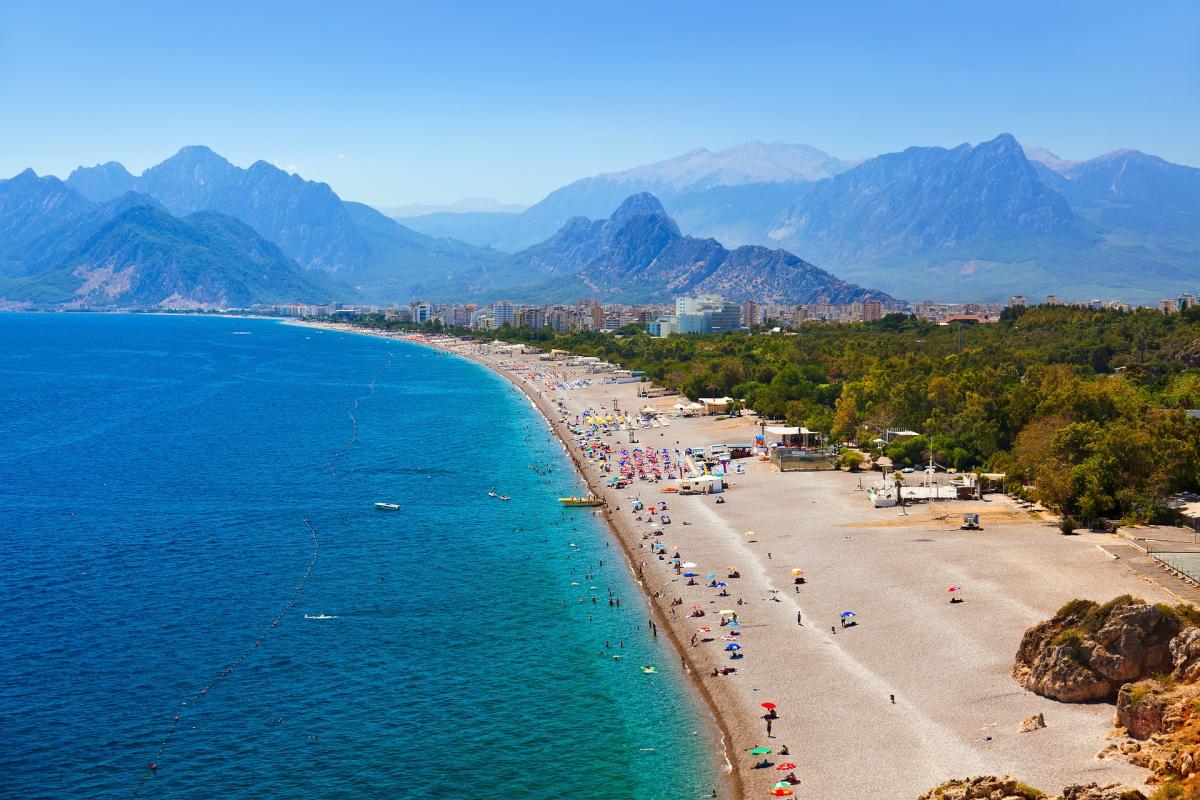
Bodrum Unveiled: A Harmonious Blend of Ancient Wonders, Natural Splendor, and Modern Vibrancy
Bodrum, the jewel of the Turkish Riviera, is a captivating destination where the echoes of a rich and storied past resonate amidst breathtaking natural landscapes and the pulsating energy of modern tourism . Once the site of one of the Seven Wonders of the Ancient World, this port city on the Aegean coast has transformed from a quiet fishing and sponge-diving village into a world-renowned holiday hotspot, all while preserving its unique historical character . This report delves into the harmonious interplay of history, nature, and contemporary attractions that define the enchanting peninsula of Bodrum.
A Journey Through Time: The Enduring Legacy of the Peninsula
Bodrum's history stretches back millennia, encompassing formidable pre-Hellenic civilizations, the grandeur of the Carian kingdom, the drama of Alexander the Great's conquests, and the strategic might of medieval knights . This deep historical tapestry offers visitors a chance to walk through layers of time, from rugged ancient citadels to magnificent castles.
Pedasa: Hiking into the Lelegian Past
Long before Halicarnassus rose to prominence, the Bodrum peninsula was the domain of the Lelegians, a pre-Hellenic people who flourished here between the 11th and 6th centuries B.C. . Nestled in the pine-clad hills just north of modern Bodrum lie the atmospheric ruins of Pedasa, the ancient capital of the Leleges .
- A Warrior Civilization: The Lelegians were renowned as skilled warriors and master builders of fortified hilltop settlements, and Pedasa was a prime example of their craft . Its strategic position atop Gökçeler Hill provided a commanding view of the peninsula, allowing its inhabitants to resist invaders, including the Persians, as noted by the ancient historian Herodotus .
- Archaeological Wonders: A hike along the Pedasa Ancient City Trail reveals a wealth of archaeological remains . Visitors can see the impressive fortification walls, built in the characteristic Lelegian style with massive, unworked stone blocks fitted together without mortar . The centerpiece is the hilltop acropolis, or castle, which offers breathtaking 360-degree panoramic views . Ongoing excavations have also uncovered rock-cut tombs, houses, stone cisterns, and a temple dedicated to Athena, which helped confirm the site's identity .
- An Authentic Experience: The trail, a moderate 60-90 minute round trip, winds through pine forests and wild herbs, offering a peaceful and authentic journey into the past, far from the bustling crowds .
The Glory and Fall of Halicarnassus
Bodrum's most famous ancient incarnation is the Greek city of Halicarnassus, which has a dramatic history of alliances, betrayals, and legendary figures .
The Dorian Foundation and a Fall from Grace: Halicarnassus was established by Dorian Greeks, with tradition holding that settlers from Troezen and Argos in the Peloponnese founded the city . Legend names the founder as Anthes, a son of the sea god Poseidon . As a Dorian colony, it became a member of the Dorian Hexapolis, a religious and cultural federation of six cities that also included Kos, Cnidus, Lindos, Ialysus, and Camirus . The league celebrated its bond with games honoring Apollo at the Triopian sanctuary, where victors were awarded bronze tripods . However, Halicarnassus's membership ended abruptly when a citizen named Agasicles, in an act of sacrilege, took his prize tripod home and nailed it to his wall instead of dedicating it to the god . As a penalty, the other five cities expelled Halicarnassus from the league, which became the Dorian Pentapolis . This exclusion likely fostered a sense of independence that influenced the city's later alignment with the Persian Empire .
The Warrior Queen Artemisia I: In the 5th century BC, Halicarnassus was the seat of power for one of antiquity's most formidable female rulers, Queen Artemisia I of Caria . Ruling around 480 BCE as a vassal of the Persian Empire, she ascended to the throne as regent for her young son, Pisindelis, after her husband's death . As a trusted advisor to King Xerxes I during the second Persian invasion of Greece, she personally commanded a fleet of five ships, noted by Herodotus for their excellence . At the pivotal Battle of Salamis, she was the only commander to advise Xerxes against a naval battle in the narrow straits, warning that the Greeks were superior at sea . During the disastrous Persian defeat that followed, her tactical genius shone through. Pursued by an Athenian ship, she rammed and sank a friendly Persian-allied vessel, deceiving the Athenians into abandoning their chase . Xerxes, observing from the shore and mistaking the sunken ship for an enemy one, famously declared, "My men have become women, and my women, men" . After the battle, Xerxes followed her counsel to retreat to Asia, cementing her legacy as a brilliant and courageous military strategist .
The Mausoleum: A Wonder of the Ancient World: A century later, between 353 and 351 BC, Halicarnassus became home to its most iconic structure. Built as a tomb for Mausolus, a satrap in the Persian Empire, the Mausoleum was a testament to immense wealth and ambition . Designed by Greek architects and adorned with intricate sculptures by the era's most celebrated artists, the colossal structure stood approximately 45 meters high . Its grandeur was such that it was named one of the Seven Wonders of the Ancient World, and its name has since become synonymous with any large, stately tomb . Though it was destroyed by earthquakes between the 12th and 15th centuries, its legacy endures, with only foundations and scattered fragments remaining today .
The Siege of 334 BC: A Test of Alexander's Might: In 334 BC, Alexander the Great arrived at Halicarnassus, a critical Persian naval base that threatened his campaign to conquer Asia Minor . The city was a formidable fortress, protected by powerful walls, a massive moat 45 feet wide, and commanded by the brilliant Greek mercenary general Memnon of Rhodes . The siege that followed was one of the most difficult of Alexander's career . He gained a crucial political advantage by allying with Ada of Caria, the rightful queen who had been deposed . Ada adopted Alexander as her son, giving him a legitimate claim to the region and the support of the local people . After fierce fighting, which included filling the moat to bring up siege towers and repelling daring attacks from the defenders, Alexander's forces breached the walls . Realizing the city was lost, Memnon set fire to his weapon stores and retreated by sea, with the ensuing blaze destroying much of Halicarnassus . Alexander restored Queen Ada to her throne, but the city never fully regained its former splendor .
Bodrum Castle and the Knights of St. John
In the early 15th century, the Knights of St. John began construction of a formidable fortress, the Castle of St. Peter, or Petronium, from which the modern name "Bodrum" is derived .
- A Recycled Wonder: In a fascinating twist of history, the Knights used the polished stone and marble blocks from the ruins of the Mausoleum to fortify the castle walls, embedding the ancient wonder into the very fabric of Bodrum's most prominent landmark .
- Gothic Stronghold: The castle, with its five towers named after the nationalities of the knights who built them, stands as a remarkable example of Gothic architecture . It served as a crucial Christian stronghold for over a century before falling to the Ottoman Empire in 1523 .
The Bodrum Museum of Underwater Archaeology
Today, Bodrum Castle has found a new purpose as the home of the acclaimed Bodrum Museum of Underwater Archaeology . Established in 1964, this world-class museum showcases a remarkable collection of artifacts recovered from ancient shipwrecks in the Aegean Sea, with its 14 exhibition halls housing treasures that span millennia .
The Uluburun Shipwreck: Discovered by a sponge diver in 1982, this wreck from the late 14th century BC is one of the most significant archaeological finds in the world . Its cargo provides an unparalleled window into the Late Bronze Age . The ship was carrying an estimated 20 tons of goods from at least ten different cultures . Key artifacts include:
- Metals for an Empire: Ten tons of copper ingots and one ton of tin ingots, the precise 10:1 ratio needed to make bronze . Analysis shows the tin came from as far away as Uzbekistan, revealing a vast supply chain .
- Luxury and Royal Goods: The earliest known intact glass ingots, ebony logs from Africa, elephant tusks, hippopotamus teeth, and a unique golden scarab bearing the name of Egyptian Queen Nefertiti .
- Trade Goods: Over 150 Canaanite jars filled with terebinth resin (used for incense) and olives .
- The collection demonstrates a thriving and complex maritime trade network linking Egypt, the Levant, the Aegean, and beyond, likely involving royal exchanges .
The Glass Wreck Hall: This hall displays a stunning collection of glass artifacts, including a massive collection of Islamic glass, recovered from a shipwreck that sank in 1025 AD .
The Allure of Nature: From Sun-Drenched Bays to Ecological Sanctuaries
The Bodrum Peninsula is blessed with an abundance of natural beauty, from its rugged coastline dotted with idyllic bays to its crystal-clear turquoise waters . This natural splendor is a cornerstone of Bodrum's appeal, offering a tranquil counterpoint to its vibrant modern life .
A Tapestry of Beaches and Bays
The peninsula is fringed with a diverse array of beaches, each with its own unique character :
- Bitez Beach: A family-friendly haven with soft sands and calm, shallow waters, ideal for water sports .
- Gümüşlük Bay: A serene fishing village known for its tranquil atmosphere and the submerged ruins of the ancient city of Myndos .
- Ortakent Beach: One of the longest and most well-equipped beaches on the peninsula, popular with families .
- Camel Beach (Kargı Bay): Famous for the unique experience of camel rides along its sandy shore .
- Akyarlar Beach: Offering some of the finest sands and clearest waters, this beach provides a peaceful escape with stunning views of the Greek island of Kos .
Exploring the Coast by Boat: The Legacy of the 'Blue Cruise'
One of the most popular ways to experience the natural beauty of the Bodrum Peninsula is by taking a boat trip, a tradition that evolved from the famous "Blue Cruise" or "Mavi Yolculuk" pioneered in the 20th century . Daily tours and private charters on modern gulets ferry visitors to secluded bays and nearby islands, including :
- Orak Island: Often called the "Turkish Maldives" for its stunningly clear turquoise waters, it is a paradise for swimming and snorkeling .
- Black Island (Kara Ada): Known for its mineral-rich hot springs that flow into a grotto, offering a unique therapeutic swimming experience .
- Aquarium Bay: Aptly named for its crystal-clear waters that offer excellent visibility of the marine life below .
Tuzla Wetland: A Sanctuary for Migratory Birds
In stark contrast to the bustling beaches lies the serene and ecologically vital Tuzla Wetland . This lagoon habitat, placed under state protection in 2001, is one of the most important wetlands for migratory birds in the region . Its rich ecosystem provides a crucial stopover point for birds on their long migratory routes .
- Avian Diversity: The wetland hosts thousands of birds from over 230 different species each year .
- Flamingo Paradise: The area is especially renowned for its large population of greater flamingos, which flock to the region in the thousands, creating a spectacular natural display .
- Birdwatching Hub: The abundance of birdlife, including pelicans, herons, and ospreys, makes Tuzla a popular destination for birdwatchers and nature lovers, particularly during the spring and autumn migration seasons .
The Pulse of Modern Bodrum: A Hub of Culture and Glamour
In the latter half of the 20th century, Bodrum began its transformation into the vibrant tourist destination it is today, a process shaped by key cultural figures and visionary development .
The Cultural Architects of Modern Bodrum
Bodrum's evolution from a quiet village to a cultural hotspot was cultivated by influential artists and intellectuals .
- Cevat Şakir Kabaağaçlı and the Birth of the 'Blue Cruise': Known as the "Fisherman of Halicarnassus," the writer Cevat Şakir Kabaağaçlı was exiled to the remote fishing village of Bodrum in 1925 for his political writings . He fell in love with the region's history and natural beauty and began exploring the coastline on simple sponge divers' boats, known as gulets . He invited friends-prominent intellectuals, writers, and artists like Azra Erhat and Sabahattin Eyüboğlu-to join him on these excursions, which became known as "Blue Voyages" or "Mavi Yolculuk" . These were not just leisure trips but journeys of cultural rediscovery, connecting with Anatolia's ancient civilizations . The term "Mavi Yolculuk" was further popularized by Azra Erhat's book of the same name . These early, rustic voyages laid the foundation for a new kind of tourism that has since evolved into a multi-million euro industry .
- Zeki Müren: In the 1980s, the celebrated Turkish artist Zeki Müren, the "Sun of Art," chose the town as his sanctuary . A revolutionary performer with a flamboyant persona, Müren's immense popularity drew national attention to Bodrum, significantly boosting its image as a chic retreat . His former home is now a major cultural landmark, the Zeki Müren Art Museum .
From Artists' Retreat to the "St. Tropez of Turkey"
The artistic foundation laid by Kabaağaçlı and amplified by Zeki Müren helped transform Bodrum into the "St. Tropez of Turkey," a playground for the international jet-set . This evolution is epitomized by the development of world-class facilities that cater to the highest echelons of luxury tourism.
Yalıkavak Marina: The Pinnacle of Modern Luxury
On the peninsula's northwestern coast, the once-sleepy fishing village of Yalıkavak has been transformed into a global symbol of opulence .
- Visionary Development: Opened in 2012 after a major redevelopment, Yalıkavak Marina was designed by award-winning architect Emre Arolat to be a statement of Turkey's presence on the global luxury stage .
- A Superyacht Haven: Consistently voted the "World's Best Superyacht Marina" and holding a "5 Gold Anchors Platinum" rating, it is Turkey's first high-capacity mega-yacht marina . It offers 620 berths and can accommodate the world's largest superyachts, up to 140 meters in length .
- An Ecosystem of Glamour: The marina is a destination in itself, featuring an open-air shopping mall with over 130 luxury boutiques like Dior, Louis Vuitton, and Prada . It hosts a dazzling array of world-famous restaurants such as Nusr-Et and Zuma, two luxury hotels, exclusive beach clubs, and a heliport for seamless travel .
- Cementing Bodrum's Status: Yalıkavak Marina has been instrumental in elevating Bodrum's international reputation, attracting high-profile individuals like Bill Gates and Jeff Bezos and creating a luxury ecosystem that rivals established destinations like Monaco and St. Tropez .
Summary
Bodrum stands as a remarkable example of a destination that has successfully woven together the threads of its rich history, stunning natural environment, and the demands of modern tourism . The historical narrative is exceptionally deep, stretching from the pre-Hellenic Lelegian civilization at Pedasa to the classical grandeur of Halicarnassus . The city's ancient story begins with its founding by Dorian Greeks and its subsequent expulsion from the Dorian Hexapolis over an act of sacrilege . It was the seat of power for the formidable Queen Artemisia I, who famously served as a naval commander for Xerxes at the Battle of Salamis . Halicarnassus is also famed for its Mausoleum, one of the Seven Wonders of the Ancient World, and as the site of a dramatic siege by Alexander the Great in 334 BC . The imposing Bodrum Castle, built with stones from the Mausoleum, now houses the world-renowned Museum of Underwater Archaeology, which offers a tangible connection to the deep past through finds like the 14th-century BC Uluburun shipwreck .
This profound historical backdrop is set against a landscape of exceptional natural beauty . The peninsula's sun-drenched beaches and azure bays offer a classic Mediterranean paradise, while the nearby Tuzla Wetland provides a vital, protected sanctuary for thousands of migratory birds, including vast flocks of flamingos, showcasing a quieter side of the region's natural wealth .
The town's evolution into a modern tourism powerhouse was shaped by key cultural figures. The writer Cevat Şakir Kabaağaçlı, exiled to Bodrum in 1925, pioneered the "Blue Cruise" (Mavi Yolculuk) with his intellectual friends, transforming simple boat trips into cultural explorations that laid the groundwork for a major tourism industry . Later, the artist Zeki Müren's presence further cemented Bodrum's status as a chic, artistic haven . This unique cultural foundation paved the way for Bodrum's current reputation as the "St. Tropez of Turkey," a status epitomized by the world-acclaimed Yalıkavak Marina . As a hub for superyachts and home to the world's most prestigious luxury brands, the marina symbolizes the pinnacle of modern Bodrum's glamour .
In essence, Bodrum's success lies in its ability to offer a multifaceted experience. It is a place where one can spend the morning hiking among 3,000-year-old ruins, the afternoon marveling at a 3,400-year-old shipwreck's cargo, and the evening dining at a world-class restaurant overlooking a marina of superyachts . This harmonious blend of deep history, diverse nature, and culturally-rich modernity is what makes Bodrum a truly unique and captivating destination.
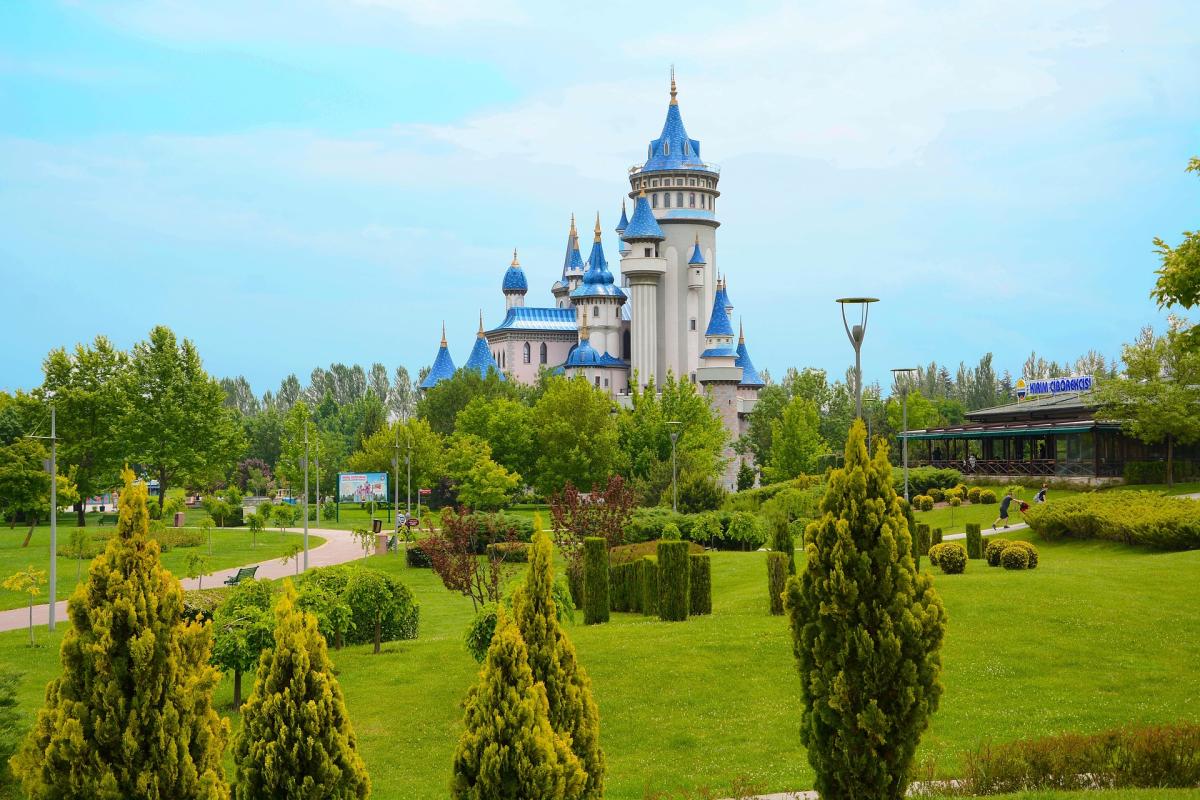
Welcome to Eskişehir! Often called the Student City or the Venice of Anatolia, this vibrant and modern city in northwestern Turkey is a delightful surprise for many travelers . With the picturesque Porsuk River flowing through its heart, a youthful energy fueled by its large university population, and...
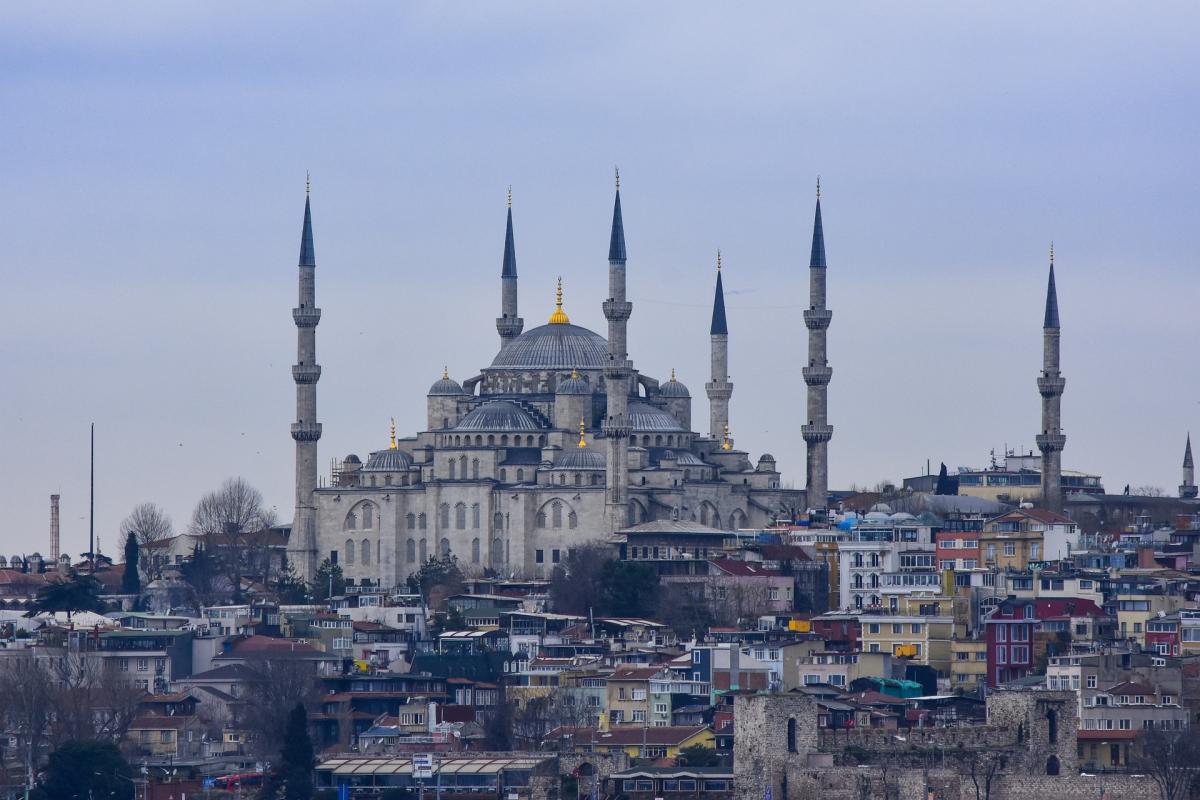
For the Toronto resident with a heart set on the historic and vibrant landscapes of Turkey, a journey of discovery awaits. This guide provides a comprehensive overview for planning your Turkish adventure, from pre-departure preparations in Toronto to immersing yourself in the rich culture, iconic destinations,...

Konya, a city that resonates with deep historical and spiritual significance, invites travelers to explore its rich Seljuk heritage and the profound legacy of the poet and mystic, Rumi . Located in Turkeys Central Anatolia region, Konya is a captivating blend of ancient mosques, traditional bazaars,...