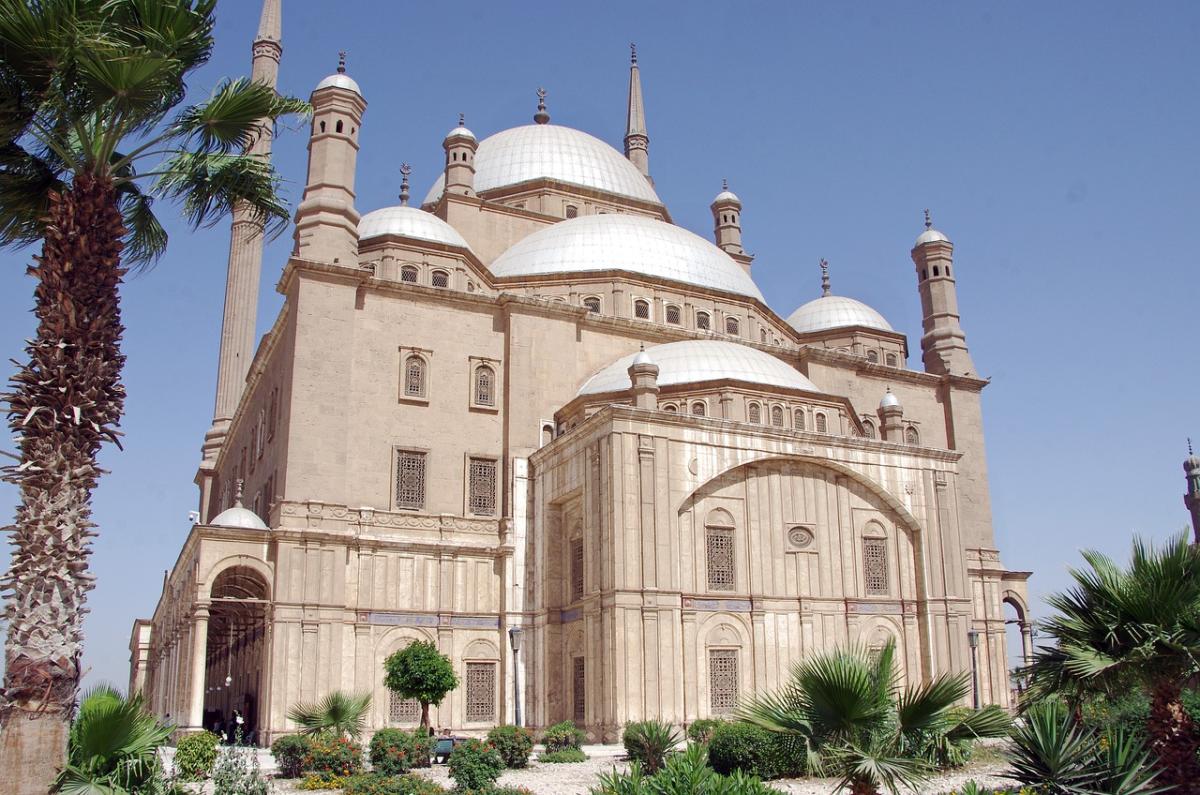
What Makes the Citadel of Cairo One of Egypt’s Most Remarkable Historic Landmarks?
High above the crowded streets, centuries-old mosques, traditional markets, and sprawling neighborhoods of Egypt’s capital stands the Citadel of Cairo, a magnificent fortress that once served as the political and military heart of the country. Known locally as Qala'at Salah al-Din, or the Citadel of Saladin, this extraordinary complex has watched over Cairo since the late twelfth century, bearing witness to the rise and fall of dynasties, struggles for political supremacy, architectural transformations, and the emergence of modern Egypt.
Although its imposing stone walls recall its medieval military origins, the Citadel is considerably more than a defensive stronghold. Within its extensive grounds are historic mosques, royal residences, museums, courtyards, towers, and remarkable examples of medieval engineering. Each generation of Egyptian rulers left something of its character behind, gradually transforming the fortress into an architectural record of the country's Islamic history.
Today, the Citadel remains one of Cairo's most rewarding cultural attractions. Its elevated position on the Mokattam Hills provides sweeping views across the Egyptian capital, while its monuments offer an opportunity to explore more than eight centuries of history within a single complex. It also forms an integral part of Historic Cairo, which was inscribed on the World Heritage List in 1979.
The Origins of the Citadel of Cairo
Saladin and the Defense of Medieval Egypt
The story of the Citadel begins with Salah al-Din Yusuf ibn Ayyub, better known internationally as Saladin, the founder of the Ayyubid dynasty and one of the most influential military and political figures of the medieval Islamic world.
During the late twelfth century, Egypt occupied a strategically important position in the eastern Mediterranean. Political instability and the continuing threat posed by the Crusades made the defense of Cairo a pressing concern. Saladin recognized that a powerful, centrally located fortress could strengthen the capital's defenses while providing a secure base for military and governmental operations.
In 1176, he ordered the construction of a fortified complex on a rocky elevation belonging to the Mokattam Hills. Responsibility for much of the construction was entrusted to Baha al-Din Qaraqush, one of Saladin's trusted officials.
The location was carefully chosen. Rising above the surrounding urban landscape, the rocky hill offered natural defensive advantages that would have been difficult to reproduce on the relatively flat terrain below. Its commanding position also gave the fortress considerable symbolic importance, establishing a conspicuous physical presence above the city it was intended to protect.
Saladin's broader vision involved integrating Cairo's defenses into a more comprehensive system of fortifications. The Citadel would occupy a central place within this ambitious undertaking, protecting the capital and reinforcing the authority of the new Ayyubid administration.
Completion Under Sultan al-Kamil
Despite the importance of the project, Saladin did not live to see the entire fortress completed. His successors continued developing the complex, and by 1207, under Sultan al-Kamil, it had become the official residence of Egypt's rulers.
This marked a decisive turning point in the history of the Citadel. What had begun primarily as a military construction project evolved into a royal and administrative center. Over the following centuries, its grounds would accommodate palaces, religious buildings, military installations, government offices, and facilities necessary to sustain a substantial permanent population.
The transformation was so enduring that successive Egyptian governments continued to operate from the Citadel until the nineteenth century.
Why the Citadel Was Built on the Mokattam Hills
Geography played an essential role in the development of the fortress. The Mokattam Hills rise along the eastern side of Cairo, providing a natural vantage point over the surrounding region.
For medieval military planners, such a position offered several advantages:
- Greater visibility across the surrounding territory.
- Natural protection provided by steep and rocky terrain.
- Improved defensive capabilities against potential attacks.
- A commanding position overlooking important urban districts.
- Separation between the royal administration and the densely populated city below.
The advantages were psychological as well as military. A fortress visible from considerable distances communicated political authority and permanence. For generations of Cairo's inhabitants, the Citadel was a daily reminder of the institutions governing their city.
Even today, its elevated position remains among its most compelling characteristics. The relationship between the fortress and the city below is central to understanding both its original purpose and its enduring presence in Cairo's urban landscape.
The Architectural Design of the Fortress
Unlike a monument constructed during a single historical period, the Citadel reflects centuries of architectural experimentation, expansion, and reconstruction. Its buildings belong to several different traditions, most notably Ayyubid, Mamluk, Ottoman, and nineteenth-century Egyptian architecture.
Massive Defensive Walls and Towers
The oldest surviving portions of the Citadel reflect medieval military engineering. Substantial masonry walls and fortified towers were designed to withstand attacks while taking advantage of the natural contours of the rocky terrain.
The complex was subsequently expanded and reorganized as Egypt's rulers developed new requirements for defense, administration, and royal accommodation.
Architectural studies distinguish between several major phases of construction, revealing that the fortress was never a static structure. Its organization changed alongside the political institutions it housed.
The northern enclosure was principally associated with military functions, while the southern enclosure developed into an important royal and ceremonial district. This division illustrates how medieval rulers accommodated both the practical demands of security and the elaborate requirements of courtly life.
A Self-Sufficient Fortified City
One of the most interesting aspects of the Citadel was its gradual development into something resembling a small city.
Beyond its defensive walls, it needed to accommodate soldiers, rulers, officials, servants, craftsmen, religious personnel, and other inhabitants. Maintaining such a community required reliable infrastructure and carefully organized spaces.
Religious buildings stood alongside military facilities, while royal residences and ceremonial halls occupied prominent locations. The complex became a concentrated expression of the political, religious, and social hierarchy of medieval Egypt.
Its surviving monuments represent only part of this once extensive architectural environment. Many important medieval buildings disappeared during later reconstruction projects, leaving historians to reconstruct their appearance and functions through archaeological remains and written records.
Joseph’s Well: An Extraordinary Achievement of Medieval Engineering
Water supply presented one of the greatest practical challenges facing the Citadel's builders. Although its elevated location was excellent for defense, it was considerably less convenient for obtaining water.
To address this problem, Saladin commissioned the construction of a remarkable well known as Bir Yusuf, or Joseph's Well. Its name refers to Saladin's own given name, Yusuf, rather than the biblical prophet commonly associated with the name Joseph.
Excavated directly into the rock, the well reaches a depth of approximately 90 meters. Its ingenious design incorporates two levels, a descending spiral passage, ventilation openings, and water-lifting mechanisms originally powered by animals.
Water wheels raised the water in stages, allowing it to be brought upward from considerable depths. The spiral passage provided access to the interior of the structure, demonstrating the considerable technical knowledge available to medieval Egyptian engineers.
The well was not, however, a complete solution to the fortress's water requirements. Historical accounts suggest that its water quality deteriorated after further excavation encountered a saline source.
Additional infrastructure was therefore developed to transport water from the Nile. The system was expanded during the Mamluk period, eventually contributing to the development of the historic Cairo Citadel Aqueduct.
Joseph's Well offers an important reminder that the survival of a medieval fortress depended as much on engineering and logistics as it did on thick walls and military strength.
The Citadel During the Mamluk Sultanate
The Mamluk period, extending from 1250 to 1517, represented one of the most important chapters in the architectural history of Cairo.
Under the Mamluks, the Egyptian capital developed into a major center of commerce, religious scholarship, political influence, and artistic achievement. The Citadel reflected this prosperity, becoming an increasingly elaborate seat of government.
Rather than abandoning the structures inherited from their Ayyubid predecessors, the Mamluk sultans adapted and expanded them. New palaces, ceremonial buildings, religious monuments, and administrative facilities transformed the southern enclosure into a sophisticated royal district.
The reign of Sultan al-Nasir Muhammad ibn Qalawun was particularly influential. His extensive building projects reshaped the fortress and established architectural models associated with Mamluk royal authority.
The Lost Grandeur of the Mamluk Palaces
Visitors exploring the Citadel today might be surprised to learn how much of its medieval royal architecture has disappeared.
Among the most important structures associated with the Mamluk court were elaborate palatial buildings and ceremonial halls designed to accommodate official gatherings, diplomatic receptions, and the complex rituals of royal government.
These buildings were not simply luxurious residences. Their arrangement reflected distinctions between public authority, private royal life, and the hierarchical organization of the Mamluk elite.
Much of this architectural heritage was subsequently demolished or replaced. The disappearance of the medieval palaces makes surviving chronicles and archaeological evidence particularly valuable for understanding the Citadel's former appearance.
The Mosque of Sultan al-Nasir Muhammad
Among the Citadel's surviving medieval buildings, the Mosque of Sultan al-Nasir Muhammad stands out for its historical significance and distinctive architectural character.
Originally commissioned in 1318 and substantially rebuilt in 1335, the mosque served as the principal royal place of worship during the Mamluk period.
Its design differs considerably from the nineteenth-century Muhammad Ali Mosque nearby. A spacious open courtyard forms the center of the building, surrounded by covered arcades supported by columns. Its architectural arrangement creates a sense of balance and openness rather than relying on an overwhelmingly monumental interior.
The mosque's most distinctive external features are its two minarets. Their unusual decorative forms reflect architectural influences from the eastern Islamic world, while green glazed tiles once adorned important sections of the building.
Inside, geometric ceiling decorations and inscriptions commemorate the building's religious and royal associations.
Despite being overshadowed in many contemporary travel itineraries by the larger Muhammad Ali Mosque, this medieval structure deserves close attention. It preserves an architectural tradition that flourished in Cairo centuries before the introduction of Ottoman imperial design.
The Ottoman Transformation of the Citadel
The Ottoman conquest of Egypt in 1517 introduced another important chapter in the fortress's history.
Although Egypt became part of the Ottoman Empire, the Citadel continued to function as a center of government and military administration. Its buildings were adapted to accommodate the requirements of Ottoman governors and military institutions.
The architectural influence of the new rulers became increasingly apparent through the construction of mosques featuring domes, slender minarets, and decorative traditions associated with Ottoman religious architecture.
The Mosque of Sulayman Pasha
Completed in 1528, the Mosque of Sulayman Pasha al-Khadim occupies an important position in the architectural history of Egypt.
Commissioned by an Ottoman governor during the reign of Sultan Suleiman the Magnificent, it was constructed on the site of an earlier Fatimid mosque. It is recognized as the first Ottoman-style mosque built in Egypt.
The building was intended to serve members of the Janissary military corps stationed within the Citadel's northern enclosure.
Its domed prayer hall, courtyard, and covered arcades introduced architectural forms that contrasted with established Mamluk traditions. Compared with the vast Muhammad Ali Mosque constructed three centuries later, it is relatively modest in scale, but its historical importance is substantial.
For visitors interested in Islamic architecture, the opportunity to examine Mamluk and Ottoman religious buildings within the same fortress provides an unusually accessible introduction to the evolution of mosque design.
Muhammad Ali Pasha and the Birth of Modern Egypt
Few individuals changed the appearance and political significance of the Citadel as dramatically as Muhammad Ali Pasha.
Having become governor of Egypt in 1805, Muhammad Ali pursued an ambitious program of political consolidation, military reform, economic development, and administrative modernization.
The Citadel became closely associated with his government and the establishment of a dynasty that would continue ruling Egypt until the twentieth century.
One of the darkest episodes associated with his consolidation of power was the massacre of Mamluk leaders in 1811. The event severely weakened his principal domestic rivals and marked a decisive shift in Egypt's political landscape.
Muhammad Ali's influence was equally apparent in the physical transformation of the fortress. Medieval structures were replaced by new buildings that reflected his ambitions and the architectural preferences of the nineteenth century.
The most visible expression of these changes remains the magnificent mosque that bears his name.
The Muhammad Ali Mosque: Cairo’s Iconic Alabaster Mosque
Dominating the skyline of the Citadel, the Mosque of Muhammad Ali is undoubtedly the complex's most recognizable monument.
Construction began around 1830 and continued through much of the following two decades. Built on the site of former Mamluk palaces, the mosque represented a significant departure from the medieval architectural traditions that had previously characterized the fortress.
Its design drew heavily upon the imperial Ottoman mosques of Istanbul, incorporating an enormous central dome, cascading semi-domes, monumental interior spaces, and two exceptionally slender minarets.
The Architectural Inspiration Behind the Mosque
The mosque's Ottoman character was a deliberate architectural choice.
Its principal sanctuary consists of a large square space covered by a central dome and surrounded by four semi-domes. This arrangement creates a unified interior in which the architectural elements direct attention upward toward the impressive vaulted ceiling.
The adjoining courtyard is surrounded by domed arcades, creating a transition between the open exterior and the monumental prayer hall.
Such architectural choices reflected Muhammad Ali's aspirations to establish a powerful and recognizable political identity. Although his government increasingly operated independently of Ottoman authority, the mosque adopted the monumental language of Ottoman imperial architecture.
Why It Is Called the Alabaster Mosque
The building's popular name derives from the extensive use of pale alabaster cladding on its walls.
The polished stone lends the mosque a distinctive appearance, particularly when sunlight reaches its exterior surfaces. Inside, the combination of decorative stonework, elaborate ceilings, suspended lighting, and monumental proportions creates an atmosphere quite different from that of Cairo's earlier medieval mosques.
Its twin minarets reach approximately 84 meters in height, reinforcing the building's prominence above the Egyptian capital.
The Tomb of Muhammad Ali Pasha
The mosque also contains the tomb of Muhammad Ali himself. Following his death in 1849, he was buried within the building he had commissioned.
His burial established an enduring association between the monument and the dynasty he founded. The mosque consequently serves not only as a place of worship but also as an architectural memorial to one of the most consequential periods in Egypt's modern history.
Al-Jawhara Palace and the Royal Lifestyle
Standing near the Muhammad Ali Mosque is Al-Jawhara Palace, sometimes called the Jewel Palace or Gawhara Palace.
Constructed in 1814, the building served important residential and ceremonial functions during Muhammad Ali's rule. Its reception spaces accommodated visitors, while its residential areas were associated with the governmental elite.
Unlike the defensive architecture of the older fortress, the palace reflects the growing importance of diplomatic hospitality and elaborate interior decoration within nineteenth-century Egyptian court culture.
The building was eventually converted into a museum, preserving elements of the royal environment associated with Muhammad Ali's administration.
Access to individual historic buildings can change because of restoration projects and conservation requirements, so travelers particularly interested in the palace should confirm its availability before visiting.
The Museums Inside the Cairo Citadel
Although the mosques and fortifications receive most of the attention, the Citadel's museums provide additional perspectives on Egyptian history.
The National Military Museum
The National Military Museum occupies the former Al-Haram Palace, a building historically associated with Muhammad Ali and his family.
Established at its present location in 1949, the museum examines the development of Egyptian military institutions across different historical periods.
Its exhibitions explore military organization, historical conflicts, uniforms, historical documents, and other aspects of the country's military heritage.
The museum's setting is especially appropriate. Housed inside a former royal residence within Egypt's most historically significant military fortress, its architecture adds another dimension to the material on display.
The National Police Museum
The National Police Museum occupies part of the Citadel's northern section. Its exhibitions focus on the development of Egyptian policing, law enforcement, and public security.
Inaugurated in 1986, the museum provides a different perspective on the country's institutional history, examining the role of policing in Egyptian society.
Although it may be of more specialized interest than the principal mosques, it offers an additional reason to explore the less frequently visited sections of the fortress.
The Archaeological Garden Museum
The Citadel also contains an open-air archaeological collection featuring architectural fragments and historical objects from different periods.
Columns, capitals, inscribed tombstones, historical doors, and other surviving elements illustrate the craftsmanship associated with Ayyubid, Mamluk, and Ottoman construction.
These objects are particularly interesting when considered alongside the extensive architectural losses experienced by the Citadel over the centuries. Even relatively small surviving fragments can reveal aspects of decorative traditions and buildings that no longer exist in their original form.
The End of the Citadel as Egypt’s Seat of Government
For more than six centuries, the Citadel occupied a central position in Egyptian political life. Its role eventually changed during the nineteenth century, as Cairo underwent substantial modernization.
Khedive Ismail, whose ambitions included transforming the capital into a modern imperial city, relocated the official governmental residence to Abdeen Palace in downtown Cairo.
By 1874, this transition had effectively brought an end to the Citadel's long-standing position as the principal headquarters of Egyptian government.
The change reflected a broader transformation in political priorities and urban development. The secluded medieval fortress was no longer considered the most suitable setting for the administration of an increasingly modernized state.
Nevertheless, its historical importance remained undiminished. Its buildings continued to reflect the accumulated legacy of the numerous governments that had occupied the site.
The Panoramic Views from the Citadel
The experience of visiting the Citadel is inseparable from its extraordinary relationship with Cairo's geography.
From its elevated terraces, the city unfolds in a vast panorama of residential districts, historic neighborhoods, religious monuments, contemporary buildings, and densely packed streets.
The contrast between the fortress's relatively open courtyards and the enormous urban landscape below is striking. From this vantage point, Cairo's architectural diversity becomes particularly apparent. Medieval minarets rise among modern apartment buildings, while historic religious complexes occupy spaces within the continuously expanding metropolis.
On particularly clear days, visibility may extend far enough to reveal the distant pyramids on the western horizon, although atmospheric haze frequently limits such views.
Beyond its appeal as a sightseeing experience, the panorama helps explain why Saladin originally selected this location. The strategic advantages of the hill become far more apparent when the surrounding landscape can be observed from above.
The Citadel and the Cultural Heritage of Historic Cairo
The Citadel forms part of a much larger architectural and cultural environment encompassing some of the most remarkable surviving monuments of the Islamic world.
Historic Cairo was inscribed on the World Heritage List in 1979 in recognition of its exceptional historical, architectural, and urban significance.
Its heritage extends beyond individual mosques and palaces to include traditional neighborhoods, commercial streets, religious institutions, burial grounds, historic infrastructure, and surviving examples of urban craftsmanship.
Within this environment, the Citadel occupies a particularly important position because of its long association with political authority.
Its architecture brings together traditions that developed over several centuries, allowing historians to examine the changing relationship between religion, government, military organization, and urban life.
The fortress is consequently important not only as an Egyptian national monument but also as an exceptional example of the development of Islamic architecture and political institutions.
Restoration and the Preservation of the Citadel
Preserving a complex of this size and age presents considerable challenges.
Historic masonry, decorative stonework, wooden elements, inscriptions, and other architectural materials require careful maintenance. Environmental pollution, weathering, urban development, and the demands of tourism further complicate conservation efforts.
Restoration projects have sought both to protect surviving monuments and to improve public access to previously inaccessible areas.
In February 2024, the historic Al-Ramla and Al-Haddad towers were opened to visitors following extensive restoration work. Conservation measures included repairing damaged masonry, maintaining staircases and stone floors, and installing protective features for visitors.
These projects have broadened the experience of visiting the Citadel, allowing greater appreciation of its medieval military architecture alongside its better-known religious monuments.
The preservation of the fortress remains an ongoing undertaking rather than a completed achievement. Its future depends on balancing archaeological conservation with responsible tourism and the wider development of Historic Cairo.
Visiting the Citadel of Cairo: Essential Travel Information
Where Is the Citadel Located?
The Citadel stands in the Al-Qalaa district, within the Khalifa administrative area of Cairo, near the Mokattam Hills.
It is accessible from several major districts of the Egyptian capital. Taxis, ride-hailing services, organized sightseeing tours, and private transportation are generally convenient options for reaching the complex.
Given Cairo's often unpredictable traffic, visitors should allow additional travel time, especially when arranging several sightseeing activities on the same day.
Opening Hours and Admission Fees
As of November 2026, the published admission fees and seasonal entry schedules are as follows:
Visitor category | Admission fee |
|---|---|
International adult visitors | EGP 550 |
International students | EGP 275 |
Egyptian adults | EGP 60 |
Egyptian students | EGP 30 |
Children under six | Free |
Visiting period | Opening time | Last admission |
|---|---|---|
Summer | 9:00 AM | 4:00 PM |
Winter | 8:00 AM | 4:00 PM |
Ramadan | 8:00 AM | 3:30 PM |
The official monuments information page also publishes a general daily schedule of 8:00 AM to 5:00 PM, while the ticketing platform distinguishes between seasonal opening times and final admission.
Visitors should therefore confirm the applicable schedule before traveling. Admission prices, individual museum arrangements, and monument accessibility may also change. Students requesting discounted admission must provide valid identification and satisfy the applicable age requirements.
How Much Time Should You Spend at the Citadel?
A brief visit concentrating on the Muhammad Ali Mosque and the principal viewpoints can generally be completed within approximately 90 minutes.
However, allowing two to three hours provides a considerably more rewarding experience. This gives visitors sufficient time to appreciate the major mosques, explore the accessible fortifications, examine architectural details, and visit at least one museum.
Travelers with a particular interest in medieval history, Islamic architecture, or military engineering may prefer to dedicate half a day to the complex.
The Best Time of Year to Visit
The cooler months between October and April are generally more comfortable for exploring Cairo's outdoor historical attractions.
During summer, the Citadel's extensive open spaces can become particularly hot around midday. Visiting shortly after opening is often preferable, providing more comfortable temperatures and an opportunity to explore the buildings before the busiest part of the day.
Winter mornings offer pleasant conditions for walking, although atmospheric haze may occasionally affect panoramic visibility.
What to Wear When Visiting the Citadel
Since the complex contains important religious buildings, visitors should dress respectfully.
Clothing that covers the shoulders and knees is advisable, and travelers should be prepared to remove their shoes when entering designated mosque interiors. Carrying a lightweight scarf may also be useful if head coverings are requested.
Comfortable walking shoes are essential because parts of the complex contain uneven stone surfaces, staircases, and considerable changes in elevation.
Visitors should also consider bringing drinking water, sunscreen, and a hat, particularly during the warmer months.
Travelers with limited mobility should check accessibility arrangements in advance, as some historic structures and elevated sections may be difficult to navigate.
The Best Attractions Near the Citadel of Cairo
One of the advantages of visiting the Citadel is its proximity to several other exceptional historical landmarks.
The Mosque and Madrasa of Sultan Hassan
Located below the fortress, the Mosque and Madrasa of Sultan Hassan ranks among the most impressive examples of Mamluk religious architecture.
Constructed during the fourteenth century, the complex combines monumental proportions with spaces dedicated to religious education and worship.
Its imposing entrance, enormous courtyard, and architectural organization illustrate the remarkable scale achieved by Mamluk builders during one of Cairo's most prosperous periods.
Visiting this monument alongside the Citadel provides a deeper understanding of the relationship between royal patronage and religious architecture.
Al-Rifa’i Mosque
Standing opposite the Sultan Hassan Mosque, Al-Rifa'i Mosque belongs to a considerably later historical period.
Its construction during the nineteenth and early twentieth centuries reflects a renewed interest in monumental Islamic architectural traditions. Although it stands beside a medieval building, its design represents the architectural ambitions of modern Egypt's ruling elite.
The proximity of the two mosques creates a fascinating comparison between buildings separated by several centuries but connected through their architectural inspiration.
Salah al-Din Square
Situated beneath the Citadel, Salah al-Din Square has long played an important role in the history of Cairo.
During the Mamluk period, the area served various ceremonial and recreational functions, including equestrian activities associated with the royal court.
Today, the square provides access to several important monuments and offers a useful starting point for exploring the historic neighborhoods surrounding the fortress.
Al-Darb al-Ahmar and Historic Cairo
Travelers wishing to continue their exploration can venture into the historic districts surrounding the Citadel, particularly Al-Darb al-Ahmar.
The neighborhood preserves elements of Cairo's traditional urban character, including historic religious buildings, narrow streets, residential architecture, and longstanding commercial activities.
Exploring these districts after visiting the fortress provides a valuable contrast between monumental royal architecture and the everyday urban environment that developed around it.
Fascinating Facts About the Citadel of Cairo
Feature | Historical significance |
|---|---|
Foundation | Construction began in 1176 under Saladin. |
Original dynasty | Ayyubid dynasty |
Royal occupation | Established as a royal residence under Sultan al-Kamil in 1207 |
Strategic location | An elevated rocky spur of the Mokattam Hills |
Governmental importance | Served as the seat of Egyptian rulers for more than six centuries |
Joseph's Well | Approximately 90 meters deep |
Al-Nasir Muhammad Mosque | Originally constructed in 1318 and rebuilt in 1335 |
Sulayman Pasha Mosque | Constructed in 1528 as Egypt's first Ottoman-style mosque |
Muhammad Ali Mosque | A monumental nineteenth-century Ottoman-style religious building |
Al-Jawhara Palace | Constructed in 1814 |
End of principal governmental role | Nineteenth-century relocation to Abdeen Palace |
World Heritage status | Part of Historic Cairo, inscribed in 1979 |
The diversity of these historical features illustrates the extraordinary chronological range of the Citadel's architectural heritage. Few individual complexes in Egypt provide such a concentrated record of successive Islamic dynasties and changing governmental institutions.
Frequently Asked Questions About the Citadel of Cairo
Who built the Citadel of Cairo?
The fortress was commissioned by Saladin in 1176. Construction continued under his successors, and Sultan al-Kamil established it as the official royal residence in the early thirteenth century.
Is the Cairo Citadel the same as the Saladin Citadel?
Yes. Both names refer to the same historic fortress. It is also known as the Citadel of Salah al-Din and the Citadel of the Mountain.
Is the Muhammad Ali Mosque part of the original fortress?
No. Although located within the medieval Citadel, the Muhammad Ali Mosque was constructed during the nineteenth century, more than 650 years after Saladin began building the fortress.
Can visitors see the pyramids from the Cairo Citadel?
The elevated position of the Citadel offers extensive views across Cairo. On exceptionally clear days, the distant pyramids may be visible, although haze and atmospheric conditions often restrict visibility.
Is the Citadel of Cairo worth visiting?
Absolutely. Its combination of medieval fortifications, religious architecture, royal history, museums, engineering achievements, and panoramic views makes it one of the most rewarding historical attractions in Cairo.
It is especially worthwhile for travelers who want to discover Egyptian history beyond the pharaonic monuments of Giza and Luxor.
How old is the Citadel of Cairo?
Construction began in 1176, making its original foundations approximately 850 years old in 2026. Many of the buildings within the complex, however, belong to later historical periods.
Is the Cairo Citadel a UNESCO World Heritage Site?
The Citadel is an integral component of Historic Cairo, which was inscribed on the World Heritage List in 1979. It is not listed as a separate, independent World Heritage property.
Is the Citadel suitable for a family visit?
The fortress offers a varied sightseeing experience that can appeal to families interested in history, architecture, and panoramic views. Its spacious courtyards provide opportunities to explore at a relaxed pace, although parents should remain attentive around stairs, uneven surfaces, and elevated sections.
Final Thoughts
The Citadel of Cairo is much more than an impressive fortress overlooking one of the world's largest and most historically significant cities. It is a remarkable concentration of Egyptian history, preserving the ambitions, achievements, artistic traditions, and political transformations of generations of rulers.
From Saladin's medieval defensive vision and the architectural sophistication of the Mamluks to the Ottoman influence and Muhammad Ali's nineteenth-century reforms, the complex reveals how successive societies reshaped the same remarkable location according to their changing needs.
Its enduring appeal lies in this combination of continuity and transformation. The medieval walls remain, yet the buildings within them tell vastly different stories. A short walk can carry visitors between architectural traditions separated by hundreds of years, each representing a distinct chapter in Egypt's development.
For anyone seeking to understand Cairo beyond its famous pyramids, bustling markets, and contemporary urban landscape, the Citadel is an essential destination. Standing above the city, surrounded by centuries of accumulated history, it offers a rare opportunity to appreciate how Egypt's medieval past helped shape the nation that exists today.
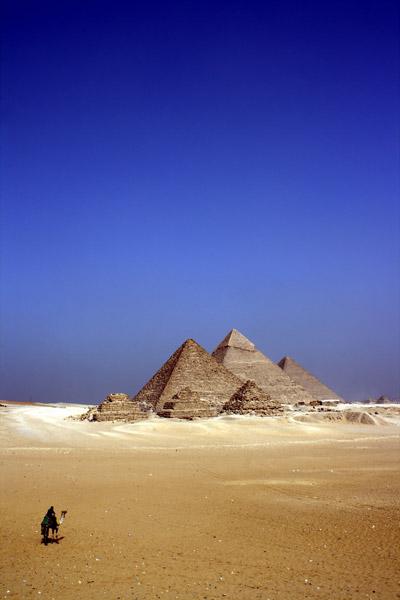
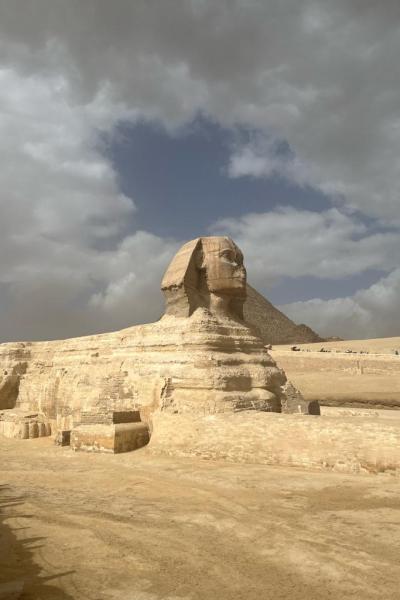
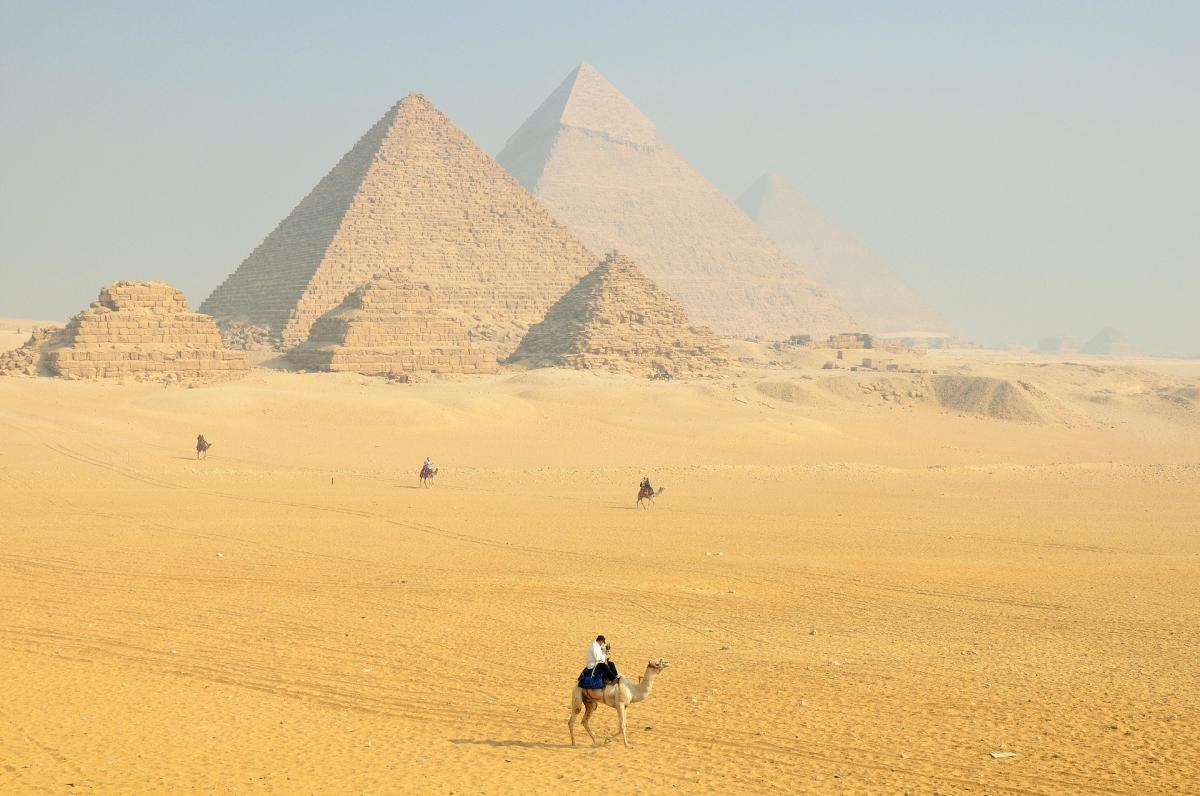
On the western bank of the Nile, where the sprawling neighborhoods of modern Cairo give way to the desert, stand three monuments that have fascinated humanity for more than four thousand years. The Pyramids of Giza have survived the rise and fall of empires, religious transformations, invasions, natural...

On the western edge of the Nile Valley, where the fertile land gradually gives way to the vast Egyptian desert, lies one of the most extraordinary archaeological landscapes in the world. Saqqara, the ancient burial ground of Memphis, is a place where nearly every chapter of Egyptian civilization seems...
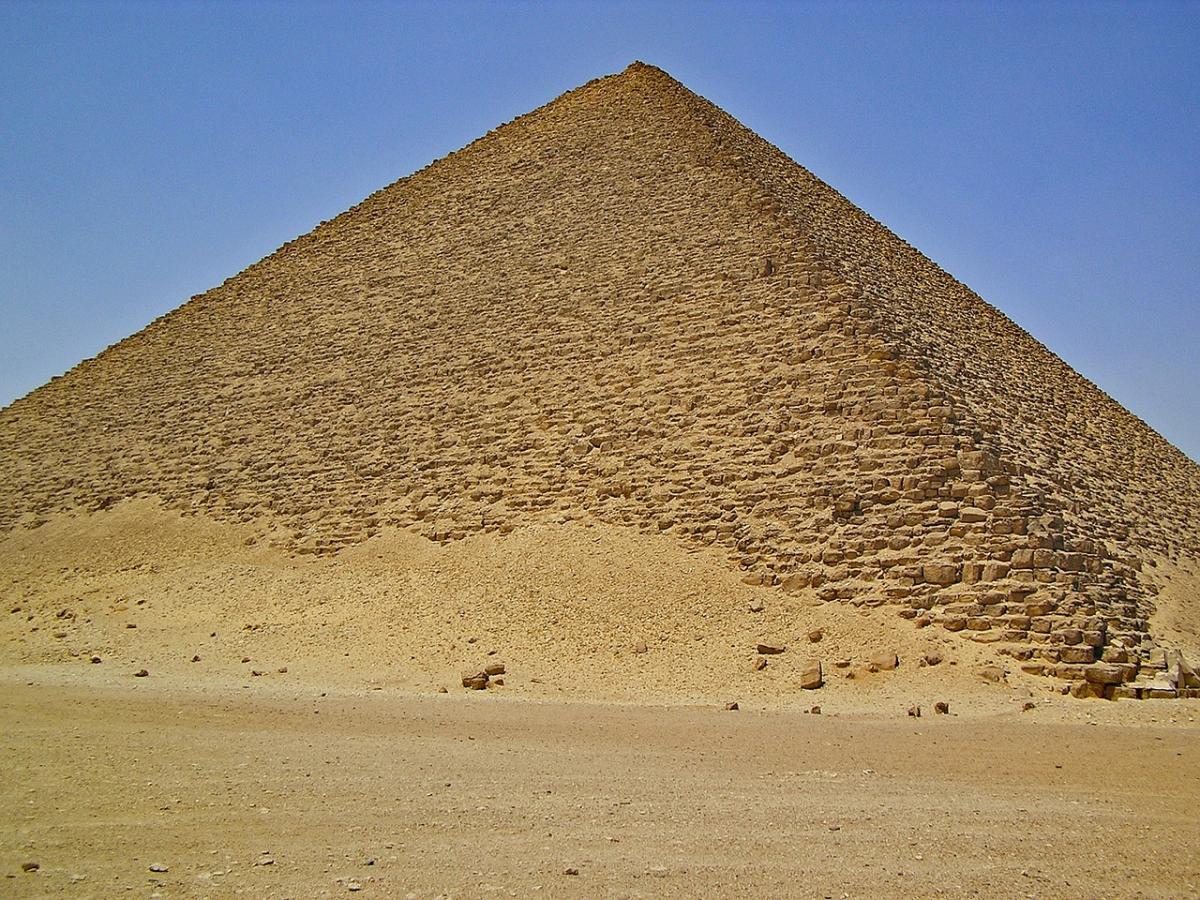
Nestled in the desert on the west bank of the Nile River, approximately 40 kilometers south of Cairo, lies the ancient royal necropolis of Dahshur. This significant archaeological site, part of the larger Memphis necropolis and a UNESCO World Heritage Site, is a testament to the architectural ingenuity...