
What Makes Saqqara So Important? Exploring the Step Pyramid and the Ancient Necropolis Beyond It
On the western edge of the Nile Valley, where the fertile land gradually gives way to the vast Egyptian desert, lies one of the most extraordinary archaeological landscapes in the world. Saqqara, the ancient burial ground of Memphis, is a place where nearly every chapter of Egyptian civilization seems to have left its mark. Its monuments range from the earliest monumental stone structures to elaborate royal pyramids, richly decorated tombs, underground burial galleries, and temples dedicated to the gods.
Most visitors associate Saqqara with the famous Step Pyramid of King Djoser, a structure that transformed the history of architecture and helped establish the foundations of Egypt's pyramid-building tradition. Yet the pyramid is only the beginning of the story. Across this extensive necropolis, archaeologists have uncovered evidence of royal ambition, religious transformation, artistic achievement, and everyday life spanning thousands of years.
Recognized as part of the UNESCO World Heritage property known as Memphis and its Necropolis - the Pyramid Fields from Giza to Dahshur, Saqqara offers an exceptional opportunity to understand how ancient Egyptians viewed death, kingship, and the journey into the afterlife. It is not simply a collection of ancient monuments; it is a remarkable historical record of a civilization that continually reinvented its traditions while maintaining a profound connection with its past.
Where Is Saqqara and Why Was It Chosen as a Royal Cemetery?
Saqqara lies approximately 40 kilometres southwest of modern Cairo, on the western side of the Nile Valley. It occupies part of the desert plateau overlooking the ancient city of Memphis, one of the most influential political, administrative, and religious centres of ancient Egypt.
Its position was far from accidental. Ancient Egyptians associated the western horizon with the setting sun and, symbolically, with death and the realm of the dead. The sun's daily journey from east to west offered a powerful religious metaphor for the transition from earthly existence to the afterlife. Establishing burial grounds on the western bank therefore reflected deeply rooted beliefs about renewal, resurrection, and the eternal cycle of life.
Memphis served as a major centre of government and religious activity for much of ancient Egyptian history. Its population included rulers, priests, administrators, craftsmen, merchants, and ordinary citizens. As the city grew in importance, the surrounding desert became an extensive burial landscape for successive generations of kings and members of the elite.
Saqqara was particularly well suited to this purpose. Its elevated, relatively dry terrain provided a stable environment for constructing large funerary monuments and helped preserve numerous tombs, painted decorations, and archaeological objects. Over time, the cemetery expanded into a vast complex containing royal pyramids, private mastabas, rock-cut tombs, sacred animal burials, and other funerary structures.
The necropolis was not used during just one dynasty or historical period. Archaeological evidence demonstrates that burials took place here from the earliest dynasties through the Old, Middle, and New Kingdoms, continuing into the Late Period and subsequent eras. This extraordinary continuity makes Saqqara one of the most valuable places for studying the long development of ancient Egyptian civilization.
The Step Pyramid: A Monument That Changed Egyptian Architecture
The most celebrated monument at Saqqara is the Step Pyramid of Djoser, an extraordinary structure that marks a turning point in the history of ancient Egyptian architecture. Built during the Third Dynasty, in the early centuries of the Old Kingdom, it represents the first pyramid constructed by the ancient Egyptians and one of the earliest monumental buildings made entirely of stone.
The king associated with the monument is generally known as Djoser, although his contemporary royal name was Netjerikhet. His funerary complex was an ambitious undertaking, far more elaborate than the burial structures of earlier rulers.
Before Djoser's reign, Egyptian royal tombs generally took the form of mastabas. These were rectangular structures with flat roofs and sloping sides, constructed above underground burial chambers. They were usually made of mudbrick, although stone was also used.
The Step Pyramid developed from this established architectural tradition. Rather than building a single rectangular tomb, the architects created a succession of increasingly smaller levels, eventually producing a six-tiered structure approximately 60 metres high.
Its distinctive silhouette was unlike anything Egyptians had constructed before. The pyramid demonstrated that stone could be used not merely for individual architectural elements but for an entire monumental complex designed to endure for eternity.
The significance of the achievement extended beyond its physical dimensions. It established a new direction for royal funerary architecture and demonstrated the organizational capabilities of the Egyptian state during the early Old Kingdom.
Imhotep: The Remarkable Mind Associated with Djoser's Pyramid
No discussion of the Step Pyramid would be complete without mentioning Imhotep, one of the most celebrated figures in ancient Egyptian history.
Traditionally regarded as the architect of Djoser's funerary complex, Imhotep held an important position in the royal administration. Historical evidence associates him with titles including royal seal-bearer, high priest of Heliopolis, and overseer of sculptors.
His reputation grew considerably after his lifetime. Later generations remembered him as a man of extraordinary wisdom, learning, and intellectual ability. During the New Kingdom, he was celebrated as one of the great sages of the past. By the Late Period, his status had risen further, and he was worshipped as a deity associated with wisdom, healing, and the god Ptah.
There is, however, an interesting historical distinction worth understanding. Although Imhotep is widely credited with designing the Step Pyramid, surviving contemporary inscriptions do not explicitly identify him as its architect. His name appears in connection with Djoser and the succeeding king Sekhemkhet, and his titles, together with his association with the royal building programme, make the traditional attribution plausible.
This combination of historical evidence and later religious tradition has made Imhotep an especially fascinating character. He is among the earliest named individuals in history whose reputation as an intellectual and creative figure survived for thousands of years.
Beyond the Pyramid: Exploring Djoser's Extraordinary Funerary Complex
One of the most common misconceptions about Saqqara is that the Step Pyramid was intended to stand alone. In reality, it formed the centrepiece of an enormous funerary complex designed to serve the king in both his earthly and eternal existence.
The complex was surrounded by a monumental rectangular enclosure wall. Within its boundaries were ceremonial courts, religious structures, symbolic buildings, and extensive underground chambers.
The arrangement reveals how the ancient Egyptians understood royal burial. A pharaoh's tomb was not simply a place to preserve his body. It was a sacred environment in which the rituals necessary for his continued existence and divine status could be performed.
The Sed Festival and the royal renewal ceremony
Among the most intriguing features of Djoser's complex are the courts associated with the Sed Festival, an important royal ceremony traditionally connected with the renewal of a king's strength and authority.
During this festival, the ruler symbolically demonstrated that he remained capable of exercising his divine responsibilities. The ceremonies were associated with royal legitimacy, physical renewal, and the continued prosperity of the kingdom.
The buildings surrounding Djoser's ceremonial courts reproduce the appearance of traditional shrines associated with different regions of Egypt. Many were constructed in stone to preserve the symbolic setting of the festival for eternity.
In other words, the complex was designed to allow Djoser to continue participating in the rituals of kingship even after death.
The mysterious Southern Tomb
Another remarkable feature is the Southern Tomb, situated within the southern part of the complex.
Its precise purpose remains a subject of scholarly discussion. One interpretation suggests that it served as a symbolic additional burial place for the king, potentially reflecting his authority over both Upper and Lower Egypt.
Like the Step Pyramid itself, the Southern Tomb contains underground architectural features, demonstrating the considerable attention given to the hidden as well as visible elements of royal funerary architecture.
Together, these structures illustrate that Djoser's monument was conceived as an integrated religious and architectural landscape rather than simply an enormous stone tomb.
How Saqqara Helped Shape the Evolution of Egyptian Pyramids
The Step Pyramid was not the final stage of pyramid development. Instead, it marked the beginning of an architectural transformation that would eventually produce the smooth-sided pyramids for which Egypt is famous.
The rulers who followed Djoser continued experimenting with monumental funerary architecture. One particularly interesting example is the unfinished pyramid of King Sekhemkhet, believed to have succeeded Djoser.
Located close to Djoser's complex, this monument was intended to become another impressive step pyramid. However, construction stopped before the project could be completed. Only the lower portions of the structure were built, providing archaeologists with valuable evidence about the development of early pyramid construction.
The transition from stepped monuments to smooth-sided pyramids took place during the Fourth Dynasty, particularly under King Sneferu. His building projects at Meidum and Dahshur demonstrate the architectural experimentation that eventually produced the classical pyramid form.
His son Khufu would later build the Great Pyramid at Giza, taking this architectural tradition to an extraordinary level.
Saqqara therefore occupies a particularly important position in the story of pyramid construction. It preserves evidence of the earliest monumental experiments that helped make later achievements possible.
The Pyramid of Unas and the first Pyramid Texts
Among Saqqara's most historically significant monuments is the Pyramid of King Unas, the final ruler of the Fifth Dynasty.
At first glance, the pyramid may seem less impressive than Djoser's monument. Much of its exterior has deteriorated, and its remaining structure does not immediately suggest the importance of what lies beneath it.
Its significance becomes apparent inside the burial chambers.
The walls of Unas's pyramid contain the earliest known example of the Pyramid Texts, a remarkable collection of religious inscriptions intended to assist the deceased king in reaching the afterlife.
These texts include spells, ritual recitations, and religious declarations concerning the king's protection, resurrection, and transformation into a divine being.
Some passages describe the king's ascent to the heavens, while others establish his relationship with important Egyptian gods, particularly Osiris and the solar deities.
The inscriptions offer an extraordinary glimpse into ancient Egyptian religious thought. They also represent an important stage in the development of Egyptian funerary literature, preceding later collections such as the Coffin Texts and the Book of the Dead.
The appearance of these texts in Unas's pyramid was a significant development. Subsequent Old Kingdom royal pyramids adopted similar inscriptions, making them an increasingly important component of royal burial traditions.
The Pyramid of Teti and the symbolism of the night sky
Another important monument is the pyramid of King Teti, the first ruler of the Sixth Dynasty.
Although its exterior has largely collapsed, the underground chambers preserve fascinating architectural and decorative details.
One particularly striking feature is the ceiling of the burial chamber, which is decorated with golden stars against a dark blue background. The design reflects the ancient Egyptian association between the heavens, divine existence, and the king's journey after death.
The burial chamber and adjoining spaces also contain Pyramid Texts, continuing the religious tradition established in the pyramid of Unas.
Teti's pyramid originally stood approximately 52.5 metres high. Its deteriorated exterior is largely the result of the removal of its fine limestone casing in antiquity, which exposed the less durable core structure.
The pyramid is surrounded by the tombs of important officials, including those of the viziers Mereruka and Kagemni. These monuments provide an opportunity to explore the relationship between royal authority and the growing influence of powerful members of the Egyptian administration.
The Mastaba Tombs: A Window into Everyday Life in Ancient Egypt
While the pyramids reveal the power and religious ambitions of Egyptian kings, Saqqara's private tombs provide something equally valuable: a remarkably detailed picture of the society that existed around them.
The mastaba tombs of high-ranking officials, priests, and administrators are among the site's most fascinating attractions.
Unlike royal pyramids, these structures were generally rectangular, with flat roofs and sloping exterior walls. Their underground chambers contained the actual burials, while the accessible rooms above ground served as places for offerings and funerary rituals.
The interiors were often decorated with painted reliefs depicting the tomb owner, family members, servants, agricultural workers, craftsmen, musicians, and scenes from the natural world.
These images were not simply decorative. They had a religious function. Ancient Egyptians believed that representations of food, animals, occupations, and offerings could help provide for the deceased in the afterlife.
For modern researchers, however, they have become invaluable historical documents.
The Tomb of Mereruka
The tomb of Mereruka is one of the finest examples of Old Kingdom private funerary architecture.
Mereruka served as vizier during the reign of King Teti and was among the most influential officials of his time. He was also married to a daughter of the king, further strengthening his position within the royal establishment.
His enormous mastaba contains approximately 30 rooms, including dedicated spaces for his wife and son.
The walls are decorated with detailed scenes depicting various aspects of Egyptian life. Visitors can encounter representations of cattle herding, fishing, hunting, hippopotamus hunting, and the feeding of animals.
Some scenes are particularly unusual. For example, the tomb includes depictions of hyenas being force-fed, offering an interesting glimpse into ancient attempts to keep and manage wild animals.
One of the most important features is the false door, a symbolic architectural element through which the deceased was believed to receive offerings from the living world.
The tomb's size and decoration reveal the considerable wealth and influence that senior administrators could accumulate during the Old Kingdom.
The Tomb of Ti and its remarkable scenes
Another important monument is the mastaba of Ti, a senior official who lived during the Fifth Dynasty.
His tomb is especially valuable because its reliefs portray a wide range of activities associated with the Egyptian economy and everyday life.
Scenes include shipbuilding, woodworking, fishing, agriculture, animal husbandry, and food production. Craftsmen appear engaged in their occupations, while agricultural workers harvest crops and tend livestock.
These representations provide evidence about tools, manufacturing techniques, working practices, and the organization of economic activity during the Old Kingdom.
They also remind us that ancient Egypt was not simply a civilization of kings, temples, and monumental architecture. Behind its extraordinary royal achievements stood a complex society of farmers, builders, artists, merchants, and skilled workers.
The tombs at Saqqara preserve fragments of their world that written royal histories rarely describe.
The Serapeum: Where Ancient Egypt Buried Its Sacred Bulls
Away from the pyramids and private mastabas lies one of Saqqara's most unusual religious monuments: the Serapeum.
This extensive underground burial complex was dedicated to the sacred Apis bulls, animals associated with the god Ptah, whose principal religious centre was located in Memphis.
The Apis bull occupied a special position in ancient Egyptian religion. It was regarded as a living manifestation of Ptah, and only one specially selected bull was recognized as the sacred Apis at any given time.
Priests identified suitable animals through particular physical characteristics and religious signs. During their lives, these bulls received considerable attention and were treated with exceptional respect.
When an Apis bull died, its body was carefully mummified and buried through elaborate religious ceremonies.
The Serapeum contains long underground galleries where the remains of successive sacred bulls were placed in enormous stone sarcophagi. Some of these burial containers were constructed from massive blocks of granite and other hard stones.
An avenue of sphinxes once led visitors toward the sacred burial area, emphasizing the religious importance of the monument.
The burial complex remained in use from the New Kingdom, beginning during the reign of Amenhotep III, through the Ptolemaic Period. Its long history reflects the enduring importance of the Apis cult within Egyptian religious life.
Interestingly, two sons of Ramses II, Khaemwaset and Merenptah, were associated with offerings made at the Serapeum. Khaemwaset, in particular, was a prominent prince and High Priest of Ptah who became closely connected with the preservation of ancient monuments.
The Serapeum is therefore more than an unusual animal cemetery. It is an important archaeological record of religious devotion, royal patronage, and the relationship between Memphis and its surrounding necropolis.
The Sacred Animal Necropolis and the Worship of Bastet
Saqqara's religious landscape extended well beyond royal burials and the cult of Apis.
Another important area is the Bubasteion, associated with the goddess Bastet, who was commonly represented as a cat or a woman with a feline head.
During the Late Period and subsequent centuries, the worship of sacred animals became particularly prominent in several Egyptian religious centres. Animals associated with particular deities were mummified and buried in dedicated cemeteries.
At Saqqara, archaeological excavations have revealed extensive evidence of animal burials, including cat mummies, wooden and bronze statues, decorated coffins, and religious objects.
Cats were closely associated with Bastet, whose religious identity included protection, domestic harmony, and fertility. Their presence in the necropolis reflects the importance of animal symbolism in Egyptian religious practice.
The discoveries at Bubasteion have also revealed human tombs dating to different periods, demonstrating that the area had several overlapping religious and funerary functions.
In 2019, an Egyptian archaeological mission announced the discovery of an extensive collection of sacred animal remains and associated objects, including numerous cat statues, coffins containing mummified cats, and representations of other animals and deities.
Such discoveries help explain why Saqqara remained an important religious destination long after the age of pyramid construction had passed.
Saqqara During the New Kingdom: The Tombs of Powerful Officials
Although Saqqara is most closely associated with the Old Kingdom, its importance did not disappear when Egypt's political and religious centres changed.
During the New Kingdom, particularly between approximately 1550 and 1069 BCE, the Memphis necropolis experienced another period of considerable activity.
Important government officials, military commanders, treasury administrators, and members of the royal administration continued to build elaborate tombs in the area.
Some of these monuments were architecturally different from the earlier mastabas. Rather than using the traditional rectangular structure, New Kingdom officials constructed free-standing temple-tombs.
These tombs often featured monumental gateways, open courtyards, decorated chapels, and small pyramidal structures above the central sanctuary. Underground burial chambers were reached through shafts in the courtyard.
Several examples provide fascinating insights into the political and administrative history of the period.
The Tomb of Horemheb
One of the most historically significant is the tomb of Horemheb, who eventually became the last king of Egypt's Eighteenth Dynasty.
Before becoming pharaoh, Horemheb was a powerful military commander and senior official during the reign of Tutankhamun.
His Saqqara tomb was constructed before his accession to the throne. It reflects his considerable influence and includes impressive reliefs illustrating his official responsibilities.
Some scenes show foreign representatives appearing before Tutankhamun, with Horemheb acting as an intermediary. Others depict him receiving the Gold of Honor from the king, an important recognition of exceptional service.
Once Horemheb became pharaoh, he abandoned his earlier funerary plans at Saqqara and established a new royal tomb in the Valley of the Kings.
His original monument nevertheless remains an important source of information about the political environment surrounding Tutankhamun and the transition between the Amarna period and the restoration of traditional Egyptian religious institutions.
The Tombs of Maya and Tia
Other notable officials buried in the New Kingdom cemetery include Maya and Tia.
Maya served as overseer of the treasury under Tutankhamun, giving him an influential role in the administration of royal finances. His tomb is particularly important for understanding the organization of the Egyptian state during the late Eighteenth Dynasty.
Tia, meanwhile, served as an overseer of the treasury during the reign of Ramses II.
Their monuments illustrate the continuing importance of Saqqara as a burial ground for powerful members of the Memphis administration, even when the royal court was based elsewhere.
The rediscovery of the New Kingdom cemetery in 1975, following earlier explorations and the examination of nineteenth-century archaeological records, opened a new chapter in the study of this part of Saqqara.
From Ancient Egypt to the Coptic Era: Saqqara's Long History
One of the most remarkable aspects of Saqqara is the length of time during which the site remained significant.
Its history did not end with the decline of the Old Kingdom, nor did it conclude when the great royal pyramid-building projects came to an end.
The necropolis continued to receive burials during the First Intermediate Period, Middle Kingdom, New Kingdom, Late Period, and Graeco-Roman era.
Even centuries later, the surrounding landscape retained religious significance.
Evidence of Egypt's Coptic Christian history can also be found at Saqqara through the remains of the Monastery of Apa Jeremiah, which remained in use until the eighth century AD.
The monastery provides an important contrast with the surrounding pharaonic monuments. It demonstrates how the same landscape that had once been dominated by royal funerary traditions eventually became part of Egypt's Christian religious history.
Today, the Imhotep Museum at Saqqara presents archaeological objects from the site's extensive chronological history, helping visitors understand the many civilizations and religious traditions represented in the surrounding landscape.
New Archaeological Discoveries: Why Saqqara Still Has Secrets to Reveal
Despite centuries of exploration, Saqqara continues to produce discoveries that reshape our understanding of ancient Egyptian history.
The scale of the necropolis makes archaeological work particularly challenging. Some monuments remain buried beneath layers of sand and debris, while others were partially excavated during the nineteenth century but never fully documented.
Modern archaeological missions are revisiting these locations with improved excavation, recording, imaging, and conservation techniques.
A particularly interesting development was announced in October 2026 by the Czech Institute of Egyptology at Charles University.
An archaeological mission led by Professor Miroslav Bárta rediscovered and investigated the long-lost tombs of two Old Kingdom officials, Sabu and his son Ptahshepses. Both men held important positions associated with the cult of Ptah in Memphis.
The researchers uncovered previously undocumented parts of the tomb complexes, including the offering chapel of Sabu's wife, Ikhetneferet, and the burial chamber of Ptahshepses, where the remains of his mummy were found inside a limestone sarcophagus.
The discoveries are particularly valuable because the tombs had originally been identified by the nineteenth-century Egyptologist Auguste Mariette but were subsequently lost beneath the accumulated sand.
Their rediscovery offers new opportunities to investigate Old Kingdom funerary architecture, family relationships, religious practices, and the social position of powerful officials.
It is a reminder that Saqqara is not merely a preserved archaeological landscape. It remains an active research site where new evidence continues to emerge.
Why Saqqara Is a UNESCO World Heritage Treasure
Saqqara forms part of the UNESCO World Heritage property known as Memphis and its Necropolis - the Pyramid Fields from Giza to Dahshur, which was inscribed on the World Heritage List in 1979.
The designation recognizes the extraordinary archaeological and historical importance of the wider Memphis region.
The property includes monumental pyramids, rock-cut tombs, mastabas, temples, and archaeological remains associated with one of ancient Egypt's most important capitals.
Saqqara is particularly significant because it preserves evidence of the development of Egyptian funerary architecture, beginning with early mastaba tombs and continuing through the construction of monumental stone pyramids.
UNESCO also emphasizes the site's importance as evidence of the religious beliefs, artistic traditions, technological achievements, and political organization of ancient Egyptian civilization.
Its significance extends beyond individual monuments. The relationship between Memphis and its surrounding cemeteries provides a broader understanding of how ancient Egyptians organized their cities, religious institutions, royal burial grounds, and sacred landscapes.
Preserving Saqqara therefore means protecting an interconnected historical environment rather than simply maintaining a collection of individual archaeological structures.
How to Experience Saqqara Beyond the Step Pyramid
For visitors interested in ancient Egyptian history, Saqqara deserves considerably more than a brief stop to photograph Djoser's pyramid.
The Step Pyramid is undoubtedly the natural starting point, but the surrounding monuments reveal a much richer historical narrative.
A visit becomes especially rewarding when attention is given to the different periods represented across the necropolis.
The following monuments and locations are among the most interesting to explore:
The Step Pyramid of Djoser: The essential starting point for understanding the development of monumental stone architecture and pyramid construction.
The Southern Tomb: An intriguing component of Djoser's funerary complex, with an uncertain but potentially important symbolic purpose.
The Pyramid of Unas: Particularly important for its Pyramid Texts, which offer a rare insight into ancient Egyptian religious beliefs.
The Pyramid of Teti: Worth exploring for its decorated underground chambers and remarkable astronomical ceiling.
The Tomb of Mereruka: One of the most impressive private tombs at Saqqara, featuring detailed scenes of daily life.
The Serapeum: A fascinating underground burial complex dedicated to the sacred Apis bulls.
The New Kingdom Cemetery: An opportunity to discover the tombs of Horemheb, Maya, Tia, and other influential officials.
The Imhotep Museum: A useful place to examine archaeological discoveries from the surrounding necropolis and understand their historical context.
Not every monument is necessarily accessible at all times, so it is worth checking current site arrangements before planning a visit.
Conclusion
Saqqara is one of those rare archaeological destinations where a single visit can reveal several thousand years of history.
Its importance begins with the Step Pyramid of Djoser, a monument that changed the direction of Egyptian architecture and established a new tradition of monumental royal burial. Yet its significance extends far beyond that remarkable achievement.
The pyramids of Unas and Teti reveal the development of Egyptian religious literature and beliefs about the afterlife. The mastabas of Mereruka and Ti preserve extraordinary representations of everyday activities, craftsmanship, and social organization. The Serapeum demonstrates the importance of sacred animals in Egyptian religion, while the New Kingdom tombs reveal the lives and ambitions of powerful officials.
The later Christian remains and continuing archaeological discoveries add further layers to an already remarkable historical landscape.
Perhaps the most compelling thing about Saqqara is that it does not tell just one story. It brings together the ambitions of kings, the achievements of architects, the beliefs of priests, the lives of ordinary people, and the changing religious traditions of a civilization that endured for thousands of years.
The Step Pyramid may be the monument that first attracts attention, but it is everything surrounding it that makes Saqqara truly unforgettable.
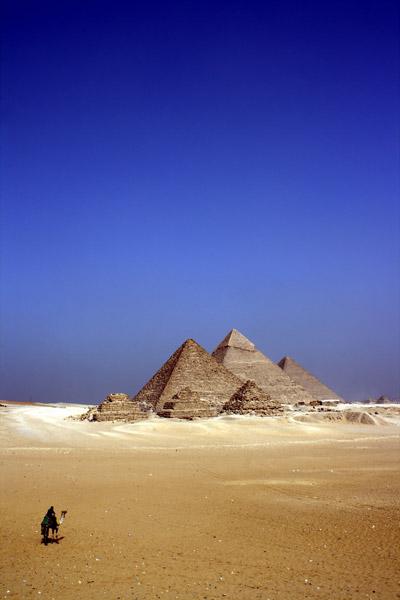
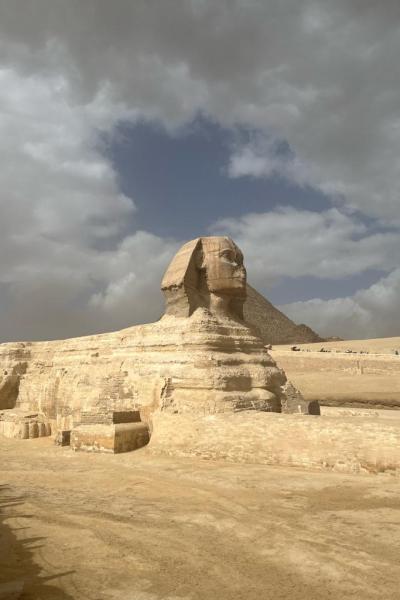
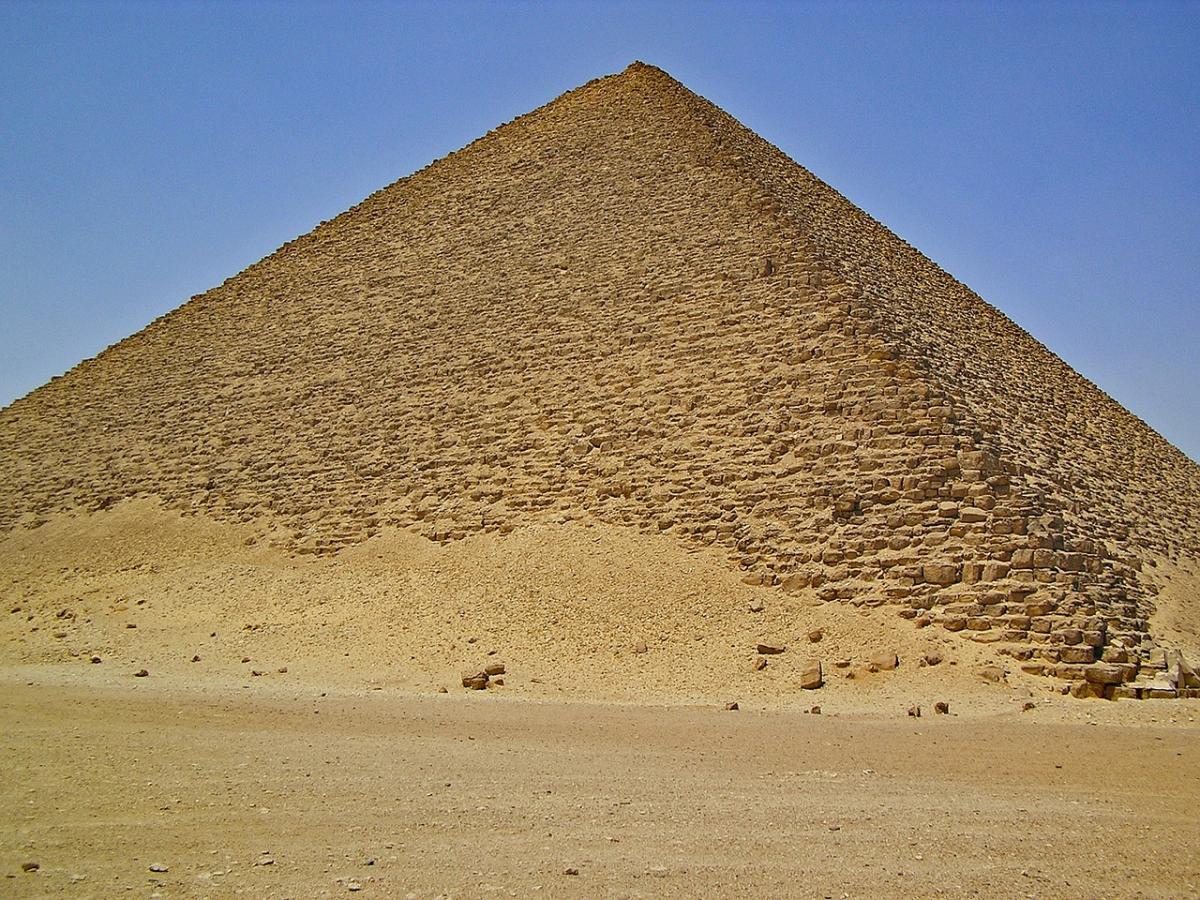
Nestled in the desert on the west bank of the Nile River, approximately 40 kilometers south of Cairo, lies the ancient royal necropolis of Dahshur. This significant archaeological site, part of the larger Memphis necropolis and a UNESCO World Heritage Site, is a testament to the architectural ingenuity...
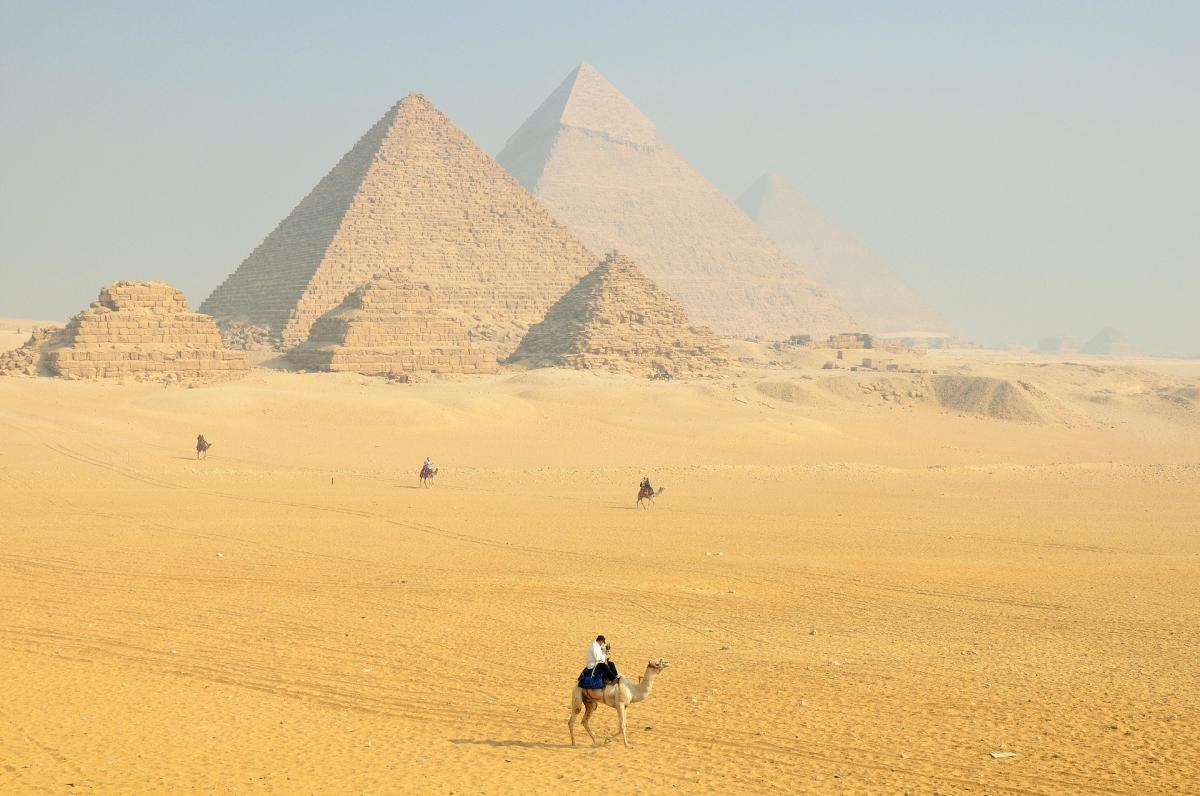
The Giza pyramid complex, a testament to human ingenuity and ambition, stands on the Giza Plateau at the edge of the Western Desert, approximately 13 km (8.1 mi) southwest of Cairos city center. These monumental structures, the last remaining of the Seven Wonders of the Ancient World, have captivated...
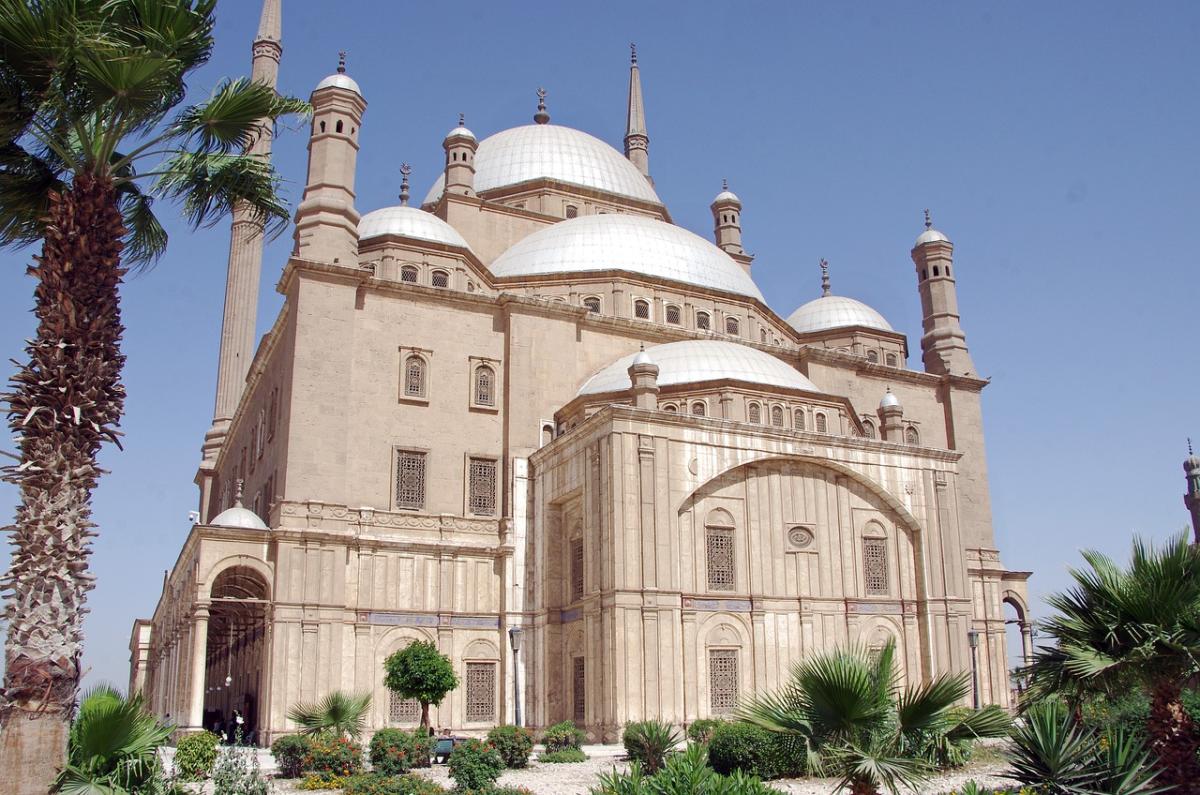
The Citadel of Cairo, also known as the Citadel of Saladin, is a medieval Islamic-era fortification that stands as a testament to Egypts rich and layered history. Perched atop the Mokattam hills near the center of Cairo, it offers a strategic and commanding view of the city. For nearly 700 years, from...