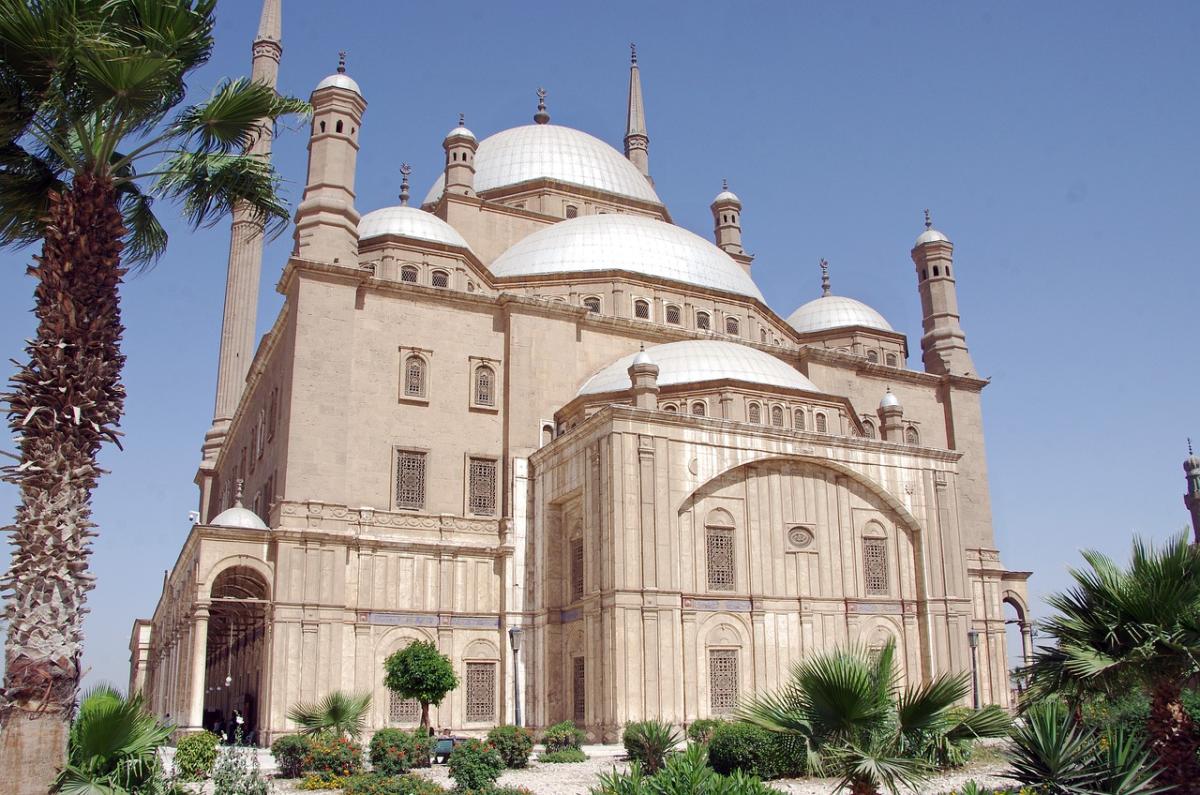
The Citadel of Cairo: A Historic Fortress Overlooking the City
The Citadel of Cairo, also known as the Citadel of Saladin, is a medieval Islamic-era fortification that stands as a testament to Egypt's rich and layered history. Perched atop the Mokattam hills near the center of Cairo, it offers a strategic and commanding view of the city. For nearly 700 years, from the 13th to the 19th century, it served as the seat of government and the residence of Egyptian rulers. In 1979, "Historic Cairo," which includes the Citadel, was inscribed as a UNESCO World Heritage site, recognized as "one of the world's oldest Islamic cities" that reached its "golden age in the 14th century". Today, this preserved historic complex of mosques, museums, and monuments is one of Cairo's main attractions.
A Journey Through History
The Citadel's story begins in the 12th century with the renowned Ayyubid dynasty founder, Salah ad-Din (Saladin). Drawing inspiration from the fortified citadels of Syria, he initiated its construction between 1176 and 1183 as a formidable defense against the Crusaders and to unite the cities of Cairo and Fustat within a single great wall. The construction, however, was not completed in his lifetime but during the reigns of his successors, al-Adil and al-Kamel. The chosen location was not only strategic but also prized for its pure air.
Over the centuries, the Citadel evolved from a purely military stronghold to a lavish royal complex. The Mamluk sultans, who rose to power in the mid-13th century, significantly expanded the Citadel, adding sumptuous palaces and mosques. Sultan Baybars was the first to divide the Citadel into a northern military enclosure and a southern royal enclosure. Sultan al-Nasir Muhammad, in the 14th century, was a particularly prolific builder, responsible for some of its most impressive structures, including a massive aqueduct system to supply the growing fortress.
The Ottoman period, from the 16th to the 18th centuries, saw the Citadel's role shift to that of an administrative center and a garrison for army corps like the Janissaries and the 'Azaban. This led to the neglect of many Mamluk palaces, but also to architectural adaptations for the age of gunpowder. In the 19th century, Muhammad Ali Pasha, the founder of modern Egypt, dramatically reshaped the Citadel. He demolished many older buildings, including Mamluk palaces, to make way for new palaces and monuments, including the iconic mosque that bears his name, giving the Citadel much of its present form.
The Citadel's role as the seat of power ended in 1874 when Khedive Ismail moved the royal court to the newly built Abdeen Palace. Its strategic importance ensured its continued use as a military stronghold. It was occupied by British forces from 1882 until their withdrawal in 1946, after which the Egyptian Army took control. For many years, the Citadel remained a closed military zone, with its Harem Palaces repurposed as a military hospital during the British occupation. Recognizing its immense historical value, the Egyptian government undertook significant restoration programs, and in 1983, a large portion of the Citadel was opened to the public as a historic site and tourist destination. While the military still retains a presence on the grounds, this marked a new chapter for the ancient fortress.
Defensive Architecture: A Fortress in Transformation
The Citadel's walls, towers, and gates are a physical record of evolving military strategy, reflecting responses to new technologies of warfare from medieval siege engines to gunpowder cannons.
The Ayyubid Foundation: A Fortress Against the Franks
Saladin's initial design, executed by his emir Qaraqush, represented the cutting edge of 12th-century military architecture. The early fortifications featured semi-circular towers built with dressed stone, designed to provide flanking fire against attackers. The walls were approximately 3 meters thick and 10 meters high.
Under Saladin's successors, al-Adil and al-Kamil, the design evolved significantly, likely in response to the growing power of siege weapons like the counterweight trebuchet. They introduced massive, self-contained square or rectangular towers that functioned as individual keeps, allowing for a more robust and segmented defense.
Prominent Ayyubid Towers: Burg al-Haddad and Burg al-RamlaLocated in the northeastern corner, the Burg al-Haddad (Blacksmith's Tower) and Burg al-Ramla (Sand Tower) are prime examples of Ayyubid military engineering. These three-story towers, over 20 meters high, were originally semi-circular but were later encased and enlarged by Sultan al-Adil into a more formidable three-quarter circle design. A key feature of Burg al-Haddad is its four saqatat (machicolations)-projecting stone balconies with openings in the floor, allowing defenders to drop boiling oil or projectiles on enemies at the base of the tower.
The Original Main Gate: Bab al-MudarrajThe only surviving original Ayyubid gate, the Bab al-Mudarraj (Gate of the Steps), dates to 1183-84. It featured a "bent entrance," a classic defensive tactic that forced attackers who breached the outer door to make a sharp turn, exposing their unshielded flank to defenders above and breaking the momentum of their charge. Today, this historic gate is largely obscured by the 19th-century Bab al-Jadid (New Gate).
Mamluk and Ottoman Modifications
The Mamluks adapted the fortress to their complex military society. Sultan Baybars divided the Citadel with the Bab al-Qulla (Gate of the Keep), separating the northern military garrison from the southern royal residence. The Mamluks also repurposed the Ayyubid towers, with Burg al-Haddad and Burg al-Ramla serving as barracks for the elite "Burji" (Tower) Mamluks.
The Ottomans adapted the medieval fortress for the age of gunpowder. They constructed the massive, circular Burg al-Muqattam in 1525, a tower 25 meters tall and 24 meters in diameter designed to support cannons.
- The Ottoman Gate: Bab al-AzabBuilt in 1754 by Radwan Katkhuda, the Bab al-Azab controlled access to the lower enclosure, which housed the stables and barracks of the 'Azaban troops. Its grand design intentionally emulates the powerful Fatimid-era Bab al-Futuh in northern Cairo. The gate is infamously associated with Muhammad Ali's 1811 massacre of the Mamluk beys, who were trapped and slaughtered behind its massive doors.
Engineering Marvels: The Water Supply System
The Citadel's location provided a defensive advantage but posed a critical challenge: a reliable water supply. To overcome this, a sophisticated, multi-layered water system was engineered, showcasing remarkable medieval ingenuity.
The Well of Joseph: A Siege-Proof Solution
Commissioned by Saladin, the Well of Joseph (Bir Yusuf) was a masterwork designed to provide a secure water source during a siege. Its name comes from Saladin's birth name, Yusuf. The well, also known as the "Well of the Spiral" (Bir al-Halazun), was dug approximately 90 meters (295 feet) deep into solid rock, reportedly by Crusader prisoners.
- Design and Operation: The well features two main shafts. The upper, wider shaft is encircled by a spiral staircase carved from the rock, wide enough for oxen to descend to a midway ledge. From this ledge, a second, narrower shaft drops to the Nile's groundwater table. The system operated in two stages: oxen on the ledge powered a waterwheel (saqiya) to lift water from the bottom shaft to a cistern on the ledge. A second set of oxen at the surface powered another waterwheel to lift the water from the cistern to the top.
- Limitations: The well initially provided pure water, but an attempt to increase its output tapped into a salty spring, compromising the water's quality. This, combined with the Citadel's expanding population under the Mamluks, rendered the well insufficient for the fortress's growing needs.
The Aqueducts: Bringing the Nile to the Fortress
To support the burgeoning population and his ambitious building projects, the Mamluk Sultan al-Nasir Muhammad constructed a monumental aqueduct system around 1312.
- Engineering and Function: The process began at a hexagonal intake tower on the Nile, which housed four large waterwheels to lift river water. The water then flowed through a channel atop a series of magnificent stone arches stretching for about three kilometers toward the Citadel. Upon reaching the Citadel's base, another set of waterwheels lifted the water into reservoirs within the fortress. From there, an underground network of pipes distributed the water to palaces, mosques, and barracks.
- Legacy: This remarkable feat of hydraulic engineering was renovated by later sultans and remained in use until the 19th century. The remains of the aqueduct still stand today as a testament to the vision of medieval Cairene builders.
Key Mosques and Palaces
The Citadel is an outstanding example of medieval Islamic military architecture, but over the centuries it also became a showcase for Ayyubid, Mamluk, and Ottoman palatial and religious styles.
The Mosque of Muhammad Ali: The Alabaster Mosque
Dominating the Cairo skyline, the Mosque of Muhammad Ali, also known as the Alabaster Mosque, is a powerful symbol of modern Egypt.
- Commission and Construction: Commissioned by Muhammad Ali Pasha as part of his ambitious modernization projects, the mosque was also built to honor his eldest son, Tusun Pasha, who died in 1816. Construction began in 1830 on the site of ruined Mamluk palaces. The work is largely associated with the period from 1830 to 1848, though it was not fully completed until 1857 under his successors. Muhammad Ali is buried in a tomb within the mosque.
- Architect and Design: The design is attributed to the Turkish architect Yusuf Bushnak, who was inspired by the grand imperial mosques of Istanbul, particularly the Sultan Ahmed Mosque (Blue Mosque). The mosque represents a radical and deliberate break from the traditional Mamluk architectural styles that had long prevailed in Cairo. It features a large central dome (21 meters in diameter and 52 meters high) surrounded by semi-domes and four smaller domes, with two slender, pencil-like minarets rising to a height of about 82 meters.
- Symbolic Importance: The mosque earned its popular name from the extensive use of alabaster to clad its interior and lower exterior walls, a choice meant to symbolize purity and power. More than a place of worship, the mosque was a political statement, projecting an image of strength and a new order that distanced Muhammad Ali's reign from the Mamluk past he had decisively ended.
The Al-Nasir Muhammad Mosque: The Royal Mamluk Sanctuary
In stark contrast to the Ottoman grandeur of Muhammad Ali's mosque, this structure is a proud remnant of the Mamluk Sultanate's power.
- Historical Role: Built in 1318 by Sultan al-Nasir Muhammad and significantly rebuilt in 1335, this was the royal mosque of the Citadel, where the sultans and the fortress's inhabitants performed their Friday prayers.
- Architectural Features: The mosque follows a traditional hypostyle plan with a large open courtyard. It incorporates reused materials from earlier structures, including Pharaonic, Ptolemaic, and Roman columns.
- Distinctive Minarets: The mosque is most famous for its two unique minarets, which display a clear influence from Ilkhanid (Mongol) Persia. The tops are adorned with green, white, and blue faience mosaics, a decorative technique likely introduced by a craftsman from Tabriz (modern-day Iran). One minaret features a unique "garlic-shaped" bulbous finial. The minarets were strategically placed to broadcast the call to prayer toward both the military barracks and the residential parts of the Citadel.
The Mosque of Sulayman Pasha: The First Ottoman Jewel
This mosque holds the distinction of being the first in Egypt to be built in the Ottoman style.
- Patron and Significance: It was built in 1528 by Sulayman Pasha al-Khadem, the Ottoman governor, for the use of the Janissaries-the elite Ottoman troops garrisoned in the Citadel's northern enclosure. Its construction marked the introduction of the classical Ottoman architectural vocabulary to Egypt.
- Architectural Style: It is a clear example of Ottoman design, featuring a central prayer hall covered by a large dome flanked by semi-domes, fronted by a courtyard surrounded by arcades with smaller domes. The minaret is characteristically Ottoman, with a slender, cylindrical shaft and a conical top, often described as "pencil-shaped". Following a meticulous five-year restoration, the mosque was reopened to the public in 2023.
Al-Gawhara Palace (Bijou Palace)
Adjacent to the Mosque of Muhammad Ali, the "Jewel Palace" offers a glimpse into 19th-century court life.
- Construction and Style: Commissioned by Muhammad Ali in 1814, the palace was named after his last wife, Gawhara Hanem. It was constructed by a diverse group of artisans from Greece, Turkey, and Albania, resulting in a fusion of Turkish "kushk" (pavilion) style with European and Ottoman Baroque elements, such as large windows. The palace was rebuilt and expanded after suffering major fires in 1822 and 1824. After another fire in 1972, its halls were restored to their original state using traditional materials.
- Function and Notable Rooms: The palace served as Muhammad Ali's private residence, administrative center, and official audience hall (divan) for receiving special guests. Its most famous room is the audience hall, which contains a magnificent 1,000 kg chandelier gifted by King Louis-Philippe I of France and Muhammad Ali's throne, a gift from the King of Italy. Today, it operates as a museum.
Museums of the Citadel
Egyptian National Military Museum
Housed within the historic Harem Palaces built by Muhammad Ali around 1827, the Egyptian National Military Museum is a major institution chronicling the nation's martial past.
- History: The museum was established in 1937 at the former Ministry of War building and was moved to its permanent home in the Citadel's Harem Palace in November 1949. The building itself served as a military hospital during the British occupation. The museum has undergone several modernizations, with major renovations in 1982, 1993, and 2011.
- Collection: The extensive collection spans from the Pharaonic era to the present day. It is organized into halls dedicated to specific periods, including the Pharaonic and Islamic eras, the reign of Muhammad Ali Pasha, and modern conflicts such as the French and First World Wars, the 1948 Arab-Israeli War, the 1952 Revolution, the 1956 Suez War, the 1967 War, and the 1973 October War.
- Exhibits: Visitors can see ancient weaponry, medieval arms, and colorful uniforms. A unique feature is a series of dramatic dioramas and paintings depicting historical battles, some of which were created in the 1990s by North Korean artists in a Socialist Realist style. An open-air exhibition displays larger military hardware like tanks, planes, and missiles from 20th-century conflicts.
Other Museums
- Carriage Museum: Inaugurated in 1983, this museum hosts a collection of royal carriages.
- Police Museum: Situated within the old prison of the Citadel, this museum traces the history of the Egyptian police force.
Visiting the Citadel
The Citadel's location on the Mokattam hills provides breathtaking panoramic views of Cairo, and on a clear day, the Pyramids of Giza can be seen in the distance.
Practical Information for Visitors:
- Opening Hours: The Citadel is generally open daily from 8 am to 5 pm, with slightly shorter hours on weekends and during Ramadan. It's advisable to avoid visiting during Friday prayers around noon as the site can be very busy.
- Getting There: The Citadel is perched on a hill, and ride-sharing services will typically drop passengers at street level, requiring an uphill walk to the entrance.
- Tickets: Tickets can be purchased at the entrance, and there is no need to book in advance.
- Dress Code: As it is a religious and historical site, visitors are advised to dress modestly. For women, it is recommended to cover their heads with a scarf when entering the mosques. Shoes must be removed before entering the mosques and their courtyards.
- Best Time to Visit: The cooler months from October to April are ideal for a visit. Early morning or late afternoon visits are recommended to avoid the midday heat and large crowds.
Summary
The Citadel of Cairo is a historic fortress that has been a central feature of the city for over 800 years. Founded by Saladin in 1176 as a defensive stronghold, its military architecture evolved significantly over time. The Ayyubid period saw the development of advanced towers like Burg al-Haddad and bent-entrance gates. The Mamluks transformed the Citadel into a royal city, while the Ottomans adapted it for gunpowder warfare. The fortress's survival was also ensured by an ingenious water supply system, including Saladin's siege-proof Well of Joseph and the massive aqueduct built by Sultan al-Nasir Muhammad.
After the royal court moved in 1874, the Citadel served as a military garrison for British and Egyptian forces for a century. In 1983, following restoration efforts, it was opened to the public and is now a major tourist attraction and a UNESCO World Heritage site. Its key attractions include the magnificent Mosque of Muhammad Ali, an Ottoman-style masterpiece that dominates the skyline; the historic Al-Nasir Muhammad Mosque, with its unique Persian-influenced minarets; the Mosque of Sulayman Pasha, the first Ottoman-style mosque in Egypt; and the opulent Al-Gawhara Palace. The Citadel also houses several museums, most notably the Egyptian National Military Museum, which offers a comprehensive look at Egypt's martial history from the pharaohs to modern times.
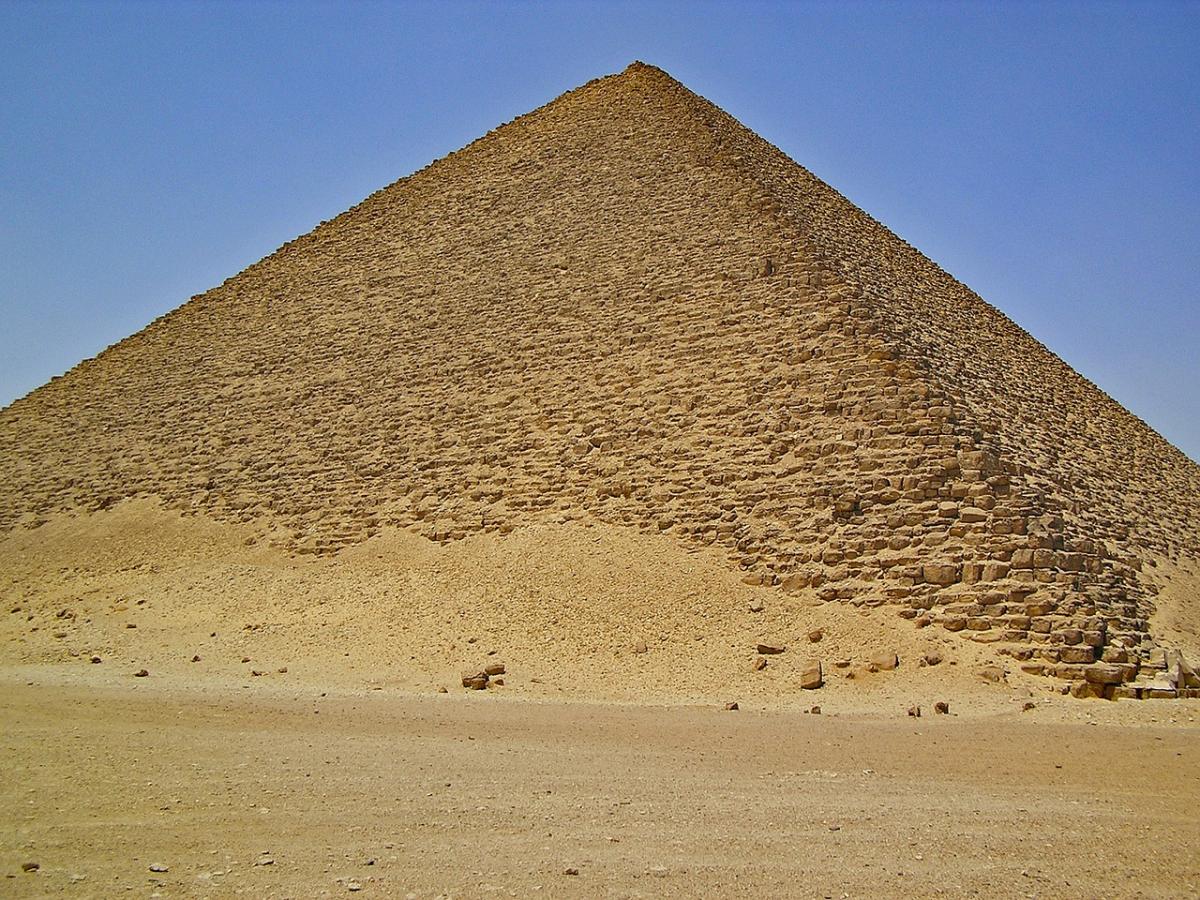
Nestled in the desert on the west bank of the Nile River, approximately 40 kilometers south of Cairo, lies the ancient royal necropolis of Dahshur. This significant archaeological site, part of the larger Memphis necropolis and a UNESCO World Heritage Site, is a testament to the architectural ingenuity...
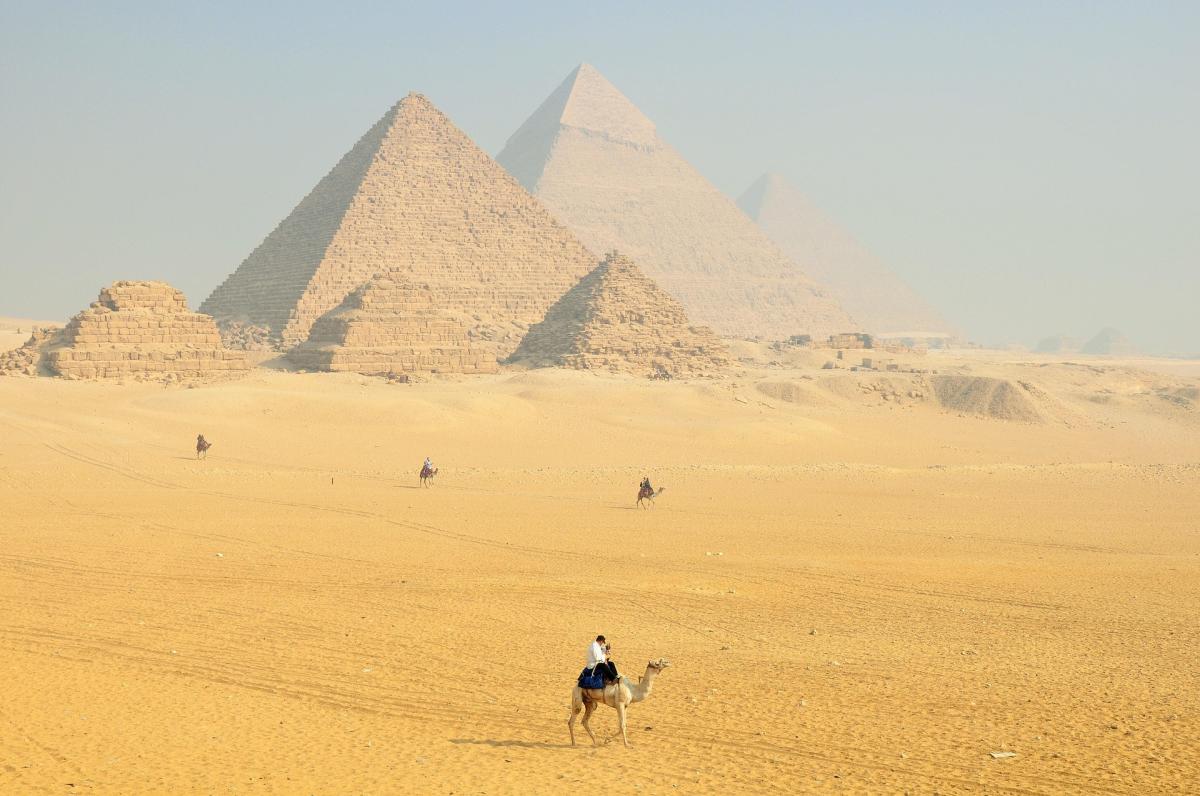
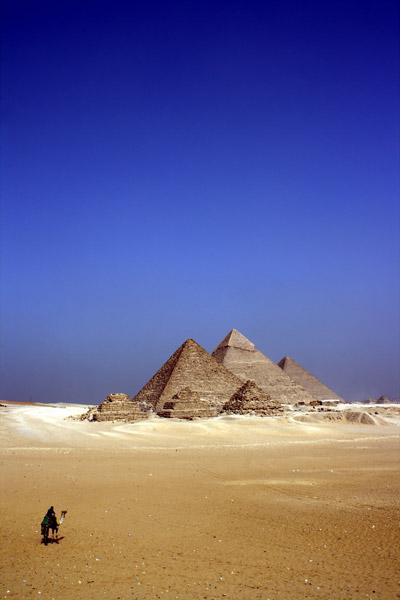
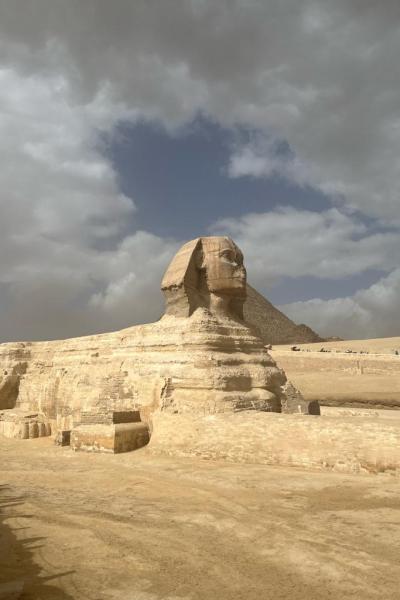
The Giza pyramid complex, a testament to human ingenuity and ambition, stands on the Giza Plateau at the edge of the Western Desert, approximately 13 km (8.1 mi) southwest of Cairos city center. These monumental structures, the last remaining of the Seven Wonders of the Ancient World, have captivated...
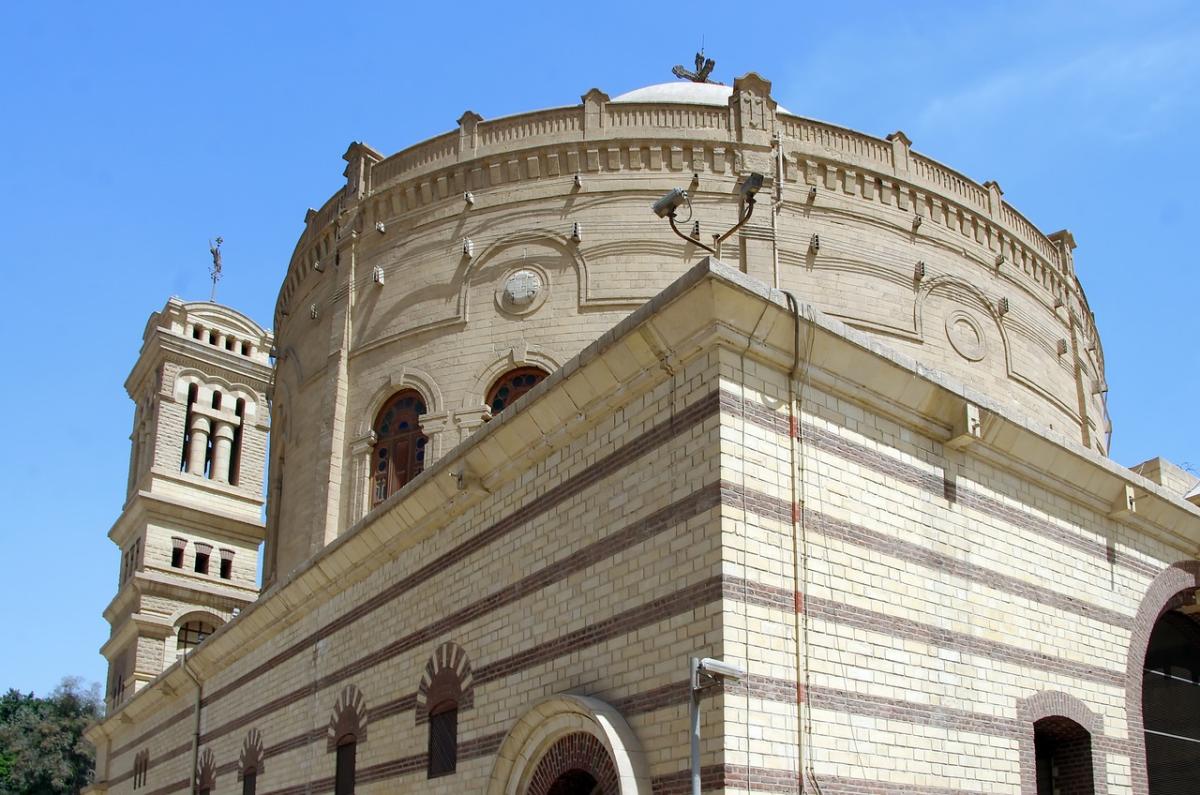
Coptic Cairo, a historic district nestled within Old Cairo, stands as a testament to Egypts rich and enduring Christian heritage. This ancient enclave, a place where Pharaonic, Greco-Roman, and Islamic cultures have intertwined, offers a profound glimpse into the spiritual and cultural legacy of one...