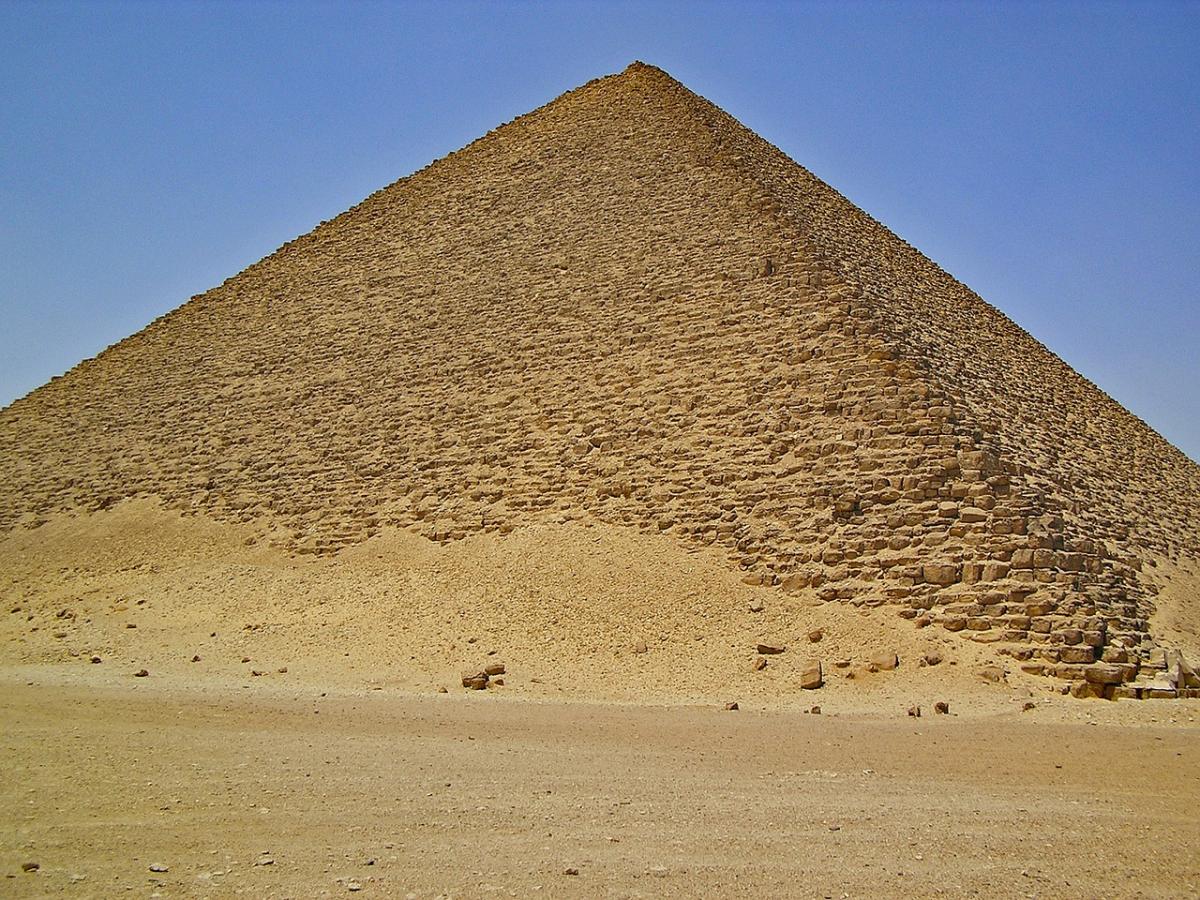
Dahshur: A Tale of Two Pyramids - The Bent and The Red
Nestled in the desert on the west bank of the Nile River, approximately 40 kilometers south of Cairo, lies the ancient royal necropolis of Dahshur. This significant archaeological site, part of the larger Memphis necropolis and a UNESCO World Heritage Site, is a testament to the architectural ingenuity and evolution of ancient Egyptian civilization. Dahshur is most famous for two of its earliest and most remarkable structures: the Bent Pyramid and the Red Pyramid, both commissioned by Pharaoh Sneferu of the Fourth Dynasty. These pyramids represent a crucial turning point in the art of pyramid construction, showcasing the transition from the earlier step-pyramid design to the true, smooth-sided pyramids that would later define the Giza plateau.
The Reign of a Prolific Builder: Pharaoh Sneferu
Pharaoh Sneferu, the founder of the Fourth Dynasty (circa 2613-2589 BCE), was a prolific and innovative builder whose reign marked a pivotal moment in pyramid construction. Unlike many pharaohs who built a single monumental tomb, Sneferu is credited with constructing at least three major pyramids: the Meidum Pyramid, the Bent Pyramid, and the Red Pyramid. This trilogy of pyramids reflects a period of intense experimentation, trial, and error, which served as a crucial learning curve for ancient Egyptian engineering. The structural failures encountered at his first project, the Meidum Pyramid, provided invaluable lessons that directly influenced the designs of his subsequent pyramids at Dahshur.
The Bent Pyramid: An Architectural Anomaly
The Bent Pyramid, known to the ancient Egyptians as "The Southern Shining Pyramid," is one of the most distinctive and intriguing monuments in all of Egypt. Constructed around 2600 BCE, it stands as a physical testament to the trial-and-error process that characterized the evolution of pyramid building, capturing a moment of real-time architectural adaptation. It was the first pyramid designed from the outset to be a true, smooth-sided pyramid rather than a step pyramid.
A Unique and Unconventional Design
What immediately sets the Bent Pyramid apart is its peculiar shape. The structure rises from the desert at a steep 54-degree angle, but then abruptly changes to a shallower 43-degree angle at a height of approximately 47 meters. This change in inclination gives the pyramid its characteristic "bent" appearance. The pyramid is also unique for retaining a large portion of its original polished Tura limestone casing, which would have made it gleam in the sun.
The Dual-Structure Enigma
The pyramid's complex interior is as unique as its exterior, featuring two separate entrances-one on the north face and another, unusually, on the west face-each leading to a distinct set of chambers. This design has led to two main categories of theories: reactive modification and intentional symbolism.
- Structural Necessity (Prevailing Theory): The most widely accepted theory is that the design changes were a necessary reaction to structural problems. The initial 54-degree angle, similar to the collapsed Meidum pyramid, proved unstable. It is believed that signs of instability, such as cracks and subsidence in the lower chambers and corridors, appeared during construction. This forced the builders to switch to the more stable 43-degree angle to avoid a similar disaster. The addition of the upper chamber system via the western entrance may have been a revised plan for the king's burial after the lower chambers were deemed unsafe.
- Intentional Symbolic Design: An alternative theory posits that the dual structure was a deliberate symbolic choice. The two chamber systems could represent the unification of Upper and Lower Egypt, a core concept of pharaonic rule. Other symbolic interpretations suggest it was meant to merge the northern-oriented celestial beliefs with the western-oriented solar cult of Ra, or that a shift in religious ideology from the pyramid as a "stairway to the stars" to a symbol of the sun's journey influenced the design. A connecting gallery was later crudely dug between the two chamber systems, suggesting a need to unify the separate layouts.
Internal Structure and Engineering Challenges
The interior of the Bent Pyramid features two separate chamber systems with corbelled ceilings, an early attempt to create stable, open spaces within the pyramid's immense mass. However, the engineering was not yet perfected. The cantilever of the corbelled blocks is believed to have been too aggressive, leading to structural stress and instability within the chambers. As a result, large cedar beams were installed during construction to prop up the walls and prevent them from crushing inward, evidence of the engineering challenges the builders faced.
The Southern Satellite Pyramid
Approximately 55 meters south of the Bent Pyramid stands a smaller satellite pyramid. It is believed to have been intended to house the pharaoh's ka (spirit), or possibly as a tomb for his queen, Hetepheres.
- Architecture: The satellite pyramid stands 26 meters high with a base of 52.8 meters and an angle of 44°30', mirroring the upper angle of the main pyramid. It was built with limestone blocks in horizontal rows and cased in fine Tura limestone.
- Internal Structure: Its interior is surprisingly complex and is considered a direct precursor to the design of the Great Pyramid. A descending corridor from the north leads to a short passage and then an ascending corridor, which features limestone portcullis blocks still in their raised position. This ascending passage, a major innovation, leads to a small burial chamber with a corbelled vault.
- Contents: The chamber is considered too small for a royal burial and likely never held a sarcophagus. Only fragments of pottery were found inside during modern excavations.
The Red Pyramid: The First True Pyramid
Located approximately one kilometer to the north of the Bent Pyramid stands the Red Pyramid, also known as the North Pyramid or "Sneferu Shines in the North". This majestic structure is celebrated as Egypt's first successful attempt at constructing a true, smooth-sided pyramid and is a milestone in architectural history.
A Landmark Achievement
The Red Pyramid gets its name from the reddish hue of the local limestone blocks used for its core, which are now exposed. Originally, it was encased in fine white Tura limestone, much of which was removed during the Middle Ages for construction projects in Cairo. This would have given the entire structure a brilliant, polished white appearance.
Built after the Bent Pyramid, the Red Pyramid has a consistent, gentle slope of 43 degrees from base to summit. This demonstrates that Sneferu's architects fully integrated the hard-won knowledge from their previous endeavors, opting for the more stable angle from the outset. Standing at a height of about 105 meters (345 feet), it is the third-largest pyramid in Egypt.
The Enigmatic Pyramidion (Capstone)
A significant discovery related to the pyramid is its pyramidion, or capstone. In 1982, fragments of a limestone capstone were discovered by the German Archaeological Institute in the debris surrounding the pyramid. These fragments have been pieced together, and the reconstructed pyramidion is now on display at the Dahshur site. It is the only known pyramidion from the Old Kingdom.
- The Mystery of the Mismatched Angles: Analysis of the reconstructed capstone has revealed a significant puzzle. Its angle of inclination is approximately 54°30', which is much steeper than the Red Pyramid's own 43-degree angle. This discrepancy has led many Egyptologists to question whether this specific capstone was ever placed atop the Red Pyramid. One prominent theory suggests it may have been originally created for the lower, steeper section of the Bent Pyramid before its design was altered.
- Symbolic Importance: The pyramidion, known as a benbenet, was the culminating element of a true pyramid and held immense religious importance. It was a stone replica of the sacred benben stone, which symbolized the primordial mound that rose from the waters of chaos at the beginning of creation. The capstone was the point where the divine king connected with the celestial realm of the sun god Ra. Often sheathed in gold or electrum, it would have shone brilliantly, acting as a beacon that symbolized the pharaoh's rebirth and successful ascent to the heavens.
The Masterclass of Corbelled Ceilings
The internal structure of the Red Pyramid showcases a mastery of engineering, particularly in its chambers. A single entrance on the north face leads to a descending passage that opens into two antechambers. These chambers, along with a third burial chamber, feature perfectly executed corbelled vaults that have remained stable for millennia.
- Engineering Principle: A corbelled vault, or "false arch," is built by progressively offsetting each course of stones inward until they meet at the top, distributing the immense weight of the overlying masonry.
- Perfection of Form: The two main chambers are considered a masterclass in this technique, with eleven-step corbels rising to a significant height. This demonstrates a complete mastery of the engineering principles that had caused instability inside the Bent Pyramid.
The Mystery of Sneferu's Final Resting Place
While the Red Pyramid is widely considered to be Sneferu's final resting place, the archaeological evidence is ambiguous, creating an enduring mystery.
- Evidence of Robbery: No sarcophagus has ever been found inside the pyramid's three chambers. However, the floor of the third chamber was found dug up and rough, and the walls are blackened with soot, suggesting that ancient tomb robbers looted the chamber in search of treasure, possibly using torches that left the marks. Some scholars theorize the robbers may have destroyed a wooden sarcophagus by setting it on fire.
- Human Remains: The most tantalizing clue is the discovery of human remains. In 1950, fragments were found in a passageway, and an examination concluded the remains and their wrappings were consistent with Fourth Dynasty mummification techniques. While it is impossible to definitively identify these remains as Sneferu, they offer a compelling possibility.
- Prevailing Theory: The main theory is that the Red Pyramid was Sneferu's tomb, based on a process of elimination. After the partial collapse at Meidum and the instability of the Bent Pyramid, the successful and stable Red Pyramid is the logical choice for his burial. The clear evidence of robbery inside the Red Pyramid-in contrast to his other pyramids-strongly suggests it was the only one used for its intended purpose and contained a valuable burial.
The Legacy of Dahshur: Paving the Way for Giza
The pyramids of Dahshur are a testament to the ambition and ingenuity of Pharaoh Sneferu and his builders. The innovations perfected at Dahshur were a critical prerequisite for the construction of the Grand Gallery in the Great Pyramid and the other wonders of Giza, built by Sneferu's son, Khufu.
Logistical Leaps and Workforce Management
The massive scale of Sneferu's projects necessitated a sophisticated system of project management and logistical innovation that was honed at Dahshur and scaled up for Giza.
- Refinement of Building Techniques: A crucial development was the transition from laying stones in inward-sloping courses (seen in the lower part of the Bent Pyramid) to using stable, horizontal layers (seen in the upper part and used for all subsequent pyramids).
- Advanced Labor Organization: Contrary to popular belief, the pyramids were not built by slaves. Evidence from workers' villages reveals a highly organized and well-cared-for workforce of permanent skilled craftsmen and rotating levies of temporary laborers (likely farmers). This workforce was organized into crews or "phyles," received rations, and had access to medical care. Evidence from the Palermo Stone suggests Sneferu's military campaigns in Nubia and Libya also provided a significant labor force.
- Efficient Material Transport: The construction required a monumental logistical effort. The inner core used local reddish limestone, while the fine white Tura limestone for the casing was quarried across the Nile. Massive blocks were transported on barges down the Nile and then hauled on large wooden sledges. To reduce friction, workers would pour water on the sand in front of the sledges. Recent discoveries of ramp systems with postholes suggest workers may have used ropes as a "force multiplier" to haul heavy blocks up steep inclines, a technology likely refined during Sneferu's reign.
Dahshur Today
For many years, the Dahshur necropolis was a closed military zone, but it is now open to the public, offering a less crowded but equally awe-inspiring alternative to the Giza plateau. Visitors can explore the exteriors of these magnificent structures and even venture inside. The Bent Pyramid was reopened to tourists in 2019 for the first time since 1965, offering a rare opportunity to experience its unique internal chambers and the supportive cedar beams. The Red Pyramid is also accessible, allowing visitors to descend into its impressive and perfectly preserved corbelled chambers.
Summary
The Dahshur necropolis, a UNESCO World Heritage Site, is a key archaeological site showcasing the evolution of ancient Egyptian pyramid construction under Pharaoh Sneferu. His two main pyramids here, the Bent and the Red, represent a story of architectural trial, error, and ultimate triumph.
The Bent Pyramid is an architectural anomaly, famous for its change in angle from a steep 54 degrees to a safer 43 degrees midway up its height. This change is widely believed to have been a necessary adjustment to prevent a structural collapse, a lesson learned from the failure of Sneferu's earlier pyramid at Meidum. Its unique dual-chamber system, with separate entrances on the north and west faces, is thought to be a result of these structural issues, though symbolic interpretations also exist. Its complex interior features early corbelled ceilings that showed signs of instability, requiring the installation of large cedar support beams that remain today. A nearby satellite pyramid, with an innovative ascending corridor, is considered a direct precursor to the design of the Great Pyramid at Giza.
The Red Pyramid, built after the Bent Pyramid, is celebrated as the first successful true, smooth-sided pyramid. Its name derives from the reddish limestone of its core. With a consistent angle of 43 degrees, it demonstrates the successful application of lessons learned from the Bent Pyramid. Its interior is a marvel of engineering, containing chambers with perfectly executed corbelled vaults. A significant discovery is its limestone pyramidion (capstone), the only one known from the Old Kingdom. Analysis revealed its angle is steeper than the pyramid itself, leading to theories that it was never placed on top or was intended for the Bent Pyramid. While no sarcophagus has been found, evidence of ancient robbery and the discovery of human remains lead most Egyptologists to believe it was Sneferu's final resting place.
The construction projects at Dahshur were a training ground for Giza, leading to crucial innovations in building techniques and workforce management, which involved a well-organized system of paid laborers, not slaves. Today, Dahshur is open to the public, offering a fascinating glimpse into the ingenuity of ancient Egyptian builders.
The Giza pyramid complex, a testament to human ingenuity and ambition, stands on the Giza Plateau at the edge of the Western Desert, approximately 13 km (8.1 mi) southwest of Cairos city center. These monumental structures, the last remaining of the Seven Wonders of the Ancient World, have captivated...
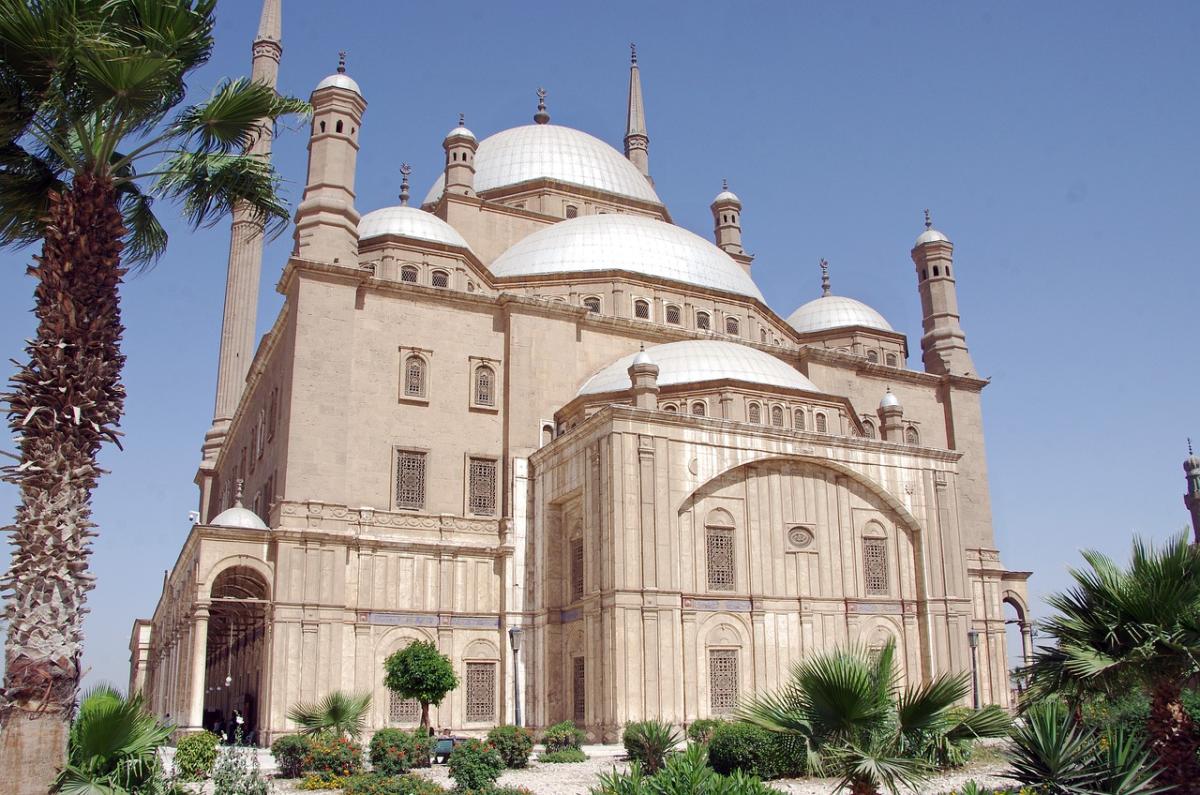
The Citadel of Cairo, also known as the Citadel of Saladin, is a medieval Islamic-era fortification that stands as a testament to Egypts rich and layered history. Perched atop the Mokattam hills near the center of Cairo, it offers a strategic and commanding view of the city. For nearly 700 years, from...
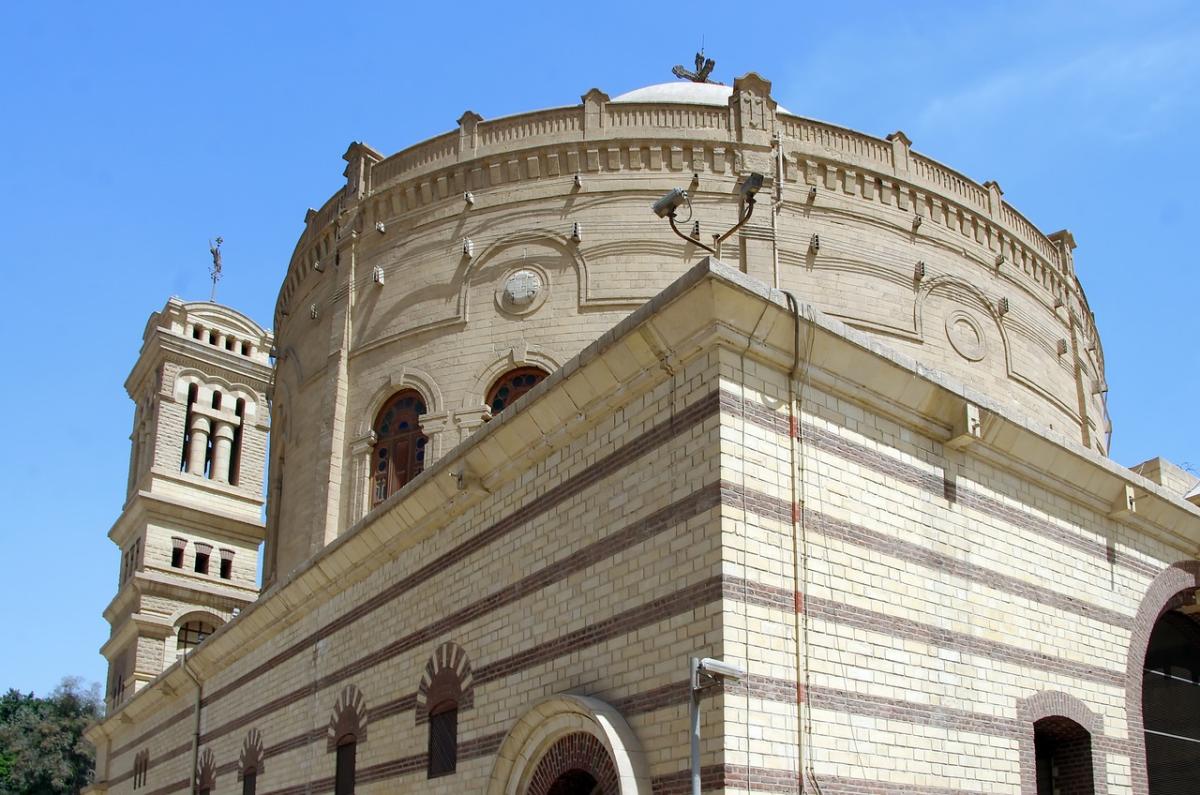
Coptic Cairo, a historic district nestled within Old Cairo, stands as a testament to Egypts rich and enduring Christian heritage. This ancient enclave, a place where Pharaonic, Greco-Roman, and Islamic cultures have intertwined, offers a profound glimpse into the spiritual and cultural legacy of one...