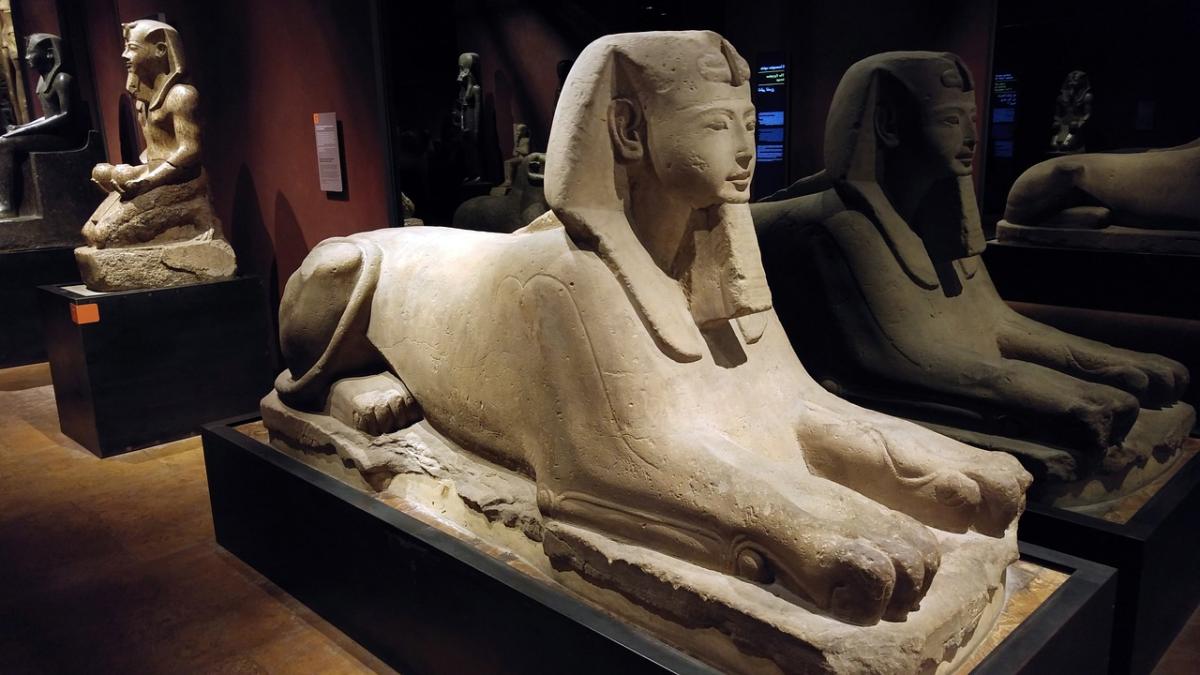
Cairo Egyptian Museum Tahrir: History, Narmer Palette, and Remaining Masterpieces
Located in the heart of Cairo on Tahrir Square, the Museum of Egyptian Antiquities, commonly known as the Egyptian Museum, stands as the oldest archaeological museum in the Middle East . For over a century, it has been the world's foremost repository of Pharaonic antiquities, offering an unparalleled journey into the ancient world . The museum's extensive collection spans from the Predynastic Period to the Greco-Roman Era, showcasing the splendor and artistry of one of history's greatest civilizations . Its iconic, purpose-built structure has become a historic landmark, housing magnificent masterpieces that tell the story of Egypt's rich and enduring cultural heritage . Following the relocation of some of its most famous collections, the museum is now undergoing a comprehensive transformation to redefine its identity and ensure its continued cultural significance .
A Storied History: The Museum's Journey
The concept of a national museum for Egyptian antiquities dates back to the reign of Muhammad Ali Pasha . In an effort to halt the rampant export of historical artifacts, he issued a decree on August 15, 1835, leading to the establishment of the first Egyptian museum in a building near Cairo's El-Ezbekia Garden .
The collection's journey was tumultuous in its early years . In 1851, under Abbas I, the artifacts were moved to a hall within the Citadel of Salah El-Din, only for most of them to be gifted to Austria's Archduke Maximilian in 1854 . A new chapter began in 1858 when French Egyptologist Auguste Mariette founded a new museum in the Boulaq district to house his significant discoveries . However, this location proved vulnerable, suffering serious damage from a Nile flood in 1878 .
After repairs, the collection was moved once again in 1889, this time to an annex of the Khedive Ismail's palace in Giza . As the collection continued to grow, it became clear that a grand, permanent home was needed .
The Tahrir Square Landmark: Architecture and Design
In 1895, an international competition was held to select a design for a new, purpose-built museum . The winning entry came from French architect Marcel Dourgnon, who envisioned a grand Neoclassical building . The cornerstone was laid on April 1, 1897, and the museum was officially inaugurated by Khedive Abbas Helmy II on November 15, 1902 .
The building itself is a masterpiece of Beaux-Arts design and was the first of its kind in the Middle East . Its layout was carefully planned for the flow of visitors and potential future expansions . The museum features two main floors organized around a central, sky-lit atrium designed to display colossal statues, reminiscent of ancient Egyptian temples .
- Ground Floor: This floor is dedicated to large-scale works, including colossal statues, heavy stone sarcophagi, reliefs, and other architectural elements . The artifacts are arranged chronologically, allowing visitors to walk through the history of Egyptian civilization from the pre-dynastic to the Greco-Roman period .
- First Floor: The upper level houses smaller artifacts, including thematic exhibits of papyri, coins, textiles, and an extensive collection of wooden sarcophagi .
The Unrivaled Collection: Highlights and Masterpieces
For decades, the Egyptian Museum housed an astonishing collection of over 120,000 artifacts, with many more in storage due to space limitations . While some of its most famous collections have recently been moved to new, state-of-the-art museums, the Tahrir building continues to hold a vast and deeply significant collection of treasures .
Key Artifacts Remaining at the Egyptian Museum in Tahrir:
The Narmer Palette: A Proclamation in Stone
- Historical Significance: Dating to the 31st century BCE, this 64-cm shield-shaped ceremonial palette is one of the world's earliest and most significant historical documents . Discovered in 1898 in the temple of Horus at Hierakonpolis, it is widely interpreted as a record of the unification of Upper (southern) and Lower (northern) Egypt under King Narmer . It is the first known object to show a king wearing both the White Crown of Upper Egypt and the Red Crown of Lower Egypt, symbolizing his dominion over the unified land .
- Artistic Revolution: The palette is a seminal work that established foundational conventions of Egyptian art that would last for three millennia . These include the use of horizontal registers to organize scenes, hierarchical scale (Narmer is the largest figure), the composite view of the human form, and the classic royal pose of the king smiting his enemy .
- Iconography of Unification: The palette's detailed scenes serve as powerful propaganda to legitimize Narmer's rule . On one side, Narmer wears the conical White Crown while striking a kneeling foe, a classic pose of pharaonic dominance . Above, the falcon god Horus stands on a papyrus plant (symbolizing Lower Egypt) holding a captive, reinforcing the theme of conquest . On the other side, Narmer wears the Red Crown of Lower Egypt while reviewing rows of decapitated enemies . The center features two mythical "serpopards" with intertwined necks, a symbol of the harmonization of the two lands . At the bottom, a bull representing the king breaches a city wall, symbolizing his might . The presence of the goddess Bat or Hathor at the top of both sides suggests divine approval for the unification .
Statues of the Great Kings: The museum houses magnificent statues of Khufu, Khafre, and Menkaure, the legendary builders of the pyramids on the Giza plateau . The only known three-dimensional statue of King Khufu, builder of the Great Pyramid, is a tiny ivory figurine just three inches tall . A particular highlight is the diorite statue of Khafre, a quintessential masterpiece of Old Kingdom sculpture .
- Material and Form: The statue is carved from anorthosite gneiss, an extremely hard, dark stone often called diorite, which was quarried from remote Nubian deserts as a statement of royal power . Its hardness made it incredibly difficult to carve, showcasing the exceptional skill of Old Kingdom sculptors . Khafre is depicted with a perfect, idealized athletic physique and a serene, emotionless expression, conveying the eternal, divine nature of kingship rather than a personal portrait . The statue's rigid, frontal, and bilaterally symmetrical composition creates a sense of immobility and permanence, reinforcing the idea that the king and the stone are one .
- Symbolism and Significance: Discovered in 1860 by Auguste Mariette in Khafre's Valley Temple, its primary function was to be a ka statue-a vessel for the king's life force to inhabit in the afterlife . Every element is symbolic: the falcon god Horus embraces the back of the king's head, signifying that the king is the earthly manifestation of Horus . The throne's sides feature the sema-tawy symbol-intertwined lotus and papyrus plants-representing the king's role as the unifier of Upper and Lower Egypt . This statue established a standard for royal portraiture that influenced Egyptian art for over two millennia .
The Statue of King Djoser: The Eternal Royal Presence
- Monumental Importance: This painted limestone statue of King Djoser is celebrated as the oldest known life-sized statue from ancient Egypt, marking a revolutionary achievement at the dawn of the Old Kingdom (c. 2686-2648 BC) .
- Discovery and Description: It was discovered in 1924-1925 within a small, sealed chamber known as a serdab at the northern base of Djoser's Step Pyramid at Saqqara . The statue depicts the king seated rigidly on his throne, wearing a ceremonial cloak for the Heb Sed festival, a nemes headdress, and a false beard . Originally, the limestone was plastered and painted, and its eyes were inlaid with rock crystal and obsidian, though these were plundered in antiquity . The original statue is a centerpiece of the Egyptian Museum, while a plaster copy sits in the serdab today .
- Religious Function: The statue's purpose was purely funerary . The serdab had two small holes cut into its wall, allowing the statue's gaze to align with the imperishable northern stars . This was designed so the king's ka (life-force), believed to inhabit the statue, could "see" out to witness rituals and receive offerings, ensuring his eternal sustenance . It served as a permanent vessel for the king's soul and a symbol of his eternal reign .
The Treasures of Yuya and Thuya: A Prelude to Tutankhamun
- Discovery and Significance: In February 1905, the largely intact tomb of Yuya and Thuya (KV46) was discovered in the Valley of the Kings by archaeologist James E. Quibell, sponsored by Theodore M. Davis . As the parents of Queen Tiye (wife of Amenhotep III) and great-grandparents of Tutankhamun, they were granted the extraordinary honor of a tomb in the royal necropolis . Until the discovery of Tutankhamun's tomb 17 years later, KV46 was the richest and most significant burial ever found in Egypt, providing a crucial "blueprint" for a nearly intact high-status burial from the New Kingdom . Though robbed in antiquity, the plunder was incomplete, leaving a breathtaking array of funerary treasures .
- Nested Coffins and Funerary Masks: The couple's mummies were remarkably well-preserved and protected by multiple layers of coffins . Yuya was enclosed in four containers: a large, rectangular outer sarcophagus covered in black pitch with gilded bands, and three inner, mummy-shaped coffins . The innermost of these was entirely gilded with inlaid glass hieroglyphs, while the others featured combinations of gilt bands, silver leaf, and black pitch . Thuya was laid in three gilded wooden coffins . Both were adorned with magnificent gilded cartonnage masks, which served as idealized representations of the deceased for the afterlife . Yuya's mask is particularly striking, with inlaid eyes of blue glass, marble, and obsidian .
- A Royal Chariot and Gilded Furniture: The tomb contained an exquisite collection of objects reflecting their elite status . One of the most remarkable finds was a lightweight chariot, found disassembled, believed to belong to Yuya, who held the prestigious title "Master of the Horse" . The tomb was also furnished with an array of gilded furniture, including several chairs and funerary beds . The most famous piece is a small, gilded throne belonging to their granddaughter, Princess Sitamun, which features a delicate scene of Queen Tiye .
- Insights into 18th Dynasty Elite Life: The treasure trove from KV46 demonstrates the immense wealth and status afforded to non-royal individuals with close ties to the pharaoh . The artifacts, masterpieces of 18th Dynasty craftsmanship, showcase the exceptional skill of royal artisans . The funerary assemblage-which also included canopic jars, a 19-meter-long papyrus of the Book of the Dead for Yuya, and over 200 shabti figures-vividly illustrates the complex beliefs surrounding the journey to the afterlife .
Treasures of Tanis: Discovered by French archaeologist Pierre Montet between 1939 and 1940, this collection comes from the largely untouched royal tombs of the 21st and 22nd Dynasties at Tanis . The find provided an unparalleled glimpse into the wealth of the Third Intermediate Period, an era previously considered one of decline . The collection is now a focal point of the museum's displays .
- The "Silver Pharaoh" Psusennes I: The tomb of Pharaoh Psusennes I was the only pharaonic burial ever discovered completely intact, having escaped ancient tomb robbers . His most spectacular possession is a solid silver coffin . In ancient Egypt, silver was rarer and more valuable than gold, as it had to be imported, making this an ostentatious display of wealth that earned Psusennes I the moniker "The Silver Pharaoh" . The coffin depicts the king as the god Osiris, holding the flail and scepter with a gold uraeus on his brow .
- Gold Funerary Mask of Psusennes I: Placed over the pharaoh's mummy, this exquisite mask is crafted from beaten and soldered sheets of gold . It portrays the king with an idealized youthful face, wearing the nemes headdress and a divine false beard . The eyes and eyebrows are inlaid with glass paste, while the uraeus and beard are adorned with lapis lazuli .
- Comparison to Tutankhamun's Tomb: The splendor of the Tanis treasures rivals that of Tutankhamun's . However, the Tanis find is unique because Montet discovered three completely undisturbed royal tombs, whereas Tutankhamun's had been robbed at least twice in antiquity . The Tanis discovery remains less famous largely because it was made on the eve of World War II and was overshadowed by the global conflict .
Statues of Rahotep and Nofret: Lifelike Nobility
- Significance: This pair of painted limestone statues are celebrated as premier examples of non-royal portraiture from the 4th Dynasty (c. 2575-2551 BC) . Their astonishingly lifelike appearance and remarkable preservation make them among the most famous sculptures from ancient Egypt .
- Discovery and Appearance: Discovered in 1871 by Auguste Mariette in their mastaba tomb at Meidum, the statues' realism was so profound that the excavation workers who first saw their glinting eyes in the dark were reportedly terrified . This realism is achieved through several techniques:
- Vibrant Paint: Following artistic convention, Rahotep's skin is a reddish-brown to reflect an active life, while Nofret's is a pale, creamy yellow, indicative of a sheltered existence .
- Inlaid Eyes: The most striking feature is the inlaid eyes, crafted from polished quartz and rock crystal, which give the figures a startlingly vivid gaze .
- Individual Details: While idealized, the portraits contain individualistic details like Rahotep's thin mustache and Nofret's natural hairline visible beneath her heavy wig and floral diadem .
- Art Historical Importance: Rahotep held high titles such as "King's son," High Priest of Ra, and General of the Army, while Nofret was a "Royal Acquaintance" . Though non-royal, their statues exhibit a naturalism that distinguishes them from more rigid royal art . They embody the pinnacle of 4th Dynasty private sculpture, serving as eternal vessels for the ka of the deceased .
The Wooden Statue of Ka-Aper: This remarkably realistic statue from the Old Kingdom is carved from a single piece of sycamore wood . Its lifelike depiction of a portly, balding official earned it the nickname "Sheikh el-Balad" (Headman of the Village) from the workmen who discovered it .
The New Era: Relocation of Key Collections
In recent years, Egypt has undertaken a major initiative to create new museum spaces to better preserve and display its immense cultural heritage . This has resulted in the transfer of two of the Egyptian Museum's most famous collections to new homes, creating a "golden triangle" of museums in the Cairo area .
The Royal Mummies and the NMEC
In a spectacular event in 2021, known as the Pharaohs' Golden Parade, the mummies of 20 ancient kings and queens were ceremoniously transported from the Egyptian Museum to the newly opened National Museum of Egyptian Civilization (NMEC) . The collection includes some of the most famous rulers of the New Kingdom, such as Ramses II, Hatshepsut, Thutmose III, and Seti I . At the NMEC, which presents a broad narrative of Egyptian civilization from prehistory to the present, the royal mummies are displayed in a specially designed, climate-controlled hall that evokes the atmosphere of the Valley of the Kings .
Tutankhamun's Treasures and the GEM
The entire collection of over 5,000 artifacts from the tomb of the boy king, Tutankhamun, has been systematically moved to the Grand Egyptian Museum (GEM) . This monumental new museum, located on the Giza Plateau near the pyramids, is set to be the largest archaeological museum in the world . For the first time since their discovery by Howard Carter in 1922, all of Tutankhamun's treasures, including his iconic golden mask, the three nested golden coffins, his throne, chariots, and personal belongings, will be displayed together in a modern, spacious, and technologically advanced setting .
Rebirth of a Landmark: Redevelopment and a New Vision
Following the relocation of these key collections, the Egyptian Museum in Tahrir is not being replaced but rather reborn . A comprehensive redevelopment project is underway to restore the museum to its former glory and redefine its role for the 21st century .
A Masterplan for Modernization
At the heart of this transformation is a masterplan developed by the Egyptian Ministry of Tourism and Antiquities in collaboration with a consortium of five major European museums: the Louvre, the British Museum, the Museo Egizio in Turin, the Egyptian Museum in Berlin, and the Rijksmuseum van Oudheden in the Netherlands . Financed by the European Union, this partnership aims to create a new strategic vision for the museum's scientific, educational, and digital future .
The multi-phase renovation includes:
- Architectural and Infrastructural Upgrades: The project involves restoring the historic building, including repainting walls in their original colors, and upgrading lighting and security systems to meet international standards . The first phase of these renovations was inaugurated in early 2023 .
- Digitization and Archiving: A significant effort is underway to improve the museum's infrastructure for archiving and digitizing its vast collection, making it more accessible for research and public engagement .
- Urban Enhancement: Long-standing plans aim to enhance the museum's surroundings, including a proposal to replace the fire-damaged former headquarters of the National Democratic Party with a botanical garden and open-air museum .
New Curatorial Vision: Showcasing Hidden Treasures
The departure of the Tutankhamun and Royal Mummies collections has created the space to showcase the immense depth of the museum's remaining holdings, many of which have been in storage for decades . The new curatorial strategy moves away from the famously dense displays toward more modern, thematic presentations with a rotating selection of artifacts .
- Redisplaying Masterpieces: The galleries once occupied by the Tutankhamun exhibit are being repurposed to house the magnificent treasures from the Royal Tombs of Tanis . Renovations have also focused on redesigning galleries for the Predynastic, Early Dynastic, Old Kingdom, Late, and Greco-Roman periods .
- Unveiling Stored Artifacts and New Discoveries: The museum can now display recent archaeological finds and artifacts never before seen by the public . The first redevelopment phase unveiled a wing with previously unseen items, including the collection of the 21st Dynasty King Psusennes I and the Waziri-1 papyrus, the longest papyrus on display in Egypt .
- Dynamic Thematic Exhibitions: The museum is actively hosting temporary exhibitions to explore specific facets of ancient Egyptian life . Recent examples include "Ancient Egyptian Food" and an exhibition on ancient perfumes, which featured reconstructed scents and highlighted the living legacy of Egyptian civilization .
A Redefined Role for a New Century
These changes are set to redefine the Egyptian Museum's identity, shifting it from a primary repository of iconic treasures to a vibrant center for Egyptological research and public education .
- A Premier Center for Egyptology: The reimagined museum is envisioned as a leading global center for the study of Egyptology, serving as a cultural hub for researchers, historians, and art lovers . There are proposals to establish a school for international students of Egyptology within the museum .
- A Complementary Visitor Experience: While the GEM offers a state-of-the-art display of Tutankhamun's treasures, the Tahrir museum will provide a different but equally compelling experience . It is described as an "attic of treasures," offering a dense, classic, and intimate encounter with artifacts from a wider range of dynasties and themes, particularly the Old and Middle Kingdoms .
- Pursuit of World Heritage Status: A key ambition of the redevelopment project is to have the historic museum and its collection inscribed on the UNESCO World Heritage List, recognizing its unique architectural and cultural value .
Visiting the Egyptian Museum in Tahrir
Despite the relocation of some collections, the Egyptian Museum in Tahrir Square remains an essential destination for anyone interested in ancient Egypt . Its galleries are still packed with thousands of priceless artifacts that span the entirety of Pharaonic history .
- Location: Tahrir Square, Downtown Cairo .
- Opening Hours: The museum is generally open daily from 9:00 AM to 5:00 PM .
- Photography: Photography with a mobile phone (without flash) is typically allowed free of charge . However, photography may be restricted in certain galleries .
- Visitor Conduct: Visitors are reminded not to touch any exhibits . Food, drinks (except for water), and smoking are prohibited inside the galleries .
Executive Summary
The Museum of Egyptian Antiquities in Cairo's Tahrir Square is a historic institution and a cornerstone of Egypt's cultural heritage . Founded in its current location in 1902, it is the oldest archaeological museum in the Middle East and was the first purpose-built museum in the region . Its Neoclassical design by Marcel Dourgnon houses a vast collection that chronicles over 5,000 years of Egyptian history .
For over a century, the museum was the primary home for the world's most significant ancient Egyptian artifacts, including the complete treasures of Tutankhamun and the Royal Mummies of the New Kingdom pharaohs . In a new era for Egypt's museums, these two key collections have been relocated . The Royal Mummies are now displayed at the National Museum of Egyptian Civilization (NMEC) , and the entire Tutankhamun collection has been transferred to the new Grand Egyptian Museum (GEM) in Giza .
Despite these moves, the Egyptian Museum in Tahrir is undergoing a comprehensive rebirth, supported by a consortium of European museums, to secure its future relevance . The redevelopment plan focuses on modernizing the historic building, upgrading displays, and implementing a new curatorial vision that emphasizes showcasing tens of thousands of priceless artifacts from storage . Key highlights that remain in Tahrir include foundational artifacts like the Narmer Palette, the life-sized statue of King Djoser, the stunningly lifelike statues of Rahotep and Nofret, the magnificent funerary assemblage of Yuya and Thuya, and the spectacular treasures from the royal tombs of Tanis, including the solid silver coffin of Pharaoh Psusennes I .
The museum is redefining its role to become a premier global center for Egyptological research and to offer a distinct visitor experience complementary to the new museums . It provides a classic, intimate "attic of treasures" encounter with a vast chronological scope, making it an unmissable destination for history enthusiasts and a vital part of Egypt's cultural landscape .
The Egyptian Museum of Cairo is a must-see destination for any traveler to the Middle East. Built in 1902, this museum houses an astounding collection of over 120, 000 artifacts and antiquities from ancient Egypt. It provides visitors with a unique opportunity to journey back in time and explore the...
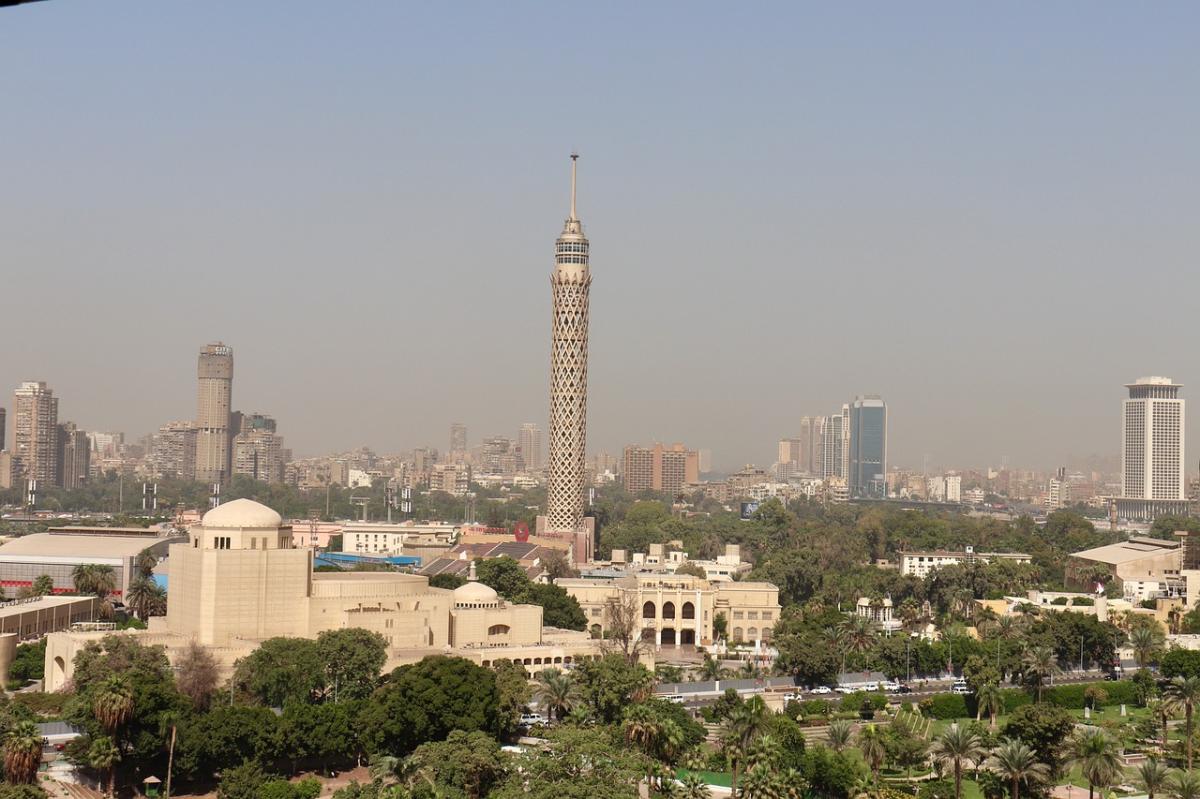
Proudly standing on Gezira Island in the heart of Cairo, the Cairo Tower, or Burj Al-Qahira, is a prominent feature of the citys skyline and a testament to modern Egyptian architecture. Reaching a height of 187 meters (614 feet), it is one of the tallest structures in Egypt and North Africa. For decades...
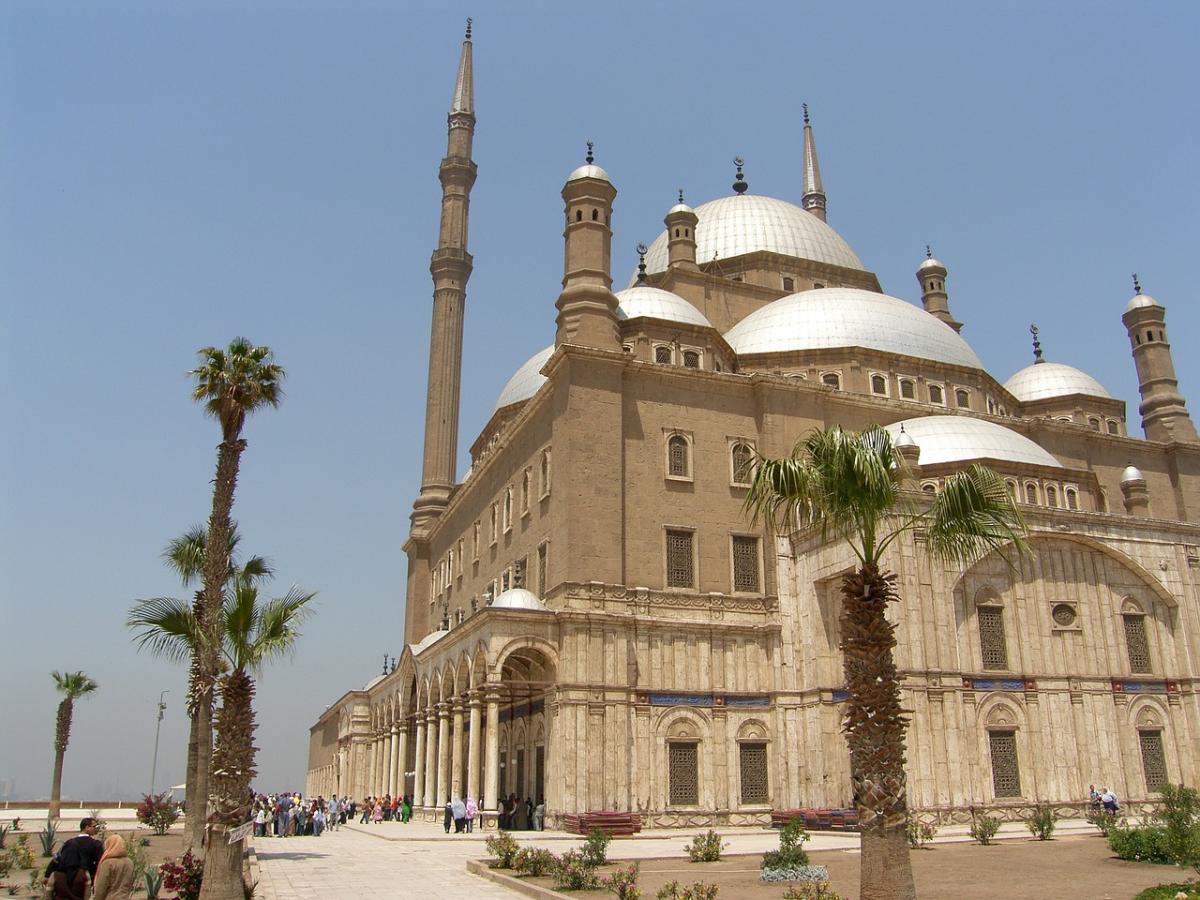
Cairo, Egypt - Perched majestically atop the Citadel of Saladin, the historic seat of Egyptian power for nearly 700 years, the Mosque of Muhammad Ali is an iconic landmark and an enduring symbol of Cairos skyline. Popularly known as the Alabaster Mosque for the extensive use of this gleaming stone on...