What Do You Need to Know Before Visiting Cairo? The Ultimate Travel Checklist for Egypt’s Capital
Cairo is a city that rarely eases visitors gently into their surroundings. The call to prayer carries across crowded streets, centuries-old mosques stand beside contemporary apartment buildings, traditional sailing boats drift along the Nile, and the pyramids rise beyond the sprawling urban landscape. Few destinations bring together so many different chapters of human history within a single metropolitan area.
Yet Cairo can also be an overwhelming destination for the unprepared traveler. Its considerable size, congested roads, distinctive social customs, seasonal temperatures, and abundance of historical attractions make advance planning particularly worthwhile. Something as simple as choosing the right neighborhood for your accommodation can significantly influence the quality of your visit.
Whether you are traveling to Egypt for the first time, embarking on a family vacation, or exploring the country's extraordinary archaeological heritage, this comprehensive Cairo travel checklist covers the practical details, cultural experiences, essential preparations, and remarkable places that deserve a place on your itinerary.
Choose the Best Time of Year to Visit Cairo
Timing can make an enormous difference when visiting the Egyptian capital, particularly if your itinerary involves spending several hours outdoors among archaeological monuments.
Cairo experiences a predominantly dry desert climate, characterized by hot summers, mild winters, abundant sunshine, and relatively little rainfall. The period between October and April generally offers the most comfortable conditions for sightseeing, although each season has its own advantages.
Season | Typical conditions | Travel considerations |
|---|---|---|
December to February | Mild days and cool evenings | Excellent for archaeological sightseeing |
March to April | Increasingly warm, occasionally dusty | Comfortable for city exploration and outdoor activities |
May to September | Hot, dry, and intensely sunny | Best suited to early-morning excursions and indoor attractions |
October to November | Warm days and increasingly pleasant evenings | A favorable balance of weather and sightseeing conditions |
November and February are particularly appealing choices for travelers who prefer exploring historical sites without intense summer heat. Winter visitors should nevertheless bring an additional layer for evenings, especially when dining outdoors beside the Nile.
Spring occasionally brings dust-laden winds associated with the khamsin weather phenomenon. These conditions can temporarily reduce visibility and make outdoor sightseeing less comfortable.
Traveling during Ramadan offers an opportunity to experience a different rhythm of Egyptian life. Streets and restaurants become especially lively after sunset, while some attractions, businesses, and dining establishments may operate on adjusted schedules during daylight hours. Since Ramadan follows the Islamic lunar calendar, its dates change each year.
Check Your Passport, Visa, and Entry Requirements
International travelers should resolve their entry requirements well before departure rather than assuming they can obtain a visa upon landing.
Egypt offers electronic tourist visas and visas on arrival to eligible nationalities. However, eligibility depends on citizenship, passport type, and applicable immigration regulations. Some travelers must obtain advance authorization through an Egyptian embassy or consulate.
For travelers using the electronic visa system, passport validity of at least six months from the date of arrival is required. Applicants should also allow sufficient processing time and retain a printed copy of their approved visa.
Before departure, make sure you have the following documents:
- A passport with sufficient remaining validity.
- An approved visa or confirmation of visa-on-arrival eligibility.
- Return or onward flight details.
- Hotel reservation confirmations.
- Comprehensive travel insurance documentation.
- Copies of prescriptions for essential medication.
- Emergency contact information.
- Printed and digital copies of important travel documents.
- Any nationality-specific health or entry documentation.
Avoid purchasing electronic visas through unfamiliar websites that imitate government portals. Third-party services may impose unnecessary fees or provide misleading information.
Immigration requirements and visa charges can change, so verify the applicable regulations shortly before departure.
Purchase Comprehensive Travel Insurance
Travel insurance should be regarded as an essential expense rather than an optional addition to a Cairo vacation.
Although the city has private hospitals and medical facilities, international visitors may face considerable expenses if they require emergency treatment, hospitalization, or medical evacuation.
A suitable insurance policy should cover emergency medical treatment, hospitalization, medical evacuation, unexpected cancellations, travel interruptions, baggage loss, and any recreational activities included in your itinerary.
Travelers planning desert excursions, horseback riding, camel rides, or additional adventures outside Cairo should confirm that their policies cover these activities. Also check whether regional travel advisories affect the validity of the insurance.
Keep your insurance provider's emergency telephone number accessible offline. In an unexpected situation, searching through emails for policy information is the last thing you want to be doing.
Prepare for Cairo's Climate and Pack Accordingly
Packing for Cairo is less about bringing an extensive wardrobe and more about choosing practical, versatile items. Travelers often underestimate how much walking is involved in visiting archaeological sites, museums, traditional markets, and historic neighborhoods.
The following items deserve a place in your luggage:
- Lightweight, breathable cotton or linen clothing.
- Comfortable walking shoes with good grip.
- A wide-brimmed hat and UV-protective sunglasses.
- High-SPF sunscreen and lip balm.
- A lightweight scarf for visiting religious buildings.
- A light jacket or cardigan for cooler evenings.
- A portable charger or power bank.
- A reusable water bottle for safely sourced drinking water.
- Hand sanitizer and personal hygiene products.
- A compact first-aid kit.
- A secure crossbody bag or money belt.
- A universal electrical travel adapter.
- A small daypack for sightseeing excursions.
Loose-fitting clothing is generally more comfortable in Cairo's climate and better suited to visits involving religious monuments and traditional neighborhoods. Egypt generally uses Type C and Type F electrical sockets with a 220-volt, 50-hertz electricity supply.
Avoid bringing an unnecessarily heavy backpack on daily excursions. Walking across the Giza Plateau with limited shade becomes considerably more tiring when carrying equipment you hardly use.
Arrange Your Airport Transfer Before Arrival
Cairo International Airport is a major gateway to Egypt, and arranging transportation in advance can make your arrival considerably smoother.
Travelers can choose between airport limousine services, taxis, buses, and private hotel transfers. The most appropriate option depends on luggage requirements, arrival time, accommodation location, and personal budget.
For first-time visitors, a prearranged hotel transfer or reputable private transportation service is often worth the additional expense, particularly when arriving late at night or traveling with children.
Keep your hotel's address saved in both English and Arabic, along with its telephone number. Cairo contains numerous similarly named streets and establishments, and showing a driver the precise location can prevent unnecessary confusion.
Do not underestimate the city's traffic. A journey that appears relatively short on paper may take considerably longer during busy periods. This is especially important when returning to the airport for an international departure.
Decide Where to Stay in Cairo
Cairo's neighborhoods differ considerably in atmosphere, accessibility, and proximity to major attractions. Choosing accommodation solely on price can lead to hours of unnecessary commuting.
Neighborhood | Main advantages | Ideal for |
|---|---|---|
Downtown Cairo | Historic architecture, restaurants and central location | First-time visitors and independent travelers |
Zamalek | Cafés, galleries, restaurants and a relatively relaxed atmosphere | Couples and longer stays |
Giza | Proximity to the pyramids and Grand Egyptian Museum | Archaeology enthusiasts |
Garden City | Upscale accommodation and riverside surroundings | Luxury and business travelers |
Maadi | Leafy residential streets and neighborhood restaurants | Families and extended visits |
Heliopolis | Convenient access to the airport and eastern Cairo | Short stopovers and business trips |
New Cairo | Modern hotels, shopping centers and contemporary developments | Travelers seeking modern facilities |
Downtown Cairo makes a practical base for exploring the city's historical and cultural attractions. Zamalek, situated on Gezira Island, offers a pleasant alternative for those who appreciate neighborhood cafés, contemporary Egyptian culture, and evenings away from the busiest commercial streets.
Giza is an excellent choice for travelers whose principal interests are the pyramids and ancient Egyptian civilization. However, staying near the pyramids does not necessarily make visiting other parts of Cairo convenient.
For an ordinary three- or four-night vacation, changing hotels is rarely necessary. Select one well-positioned base and organize sightseeing geographically.
Understand How to Get Around Cairo
Cairo is not a destination where walking alone will take you everywhere. Greater Cairo stretches across an enormous urban area, and its principal attractions are distributed among several districts.
Cairo Metro
The metro is an inexpensive and practical means of avoiding road congestion. Its operational network connects many residential, commercial, and historical districts.
Sadat station provides access to Tahrir Square, while Mar Girgis station is particularly convenient for visiting Coptic Cairo and the Hanging Church.
Dedicated women-only carriages are available on the metro, offering an additional travel option for female passengers.
Although the metro works well for certain journeys, some archaeological attractions are more conveniently reached by car.
Ride-Hailing Services and Taxis
App-based transportation services can simplify journeys by displaying estimated fares, recording routes, and reducing the need for price negotiations.
Traditional taxis are also widely available. When using one, confirm how the fare will be calculated before beginning the journey. Carrying smaller Egyptian banknotes makes payment easier.
Private Drivers and Licensed Guides
Hiring a private driver can be particularly useful when visiting Giza, Saqqara, Memphis, and Dahshur. These archaeological destinations involve longer journeys, and dependable transportation allows travelers to spend more time exploring rather than arranging successive rides.
A qualified guide is worth considering when visiting monuments whose historical significance is not immediately apparent. Ancient Egyptian temples, burial chambers, inscriptions, and medieval Islamic buildings become substantially more interesting when their architectural details are explained in context.
Walking Through Historic Neighborhoods
Historic Cairo is best appreciated on foot, but pedestrians should remain attentive. Pavements may be uneven or obstructed, and crossing busy streets requires patience.
Allow yourself time to wander through quieter lanes and stop at traditional cafés. Some of Cairo's most memorable experiences occur between the major attractions rather than inside them.
Explore the Pyramids of Giza and the Great Sphinx
No Cairo travel checklist would be complete without the extraordinary monuments of the Giza Plateau.
Constructed during Egypt's Fourth Dynasty, the three principal pyramids served as royal burial monuments for Khufu, Khafre, and Menkaure. Surrounding them are smaller pyramids, ancient cemeteries, temples, causeways, and the Great Sphinx, creating an archaeological landscape far more extensive than many first-time visitors anticipate.
The Great Pyramid of Khufu is the largest of the three and the only surviving monument among the traditional Seven Wonders of the Ancient World. Its immense scale becomes particularly apparent when standing beside its massive limestone blocks.
Essential Experiences at the Giza Plateau
- Explore the exterior of the Great Pyramid.
- Visit the pyramids of Khafre and Menkaure.
- Discover the Great Sphinx and its surrounding monuments.
- Appreciate the relationship between the pyramids and their funerary temples.
- Visit designated panoramic viewpoints.
- Explore accessible ancient tombs where permitted.
- Consider entering one of the pyramids if physically comfortable doing so.
General admission does not automatically include access to pyramid interiors and certain archaeological structures. Separate tickets may be necessary, depending on the monuments you wish to enter.
Anyone uncomfortable with confined spaces should think carefully before entering a pyramid. Interior passages can be narrow, steep, warm, and physically demanding. The experience is fascinating, but it is not essential to appreciating the monuments.
Arriving early generally offers more comfortable temperatures and allows you to explore before the busiest part of the day.
Be cautious when accepting unsolicited offers involving guides, transportation, camel rides, souvenirs, or supposedly complimentary services. Establish the complete price and conditions before accepting anything.
Visit the Grand Egyptian Museum
The Grand Egyptian Museum, located near the Giza Plateau, has transformed the experience of exploring ancient Egyptian civilization.
Rather than functioning simply as a collection of valuable antiquities, the museum presents Egypt's ancient history through expansive galleries, carefully organized exhibitions, monumental sculptures, and contemporary exhibition design.
Its visitor experience includes the Tutankhamun Galleries, Main Galleries, Grand Hall, Grand Staircase, and Khufu's Boats Museum. The extraordinary funerary treasures associated with Tutankhamun remain among its most compelling attractions.
Visitors should allocate at least half a day to the museum. Those with a particular interest in Egyptology could comfortably spend considerably longer.
Among the experiences worth prioritizing are:
- The monumental statue of Ramesses II.
- Tutankhamun's remarkable funerary collection.
- Ancient royal sculptures.
- Exhibitions exploring religion, kingship, and everyday life.
- The Grand Staircase.
- Khufu's ancient boats.
Reserve admission through the museum's official ticketing service and confirm opening hours before visiting.
Although the museum's proximity to the pyramids makes combining both attractions possible, dedicating separate days to them is preferable when time permits. Attempting to experience thousands of years of Egyptian history alongside an extensive outdoor archaeological excursion can make for an exhausting day.
Discover Cairo's Three Major Egyptian History Museums
One common mistake when planning a Cairo vacation is assuming that the city's principal museums contain essentially the same material.
In reality, each offers a distinct perspective on Egyptian history.
Museum | Location | Principal highlights | Suggested visit duration |
|---|---|---|---|
Grand Egyptian Museum | Giza | Tutankhamun's treasures, monumental sculptures and archaeological collections | 4-6 hours |
Egyptian Museum | Tahrir Square | Historic archaeological collections, the Narmer Palette and the treasures of Tanis | 2-4 hours |
National Museum of Egyptian Civilization | Fustat | Royal mummies and the development of Egyptian civilization | 2-3 hours |
The Egyptian Museum in Tahrir Square
Opened in its current building in 1902, the Egyptian Museum remains an institution of enormous historical and archaeological importance.
Its collections include the Narmer Palette, the funerary objects of Yuya and Thuya, and remarkable discoveries associated with the royal burials at Tanis. These artifacts help explain the development of Egyptian statehood, royal traditions, craftsmanship, and religious beliefs.
Even after the transfer of major collections to the Grand Egyptian Museum, the historic museum continues to warrant a visit.
The National Museum of Egyptian Civilization
Situated in Fustat, this museum examines the development of Egyptian civilization across different historical periods rather than concentrating exclusively on the age of the pharaohs.
Its Royal Mummies Hall provides an opportunity to encounter the preserved remains of ancient Egyptian rulers, including some of the most influential figures of the New Kingdom.
The museum offers a particularly valuable perspective on ancient Egyptian beliefs concerning death, preservation, kingship, and the afterlife.
Wander Through the Streets of Historic Cairo
Ancient Egypt may be the country's most internationally recognizable attraction, but medieval Cairo is equally deserving of attention.
Historic Cairo, inscribed on the World Heritage List in 1979, preserves an exceptional concentration of religious monuments, educational institutions, historic houses, commercial buildings, and architectural achievements dating from different periods of Islamic history.
Unlike archaeological sites abandoned centuries ago, much of Historic Cairo remains a functioning urban environment. Residents, merchants, craftsmen, and worshippers continue to occupy streets shaped by generations of history.
Al-Muizz Street
Al-Muizz Street is among the most rewarding places to explore Cairo's medieval architectural heritage.
Its historic buildings reflect the influence of several ruling dynasties, particularly through their intricate stonework, decorated façades, religious complexes, and elaborate entrances.
The Qalawun Complex, religious schools, and historic mosques demonstrate the sophistication of medieval Egyptian craftsmanship and urban architecture.
Rather than rushing from monument to monument, allow time to examine the details that make these buildings distinctive.
The Citadel of Saladin
The Citadel occupies an elevated position overlooking Cairo and played an important role in the city's political and military history.
Within its walls stands the celebrated Mosque of Muhammad Ali, recognizable by its expansive central dome and slender minarets.
The complex provides an excellent introduction to Cairo's development as a center of political authority while offering extensive views across the surrounding city.
The Mosque-Madrasa of Sultan Hassan
The monumental Mosque-Madrasa of Sultan Hassan ranks among Cairo's finest examples of Mamluk architecture.
Its extraordinary proportions, imposing entrance, expansive courtyard, and carefully arranged interior spaces illustrate the architectural ambitions of medieval Egypt.
Nearby, Al-Rifa'i Mosque provides an interesting contrast through its later construction and historical associations.
Al-Azhar Mosque
Founded during the Fatimid period, Al-Azhar Mosque developed into one of the Islamic world's most significant centers of religious scholarship.
Its architecture reflects contributions made over several centuries, while its continued religious and educational importance gives the monument a significance extending far beyond its physical appearance.
Visitors should observe religious customs and avoid disrupting worshippers.
Experience the Atmosphere of Khan el-Khalili
Khan el-Khalili is considerably more than a souvenir market. Its narrow passages, historic commercial buildings, workshops, cafés, and small shops form part of Cairo's longstanding trading culture.
Walking through the bazaar reveals an eclectic selection of goods, including textiles, brassware, jewelry, spices, traditional lanterns, perfumes, and decorative objects.
The market is especially atmospheric in the evening, when surrounding streets become lively with shoppers, diners, and café customers.
For a more rewarding experience, consider exploring nearby workshops and the traditional Tentmakers' Market, where Egyptian textile craftsmanship remains an important part of the neighborhood's identity.
Practical Shopping Advice
Bargaining is common in traditional markets, although it is not necessarily appropriate in fixed-price establishments.
Approach negotiations politely and decide what an item is genuinely worth to you before discussing the price. There is no obligation to complete a purchase simply because a conversation has begun.
Ask about materials and manufacturing origins when buying supposedly handmade products. Not every item sold in a traditional market has been produced locally.
Avoid purchasing objects represented as genuine ancient antiquities. Besides the possibility of fraud, the unauthorized acquisition and export of archaeological material can carry serious legal consequences.
Explore the Religious Heritage of Coptic Cairo
Coptic Cairo offers a quieter and historically distinctive experience, revealing important chapters of Egypt's Christian and Jewish heritage.
The neighborhood contains ancient churches, religious institutions, remains of Roman-era fortifications, and historical buildings associated with several religious traditions.
Notable attractions include:
- The Hanging Church.
- The Church of Saints Sergius and Bacchus.
- The Coptic Museum.
- The Ben Ezra Synagogue.
- The remains of the Babylon Fortress.
- The nearby Mosque of Amr ibn al-As.
The Hanging Church is particularly notable for its architectural position above the remains of the Roman fortress. The Church of Saints Sergius and Bacchus is traditionally associated with the Holy Family's journey through Egypt.
The Coptic Museum provides historical context through its extensive collection of Christian Egyptian art, textiles, manuscripts, woodwork, and religious objects. Together, these monuments illustrate the religious diversity and historical continuity of the Egyptian capital.
Combining Coptic Cairo with the National Museum of Egyptian Civilization makes geographical and historical sense, particularly for travelers interested in understanding Egypt beyond its pharaonic past.
Take a Day Trip to Saqqara, Memphis, and Dahshur
Travelers who visit only the Giza pyramids miss an extraordinary opportunity to understand how ancient Egyptian pyramid construction developed.
The archaeological landscapes south of Cairo contain monuments representing different stages of architectural experimentation, royal burial practices, and religious traditions.
Saqqara and the Step Pyramid of Djoser
Saqqara served as an extensive burial ground associated with ancient Memphis.
Its most celebrated monument is the Step Pyramid of Djoser, a revolutionary architectural achievement from the Third Dynasty. Unlike the smooth-sided pyramids at Giza, Djoser's monument consists of successive stepped levels.
Saqqara also contains decorated tombs belonging to ancient officials, later pyramids, religious structures, and the Serapeum, where sacred Apis bulls were buried.
The decorated tombs are particularly rewarding because their scenes reveal aspects of ancient Egyptian agriculture, craftsmanship, hunting, food production, and everyday life.
Memphis
Once a major political and religious center of ancient Egypt, Memphis occupied a strategically important position near the southern end of the Nile Delta.
Although relatively little of the ancient city survives above ground, its archaeological remains help place the surrounding pyramid complexes within their original historical setting.
The monumental reclining statue of Ramesses II is among the most recognizable surviving objects displayed at the site.
Dahshur
Dahshur is home to two remarkable pyramids associated with King Sneferu: the Bent Pyramid and the Red Pyramid.
The Bent Pyramid's unusual silhouette reflects a significant alteration in its angle of construction. The Red Pyramid represents a successful development toward the smooth-sided pyramid form that would later reach its most celebrated expression at Giza.
Visiting Saqqara and Dahshur alongside Giza makes the evolution of pyramid architecture considerably easier to understand.
These locations also provide a different atmosphere from the frequently crowded Giza Plateau. Set aside an entire day for this excursion and arrange dependable transportation.
Spend Time Along the Nile
The Nile has shaped Egyptian settlement, agriculture, transportation, and cultural identity for thousands of years. In modern Cairo, it remains an integral part of the city's geography and everyday life.
Experiencing the river provides a welcome contrast to busy roads and crowded archaeological sites.
A traditional felucca ride offers an opportunity to appreciate Cairo from the water. Unlike motorized sightseeing vessels, these traditional sailing boats depend primarily on the wind, creating a gentler experience when conditions are favorable.
Other ways to enjoy the Nile include riverside dining, evening walks, visiting Gezira Island, or spending time in a café overlooking the water.
The river is particularly attractive around sunset, although visibility and atmospheric conditions vary.
Choose reputable boat operators, confirm the duration and total price in advance, and make sure appropriate safety equipment is available.
Discover Authentic Egyptian Cuisine
Egyptian cuisine is an essential component of any meaningful visit to Cairo. Many traditional dishes are inexpensive, filling, and deeply connected to everyday Egyptian life.
Visitors who restrict themselves to international hotel restaurants miss much of the country's culinary character.
Traditional dish | Description |
|---|---|
Koshari | Rice, lentils, pasta, chickpeas, tomato sauce and crispy onions |
Ful medames | Slowly cooked fava beans, often served with bread and seasonings |
Ta'ameya | Egyptian falafel traditionally prepared with fava beans |
Molokhia | A savory preparation of finely chopped jute leaves |
Hawawshi | Seasoned minced meat enclosed in bread and baked |
Mahshi | Vegetables stuffed with seasoned rice |
Fattah | Layers of bread, rice, meat and flavorful sauces |
Feteer meshaltet | Rich, layered Egyptian pastry |
Umm Ali | A warm dessert containing pastry, milk and often nuts |
Basbousa | Sweet semolina cake soaked in syrup |
Koshari, ful medames, and ta'ameya are particularly representative of everyday Egyptian dining. Their popularity also makes Cairo a rewarding destination for travelers interested in plant-based cuisine.
Egyptian breakfast deserves special attention. Fresh bread, fava beans, ta'ameya, cheese, and vegetables create a substantial meal that provides plenty of energy before a long day of sightseeing.
Traditional beverages worth trying include Egyptian tea, hibiscus infusions known as karkade, and fresh sugarcane juice prepared under hygienic conditions.
Manage Your Health and Food Safety
Cairo's heat, dust, unfamiliar foods, and demanding sightseeing schedules can affect even experienced travelers.
Arrange a travel-health consultation ideally a month or more before departure. Depending on your vaccination history, personal circumstances, and itinerary, recommendations may include routine immunizations, hepatitis A, hepatitis B, typhoid, and additional preventive measures.
A sensible approach to food and water includes drinking sealed bottled water or reliably treated water, avoiding ice of uncertain origin, washing your hands frequently, and choosing freshly prepared food.
Cooked meals served hot are generally a safer option than food that has remained exposed for an extended period.
Be cautious around unfamiliar dogs, cats, and other animals. Animal bites and scratches require prompt medical attention because of the potential risk of rabies.
Swimming or wading in untreated freshwater, including the Nile and irrigation canals, should be avoided because of the risk of waterborne infections such as schistosomiasis.
Anyone experiencing severe or persistent diarrhea, fever, dehydration, or other concerning symptoms should seek appropriate medical care rather than relying exclusively on self-treatment.
Budget for Your Cairo Vacation
Cairo accommodates travelers across a wide range of budgets. It is possible to enjoy inexpensive local meals and public transportation while also having access to international luxury hotels, private excursions, and sophisticated restaurants.
Nevertheless, archaeological admission charges, museum tickets, transportation, and guided excursions can accumulate quickly.
The following figures are illustrative daily planning allowances in US dollars for one traveler, rather than verified current price quotations.
Expense | Economy travel | Mid-range travel | Luxury travel |
|---|---|---|---|
Accommodation | $20-45 | $60-140 | $180-500+ |
Meals and beverages | $8-18 | $20-45 | $60-150+ |
Local transportation | $3-12 | $15-35 | $50-120+ |
Attractions and activities | $15-40 | $30-70 | $70-150+ |
Tips and miscellaneous expenses | $5-10 | $10-20 | $20-50+ |
Approximate daily budget | $51-125 | $135-310 | $380-970+ |
These estimates exclude international flights, visas, and travel insurance. Accommodation costs are assumed to be for a solo traveler paying for a room. Actual expenses depend heavily on the season, exchange rates, hotel category, and chosen attractions.
Budget travelers can reduce expenses by using public transportation, eating at reputable local restaurants, and choosing centrally located accommodation.
Visitors should also establish a separate budget for optional museum exhibitions, pyramid interiors, private guides, shopping, and excursions outside central Cairo.
Understand Egyptian Currency and Payment Methods
Egypt's official currency is the Egyptian pound, abbreviated as EGP.
Although major hotels, restaurants, museums, and shopping centers increasingly accept payment cards, cash remains useful for smaller transactions, traditional markets, tips, and certain transportation services.
Withdraw or exchange money through authorized banks, ATMs, or licensed exchange offices. Avoid informal currency exchanges.
Carry smaller denominations whenever possible. Paying for a modest purchase with a large banknote can occasionally create difficulties when vendors have insufficient change.
It is also advisable to carry more than one payment method and confirm whether your bank charges international transaction or ATM withdrawal fees.
Museum and archaeological admission prices can change, and some venues use electronic or card-based ticketing systems. Check the accepted payment methods before visiting.
Understand Tipping and Baksheesh
Tipping, often referred to as baksheesh, is an established feature of many service-related transactions in Egypt.
Travelers may encounter expectations of small gratuities when dealing with hotel porters, restaurant employees, tour guides, private drivers, attendants, and individuals providing assistance.
There is no universal mandatory tipping amount that applies to every situation. A modest gratuity should reflect the nature of the service and its quality.
Check restaurant bills to determine whether service charges have already been included.
Keeping a small collection of lower-denomination banknotes makes tipping considerably easier.
Importantly, visitors should distinguish between rewarding helpful service and accepting unwanted assistance. If someone offers to guide you, carry your belongings, or provide another service without being asked, clarify whether payment is expected.
Respect Egyptian Customs and Social Etiquette
Egyptian society combines deeply rooted religious and cultural traditions with the characteristics of a modern, cosmopolitan country.
Visitors do not need to adopt every local custom, but a degree of cultural awareness can make interactions considerably more comfortable.
Dress respectfully when visiting mosques, churches, and traditional religious neighborhoods. Clothing that covers the shoulders and knees is advisable, while certain religious sites may require more extensive coverage or a headscarf. Shoes should be removed when entering designated prayer areas.
Public displays of affection may attract unwanted attention, particularly in conservative settings. Travelers should also be aware that LGBTQ+ individuals can face substantial legal and social risks, including prosecution under broadly applied laws.
During Ramadan, be considerate of those observing the fast. Some restaurants may alter their operating hours, and religious observances can influence the daily rhythm of neighborhoods.
Courtesy is rarely complicated. Greeting people politely, showing patience, and respecting religious practices go a long way toward building positive interactions.
Learn a Few Useful Arabic Expressions
Although English is widely understood in major tourist establishments, knowing a few Arabic expressions can make everyday exchanges more personable.
Arabic expression | English meaning |
|---|---|
As-salamu alaykum | Peace be upon you |
Wa alaykum as-salam | And peace be upon you |
Shukran | Thank you |
Afwan | You're welcome |
Sabah el-kheir | Good morning |
Masa el-kheir | Good evening |
Aiwa | Yes |
La | No |
Bikam? | How much? |
Min fadlak / Min fadlik | Please, addressing a man / woman |
La, shukran | No, thank you |
Fein el-hammam? | Where is the bathroom? |
Ma'a as-salama | Goodbye |
Pronunciation and transliteration may vary, especially between formal Arabic and Egyptian colloquial Arabic.
Even imperfect attempts to speak a few words of Arabic are often appreciated. The expression la, shukran is particularly useful when politely declining persistent sales offers.
Stay Connected with Mobile Internet
Reliable mobile internet can significantly improve the practical experience of visiting Cairo.
Navigation applications, translation tools, ride-hailing services, electronic reservations, and digital payment services are considerably easier to use with a dependable connection.
Major Egyptian telecommunications companies include Vodafone, Orange, WE, and e& Egypt. Visitors can inquire about temporary mobile plans designed for travelers, with passport documentation generally required for registration.
An international eSIM may also be convenient for compatible devices, particularly when internet access is needed immediately upon arrival.
Before departure, save important information offline, including hotel addresses, reservation confirmations, travel insurance details, emergency numbers, and copies of essential documents.
Offline navigation is particularly useful in areas where connectivity becomes unreliable.
Understand Photography Restrictions and Local Laws
Travelers should familiarize themselves with Egyptian photography regulations before bringing specialized equipment or documenting public spaces.
Photography involving military facilities, security installations, government buildings, and other sensitive infrastructure is restricted or prohibited. Professional equipment may require advance authorization, while importing or operating drones without the appropriate permission can carry serious legal consequences.
Museums, archaeological sites, and religious buildings may impose their own restrictions concerning cameras, flash photography, tripods, and recording equipment.
Respect these regulations even when other visitors appear to disregard them.
Egyptian regulations also restrict photographing citizens without appropriate consent, and taking photographs of children is prohibited under the applicable public photography rules.
Travelers carrying prescription medications should confirm that their medicines are permitted in Egypt. Certain substances available legally in other countries may be subject to Egyptian restrictions.
Stay Safe While Exploring Cairo
Cairo receives substantial numbers of international visitors, but its popularity should not be mistaken for an absence of security concerns.
Travelers should exercise appropriate caution, remain aware of their surroundings, and consult current government travel advisories before departure.
Potential concerns include petty theft, harassment, opportunistic scams, traffic accidents, regional tensions, and terrorism-related security risks. Conditions may change, and travel restrictions applicable to certain regions of Egypt should not be confused with the circumstances prevailing in central Cairo.
Practical precautions include:
- Avoid political demonstrations and large, unpredictable gatherings.
- Keep valuables secured and avoid displaying substantial amounts of cash.
- Use reputable transportation providers.
- Remain attentive when crossing busy roads.
- Avoid isolated or poorly lit streets late at night.
- Decline unsolicited invitations that make you uncomfortable.
- Establish prices before accepting commercial services.
- Follow instructions issued by local authorities.
- Inform someone of your itinerary when undertaking remote excursions.
The purpose of these precautions is not to discourage exploration. Rather, they allow travelers to navigate an unfamiliar environment with greater confidence.
Advice for Solo Travelers and Women
Solo travelers should choose well-reviewed accommodation, arrange dependable transportation, and pay particular attention to their surroundings after dark.
Women traveling independently may encounter unwanted attention, verbal harassment, or other inappropriate behavior. Such experiences are not inevitable, but the possibility warrants consideration.
Using licensed guides, reputable drivers, and established tourism services can reduce unnecessary difficulties. Dedicated women-only metro carriages may also be convenient.
If harassment occurs, move toward a busy, staffed location and seek assistance from security personnel, hotel employees, or the Tourist Police when necessary.
Consider Accessibility and Physical Requirements
Cairo's archaeological and historic attractions can present difficulties for visitors with limited mobility.
Uneven stone surfaces, steep stairs, narrow passages, high thresholds, sandy terrain, and limited seating are common at older monuments.
The Giza Plateau involves substantial outdoor walking, while pyramid interiors may be unsuitable for travelers with mobility limitations, claustrophobia, or certain cardiovascular and respiratory conditions.
Modern museums may offer more accessible facilities, but arrangements should be confirmed directly with each institution.
Travelers visiting with elderly relatives, young children, or individuals with disabilities should plan shorter sightseeing periods, dependable transportation, regular breaks, and realistic daily schedules.
A less ambitious itinerary often produces a more enjoyable experience than attempting to visit every attraction regardless of physical demands.
Enjoy Cairo Beyond Its Famous Monuments
Although the pyramids and major museums are indispensable attractions, Cairo rewards travelers who venture beyond the conventional tourist circuit.
Al-Azhar Park
Al-Azhar Park provides landscaped gardens and views across Historic Cairo. It is particularly appealing after several hours spent exploring crowded streets and religious monuments.
Zamalek
Zamalek offers an interesting contrast to the medieval neighborhoods. Its galleries, cafés, restaurants, and residential streets introduce visitors to a different side of contemporary Egyptian life.
The Museum of Islamic Art
The Museum of Islamic Art brings together objects illustrating the artistic achievements of Islamic civilizations, including ceramics, metalwork, manuscripts, woodwork, and textiles.
It is particularly rewarding after visiting Cairo's mosques and medieval monuments, as the collections provide additional context for the decorative traditions encountered throughout the city.
The Tentmakers' Market
The traditional Tentmakers' Market offers an opportunity to discover Egyptian appliqué textile craftsmanship and purchase distinctive decorative items from local workshops.
Downtown Cairo
Downtown's nineteenth- and early twentieth-century architecture reveals an often-overlooked chapter of the city's development.
Exploring its streets, bookshops, traditional cafés, and historic buildings provides insight into the cosmopolitan ambitions that shaped modern Cairo.
Traditional Egyptian Performances
Depending on current schedules, travelers may have the opportunity to attend traditional music, dance, theatrical productions, or Tanoura performances.
Such experiences provide a connection to Egypt's living cultural traditions rather than focusing exclusively on its archaeological heritage.
Create a Realistic Cairo Sightseeing Itinerary
Cairo deserves more than a hurried stopover. Although a short visit can cover the most celebrated attractions, four or five days allow travelers to appreciate the city's historical diversity without constantly rushing.
The following itinerary is a suggested arrangement based on geographical convenience and reasonable sightseeing durations.
Day | Morning | Afternoon | Evening |
|---|---|---|---|
First day | Arrival or Downtown Cairo | Egyptian Museum in Tahrir Square | Dinner beside the Nile |
Second day | Giza Pyramids and Great Sphinx | Additional plateau attractions and relaxation | Traditional Egyptian dinner |
Third day | Grand Egyptian Museum | Continue museum exploration | Zamalek or riverside cafés |
Fourth day | Saqqara and Memphis | Dahshur | Rest at the hotel |
Fifth day | Coptic Cairo | National Museum of Egyptian Civilization | Leisurely dinner |
Sixth day | Citadel and Sultan Hassan Mosque | Al-Muizz Street and Al-Azhar Mosque | Khan el-Khalili |
Spending Two Days in Cairo
Prioritize the Giza Plateau and Grand Egyptian Museum on one day, followed by Historic Cairo and a selection of central attractions on the second.
This arrangement is ambitious but suitable for travelers with limited time.
Spending Three or Four Days in Cairo
Separate the pyramids and Grand Egyptian Museum into different days if possible. Dedicate another day to Islamic and Coptic Cairo, then use any remaining time for Saqqara and Dahshur or the Egyptian Museum in Tahrir Square.
Spending Five to Seven Days in Cairo
A longer stay provides enough time for the principal archaeological sites, museums, religious monuments, traditional markets, local cuisine, and contemporary neighborhoods.
It also allows room for unexpected discoveries, leisurely meals, and changes caused by weather or traffic.
Keep Important Emergency Numbers Available
Save essential Egyptian emergency telephone numbers before arriving.
Service | Telephone number |
|---|---|
General police | 122 |
Tourist Police | 126 |
Ambulance | 123 |
Fire services | 180 |
Egyptian tourism information | 19654 |
Cairo Airport shuttle service | 19970 |
Tourism-related emergency and information services can assist visitors facing practical difficulties during their stay.
Your country's embassy or consulate telephone number should also be saved, alongside your insurance provider's emergency assistance number and your hotel's reception contact.
Do not depend exclusively on internet access to retrieve this information.
The Ultimate Cairo Travel Checklist
0 of 37 completed
Personal Cairo trip preparation checklist Reset
Before leaving home
Packing essentials
After arriving in Cairo
Essential experiences
Copy checklist
Common Mistakes to Avoid When Visiting Cairo
Even well-traveled visitors occasionally underestimate the practical challenges of exploring the Egyptian capital.
Some of the most common mistakes include attempting to visit too many attractions in one day, failing to account for road congestion, choosing accommodation without considering geography, neglecting sun protection, and arriving at monuments without checking admission requirements.
Another frequent mistake is assuming that all of Cairo's historical significance belongs to ancient Egypt. The city's Christian, Islamic, Ottoman, nineteenth-century, and contemporary cultural heritage deserves attention in its own right.
Travelers also benefit from resisting the temptation to organize every minute of their vacation. An unexpected conversation with a shopkeeper, an extended lunch, or an unplanned walk through a historic neighborhood may become more memorable than an attraction originally considered indispensable.
Final Thoughts
Cairo is not a destination that reveals itself completely during a single visit. Its ancient monuments are extraordinary, but its character also resides in the narrow streets of medieval neighborhoods, the conversations unfolding in traditional cafés, the craftsmanship of local artisans, and the movement of everyday life along the Nile.
Preparing carefully makes it easier to appreciate these experiences. Choosing an appropriate season, organizing transportation, respecting local customs, allowing sufficient time for museums, and taking sensible health and safety precautions can transform a demanding vacation into a deeply rewarding journey.
Above all, resist the impulse to treat Cairo as merely a collection of famous landmarks. The pyramids may provide the initial reason for visiting, but the city's remarkable cultural continuity, hospitality, architecture, and enduring historical complexity are what make it such a compelling destination.
Arrive prepared, remain curious, and leave enough room in your itinerary for Cairo to surprise you.
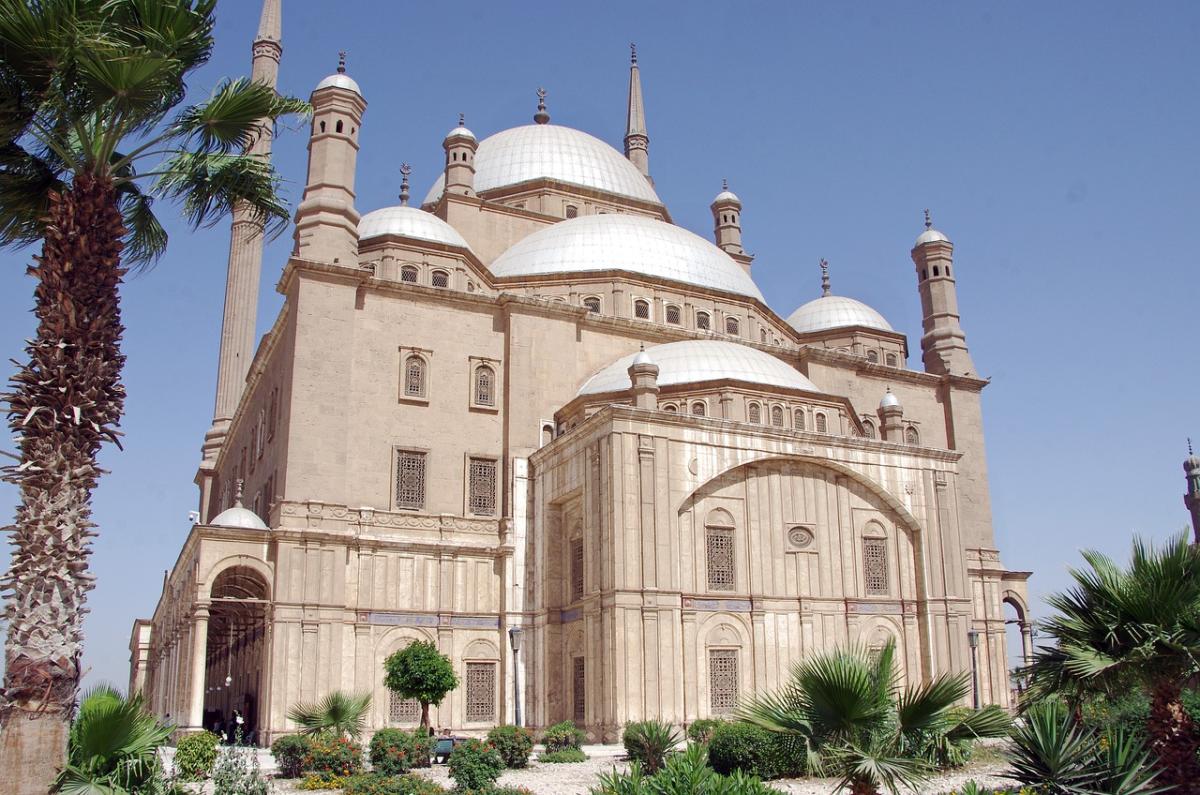
High above the crowded streets, centuries-old mosques, traditional markets, and sprawling neighborhoods of Egypt’s capital stands the Citadel of Cairo, a magnificent fortress that once served as the political and military heart of the country. Known locally as Qalaat Salah al-Din, or the Citadel of...
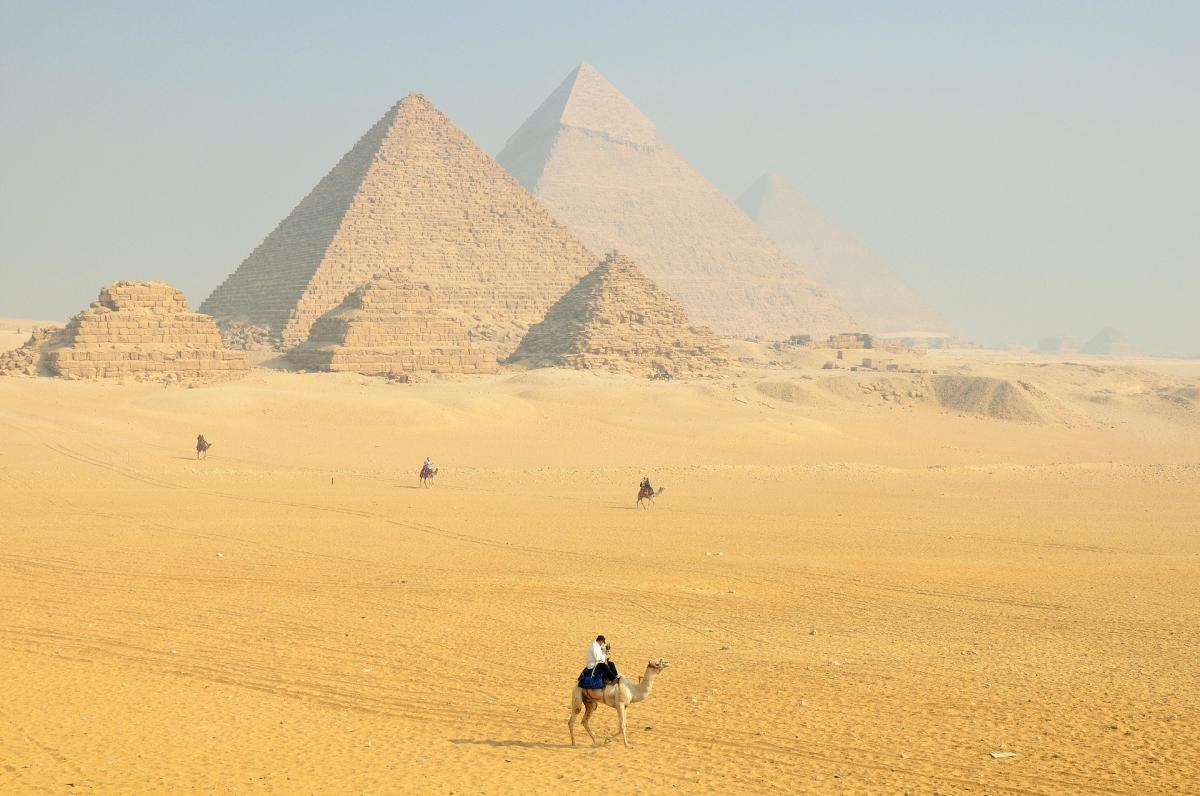
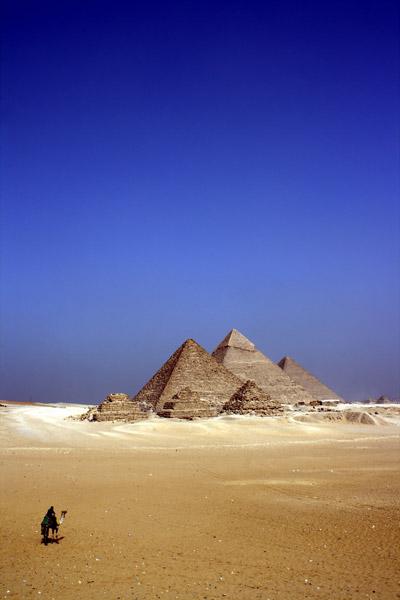
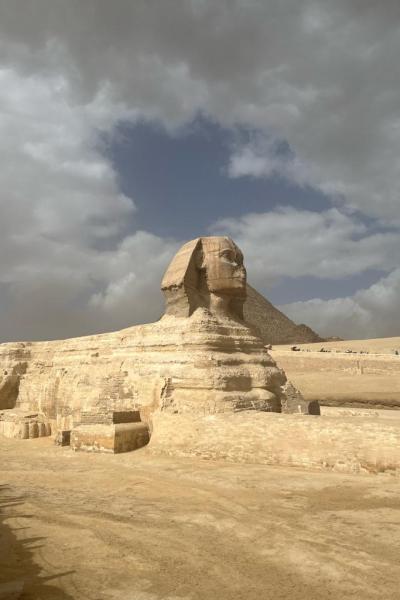
On the western bank of the Nile, where the sprawling neighborhoods of modern Cairo give way to the desert, stand three monuments that have fascinated humanity for more than four thousand years. The Pyramids of Giza have survived the rise and fall of empires, religious transformations, invasions, natural...
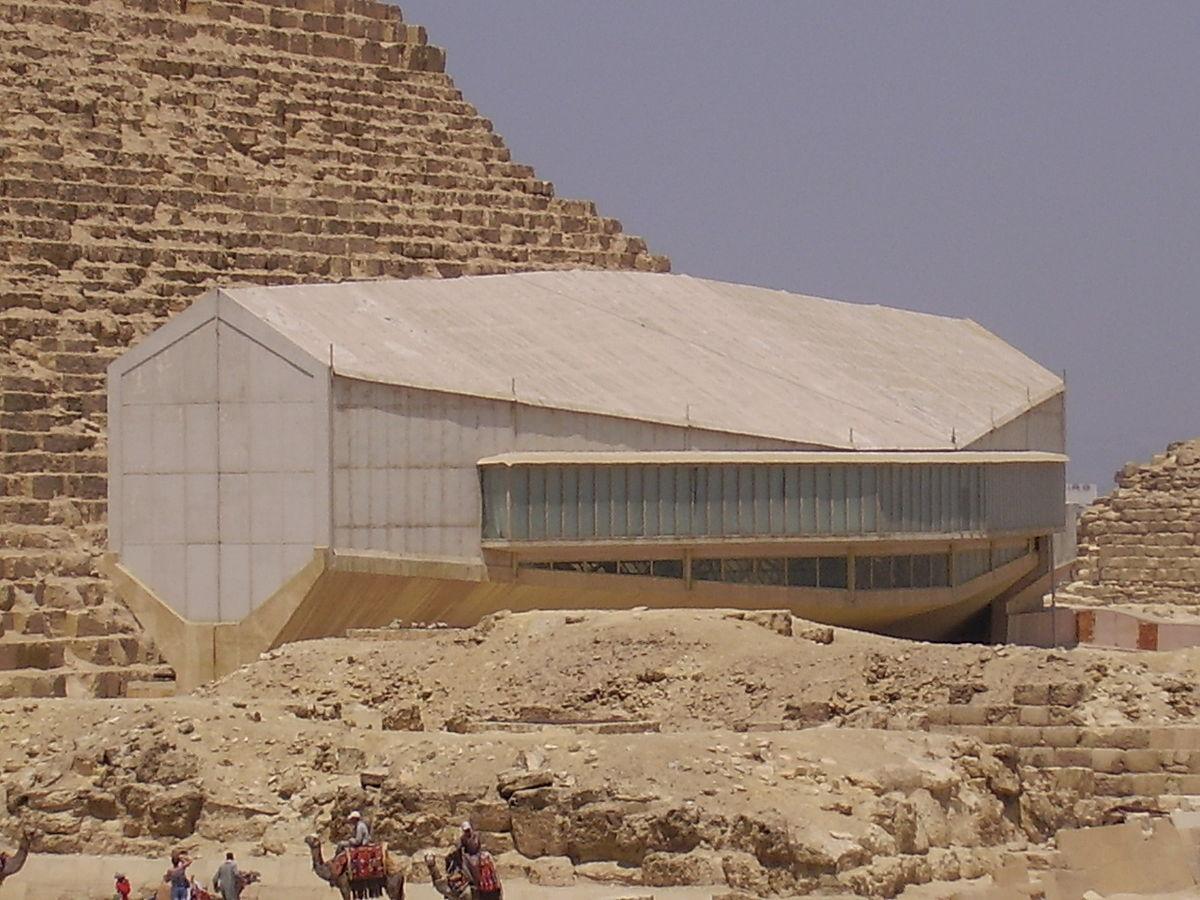
For thousands of years, a remarkable wooden vessel lay concealed beneath the sands of the Giza Plateau, just a short distance from the Great Pyramid. It carried no cargo of gold, precious stones or military equipment. Instead, it had apparently been prepared for a journey beyond the boundaries of the...