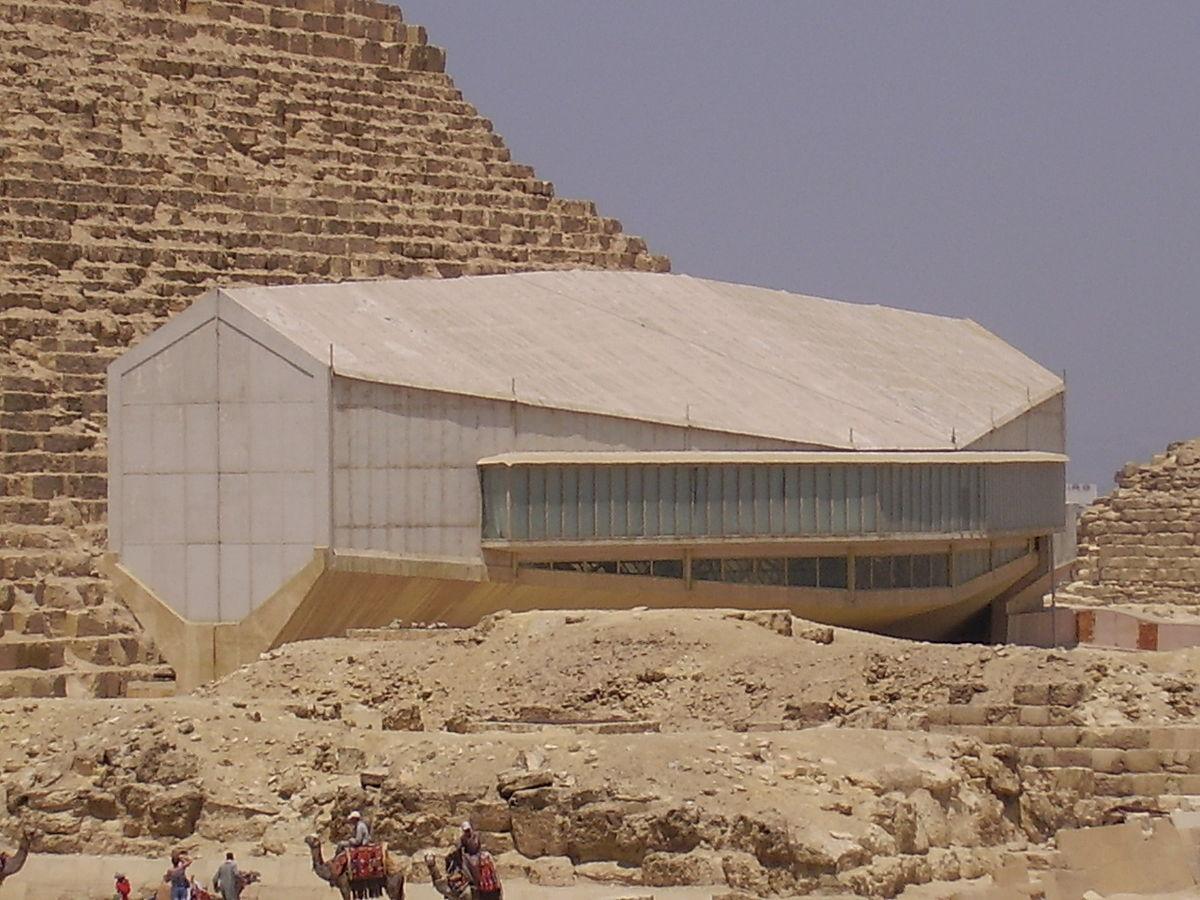
What Is the Solar Boat Museum in Giza and What Does Khufu’s Ancient Ship Reveal About the Egyptian Afterlife?
For thousands of years, a remarkable wooden vessel lay concealed beneath the sands of the Giza Plateau, just a short distance from the Great Pyramid. It carried no cargo of gold, precious stones or military equipment. Instead, it had apparently been prepared for a journey beyond the boundaries of the living world. Its intended owner was Khufu, the Fourth Dynasty pharaoh responsible for the construction of the Great Pyramid of Giza.
Discovered in 1954, Khufu’s magnificent funerary boat ranks among the oldest and best-preserved large wooden vessels in existence. Measuring more than 43 metres in length, it offers an extraordinary insight into ancient Egyptian shipbuilding, religious beliefs, royal burial traditions and the enduring human fascination with immortality.
For decades, the vessel was exhibited in the original Solar Boat Museum beside the Great Pyramid. In August 2021, however, it was transferred to the Grand Egyptian Museum (GEM), where a dedicated museum brings together the two remarkable boats discovered beside Khufu’s pyramid.
The collection tells a story that extends far beyond maritime archaeology. It reveals how the ancient Egyptians understood death, imagined the heavens and prepared their rulers for an existence that they believed would continue long after their earthly lives had ended.
The Discovery That Changed Our Understanding of Ancient Egypt
In May 1954, Egyptian archaeologist Kamal el-Mallakh was investigating the southern side of the Great Pyramid when he uncovered a series of enormous limestone blocks. Beneath them lay a carefully sealed, rectangular chamber carved into the natural bedrock of the Giza Plateau.
Inside the chamber were the dismantled components of an ancient wooden vessel. Planks, ropes, oars and structural elements had been arranged with remarkable precision, suggesting that the people responsible for its burial understood exactly how the ship could be put together again.
The dry environment and protective stone covering had helped preserve the organic materials for approximately 4,500 years. In a country celebrated for its monumental stone architecture, the survival of such an extensive wooden structure was particularly significant.
The discovery provided archaeologists with physical evidence of sophisticated maritime engineering during the Old Kingdom. Until then, much of what scholars knew about Egyptian vessels of this period had been derived from surviving representations and comparatively small archaeological remains. Khufu's boat offered an opportunity to examine an actual royal vessel on an extraordinary scale.
Who Was Pharaoh Khufu?
Khufu, known to the ancient Greeks as Cheops, ruled Egypt during the Fourth Dynasty in the 26th century BCE. His reign belonged to the Old Kingdom, an era distinguished by ambitious construction projects, increasingly sophisticated administration and the development of monumental royal burial complexes.
Although Khufu remains one of the most recognizable rulers of ancient Egypt, relatively little is known about his personality or private life. Much of his historical legacy survives through the architectural and archaeological remains associated with his reign.
The Great Pyramid was never intended to function simply as an isolated tomb. It belonged to a larger religious complex incorporating temples, a ceremonial causeway, surrounding cemeteries and boat pits. These structures served different purposes within a system designed to sustain the deceased king's spiritual existence and perpetuate his royal cult.
The boats buried near his pyramid should therefore be understood as elements of this extensive funerary landscape rather than independent archaeological curiosities.
Why Were Boats Buried Beside the Great Pyramid?
To understand the significance of Khufu's vessel, it is necessary to appreciate the importance of water in ancient Egyptian civilization.
The Nile was the country's principal transportation corridor. Boats carried agricultural produce, building materials, merchants, officials, soldiers and religious processions. Settlements separated by considerable distances remained connected through the river, while its seasonal rhythms influenced agriculture and everyday life.
Unsurprisingly, watercraft also occupied an important place in Egyptian mythology. The Egyptians frequently imagined supernatural journeys in terms borrowed from the familiar experience of travelling along the Nile.
The royal funerary complex of Khufu contained five known boat pits. Three were found empty, while the two pits immediately south of the Great Pyramid contained dismantled wooden vessels.
Their presence suggests that boats performed an important role in the religious arrangements surrounding the king's death. Whether every vessel was intended for the same purpose, however, remains a subject of archaeological debate.
The Solar Barque and the Ancient Egyptian Journey Beyond Death
Among the most compelling interpretations of Khufu's boat is its association with Ra, also known as Re, the ancient Egyptian sun god.
According to Egyptian religious beliefs, the sun's daily movement was a divine voyage. Each morning, the sun god emerged above the eastern horizon and travelled across the heavens. At sunset, he descended into the realm of darkness before undertaking a nocturnal journey through the underworld.
His reappearance at dawn represented regeneration, the renewal of life and the continuation of cosmic order.
For the ancient Egyptians, this recurring spectacle offered a powerful response to the uncertainty of death. Darkness did not necessarily signify permanent extinction. Just as the sun disappeared each evening and returned the following morning, the deceased could aspire to renewed existence.
The pharaoh occupied a privileged position within this religious worldview. As a ruler closely associated with divine authority, he hoped to participate in the sun god's celestial journey after death. A royal vessel placed beside his tomb could provide the symbolic means of making that passage.
The Journey Through the Underworld
Egyptian funerary traditions developed elaborate accounts of the sun god's nightly passage through the underworld, a realm commonly known as the Duat.
Later religious compositions described the journey as a succession of supernatural encounters, dangers and transformations. The sun god's successful passage through darkness ensured his rebirth and the continuation of the world's natural order.
One of the best-known examples is the Amduat, a funerary composition that divides the nocturnal journey into twelve hours. Its descriptions illuminate the Egyptian understanding of death as a process of transformation rather than an irreversible ending.
The surviving detailed versions of these compositions belong to periods considerably later than Khufu's reign. They should not be treated as direct explanations of every Fourth Dynasty burial practice. Nevertheless, they demonstrate the enduring importance of solar navigation within Egyptian religious thought.
Was Khufu's Solar Boat Ever Used on the Nile?
Despite its familiar name, the precise function of Khufu's solar boat has never been conclusively established.
Some Egyptologists interpret the vessel primarily as a sacred barque constructed to transport the deceased king through the heavens. Others believe that it may have served a practical ceremonial purpose before its burial.
One possibility is that the boat transported Khufu's remains during his funeral. Another is that it was associated with royal religious pilgrimages or other ceremonies conducted during his lifetime.
Its carefully constructed hull, substantial oars and elaborate internal arrangements make these interpretations plausible. Yet the ability of a ship to navigate water does not establish that it actually carried the king's body, nor does its association with funerary rituals exclude a celestial purpose.
The ancient Egyptians did not necessarily distinguish between practical and symbolic functions as sharply as modern observers might. A vessel used in an earthly religious ceremony could subsequently acquire a different significance when buried beside a royal tomb.
For this reason, the term solar boat remains a useful description of the object's traditional interpretation, rather than definitive proof of its original function.
An Extraordinary Achievement in Ancient Shipbuilding
The religious significance of Khufu's boat is matched by its technical sophistication. Constructing a wooden vessel of such dimensions more than four millennia ago required considerable expertise in carpentry, structural design and the properties of different materials.
The following specifications illustrate the scale of the achievement.
Feature | Description |
|---|---|
Historical period | Fourth Dynasty, Old Kingdom |
Approximate age | 4,500 years |
Length | Approximately 43.5 metres |
Width | Approximately 5.9 metres |
Principal construction material | Cedar wood |
Number of recovered components | 1,224 |
Number of oars | 12 |
Construction method | Wooden joints and rope lashings |
Discovery date | May 1954 |
Original burial location | Southern side of the Great Pyramid |
Current exhibition location | Grand Egyptian Museum, Giza |
The dimensions reported in archaeological and transportation records vary slightly, largely reflecting differences in measurement and rounding. Regardless of these minor variations, the vessel remains an exceptional example of surviving Old Kingdom craftsmanship.
Building a Ship Without Metal Nails
One of the most remarkable characteristics of the first Khufu boat is its fastening system.
Ancient craftsmen shaped massive wooden planks to fit together, connecting them through carefully fashioned joints and an extensive network of rope lashings. Channels cut into the internal surfaces accommodated the ropes without requiring them to pass completely through the hull.
The boat was constructed using a shell-first approach, in which the external wooden structure was established before the internal supporting elements were fitted.
Such methods demanded intimate knowledge of timber, extraordinary accuracy and an understanding of how the different components of a vessel would behave under physical pressure.
The result was a substantial wooden structure held together through craftsmanship rather than reliance on metal nails. Its survival allows maritime archaeologists to investigate construction techniques that would otherwise be difficult to reconstruct from ancient representations alone.
Cedar Wood and Egypt's International Connections
The extensive use of cedar is another important aspect of the discovery.
Egypt possessed various indigenous tree species suitable for woodworking, but obtaining exceptionally long, high-quality timbers required access to resources beyond the Nile Valley. Cedar imported from the eastern Mediterranean, particularly the region corresponding to modern Lebanon, provided material well suited to monumental wooden construction.
Acquiring and transporting such timber involved considerable expense and organization. The boat consequently offers indirect evidence of Egypt's economic connections with neighbouring regions and the monarchy's ability to mobilize valuable resources for prestigious projects.
Scientific examination of samples from Khufu's second vessel has also confirmed the use of cedar, reinforcing the archaeological evidence for the material's importance in royal shipbuilding.
A Design Inspired by Papyrus Boats
The upward-curving ends of Khufu's vessel give it an unmistakable silhouette. Although constructed from timber, its overall form recalls traditional Egyptian boats fashioned from bundles of papyrus.
This style, often described as papyriform, demonstrates the influence of earlier watercraft on more elaborate royal vessels. It also connects practical river transportation with the visual language of religious ceremony.
The ship's graceful profile is therefore more than an aesthetic achievement. It reflects a longstanding cultural tradition in which the familiar forms of everyday life acquired sacred associations.
Reconstructing a Ship That Had Been Dismantled for Millennia
Discovering the boat was only the beginning of an exceptionally demanding archaeological undertaking.
The individual components had to be removed, documented, examined, conserved and ultimately returned to their correct positions. The absence of modern construction plans made the work particularly complicated.
Egyptian restoration specialist Ahmed Youssef Moustafa played a central role in this process. His investigation of the vessel required a detailed understanding of ancient woodworking techniques and traditional boatbuilding methods.
Reconstruction involved interpreting the relationship between hundreds of wooden elements, identifying corresponding joints and understanding the structural logic employed by craftsmen thousands of years earlier.
The project was as much an exercise in archaeological research as physical restoration. Each correctly positioned component contributed to a clearer understanding of how the original vessel had been designed and assembled.
Subsequent research and documentation in the early 1980s helped preserve knowledge of the reconstruction process and established a foundation for the boat's long-term conservation.
The Original Solar Boat Museum at Giza
For much of its modern history, Khufu's first boat was exhibited in a dedicated museum immediately beside the Great Pyramid.
The original Solar Boat Museum began receiving visitors in the 1980s. Its proximity to the discovery site gave the exhibition a particularly meaningful archaeological context. Visitors could encounter the reconstructed vessel within a short distance of the chamber in which it had remained hidden for thousands of years.
Unlike the pyramids themselves, whose immense scale can make their human origins difficult to comprehend, the boat displayed the intimate details of ancient workmanship. Its timber surfaces, fittings and structural arrangements offered tangible evidence of the individuals responsible for its construction.
The museum became a distinctive attraction on the Giza Plateau, complementing the predominantly stone monuments surrounding it.
Nevertheless, preserving an enormous and exceptionally fragile wooden artifact in a dedicated building beside a major archaeological site presented long-term challenges. The development of the Grand Egyptian Museum created an opportunity to provide the vessel with a new exhibition environment.
The Remarkable Relocation to the Grand Egyptian Museum
Moving a reconstructed wooden ship more than 43 metres long is complicated under any circumstances. Moving one that has survived for approximately 4,500 years requires an entirely different level of planning.
Between 5 and 7 August 2021, Khufu's first solar boat was transferred from its original museum to a specially designed building within the Grand Egyptian Museum complex.
Engineers developed a protective steel structure to support the vessel throughout its journey. Specialized transportation equipment carried the enormous load along a carefully selected route designed to minimize unnecessary movement and protect the surrounding archaeological landscape.
Although the new museum lies relatively close to the pyramids, the transportation route extended approximately 8.5 kilometres. The convoy travelled at around one kilometre per hour.
Upon arrival, a heavy-duty crane lifted the protected vessel into its new exhibition building.
The operation represented an unusual collaboration between archaeologists, conservators and modern engineering specialists. The fundamental objective was to preserve the structural integrity of an irreplaceable artifact without dismantling it for transportation.
The Second Solar Boat of Khufu
Less familiar to the general public is the fact that the famous reconstructed ship was not the only wooden vessel discovered beside the Great Pyramid.
A second boat remained concealed within a neighbouring pit. Its existence had been established during the original discovery, but recovering it presented substantial archaeological and conservation difficulties.
Unlike the first vessel, the second boat was left largely undisturbed for several decades while researchers considered appropriate methods of investigation and preservation.
Beginning in 1987, Japanese and Egyptian specialists undertook scientific investigations of the buried vessel. These preliminary studies helped establish its condition and informed the development of a more comprehensive recovery strategy.
The protective stones were lifted in 2011, marking an important transition from investigation to excavation and conservation.
Egyptian and Japanese Archaeological Cooperation
The recovery of the second boat developed into a substantial international conservation initiative involving Egyptian specialists, Japanese archaeologists and scientific institutions.
By 2021, approximately 1,700 wooden components had been extracted from thirteen layers within the burial chamber, according to project reports issued at that stage.
Later academic documentation recorded more than 1,800 preserved wooden pieces and nearly 100 copper fittings. The figures reflect different stages of documentation and the materials included in the respective inventories.
Each component required individual assessment and treatment before reconstruction could proceed. The project also provided an opportunity to compare the materials, craftsmanship and structural characteristics of the two royal vessels.
Why the Second Boat Was More Difficult to Preserve
Wood is particularly vulnerable to deterioration because of its organic composition. Even when buried in an apparently protective environment, it can undergo substantial changes over long periods.
Scientific investigations of the second boat have identified evidence of both biological and non-biological deterioration. Researchers have examined fungal and bacterial activity, changes in wood chemistry and damage to its microscopic structure.
These investigations have employed advanced imaging technologies and laboratory analysis to establish the condition of surviving components and determine suitable conservation approaches.
Such work is essential because inappropriate treatment can permanently alter fragile archaeological materials. The objective is not simply to make ancient wood appear complete, but to preserve as much authentic material and historical information as possible.
Inside the New Khufu's Boats Museum
The Grand Egyptian Museum provides a new setting in which the two vessels can be understood as parts of a shared archaeological discovery.
Rather than presenting the first boat exclusively as an isolated masterpiece, the dedicated museum places it within the broader history of ancient Egyptian navigation, funerary traditions and archaeological conservation.
The fully reconstructed first vessel remains the principal attraction. The second boat introduces another dimension to the exhibition by incorporating its conservation and reconstruction into the museum experience.
The exhibition concept allows visitors to understand how archaeologists transform recovered fragments into a recognizable historical structure. It also draws attention to the decisions, uncertainties and scientific investigations involved in preserving ancient organic materials.
The precise stage of the second vessel's reconstruction may change as conservation progresses. Visitors should not necessarily expect to encounter two fully assembled ships.
This distinction is part of what makes the new museum unusual: it presents archaeological knowledge as something still being developed rather than a finished account of the distant past.
The Relationship Between Khufu's Boats and the Great Pyramid
The Great Pyramid and its associated vessels express complementary aspects of ancient Egyptian funerary belief.
The pyramid provided a monumental and enduring burial structure. Its surrounding temples supported ceremonies and the continuing royal cult, while the boats represented the possibility of movement beyond the tomb.
This relationship becomes particularly meaningful when considered within the Egyptian understanding of the universe. The deceased king required more than the physical preservation of his remains. He also needed the religious means to participate in a transformed existence.
The pyramid complex addressed these requirements through architecture, ceremonial spaces and funerary equipment.
Seen in this context, Khufu's boats were not extravagant accessories. They formed part of an elaborate material expression of royal identity and the hope of eternal regeneration.
What the Solar Boats Reveal About Ancient Egyptian Society
The importance of Khufu's vessels extends beyond the religious beliefs of a single ruler. Their construction and burial reveal several characteristics of Old Kingdom civilization.
Specialized Labour and Technical Knowledge
The manufacture of a vessel of such proportions required skilled carpenters, experienced boatbuilders, labourers and individuals responsible for coordinating the necessary materials.
The consistent workmanship visible throughout the first boat suggests established professional traditions rather than an isolated technical experiment.
Its construction also demonstrates that the expertise available to Old Kingdom rulers extended considerably beyond monumental masonry. Ancient Egyptian achievements in organic materials, particularly wood, are less visible today largely because those materials rarely survive on comparable scales.
Royal Authority and Access to Resources
Khufu's funerary equipment illustrates the monarchy's capacity to commission large projects and obtain valuable materials from distant regions.
The production of multiple royal vessels would have required significant investment in labour, transportation and raw materials. Their deliberate burial further demonstrates that these resources were allocated not exclusively to practical economic activities but also to religious obligations associated with kingship.
The boats therefore provide evidence of the close relationship between political authority, economic organization and religious ideology in ancient Egypt.
The Cultural Importance of Navigation
The Egyptians' dependence on water transportation profoundly influenced their understanding of geography, religion and existence.
A boat was simultaneously a means of communication, an instrument of commerce, a ceremonial object and a powerful religious symbol. Familiar experiences of departure, movement and arrival provided a natural vocabulary for imagining journeys beyond the visible world.
Khufu's vessels embody this relationship between the material realities of life along the Nile and the spiritual aspirations of Egyptian civilization.
Why Khufu's Solar Boat Matters to Maritime Archaeology
Ancient wooden ships are exceptionally rare because their construction materials normally deteriorate long before archaeologists discover them.
Shipwrecks often survive only in fragments, while vessels abandoned on land are vulnerable to environmental damage, reuse and destruction.
Khufu's first boat presents a different situation. Its deliberate burial, protected environment and extensive preservation have provided researchers with an unusually detailed archaeological record.
Specialists can investigate the arrangement of hull planks, fastening methods, structural elements and the relationship between individual components. Such evidence is invaluable when studying the development of ancient maritime technology.
The second vessel adds an important comparative dimension. Differences between the two boats may help researchers distinguish shared construction traditions from decisions made for particular vessels.
Together, they constitute an exceptional archaeological resource for understanding the technological capabilities of ancient Egypt and the early history of wooden shipbuilding.
Visiting the Solar Boat Museum Today
Travellers planning to see Khufu's solar boat should be aware that older guidebooks and travel articles frequently refer to its former location beside the Great Pyramid.
The first vessel is now housed at the Grand Egyptian Museum. The new Khufu's Boats Museum forms part of the larger museum complex near the Giza Plateau.
The Grand Egyptian Museum officially opened to the general public in November 2025, following an extended period of phased opening and exhibition preparation.
Essential Visitor Information
The following information reflects the official museum admission arrangements available in November 2026.
Visitor information | Details |
|---|---|
Current museum name | Khufu's Boats Museum |
Location | Grand Egyptian Museum, Giza, Egypt |
Admission | Included in standard Grand Egyptian Museum admission |
Regular gallery hours | 9:00 AM to 6:00 PM |
Extended gallery hours | Wednesdays and Saturdays, 9:00 AM to 9:00 PM |
Last entry | One hour before gallery closing |
Suggested time for the boat exhibition | 45-60 minutes |
Ticket reservations | Official Grand Egyptian Museum ticketing platform |
Nearby attractions | Great Pyramid, Pyramid of Khafre and Great Sphinx |
Opening hours, admission arrangements and exhibition access may change during special events, public holidays or conservation activities. Visitors should confirm the current arrangements before travelling. The suggested visit duration is a planning recommendation rather than an official museum requirement.
Combining the Museum With a Visit to the Pyramids
A visit to Khufu's Boats Museum is particularly rewarding when combined with an exploration of the Giza Pyramid complex.
Seeing the Great Pyramid provides an appreciation of the enormous architectural resources devoted to Khufu's burial. Encountering his reconstructed vessel subsequently introduces a more personal and technically intricate aspect of the same historical period.
Allowing sufficient time for both destinations enables visitors to appreciate the relationship between monumental architecture, religious symbolism and ancient craftsmanship.
Given the considerable size of the Grand Egyptian Museum and the number of collections it contains, dedicating separate days to the museum and the pyramid complex may provide a more comfortable and rewarding experience.
Frequently Asked Questions About Khufu's Solar Boat
How old is Khufu's solar boat?
The vessel is approximately 4,500 years old and dates to Egypt's Fourth Dynasty during the Old Kingdom, around the middle of the third millennium BCE.
Is Khufu's solar boat the oldest boat in the world?
It is among the oldest surviving large wooden planked vessels. However, older prehistoric watercraft, including simpler dugout canoes, have been discovered elsewhere. Its exceptional significance lies in its size, sophisticated construction and remarkable preservation.
Why is it called a solar boat?
The name derives from its presumed association with the celestial vessel of the sun god Ra and the deceased pharaoh's journey into the afterlife. Its precise ceremonial function remains debated.
Is the original Solar Boat Museum beside the Great Pyramid still displaying the ship?
No. The reconstructed vessel was transferred to the Grand Egyptian Museum in August 2021 and is now exhibited within its dedicated boat museum.
Were both of Khufu's boats discovered at the same time?
Both southern boat pits were identified in 1954. The first vessel was recovered and reconstructed relatively soon afterwards, whereas the investigation and recovery of the second extended across several decades.
Was the boat built entirely for religious purposes?
That remains uncertain. It may have been intended exclusively for funerary use, or it may have participated in earthly ceremonies before being buried. Archaeological evidence has not conclusively resolved this question.
Can visitors see the second boat being reconstructed?
The new museum incorporates the conservation and reconstruction of the second boat into its exhibition concept. The activities visible during a particular visit depend on the project's current stage and operational arrangements.
Final Thoughts
Few archaeological discoveries bring the distant world of ancient Egypt into such immediate focus as Khufu's solar boat.
The pyramids communicate the grandeur of royal ambition through immense quantities of stone. The boat tells a quieter, more intricate story. Its carefully shaped timbers, ingenious connections and graceful proportions preserve the accumulated experience of craftsmen whose names have largely disappeared from history.
Behind its construction lay a civilization that regarded death not simply as the cessation of life, but as the beginning of a profound transformation. The pharaoh's journey beyond the tomb was imagined through the familiar movement of a vessel, elevated into a sacred passage across the heavens.
Today, the Khufu's Boats Museum continues to illuminate that extraordinary worldview. It also celebrates the achievements of ancient shipbuilders and the dedication of modern archaeologists, engineers and conservators responsible for protecting their work.
More than four millennia after its burial, Khufu's vessel has undertaken another remarkable journey. It has travelled from the darkness of a sealed limestone chamber into the public understanding of one of humanity's most influential civilizations.
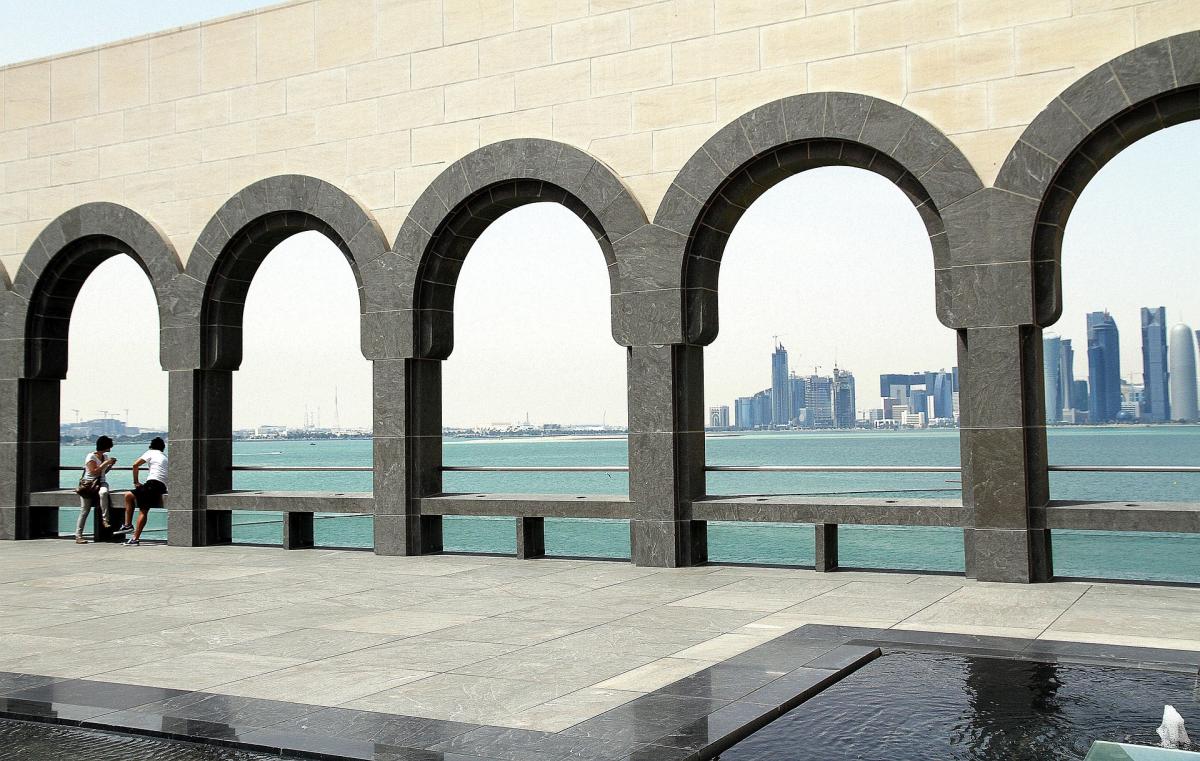
Nestled in the heart of historic Cairo, the Museum of Islamic Art (MIA) stands as a testament to the rich and diverse artistic heritage of the Islamic world. Considered the largest museum of its kind globally, it houses an unparalleled collection of over 100,000 artifacts that span more than 1,200 years...
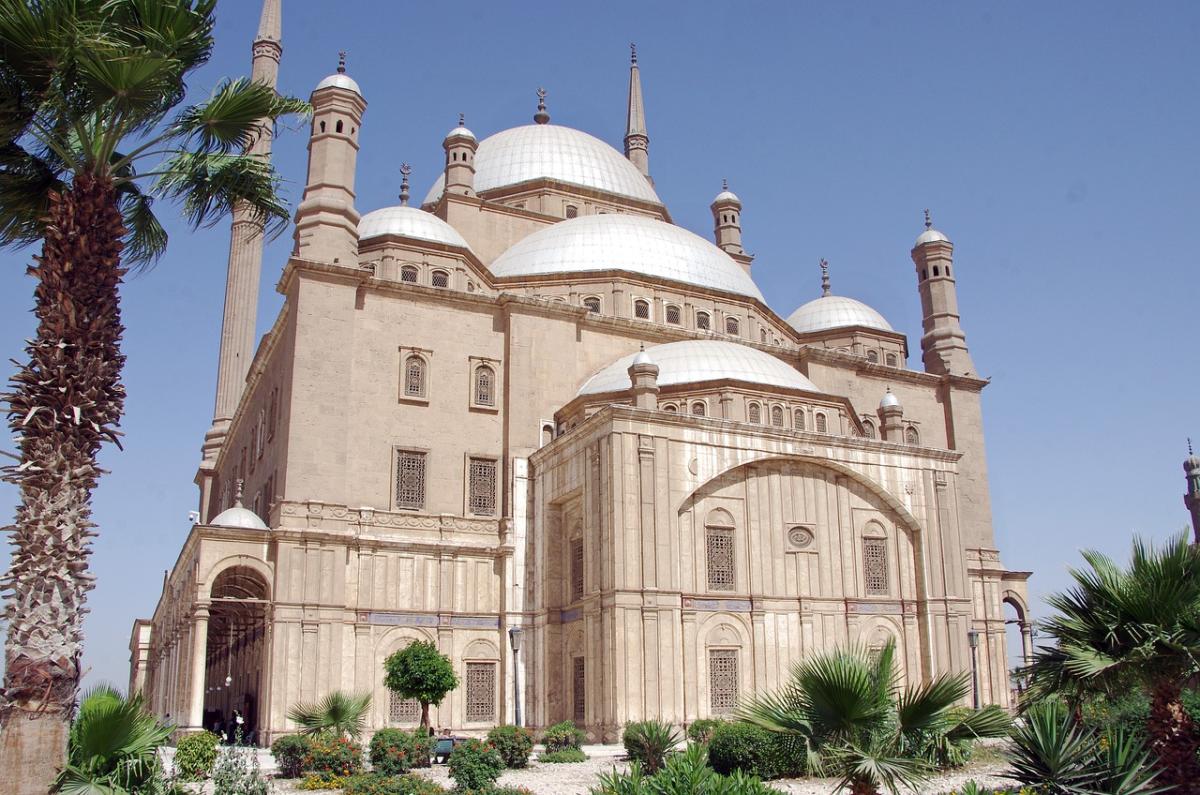
High above the crowded streets, centuries-old mosques, traditional markets, and sprawling neighborhoods of Egypt’s capital stands the Citadel of Cairo, a magnificent fortress that once served as the political and military heart of the country. Known locally as Qalaat Salah al-Din, or the Citadel of...
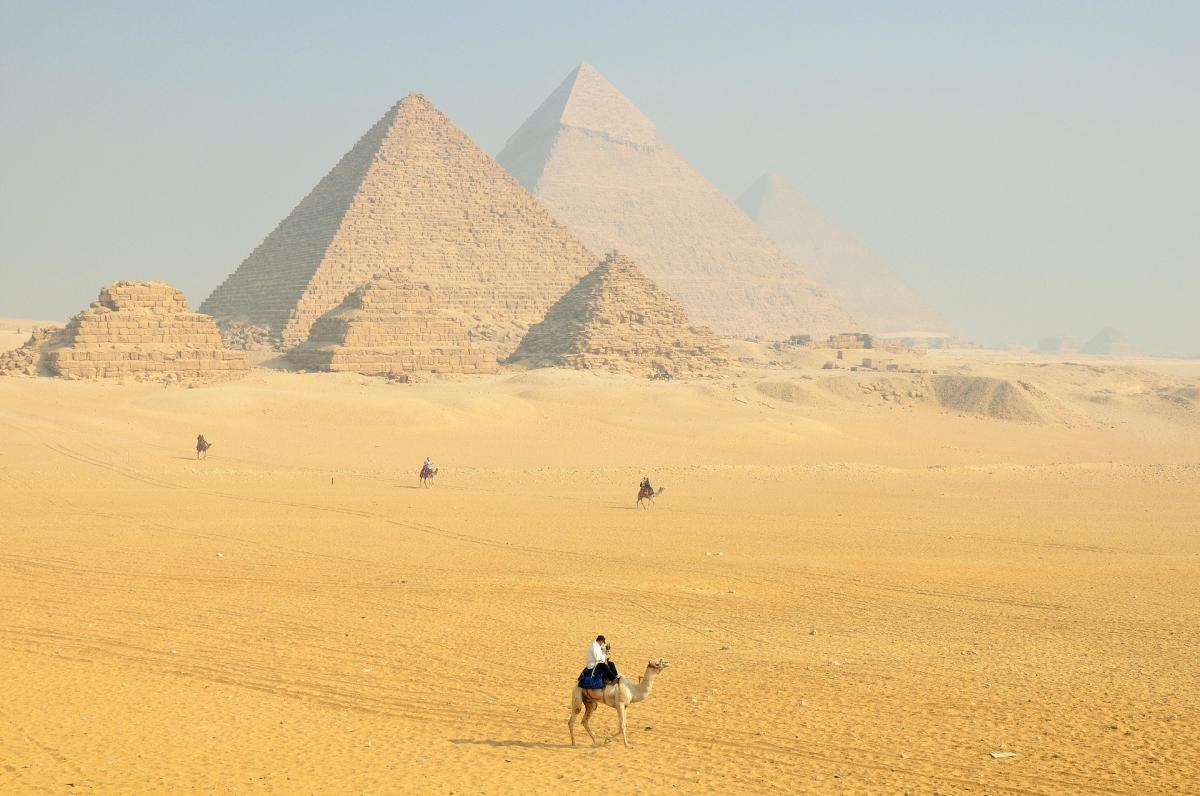
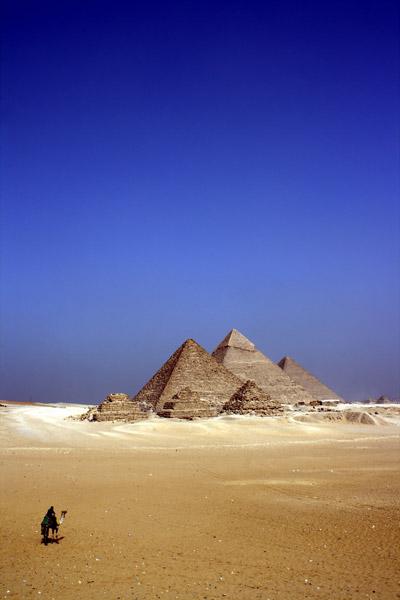
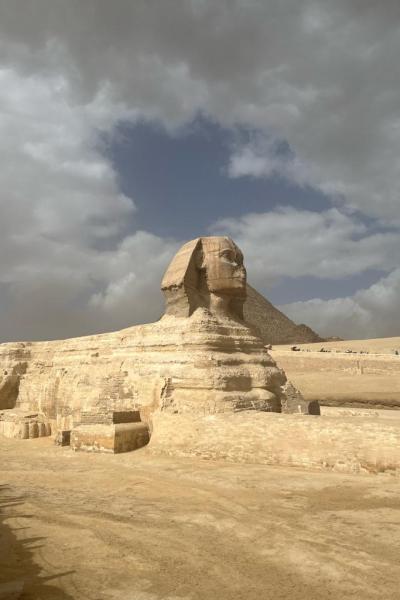
On the western bank of the Nile, where the sprawling neighborhoods of modern Cairo give way to the desert, stand three monuments that have fascinated humanity for more than four thousand years. The Pyramids of Giza have survived the rise and fall of empires, religious transformations, invasions, natural...