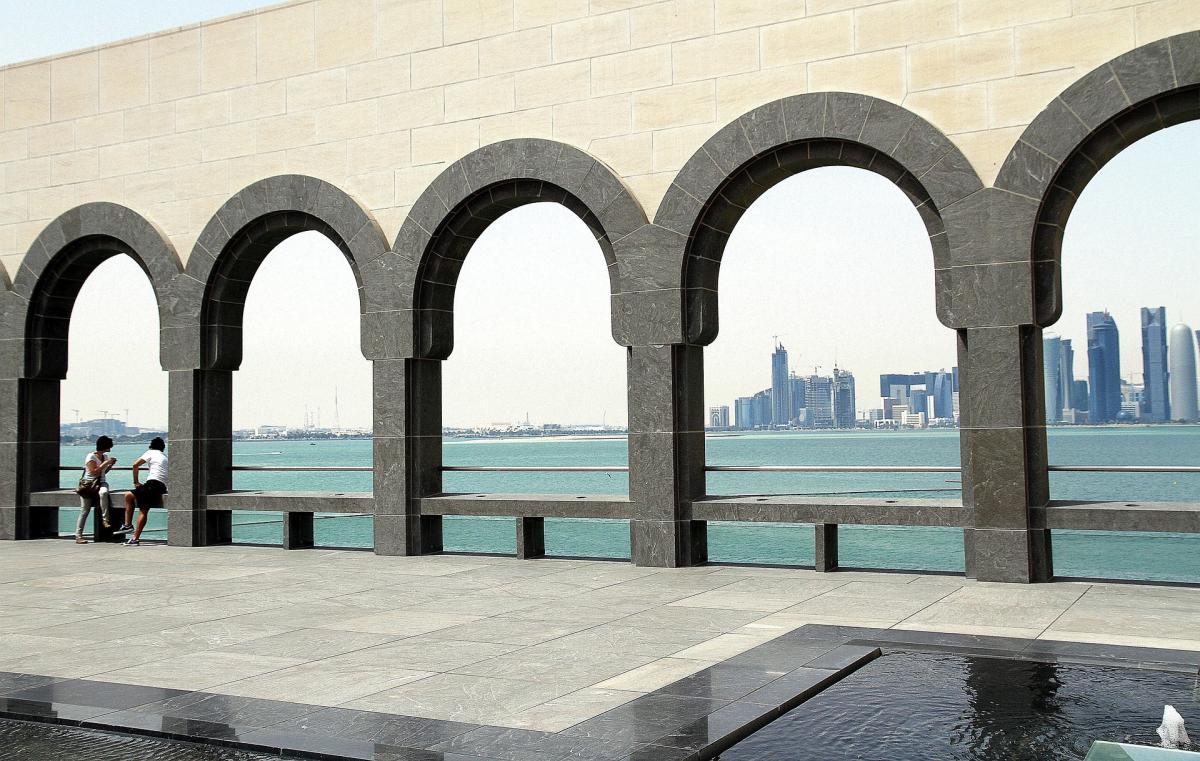
Museum of Islamic Art: A World-Class Collection of Islamic Artifacts and Masterpieces in Cairo
Nestled in the heart of historic Cairo, the Museum of Islamic Art (MIA) stands as a testament to the rich and diverse artistic heritage of the Islamic world. Considered the largest museum of its kind globally, it houses an unparalleled collection of over 100,000 artifacts that span more than 1,200 years of history, with approximately 4,500 on display. From intricately carved woodwork and delicate ceramics to magnificent textiles and rare manuscripts, the museum offers a captivating journey through the artistic and scientific achievements of Islamic civilization across three continents. Its significance extends beyond its vast collection; the museum itself is an architectural gem and a symbol of cultural preservation and resilience.
A Storied History
The conception of a museum dedicated to Islamic art in Egypt began in the late 19th century. In 1881, Khedive Tawfiq issued a decree to establish the "Museum of Arab Art" to gather and preserve fragments from historic structures in Cairo that had fallen into disrepair. Initially, these artifacts were housed in the mosque of the Fatimid caliph al-Hakim.
As the collection grew, the need for a larger, dedicated space became apparent. In 1899, the foundation was laid for the current building in the Bab Al-Khalq area of Cairo. Designed by Italian architect Alfonso Manescalo in the neo-Mamluk style, the new museum was inaugurated in 1903 during the reign of Khedive Abbas Helmy II. The upper floor of the building originally housed the National Library of Egypt. In 1952, the museum's name was officially changed to the Museum of Islamic Art to reflect the broader scope of its collection.
The museum has undergone several renovations and expansions over the years. A major renovation project began in 2003, costing nearly US$10 million, and the museum reopened to the public in August 2010 with a redesigned interior and display.
The 2014 Bombing and Triumphant Reopening
In a tragic turn of events, on January 24, 2014, a car bomb targeting the police headquarters across the street caused extensive damage to the museum. The blast shattered windows, damaged the facade, and destroyed or damaged 179 priceless artifacts, including exquisite glasswork from the Mamluk period.
What followed was a remarkable international effort of restoration and conservation. With support from organizations like UNESCO and countries including the United Arab Emirates, Italy, Germany, and the United States, a meticulous three-year restoration project was undertaken. In January 2017, the Museum of Islamic Art reopened its doors, an event hailed as a victory against terrorism and a testament to Egypt's commitment to its cultural heritage. The restoration not only repaired the damage but also included the addition of three new galleries, allowing for the display of 4,400 artifacts-a significant increase from the 1,450 on display before the attack. Restored pieces are now marked with special gold labels, telling a story of their survival and the dedication to their preservation.
Following the attack, a scholarly committee of Egyptian experts was formed to rewrite the museum's historical panels and labels. This was a conscious effort to reconceive the museum's narrative to emphasize peace, tolerance, science, and knowledge as the true essence of Islamic civilization, directly countering the ideology of the attackers. The museum director at the time stated that the new mission was "to fight these terrorists and show the real Islamic civilisation".
Architecture: A Neo-Mamluk Marvel
The Museum of Islamic Art is housed in a building that is itself a work of art. Designed by Alfonso Manescalo, it is a celebrated example of neo-Mamluk architecture, a style that emerged in the late 19th century reflecting a burgeoning sense of national identity and a desire to celebrate Egypt's rich Islamic heritage. Manescalo's design was not a mere copy but a "pure and well-studied neo-Mamluk style" that skillfully blended European architectural principles with decorative elements characteristic of the Mamluk Sultanate (1250-1517).
The facade on Port Said Street is particularly luxurious, featuring a rich tapestry of decorations inspired by various Islamic architectural traditions in Egypt. Key decorative elements include:
- Ablaq: The use of alternating courses of light and dark stone, a hallmark of Mamluk masonry that creates a striking visual rhythm on the exterior walls.
- Muqarnas: The intricate, three-dimensional, honeycomb-like vaulting that crowns the grand entrance portal and window recesses, a signature feature of Islamic architecture.
- Intricate Carvings: The facade boasts elaborate stone carvings with complex Islamic geometric and floral motifs, echoing the decorative schemes of historic Mamluk buildings.
- Calligraphic Inscriptions: Large Arabic calligraphic inscriptions are a prominent decorative feature, underscoring the importance of the written word in Islamic art and echoing their use on historic Mamluk structures.
- Mashrabiyya: The wooden lattice screens characteristic of Cairene architecture are also featured, known for providing privacy and filtering sunlight.
- Horseshoe Arches: The design also incorporates elements like horseshoe arches, which are reminiscent of Fatimid and Moorish architectural styles, demonstrating a broader appreciation for the diversity of Islamic design.
The Unrivaled Collection
The Museum of Islamic Art's collection is celebrated for its breadth and quality, covering all branches of Islamic art from various historical periods. The museum's layout is thoughtfully designed to guide visitors on a comprehensive journey, structured into two main wings: the right wing presents a chronological narrative of Islamic art in Egypt, while the left wing delves into thematic collections from across the Islamic world.
A Journey Through the Galleries
Upon entering, visitors are greeted in an introductory gallery that showcases a few of the museum's masterpieces, such as a centuries-old Qur'an and a Mamluk glass lamp, setting the stage for the treasures that await.
The Right Wing: A Chronological Voyage Through Egyptian Islamic Art
This wing takes visitors on a tour through galleries 2 to 13, showcasing the evolution of art and distinct stylistic developments under the successive dynasties that ruled Egypt.
- Umayyad Period (661-750 CE): The journey begins with the foundational era of Islamic art, which synthesized Byzantine and Sassanian traditions. Gallery 1 houses some of the museum's oldest pieces, including early Qur'an manuscripts, woodwork decorated with inlay and coloring, and a textile fragment bearing the oldest known Kufic inscription. A key artifact is the rare bronze ewer attributed to the last Umayyad caliph, Marwan II.
- Abbasid and Tulunid Periods (750-969 CE): These galleries feature the distinctive "Samarra style," characterized by beveled or slanting carving techniques on wood and plaster. Visitors can admire intricately carved wooden panels from Fustat with geometric patterns and stylized vegetal motifs. This section also highlights scientific advancements with displays of surgical instruments and features the oldest surviving example of Islamic luster glass, a cup belonging to Abd al-Samad bin Ali.
- Fatimid Period (969-1171 CE): Considered a golden age for the arts in Cairo, this era is renowned for its refined and diverse production. The galleries display a remarkable collection of lusterware ceramics shimmering with metallic glazes, often featuring lively depictions of humans and animals with characteristic round faces and almond eyes. In a testament to the era's tolerance, some ceramic shards even feature portraits of Jesus. Other highlights include exquisite rock crystal ewers, intricate gold jewelry, and fine woodwork.
- Ayyubid Period (1171-1250 CE): This period is marked by the widespread use of takfit, a metal inlay technique. Artisans excelled in creating painted pottery with vibrant colors under a transparent glaze. The tradition of enameled glass production, which would reach its zenith under the Mamluks, also has its roots in this era. A notable artifact is a ceramic fragment with an underglaze painting of the Virgin Mary and Jesus, indicating continued cultural exchange.
- Mamluk Period (1250-1517 CE): Arguably the golden age of Islamic art in Egypt, the Mamluk galleries are filled with monumental and opulent artifacts. The collection is famed for its enameled and gilded glass mosque lamps, decorated with Quranic verses in elegant Thuluth script and the heraldic blazons of Mamluk amirs. Metalwork is equally impressive, with large brass basins and candlesticks inlaid with gold and silver, depicting courtly scenes. The Mamluk mastery of woodwork is also on display in grand mashrabiyya screens and intricately carved minbars (pulpits).
- Ottoman Period and Muhammad Ali Dynasty (1517-1914): The final leg of the chronological journey explores an era marked by a rich blend of Ottoman and Cairene styles, with increasing European influence. The galleries showcase a colorful collection of ceramics, including famous Iznik pottery from Turkey, characterized by brilliant blue and red floral patterns. A masterpiece from the Muhammad Ali era is an astronomical and timekeeping calendar, representing the scientific and artistic achievements of the time.
The Left Wing: A Thematic Exploration of the Islamic World
The left wing offers a different perspective, with galleries organized by theme, covering various epochs and regions of the Islamic world, including Iran, Turkey, and Andalusia. This section allows for a deeper dive into particular art forms and scientific advancements. Thematic halls include:
- Calligraphy and Manuscripts: Three galleries are devoted to the art of calligraphy, showcasing gilded Qur'ans and texts on subjects like horsemanship.
- Science, Astronomy, and Medicine: This section reflects the significant contributions of Islamic civilization, displaying astronomical tools like astrolabes and compasses, as well as surgical and cupping therapy tools from the Middle Ages.
- Textiles and Carpets: This area features ancient carpets and stunning embroidered fabrics from different Islamic eras.
- Metalwork, Glass, and Ceramics: These galleries provide a focused look at the techniques and stylistic varieties of these important mediums.
- Other Thematic Halls: Displays on coins, weapons, daily life, water, and gardens offer further insights into Islamic culture.
Masterpieces and Highlights
Among the thousands of treasures, several stand out for their historical and artistic importance. The textile and metalwork collections contain singular pieces tied to the highest echelons of power, while the manuscript collection showcases the evolution of the sacred art of calligraphy.
Early Islamic Tiraz Textiles
The museum holds cornerstone pieces that illustrate the development of a distinct Islamic visual identity through the use of Kufic script on textiles.
- The Marwan Tiraz (c. 744-750 AD): Widely regarded as the earliest datable Islamic textile, this artifact dates to the reign of the last Umayyad Caliph, Marwan II. The museum's fragment is part of a larger textile whose pieces are now in collections worldwide. The inscription indicates it was made in a royal tiraz workshop in Ifriqiya (modern-day Tunisia). Made of red silk with the Kufic inscription embroidered in yellow floss silk, it provides concrete evidence of the Umayyad caliphate's use of textiles as a medium for political authority.
- Abbasid Tiraz Fragment (c. 809-813 AD): This exceptionally well-preserved linen fragment (Inv. No. 3084) dates to the Abbasid Caliph Muhammad al-Amin. It is considered the oldest woven silk inscription on linen. The inscription, woven in brown silk, states it was made in a public workshop (tiraz al-'amma) in Fustat, Egypt, at the behest of the caliph.
Ewer of Marwan II: A Relic from the Dawn of Islamic Art
Attributed to the Umayyad period (7th-8th century AD), this bronze ewer is considered an incomparable masterpiece of early Islamic metalwork, providing a tangible link to the last Umayyad caliph.
- Discovery and Link to the Caliph: The ewer was unearthed in Abu Sir al-Malaq in the Fayyum region of Egypt, believed to be near the burial site of Marwan II, who was killed there in 750 AD. This proximity provides the primary historical evidence linking the artifact to the caliph.
- Physical Attributes and Decorative Techniques: Standing 41 cm high, the ewer is celebrated for its harmonious form. Its most striking feature is the spout, ingeniously fashioned in the dynamic shape of a crowing cock, a form derived from classical Roman styles. The ewer is a world-renowned masterpiece that represents a pivotal moment in Islamic art, showcasing a fusion of Byzantine and Sasanian influences characteristic of the Umayyad period.
Mamluk Key to the Ka'ba: A Symbol of Sovereignty and Piety
Dated to 765 AH (1363 AD), this masterpiece of Mamluk metalwork is a powerful testament to the religious and political authority of Sultan al-Ashraf Sha'ban.
- Physical Description and Craftsmanship: The key is 34 cm long and masterfully crafted from copper inlaid with silver, a technique characteristic of the Mamluk period.
- Inscriptions and Significance: The entire surface is adorned with inscriptions in Mamluk naskhi script, including the Sultan's name and verses from the Qur'an. For the Mamluk sultans in Cairo, sending an annual key and kiswa (the Ka'ba's cloth covering) to Mecca was a significant assertion of their sovereignty and their role as protectors of Islam's holy cities. This example is exceptionally rare, as most other surviving keys are housed in the Topkapi Palace Museum in Istanbul.
A Treasury of Rare Qur'an Manuscripts
The museum's collection of rare Qur'an manuscripts is a particular highlight, offering a glimpse into the evolution of calligraphy, illumination, and bookbinding across the Islamic world.
- The 8th-Century Umayyad Qur'an: One of the oldest copies of the Qur'an in the world, this manuscript dates to the Umayyad period. It is written on parchment in brown ink using the angular and linear Kufic script, which was favored for transcribing the holy text in its earliest centuries. Its austere beauty is a powerful example of early Islamic artistic expression.
- The Qur'an of Sultan Jaqmaq: Commissioned by the Mamluk Sultan al-Zahir Sayf al-Din Jaqmaq (r. 1438-1453), this manuscript is a testament to the opulence of Mamluk book production, which is considered a golden age for the art form. The text is written in the bold and cursive Thuluth script in black and red ink with extensive gold illumination.
- A 14th-Century Mamluk Qur'an by a Female Calligrapher: A truly rare and historically significant manuscript, this section of a Qur'an was copied in 1330 by Zaynab bint Ahmad al-Maqdisiyya. Written in the elegant Muhaqqaq script on paper, it features beautiful illumination, with verses separated by six-petalled flowers. This manuscript is of immense historical value as it provides rare evidence of women practicing the prestigious art of Qur'an calligraphy.
A Modern Cultural and Educational Institution
Beyond its role as a repository of historical artifacts, the Museum of Islamic Art in Cairo is a dynamic cultural institution with a mission to foster a greater understanding of Islamic civilization's contributions to world heritage. This mission is carried out through a variety of educational programs, cultural activities, and research facilities.
- Educational Outreach: The museum offers guided tours and interactive programs for all age groups to delve into the significance of Islamic art. It hosts workshops on topics like calligraphy and Islamic geometric patterns, with a particular focus on engaging younger audiences. A special cartoon guide and a dedicated children's reading area in the library, which holds storytelling sessions, make the museum accessible to its youngest visitors.
- Cultural Activities: The museum is a hub for cultural events that bring Islamic heritage to life, including traditional music concert series, fashion shows featuring traditional attire, and festivals. Alongside its permanent collection, it hosts temporary and international exhibitions, such as a 2026 exhibition on the cultural heritage of Afghanistan in collaboration with the Aga Khan Trust for Culture.
- Center for Scholarship: The museum is a vital center for academic study. It houses a specialized library with approximately 30,000 volumes on Islamic history, art, and architecture, which is an invaluable resource for researchers and students. The museum's commitment to research is also demonstrated through its own scholarly activities, including archaeological excavations in Fustat (the first Islamic capital of Egypt) and the publication of a scientific journal, "Islamic Archaeological Studies". A dedicated restoration center works to preserve the vast collection.
Visitor Information
- Location: The museum is located in the Bab Al-Khalq area in the heart of historic Cairo, on Port Said Street.
- Opening Hours: The museum is open daily from 9:00 AM to 5:00 PM. During Ramadan, hours are typically adjusted to 9:00 AM to 3:00 PM.
- Tickets: The general admission price for international visitors is approximately EGP 100.
- Visitor Tips:
- Allocate at least half a day to explore the vast collection.
- An audio guide is available in multiple languages.
- Photography with a mobile phone is generally permitted, but flash photography is prohibited.
Summary
The Museum of Islamic Art in Cairo is one of the world's foremost institutions dedicated to the art and artifacts of Islamic civilization. Established in 1881 and moved to its current neo-Mamluk building in 1903, it houses a collection of over 100,000 objects, with 4,500 on display, spanning from the 7th to the 19th century. The museum's collection is thoughtfully arranged in two wings: a right wing that presents a chronological journey through Islamic art in Egypt (from the Umayyad to the Ottoman periods), and a left wing that explores thematic aspects like science, calligraphy, and daily life across the broader Islamic world.
A significant event in the museum's recent history was the 2014 car bombing that caused substantial damage. Following a three-year, internationally supported restoration, the museum reopened in 2017, symbolizing a victory for cultural heritage over destruction and adopting a new mission to emphasize peace, tolerance, and science.
The museum is particularly renowned for its masterpieces, which include an unparalleled collection of early Islamic textiles, singular works of metalwork, and rare Qur'an manuscripts. Highlights include the Marwan Tiraz (c. 744-750 AD), the earliest datable Islamic textile ; the Ewer of Marwan II, a bronze masterpiece from the Umayyad period ; a rare Mamluk Key to the Ka'ba from 1363 AD ; and an 8th-century Umayyad Qur'an written in Kufic script.
Today, the museum is a vibrant cultural and educational hub. It offers extensive educational programs, workshops, and cultural events. As a center for scholarship, it boasts a specialized library with 30,000 volumes, publishes a scientific journal, and conducts archaeological excavations, making it a crucial institution for the study and appreciation of Islamic civilization.
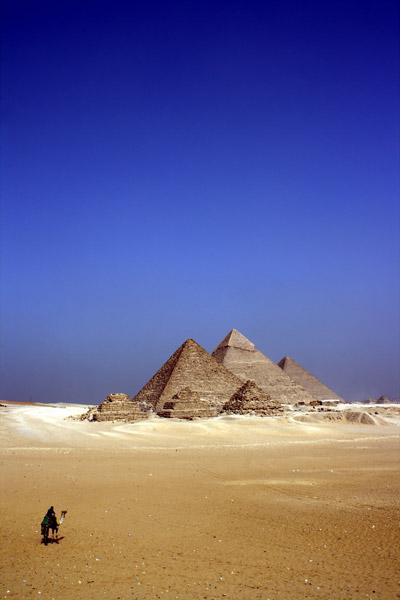
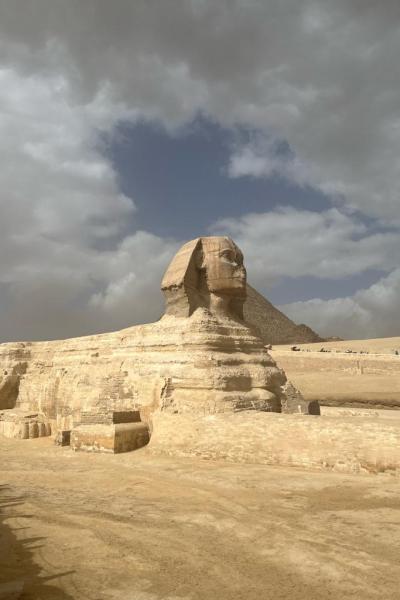
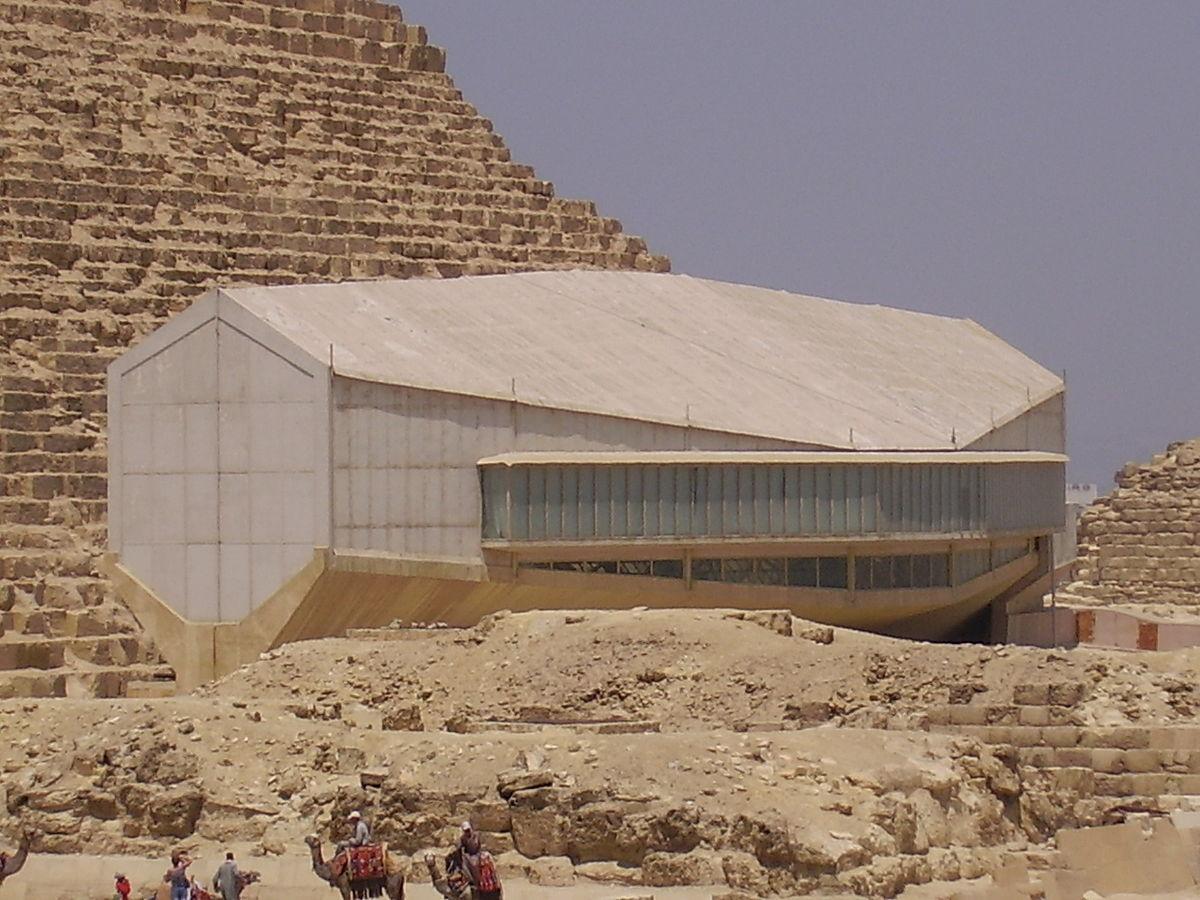
This report explores the history, significance, and evolution of the museum dedicated to one of ancient Egypts most astounding discoveries: the Khufu ship. We will examine the original Solar Boat Museum on the Giza Plateau, delve into the scholarly debates surrounding the vessels purpose, explore the...
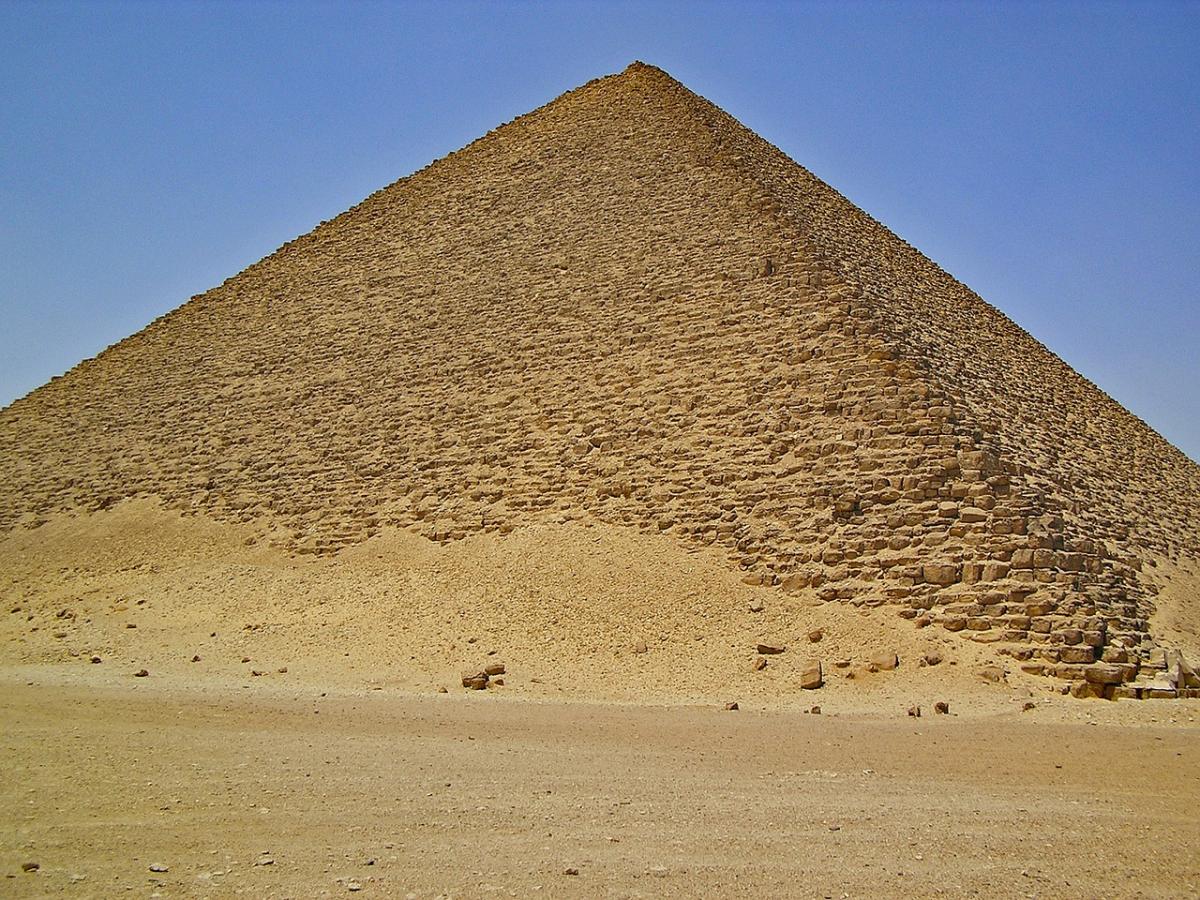
Nestled in the desert on the west bank of the Nile River, approximately 40 kilometers south of Cairo, lies the ancient royal necropolis of Dahshur. This significant archaeological site, part of the larger Memphis necropolis and a UNESCO World Heritage Site, is a testament to the architectural ingenuity...
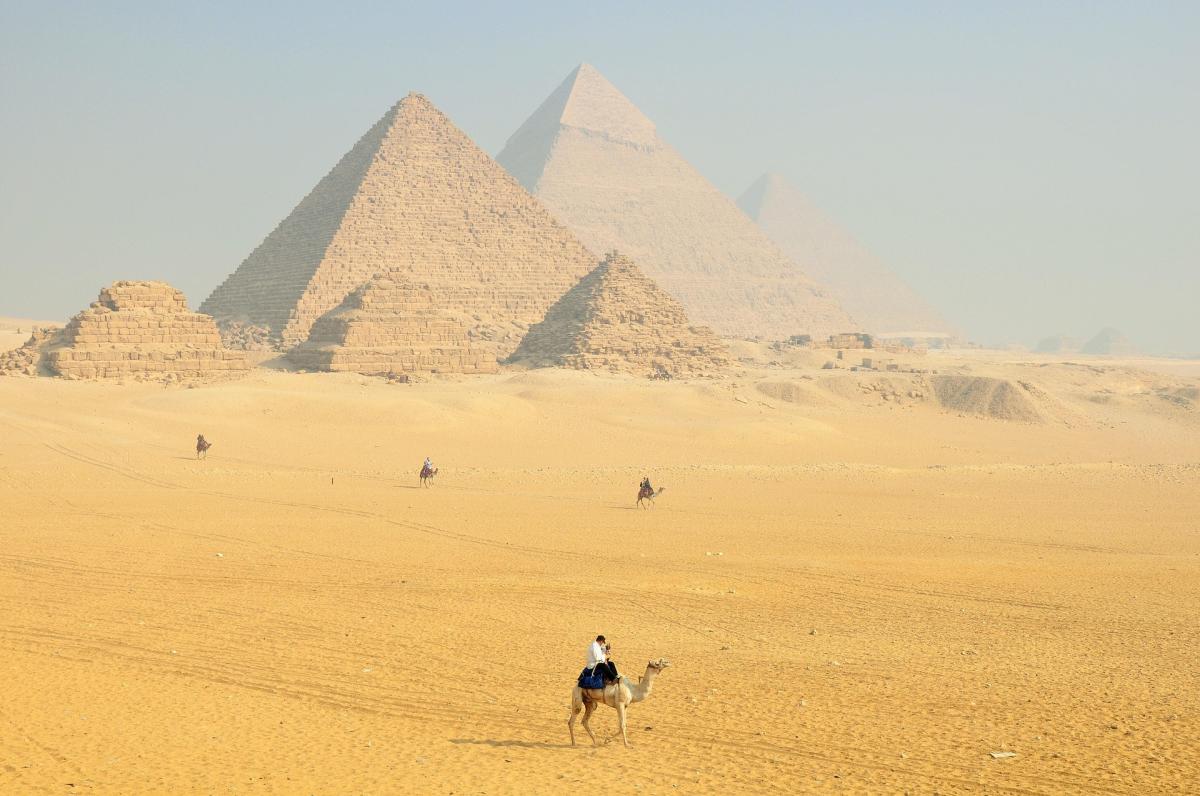
The Giza pyramid complex, a testament to human ingenuity and ambition, stands on the Giza Plateau at the edge of the Western Desert, approximately 13 km (8.1 mi) southwest of Cairos city center. These monumental structures, the last remaining of the Seven Wonders of the Ancient World, have captivated...