A Travelers Guide to Mardin, Turkey
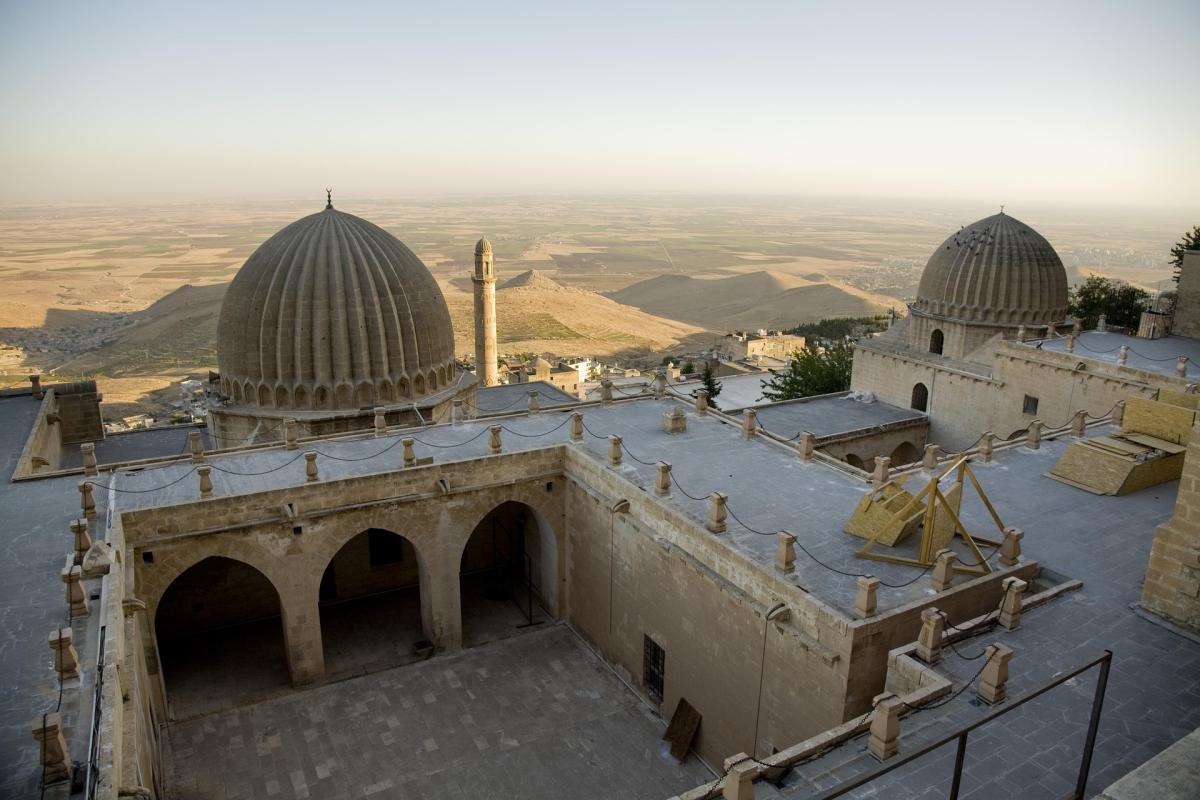
Perched dramatically on a rocky citadel overlooking the vast Mesopotamian plains, Mardin is a city that seems suspended in time . Located in southeastern Turkey near the Syrian border, this ancient city is a captivating open-air museum, renowned for its stunning golden-hued limestone and sandstone architecture . As a major urban center on the legendary Silk Road, Mardin flourished for centuries as a vibrant hub of commerce, culture, and coexistence . Its labyrinthine alleyways, historic stone mansions, grand mosques, and ancient monasteries tell the story of a city that has been a melting pot of cultures for centuries .
Mardin's unique character is shaped by the diverse civilizations that have left their mark, including the Mesopotamians, Romans, Byzantines, Arabs, Seljuk and Artuqid Turks, and Ottomans . Its strategic position on the Silk Road made it a vital node for commercial and intellectual exchange between East and West . This constant flow of people and goods fostered remarkable economic prosperity and forged a diverse society . This rich history has created a fascinating blend of languages, religions, and traditions, where mosques stand near churches, and the calls to prayer from minarets mingle with the sound of church bells . The city is a testament to a long history of coexistence, with a population that includes Turks, Kurds, Arabs, and Syriac Christians, and where Turkish, Arabic, Kurdish, and the ancient Aramaic (Syriac) language can still be heard .
A candidate for the UNESCO World Heritage List, Mardin offers travelers an experience that is both magical and deeply authentic . From its breathtaking views and architectural marvels to its unique local cuisine and warm hospitality, Mardin is a destination that promises to enchant and inspire .
Planning Your Trip
Getting to Mardin
- By Air: The most convenient way to reach Mardin is by flying into Mardin Airport (MQM), located about 20 kilometers from the city center . Turkish Airlines and other carriers offer regular flights from major Turkish cities like Istanbul and Ankara . From the airport, you can take the Havaş shuttle bus, which can drop you at or near your hotel in the Old City, or a taxi to reach your accommodation .
- By Bus: For those traveling within the region, long-distance buses connect Mardin with cities across Turkey . The main bus station (otogar) is a modern terminal built in 2015, located on the Midyat road about 7 kilometers from the city center . You can reach it via public bus lines (like M10, B7, TR3) or the frequent and economical minibuses (dolmuş) .
- By Car: Renting a car offers flexibility for exploring the wider region . Mardin is accessible via major highways from other parts of Turkey.
Best Time to Visit
The most pleasant times to visit Mardin are during the spring (April to June) and autumn (September to early November) . During these seasons, the weather is mild and ideal for walking through the city's steep, cobbled streets and exploring nearby sites . Summers (July and August) can be extremely hot, while winters (December to February) can be cold and occasionally bring snow .
Where to Stay
Mardin is divided into two distinct areas: the historic Old City (Eski Mardin) and the modern New City (Yenişehir) at the foot of the hill .
- Old City (Eski Mardin): For a truly atmospheric and authentic experience, staying in the Old City is highly recommended . Here you will find beautifully restored historic stone mansions (konaklar) that have been converted into boutique hotels . These offer stunning views and a chance to immerse yourself in the city's unique architecture . It's advisable to book in advance, as these popular hotels can fill up quickly .
- New City (Yenişehir): This area offers more modern and generally less expensive accommodation options . Staying here requires taking a dolmuş (minibus), public bus, or taxi to reach the main historical attractions in the Old City .
Exploring Mardin and its Surroundings
The Unique Urban Landscape of Old Mardin
- Wandering the Labyrinthine Streets: The best way to experience Old Mardin is to get lost in its maze of narrow, winding streets, many of which are staircases too steep for cars . The city's architecture is a direct reflection of its history, famous for its houses carved from local honey-colored limestone . This material provides natural insulation, keeping buildings cool in the summer and warm in the winter .
- A City Without Shadows: The terraced urban layout is a masterclass in historical planning, designed with a community-focused ethos . This ingenious structure ensures that no house casts a shadow on the one below it, guaranteeing equitable access to sunlight and preserving the magnificent views of the plains for all residents .
- Abbaras (Vaulted Passageways): A defining feature of the city is the "abbara," a vaulted, tunnel-like passageway that runs underneath buildings . These architectural elements serve multiple functions: they provide crucial shade and a cool respite from the intense summer sun, create a network of shortcuts, and historically offered a defensive advantage by creating chokepoints . Though their numbers have dwindled from over 100 to just 57, they remain integral to the city's character .
Must-See Sights in the Old City
- A Tale of Two Medreses: Zinciriye and Kasımiye
- Zinciriye Medresesi (Sultan Isa Madrasa): Founded in 1385 by Melik Necmeddin İsa, the last Artuqid Sultan, this medrese is perched high in the Old City, offering what many consider the best panoramic views . Its founder was famously imprisoned here by the forces of Timur (Tamerlane) . The two-story complex includes a mosque, a tomb, and classrooms arranged around a courtyard . Its most distinctive features are its two large, sliced domes; local lore says a chain (zincir) was once stretched between them, giving the school its name . It served as a religious school until the 1920s and later housed the Mardin Museum .
- Kasımiye Medresesi: Located southwest of the city, this is one of Mardin's largest and most impressive structures . Its construction began during the Artuqid period but was completed in the late 15th century by Kasım ibn Cihangir of the Akkoyunlu dynasty . The grand two-story complex includes a mosque, tomb, and twenty-three student rooms around a large courtyard . Its architecture is rich with symbolism; a central fountain and pool represent the human life cycle from birth to death and the afterlife, a concept rooted in Sufi philosophy . The classroom doors were built intentionally low, requiring students to bow their heads in respect for their teacher upon entering . It was a major center for both religious and positive sciences like medicine and astronomy until World War I .
- Ulu Cami (Grand Mosque): As one of the oldest mosques in Anatolia, the Ulu Cami is a symbol of the city . Built during the Artuqid period in the 12th century, its ribbed dome and towering minaret are visible from almost anywhere in the Old City . The mosque also houses a revered relic believed to be a strand from the Prophet Muhammad's beard .
- Forty Martyrs Church (Kırklar Kilisesi): A living monument to Mardin's deep-rooted Syriac Christian heritage, this church is a vital spiritual and cultural center .
- History: Originally named Mor Behnam Church, it was built in 569 AD . Its name was changed in 1170 when the relics of the Forty Martyrs of Sebaste were brought here .
- Significance: The church is the metropolitan cathedral for the Syriac Orthodox community . From 1293 until 1932, it was the seat of the Syriac Orthodox Patriarchate . Regular Sunday services are still held with chants in the ancient Aramaic language .
- Architecture: The structure features twelve massive pillars, 400-year-old wooden gates, and a spacious courtyard . The interior is adorned with intricate stone carvings, centuries-old curtains, and unique Eastern-style icons .
- Mardin Museum: Housed in a former patriarchal church, the museum showcases archaeological artifacts and ethnographic items that tell the rich history of the region .
- The Bazaar (Çarşı): Dive into the bustling energy of Mardin's market, a legacy of its Silk Road past . Here you can find everything from local spices and foods to handmade crafts like copperware, soaps, and traditional textiles .
Day Trips and Nearby Attractions
- Deyrulzafaran Monastery (The Saffron Monastery): Located just a few kilometers east of Mardin, this is one of the most significant spiritual centers of the Syriac Orthodox faith .
- History: Built on a site first used as a sun temple in 2000 B.C., it was later a Roman fortress before becoming a monastery in the 5th century . For 640 years (1160-1932), it served as the official seat of the Syriac Orthodox Patriarchate . It also housed the region's first printing press in 1876 .
- Architecture: Key features of the three-story yellow stone complex include the 'House of Saints' (Beth Kadişe), a tomb for 52 patriarchs, and the original sun temple with its mortarless ceiling in the cellar .
- Dara Ancient City: Explore the fascinating ruins of this important ancient Roman city, located about 30 kilometers southeast of Mardin .
- History: Founded by Emperor Anastasius I in 505-507 AD as a strategic military garrison to protect the Byzantine frontier against the Persians . It was the site of the famous Battle of Dara in 530 AD .
- Archaeological Remains: The extensive ruins include a massive rock-cut necropolis with a remarkable gallery grave used for resurrection ceremonies, an impressive system of underground water cisterns, and the remains of formidable fortification walls .
- Midyat: This charming town, about an hour's drive from Mardin, is a captivating open-air museum famous for its own beautiful stone architecture, deep Syriac/Assyrian heritage, and the intricate art of silver filigree (telkari) . A visit to the Mor Gabriel Monastery, one of the world's oldest continuously functioning Christian monasteries (founded 397 AD), is a must .
A Taste of Mardin: Food and Drink
Mardin's cuisine is a delicious reflection of its multicultural heritage, a gastronomic melting pot with a rich fusion of Turkish, Kurdish, Arab, and Syriac influences .
- Must-Try Dishes:
- Kaburga Dolması: The crown jewel of Mardin's cuisine, this is a dish of lamb or goat ribs stuffed with a fragrant rice mixture and slow-cooked for hours until exceptionally tender .
- Sembusek: Often called "Mardin pizza," this is a savory half-moon-shaped pastry filled with minced meat, onions, and tomatoes .
- Irok and Ikbebet: Variations of stuffed meatballs (similar to kibbeh), a local specialty .
- Local Drinks:
- Syriac Wine (Süryani Şarabı): The region has a winemaking history stretching back millennia, rooted in its Syriac Christian community .
- Dibek Coffee: A mild, creamy coffee made by pounding beans by hand in a stone mortar, often blended with cardamom .
- Mırra: A very strong, bitter coffee served in tiny, handleless cups as part of a social ritual .
Practical Information for Travelers
- Getting Around the Old City: The steep, narrow, and winding streets of Old Mardin are largely inaccessible to cars and are best explored on foot . This allows for an immersive experience, revealing hidden courtyards and stunning views . For centuries, donkeys have been the primary mode of transport for goods and garbage collection in the narrowest alleys . These "municipal employees" are a unique and practical feature of Mardin's urban life, though there are plans to retire them .
- Culture and Etiquette: Mardin is a culturally diverse but generally conservative city . It's advisable to dress modestly, especially when visiting religious sites . The local people are known for their warmth and hospitality .
- Language: The official language is Turkish . Kurdish and Arabic are also widely spoken, along with some Aramaic .
- Currency: The currency is the Turkish Lira (TRY) . ATMs are available, and credit cards are accepted in many hotels and restaurants, but it's wise to carry cash for smaller shops and the bazaar .
- Safety and Security: Mardin is generally considered a safe and welcoming city for tourists, with low rates of violent crime . Due to its proximity to the Syrian border, there is an increased and visible security presence (e.g., checkpoints at the airport and bus stations, police patrols), which is in place to ensure the safety of residents and visitors . While official government advisories may recommend caution for the region, many recent travelers report feeling very safe within the city itself . As always, it is wise to be aware of your surroundings, respect local customs, and check the latest travel advisories from your home country before your trip .
Executive Summary
A journey to Mardin is a journey into a land of ancient history, stunning architecture, and rich cultural fusion . Perched above the Mesopotamian plains, this southeastern Turkish city captivates visitors with its golden stone houses, labyrinthine streets, and the harmonious coexistence of diverse cultures and religions .
For the best experience, plan your visit during the mild spring or autumn months and stay in a historic stone mansion in the Old City . The most convenient way to arrive is by flying into Mardin Airport (MQM) . The city's unique urban design is a highlight, featuring a terraced layout where no house shadows another and shaded "abbara" passageways that provide cool shortcuts .
Key architectural highlights include the Zinciriye Medresesi and Kasımiye Medresesi, two magnificent Islamic schools with distinct histories and symbolic designs . Visiting the iconic Ulu Cami (Grand Mosque) and the Forty Martyrs Church reveals the city's deep religious heritage . Essential day trips include the Deyrulzafaran Monastery, a former patriarchal seat with roots as a 2000 B.C. sun temple, and the Roman ruins of Dara Ancient City, a formidable Byzantine border fortress . A trip to nearby Midyat is highly recommended to see its unique stone architecture, the ancient Mor Gabriel Monastery, and the intricate silver craft of telkari .
No visit is complete without savoring the local cuisine, a unique blend of Middle Eastern and Anatolian flavors . Be sure to try Kaburga Dolması (stuffed ribs) and Sembusek (savory pastry), and sample traditional beverages like Syriac wine, Dibek coffee, or the ceremonial Mırra . While Mardin is considered safe, visitors should be aware of the visible security presence and follow standard travel precautions . Mardin offers a truly unique and authentic travel experience, a step back in time that reveals a different, deeply historic side of Turkey .

Welcome to Eskişehir! Often called the Student City or the Venice of Anatolia, this vibrant and modern city in northwestern Turkey is a delightful surprise for many travelers . With the picturesque Porsuk River flowing through its heart, a youthful energy fueled by its large university population, and...
For the Toronto resident with a heart set on the historic and vibrant landscapes of Turkey, a journey of discovery awaits. This guide provides a comprehensive overview for planning your Turkish adventure, from pre-departure preparations in Toronto to immersing yourself in the rich culture, iconic destinations,...

Konya, a city that resonates with deep historical and spiritual significance, invites travelers to explore its rich Seljuk heritage and the profound legacy of the poet and mystic, Rumi . Located in Turkeys Central Anatolia region, Konya is a captivating blend of ancient mosques, traditional bazaars,...