A Comprehensive Travel Guide to Trabzon, Turkey
Welcome to your in-depth guide to planning a memorable trip to Trabzon, a captivating city nestled on the Black Sea coast of northeastern Turkey. Boasting a rich and layered history stretching back to antiquity, Trabzon has been a melting pot of cultures and a strategic center of power and trade . Known for its lush green landscapes dominated by tea and hazelnut plantations, vibrant culture, and deep historical roots, Trabzon offers a unique blend of ancient wonders and modern attractions . This report will provide you with all the essential information to make your journey a seamless and enriching experience.
Getting to Trabzon
Trabzon is a well-connected city, accessible by air, bus, and car.
By Air
The most convenient way to reach Trabzon is by flying into Trabzon Airport (TZX) . The airport is located just 6 kilometers from the city center .
- Domestic Flights: Several airlines, including Turkish Airlines, Pegasus Airlines, and SunExpress, offer frequent direct flights from major Turkish cities like Istanbul and Ankara . A flight from Istanbul to Trabzon typically takes about 1 hour and 45 minutes .
- International Flights: Trabzon Airport also accommodates direct flights from various international destinations, particularly from Germany, Georgia, and several countries in the Middle East . Airlines such as Qatar Airways, flydubai, and Air Arabia operate seasonal or year-round flights .
From Trabzon Airport, you can easily reach the city center via Havaş shuttle buses, public buses, taxis, or rental cars .
By Bus
For a more budget-friendly option, long-distance buses connect Trabzon with many cities across Turkey . Companies like FlixBus and Kamil Koç operate regular services . A bus journey from Istanbul to Trabzon can take approximately 15 to 18 hours .
By Car
If you enjoy road trips and want to explore the scenic Black Sea coast, driving to Trabzon is a great option . The road distance from Istanbul is around 1,051 kilometers, which takes approximately 13 to 14 hours of driving .
Best Time to Visit
Trabzon's climate is characterized by mild temperatures and significant rainfall throughout the year, contributing to its lush, green landscapes .
- Spring (April to June) and Autumn (September to November): These seasons are widely considered the best times to visit . The weather is mild and pleasant, making it ideal for sightseeing and outdoor activities . You'll experience beautiful natural scenery with fewer crowds than in the summer .
- Summer (July to August): Summer is the peak tourist season, with warm and humid weather . This is a great time for hiking in the highlands (yaylas) and enjoying the coastal areas . Be prepared for occasional rain . It is also the season for vibrant local festivals .
- Winter (December to February): Winters are cool and wet, with temperatures averaging around 5°C (41°F) . While some higher altitude areas may experience snow, the city itself remains accessible . This is a quieter time to visit, perfect for those seeking a peaceful escape .
Highland Festivals (Yayla Şenlikleri)
Summer in Trabzon is marked by numerous highland festivals (yayla şenlikleri), which celebrate the centuries-old tradition of migrating to high-altitude pastures (yaylas) . These festivals are a cornerstone of local culture, bringing communities together for entertainment, relaxation, and the strengthening of communal bonds .
- The Kadirga Festival: The most famous of these is the Kadirga Festival, held annually in the third week of July . Tens of thousands of people gather on the treeless Kadirga Plateau, at an elevation of 2,300 meters, for a massive celebration . The festival is a riot of color and sound, with participants in traditional dress performing the energetic horon folk dance in huge circles to the music of the kemençe (a local fiddle), drum, and horn . The plateau also features a unique open-air mosque, where legend says Sultan Mehmed the Conqueror prayed after his conquest of the region . Visiting a yayla festival offers an unparalleled opportunity to witness authentic Black Sea traditions, sample local food, and purchase handmade goods like butter and cheese .
Accommodation
Trabzon offers a wide range of accommodation options to suit every budget and preference, from luxurious hotels to cozy guesthouses and apartments.
Luxury Hotels
For a lavish stay, consider these 5-star hotels, many of which offer stunning Black Sea views and top-notch amenities:
- Radisson Blu Hotel Trabzon: Known for its incredible views from its hilltop location, modern amenities, and excellent service.
- Zorlu Grand Hotel Trabzon: A centrally located hotel that blends traditional architecture with modern luxury.
- Ramada Plaza by Wyndham Trabzon: Offers a spa and is well-regarded for its comfort and facilities.
- Novotel Trabzon: A popular choice with great service and amenities, including an airport shuttle.
Mid-Range and Boutique Hotels
You'll find many comfortable and stylish options that offer great value:
- Doa Suite Hotel: Highly rated for its location, sea views, and friendly staff.
- Cebeci Grand Otel: A popular choice in the city center, known for its clean, spacious rooms.
- Funda Hotel: Another well-located hotel with good reviews for its service and comfort.
Budget-Friendly Options
For travelers on a tighter budget, there are several affordable hotels, pensions (pansiyon), and apartments:
- Trabzon Star Pansiyon: A well-regarded pension in the city center, praised for its value.
- Tahir Ağa Konağı Otel: A charming and affordable option with excellent service.
- Apartment Rentals: Numerous apartments are available for rent, offering more space and the flexibility of self-catering.
Things to Do and See
Trabzon is rich in historical sites and natural wonders, offering a diverse range of attractions for every traveler . Its strategic location on the historic Silk Road made it a melting pot of religions, languages, and cultures for centuries .
A Glimpse into Trabzon's Storied Past
Before exploring the sites, it's helpful to understand the city's deep history . Founded in 756 BC by Greek colonists, its most famous era began in 1204 when it became the capital of the Empire of Trebizond, a Byzantine successor state . For over 250 years, this empire thrived as a major trading hub . In 1461, it became the last bastion of Byzantine civilization to be integrated into the Ottoman Empire by Sultan Mehmed II . Under the Ottomans, it remained a vital port and was the birthplace of the famed Sultan Suleiman the Magnificent .
Historical and Cultural Sites
- Sumela Monastery (Meryem Ana Manastırı): This spectacular Greek Orthodox monastery, clinging to a steep cliff face at an altitude of 1,200 meters in Altındere National Park, is a must-see .
- History and Legends: Legend holds that it was founded in 386 AD by two Athenian priests, Barnabas and Sophronios, who discovered a miraculous icon of the Virgin Mary, believed to be painted by St. Luke, in a cave on the mountain . The name "Sumela" is thought to derive from the Greek "melas," meaning "black," possibly referring to the dark color of the mountains or the icon itself . The monastery flourished under the Byzantine Empire and reached its present form during the Empire of Trebizond, especially under Alexios III (1349-1390) . After the Ottoman conquest in 1461, Sultan Mehmed II granted it protection and special privileges, which were upheld by subsequent sultans . It remained an active religious center until it was abandoned in 1923 following the population exchange between Greece and Turkey .
- Architecture and Frescoes: The complex consists of the central Rock Church (built into the founding cave), several chapels, kitchens, student rooms, a guesthouse, a library, and a sacred spring . A large, multi-arched aqueduct at the entrance once supplied water . The inner and outer walls are covered in vibrant frescoes, mostly from the 18th century, depicting biblical scenes from the lives of Jesus and the Virgin Mary .
- Visiting Today: The monastery has undergone extensive restoration to secure it from rockfalls and preserve its art, reopening to the public in stages since 2019 . The restoration even uncovered a hidden chapel with previously unseen frescoes . To visit, you can take a tour or bus to the Maçka district, about 45 km from Trabzon . The final approach involves a steep path and a long, narrow stairway, so comfortable shoes are essential .
- Hagia Sophia of Trabzon (Ayasofya): A beautiful example of late Byzantine architecture, this 13th-century building is located near the sea, west of the city center .
- History and Art: Built between 1238 and 1263 under Emperor Manuel I, it was originally a monastery church . It features a cross-in-square plan with a high central dome . The interior is famous for its stunning 13th-century frescoes of New Testament scenes, considered prime examples of the Palaiologan Renaissance style . The exterior is adorned with intricate stone reliefs showing a blend of Christian and Seljuk influences, most notably a frieze on the southern facade depicting the creation of Adam and Eve .
- Conversions and Current Status: After the Ottoman conquest, it was converted into a mosque . It served as a military hospital during WWI and was converted into a museum in 1964 after extensive restoration revealed the frescoes . In 2013, it was converted back into an active mosque . Today, visitors can admire the architecture but must dress modestly . The frescoes in the main prayer area may be covered by curtains during worship .
- Girls' Monastery (Kızlar Manastırı): Perched on the slopes of Boztepe overlooking the city, this recently restored monastery is a historical and cultural gem . Founded between 1349-1390 by the Emperor of Trebizond, Alexios III, it was a women's convent until it was abandoned in 1923 .
- Architecture: The complex is built on two terraces and surrounded by a high wall . Its core is a rock church containing holy water and portraits of Alexios III and his family . The cave at its heart may have even more ancient origins, possibly linked to the cult of Mithras .
- Restoration & Current Use: After a major restoration project completed in 2018, the monastery reopened in 2021 as a "living museum" . It now hosts art galleries, cultural events, and performance spaces, with modern glass walkways allowing visitors to view the historical layers . The holy section of the rock church is now an animation room that brings the site's history to life .
- Atatürk Mansion (Atatürk Köşkü): Nestled in a lush pine forest on the Soğuksu hills, this mansion is a beautiful example of early 20th-century European architecture .
- History and Architecture: The mansion was built around 1890 by Greek architect Kostaki Theophylaktos for a wealthy banker . The striking white-walled building blends European neo-classical, Baroque, and Renaissance styles . It was gifted to Mustafa Kemal Atatürk, the nation's founder, after his first visit in 1924 .
- Atatürk's Visits and Legacy: Atatürk stayed here on three occasions . The mansion holds a special place in Turkish history because it was here, on the night of June 11, 1937, that he made the momentous decision to bequeath all his personal assets to the Turkish nation .
- The Museum Today: Converted into a museum in 1943, the mansion preserves Atatürk's memory with original furniture, personal belongings, and historical photographs . The building is surrounded by beautifully manicured gardens .
- Trabzon Castle (Trabzon Kalesi): These defensive city walls are among the city's oldest structures, stretching from a hill down to the Black Sea coast . The foundations date to the Roman era, with some suggesting construction as early as 2000 BC . The walls are a historical tapestry woven by the Byzantine, Trebizond, and Ottoman Empires .
- Upper Fortress (Yukarı Hisar): The oldest section, serving as the city's acropolis and citadel .
- Middle Fortress (Orta Hisar): The bustling center of the old city, containing the Orta Hisar Mosque (formerly a cathedral), the Zağanos Bridge, and historic baths .
- Lower Fortress (Aşağı Hisar): The commercial heart extending to the sea, containing historic mosques and mansions .
- Bedesten Bazaar: A historic covered market from the Ottoman era, where you can find traditional textiles, jewelry, and antiques .
- Gülbahar Hatun Mosque and Tomb: A 16th-century mosque and tomb dedicated to the mother of Sultan Selim I .
Natural Attractions
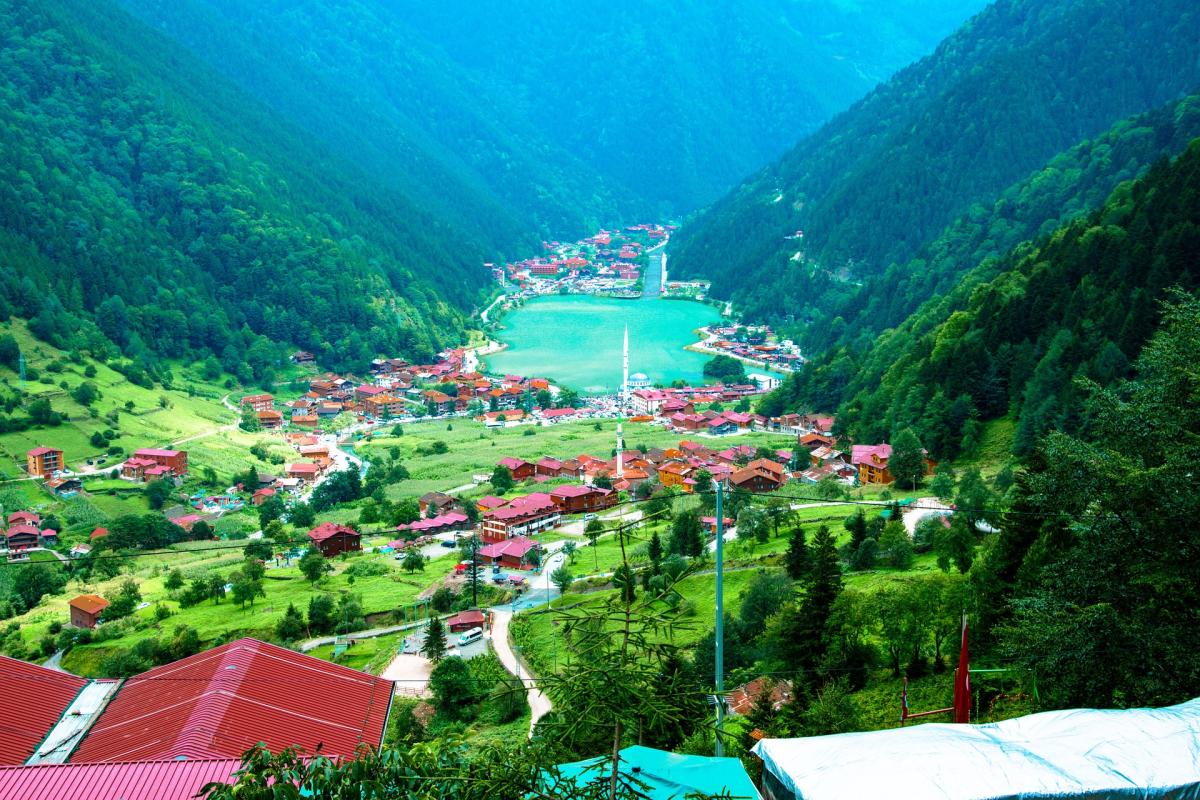
- Uzungöl (Long Lake): A stunningly picturesque lake nestled in a valley between high mountains, about 99 km from Trabzon . It's a popular spot for hiking, photography, and enjoying the serene natural beauty .
- Boztepe Park: A hill offering panoramic views of Trabzon and the Black Sea . It's home to the Girls' Monastery and numerous tea houses where you can enjoy a traditional Turkish tea brewed in a samovar while taking in the view .
- Tea and Hazelnut Plantations: The landscapes of eastern Trabzon are defined by the lush, green terraces of tea plantations and hazelnut orchards . These are not just economically vital but also a major draw for tourists . Some tea factories offer tours and tastings .
- Sera Lake (Sera Gölü): A beautiful natural lake closer to the city, perfect for picnics, boating, and relaxing .
- Altındere Valley National Park: Home to the Sumela Monastery, this park is rich in flora and fauna, with scenic hiking trails .
- Çal Cave (Çal Mağarası): Located in the Düzköy district, this is a remarkable natural wonder .
- Formation and Features: Believed to have formed over 8 million years, the cave features an internal river, waterfalls, and impressive stalactites and stalagmites . The water level of the stream varies seasonally . While often cited as the second longest cave in the world, this is likely a local claim .
- Visiting the Cave: Opened to tourists in 2003, a wooden walkway allows visitors to explore two branches of the cave, one 150m and the other 400m long . The cool air inside is a refreshing escape from summer heat and is said to be beneficial for those with respiratory conditions like asthma . An entrance fee is charged .
The Turkish Bath (Hammam) Experience
A visit to a traditional Turkish bath is a cultural ritual offering deep cleansing and relaxation .
- A Step-by-Step Guide:
- Preparation: You'll receive a cotton wrap (peştemal) and slippers in a changing room .
- Warming Up: You relax in a hot, steam-filled room (sıcaklık), often on a heated marble slab (göbek taşı), for 10-20 minutes to open your pores .
- The Scrub (Kese): A bath attendant (tellak) vigorously exfoliates your body with a coarse mitten (kese), removing dead skin .
- Foam Wash (Köpük Masajı): The attendant covers you in a mountain of fragrant soap bubbles for a gentle massage .
- Rinsing and Relaxation: After a final rinse, you move to a cooling room (soğukluk) to relax and rehydrate, often with Turkish tea .
- Notable Historic Hammams:
- Sekiz Direkli Hamam: Considered Trabzon's oldest bath, its current structure dates to the 18th century and is named for the eight columns supporting its dome . It is restored and operational .
- Tarihi Meydan Hamamı: A popular 17th-century Ottoman bath near the main square with separate sections for men and women .
- Iskender Paşa Hamamı: A classic double bath founded in 1531 by the governor of Trabzon .
- Fatih Hamamı: A 15th-century bath, reputedly used by Sultan Mehmed II after the conquest, which features a unique shock pool .
Local Cuisine
Trabzon's cuisine is a highlight of any visit, with a focus on fresh, local ingredients . Tea and hazelnuts are not just crops; they are integral to the region's culinary identity .
Must-Try Dishes
- Hamsi (Anchovies): The star of Black Sea cuisine, hamsi is prepared in numerous ways: pan-fried (hamsi tava), in a rice pilaf (hamsi pilavı), or even coated in ground hazelnuts before frying .
- Kuymak (or Muhlama): A rich and delicious breakfast dish made from cornmeal, butter, and a special local cheese that melts into a stringy, fondue-like consistency .
- Trabzon Pidesi: A boat-shaped flatbread with various toppings, such as minced meat (kıymalı), cheese (peynirli), or a combination with an egg on top .
- Akçaabat Köftesi: Famous meatballs from the nearby town of Akçaabat, known for their unique flavor and texture .
- Hazelnuts in Cuisine: Hazelnuts are used in a wide variety of sweets and pastries, including baklava, and are a key ingredient in many local desserts .
- Turkish Tea (Çay): Tea is the undisputed national beverage, and enjoying it in Trabzon, the heart of its production, is a special experience . It is a symbol of hospitality and a way of life .
Where to Eat
You can find these traditional dishes in many local restaurants (lokanta) and cafes throughout Trabzon . For an authentic experience, head to the bustling Meydan (main square) area or explore the smaller eateries in the side streets . Some highly-rated restaurants for local cuisine include Cemilusta and Tarihi Kalkanoğlu Pilavcısı .
Transportation within Trabzon
Getting around Trabzon is relatively easy with several options available.
- Dolmuş (Shared Minibuses): This is the most common and economical way to travel within the city .
- Public Buses: The city has an extensive bus network that reaches most parts of Trabzon . You'll need a rechargeable "Trabzon Kart" to use the buses .
- Taxis: Taxis are readily available and offer a more convenient, though more expensive, way to get around . Ride-hailing apps like Uber and BiTaksi are also available .
- Car Rental: Renting a car provides the most flexibility, especially for exploring the surrounding areas like Uzungöl, Sumela Monastery, and the tea plantations of Rize .
Practical Information
Currency
The official currency is the Turkish Lira (TRY) . While some tourist-oriented businesses may accept Euros or US Dollars, it's best to use Lira for most transactions .
Language
The official language is Turkish . In tourist areas, hotels, and some restaurants, you will find people who speak English .
Safety
Trabzon is generally considered a safe city for tourists . However, it's always wise to take standard precautions like being aware of your surroundings and keeping valuables secure . It is advisable to dress modestly, particularly when visiting mosques and in more conservative areas .
Local Customs and Etiquette
- Hospitality: Turkish people are known for their hospitality .
- Dress Code: When visiting mosques, women should cover their heads, and both men and women should ensure their shoulders and knees are covered .
- Tipping: Tipping is customary in restaurants, usually around 10% of the bill .
Itinerary Suggestions
Here are a few ideas for how to spend your time in Trabzon:
3-Day Itinerary
- Day 1: Explore Trabzon city. Visit the Hagia Sophia Museum and the sprawling walls of Trabzon Castle . Stroll through the Meydan (main square) and the Bedesten Bazaar . In the afternoon, head up to Boztepe to visit the newly restored Girls' Monastery and enjoy the panoramic view with a cup of local tea . In the evening, unwind with a traditional Turkish Bath experience at a historic hammam .
- Day 2: Monastery Day. Take a day trip to the magnificent Sumela Monastery, spending the morning exploring the historic site and the surrounding Altındere National Park .
- Day 3: Journey to Uzungöl. Enjoy the scenic drive and spend the day by the beautiful lake, walking, boating, or simply relaxing in a lakeside cafe .
- Summer Travel Tip: If visiting in the third week of July, dedicate a day to experiencing the vibrant Kadirga Festival in the highlands .
7-Day Itinerary
A week-long trip allows for a more in-depth exploration of Trabzon and the wider Black Sea region.
- Days 1-3: Follow the 3-day itinerary above.
- Day 4: Explore more of Trabzon's history with a visit to the Atatürk Mansion, followed by natural beauty at Sera Lake and Çal Cave .
- Day 5: Take a day trip to the neighboring province of Rize, the heart of Turkey's tea-growing region . Visit tea plantations and factories to learn about the production process .
- Day 6: Discover the Ayder Plateau in the Kaçkar Mountains, known for its stunning alpine scenery and hot springs .
- Day 7: Enjoy a final day in Trabzon for some last-minute shopping or revisiting a favorite spot before your departure .
Shopping
Trabzon offers a variety of shopping experiences, from modern malls to traditional bazaars.
What to Buy
- Local Foods: Black Sea tea and locally grown hazelnuts are the quintessential souvenirs to bring home . You can find fresh hazelnuts in local markets like the Kemeraltı Bazaar .
- Telkari and Kazaziye: Exquisite handcrafted silver and gold thread jewelry .
- Copperware: Beautifully engraved copper items, a traditional craft of the region .
- Keşan Fabric: A distinctive local red and black woven cloth .
- Trabzonspor Merchandise: For football fans, souvenirs from the beloved local team .
Where to Shop
- Kemeraltı Bazaar and Uzun Sokak: These bustling market areas in the city center are perfect for finding traditional crafts, local products, and souvenirs like fresh hazelnuts .
- Bedesten Bazaar: A historic market for textiles, jewelry, and antiques .
- Forum Trabzon: The largest shopping mall in the city, offering a wide range of international and Turkish brands, a cinema, and a food court .
- Varlibaş Shopping Center: Another modern mall located near the city center .
Executive Summary
A trip to Trabzon promises a unique and unforgettable experience, combining a deep history with stunning natural landscapes and a vibrant local culture . From its ancient origins to its role as the capital of the Empire of Trebizond, the city's past is visible everywhere . Easily accessible by air, Trabzon serves as a perfect base for exploring the wider Black Sea region . The best times to visit are spring and autumn, while summer offers the unique experience of lively highland festivals (yayla şenlikleri) like the famous Kadirga Festival .
Key attractions include the breathtaking Sumela Monastery, clinging to a cliff and rich with legend; the historic Hagia Sophia of Trabzon, a masterpiece of Byzantine art and architecture; the serene Uzungöl; the newly restored Girls' Monastery (Kızlar Manastırı); the elegant Atatürk Mansion where the founder of the republic made a historic decision; and the ancient city walls of Trabzon Castle . A journey into the earth at Çal Cave or a rejuvenating visit to a historic Turkish Bath (Hammam) offer unique cultural experiences . The region's identity and economy are deeply intertwined with its "green gold": tea and hazelnuts, which are vital crops and a major draw for tourists . The local cuisine is a highlight, with must-try dishes like hamsi (anchovies), kuymak, and countless treats made with local hazelnuts .
Accommodation options are plentiful, catering to all budgets . Getting around is convenient with a mix of public transport, taxis, and rental cars . Trabzon is a safe and welcoming city, where visitors can immerse themselves in local culture and hospitality . Whether you have a few days or a full week, Trabzon offers a wealth of experiences that will leave you with lasting memories of this beautiful corner of Turkey.
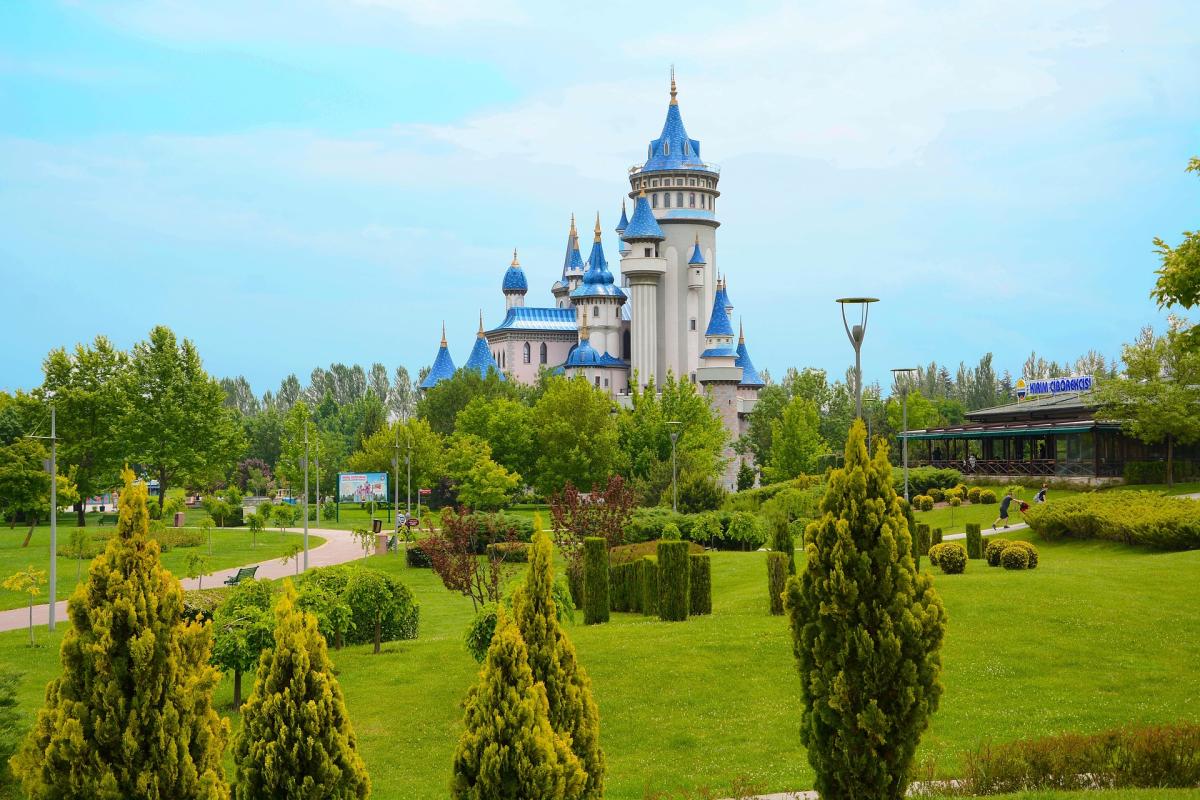
Welcome to Eskişehir! Often called the Student City or the Venice of Anatolia, this vibrant and modern city in northwestern Turkey is a delightful surprise for many travelers . With the picturesque Porsuk River flowing through its heart, a youthful energy fueled by its large university population, and...
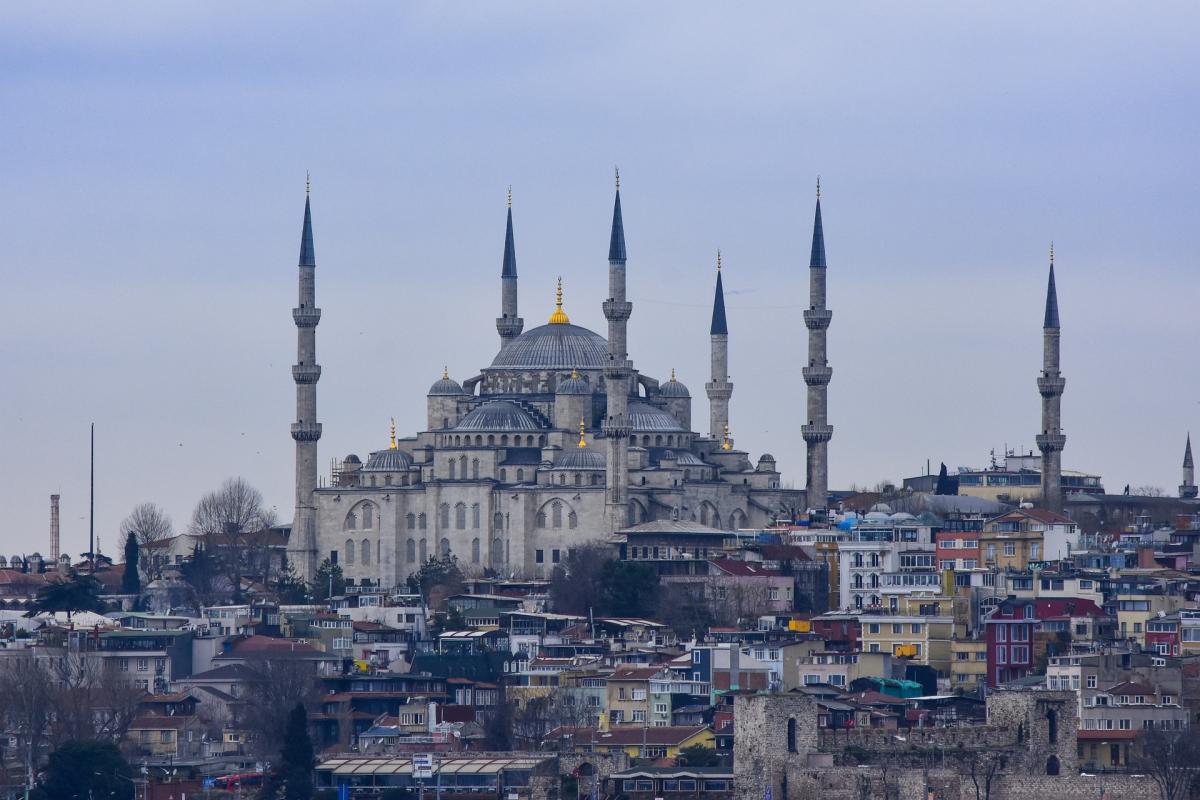
For the Toronto resident with a heart set on the historic and vibrant landscapes of Turkey, a journey of discovery awaits. This guide provides a comprehensive overview for planning your Turkish adventure, from pre-departure preparations in Toronto to immersing yourself in the rich culture, iconic destinations,...

Konya, a city that resonates with deep historical and spiritual significance, invites travelers to explore its rich Seljuk heritage and the profound legacy of the poet and mystic, Rumi . Located in Turkeys Central Anatolia region, Konya is a captivating blend of ancient mosques, traditional bazaars,...