
How to Experience the Best of Cairo: Ancient Wonders, Local Flavours and Unforgettable Moments
There is something wonderfully compelling about Cairo. Perhaps it is the contrast between its ancient monuments and its restless modern streets, the fragrance of freshly baked bread drifting through neighbourhoods, or the sight of the Nile turning golden beneath the evening sun. Whatever draws you to the Egyptian capital, you soon discover that its appeal extends far beyond its archaeological treasures.
Cairo is a city of extraordinary contrasts. Medieval minarets rise above crowded marketplaces, centuries-old coffeehouses stand alongside contemporary art galleries, and traditional sailing boats navigate a river framed by modern architecture. History here is not confined to museums or protected archaeological sites; it remains woven into the fabric of everyday life.
To truly experience Cairo, allow yourself the luxury of slowing down. Leave room for unexpected discoveries, conversations with local people and leisurely meals. Some of the most rewarding moments in Egypt's capital happen when nothing particular has been planned.
Discovering the Timeless Wonders of Giza
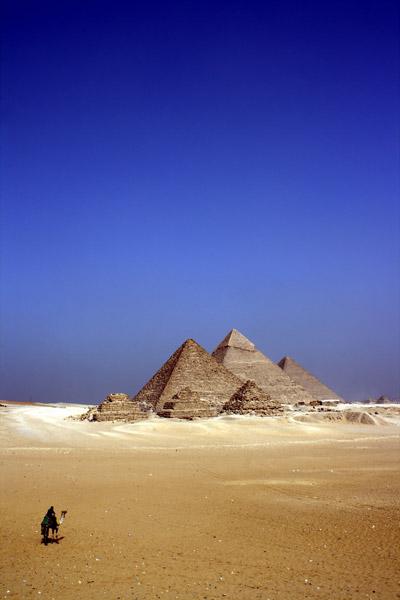
Few sights in the world inspire such an immediate sense of awe as the Pyramids of Giza. Rising from the desert plateau on the western side of Greater Cairo, these extraordinary structures have survived for approximately 4,500 years.
The pyramids of Khufu, Khafre and Menkaure represent remarkable achievements in ancient Egyptian architecture, engineering and organisation. The Great Pyramid of Khufu is the only surviving wonder of the Seven Wonders of the Ancient World. Together with the Great Sphinx and surrounding archaeological sites, the pyramids form part of a UNESCO World Heritage property that extends from Giza to Dahshur.
An early morning visit offers a particularly rewarding experience. The temperatures are generally more comfortable, the desert light brings out the subtle textures of the limestone, and there is more opportunity to appreciate the immense scale of the monuments before the busiest part of the day.
Rather than rushing from one pyramid to another, spend time exploring the surrounding plateau. The smaller tombs, ancient burial grounds and remnants of temples provide valuable insight into the religious beliefs and social structures of ancient Egypt.
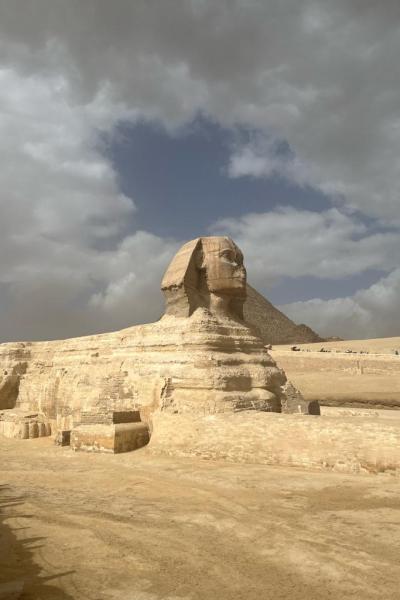
Standing before the Great Sphinx, with its human head and lion's body, is another memorable encounter. Its weathered features remind visitors just how much human history has unfolded since its creation.
Exploring Egypt's Extraordinary Museums
Cairo's museums offer an opportunity to understand the civilisation behind its monumental architecture. Their collections reveal intimate details of ancient life, from religious ceremonies and royal traditions to craftsmanship, clothing and domestic activities.
The Grand Egyptian Museum
Located near the Giza Plateau, the Grand Egyptian Museum represents a new chapter in Egypt's presentation of its archaeological heritage.
The museum features the Tutankhamun Galleries, extensive main galleries, monumental statues, the Grand Staircase and a dedicated museum for Khufu's ancient boats. Its architecture and exhibitions provide a contemporary setting for exploring thousands of years of Egyptian history.
The treasures associated with Tutankhamun are particularly fascinating. Beyond their extraordinary beauty, they reveal the sophistication of ancient Egyptian craftsmanship and the elaborate preparations made for the afterlife of a pharaoh.
Allow several hours to explore the museum comfortably. Its scale makes a hurried visit considerably less rewarding.
The Egyptian Museum in Tahrir Square
Despite the emergence of newer museums, the historic Egyptian Museum in downtown Cairo retains a distinctive character.
Opened in its present location in 1902, the museum houses remarkable archaeological collections, including the Narmer Palette, the funerary treasures of Yuya and Thuya, and royal discoveries from Tanis.
There is a particular charm to its historic architecture and traditional exhibition halls. Walking through the building offers an appreciation not only of ancient Egypt but also of the long history of Egyptian archaeology.
The National Museum of Egyptian Civilization
Situated in Fustat, the National Museum of Egyptian Civilization takes a broader approach to the country's cultural development.
Its exhibitions explore Egyptian civilisation across different historical periods, while its celebrated Royal Mummies Hall provides an unusually intimate encounter with some of ancient Egypt's rulers.
The royal mummies were transferred to the museum during the internationally recognised Pharaohs' Golden Parade in April 2021.
Losing Yourself in the Streets of Historic Cairo
Beyond the grand monuments of antiquity lies another Cairo, shaped by medieval dynasties, religious scholarship, trade and architectural innovation.
Historic Cairo was inscribed on the UNESCO World Heritage List in 1979. Its neighbourhoods preserve an exceptional concentration of historic mosques, religious schools, markets, residences and traditional urban spaces.
Walking through these districts feels remarkably different from visiting an archaeological complex. The buildings remain part of a functioning city. Shopkeepers arrange their merchandise beneath historic façades, craftspeople work in narrow lanes, and residents go about their daily routines amid centuries of architectural heritage.
A Walk Along Al-Muizz Street
Al-Muizz Street is among Cairo's most rewarding destinations for anyone interested in Islamic architecture.
Its historic buildings reflect architectural developments spanning the Fatimid, Mamluk, Ottoman and Muhammad Ali periods. Ornately carved entrances, intricate stonework, elegant minarets and elaborate geometric decorations reveal the artistic ambitions of successive generations.
The Qalawun Complex deserves particular attention. Its combination of religious, educational and medical architecture offers an insight into the institutions that supported medieval urban society.
An evening stroll brings a different atmosphere. Illuminated façades acquire a theatrical quality, while the surrounding streets fill with shoppers, families and visitors enjoying the cooler air.
The Architectural Grandeur of Cairo's Mosques
Cairo's reputation as the City of a Thousand Minarets reflects its rich Islamic architectural heritage.
Among its most impressive religious buildings is the Mosque and Madrasa of Sultan Hassan, a monumental example of Mamluk architecture. Its soaring entrance, spacious courtyard and imposing proportions demonstrate the extraordinary architectural achievements of medieval Egypt.
The nearby Citadel of Saladin and the Mosque of Muhammad Ali are equally memorable. From the elevated grounds of the Citadel, visitors can appreciate the vastness of Cairo and the remarkable density of its historic and modern neighbourhoods.
When visiting active places of worship, dress modestly, observe local customs and remain respectful of people attending prayers.
Experiencing the Energy of Khan el-Khalili
Few places capture Cairo's commercial traditions as vividly as Khan el-Khalili.
This historic bazaar is a maze of narrow passages, bustling shops and traditional cafés. Brass lanterns, embroidered textiles, jewellery, perfumes, spices and decorative objects fill its shopfronts, creating an atmosphere rich in colour and movement.
Shopping, however, is only part of the experience. Khan el-Khalili is also a place to observe the rhythms of Cairo's social life.
Take a seat in a traditional coffeehouse, order a glass of Egyptian tea and watch the activity unfolding around you. Merchants exchange greetings, customers negotiate prices, and conversations spill from crowded tables into the surrounding lanes.
Bargaining is customary in many market shops, although it is best approached with good humour and mutual respect. Taking an interest in how an object was made can be more rewarding than simply negotiating its price.
The bazaar becomes particularly atmospheric after sunset, when illuminated lanterns and shop windows transform the appearance of its winding streets.
Discovering the Spiritual Heritage of Coptic Cairo
Cairo's cultural identity cannot be fully understood without exploring its Christian heritage.
Coptic Cairo, located within the historic district of Old Cairo, preserves churches, religious artefacts and architectural remains associated with the long history of Christianity in Egypt.
The Hanging Church is one of the area's most significant landmarks. Built above the remains of the Roman fortress of Babylon, the church is celebrated for its historic religious icons, decorated interior and distinctive wooden ceiling.
Nearby, the Coptic Museum provides a deeper understanding of Egyptian Christian art and religious traditions. The surrounding neighbourhood also contains the Church of Saints Sergius and Bacchus, the Ben Ezra Synagogue and the Mosque of Amr ibn al-As.
The proximity of these religious landmarks illustrates the many historical influences that have shaped Cairo's identity.
Compared with the intensity of the city's commercial districts, the enclosed passages and historic churches of Coptic Cairo offer a welcome sense of contemplation.
Savouring the Authentic Flavours of Egyptian Cuisine
Food is one of the most accessible and enjoyable ways to understand Cairo. Egyptian cuisine has developed through generations of agricultural traditions, regional influences and creative approaches to everyday ingredients.
Many of the city's most memorable meals are surprisingly inexpensive.
Koshary: Egypt's Beloved Comfort Food
A generous serving of koshary combines rice, lentils, pasta, chickpeas, tomato sauce and crispy fried onions. Garlic vinegar and chilli sauce add layers of flavour to this immensely satisfying dish.
Its appeal extends across different generations and social backgrounds, making it an important part of Egyptian food culture.
In 2025, the traditions associated with preparing and enjoying koshary were officially inscribed on UNESCO's Representative List of the Intangible Cultural Heritage of Humanity.
Traditional Egyptian Breakfast
Breakfast in Cairo often begins with ful medames, a slow-cooked fava bean dish seasoned with ingredients such as cumin, lemon juice and oil.
Another favourite is taameya, the Egyptian variation of falafel. Unlike many versions found elsewhere in the Middle East, Egyptian taameya is traditionally prepared with fava beans and aromatic herbs.
Served with fresh bread, pickled vegetables and tahini, these dishes make a delicious introduction to everyday Egyptian cooking.
Egyptian Specialities Worth Trying
Cairo's culinary repertoire extends well beyond its famous street food.
Egyptian dish | Description |
|---|---|
Ful medames | Slow-cooked fava beans with traditional seasonings |
Taameya | Crispy fava bean fritters with fresh herbs |
Koshary | Rice, lentils, pasta, chickpeas and tomato sauce |
Molokhia | A savoury soup made from finely chopped jute leaves |
Feteer meshaltet | Rich, flaky, multilayered Egyptian pastry |
Hawawshi | Bread filled with seasoned minced meat |
Mahshi | Vegetables or vine leaves stuffed with seasoned rice |
Umm Ali | A warm dessert made with pastry, milk and nuts |
Basbousa | Sweet semolina cake soaked in syrup |
For a refreshing drink, try karkade, prepared from hibiscus flowers, or a glass of freshly pressed sugarcane juice.
The pleasure of eating in Cairo often lies in its simplicity. A freshly prepared sandwich from a busy neighbourhood kitchen can leave as lasting an impression as dinner at an elegant restaurant overlooking the Nile.
Watching the World Drift By on the Nile
The Nile is inseparable from Cairo's identity. For millennia, the river has sustained agriculture, commerce, settlement and cultural development throughout Egypt.
Today, its waters continue to shape the character of the capital.
One of the most enjoyable ways to experience the river is aboard a traditional felucca, a sailing boat that offers a gentler alternative to Cairo's congested streets.
Late afternoon is an especially appealing time for a sailing excursion. As daylight softens, the city's skyline takes on warmer tones, and the reflections of buildings and bridges begin to shimmer across the water.
Without the constant interruption of traffic, there is time to notice the breeze, the movement of the sails and the changing appearance of the riverbanks.
For travellers who prefer a more elaborate evening, a Nile dinner cruise can combine riverside scenery with Egyptian cuisine and live entertainment. A reputable operator with appropriate safety equipment should always be chosen.
Finding a Moment of Calm in Al-Azhar Park
Cairo's intensity can be exhilarating, but even enthusiastic travellers sometimes appreciate a peaceful retreat.
Al-Azhar Park provides precisely that opportunity.
Developed by the Aga Khan Trust for Culture, the approximately 30-hectare park transformed a former rubbish accumulation site into a landscaped public space and became part of a wider urban regeneration initiative in Historic Cairo.
Its landscaped gardens, fountains, pathways and elevated viewpoints offer a welcome contrast to the surrounding city.
The park is particularly attractive in the late afternoon, when the skyline of Historic Cairo unfolds beyond its greenery. Minarets and domes rise from the densely built neighbourhoods, revealing an architectural landscape that has developed over centuries.
A leisurely walk followed by tea overlooking the city can be one of the most pleasant experiences of an entire Egyptian holiday.
Discovering the Contemporary Side of Cairo
Although Cairo is internationally renowned for its antiquities, focusing exclusively on the past means overlooking a considerable part of its cultural personality.
Modern Cairo is home to artists, musicians, designers, writers, entrepreneurs and communities that continually reinterpret Egyptian traditions.
Zamalek, situated on Gezira Island, offers a particularly interesting contrast to the older districts. Its tree-lined streets, independent shops, cafés and artistic spaces provide a more leisurely urban atmosphere.
Downtown Cairo, meanwhile, preserves distinctive architectural influences from the nineteenth and early twentieth centuries. Historic apartment buildings, balconies, cinemas and commercial façades recall a period of considerable urban transformation.
Exploring these neighbourhoods reveals a city that is far more complex than its familiar association with pharaohs and pyramids might suggest.
Visitors interested in performing arts can also explore the programme at the Cairo Opera House, where musical performances and other cultural events contribute to the city's contemporary artistic life.
Bringing Home Something Meaningful from Cairo
The best souvenirs are often those that carry a connection to the place where they were purchased.
Cairo offers a remarkable variety of traditional crafts, many of which reflect skills passed down through generations.
Handmade copperware, decorative lanterns, embroidered textiles, leather goods and traditional appliqué fabrics are among the items worth exploring. The historic tentmakers' district is especially interesting for travellers who appreciate textile craftsmanship.
When purchasing souvenirs, ask about their materials, origins and production methods. Buying directly from local artisans, where possible, helps support traditional livelihoods.
Avoid purchasing objects presented as genuine antiquities. Egypt's archaeological heritage is protected, and the unauthorised trade and export of cultural artefacts can have serious legal consequences.
A beautifully crafted contemporary object can be an equally meaningful reminder of your journey.
When Is the Best Time to Visit Cairo?
Cairo can be visited throughout the year, although seasonal conditions considerably influence the experience.
The cooler months between October and April are generally more comfortable for outdoor sightseeing, particularly when visiting archaeological sites and walking through historic neighbourhoods.
Season | What to expect |
|---|---|
Autumn | Comfortable sightseeing conditions and pleasant evenings |
Winter | Mild days and occasionally chilly nights |
Spring | Increasing warmth with occasional dusty winds |
Summer | Intense daytime heat and better conditions for evening activities |
Summer travellers can make their experience more comfortable by visiting outdoor attractions early in the morning, spending the hottest hours inside museums and reserving evenings for markets, restaurants and riverside walks.
Ramadan also offers a distinctive cultural experience. Although some businesses and attractions may adjust their schedules, evenings often become particularly lively following the breaking of the daily fast.
Making Your Time in Cairo More Enjoyable
Cairo rewards travellers who arrive with realistic expectations and a flexible approach. Its size, traffic and busy streets can make sightseeing more demanding than anticipated.
A few practical considerations can make a considerable difference:
- Allow generous travel time between attractions, especially when crossing the city.
- Organise sightseeing around individual neighbourhoods rather than travelling repeatedly between distant landmarks.
- Consider hiring a knowledgeable, licensed guide for important archaeological and historical sites.
- Carry drinking water, sunscreen and comfortable walking shoes.
- Keep some Egyptian pounds in small denominations for everyday purchases and tips.
- Ask permission before photographing local people.
- Check official museum websites for admission prices, opening hours and ticket requirements.
- Review current government travel advisories and arrange comprehensive travel insurance before departure.
Road safety, personal security and regional travel conditions deserve appropriate attention when planning an Egyptian holiday.
Above all, resist the temptation to fill every hour with sightseeing. Cairo is considerably more enjoyable when there is enough time to rest, explore and appreciate spontaneous encounters.
How Many Days Should You Spend in Cairo?
Although it is possible to see several major landmarks within two days, four or five days provide a more balanced introduction to the Egyptian capital.
A suggested five-day programme might look like this:
Day | Experiences |
|---|---|
First day | Pyramids of Giza and the Great Sphinx |
Second day | Grand Egyptian Museum and an evening beside the Nile |
Third day | Al-Muizz Street, Khan el-Khalili and Al-Azhar Park |
Fourth day | Coptic Cairo and the National Museum of Egyptian Civilization |
Fifth day | Egyptian Museum, Downtown Cairo, Zamalek and a felucca excursion |
Travellers with additional time can explore Saqqara, the ancient remains of Memphis and the pyramids of Dahshur. These sites provide valuable historical context for understanding the evolution of ancient Egyptian architecture.
The most rewarding itinerary, however, is one that leaves sufficient time for personal interests and unexpected discoveries.
Final Thoughts
Cairo is not a city that reveals itself completely during a single visit. Its character emerges gradually, through the grandeur of its monuments, the warmth of its neighbourhood cafés, the intricacy of its historic architecture and the ordinary moments that unfold along the Nile.
The pyramids may inspire the journey, but other experiences often become equally precious memories: the taste of warm Egyptian bread, the glow of lanterns in a medieval market, the quiet interior of an ancient church or the gentle movement of a felucca beneath the evening sky.
Cairo can be chaotic, demanding and wonderfully unpredictable. Yet these qualities are inseparable from its vitality. Its streets tell stories that stretch across millennia, while its people continue to shape the next chapter of an extraordinary civilisation.
Come with curiosity, explore with patience and savour the moments between the famous landmarks. It is often in those seemingly insignificant moments that the true wonder of Cairo becomes apparent.

On the western edge of the Nile Valley, where the fertile land gradually gives way to the vast Egyptian desert, lies one of the most extraordinary archaeological landscapes in the world. Saqqara, the ancient burial ground of Memphis, is a place where nearly every chapter of Egyptian civilization seems...

There are cities that impress you with their monuments, others that win you over with their food, architecture, or welcoming atmosphere. And then there is Cairo-a city that somehow manages to do all these things at once, often within the space of a single afternoon. It is energetic, unpredictable, occasionally...
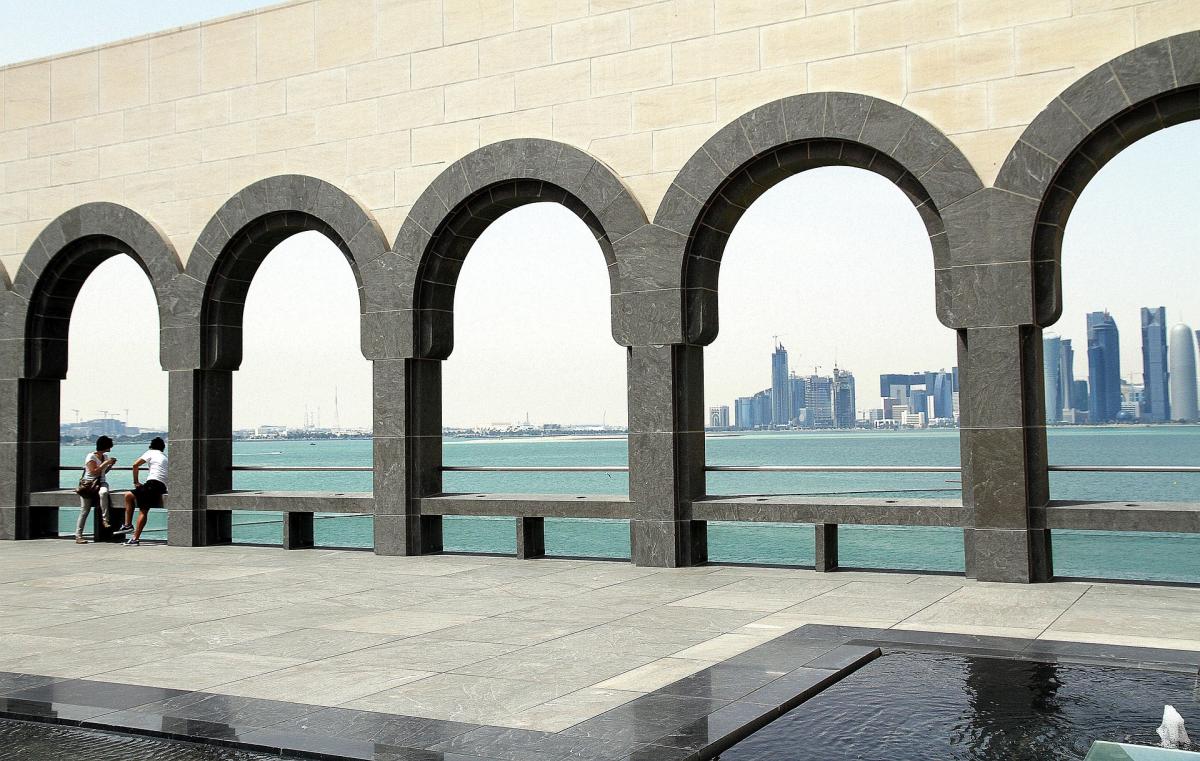
Nestled in the heart of historic Cairo, the Museum of Islamic Art (MIA) stands as a testament to the rich and diverse artistic heritage of the Islamic world. Considered the largest museum of its kind globally, it houses an unparalleled collection of over 100,000 artifacts that span more than 1,200 years...