
What Makes Cairo So Unforgettable? Reflections on the History, Culture, and Everyday Magic of Egypt’s Capital
There are cities that impress you with their monuments, others that win you over with their food, architecture, or welcoming atmosphere. And then there is Cairo-a city that somehow manages to do all these things at once, often within the space of a single afternoon. It is energetic, unpredictable, occasionally overwhelming, and endlessly fascinating. More than anything, it is a place that stays with you long after you have left. Saying goodbye to Cairo is not quite like leaving an ordinary travel destination. The city has a way of becoming part of your memories through small, seemingly insignificant moments: the sound of the call to prayer drifting across crowded streets, the aroma of freshly baked bread, the sight of an old minaret rising above a maze of buildings, or the gentle movement of the Nile beneath the evening light.
What makes Cairo particularly remarkable is the contrast between its extraordinary past and its very modern present. Ancient civilizations, medieval Islamic architecture, Coptic Christian heritage, nineteenth-century boulevards, and contemporary Egyptian life all exist within the same vast urban landscape. History is not confined to museums here. It is woven into neighbourhoods, markets, places of worship, family traditions, and the daily routines of millions of people.
As I reflect on what makes this remarkable city so special, I find that its greatest attraction is not any single landmark. It is the combination of history, humanity, resilience, and everyday beauty that gives Cairo its unmistakable character.
Cairo Is a City Where History Never Feels Far Away
One of the first things I learned about Cairo is that its history is considerably more complicated-and more fascinating-than the familiar image of Egypt as a destination defined exclusively by pyramids and pharaohs.
The city of Cairo was formally established in 969 AD by Jawhar al-Siqilli, a general serving the Fatimid Caliphate. However, the surrounding area had already been home to important settlements for centuries. Fustat, founded after the Arab conquest of Egypt in 641 AD, became an important administrative and commercial centre. Other historic settlements, including al-Askar and al-Qata'i, contributed further layers to the development of the urban landscape.
As successive dynasties governed Egypt, they expanded the city, introduced new architectural traditions, and left behind monuments that continue to define its identity. The Fatimids, Ayyubids, Mamluks, and Ottomans all contributed to the Cairo that visitors encounter today.
UNESCO recognised the exceptional importance of Historic Cairo by inscribing it on the World Heritage List in 1979. Its significance lies not simply in the number of historic buildings but in the survival of an extensive medieval urban environment, including traditional streets, residential neighbourhoods, religious institutions, markets, schools, and public fountains.
Walking through the historic districts makes this history surprisingly tangible. A narrow street might lead to a centuries-old mosque, while a short walk away, a traditional workshop continues an occupation that has shaped the neighbourhood for generations. Architectural details reveal different periods of construction, restoration, and artistic influence.
I learned that Cairo is best appreciated when you resist the temptation to see it as a collection of famous attractions. Its history becomes much more meaningful when you pay attention to the spaces between those attractions-the old doorways, stone façades, small courtyards, and lively streets that connect one landmark to another.
The pyramids of Giza deserve a special mention here, although they belong to a different historical landscape from medieval Cairo. Located on the Giza Plateau, they form part of the UNESCO-listed Memphis and its Necropolis, a vast archaeological property that includes the pyramids of Giza, Saqqara, and Dahshur. Their proximity to the capital makes them an essential part of the wider Cairo experience, but they tell a much older story than the city founded by the Fatimids.
This distinction helped me appreciate something important: Egypt's history cannot be understood through a single monument or historical period. Cairo is one of the places where those different chapters come together.
The Beauty of a City That Embraces Different Faiths
Another aspect of Cairo that deserves particular admiration is its religious and cultural diversity. The city has long been home to communities with different traditions, beliefs, and histories. This diversity is not simply something to read about in history books; it is visible in the architecture and geography of its historic neighbourhoods.
Old Cairo, sometimes called Coptic Cairo, is among the most meaningful places to explore in this regard. Within a relatively compact area, visitors encounter ancient Christian churches, remnants of Roman architecture, important Islamic monuments, and historic Jewish heritage.
The Hanging Church, officially known as the Church of the Virgin Mary, is perhaps the best-known landmark in this neighbourhood. Its unusual name comes from its position above one of the gates of the ancient Roman Fortress of Babylon. The church is remarkable for its wooden ceiling, marble columns, intricate decoration, and collection of religious icons. Some of its architectural and artistic features reflect centuries of religious devotion and craftsmanship.
Not far away stands the historic Amr Ibn al-As Mosque, while the Ben Ezra Synagogue adds another important dimension to the neighbourhood's religious heritage. Together with the churches and archaeological remains, these places make Old Cairo an extraordinary destination for anyone interested in the history of religion in the Mediterranean and Middle Eastern world.
The Islamic heritage of Cairo is equally impressive. Al-Azhar Mosque, founded in 970 AD, has served as a major centre of Islamic learning for more than a millennium. Its influence has extended far beyond Egypt, attracting scholars and students from across the Muslim world. UNESCO recognises Al-Azhar's enduring importance as a theological and academic institution.
What I find especially meaningful about this aspect of Cairo is the way its religious history reflects the broader story of Egypt itself. The city is not defined by a single cultural identity or historical tradition. Its character has been shaped by centuries of interaction, exchange, and coexistence.
Khan el-Khalili: Where the Spirit of Old Cairo Comes Alive
If there is one place that captures the atmosphere of historic Cairo particularly well, it is Khan el-Khalili.
This celebrated bazaar is much more than a shopping destination. It is a living part of the city's commercial and social history, with origins stretching back more than 600 years to the Mamluk period. The market developed as an important commercial centre, serving merchants, craftsmen, and visitors who came to Cairo from different parts of the world.
Walking through its narrow lanes is an experience that engages all the senses. Shops display colourful lanterns, copperware, traditional jewellery, handmade decorations, textiles, spices, and countless other objects. The streets are filled with conversations, the movement of shoppers, and the unmistakable atmosphere of a traditional Middle Eastern market.
Yet the real appeal of Khan el-Khalili is not necessarily what you can purchase there. It is the opportunity to observe a commercial tradition that has adapted to changing generations without completely losing its historical character.
The surrounding neighbourhood also deserves attention. Historic mosques, traditional cafés, workshops, and old buildings create an environment that feels deeply connected to Cairo's past. Nearby Al-Muizz Street, with its extraordinary concentration of historic Islamic architecture, provides another opportunity to appreciate the artistic and architectural richness of the area.
A particularly enjoyable way to experience this part of Cairo is to take a break from exploring and spend some time in a traditional café. Egyptian tea or coffee, a comfortable seat, and the constant movement of the surrounding streets provide a different perspective on the city.
There is something refreshing about simply watching Cairo rather than constantly trying to photograph or document it.
The Nile: The River That Gives Cairo Its Rhythm
It is difficult to imagine Cairo without the Nile. The river is not merely a beautiful geographical feature; it is central to understanding the development of Egyptian civilization and the capital itself.
For thousands of years, the Nile has supported agriculture, transportation, trade, and settlement. Its annual flooding historically replenished agricultural land, while its waters helped sustain communities across a country largely dominated by desert landscapes.
Cairo's location near the northern end of the Nile Valley, close to the river's transition into the Delta, has played a major role in its development. UNESCO highlights the relationship between the river, historic settlements, and commercial routes as an important factor in shaping the city's urban landscape.
For visitors, however, the Nile also offers a more personal experience.
After spending time among the crowded streets and historic monuments, the river provides a welcome change of atmosphere. Its broad waters, bridges, riverbanks, and views of the surrounding city reveal a different side of Cairo.
An evening by the Nile can be particularly memorable. As daylight fades, the city takes on a softer appearance. Buildings and bridges become illuminated, boats move along the water, and the river reflects the lights of the metropolis.
A traditional felucca ride is one of the most appealing ways to appreciate this setting. These graceful sailing boats have a long association with the Nile and offer a quieter alternative to the busy streets.
What I learned from looking at Cairo through the lens of its river is that geography is never just background scenery. The Nile explains much of the city's history, its economic importance, and even the way its inhabitants have organised their lives.
Cairo's Architectural Contrasts Are Part of Its Charm
One of the most fascinating things about Cairo is how dramatically its architectural character can change from one neighbourhood to another.
In the historic centre, medieval mosques, stone gateways, traditional houses, and narrow streets preserve the atmosphere of earlier centuries. Elsewhere, broad avenues, elegant buildings, and nineteenth-century façades reveal the ambitions of Egypt's more recent rulers.
Downtown Cairo is particularly interesting for anyone who appreciates architecture. During the nineteenth century, Khedive Ismail initiated an ambitious programme of urban development intended to give the capital a more modern appearance. Inspired partly by European urban planning, the new districts incorporated spacious streets, squares, gardens, bridges, and impressive public buildings.
The ambition was so significant that Cairo became associated with the expression Paris of the East. The development of this new urban centre created an architectural contrast with the older medieval city, a contrast that remains visible today.
The result is a capital that cannot easily be described through one architectural style.
The Cairo Citadel and the Mosque of Muhammad Ali
The Cairo Citadel is one of the most impressive places to appreciate this architectural diversity. Construction began under Salah al-Din, better known in the West as Saladin, in 1176. Positioned on elevated ground overlooking the city, the fortress served as an important centre of government and defence for centuries.
Inside the Citadel, the Mosque of Muhammad Ali stands out immediately. Often called the Alabaster Mosque because of its extensive marble decoration, it was built during the nineteenth century and is one of Cairo's most recognisable landmarks. Its large central dome, elegant minarets, and Ottoman-inspired design give it a distinctive appearance.
The view from the Citadel is equally impressive. Looking across Cairo, one can appreciate the extraordinary scale of the metropolis and see how historic monuments and modern neighbourhoods occupy the same urban landscape.
It is a reminder that Cairo is not simply a preserved historical destination. It is a living capital that continues to evolve.
The Egyptian Museum and the Importance of Preserving the Past
No reflection on Cairo would be complete without mentioning its museums.
The Egyptian Museum in Tahrir Square is one of the city's most important cultural institutions. Officially opened on 15 November 1902, it was established to house and preserve the country's extraordinary archaeological heritage. Its historic building became an internationally recognised symbol of Egyptology and the study of ancient Egyptian civilization.
Entering a museum like this is a different experience from visiting an archaeological site. Instead of seeing monuments in their original surroundings, visitors encounter objects that reveal the artistic abilities, religious beliefs, political structures, and everyday lives of people who lived thousands of years ago.
Sculptures, jewellery, funerary objects, inscriptions, and other artefacts offer a glimpse into a civilization whose influence continues to shape the world's understanding of ancient history.
What makes the experience particularly rewarding is the opportunity to connect the objects with the places where they were discovered. After visiting temples, tombs, and archaeological sites elsewhere in Egypt, the museum provides a broader context for understanding the people who created them.
It also highlights an important responsibility: Egypt's heritage is not simply a tourist attraction. It is a cultural inheritance that requires careful preservation, research, and protection for future generations.
The Flavours of Cairo: A Culinary Experience Worth Remembering
Some travel memories are connected to places, others to people, and many are connected to food. Cairo is a particularly rewarding destination for anyone who enjoys discovering a country's culture through its cuisine.
Egyptian food is rooted in everyday ingredients, traditional cooking methods, and recipes that have been passed down through generations. Bread, grains, legumes, and vegetables play an important role in the national diet, while street vendors, neighbourhood restaurants, and traditional cafés make local food an accessible part of daily life.
One dish that deserves particular attention is koshari, a much-loved Egyptian speciality. Its combination of rice, lentils, pasta, tomato sauce, and crispy onions creates a satisfying meal that has become one of the most recognisable expressions of Egyptian street food.
Another essential experience is trying ful medames, a traditional dish made from cooked fava beans. Often served with bread and various accompaniments, it is a familiar breakfast choice throughout Egypt. Taameya, the Egyptian version of falafel, is another favourite, traditionally prepared using fava beans rather than the chickpeas commonly used in other regional versions.
Egyptian bread also deserves recognition. Baladi bread, in particular, is an important part of everyday meals and has a cultural significance that extends beyond its role as a basic food. Egypt's State Information Service describes bread as central to the country's culinary traditions and highlights the diversity of local bread varieties.
Then there are the drinks and simple pleasures: a glass of freshly pressed sugarcane juice, a cup of strong black tea, or traditional coffee enjoyed during a break from sightseeing.
What makes eating in Cairo so enjoyable is that food does not have to be an elaborate occasion. A modest neighbourhood restaurant can offer an experience just as memorable as a more formal dining establishment.
I would argue that trying local food is one of the best ways to understand the personality of a destination. In Cairo, familiar ingredients become part of a much larger cultural story, connecting family traditions, local agriculture, social customs, and everyday life.
The People and the Everyday Life That Make Cairo Special
Monuments and museums may initially attract visitors to Cairo, but the human side of the city is what gives it much of its lasting appeal.
Cairo is home to millions of people with different backgrounds, occupations, ambitions, and lifestyles. Its streets reflect an extraordinary variety of everyday activities. Shopkeepers open their businesses, students make their way to universities, families gather in cafés, and vendors serve customers throughout the day.
The city can feel intensely busy, but beneath that movement is a familiar human rhythm.
One of the most valuable lessons of travelling is learning to look beyond the attractions listed in guidebooks. Sometimes, the most meaningful impressions come from ordinary situations: watching a family enjoy an evening together, observing the careful work of a craftsman, or sharing a brief conversation with someone who is happy to help a visitor.
Egyptian hospitality is often mentioned by travellers, and the warmth of individual encounters can become an important part of a journey. Of course, every interaction is different, and no city should be reduced to a single personality. Nevertheless, Cairo offers countless opportunities to experience the generosity and social traditions that remain important in Egyptian life.
I also came to appreciate that Cairo should not be judged solely by how comfortable or convenient it is for visitors. It is a working city first and a tourist destination second. Millions of people have their homes, businesses, responsibilities, and daily routines here.
Understanding that distinction makes a considerable difference. Rather than expecting the city to adapt itself entirely to tourism, it is more rewarding to approach it with curiosity, patience, and respect.
The Challenges of Cairo Are Part of Its Story Too
It would not be an honest farewell to Cairo without acknowledging that the city can sometimes be challenging.
Its enormous population, busy roads, dense development, and constant movement can make getting around demanding. Traffic congestion is a particularly familiar feature of urban life, and the contrast between restored historical monuments and less-maintained surroundings can be striking.
These challenges are not merely impressions of visitors. UNESCO has identified urban growth, population density, traffic, deteriorating infrastructure, and environmental pressures among the issues affecting the conservation of Historic Cairo.
The preservation of such a remarkable historical environment is a complicated task. Historic neighbourhoods are not isolated archaeological parks. They are living communities where people need homes, transportation, employment, education, and modern services.
Finding the right balance between protecting architectural heritage and improving the quality of urban life is therefore essential.
This is something I believe visitors should keep in mind. The presence of a historic mosque or centuries-old market does not mean the surrounding neighbourhood should remain frozen in time. Successful preservation must respect both the historical importance of these places and the needs of the people who live and work there.
There is also something to be learned from Cairo's resilience. Despite enormous pressures, the city continues to maintain its cultural traditions, religious institutions, markets, and historic neighbourhoods.
Its imperfections are real, but they do not diminish its importance. If anything, they remind us that Cairo is a living city rather than a carefully arranged historical exhibition.
Why Cairo Deserves More Than a Short Visit
One of the mistakes visitors can make is trying to experience Cairo in just a day or two.
At first glance, the major attractions may appear relatively straightforward to organise: the Egyptian Museum, the Citadel, Khan el-Khalili, Old Cairo, and perhaps a trip to the pyramids at Giza. However, these places represent only a small portion of what the greater metropolitan area has to offer.
Each historic district has its own character, and understanding the relationships between them takes time.
A visit to Islamic Cairo, for example, is much more rewarding when it includes opportunities to explore its architectural details, traditional streets, and surrounding neighbourhoods. Similarly, Old Cairo deserves more than a brief stop to photograph the Hanging Church.
The same is true of the city's modern districts. Downtown Cairo, Zamalek, and other neighbourhoods offer different perspectives on contemporary Egyptian life, architecture, dining, and culture.
The official Cairo transport network includes metro services connecting several important areas of the capital, providing an alternative to road travel for some journeys. However, distances between attractions and the city's overall scale mean that planning time realistically remains important.
There is also the question of what lies beyond Cairo itself. Giza, Memphis, Saqqara, and Dahshur provide opportunities to explore ancient Egyptian history in greater depth. These destinations help place Cairo within the much broader historical geography of the Nile Valley.
In other words, Cairo is not a destination to rush through. It is a city to explore gradually, allowing its different identities to reveal themselves over time.
What Cairo Taught Me About Travel, History, and Life
Looking back at everything that makes Cairo remarkable, I think its greatest lesson is that a city cannot be understood through its most famous attractions alone.
Cairo taught me to appreciate complexity. It showed me that a place can be beautiful and difficult, ancient and modern, traditional and constantly changing-all at the same time.
It also reminded me that history is not something that belongs exclusively to the past. In Cairo, history continues to influence architecture, religion, food, commerce, language, and the way people interact with their surroundings.
There are several things I would particularly take away from this city:
The importance of cultural heritage: Cairo demonstrates how architecture, religious traditions, and historic neighbourhoods can preserve the identity of a civilization across centuries.
The value of everyday experiences: A traditional meal, a conversation, or an afternoon in a local café can be just as memorable as visiting a world-famous monument.
The beauty of cultural diversity: The city's Islamic, Christian, and Jewish heritage offers a remarkable reminder of the many communities that have contributed to its history.
The importance of patience: Cairo is not always predictable. Its pace, traffic, and sheer scale encourage visitors to slow down, adapt, and appreciate things as they happen.
The value of looking beyond expectations: The city is far more than the pyramids and ancient temples. Its markets, museums, neighbourhoods, riverbanks, and contemporary culture deserve equal attention.
Perhaps the most important lesson is that meaningful travel requires more than simply seeing new places. It requires an openness to different ways of life and a willingness to understand the stories behind the places we visit.
Farewell to Cairo: A City I Will Never Forget
Leaving Cairo means saying goodbye to a place that offers far more than most visitors initially expect.
I will remember its magnificent mosques, its ancient churches, its fascinating museums, and the lively atmosphere of Khan el-Khalili. I will remember the Nile, the historic streets, the flavours of Egyptian cuisine, and the remarkable contrast between old and new architecture.
But beyond the landmarks, what makes Cairo special is its character. It is a city that does not try to be perfect. It has its challenges, contradictions, and complexities, yet it continues to inspire curiosity and admiration.
Perhaps that is precisely why it leaves such a lasting impression.
Cairo is a reminder that some destinations are not simply places we visit; they are experiences that change the way we see history, culture, and the world around us. Its stories extend far beyond the boundaries of its famous monuments, and its spirit cannot be captured in photographs alone.
As I say farewell to this extraordinary Egyptian capital, one thought remains: there is always something more to discover in Cairo. Even after exploring its most celebrated attractions, there are streets yet to wander, stories yet to hear, and experiences still waiting to unfold.
Goodbye, Cairo. Thank you for the history, the inspiration, the unforgettable moments, and the memories. Until we meet again.
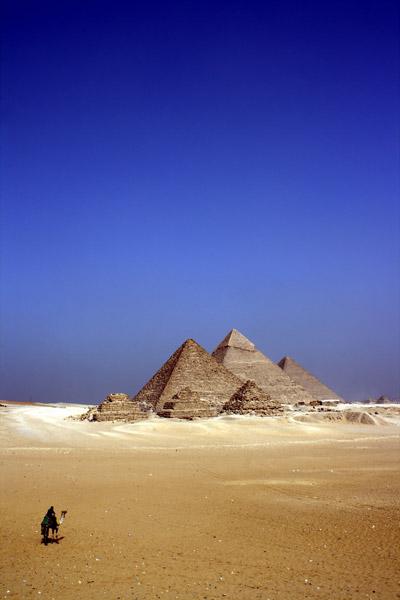
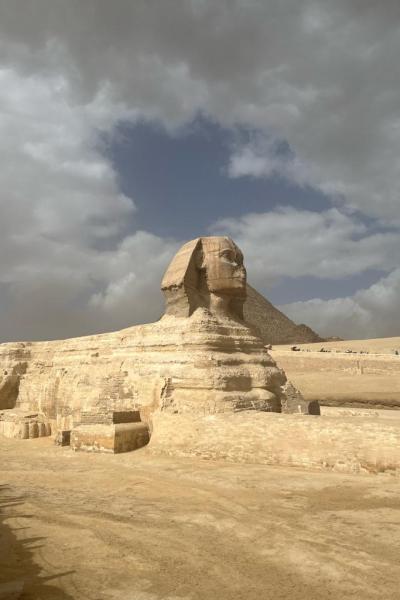

There is something wonderfully compelling about Cairo. Perhaps it is the contrast between its ancient monuments and its restless modern streets, the fragrance of freshly baked bread drifting through neighbourhoods, or the sight of the Nile turning golden beneath the evening sun. Whatever draws you to...

On the western edge of the Nile Valley, where the fertile land gradually gives way to the vast Egyptian desert, lies one of the most extraordinary archaeological landscapes in the world. Saqqara, the ancient burial ground of Memphis, is a place where nearly every chapter of Egyptian civilization seems...
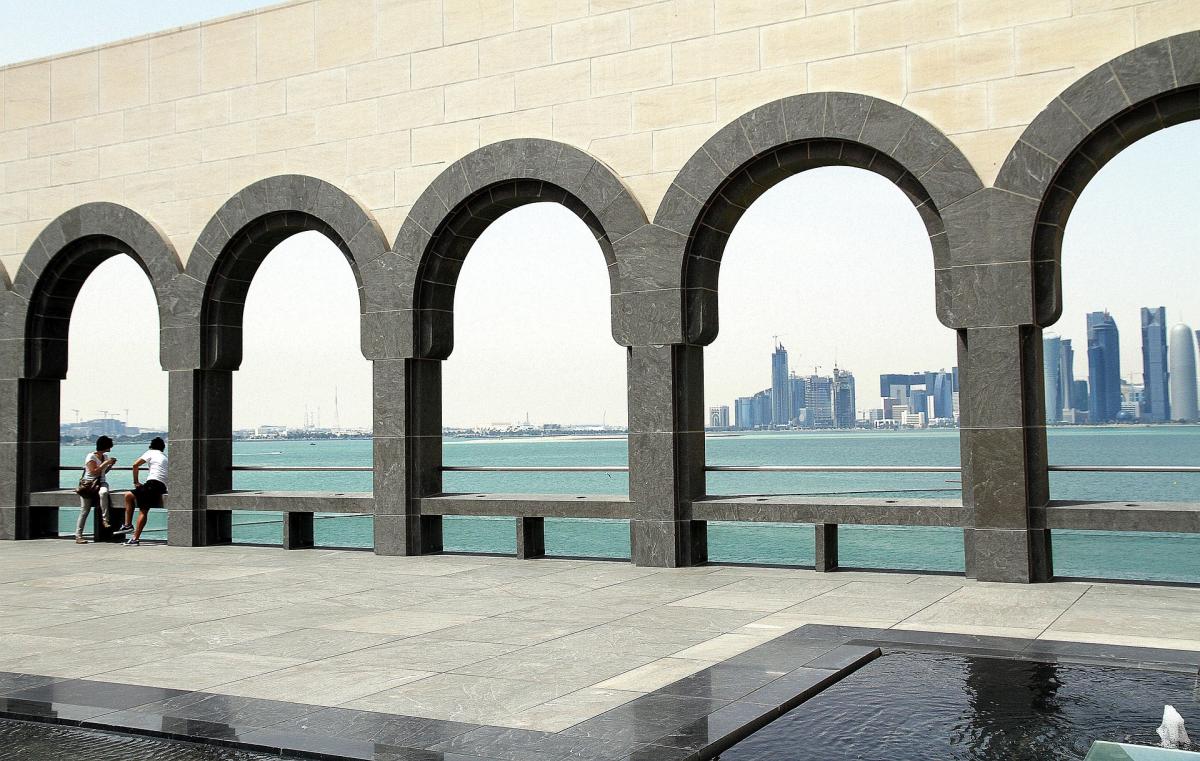
Nestled in the heart of historic Cairo, the Museum of Islamic Art (MIA) stands as a testament to the rich and diverse artistic heritage of the Islamic world. Considered the largest museum of its kind globally, it houses an unparalleled collection of over 100,000 artifacts that span more than 1,200 years...