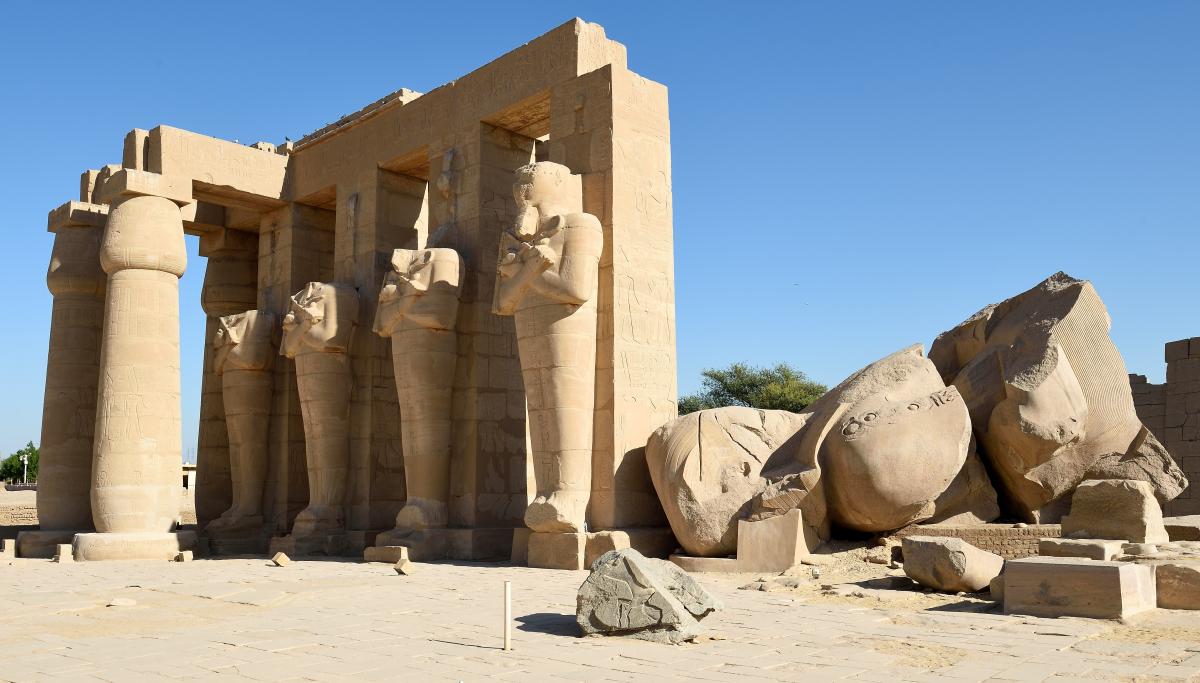
What to See on Luxor’s West Bank: A Complete Guide to the Valley of the Kings, Medinet Habu and the Theban Necropolis
Across the Nile from the bustling streets of modern Luxor lies one of the most remarkable archaeological landscapes in the world. Here, beyond the cultivated fields and quiet Egyptian villages, the desert gives way to rugged limestone mountains concealing the burial chambers of powerful pharaohs. Enormous statues overlook agricultural plains, ancient temples retain traces of their original colors, and underground passages reveal an extraordinarily sophisticated understanding of death, divinity and eternal life.
Luxor's West Bank is far more than a collection of ancient monuments. Once the principal burial ground of ancient Thebes, it preserves the religious beliefs, political ambitions, artistic achievements and everyday experiences of a civilization that flourished thousands of years ago. While the Valley of the Kings attracts international attention for its royal tombs, equally compelling discoveries await at Medinet Habu, the Temple of Hatshepsut, the Valley of the Queens and the settlements where ancient Egyptian craftsmen once lived.
Together with the monumental temples on the eastern bank of the Nile, the Theban Necropolis was inscribed on the UNESCO World Heritage List in 1979. Its exceptional concentration of archaeological remains makes it one of Egypt's most rewarding destinations for travelers interested in history, architecture and ancient culture.
Understanding the Historical Significance of Luxor's West Bank
Long before Luxor became a modern tourism destination, it was known to the ancient Egyptians as Waset and to the Greeks as Thebes. The city rose to prominence during the Middle Kingdom and became an extraordinary center of political authority and religious influence during the New Kingdom, approximately 1550-1069 BC.
Thebes was particularly associated with the worship of Amun-Ra, whose religious establishment benefited enormously from royal patronage and the wealth accumulated through Egypt's military expansion. Successive rulers transformed the city into a monumental expression of divine kingship, commissioning temples, statues, palaces and elaborate burial complexes.
Why the Ancient Egyptians Buried Their Dead on the West Bank
The geographical division of ancient Thebes reflected important religious beliefs. The eastern horizon, where the sun rises, represented renewal and the beginning of life. The western horizon, where the sun disappears each evening, became associated with death and the transition into the afterlife.
According to ancient Egyptian cosmology, the disappearance of the sun was not permanent. The solar deity traveled through the underworld during the night before emerging again at dawn. Death was understood through a comparable cycle of transformation and rebirth.
These beliefs helped establish the western desert as a sacred funerary landscape. Its isolation also offered practical advantages for royal burials, while the pyramid-shaped mountain overlooking the Valley of the Kings carried powerful religious symbolism.
The Theban Necropolis: More Than a Royal Cemetery
The Theban Necropolis encompasses a vast archaeological area containing royal burial chambers, private tombs, funerary temples, religious sanctuaries and ancient residential settlements.
Its surviving monuments reveal several interconnected aspects of Egyptian civilization:
- Royal authority and the concept of divine kingship.
- Religious rituals associated with death and resurrection.
- Artistic techniques developed over successive dynasties.
- The organization of labor and skilled craftsmanship.
- The social customs and occupations of ancient Egyptian communities.
- The economic and administrative functions of religious institutions.
Unlike a museum collection, where objects have been removed from their original surroundings, the West Bank allows visitors to encounter much of this history within the landscape that originally gave it meaning.
The Valley of the Kings: Inside the Burial Grounds of Egypt's Pharaohs
The Valley of the Kings is undoubtedly the most famous archaeological attraction on Luxor's West Bank. Hidden among barren mountains, this secluded valley became the burial place of many of Egypt's New Kingdom rulers, including Tutankhamun, Seti I and several pharaohs named Ramesses.
The archaeological site consists of an eastern and a western valley. The eastern section contains most of the famous royal tombs, while the western valley holds a considerably smaller collection.
More than sixty tombs have been identified, alongside numerous unfinished excavations. Not every burial belonged to a reigning pharaoh; certain royal relatives and individuals of exceptional status were also granted burial privileges here.
Why Pharaohs Abandoned Monumental Pyramids
The transition from monumental pyramids to concealed rock-cut tombs represented an important development in Egyptian funerary architecture.
Earlier rulers had built conspicuous pyramid complexes, which remained vulnerable to robbery despite their elaborate internal arrangements. During the New Kingdom, pharaohs increasingly favored underground burial chambers excavated within remote desert mountains.
Royal burial chambers and temples dedicated to the deceased ruler's continuing cult were generally separated. The tomb could remain hidden deep within the mountains, while the mortuary temple stood closer to the cultivated land, where religious ceremonies and offerings could continue.
Although this strategy did not ultimately prevent widespread tomb robbery, it produced some of the finest surviving examples of ancient Egyptian funerary art.
What the Paintings Inside the Royal Tombs Represent
Entering a royal tomb for the first time can be a surprisingly moving experience. Outside, the landscape appears almost entirely devoid of color. Underground, walls and ceilings come alive with celestial figures, sacred animals, mysterious deities and elaborate hieroglyphic inscriptions.
These decorations were not created merely for aesthetic purposes. They served a religious function, providing the deceased ruler with the knowledge and spiritual protection necessary to navigate the afterlife.
Among the most important funerary compositions found in the royal tombs are:
- The Amduat: Describes the sun god's passage through the twelve hours of the night.
- The Book of Gates: Represents the stages of the nocturnal journey through the underworld.
- The Book of Caverns: Explores the underworld, divine judgment and regeneration.
- The Book of the Earth: Contains complex representations of death, creation and solar renewal.
- The Books of the Heavens: Illustrate ancient Egyptian concepts of the cosmos and celestial cycles.
The elaborate decorative programs suggest that ancient Egyptian funerary traditions were concerned not simply with preserving the dead, but with securing their continued existence within a sacred cosmic order.
The Best Tombs to Visit in the Valley of the Kings
Not every tomb is open to the public, and the artistic quality, dimensions and accessibility of the available chambers vary considerably. Choosing a combination of tombs with different architectural and historical characteristics makes for a more rewarding visit.
Tomb of Tutankhamun (KV62): The Discovery That Changed Egyptology
Few archaeological discoveries have captured the public imagination quite like the discovery of Tutankhamun's tomb by Howard Carter in November 1922.
Unlike many of the more imposing royal tombs, KV62 survived with much of its funerary equipment relatively intact. Approximately 5,000 objects were recovered, including jewelry, furniture, ceremonial equipment, chariots and objects connected with everyday palace life.
Ironically, Tutankhamun's tomb is relatively small. Its modest dimensions have encouraged considerable speculation about whether the burial chamber was originally intended for another individual or adapted following the young king's unexpected death.
The significance of visiting KV62 lies primarily in its archaeological history rather than its architectural grandeur. Standing inside the chamber offers a tangible connection with one of the most consequential discoveries in modern archaeology.
Tomb of Ramesses V and Ramesses VI (KV9): A Masterpiece of Ancient Cosmology
For visitors particularly interested in ancient Egyptian religious art, KV9 deserves special consideration.
Originally commissioned during the reign of Ramesses V and subsequently enlarged by Ramesses VI, the tomb features a relatively straightforward architectural arrangement, with descending corridors leading toward the burial chamber.
Its artistic program, however, is anything but simple. Intricate representations of the underworld cover the walls, while astronomical compositions decorate the ceilings. The extensive decoration brings together several of the most important religious texts associated with royal burial traditions.
The burial chamber is especially impressive, offering an extraordinary introduction to ancient Egyptian ideas about the relationship between the cosmos, the sun and eternal life.
Tomb of Seti I (KV17): The Pinnacle of Royal Funerary Art
The tomb of Seti I, father of Ramesses II, ranks among the most accomplished architectural and artistic achievements in the Valley of the Kings.
Its extensive underground chambers contain finely executed reliefs, painted figures and sophisticated religious compositions. KV17 was the first tomb in the valley to receive decoration throughout its interior, setting an important precedent in the development of royal funerary architecture.
The quality of the craftsmanship is remarkable. Delicate facial features, carefully balanced compositions and elaborate astronomical decorations distinguish the tomb from many of its contemporaries.
Visitors interested in the artistic achievements of the Nineteenth Dynasty may find the additional admission cost worthwhile, particularly if their time in Luxor is limited.
Tomb of Amenhotep III (WV22): Rediscovering the Western Valley
The less frequently explored Western Valley contains the burial place of Amenhotep III, one of the most influential rulers of the Eighteenth Dynasty.
His reign was associated with extensive architectural activity and considerable royal prosperity. His tomb reflects the ambition of that period, although centuries of deterioration created substantial conservation challenges.
Following more than two decades of international conservation work, the tomb reopened to visitors in October 2025. Its reopening offers travelers another compelling reason to look beyond the better-known eastern section of the Valley of the Kings.
Because WV22 occupies a separate part of the archaeological landscape, visitors should allow additional time and confirm its current admission arrangements before traveling there.
Comparing the Major Royal Tombs
Tomb | Reference | Dynasty | Principal attraction |
|---|---|---|---|
Tutankhamun | KV62 | Eighteenth | Archaeological discovery and royal burial history |
Amenhotep III | WV22 | Eighteenth | Extensive burial complex and restored wall paintings |
Seti I | KV17 | Nineteenth | Exceptionally refined reliefs and funerary architecture |
Ramesses V and VI | KV9 | Twentieth | Astronomical ceilings and religious compositions |
The best choice depends on whether the visitor is primarily interested in archaeological discoveries, religious symbolism, artistic craftsmanship or architectural development.
Medinet Habu: The Magnificent Mortuary Temple of Ramesses III
Despite its historical importance and exceptional state of preservation, Medinet Habu is frequently overshadowed by the Valley of the Kings and the Temple of Hatshepsut. That is unfortunate, because few monuments in Luxor offer such a comprehensive impression of an ancient Egyptian temple complex.
Constructed principally during the reign of Ramesses III, approximately 1184-1153 BC, Medinet Habu served both the continuing religious cult of the deceased ruler and the worship of Amun.
Its imposing entrance, extensive courtyards, monumental columns and surviving reliefs make it one of the most impressive examples of New Kingdom religious architecture.
The Monumental Gateway and Temple Architecture
Visitors enter the complex through a distinctive fortified gateway commonly known as the High Gate. Its imposing towers give the entrance a defensive appearance quite different from that of many other Egyptian temples.
Beyond the gateway, a sequence of monumental pylons, open courtyards, columned halls and sacred chambers establishes a gradual transition from the exterior world toward increasingly restricted religious spaces.
The temple's architectural arrangement drew inspiration from the Ramesseum, the earlier mortuary temple of Ramesses II. However, the wider Medinet Habu enclosure developed into a substantial complex incorporating administrative facilities, storage buildings, a royal palace and other supporting structures.
Its design illustrates how major temples functioned as religious institutions as well as centers of administration and economic activity.
The Military Reliefs and the Sea Peoples
Among the most historically valuable features of Medinet Habu are its extensive military inscriptions and reliefs.
During the reign of Ramesses III, the eastern Mediterranean experienced considerable political instability. Established kingdoms faced disruption, population movements and military conflicts, while Egypt encountered groups conventionally referred to as the Sea Peoples.
The temple records Egyptian campaigns against these groups and against Libyan opponents. Its monumental compositions provide important evidence for historians studying the turbulent final centuries of the Bronze Age.
Nevertheless, the reliefs should not be interpreted as entirely objective historical accounts. Egyptian royal monuments were designed to celebrate the ruler's victories and reinforce his divine authority. They therefore reveal both historical events and the ideological framework through which the monarchy presented them.
The Remarkable Preservation of Ancient Egyptian Colors
One of Medinet Habu's greatest pleasures is the opportunity to appreciate the original relationship between architecture, sculpture and color.
Look carefully beneath sheltered architectural elements and around the surviving columned spaces. Traces of blue, red, yellow and other pigments provide a reminder that ancient Egyptian temples were originally far more colorful than their weathered sandstone exteriors might suggest.
The depth of many carved inscriptions and the scale of the decorative compositions also give the monument a distinctive character. Rather than rushing directly toward the innermost chambers, visitors benefit from spending time examining the individual scenes and architectural details throughout the complex.
The Older Sanctuaries of Medinet Habu
The archaeological significance of Medinet Habu extends beyond the reign of Ramesses III.
The enclosure also contains an earlier temple associated with Hatshepsut and Thutmose III, together with chapels belonging to women who held the influential religious office of God's Wife of Amun during later dynasties.
These additional monuments demonstrate how sacred locations remained significant across centuries, with successive generations adapting and expanding existing religious structures rather than simply abandoning them.
How Much Time Should You Spend at Medinet Habu?
Allow approximately 60 to 90 minutes for a comfortable visit. Travelers with a particular interest in Egyptian inscriptions, religious architecture or military history could easily spend two hours exploring the complex.
Medinet Habu also makes an excellent complement to the Valley of the Kings. Whereas the underground tombs illuminate the religious preparation of the deceased pharaoh, the temple reveals how royal authority and religious worship were expressed above ground.
The Temple of Hatshepsut at Deir el-Bahari
Few monuments in Egypt interact with their natural surroundings as dramatically as the mortuary temple of Hatshepsut.
Set against an immense limestone cliff, the temple rises through three carefully arranged terraces linked by broad central ramps. Its elegant horizontal lines contrast with the rugged mountain behind it, creating an architectural composition unlike that of most surviving ancient Egyptian temples.
Hatshepsut ruled during the Eighteenth Dynasty, approximately 1473-1458 BC. Although women had previously exercised royal authority in Egypt, her extensive building program and formal adoption of pharaonic kingship made her one of the country's most historically significant female rulers.
The Expedition to the Land of Punt
Among the temple's most fascinating decorations are reliefs depicting Hatshepsut's famous expedition to Punt, a trading region generally associated with the southern Red Sea and the Horn of Africa.
The scenes document foreign settlements, landscapes, inhabitants and valuable commodities brought back to Egypt. They offer insights into ancient commercial networks and the importance of long-distance exchange in sustaining royal and religious institutions.
The expedition also formed part of Hatshepsut's presentation of her reign as prosperous, legitimate and favored by the gods.
Elsewhere in the temple, religious compositions emphasize her connection with Amun, while sanctuaries associated with Hathor and Anubis reflect the broader funerary significance of Deir el-Bahari.
A Sacred Landscape Older Than Hatshepsut
Although Hatshepsut's temple dominates the modern visitor experience, Deir el-Bahari had already acquired considerable religious importance centuries before her reign.
The Middle Kingdom ruler Mentuhotep II established his own mortuary complex at the site roughly six centuries earlier. His choice of location reflected the sacred character of the surrounding mountains and their association with Hathor.
The juxtaposition of monuments from different periods makes Deir el-Bahari particularly valuable for understanding the development of Egyptian funerary architecture.
The Valley of the Queens: Discovering the Royal Women of Ancient Egypt
Known in antiquity as Ta-Set-Neferu, the Valley of the Queens served as a burial ground for royal women, princes and other members of the royal household.
Although smaller and generally less crowded than the Valley of the Kings, the archaeological site possesses considerable historical and artistic significance. Archaeological surveys have documented more than a hundred tombs throughout the main valley and its adjoining subsidiary valleys.
The burial chambers illustrate changing funerary traditions and provide valuable insights into the status of women and children within the ancient Egyptian royal household.
The Tomb of Queen Nefertari (QV66)
Nefertari, the celebrated royal wife of Ramesses II, was buried in what is widely regarded as one of the finest decorated tombs in ancient Egypt.
Discovered by the Italian archaeologist Ernesto Schiaparelli in 1904, the tomb contains remarkably sophisticated painted compositions depicting the queen's journey into the afterlife.
Nefertari appears before various deities, participates in religious rituals and progresses through the spiritual stages necessary to attain eternal existence. The delicate execution of the figures, balanced compositions and richness of the pigments distinguish the tomb from many other royal burial chambers.
Between 1986 and 1992, an international conservation project addressed serious deterioration threatening its ancient wall paintings.
Because of the fragile condition of the decorations, access to Nefertari's tomb has been subject to strict controls and periods of closure. Travelers should verify its current accessibility rather than assuming that it will be available during their visit.
The Tombs of Royal Princes
The Valley of the Queens also contains burial chambers belonging to sons of Egyptian pharaohs, particularly members of the family of Ramesses III.
These tombs provide an interesting contrast with the burial chambers of reigning kings. Their religious compositions frequently emphasize the relationship between the deceased prince, his royal father and the gods responsible for his protection in the afterlife.
Even when Nefertari's tomb is unavailable, the valley remains an important destination for understanding the funerary traditions of the New Kingdom's royal families.
Deir el-Medina: Where the Builders of the Royal Tombs Once Lived
After exploring the burial places of kings and queens, a visit to Deir el-Medina offers an entirely different perspective on ancient Egyptian civilization.
This relatively compact settlement housed the craftsmen, artists, stonecutters and other specialists responsible for constructing and decorating the royal tombs.
Unlike the monumental temples and royal burial complexes that emphasize the achievements of pharaohs, Deir el-Medina reveals the experiences of ordinary people whose specialized skills made those achievements possible.
Archaeological excavations have uncovered residential buildings, religious structures, private tombs and an extraordinary collection of written records documenting everyday life.
What Daily Life Was Like for Ancient Egyptian Craftsmen
The inhabitants of Deir el-Medina belonged to a highly specialized community supported by the Egyptian state.
Their surviving documents include personal correspondence, administrative records, religious compositions and informal notes written on fragments of pottery and limestone known as ostraca.
These materials offer unusually intimate glimpses into ancient Egyptian society. They reveal family concerns, professional obligations, disputes, religious practices, economic transactions and the administrative organization of the workforce.
Such evidence is particularly valuable because historical records from ancient civilizations so often concentrate on political leaders and religious institutions rather than the individuals who sustained them.
One of the Earliest Recorded Labor Strikes
One of the most remarkable episodes associated with Deir el-Medina occurred during the reign of Ramesses III.
When essential provisions were delayed, workers organized protests against the authorities responsible for distributing their wages in the form of food supplies.
The surviving Strike Papyrus documents their actions and the administrative difficulties surrounding the dispute. It represents one of the earliest documented labor strikes in world history.
The episode challenges simplistic assumptions about ancient societies, demonstrating that organized workers could collectively express grievances even within a powerful monarchy.
The Private Tombs of the Craftsmen
The community's craftsmen also constructed and decorated burial chambers for themselves and their families.
Although these tombs are generally smaller than those of the pharaohs, their intimate scale and religious imagery make them particularly engaging.
Among the most celebrated examples is the tomb of Sennedjem. The artistic traditions represented in these private burial chambers reveal how skilled individuals adapted royal religious concepts to express personal hopes for eternal life.
Deir el-Medina is consequently one of the most rewarding places on the West Bank for travelers interested in the human dimension of ancient Egyptian history.
The Tombs of the Nobles: Ancient Egypt Beyond the Pharaohs
Scattered across several hillsides and archaeological districts of the Theban Necropolis are hundreds of tombs belonging to officials, administrators, priests and other prominent members of ancient Egyptian society.
Collectively known as the Tombs of the Nobles, these burial sites offer a striking contrast to the royal tombs.
While the Valley of the Kings concentrates heavily on religious and cosmological themes, private tombs often incorporate representations of agriculture, hunting, craftsmanship, banquets, administrative responsibilities and family relationships.
These scenes should not necessarily be interpreted as straightforward records of everyday existence. They were carefully selected expressions of social status, religious aspirations and idealized prosperity. Nevertheless, they remain invaluable evidence of ancient Egyptian material culture.
The Tomb of Menna (TT69)
The tomb of Menna is particularly noteworthy for its exceptional painted decorations.
Menna held administrative responsibilities connected with agricultural land and its supervision. His tomb reflects the importance of agriculture within the Egyptian economy, incorporating scenes associated with agricultural production, religious ceremonies and activities intended to sustain the deceased in the afterlife.
Its surviving paintings have also been the subject of extensive scientific documentation and conservation, helping researchers understand the materials and techniques employed by New Kingdom artists.
Exploring the Different Areas of the Nobles' Cemetery
The private tombs are distributed across several archaeological districts, including Sheikh Abd el-Qurna, Dra Abu el-Naga and el-Asasif.
This geographical arrangement is important for travelers planning their visits. The Tombs of the Nobles are not contained within a single compact enclosure, and visiting several burial chambers may require separate admission tickets and additional walking or transportation.
Rather than attempting to explore every accessible tomb, select a small group representing different artistic styles and historical periods.
The Ramesseum: Exploring the Legacy of Ramesses the Great
The Ramesseum was constructed as the mortuary temple of Ramesses II, one of the longest-reigning and most influential pharaohs of ancient Egypt.
Although the complex has suffered considerable damage over the centuries, its surviving columns, massive statues and extensive reliefs continue to convey the scale of the ruler's architectural ambitions.
The temple incorporates scenes celebrating the Battle of Kadesh, fought between Egyptian and Hittite forces, alongside religious compositions associated with royal worship and funerary rituals.
Its wider complex included warehouses, kitchens, bakeries and other facilities necessary to support a major religious institution. These structures offer an important reminder that ancient Egyptian temples required extensive economic resources and administrative systems.
The Fallen Colossus and the Passage of Time
One of the most evocative features of the Ramesseum is the enormous fallen statue of Ramesses II.
Originally standing more than seventeen meters high, the statue represented the ruler on a monumental scale. Its fragmented remains now offer a powerful contrast between the permanence sought by ancient kings and the inevitable effects of time.
The Ramesseum's partially ruined condition gives it a character quite different from the better-preserved Medinet Habu. Visiting both temples provides an opportunity to compare their architecture, decorative programs and approaches to royal commemoration.
The Colossi of Memnon: Silent Guardians of the Theban Plain
Standing prominently near the agricultural fields of Luxor's West Bank, the Colossi of Memnon are among the area's most recognizable landmarks.
The enormous seated statues represent Amenhotep III and originally stood before the entrance to his vast mortuary temple. Although much of the surrounding temple has disappeared or survives only in fragmentary form, the statues remain striking evidence of its original scale.
Ongoing archaeological and conservation work has revealed additional monumental sculptures and architectural remains, gradually improving our understanding of what was once an exceptionally ambitious religious complex.
Discoveries associated with the site include fragments of colossal sphinxes, statues of the goddess Sekhmet and remains of decorated architectural elements.
For most visitors, the Colossi of Memnon make an excellent introductory stop before traveling farther into the western desert. Their position near the cultivated plain also illustrates the transition between the agricultural landscape of the Nile Valley and the sacred mountains beyond.
Beyond the Famous Monuments: Lesser-Explored Areas of the Theban Necropolis
Luxor's West Bank contains far more archaeological material than can reasonably be explored during a conventional sightseeing excursion.
Visitors with additional time may wish to investigate other parts of the necropolis, subject to current public access arrangements.
Archaeological area | Historical significance |
|---|---|
El-Asasif | Private burial complexes and monuments from several historical periods |
Dra Abu el-Naga | Ancient burial grounds associated with royal and non-royal individuals |
Sheikh Abd el-Qurna | Extensive cemetery containing tombs of prominent Theban officials |
Western Valley | Royal burials outside the main concentration of the Valley of the Kings |
Amenhotep III's temple precinct | Remains of an immense royal mortuary complex |
Deir el-Bahari | Religious and funerary architecture spanning multiple dynasties |
The attraction of these additional sites lies partly in their ability to place the famous monuments within a broader archaeological context. The West Bank developed continuously over many centuries, and its surviving structures reflect overlapping periods of construction, adaptation, abandonment and rediscovery.
Essential Visitor Information for Luxor's West Bank
Entrance Fees and Additional Tomb Tickets
Admission to the West Bank's principal archaeological attractions is generally organized through individual site tickets. Certain royal tombs require supplementary admission payments.
The standard Valley of the Kings ticket normally covers a selection of three accessible tombs from the regular visiting list, rather than unrestricted entrance to every burial chamber. Visitors should confirm the current selection upon arrival.
The following published admission prices provide a useful budgeting reference for international visitors as of November 2026.
Attraction | International adult | International student |
|---|---|---|
Valley of the Kings - general admission | EGP 750 | EGP 375 |
Tomb of Tutankhamun (KV62) | EGP 700 | EGP 350 |
Tomb of Ramesses V and VI (KV9) | EGP 220 | EGP 110 |
Tomb of Seti I (KV17) | EGP 2,000 | EGP 2,000 |
Temple of Hatshepsut | EGP 440 | EGP 220 |
Medinet Habu | EGP 220 | EGP 110 |
Valley of the Queens | EGP 220 | EGP 110 |
These figures are published rates rather than guaranteed future prices. There are occasional discrepancies between official information pages and booking platforms; for example, Medinet Habu's monument information page lists an adult admission price of EGP 230, while the official ticketing platform displays EGP 220. Confirm the applicable price before purchasing tickets. Student discounts are also subject to eligibility requirements.
Opening Hours
Many of Luxor's major West Bank archaeological attractions open at approximately 6:00 AM, making early morning sightseeing particularly convenient.
Published ticketing information for several principal sites indicates the following seasonal arrangements:
Period | Opening time | Last admission |
|---|---|---|
Summer | 6:00 AM | 5:00 PM |
Winter | 6:00 AM | 4:00 PM |
Ramadan | 6:00 AM | 4:00 PM |
Individual attractions may operate according to different schedules. Special events, archaeological excavations, conservation requirements and administrative decisions can also affect visiting arrangements.
Arriving well before the final admission time is advisable, particularly at extensive archaeological sites such as the Valley of the Kings.
Photography Rules Inside Tombs and Temples
Photography regulations at Egyptian archaeological sites have evolved over time.
Current general tourism guidance permits personal photography using mobile phones and cameras, provided that flash is disabled inside enclosed archaeological spaces. Commercial photography and the use of certain professional equipment may require special authorization.
Nevertheless, individual tombs may be subject to additional restrictions because of their delicate condition or specific conservation requirements. Visitors should follow instructions displayed at each entrance and those provided by authorized site personnel.
Avoid touching ancient wall paintings, leaning against decorated surfaces or bringing equipment into restricted areas.
How to Get to Luxor's West Bank
Crossing the Nile by Ferry
Travelers staying on Luxor's East Bank can cross the Nile using public ferry services or private boats.
A river crossing offers a convenient alternative to traveling by road, particularly for visitors staying near the central waterfront. Once on the western side, local taxis and prearranged vehicles provide transportation to the archaeological attractions.
The monuments are dispersed over a considerable area, so crossing the river is only the first stage of the journey.
Hiring a Private Driver
For travelers intending to visit several West Bank attractions in one day, hiring a private driver is often the most practical arrangement.
A dedicated vehicle reduces the time spent organizing transportation between archaeological sites and offers welcome protection from the midday heat.
It is advisable to agree beforehand on the total price, planned destinations, waiting arrangements and duration of the service.
Exploring with an Egyptologist Guide
A knowledgeable Egyptologist can significantly enhance a visit to the Theban Necropolis.
Without historical context, temple reliefs and tomb paintings can appear overwhelming. A qualified guide helps visitors distinguish between different deities, recognize important historical figures and interpret the religious symbolism appearing throughout the monuments.
Guiding arrangements inside certain burial chambers may be restricted, meaning explanations are sometimes provided outside before visitors enter independently.
The Best Time of Year to Visit Luxor's West Bank
Luxor experiences an arid desert climate characterized by exceptionally hot summers and relatively mild winters.
The time of year can substantially influence the comfort and pace of archaeological sightseeing.
Period | General conditions | Suitability |
|---|---|---|
December to February | Mild daytime temperatures and cooler evenings | Excellent for extended sightseeing |
March to April | Increasing warmth and occasional dusty conditions | Generally favorable |
May to September | Intense heat and strong sunlight | Best for early morning visits |
October to November | Gradually cooler conditions | Excellent for outdoor exploration |
October through April generally offers the most comfortable conditions for travelers planning extensive archaeological visits.
Regardless of the season, early mornings are preferable for exploring the Valley of the Kings and the exposed terraces of the Temple of Hatshepsut.
The underground tombs are not necessarily cool simply because they lie beneath the surface. Some burial chambers can feel warm and poorly ventilated, particularly when visitor numbers are high.
How Many Days Do You Need to Explore Luxor's West Bank?
A single day is sufficient to experience several major attractions, but it rarely allows enough time to appreciate the extraordinary diversity of the Theban Necropolis.
Two days provide a more balanced introduction, while three days are preferable for travelers with a serious interest in archaeology and ancient Egyptian history.
Recommended One-Day West Bank Itinerary
Suggested time | Attraction |
|---|---|
6:30-9:30 AM | Valley of the Kings |
9:45-11:15 AM | Temple of Hatshepsut |
11:30 AM-12:00 PM | Colossi of Memnon |
12:00-1:00 PM | Lunch and rest |
1:15-2:45 PM | Medinet Habu |
3:00-3:45 PM | Optional nearby archaeological attraction, subject to admission hours |
This itinerary prioritizes the principal royal burial ground and two of the West Bank's most impressive mortuary temples.
It is suitable for first-time visitors with limited time, although exploring additional royal tombs may require adjustments.
Recommended Two-Day West Bank Itinerary
First day | Second day |
|---|---|
Valley of the Kings | Valley of the Queens |
Temple of Hatshepsut | Deir el-Medina |
Colossi of Memnon | Medinet Habu |
Selected Tombs of the Nobles, if time permits | Ramesseum |
Dividing the visit across two days reduces physical fatigue and creates more opportunities to appreciate individual monuments.
It also allows visitors to explore royal and non-royal burial traditions separately, developing a more comprehensive understanding of ancient Theban society.
A Three-Day Itinerary for History and Archaeology Enthusiasts
A third day creates opportunities to revisit particularly compelling monuments, explore additional private tombs, investigate the Western Valley or spend more time at Deir el-Medina.
This approach is especially worthwhile for travelers interested in ancient Egyptian art, religious texts, architectural history and the archaeological processes through which these monuments have been rediscovered.
All suggested itineraries are flexible planning recommendations rather than fixed schedules. Actual visiting times should take account of current opening hours, transportation arrangements, physical accessibility and individual interests.
Should You Stay on Luxor's East Bank or West Bank?
Both sides of the Nile offer distinct advantages.
The East Bank generally provides convenient access to major hotels, restaurants, commercial services, Luxor Temple and the Karnak Temple Complex.
The West Bank offers a quieter atmosphere, with accommodations located among villages, agricultural fields and the foothills of the Theban mountains. Staying there can be particularly convenient for travelers planning several early morning archaeological excursions.
Consideration | East Bank | West Bank |
|---|---|---|
Atmosphere | Urban and lively | Quiet and rural |
Hotel selection | Extensive, including major hotels | Guesthouses and smaller hotels |
Royal tomb access | Requires crossing the Nile or traveling by road | Generally more convenient |
Restaurants and shops | Greater concentration | More locally oriented |
Best suited to | First-time visitors seeking urban convenience | Travelers prioritizing archaeology and tranquility |
For visitors spending several days investigating the Theban Necropolis, West Bank accommodation can reduce daily transportation requirements and provide a more relaxed experience.
Practical Tips for a Comfortable West Bank Visit
The geographical scale of the necropolis, exposure to sunlight and physical demands of entering underground tombs make preparation particularly important.
- Start early: Visit the most exposed archaeological sites before the strongest daytime heat.
- Carry sufficient drinking water: Shade and refreshments are not always available near individual monuments.
- Wear comfortable footwear: Uneven stone surfaces, gravel paths and steep underground ramps are common.
- Bring sun protection: A lightweight hat, sunglasses and sunscreen are useful throughout the year.
- Check tomb availability: Conservation work and archaeological activities can result in temporary closures.
- Keep admission tickets: Some sites require additional ticket checks before entering particular areas.
- Allow time for transportation: Attractions that appear close geographically may require separate road journeys.
- Consider physical accessibility: Deep tombs and narrow stairways can be challenging for visitors with limited mobility or claustrophobia.
- Respect archaeological boundaries: Never enter restricted passages or climb ancient structures.
- Avoid excessive sightseeing: Visiting fewer monuments carefully is often more rewarding than rushing through an extensive checklist.
Preserving the Theban Necropolis for Future Generations
The apparent durability of ancient Egyptian monuments can be misleading.
Many burial chambers contain exceptionally fragile painted surfaces that are vulnerable to environmental changes, dust, moisture, salt crystallization and physical contact. Underground spaces present particular conservation challenges because visitor activity can influence their internal environmental conditions.
International conservation projects have addressed these problems through scientific monitoring, documentation, improvements to visitor infrastructure and specialized treatments of damaged surfaces.
The conservation of Tutankhamun's tomb and the long-term preservation of the Valley of the Queens illustrate the complicated balance between archaeological protection and public access.
These efforts are essential not only for preserving celebrated works of ancient art but also for protecting historical evidence that future generations of researchers may interpret using increasingly sophisticated scientific techniques.
Responsible tourism forms part of this process. Following site regulations, respecting barriers and accepting temporary closures are relatively small inconveniences when measured against the importance of preserving monuments that have survived for more than three millennia.
Frequently Asked Questions About Luxor's West Bank
Is Luxor's West Bank worth visiting?
Absolutely. The West Bank contains some of Egypt's most historically significant archaeological attractions, including royal tombs, exceptionally preserved mortuary temples and settlements associated with ancient Egyptian craftsmen.
Its importance extends well beyond the discovery of Tutankhamun's tomb.
What is the most important attraction on Luxor's West Bank?
The Valley of the Kings is generally considered the principal attraction because of its concentration of New Kingdom royal burial chambers.
However, Medinet Habu is equally rewarding for travelers interested in temple architecture, while Deir el-Medina provides a more personal understanding of ancient Egyptian society.
Is Medinet Habu worth visiting if I have already seen Karnak?
Yes. Karnak and Medinet Habu represent different architectural and religious contexts.
Medinet Habu is particularly notable for its relatively well-preserved mortuary temple arrangement, military inscriptions, surviving pigments and distinctive fortified entrance.
Its comparatively compact layout also makes it easier to appreciate the relationship between individual architectural elements.
Is Tutankhamun's tomb worth the additional entrance fee?
That depends on your interests.
Tutankhamun's tomb possesses exceptional archaeological significance but is relatively modest in size and decorative complexity. Visitors primarily interested in spectacular paintings and elaborate underground architecture may prefer KV9 or the tomb of Seti I.
Those fascinated by the discovery of Tutankhamun's burial will likely find KV62 particularly meaningful.
Can you visit the Valley of the Kings and Medinet Habu on the same day?
Yes. Both attractions are located on Luxor's West Bank and can comfortably be included in a full-day itinerary.
Visiting the Valley of the Kings early in the morning and Medinet Habu later in the day is a practical arrangement.
Are all the royal tombs open to tourists?
No. Only a limited selection of royal burial chambers is generally accessible.
The available tombs may change because of conservation requirements, archaeological research or administrative decisions. Some particularly significant tombs require supplementary admission tickets.
Can you walk between all the West Bank attractions?
Although certain archaeological sites are within walking distance of one another, exploring the entire West Bank on foot is generally impractical.
Considerable distances, exposed desert roads and intense sunlight make organized transportation preferable for most travelers.
Is one day enough for Luxor's West Bank?
One day allows visitors to experience the principal highlights. However, two or three days provide a substantially more rewarding opportunity to explore the royal tombs, mortuary temples, private cemeteries and ancient settlements without unnecessary haste.
Final Thoughts
Luxor's West Bank offers something increasingly rare in modern travel: an opportunity to encounter an ancient civilization through an entire surviving historical landscape rather than through a handful of isolated monuments.
The Valley of the Kings reveals the spiritual ambitions of Egypt's pharaohs. Medinet Habu preserves the monumental expression of royal authority and religious devotion. The Temple of Hatshepsut demonstrates the extraordinary relationship between sacred architecture and natural geography, while Deir el-Medina brings the experiences of ancient craftsmen and their families into remarkably sharp focus.
Together, these places tell a story considerably richer than that of royal power alone. They reveal a society concerned with continuity, remembrance, divine order, artistic excellence and humanity's enduring desire to understand what lies beyond death.
The greatest mistake a visitor can make is treating the West Bank merely as a brief excursion to Tutankhamun's tomb. Allow enough time to explore its quieter corners, examine the details of its ancient decorations and appreciate the connections between its monuments.
More than three thousand years after many of these structures were completed, the Theban Necropolis remains one of the world's most compelling places to contemplate the achievements, beliefs and aspirations of an ancient civilization.
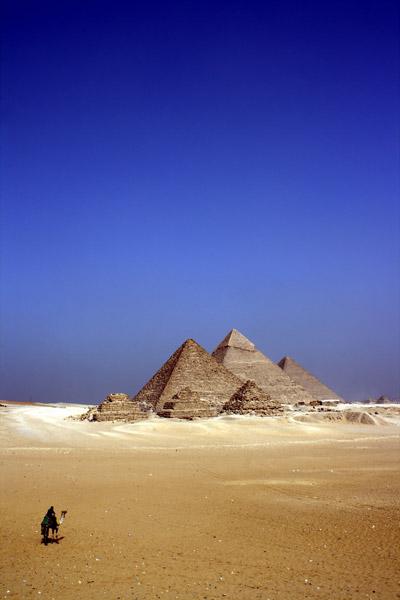
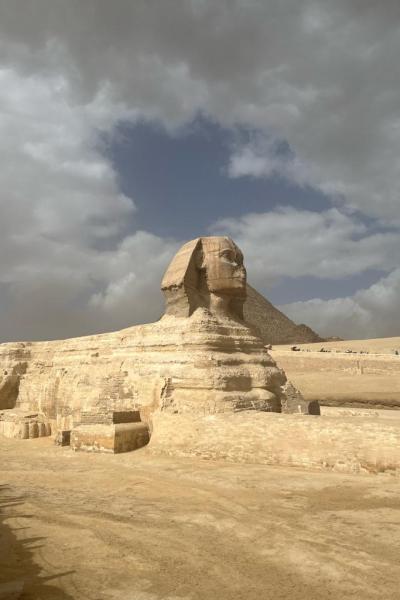

On the western bank of the Nile in Luxor, surrounded by the remarkable archaeological landscape of ancient Thebes, stands one of Egypts most impressive and historically significant monuments: Medinet Habu. Built during the reign of Pharaoh Ramesses III, this extraordinary temple complex is renowned for...

Luxor is celebrated around the world for its monumental temples, royal tombs and extraordinary connections to ancient Egyptian civilization. Yet beyond the grandeur of Karnak, Luxor Temple and the Valley of the Kings lies another remarkable chapter in the citys past: its transformation into an important...

Few places in the world offer such an extraordinary connection to the ancient past as Luxor, a city in southern Egypt where monumental temples, royal tombs, and centuries-old religious traditions remain woven into the landscape. Situated along the banks of the Nile, Luxor is often described as the worlds...