
Medinet Habu: Exploring the Magnificent Mortuary Temple of Pharaoh Ramesses III in Luxor, Egypt
On the western bank of the Nile in Luxor, surrounded by the remarkable archaeological landscape of ancient Thebes, stands one of Egypt's most impressive and historically significant monuments: Medinet Habu. Built during the reign of Pharaoh Ramesses III, this extraordinary temple complex is renowned for its monumental architecture, remarkably preserved wall decorations, and detailed depictions of some of the most consequential military conflicts of the ancient world.
Although it receives less international attention than the temples of Karnak and Luxor or the royal tombs in the Valley of the Kings, Medinet Habu offers something particularly valuable to anyone interested in ancient Egyptian history. Its walls preserve an extensive visual and written account of royal ceremonies, religious traditions, military campaigns, and the political ambitions of a pharaoh who ruled during one of the most turbulent periods of the New Kingdom.
More than a magnificent religious monument, Medinet Habu was also an important administrative and economic centre. Its fortified enclosure, royal palace, storage facilities, and residential buildings reveal how closely religion, government, and royal authority were connected in ancient Egypt. Today, it remains one of the most rewarding archaeological sites to explore in Luxor, offering an unusually complete picture of Egyptian monumental architecture and royal ideology.
Where Is Medinet Habu and Why Is It Historically Important?
Medinet Habu is situated on the west bank of the Nile in Luxor, southern Egypt, within the extensive archaeological area of ancient Thebes. In ancient Egyptian belief, the western side of the Nile was closely associated with the setting sun, the afterlife, and the realm of the dead. This religious association explains why the western bank became home to an extraordinary concentration of royal mortuary temples, monumental tombs, and funerary complexes.
The site forms part of the UNESCO-listed property known as Ancient Thebes with its Necropolis, which was inscribed on the World Heritage List in 1979. This historic landscape encompasses some of Egypt's most celebrated monuments, including the temples of Karnak and Luxor, the Ramesseum, the Temple of Hatshepsut at Deir el-Bahari, and the Valley of the Kings. Medinet Habu occupies an important place within this collection because it preserves an unusually extensive example of a royal funerary complex from the Twentieth Dynasty.
The name Medinet Habu is commonly used for the wider archaeological precinct, rather than exclusively for the principal temple of Ramesses III. Archaeological investigations have identified several historical layers within the site, including earlier religious structures, royal buildings, administrative facilities, residential areas, and later funerary and Christian remains.
Its importance, therefore, extends well beyond the reign of a single pharaoh. Medinet Habu provides evidence of how an important religious and administrative centre evolved over many centuries, adapting to changing political circumstances and religious practices.
Ramesses III: The Pharaoh Behind the Monument
To understand why Medinet Habu was constructed on such an impressive scale, it is necessary to consider the historical circumstances of Ramesses III's reign.
Ramesses III ruled Egypt during the Twentieth Dynasty, approximately 1184-1153 BCE. He is generally regarded as the last great warrior-pharaoh of the New Kingdom, a period when Egypt had to defend its political influence and territorial security against mounting external pressures.
His reign was marked by several significant military confrontations, particularly against Libyan forces and groups collectively known as the Sea Peoples. These conflicts took place during a period of widespread political instability across the eastern Mediterranean. Several established powers were experiencing serious disruption, and Egypt was increasingly concerned with protecting its borders, trade routes, and regional influence.
Ramesses III presented his military successes as evidence of his ability to preserve Egypt's security and maintain the traditional order established by the gods. His victories became central themes in the decoration of his mortuary temple, where monumental reliefs transformed military events into lasting statements of royal authority.
The pharaoh's later years were considerably less triumphant. A conspiracy involving members of the royal harem and several high-ranking officials attempted to place another royal prince, Pentaweret, on the throne. The Turin Judicial Papyrus preserves the account of the subsequent proceedings. Modern forensic investigations of Ramesses III's mummy have also identified a deep wound to his throat, supporting the conclusion that he was assassinated during the conspiracy.
This contrast between military achievement and political vulnerability makes Medinet Habu particularly interesting. The temple celebrates an image of a powerful and victorious monarch, while the historical evidence reveals the increasingly complicated circumstances surrounding the final years of his reign.
The Architectural Grandeur of Medinet Habu
Medinet Habu is remarkable not only for its size but also for the way its architecture combines religious symbolism, royal representation, and defensive features.
The principal temple follows many of the architectural conventions of New Kingdom mortuary temples. Its design was strongly influenced by the Ramesseum, the funerary temple of Ramesses II, although the complex developed its own distinctive character.
One of its most striking features is the enormous mud-brick enclosure wall surrounding the main precinct. This defensive-looking structure, known as the Great Girdle Wall, gave the complex the appearance of a fortified settlement. Its imposing eastern entrance, commonly called the Eastern High Gate or Gate of Ramesses III, is particularly unusual.
The entrance is framed by two substantial towers with terraces, creating an architectural effect quite different from the conventional temple gateways found elsewhere in Egypt. A second fortified gate once stood on the western side of the enclosure, although it has not survived in comparable condition.
The defensive appearance was not merely decorative. During Ramesses III's reign, the political situation made the security of important religious and administrative institutions a serious concern. The surrounding walls offered protection to the temple and the people who lived and worked within its precinct.
The Main Entrance and the Eastern High Gate
The Eastern High Gate is one of the most distinctive architectural elements of Medinet Habu. Unlike the conventional pylons that dominate the entrances of many Egyptian temples, this structure has the appearance of a fortified monumental gateway.
Its exterior decorations include military and religious imagery, while the interior contains scenes depicting the pharaoh in a more personal, domestic setting. These include representations of Ramesses III surrounded by women of the royal household, enjoying food and drink, and participating in leisure activities.
This contrast is particularly revealing. The outside of the gate communicates strength, protection, and royal authority, whereas its interior offers a glimpse into the private world of the king.
The gate is also important from an architectural perspective because it is among the most unusual surviving examples of monumental fortified architecture in ancient Egypt. Modern documentation by the University of Chicago's Epigraphic Survey has helped researchers study its inscriptions and architectural details in considerable depth.
Courtyards, Pylons, and Hypostyle Halls
Passing through the entrance, visitors encounter the main temple structure, arranged along a carefully planned sequence of monumental spaces.
The architectural progression includes:
The First Pylon: A monumental entrance structure decorated with scenes celebrating the pharaoh's military victories and divine authority.
The First Courtyard: An expansive open space surrounded by architectural elements and decorated walls.
The Second Pylon: Another imposing gateway leading deeper into the religious complex.
The Second Courtyard: A ceremonial space featuring columns and representations of the king in his religious role.
The Hypostyle Halls: Roofed halls supported by numerous columns, creating an impressive transition from the open courtyards to the more restricted inner sanctuary.
The Chapels and Sanctuary: The innermost religious spaces where important rituals and offerings were performed.
The columns are particularly noteworthy. Some have capitals inspired by papyrus plants, a recurring motif in Egyptian architecture that symbolized the natural environment and the creation of life. Others take the form of Osiride pillars, depicting Ramesses III with the characteristic posture and appearance of Osiris, the god associated with death and resurrection.
These representations were not simply decorative choices. By associating himself with Osiris, the pharaoh emphasized his expected transformation into a divine figure after death.
The Royal Palace and Supporting Buildings
One of the most fascinating aspects of Medinet Habu is that the complex extended well beyond the religious structure itself.
Archaeological excavations conducted by the University of Chicago revealed the remains of a royal palace, administrative quarters, storage rooms, workshops, residential buildings, and facilities associated with the temple's daily operations.
The palace was located near the main temple and formed part of a larger architectural arrangement. Its presence demonstrates that Medinet Habu was not simply a place where religious ceremonies took place. It was also a functioning royal establishment, with the infrastructure necessary to support administrative responsibilities and the needs of the temple community.
The surrounding buildings accommodated priests, officials, craftsmen, and other personnel. Archaeological evidence also indicates that the precinct contained carefully organized streets connecting different areas of the complex.
An additional feature was a canal connected to the Nile, with a landing facility that allowed boats to reach the temple. This water connection would have been particularly useful for transporting people, ceremonial objects, and supplies.
Taken together, these discoveries reveal an integrated institution in which religious activity, royal administration, storage, production, and residential life operated alongside one another.
The Battle Reliefs: Medinet Habu's Most Famous Historical Records
Perhaps no other feature of Medinet Habu has attracted as much scholarly attention as its extensive collection of military reliefs.
The exterior walls of the temple contain detailed scenes depicting Ramesses III's campaigns against Egypt's enemies. Among these, the representations of the conflicts with the Sea Peoples are especially important because they preserve one of the most substantial visual records of these mysterious groups from the Late Bronze Age.
The reliefs are accompanied by hieroglyphic inscriptions describing the campaigns and presenting the pharaoh as the defender of Egypt against foreign aggression.
Who Were the Sea Peoples?
The expression Sea Peoples is a modern collective term used by historians to describe several groups mentioned in ancient Egyptian and other eastern Mediterranean records.
Their precise origins remain a subject of scholarly debate. Different groups have been associated with regions including the Aegean islands, mainland Greece, Anatolia, Cyprus, and other parts of the eastern Mediterranean.
The Egyptian inscriptions at Medinet Habu identify members of the coalition involved in the conflict, including:
- Peleset: Frequently associated with the Philistines known from later historical sources.
- Tjeker: Another group mentioned in Egyptian records, whose precise origins remain debated.
- Shekelesh: A group whose geographical and cultural origins have not been conclusively established.
- Denyen: A people whose name has been linked to different eastern Mediterranean populations.
- Weshesh: A group whose historical identity remains uncertain.
The inscriptions also mention the Sherden, including a reference identifying them as people of the sea.
It is important to understand that these names do not necessarily represent a single ethnic community. The Sea Peoples were a collection of different groups whose movements, alliances, and activities formed part of the wider political and social upheavals of the Late Bronze Age.
Archaeological evidence and written records suggest that the eastern Mediterranean was experiencing considerable instability during this period. However, historians continue to debate the extent to which these groups were responsible for the collapse of established kingdoms and the destruction of important urban centres.
The Famous Land Battle
One of the most dramatic scenes at Medinet Habu depicts Ramesses III's forces confronting foreign warriors in a major land engagement.
The composition presents the Egyptian army advancing against its opponents, with chariots, infantry, weapons, and groups of defeated soldiers forming part of the visual narrative.
The pharaoh is represented as the central figure of military authority, while the enemy forces appear disorganized and overwhelmed.
Another particularly interesting aspect of the relief is the presence of ox-drawn carts carrying the families and belongings of the invading groups. This detail has encouraged historians to consider whether the events represented involved more than a conventional military expedition.
Some scholars interpret the scene as evidence of population movements accompanying military campaigns, suggesting that the groups may have included families and other non-combatants. Others emphasize that the images should not be treated as straightforward documentary evidence of a single mass migration.
Whatever the precise historical circumstances, the relief provides valuable insight into how Egyptian artists represented foreign peoples, warfare, and the movement of populations across political boundaries.
The Naval Battle Against the Sea Peoples
Equally impressive is the monumental representation of the naval engagement.
The relief depicts Egyptian ships confronting the vessels of the invading coalition. Warriors fight aboard the ships, while archers attack their opponents and enemy vessels are shown being overwhelmed.
The composition is particularly valuable because it offers information about ancient Mediterranean shipbuilding, naval equipment, and the appearance of seafaring warriors.
Unlike a modern historical painting, however, the scene was not intended to provide an impartial reconstruction of a military encounter. Its primary purpose was to communicate the pharaoh's victory and demonstrate that Egypt remained protected by its ruler and the gods.
The naval battle is traditionally associated with Year 8 of Ramesses III's reign, approximately 1176 BCE. Together with the land battle, it forms part of an extensive visual narrative celebrating the king's success against the foreign coalition.
AncMed+2
Royal Victory and the Presentation of Captives
The military scenes do not end with the battles themselves. Other sections depict the presentation of prisoners, the counting of captives, and the pharaoh offering the results of his campaigns to the gods.
These representations had a strong religious and political meaning.
In ancient Egyptian royal ideology, the pharaoh was expected to preserve Ma'at, the fundamental principle of cosmic order, justice, and balance. Foreign enemies were frequently portrayed as forces threatening that order.
By depicting the defeat of foreign armies and the presentation of captives to the gods, Ramesses III reinforced the idea that his military victories were not simply personal achievements. They were part of his divine responsibility to protect Egypt.
This combination of military history and religious symbolism is one of the defining characteristics of Medinet Habu's artistic programme.
The Libyan Campaigns and Other Military Scenes
Although the Sea Peoples reliefs are the temple's most famous historical feature, they are not its only important military representations.
Several walls document Ramesses III's conflicts with Libyan groups, particularly campaigns associated with Years 5 and 11 of his reign.
The scenes show Egyptian soldiers confronting foreign forces, capturing prisoners, and presenting the results of their victories to the pharaoh. They also include depictions of military equipment, weapons, chariots, and the different ways Egyptian artists represented foreign warriors.
The University of Chicago's Epigraphic Survey documented these scenes in its major publications on Medinet Habu, including the first two volumes of its historical records series.
These publications are particularly valuable because they preserve detailed photographic documentation and carefully prepared drawings of the reliefs and inscriptions. They allow Egyptologists to study parts of the temple's historical record even when individual carvings have suffered damage over time.
Religious Significance: The Temple of Amun and the Royal Afterlife
Despite its famous military imagery, Medinet Habu was fundamentally a religious monument. Its construction served two closely connected purposes: maintaining the funerary cult of Ramesses III and providing a place for the worship of Amun, one of the most important deities in the Egyptian pantheon.
Amun was particularly significant in Thebes, where his principal religious centre was the vast temple complex at Karnak. The god was associated with kingship, divine authority, and the protection of Egypt. By dedicating his mortuary temple to Amun, Ramesses III strengthened the religious foundations of his royal position.
The Mortuary Cult of Ramesses III
Ancient Egyptian mortuary temples were not simply memorial buildings erected to honour deceased rulers. They were functioning religious institutions designed to maintain the king's relationship with the divine world.
Priests performed regular ceremonies, presented food and drink offerings, burned incense, and recited religious texts. These activities were intended to sustain the deceased king's spiritual existence and ensure his continued participation in the divine order.
The sanctuary and its surrounding chapels provided spaces for these ceremonies. Reliefs depicting the pharaoh making offerings to the gods reinforced the religious purpose of the building.
One important distinction is worth making: Medinet Habu was Ramesses III's mortuary temple, not his burial tomb. His actual tomb, identified as KV11, lies in the Valley of the Kings. The two monuments fulfilled different but complementary functions within the Egyptian understanding of royal death and the afterlife.
Festivals, Offerings, and Sacred Ceremonies
Religious life at Medinet Habu followed a structured calendar of ceremonies and offerings.
One of the most valuable historical documents preserved on the temple walls is its extensive calendar of religious festivals and offerings. These inscriptions record the occasions on which offerings were to be presented and provide information about the organization of temple rituals.
The calendar is particularly useful to historians because it offers insight into the practical operation of an ancient Egyptian religious institution. Rather than presenting only symbolic scenes of the gods and the pharaoh, it documents aspects of the recurring ceremonies that sustained temple life.
The decorative programme also includes representations of royal participation in religious celebrations, processions, and rituals associated with the Theban deities.
These scenes demonstrate that the temple was intended to remain an active centre of worship, rather than serving merely as a monument commemorating the achievements of a deceased ruler.
The Art and Hieroglyphic Decorations of Medinet Habu
One of the reasons Medinet Habu is so important to Egyptologists is the remarkable quantity and quality of its surviving decorative work.
Its walls contain thousands of square metres of carved and decorated surfaces, presenting an extensive collection of historical, religious, and ceremonial imagery.
Unlike monuments where only fragments of the original decorative programme survive, Medinet Habu preserves large sequences of connected scenes. This makes it possible to understand how ancient Egyptian artists organized complex visual narratives across monumental architectural spaces.
Several artistic characteristics deserve particular attention.
Hieroglyphic inscriptions: The temple contains extensive inscriptions recording royal titles, military campaigns, religious ceremonies, and offerings. These texts are essential historical sources for understanding the reign of Ramesses III.
Historical bas-reliefs: Military campaigns are represented through carefully arranged figures, chariots, ships, weapons, and captives. Their composition follows established Egyptian artistic conventions, with the pharaoh occupying a dominant position.
Religious imagery: Numerous scenes show the king presenting offerings to deities, receiving divine protection, and participating in sacred ceremonies.
Royal symbolism: Representations of Ramesses III as a powerful ruler and as an Osirian figure communicate both his earthly authority and his anticipated transformation after death.
Architectural ornamentation: Columns, capitals, pylons, and decorative wall surfaces combine religious symbols with images of the king and the gods.
The original decorations were often painted, adding colour and visual depth to the carved stone. Although centuries of exposure and changing conditions have affected their appearance, the surviving surfaces still offer valuable evidence of ancient Egyptian artistic techniques.
Why the Temple's Inscriptions Matter to Historians
The historical significance of Medinet Habu extends far beyond its artistic beauty.
Its inscriptions constitute one of the most important surviving bodies of Egyptian royal records from the late New Kingdom. They provide information about military organization, foreign relations, royal ideology, religious practices, and the ways in which Egyptian rulers communicated their achievements.
The University of Chicago began its major Epigraphic Survey of the temple in 1924. The project involved carefully recording the inscriptions and reliefs through photographs, drawings, and detailed architectural documentation.
The resulting publications, including Medinet Habu, Volume I: Earlier Historical Records of Ramses III and Medinet Habu, Volume II: Later Historical Records of Ramses III, remain foundational scholarly resources.
These records are particularly important because monumental inscriptions can deteriorate, and detailed documentation helps preserve information that might otherwise be lost.
Medinet Habu Before and After Ramesses III
Although Ramesses III gave Medinet Habu its most recognizable architectural identity, the history of the site began considerably earlier and continued for many centuries after his death.
Archaeological evidence indicates that the area had religious and residential significance before the construction of the great temple.
Earlier Religious Structures
One of the important monuments within the wider precinct is the smaller Temple of Amun, which predates the reign of Ramesses III.
Its earliest architectural history reaches back to the Middle Kingdom. Later, Queen Hatshepsut undertook substantial building work there, replacing an earlier structure with a stone temple. Thutmose III subsequently made further modifications and additions.
The temple continued to undergo changes under later rulers, including Horemheb, Seti I, and the Kushite pharaohs of the Twenty-fifth Dynasty.
These successive building phases reveal that Medinet Habu was already an established sacred landscape before Ramesses III transformed it into a monumental royal complex.
UChicago ISAC+1
Medinet Habu as a Refuge and Administrative Centre
Following Ramesses III's reign, the complex gradually developed new functions.
Political instability during the later Twentieth Dynasty affected the surrounding region, and the fortified precinct became increasingly important as a place of protection.
Historical and archaeological evidence indicates that residents of Deir el-Medina, the settlement associated with the craftsmen who constructed the royal tombs, sought refuge within its walls during periods of insecurity.
The site also retained administrative responsibilities. Its granaries supplied food to workers in western Thebes, while a police garrison responsible for protecting the Valley of the Kings was based within the precinct.
These developments demonstrate how an institution originally established for royal religious purposes could adapt to the changing needs of the surrounding population.
Over time, residential buildings, workshops, private tombs, and other structures altered the appearance and organization of the original complex.
The Coptic Period and Later Occupation
The history of Medinet Habu did not end with the decline of ancient Egyptian religious traditions.
During the Roman and Late Antique periods, the site continued to be occupied and used for different purposes. A cemetery developed within the complex, and a small Coptic church was constructed nearby.
Research published by the University of Chicago indicates that a Coptic village flourished at Medinet Habu from approximately the fourth century until the ninth century CE, when occupation of the temple precinct eventually came to an end.
This later history adds another dimension to the monument. Its walls witnessed not only the ceremonies and political ambitions of New Kingdom pharaohs but also the everyday lives of later Egyptian communities whose religious beliefs and social structures were very different.
The archaeological remains therefore document an exceptionally long history of occupation, extending across more than two millennia.
What Makes Medinet Habu Different from Other Temples in Luxor?
Luxor contains an extraordinary concentration of ancient Egyptian monuments, and visitors often compare Medinet Habu with Karnak, Luxor Temple, and the Ramesseum.
Each has its own historical and architectural importance, but Medinet Habu stands out for several reasons.
Monument | Distinctive historical significance |
|---|---|
Medinet Habu | Exceptional preservation, fortified architecture, and extensive military reliefs |
Karnak Temple | Major religious centre of Amun and one of Egypt's largest temple complexes |
Luxor Temple | Important ceremonial monument associated with royal kingship and the Opet Festival |
Ramesseum | Mortuary temple of Ramesses II, famous for its monumental architecture and royal imagery |
Temple of Hatshepsut | Distinguished by its terraced design and association with the queen's reign |
Perhaps the most important difference is the combination of architectural preservation and historical documentation at Medinet Habu.
Its fortified entrances, large courtyards, decorated pylons, columns, palace remains, and administrative buildings provide a particularly comprehensive understanding of how a major royal religious complex functioned.
Its military reliefs also make it especially valuable for studying Egypt's relations with neighbouring populations during the final centuries of the Bronze Age.
Visiting Medinet Habu: What Should You Look for?
For travellers exploring Luxor, Medinet Habu is one of the most worthwhile monuments on the west bank of the Nile. Its historical importance and relatively well-preserved architecture make it an excellent destination for anyone interested in ancient Egyptian civilization.
Unlike some archaeological sites where visitors primarily encounter ruined foundations or isolated structures, Medinet Habu offers an opportunity to walk through an extensive architectural complex and examine its original decorative programme.
To appreciate the site fully, several areas deserve particular attention.
The Eastern High Gate: Begin by examining this unusual fortified entrance. Its towers, architectural details, and decorative scenes offer an immediate impression of the scale and character of the complex.
The First Pylon and Outer Walls: These areas contain important military representations, including scenes associated with the campaigns of Ramesses III.
The Courtyards: Spend some time examining the columns, decorated walls, and representations of the pharaoh. These spaces illustrate the relationship between royal authority and religious ceremonies.
The Osiride Columns: Look closely at the pillars depicting Ramesses III in the form of Osiris. They offer an excellent example of how Egyptian architecture incorporated religious symbolism into its structural elements.
The Inner Temple: The more restricted spaces contain important religious scenes, inscriptions, and architectural details associated with the worship of Amun and the mortuary cult of the king.
The Temple's Surrounding Precinct: Remember that the visible stone temple represents only part of the original complex. The remains of administrative buildings, storage facilities, the royal palace, and other structures help explain the site's wider historical importance.
Ministry of Tourism and Antiquities+2
Practical Information for Visitors
Medinet Habu is located on the west bank of the Nile in Luxor and can be included in a wider exploration of the Theban Necropolis.
A visit is particularly rewarding when combined with other nearby historical monuments, such as the Valley of the Kings, the Temple of Hatshepsut, and the Colossi of Memnon.
A few practical considerations can make the experience more enjoyable:
- Choose the morning hours: Visiting earlier in the day is generally more comfortable, particularly during the warmer months.
- Allow sufficient time: Avoid treating Medinet Habu as a brief photographic stop. Its inscriptions and reliefs deserve careful examination.
- Consider a knowledgeable Egyptologist guide: Understanding the religious and political meanings of the wall decorations can make a considerable difference to the experience.
- Bring sun protection: Much of the complex is exposed to direct sunlight.
- Check current admission arrangements: Opening hours, ticket prices, and access conditions can change. The Egyptian Ministry of Tourism and Antiquities provides official visitor information through its Medinet Habu monument page.
Why Medinet Habu Remains an Essential Monument of Ancient Egypt
Medinet Habu is far more than an impressive collection of ancient stone buildings. It is a remarkably detailed historical record of a civilization negotiating the challenges of warfare, political change, religious tradition, and royal authority.
Its architecture demonstrates the sophistication of New Kingdom construction, while its inscriptions preserve information about the military campaigns and religious responsibilities of Ramesses III. The famous Sea Peoples reliefs provide an important source for understanding the upheavals of the eastern Mediterranean at the end of the Bronze Age, and the remains of the surrounding precinct reveal how the temple operated as an administrative and economic institution.
Perhaps most fascinating is the continuity of human activity at the site. From its earlier religious structures to the great royal complex, from its later use as a refuge and administrative centre to its occupation by Coptic communities, Medinet Habu reflects the changing character of Egyptian society across many centuries.
For historians, it remains an indispensable source of information. For architecture enthusiasts, it offers a remarkable example of ancient Egyptian monumental design. And for visitors to Luxor, it provides an opportunity to experience one of the most impressive surviving expressions of pharaonic power.
Ultimately, the enduring significance of Medinet Habu lies in its ability to preserve several dimensions of ancient Egyptian life within a single archaeological landscape. Its walls tell stories of kings and warriors, but its buildings also reveal the religious institutions, administrative systems, and communities that sustained one of history's most remarkable civilizations.
Ramesses III intended his temple to preserve his achievements for eternity. More than three thousand years later, Medinet Habu continues to fulfil that ambition, standing as an extraordinary testament to the artistic, architectural, and historical legacy of ancient Egypt.
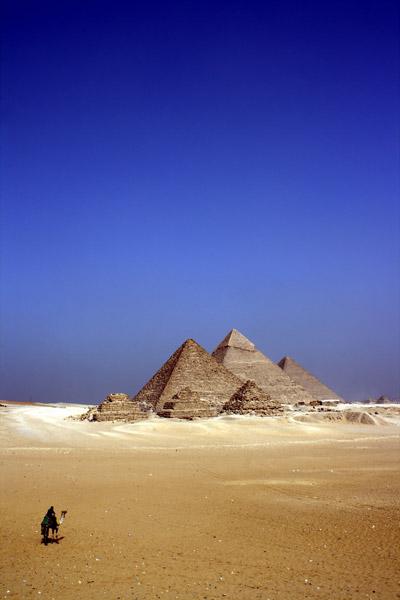
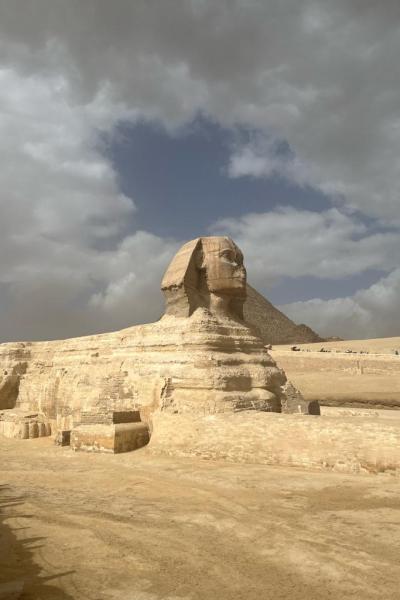

Few places in the world offer such an extraordinary connection to the ancient past as Luxor, a city in southern Egypt where monumental temples, royal tombs, and centuries-old religious traditions remain woven into the landscape. Situated along the banks of the Nile, Luxor is often described as the worlds...
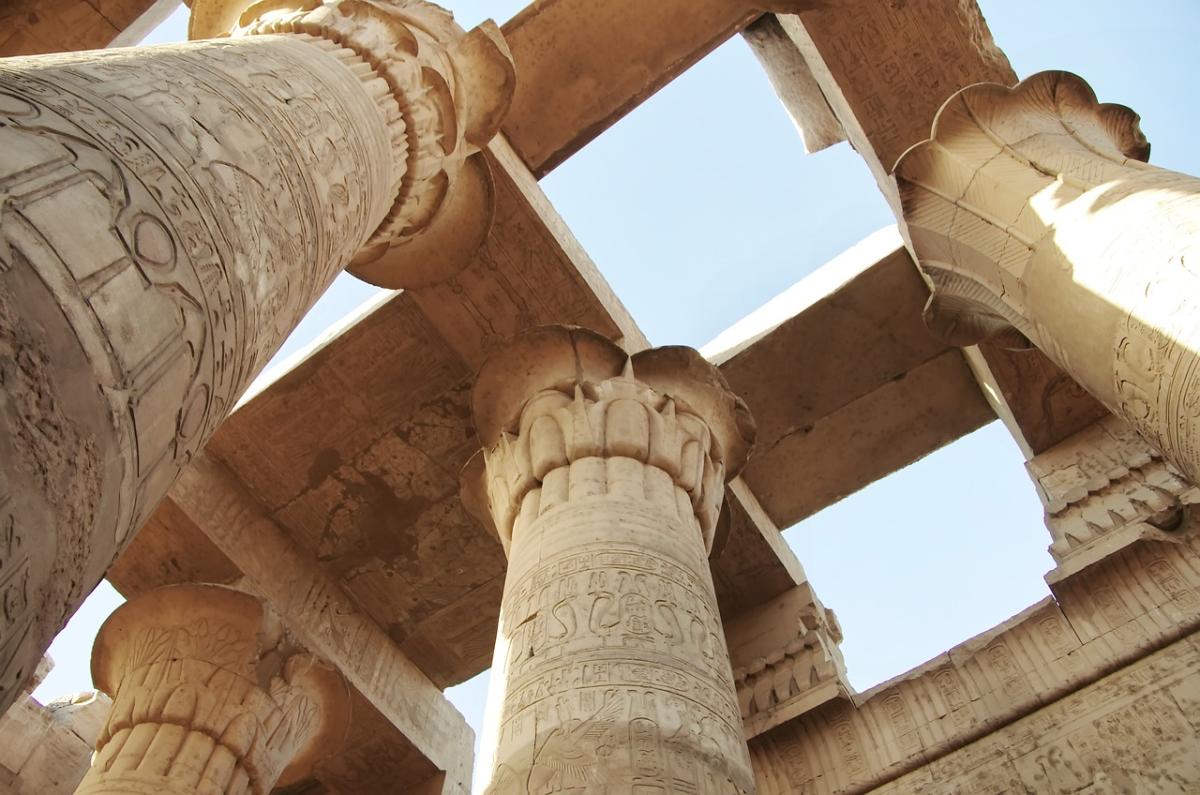
The Karnak Temple Complex, located on the east bank of the Nile River in modern-day Luxor, stands as a testament to the enduring power and religious devotion of ancient Egypt. For over 2,000 years, this vast and intricate site served as the epicenter of religious life, a place of pilgrimage, and a monumental...
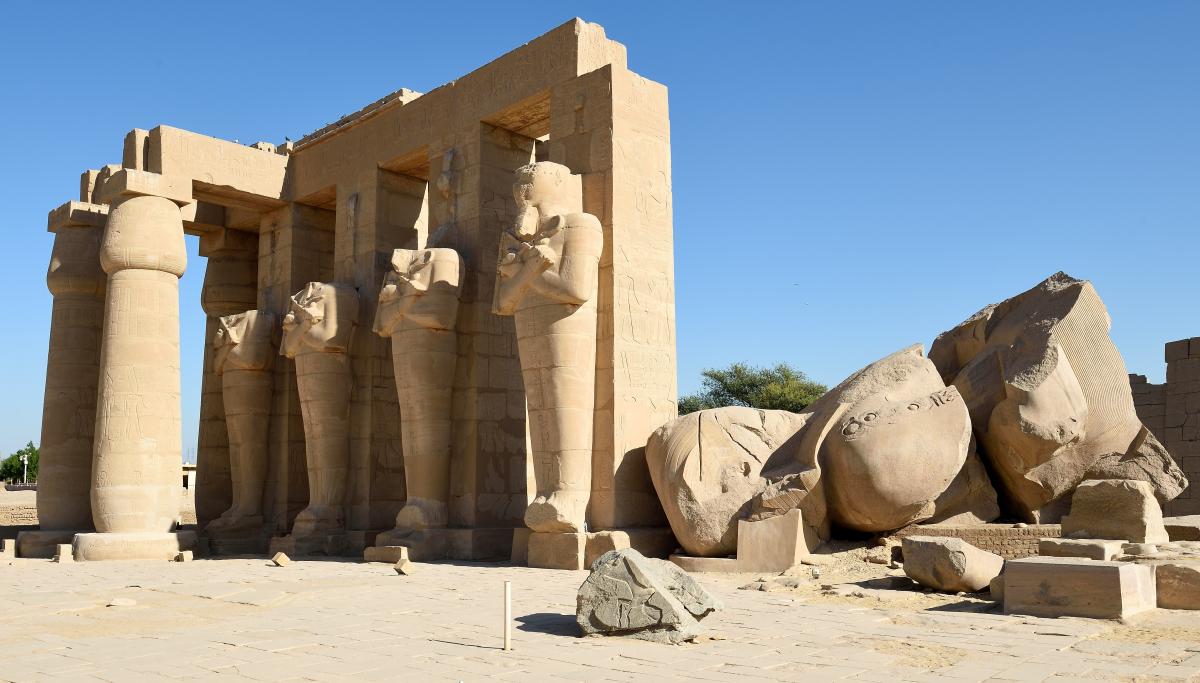
Across the Nile River from the bustling modern city of Luxor lies a landscape of dramatic dualities that shaped the beliefs and lives of the ancient Egyptians . The West Bank presents a stark transition from a verdant, life-giving floodplain, created by millennia of the Niles annual deposit of fertile...