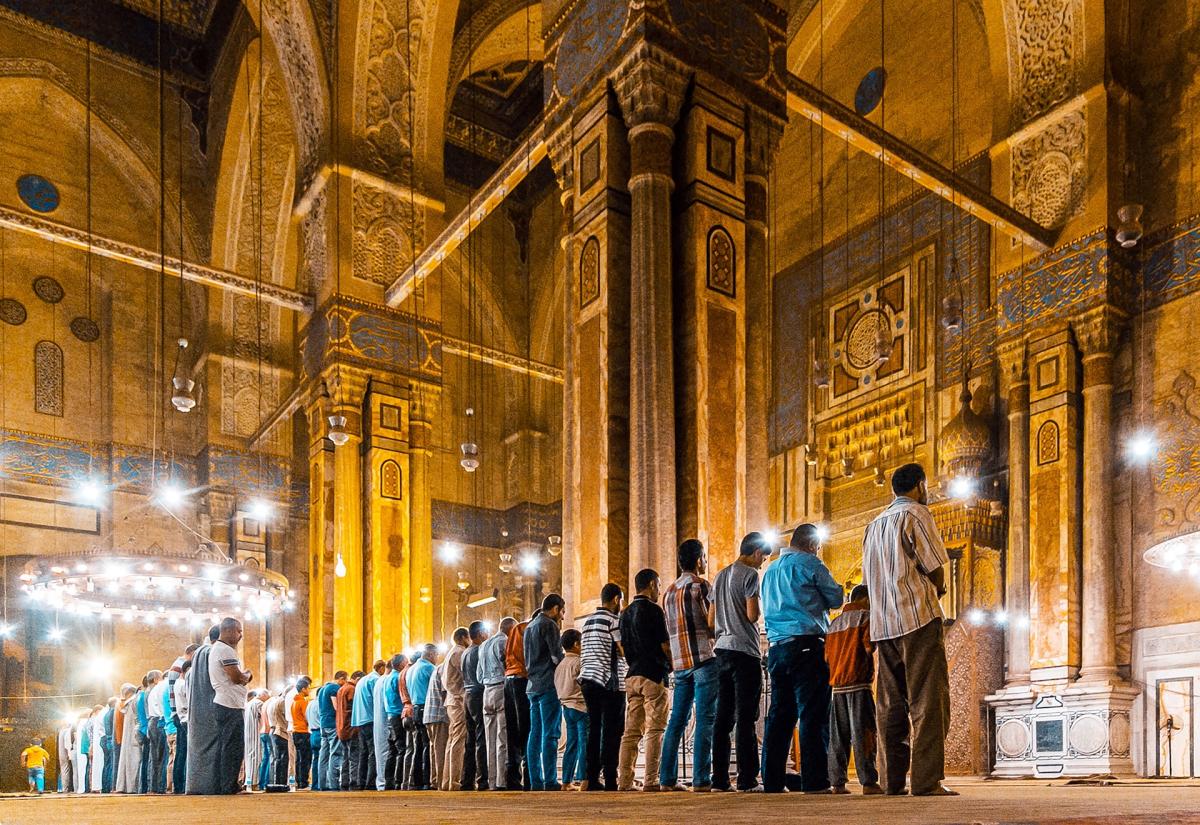
Sultan Hassan Mosque in Cairo: A Monument of Religious and Architectural Splendor
A comprehensive overview of one of Cairo's most magnificent Mamluk-era landmarks, detailing its history, architectural genius, its role as a preeminent center for Islamic scholarship, and its enduring influence on Cairene architecture.
Nestled in the historic heart of Cairo, near the Citadel in Salah al-Din Square, stands the monumental Mosque-Madrasa of Sultan Hassan. A masterpiece of Mamluk architecture, this colossal structure is celebrated for its immense scale, innovative design, and rich, dramatic history. Commissioned in the 14th century by Sultan an-Nasir Hasan, the complex was designed to be not just a place of worship, but also a prestigious residential educational institution housing all four schools of Sunni Islamic jurisprudence. Its grandeur and architectural brilliance, which incorporated foreign design elements, have made it a cornerstone of Cairo's skyline and a lasting symbol of Egypt's Islamic heritage. The 15th-century historian al-Maqrizi described it as a sanctuary with no equal in Egypt, Syria, Iraq, North Africa, or Yemen.
The Founder: Sultan an-Nasir Hasan
The patron of this grand complex, Sultan an-Nasir Badr ad-Din Hasan ibn Muhammad ibn Qalawun, had a tumultuous political career marked by a dramatic rise, a sudden fall, and a violent end.
- First Reign and Deposition (1347-1351): An-Nasir Hasan first ascended to the throne in 1347 at the age of 12. During this initial period, his role was largely ceremonial, with true power held by senior Mamluk emirs. In 1350, upon reaching maturity, he attempted to assert his authority by arresting the powerful Emir Manjaq, who controlled state affairs and the sultan's own allowance. This move backfired, and in 1351, a faction of senior emirs led by Emir Taz deposed him.
- Imprisonment and Restoration (1351-1354): Following his deposition, Hasan was imprisoned for three years while his half-brother, al-Salih Salih, was installed as sultan. He reportedly used this time for intellectual pursuits, dedicating himself to his studies. In 1354, a coup by the influential emirs Shaykhu and Sirghitmish toppled al-Salih Salih, restoring an-Nasir Hasan to power.
- Second Reign and Assassination (1354-1361): His second reign was characterized by a more ruthless and calculated approach. He systematically consolidated his authority by purging the very emirs who had restored him, including Shaykhu and Sirghitmish, through imprisonment, exile, and execution. A key policy was his unprecedented promotion of the awlad al-nas (descendants of mamluks) to high military and administrative posts, whom he considered more reliable than the established Mamluk elite. This policy engendered deep resentment among his own Mamluk faction. On March 17, 1361, a rebellion led by one of his own commanders, Yalbugha al-Umari, led to the sultan's assassination at the age of 27. Mamluk commentators noted the irony, stating his murder "came at the hands of his closest mamluks and confidants... he had purchased and fostered them, given them riches and appointed them to the highest offices". His body was never recovered, and the magnificent mausoleum he built for himself remains empty, housing the bodies of his two sons instead.
A Monumental Undertaking: History and Construction
Construction of the Sultan Hassan Mosque began in 1356 AD and continued for seven years, concluding in 1363 AD, even after the Sultan's death. The project was a massive undertaking that attracted craftsmen from across the Mamluk empire. The construction was supervised by Amir Muhammad ibn Bailick al-Muhseini.
Financing and Materials
The project was immensely expensive, with the historian al-Maqrizi noting that it cost 30,000 silver dirhams each day, with a total cost exceeding one million dinars, nearly draining the Mamluk treasury. The financing for this ambitious project was made possible through several means :
- Austerity Measures: Funds were available due to the austere fiscal policies implemented by Emir Manjaq before Hasan's second reign.
- Confiscated Estates: A significant influx of wealth came from the estates of numerous Mamluk amirs who perished in the Black Plague, which repeatedly struck Cairo, including the vast fortune of Emir Shaykhu.
- Extortion: According to al-Maqrizi, the sultan also resorted to extorting his subjects to finance the construction.
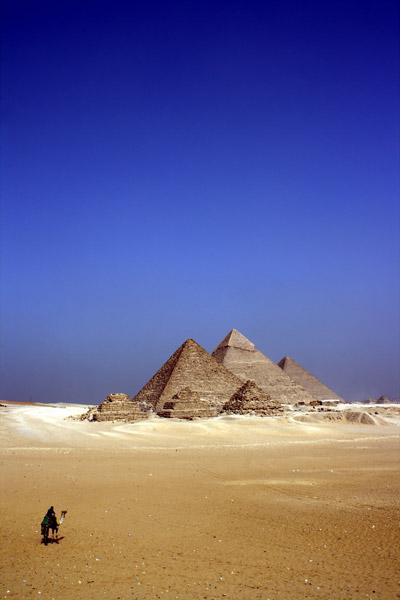
- Repurposed Stone: A persistent claim is that limestone for the mosque was quarried from the Pyramids of Giza. An earthquake in 1303 is believed to have loosened many of the pyramids' smooth outer casing stones, and one 14th-century account explicitly notes that Sultan Hassan had casing stones from the Great Pyramid carted away for his project.
The 1361 Minaret Collapse
The construction was marred by a catastrophic event in 1361 AD. One of the minarets, planned to stand over the monumental entrance, collapsed while still under construction. The falling structure killed approximately 300 people, including many children studying in a primary school (kuttab) located below. This disaster was widely interpreted as a terrible omen, and just over a month later, Sultan Hassan was assassinated. Following the tragedy, the ambitious plan to build four minarets-a feature unprecedented in Egypt but seen in Seljuk and Ilkhanid monuments-was abandoned.
A Fortress Against the Citadel: Military Use and Consequences
Due to its strategic location near the Citadel and its massive, fortified construction, the mosque was frequently used as a fortress during times of conflict.
- 1391: During the reign of Sultan Barquq, rebellious amirs launched projectiles at the Citadel from the mosque's roof. In response, the sultan ordered the entrance stairs destroyed and the main doorway boarded up.
- 1500: Anticipating another rebel attack, Sultan Janbalat ordered the mosque's demolition. The effort was abandoned after three days of failing to tear down the formidable southeastern walls.
- 1517: During the Ottoman invasion, the last Mamluk sultan, Tumanbay, sought refuge inside the mosque. This led the Ottomans to bombard the mosque with cannonballs fired from the Citadel, inflicting significant damage.
These military actions left lasting scars. Chronicles from 1660 described the mausoleum's dome as still being riddled with holes from the cannonballs. The dome was so weakened that it was eventually demolished and replaced. The mosque's use as a base for rebellions led to it being closed for many years, only reopening in 1786.
Architectural Grandeur: A Jewel of Mamluk Design
The Mosque-Madrasa of Sultan Hassan is a prime example of Mamluk architectural genius, characterized by its massive proportions and soaring spaces. The complex covers an area of 7,906 square meters, with its longest side measuring 150 meters.
Key Architectural Features:
- The Monumental Portal: The entrance is a colossal portal, standing at 38 meters high and projecting outwards to be clearly visible from the Citadel. Its design shows direct inspiration from the madrasas of Anatolian Seljuk and Mongol Ilkhanid architecture, such as the Gök Madrasa in Sivas, Turkey. Key features demonstrating this foreign influence include a grand muqarnas (stalactite-carved) canopy, Anatolian-style marble niches, and decorative motifs of Chinese origin like chrysanthemums and lotus flowers, transmitted via Ilkhanid art.
- The Central Courtyard (Sahn): A bending passage leads to a vast open-air courtyard centered around a domed ablution fountain, paved with marble and creating a sense of immense tranquility.
- The Four Iwans: Surrounding the courtyard are four massive vaulted halls known as iwans. The largest is the main qibla iwan (prayer hall), which Mamluk historians claimed surpassed the arch of the Sassanian palace of Ctesiphon in size. It is richly decorated with a monumental Kufic inscription band and multicolored marble paneling.
- The Madrasas: In each corner of the courtyard, a door leads to one of the four madrasas. Each madrasa has its own smaller courtyard and iwan for teaching, as well as four stories of living quarters for students and teachers, thoughtfully separating the residential zones from the public areas.
- The Mausoleum: Located directly behind the qibla wall for high visibility from the Citadel, the mausoleum chamber is covered by a large dome reaching a height of 48 meters. The original wooden dome was damaged by Ottoman cannon fire and replaced with the current one in 1671. The interior is lavishly decorated with marble mosaics and a large wooden band carved with the Throne Verse from the Qur'an.
- The Minarets: The complex originally planned for four minarets. After the 1361 collapse, only two were ultimately built. The southern minaret, at 81.6 meters, is the tallest Mamluk minaret in Cairo. The northern minaret collapsed in 1659 and was rebuilt in a simpler form between 1671 and 1672.
A Dual-Purpose Institution: Worship and Advanced Education
The Sultan Hassan complex was a multifunctional institution, serving as both a congregational mosque and a premier residential college for Islamic studies. Its operations were meticulously outlined in its foundational endowment document, the waqf.
A Premier Center for Islamic Education
The complex housed four distinct madrasas, each dedicated to one of the four Sunni schools of jurisprudence: Hanafi, Maliki, Shafi'i, and Hanbali. The curriculum was comprehensive, including Qur'anic studies (tafsir), Hadith, theology, and Sufism, as well as rational sciences like logic and astronomy.
Organizational Structure and the Waqf
The complex functioned as a self-contained community with a well-defined hierarchy headed by professors and supported by teaching assistants, a mufti, and a librarian.
- Staff and Students: The waqf provided for hundreds of students, who received stipends for living expenses, and a wide array of staff. Notably, it stipulated that 160 full-time hafiz (men who had memorized the Qur'an) were to be employed to recite the holy book within the complex.
- Integrated Medical Care: A remarkable feature was its provision for healthcare, mandating the appointment of physicians (including an internist and an ophthalmologist) to be present daily to treat sick employees and students. A space near the entrance was designated for the doctor and medical students, suggesting a system for practical medical training.
- Financial Endowment: The waqfiyya (endowment deed) endowed the complex with over 10,000 acres of land to provide a sustainable source of revenue for its long-term operation and maintenance. While the deed would have specified salaries, the exact monetary figures are not detailed in available modern sources.
Architectural Legacy and Influence
The Sultan Hassan Mosque's groundbreaking design set a new standard in Cairo and exerted a powerful influence on subsequent mosque construction, with its scale and arrangement becoming a new archetype.
The Al-Rifai Mosque: A Conscious Emulation
The most direct emulation of the Sultan Hassan Mosque is the adjacent Al-Rifai Mosque, built between 1869 and 1912. The construction was part of a 19th-century movement to associate Egypt's modern rulers with the glory of its Islamic past. The Al-Rifai Mosque was intentionally designed in a neo-Mamluk style to complement its older neighbor, matching its grandeur and height. Together, the two buildings create a harmonious ensemble that dominates Salah al-Din Square.
Today, the Mosque-Madrasa of Sultan Hassan remains an active place of worship and a UNESCO World Heritage site. Despite attempts at demolition and damage sustained over centuries, its sheer scale and architectural sophistication continue to inspire awe, a testament to the resilience of its original construction.Summary
The Mosque-Madrasa of Sultan Hassan, built between 1356 and 1363 in Cairo, is a monumental achievement of Mamluk architecture. Commissioned by Sultan an-Nasir Hasan, whose reign was marked by deposition, restoration, and eventual assassination, the complex is renowned for its colossal scale and innovative design. Its construction was the most expensive of its time, costing over a million dinars and funded through confiscated plague estates, austerity measures, and extortion.
Architecturally, the mosque is notable for its 38-meter-high portal, which shows direct influence from Seljuk and Ilkhanid architecture. The project's history was marked by tragedy; in 1361, a minaret collapse killed around 300 people, an event seen as an omen preceding the Sultan's assassination shortly after. The Sultan was killed by his own mamluks, led by Yalbugha al-Umari, due to resentment over his policy of promoting the awlad al-nas. His body was never found, leaving his grand mausoleum empty. Due to its fortified nature, the mosque was repeatedly used as a fortress, leading to damage from cannon bombardments by the Ottomans in 1517.
The complex was also a preeminent educational institution, housing four madrasas for the main Sunni schools of law. Its founding endowment (waqf) provided for a rich curriculum, residential provisions for hundreds of students, 160 Qur'an reciters, and an integrated medical facility, with its long-term revenue secured by over 10,000 acres of endowed land. The mosque's enduring legacy is cemented by its influence on later architecture and its conscious emulation by the adjacent 19th-century Al-Rifai Mosque.
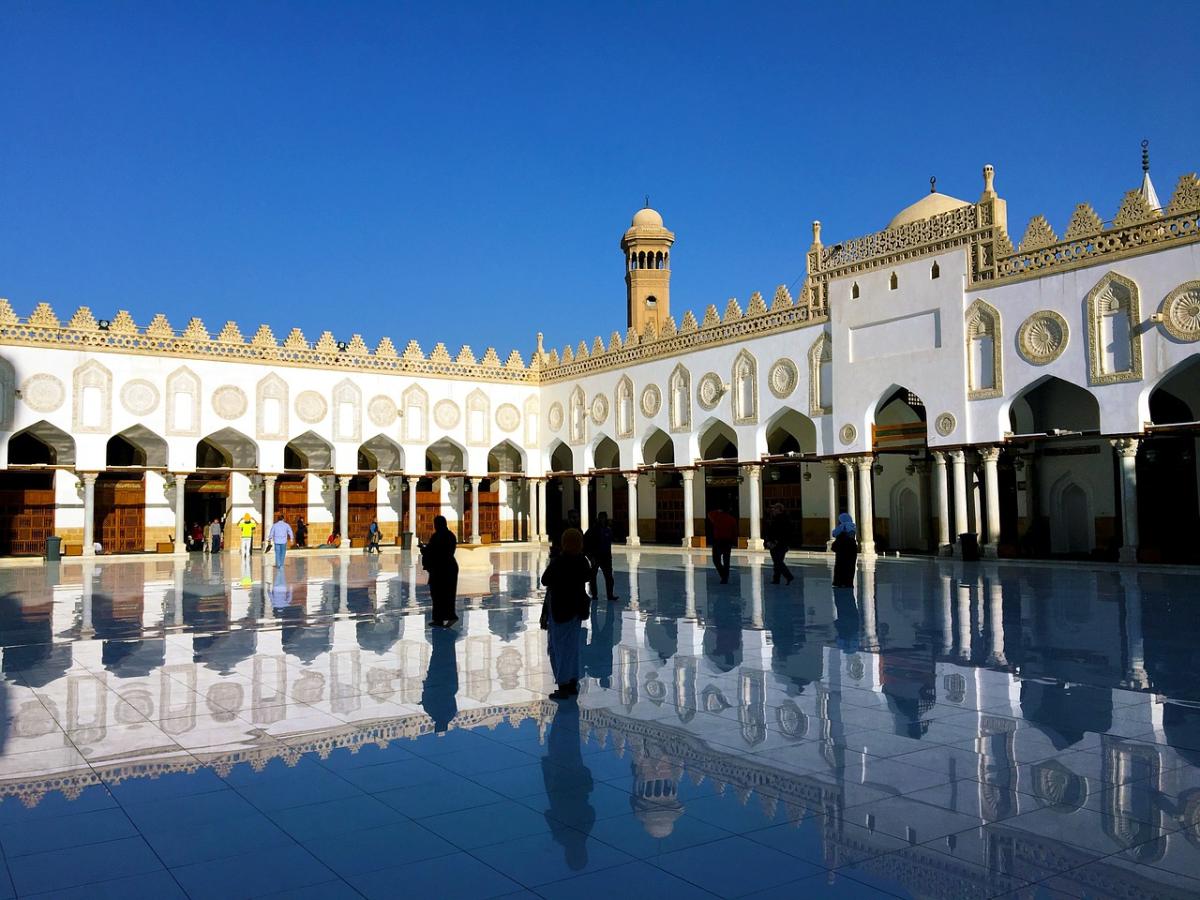
Cairo, often dubbed the City of a Thousand Minarets, is a sprawling metropolis where the sacred and the everyday intertwine in a vibrant tapestry of history and faith . Beyond its world-renowned ancient monuments lies Islamic Cairo, a historic heart that beats with a deep and mystical rhythm . This district,...
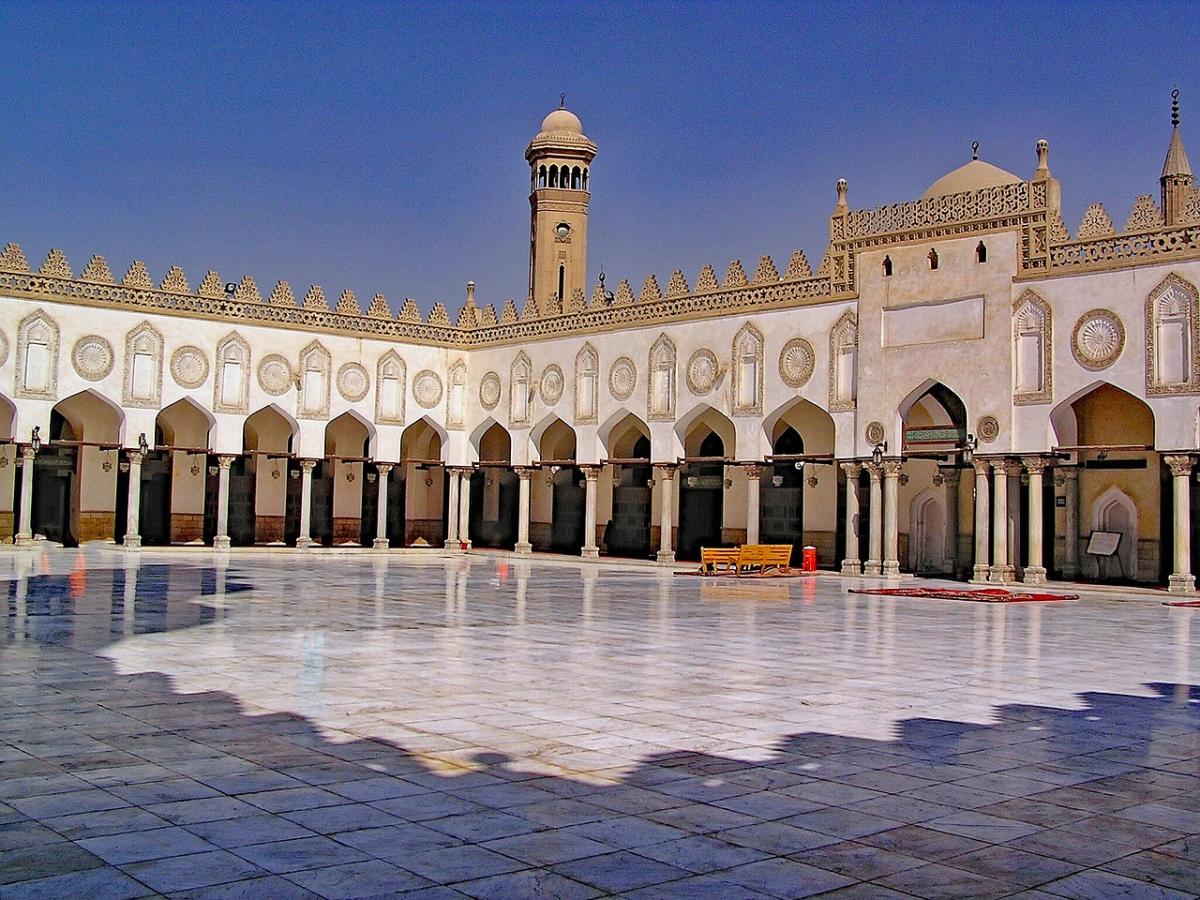
Islamic Cairo is a historic district of the capital city of Egypt, located on the east bank of the Nile River. It was founded in 969 CE by the Fatimid Caliph Al-Muizz li-Din Allah as his new imperial capital and has since become a major pilgrimage destination for Muslims from around the world. Islamic...
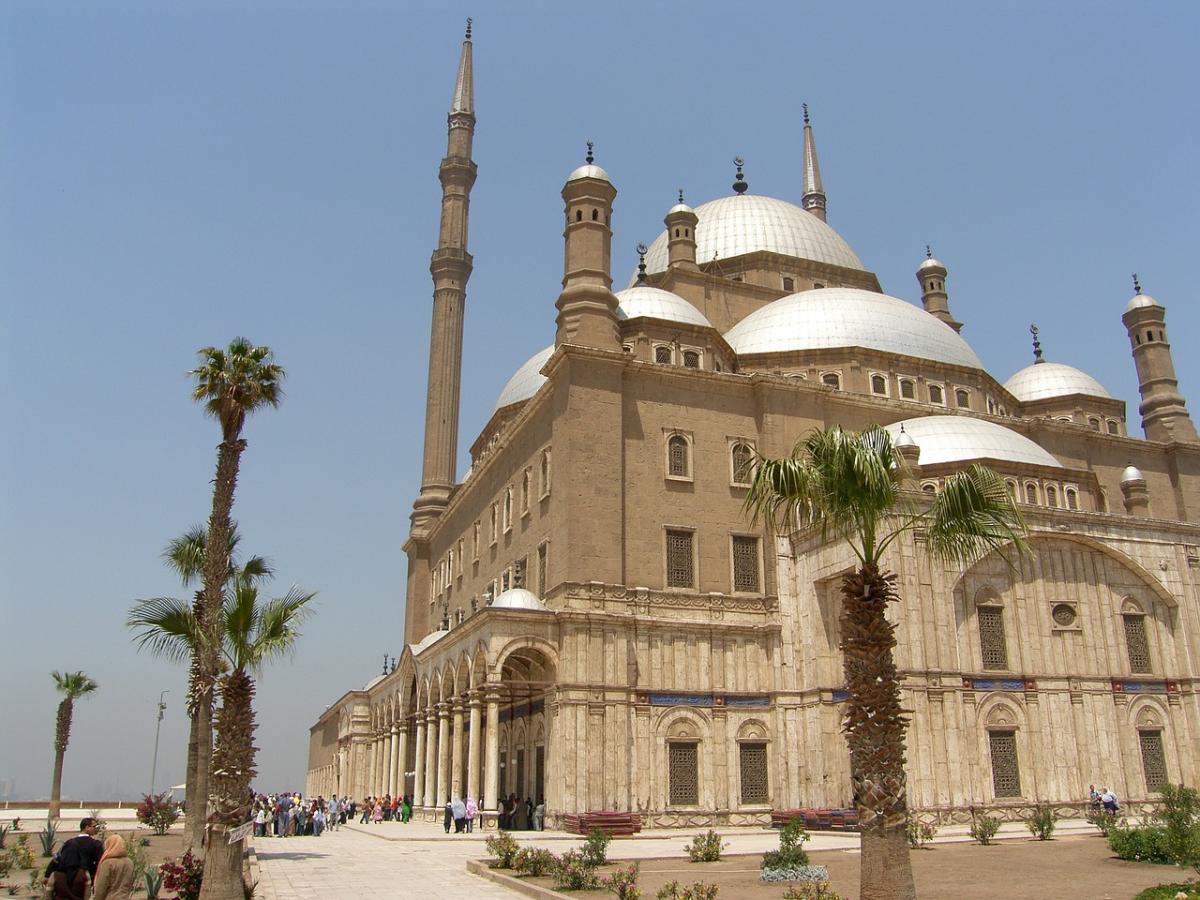
Cairo, Egypt - Perched majestically atop the Citadel of Saladin, the historic seat of Egyptian power for nearly 700 years, the Mosque of Muhammad Ali is an iconic landmark and an enduring symbol of Cairos skyline. Popularly known as the Alabaster Mosque for the extensive use of this gleaming stone on...