What to See in Cairo Besides the Pyramids: An Authentic Local Guide
Cairo, the city of a thousand minarets, often conjures images of the majestic Pyramids of Giza and the bustling Khan el-Khalili market . While these iconic landmarks are undoubtedly worth a visit, a vibrant, multifaceted world exists just beyond the well-trodden tourist paths . This report delves into the heart of Cairo to uncover its hidden gems, offering a glimpse into the city's authentic local life, thriving contemporary culture, and unique experiences that lie waiting for the curious traveler .
Exploring Cairo's Authentic Neighborhoods
To truly understand Cairo, one must wander through its diverse neighborhoods, each with its own distinct character and charm .
- Zamalek: This leafy, upscale neighborhood on an island in the Nile is a hub for art galleries, chic boutiques, and cozy cafes . It's a walker-friendly area with beautiful architecture and a more relaxed atmosphere compared to the city's hustle and bustle . A stroll along the Nile corniche or a visit to the Gezira Sporting Club at sunset offers a serene escape .
- Coptic Cairo: A journey into one of the oldest parts of the city, Coptic Cairo offers a tranquil and historic experience . This area is home to some of the city's oldest churches, including the famous Hanging Church, which is suspended above a Roman gatehouse . The quiet alleyways and the Coptic Museum, filled with ancient artifacts, provide a peaceful retreat and a look into Egypt's rich Christian heritage .
- The City of the Dead (Al Qarafa): This vast necropolis, stretching for miles along the Mokattam Hills, dates back to the 7th century, making it one of the world's oldest continuously used Muslim cemeteries . What makes it extraordinary is that it is home to a large, living community .
- History of Habitation: While scholars and Sufis resided here as early as the 9th century, a significant influx of residents began in the 20th century due to severe housing shortages, poverty, and events like the 1992 earthquake . Population estimates vary widely, from tens of thousands to as many as 500,000 people .
- Daily Life: Residents have adapted the tomb enclosures, known as hawsh, into homes, creating a unique blend of the ordinary and the extraordinary . Children play in open spaces between graves, while bustling markets and shops operate amidst the historic mausoleums . The community is often described as having a close-knit, "village-like" atmosphere with strong bonds of mutual support . However, inhabitants can face social stigma and precarious conditions, with recent government infrastructure projects leading to demolitions and relocations .
- Economic Activity: The economy is largely informal, with many residents working as gravediggers, tomb custodians, or flower sellers . The area is also home to artisans like glassblowers, leatherworkers, and carpet makers, whose products are sometimes sold in the Khan el-Khalili market .
- Garbage City (Manshiyat Nasser): Nestled at the foot of the Mokattam Hills, this neighborhood is home to the Zabbaleen, a community of predominantly Coptic Christians who have developed one of the world's most efficient informal recycling systems .
- History and Community: The Zabbaleen (Arabic for "garbage people") began migrating from rural Upper Egypt to Cairo in the 1940s due to poverty and crop failures . This close-knit community, estimated at 50,000 to 70,000 people, has a shared Coptic Christian identity that fosters strong mutual support amidst societal marginalization . The establishment of a local church in 1975 was a turning point, giving the community a sense of permanence and encouraging them to build more substantial homes .
- A World-Class Recycling System: For generations, the Zabbaleen have provided a door-to-door trash collection service for a nominal fee . Their family-based system is a marvel of social organization: men and boys collect waste using trucks and carts, while women and children sort the materials at home . This allows them to recycle an astonishing 80-85% of all waste they collect, a rate far surpassing most Western cities . Organic waste is traditionally used as fodder for pigs, an integral part of their economic model .
- The Cave Church of St. Simon: At the heart of the community is the incredible Monastery of Saint Simon the Tanner, the largest church in the Middle East . Construction began in the 1970s after a fire, with the community themselves carving a complex of churches and chapels directly into the limestone cliffs . The main cathedral is a vast cavern that can seat up to 20,000 people, its walls adorned with intricate biblical scenes carved from the rock . It is a powerful symbol of the Zabbaleen's profound faith and resilience . The area also features a stunning mural by artist eL Seed that spans across 50 buildings .
- El-Darb El-Ahmar: Situated in historic Islamic Cairo, this working-class neighborhood provides an authentic, non-touristy atmosphere . It's a place to find local artisans and explore stunning but lesser-known Islamic monuments . The heart of this area is the Street of the Tentmakers (Sharia al-Khayamiya), a medieval covered market dating to the 17th century and the center of a unique Egyptian art form . The neighborhood has also been the focus of significant urban renewal projects catalyzed by the creation of Al-Azhar Park .
- Heliopolis: A Utopian Vision in the Desert: The suburb of Heliopolis, meaning "City of the Sun," was the brainchild of Belgian industrialist Baron Édouard Empain .
- Baron Empain's Vision: Arriving in Egypt in 1904, Empain envisioned a "utopian" oasis of luxury and leisure in the desert northeast of Cairo . In 1905-1906, his company acquired 6,000 acres of desert to build a fully integrated and self-sufficient city from scratch . This ambitious example of modern urban planning included broad, Parisian-style boulevards and comprehensive infrastructure, including running water, electricity, drainage, and a crucial tramline connecting the new suburb to central Cairo .
- The "Heliopolis Style": The neighborhood's defining feature is its unique architectural character, a revivalist fusion of diverse influences . Developed by architects like Alexandre Marcel, it blends Moorish, Persian, and Islamic Revival styles in its ornate facades with European Neoclassical floor plans and layouts . The most iconic building is Baron Empain's own residence, the Palais Hindou (Hindu Palace), inspired by the temples of Angkor Wat and Orissa .
- Garden City: This neighborhood is also known for its beautiful European-inspired architecture, offering a different, more cosmopolitan side of Cairo's history .
A Taste of Authentic Cairo: Culinary and Social Experiences
Egyptian cuisine is rich and flavorful, and the best way to experience it is by venturing into the places where locals gather .
- Street Food and Local Eateries: Start your day like a local with a breakfast of ful medames (fava beans) and ta'ameya (Egyptian falafel) from a street cart . For lunch, indulge in a bowl of koshari, Egypt's unofficial national dish . This hearty, affordable vegetarian dish is a flavorful mix of rice, lentils, pasta, and chickpeas, topped with a tangy tomato sauce, garlic vinegar, and crispy fried onions . Its origins are believed to be in the 19th century, influenced by the Indian dish "khichdi" and combined with Italian pasta . Koshari is a cultural icon that transcends social classes, fostering a sense of unity and community .
- Celebrated Koshari Spots: While available everywhere, some establishments are legendary . Abou Tarek is a famous Downtown institution known for massive portions since 1950 . Koshary El Tahrir is a popular chain, while Sayed Hanafy, which started as a cart in 1952, is famous for serving a lemon with every plate . For a modern take, Cairo Kitchen offers gourmet and gluten-free options .
- Traditional Ahwas (Coffeehouses): The ahwa is the social heartbeat of Cairo and fundamental to the daily life of its residents . Far more than just places for coffee or tea, they are primary public spaces for social interaction, networking, and leisure . In the boisterous, welcoming atmosphere of an ahwa, Cairenes from all backgrounds gather to meet friends, discuss politics, play backgammon (tawla) or dominoes, and smoke shisha . Historically emerging in the 17th century, they became vital centers for community life, sometimes called "schools of the wise" where poets and intellectuals convened . While traditionally male-dominated spaces, they remain a microcosm of Egyptian society, a place where the city's pulse can be felt over a glass of sweet tea, famously immortalized in the novels of Nobel laureate Naguib Mahfouz .
- Food Tours: Joining a food tour can be an excellent way to discover hidden culinary gems . Tours in areas like Downtown Cairo and Heliopolis introduce visitors to the highlights of local street food and traditional dishes with a modern twist .
- Sweet Treats: For those with a sweet tooth, a visit to a local patisserie like Salé Sucré is a must . Indulge in Egyptian desserts such as baklava, basbousa, and kunafa .
- Rooftop Cafes: Many of Cairo's best cafes are hidden on the rooftops of unassuming downtown buildings . These spots offer stunning city views and a place to relax with a drink, away from the street-level chaos .
The Thriving Contemporary Arts and Culture Scene
Cairo boasts a dynamic and often hidden contemporary art scene that provides a stark contrast to its ancient history .
- Art Galleries: The neighborhood of Zamalek is a hotspot for contemporary art, with numerous galleries like Safarkhan, Dai Zamalek, and Picasso Art Gallery . Downtown Cairo also has a burgeoning art scene with spaces like the Townhouse Gallery and Medrar for Contemporary Art .
- Townhouse Gallery: Established in 1998 by William Wells, this independent, non-profit art space became a cornerstone of contemporary art in the Middle East . Located in a former 19th-century residence in a car mechanics district, it was founded to make contemporary art accessible to all . At a time of stifling state control, it became a "rare laboratory and school" for a new generation of artists, known for avant-garde and politically charged exhibitions . It launched key events like the Nitaq Festival and PhotoCairo and nurtured many artists who gained international recognition . During the 2011 uprising, it served as a hub for dialogue and social transformation .
- Medrar for Contemporary Art: Founded in 2005, Medrar is a non-profit collective dedicated to fostering collaboration and experimentation, with a focus on new media and video art . It encourages cooperation over competition among artists and provides a space to experiment with diverse mediums . Medrar is known for diffusing alternative artistic practices through programs like the Cairo Video Festival and plays a crucial role in documenting the contemporary art movement in Egypt .
- Live Music Venues: To experience Cairo's vibrant nightlife, head to a local music venue . The Cairo Jazz Club in Agouza is a landmark institution, while El Sawy Culture Wheel in Zamalek hosts a variety of acts . For authentic folk and spiritual music, Makan Egyptian Center for Culture and Art is an intimate downtown venue .
- Independent Cinema: For film lovers, independent cinemas like Zawya and Cinéma du Mounira offer a curated selection of Egyptian, regional, and international films .
- Street Art: The 2011 Revolution sparked a wave of graffiti and street art across Cairo . The area around Mohamed Mahmoud Street, off Tahrir Square, became an open-air gallery of political and social commentary .
Meaningful Interactions and Unique Experiences
Stepping off the beaten path allows for more genuine interactions and memorable experiences that reveal the city's deeper layers .
- Artisan Workshops and the Art of Khayamiya: In neighborhoods like El-Darb El-Ahmar, you can watch local craftsmen at work . A prime example is visiting the Street of the Tentmakers (Sharia al-Khayamiya), which offers an immersive cultural experience . Here you can witness the ancient craft of Khayamiya, a decorative appliqué art form with roots in the Pharaonic era .
- History: The name comes from khayma (tent), as the textiles were used to create ornate ceremonial pavilions for weddings and festivals . The craft reached its zenith during the Mamluk era and artisans historically crafted the kiswa, the covering for the Kaaba in Mecca .
- Technique & Design: Artisans, traditionally men, sit cross-legged and hand-stitch intricate pieces of colored cotton onto a heavy canvas backing . Designs range from Islamic arabesques and Pharaonic motifs to folkloric scenes and calligraphy .
- Current State: The craft is endangered, with the number of artisans dwindling from over a thousand to a few dozen due to competition from cheap printed fabrics and a decline in tourism . A visit to their shops to watch them work and purchase an authentic piece directly supports the preservation of this unique heritage .
- Lesser-Known Historical Sites:
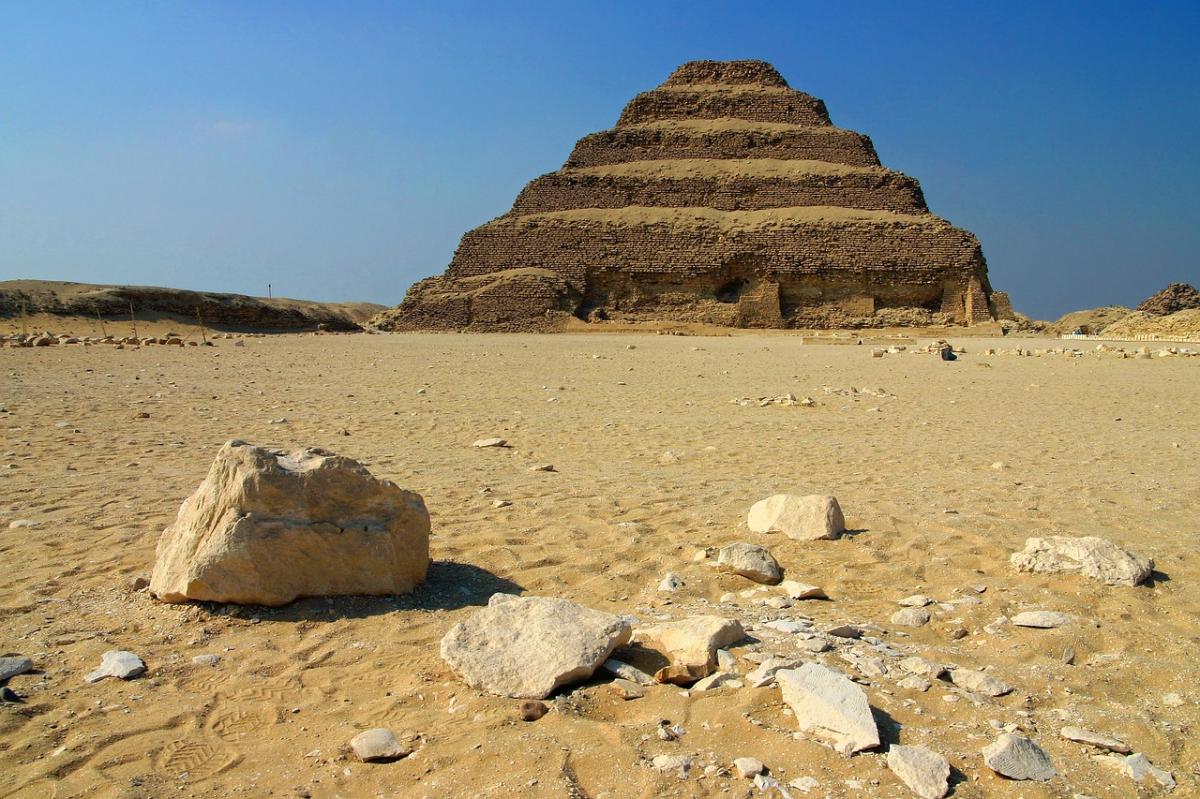
- Saqqara and Dahshur: While the Giza Pyramids are a must-see, the pyramids at Saqqara and Dahshur are older and far less crowded . Here you can explore the Step Pyramid of Djoser, the Bent Pyramid, and the Red Pyramid .
- Mosque of Ibn Tulun: Constructed between 876 and 879 CE, this is Cairo's oldest mosque remaining in its original form and the largest by land area . Commissioned by Ahmad ibn Tulun as the centerpiece of his new capital, it is a masterpiece of Abbasid architecture inspired by the great mosques of Samarra, Iraq . Its unique features include a vast open courtyard (sahn), an outer enclosure (ziyada) for tranquility, early use of pointed arches, and its famous spiral minaret with an external staircase .
- Mosque-Madrassa of Sultan Hassan: A monumental testament to Mamluk architecture, this complex was constructed between 1356 and 1363 CE, during the devastation of the Black Plague . It was a major center for Islamic scholarship, designed to house madrasas (schools) for all four Sunni schools of jurisprudence . Its immense scale and imposing features include a grand portal with muqarnas carvings, a vast central courtyard with four massive iwans (vaulted halls), and a mausoleum originally intended for the Sultan .
- Gayer-Anderson Museum: Nestled adjacent to the Ibn Tulun Mosque, this museum offers a unique window into the domestic life of a wealthy 17th-century Cairene . It is an amalgamation of two historic houses joined by a bridge: the "Beit al-Kritliyya" (House of the Cretan Woman), built in 1632, and the "Beit Amna bint Salim," built in 1540 . Its last resident, Major R.G. Gayer-Anderson Pasha, lived there from 1935 to 1942, filling it with his vast collection of art and furniture before bequeathing it to Egypt . The collection is eclectic, featuring themed rooms like the Damascus Room, Pharaonic artifacts including a famed bronze cat, and exquisite Islamic art, all housed within a traditional Ottoman-era home complete with mashrabiya screens and separate reception (salamlik) and family (haramlik) quarters .
- Other Gems: Other hidden historical sites include the Nilometer on Rhoda Island, used to measure the Nile's water levels in ancient times .
- Al-Azhar Park: From Rubbish Dump to "Green Lung": This beautiful green space offers a peaceful respite from the city's chaos and a remarkable story of urban transformation .
- Creation: In 1984, the Aga Khan IV identified a 30-hectare mound of rubble that had accumulated over 500 years as a site for a park . The Aga Khan Trust for Culture (AKTC) undertook the ambitious $30 million project, a gift to the city from the Aga Khan, a descendant of the Fatimid Caliphs who founded Cairo . The park opened in 2005 after the removal of 1.5 million cubic meters of debris .
- Features and Heritage: The park's design is a modern interpretation of historic Islamic gardens, with a central water channel, fountains, and diverse vegetation . During excavation, a 1.5-kilometer section of the 12th-century Ayyubid wall was discovered and restored, becoming a major park feature .
- Socio-Economic Impact: The project served as a catalyst for revitalizing the poor, historic neighborhood of El-Darb El-Ahmar . It created jobs, provided vocational training that revived lost crafts like mashrabiyya making, and offered micro-credit loans for residents to open businesses . The project also included the restoration of historic monuments like the Umm Sultan Shaban Mosque and the Khayrbek complex .
- Felucca Ride on the Nile: A felucca ride can be a relaxing way to see the city from a different perspective, especially at sunset . For a more serene experience, many recommend taking a felucca in Aswan .
Executive Summary
To truly experience the dreams of Cairo, one must look beyond the monumental tourist traps . The city's soul is found in its diverse and authentic neighborhoods, from the leafy streets of Zamalek to the living history of the City of the Dead (Al Qarafa) and the visionary desert suburb of Heliopolis, with its unique fusion architecture . An unforgettable experience awaits in Manshiyat Nasser, or "Garbage City," home to the resilient Zabbaleen community and their world-class recycling system, crowned by the awe-inspiring, rock-hewn Monastery of Saint Simon the Tanner . A true taste of Cairo is found in its street food, especially the unifying national dish of koshari, and most importantly, in its traditional coffeehouses, or ahwas, the vibrant social centers of Cairene life . The city's modern pulse can be felt in its contemporary art scene, pioneered by independent spaces like the Townhouse Gallery and Medrar for Contemporary Art, which fostered a generation of artists and social commentary . Finally, meaningful connections are found by venturing into lesser-known historical sites like the magnificent Mosque of Ibn Tulun and the exquisitely preserved Gayer-Anderson Museum, or by visiting Al-Azhar Park, a stunning "green lung" created from a 500-year-old rubbish dump that catalyzed the social and economic renewal of its historic surroundings . By stepping off the beaten path, visitors can uncover a hidden world rich in culture, history, and the everyday magic of one of the world's most dynamic cities .
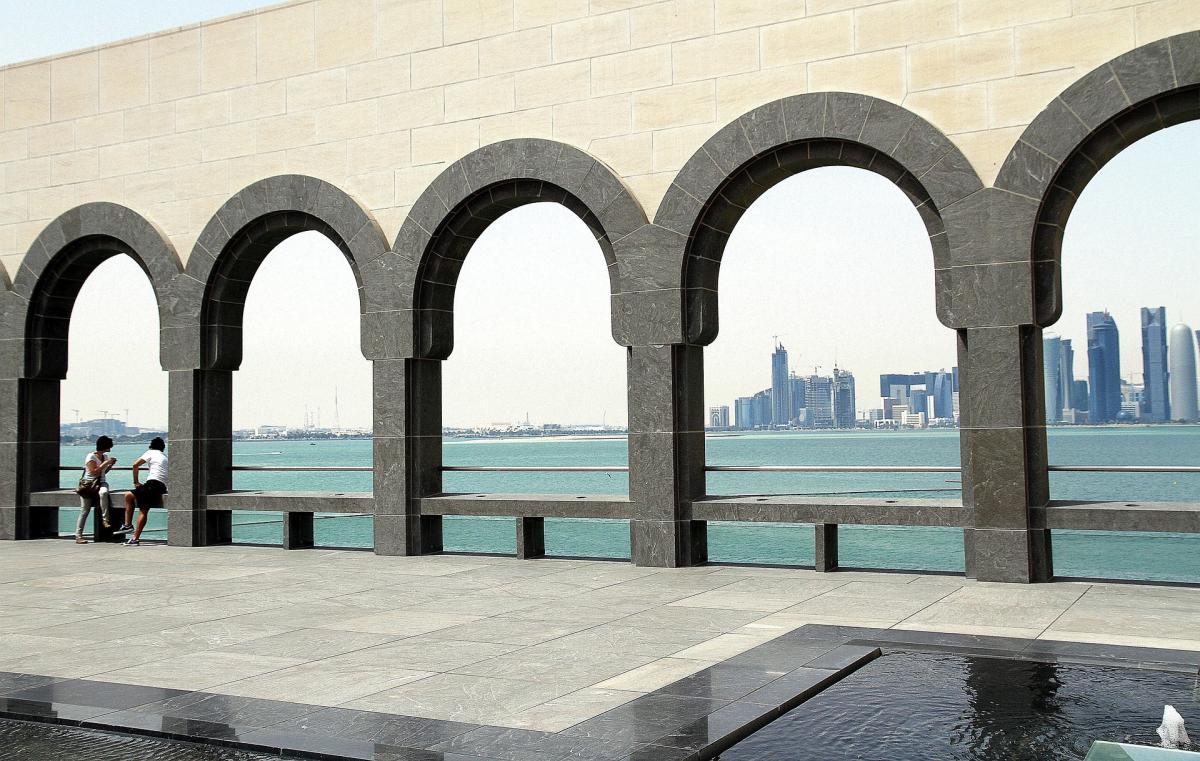
Nestled in the heart of historic Cairo, the Museum of Islamic Art (MIA) stands as a testament to the rich and diverse artistic heritage of the Islamic world. Considered the largest museum of its kind globally, it houses an unparalleled collection of over 100,000 artifacts that span more than 1,200 years...
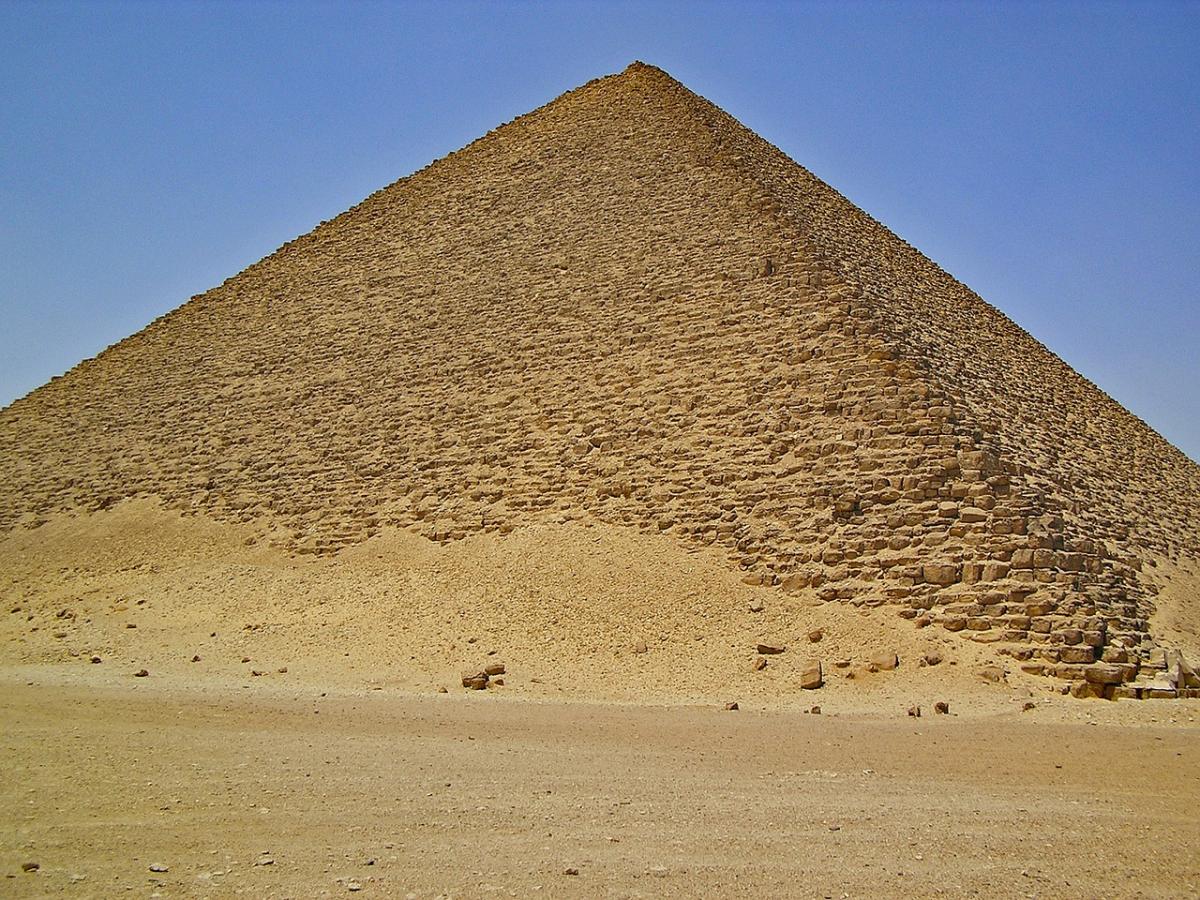
Nestled in the desert on the west bank of the Nile River, approximately 40 kilometers south of Cairo, lies the ancient royal necropolis of Dahshur. This significant archaeological site, part of the larger Memphis necropolis and a UNESCO World Heritage Site, is a testament to the architectural ingenuity...
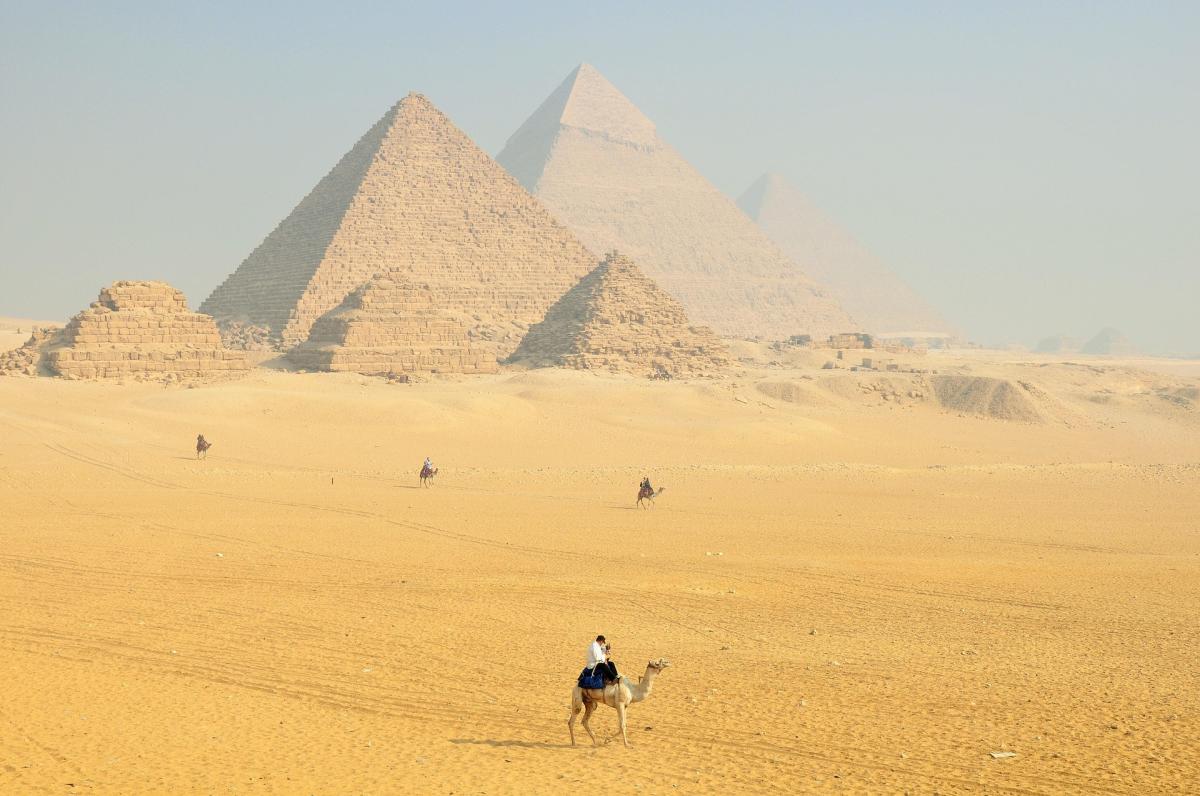
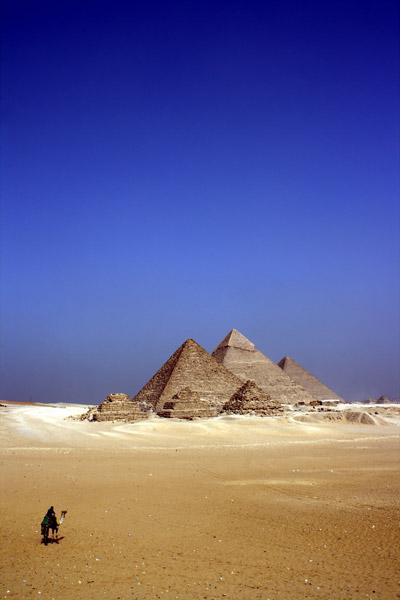
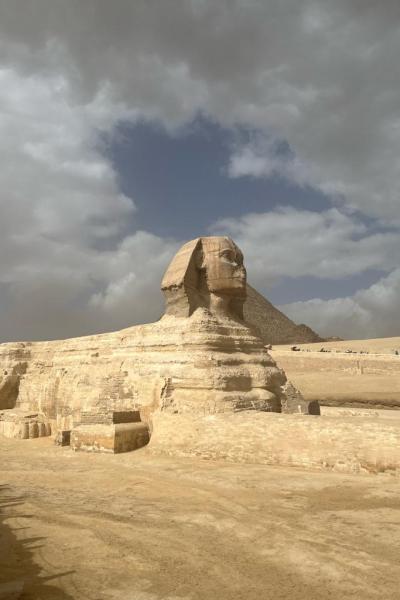
The Giza pyramid complex, a testament to human ingenuity and ambition, stands on the Giza Plateau at the edge of the Western Desert, approximately 13 km (8.1 mi) southwest of Cairos city center. These monumental structures, the last remaining of the Seven Wonders of the Ancient World, have captivated...