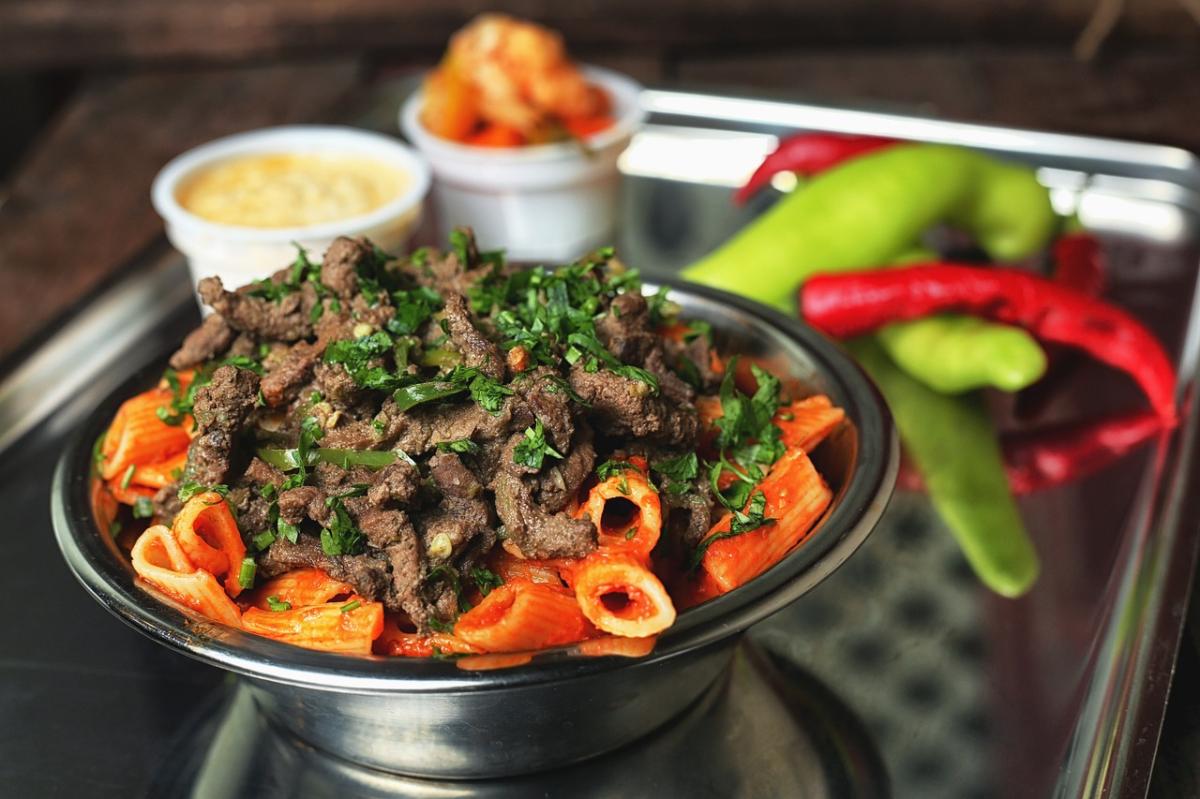
Best Food in Cairo: Essential Guide to Restaurants, Delicacies, and Street Food Hubs
Welcome to Cairo, a city where history is not just in the monuments but also vibrantly alive in its culinary scene . The Egyptian capital is a paradise for food lovers, offering a rich tapestry of flavors that have been simmering for centuries . Egyptian cuisine is a vibrant blend of Middle Eastern and Mediterranean influences, built on foundations laid in antiquity . Its character is deeply rooted in the fertile Nile Valley, which has provided an abundance of grains, vegetables, and legumes for millennia . This agricultural wealth, combined with the extensive vegan fasting traditions of Coptic Christians, has fostered a remarkable array of vegetarian dishes that are beloved by all Egyptians .
Over the centuries, the cuisine has been enriched by a confluence of cultures: the Greeks introduced olive oil, the Arab conquest brought rice and spices, and the Ottoman Empire popularized dishes like kebabs and stuffed vegetables . From bustling street food stalls to elegant fine-dining establishments, Cairo's food culture is a journey into the heart of Egyptian life . This guide will walk you through the must-try dishes, iconic food hubs, sweet treats, and practical tips to define your gastronomic adventure in the city.
Must-Try Traditional Egyptian Dishes
Egyptian cuisine is a hearty and flavorful reflection of its deep historical roots . These are the quintessential dishes you shouldn't miss:
- Koshary: Often considered Egypt's national dish, Koshary is a unique and satisfying vegetarian creation . It's a hearty and inexpensive bowl of rice, macaroni, and lentils, topped with chickpeas, a tangy tomato-vinegar sauce, and crispy fried onions . It's a perfect example of how Egyptian cuisine can turn simple pantry staples into a flavor-packed meal and is a popular "seyami" (fasting) dish .
- Ful Medames: A staple breakfast food, Ful Medames is a rich and creamy dish of slow-cooked fava beans . It's typically flavored with olive oil, cumin, garlic, and lemon juice . Often served with pita bread, it's a wholesome and delicious way to start your day and another cornerstone of vegan "seyami" cuisine .
- Ta'ameya (Egyptian Falafel): While falafel is known throughout the Middle East, the Egyptian version, called Ta'ameya, is distinctively made from fava beans instead of chickpeas . This gives it a lighter, fluffier texture and a vibrant green, herby interior . It's a popular street food and "seyami" staple, often served in fresh baladi bread with tahini, salad, and pickles .
- Kebab and Kofta: A cornerstone of Egyptian grill culture (mashwiyat), Kebab and Kofta are staples at family gatherings and festive meals, a practice popularized during the Ottoman era . "Kebab" refers to skewered chunks of marinated lamb or beef, while "Kofta" is spiced minced meat (beef or lamb) formed into sausage-like shapes on skewers . The marinade for kebab often includes onion juice to tenderize the meat, while kofta is seasoned with parsley, onion, and spices . Both are traditionally grilled over charcoal, which imparts a distinctive smoky flavor . The aroma of grilling meat is synonymous with community and celebration in Egypt .
- Hamam Mahshi (Stuffed Pigeon): A true Egyptian delicacy, Hamam Mahshi is a dish reserved for special occasions and to honor guests, symbolizing hospitality and generosity . The tradition of consuming pigeons dates back to Pharaonic times . Young squabs are stuffed with a fragrant mixture of partially cooked rice or freekeh (cracked green wheat), seasoned with onions, pigeon giblets, and spices like cinnamon and pepper . The pigeons are simmered until tender and then roasted or fried to achieve a crispy, golden-brown skin .
- Fatta: A quintessential celebratory dish, Fatta is deeply woven into the fabric of both Muslim and Christian festivities in Egypt, especially during Eid al-Adha . It symbolizes abundance, hospitality, and communal joy, making it a centerpiece at weddings and large family gatherings .
- Core Ingredients: The dish is a layered masterpiece of crispy aish baladi (Egyptian flatbread), fluffy white rice, and tender, slow-cooked meat (traditionally lamb or beef) . Its distinctive flavor comes from two key sauces: a tangy garlic-vinegar sauce and a rich tomato sauce .
- Preparation: The construction is key. Crispy bread pieces form the base, often moistened with meat broth . A generous layer of rice is spread on top, followed by the tender meat . The entire dish is then drizzled with the vibrant sauces and sometimes garnished with toasted nuts .
- Variations: In Alexandria, Fatta is often made without tomato sauce, focusing solely on the garlic and vinegar . Vegetarian and seafood versions also exist .
- Mahshi: The word "mahshi" translates to "stuffed," and it refers to a variety of vegetables filled with a spiced rice mixture . A testament to the artistry of Egyptian home cooking, its preparation is often a communal family activity, making it a dish that embodies togetherness . It is a staple at family gatherings and during Ramadan .
- Core Ingredients: The heart of Mahshi is its filling, a mix of short-grain rice, fragrant fresh herbs (parsley, dill, cilantro), and a spiced tomato sauce . Common vegetables for stuffing include grape leaves, cabbage, zucchini, eggplant, and bell peppers .
- Preparation: The process is a labor of love. Vegetables are cored or blanched to prepare them for stuffing . They are then carefully filled with the rice mixture, arranged snugly in a pot, and simmered in a tomato-based broth until tender .
- Variations: While the vegetarian version is most common, a heartier variation includes minced beef or lamb in the filling . The choice of vegetables can also vary, with some rural areas using lettuce or radish leaves .
- Molokhia: This traditional green soup is more than just a dish; it's a cultural symbol . It is made from finely minced jute mallow leaves (Corchorus olitorius), which give it its signature green color . The leaves are cooked in a flavorful broth, traditionally made with chicken or rabbit . The dish's iconic flavor comes from a garlic and coriander mixture called the ta'liya (or tasha), which is fried in ghee and added sizzling to the soup at the end . Legend suggests its name comes from mulukiyah ("royal"), as it was once a dish reserved for pharaohs . Molokhia is a polarizing "love it or hate it" meal due to its unique, viscous, and somewhat slimy texture, which comes from the mucilage in the leaves . For many, this consistency is a comforting delight, while for others it can be off-putting .
- Hawawshi: A beloved street food, Hawawshi is a crispy, oven-baked pita bread stuffed with a savory meat filling . Legend attributes its invention to a Cairo butcher named Ahmed al-Hawawsh in the 1970s, and it has since become a household favorite for a quick, satisfying meal .
- Core Ingredients: The filling consists of finely minced beef or lamb mixed with diced onions, bell peppers, parsley, and a blend of spices like cumin and coriander . This mixture is stuffed into a loaf of traditional aish baladi .
- Preparation: The stuffed bread is baked in an oven until the bread is crispy and golden, and the meat is cooked through, allowing its juices to soak into the bread .
- Variations: The most famous variation is Hawawshi Iskandarani (Alexandrian Hawawshi). Instead of using pre-baked bread, the raw meat mixture is placed between two layers of fresh dough and then baked, resulting in a softer, more pastry-like texture .
- Feteer: A flaky, layered pastry that can be stuffed with sweet fillings like honey and cream or savory ones like cheese, meat, or vegetables . This versatile treat traces its roots back to ancient Egypt .
Iconic Street Food Hubs
Cairo's streets are a feast for the senses, with the aroma of grilled meats and freshly baked bread filling the air . For a true taste of the city, head to these legendary neighborhoods.
Downtown Cairo & Talat Harb Street
The atmosphere in Downtown Cairo is a chaotic yet charming blend of grand 19th-century European-inspired architecture and the relentless energy of a modern metropolis . The area, which truly comes alive after dark, is a paradise for food lovers, with streets buzzing with locals and tourists seeking affordable and diverse flavors . The air is thick with the scent of sizzling kebabs and frying onions .
- Key Dishes: This is the place to find iconic Koshary, crispy Ta'ameya, and savory Shawarma, which in Egypt is often served in a kaiser roll or bun rather than flatbread .
- Famous Spots: Don't miss Koshary Abou Tarek, a legendary multi-story institution dedicated to the national dish . For excellent Ta'ameya and Foul, the long-standing Felfela is a must-visit . For dessert, El Abd Patisserie, founded in 1974 on Talaat Harb Street, is a local heaven for sweets like basbousa and rice pudding .
Islamic Cairo: El Hussein Square & Khan el-Khalili
Stepping into the area around El Hussein Square and the labyrinthine alleys of the Khan el-Khalili bazaar is like traveling back in time . This is the spiritual and cultural heart of Old Cairo, where glowing minarets, the sound of the call to prayer, and the lively banter of vendors create an enchanting atmosphere, especially in the evenings and during Ramadan .
- Key Dishes: This historic district is renowned for Feteer, with Fatatri el Hussein being a well-known spot . The square is also a go-to for authentic grilled Kebab and Kofta and stuffed pigeon (hamam mahshi) .
- Famous Spots: For grilled meats and Hamam Mahshi, El Dahhan is a highly recommended choice . To soak in the historic ambiance, sip mint tea at El Fishawy, one of Cairo's oldest and most bustling cafes . For a more refined dining experience within the bazaar, the Naguib Mahfouz Cafe offers consistently good traditional food .
Famous Restaurants and Eateries
Beyond the street stalls, Cairo offers a wide range of dining experiences.
Traditional & Local Gems
- Abou Tarek (Downtown): A world-famous institution dedicated to serving some of the city's best Koshary .
- Felfela (Downtown): A long-standing favorite for authentic Egyptian fare, including a wide variety of mezze, ta'ameya, and grilled dishes, all in a charming, rustic setting .
- Sobhy Kaber (Rod El Farag/Shubra): A bustling local favorite known for its generous portions of authentic Egyptian home-cooking . What began as a small street cart in 1996 has grown into a multi-story landmark renowned for its fresh ingredients . It's a carnivore's paradise, famous for grilled meats like kofta and kebabs, tender lamb shank, and the Egyptian delicacy of stuffed pigeon (hamam mahshi) . The restaurant is also celebrated for serving some of the best Molokhia in the city .
- El Prince (Kebdet El Prince) (Imbaba): A legendary institution in Cairo's street food scene, located in the heart of the lively Imbaba district . The atmosphere is quintessentially Cairene: chaotic, vibrant, and full of energy . As the name "The Prince of Liver" suggests, the star dish is kebda (liver), but the restaurant is also famous for sojouk (Egyptian sausage), wara'et lahma (meat cooked in parchment paper), and rich tagines .
- Farahat Grill: Hailed as an original and beloved spot for generations, Farahat is widely considered a top destination for perfectly seasoned and juicy Hamam Mahshi .
- Abou El Sid: For an upscale traditional experience, Abou El Sid offers classic Egyptian dishes in a lavish, 1930s-inspired Cairene house setting . It's a great place to try delicacies like stuffed pigeon (hamam mahshi) .
- Zooba: With several branches, Zooba offers a modern, clean, and trendy take on traditional Egyptian street food like ful and ta'ameya.
- Café Riche (Downtown): A historic institution on Talaat Harb Street that offers a nostalgic glimpse into Cairo's past, having hosted revolutionaries and poets .
Upscale & International Dining
- Khufu's Restaurant: Located on the Giza plateau, this restaurant offers refined Egyptian cuisine with breathtaking views of the pyramids.
- Osmanly Restaurant: For an upscale experience, this restaurant is highly recommended for its soft and flavorful kebabs .
- Kebabgy: Situated in the Sofitel Hotel, this is a well-regarded option for Kebab and Kofta with a view of the Nile .
- Kazoku (New Cairo): A chic option for contemporary Japanese cuisine with a sophisticated menu.
- Pier 88: Situated on a stationary boat on the Nile, Pier 88 offers a fine-dining Italian experience with stunning river views.
- Sachi (Heliopolis): A trendy spot offering Japanese-Mediterranean fusion cuisine in a stylish setting.
Desserts and Sweets
No culinary tour of Cairo is complete without indulging in its delectable desserts, which are especially central to celebrations like Ramadan .
- Om Ali: Often called Egypt's national dessert, Om Ali ("Mother of Ali") is a rich and creamy bread pudding . Legend links it to 13th-century Egypt, when a sultan's wife named Om Ali supposedly commissioned the dish for a celebration . It's made by layering pastry (traditionally roqaq, but now often puff pastry or croissants) with nuts, coconut, and raisins, then soaking it in sweetened hot milk and baking until golden . The result is a comforting dessert with a soft, pudding-like consistency contrasted by the crunch of nuts .
- Konafa: A famous Middle Eastern dessert particularly popular during Ramadan . Its origins are contested, with some theories suggesting the name comes from a Coptic word for "cake" . It is made from thin, noodle-like strands of phyllo dough (kataifi) that are mixed with butter or ghee, layered with a filling, and baked until crisp . It's then drenched in a sweet syrup scented with rose or orange blossom water .
- Variations: Konafa comes in many forms. The most traditional in Egypt is filled with a sweet cream pudding called ashta (Kunafa Bel Ashta) . Other popular versions include a filling of nuts (Kunafa Bel Joz) or a soft, stretchy white cheese like Nabulsi or Akkawi (Kunafa Nabulsiyeh) . In recent years, modern twists with Nutella or mango have become popular .
- Basbousa: A sweet and dense semolina cake, soaked in a fragrant syrup and often topped with an almond .
- Zalabya: These small, deep-fried dough balls are soaked in syrup or sprinkled with powdered sugar, offering a delightfully sweet and crunchy bite.
- Rice Pudding (Roz Bel Laban): A simple and comforting dessert, Egyptian rice pudding is creamy and often flavored with rosewater and topped with nuts .
Famous Patisseries
- El Abd Patisserie: Founded in 1974, El Abd is an iconic and beloved Cairene bakery known for high-quality, authentic sweets at affordable prices . Its bustling branches are a go-to for classics like basbousa, konafa, and holiday cookies (kahk), as well as excellent ice cream . The atmosphere is that of a traditional, no-frills sweet shop that is often crowded with loyal customers .
- El Malky: With a history dating back to 1917 as a small dairy shop, El Malky has grown into a famous chain renowned for its creative, milk-based desserts . It is celebrated for its many variations of rice pudding (roz bel laban) and its signature creation, "The Ghost"-a hearty mix of rice pudding, ice cream, nuts, and fruit . The atmosphere is modern, casual, and lively .
- Sale Sucre: Established in 1999, Sale Sucre brings a touch of French luxury to Cairo's dessert scene . It has a reputation for using premium ingredients like Belgian chocolate to create exquisite French-inspired pastries, including specialty gateaux, rich cheesecakes, and elegant tarts . The atmosphere is upscale and refined, perfect for a sophisticated dessert experience .
Beverages
Quench your thirst with some of Egypt's traditional and refreshing drinks.
- Karkade: A vibrant red hibiscus tea that can be enjoyed hot or cold, known for its tart and refreshing flavor.
- Sahlab: A warm and comforting winter drink made from milk and a starchy powder, often garnished with cinnamon and nuts .
- Fresh Juices: Street-side stalls offer a variety of fresh juices, with sugarcane juice (aseer asab) being a particularly popular and refreshing choice .
- Homos el Sham: A spicy chickpea beverage often sold by street vendors, perfect for cooler evenings .
- Egyptian Coffee and Tea: Coffee and tea are integral to Egyptian social life. Enjoy a strong, sweet Turkish-style coffee or a glass of black tea, often served with mint .
Savoring Safely: Tips for the Adventurous Eater
While Cairo's street food is delicious, it's wise to take precautions to avoid illness .
- Follow the Crowds: Opt for vendors that are busy and popular with locals, as high turnover often means fresher food .
- Watch the Preparation: Choose vendors who cook the food right in front of you . Hot, thoroughly cooked dishes are generally safer .
- Be Wary of Raw Foods: Avoid uncooked vegetables and salads unless you are certain they have been washed with clean water . It's safer to eat fruits that you can peel yourself .
- Hydrate Safely: Drink only sealed bottled water and avoid ice in your drinks unless you are sure it's made from purified water .
- Trust Your Senses: If a stall doesn't look clean or the food smells off, it's best to skip it .
The Guided Food Tour Experience
For a structured and insightful exploration, a guided food tour is an excellent, safe, and approachable way to dive into Cairo's food scene .
- What to Expect: Tours often focus on Downtown and Old Cairo, navigating bustling streets to uncover hidden gems . You can expect to sample a wide variety of staples like koshary, ta'ameya, hawawshi, grilled meats, and traditional desserts .
- Cultural Insights: The main benefit is the context provided by a local guide, who can share the history of the dishes, explain local dining etiquette, and take you to family-run spots you might not find on your own . Reputable companies like Bellies En-Route and A Chef's Tour are known for offering authentic experiences .
Executive Summary
Cairo's culinary landscape is a vibrant and delicious reflection of its rich history and culture . A visit to the city is an opportunity to indulge in a wide array of flavors, from the humble yet iconic Koshary to celebratory meat dishes like Kebab and Kofta and the famous delicacy Hamam Mahshi (stuffed pigeon) . The streets offer a sensory explosion, with key foodie hubs in the modern, energetic Downtown area and the historic, enchanting alleys of El Hussein Square and the Khan el-Khalili bazaar . Here, you can find must-try items like fava-bean Ta'ameya and flaky Feteer .
Three dishes that truly capture the soul of Egyptian home-cooking and celebration are Fatta, Mahshi, and Hawawshi. Fatta is a layered celebratory dish of rice, crispy bread, and tender meat, served during major holidays like Eid al-Adha to symbolize hospitality . Mahshi, meaning "stuffed," is a beloved comfort food where vegetables like zucchini and cabbage are filled with a fragrant rice-and-herb mixture, often prepared communally for family gatherings . Hawawshi is a popular street food consisting of a spiced minced meat pie baked inside crispy baladi bread, with a famous Alexandrian variation that uses fresh dough for a pastry-like crust . An essential dish to try is Molokhia, a traditional green soup with royal origins and a unique, polarizing texture that makes it a true Egyptian experience .
For an authentic taste of local life, a meal at a legendary eatery like Abou Tarek for its famous Koshary is a must . For a deeper dive into non-touristy dining, head to bustling institutions like Sobhy Kaber for its generous homestyle feasts or El Prince for its legendary liver and street food atmosphere . To eat safely, always choose busy vendors, stick to freshly cooked hot food, and drink bottled water . For a curated experience, consider a guided food tour, which offers cultural insights and helps you confidently navigate the city's best-kept culinary secrets .
To satisfy a sweet tooth, the creamy Om Ali and the syrupy Konafa-with its many variations like cream, cheese, or nuts-are essential desserts to try . You can find these and other treats at iconic patisseries like the traditional and bustling El Abd or the modern and creative El Malky . To drink, the refreshing hibiscus tea, Karkade, and the ubiquitous fresh sugarcane juice offer a perfect respite from the city's hustle and bustle . In essence, to eat in Cairo is to experience the heart and soul of Egypt .
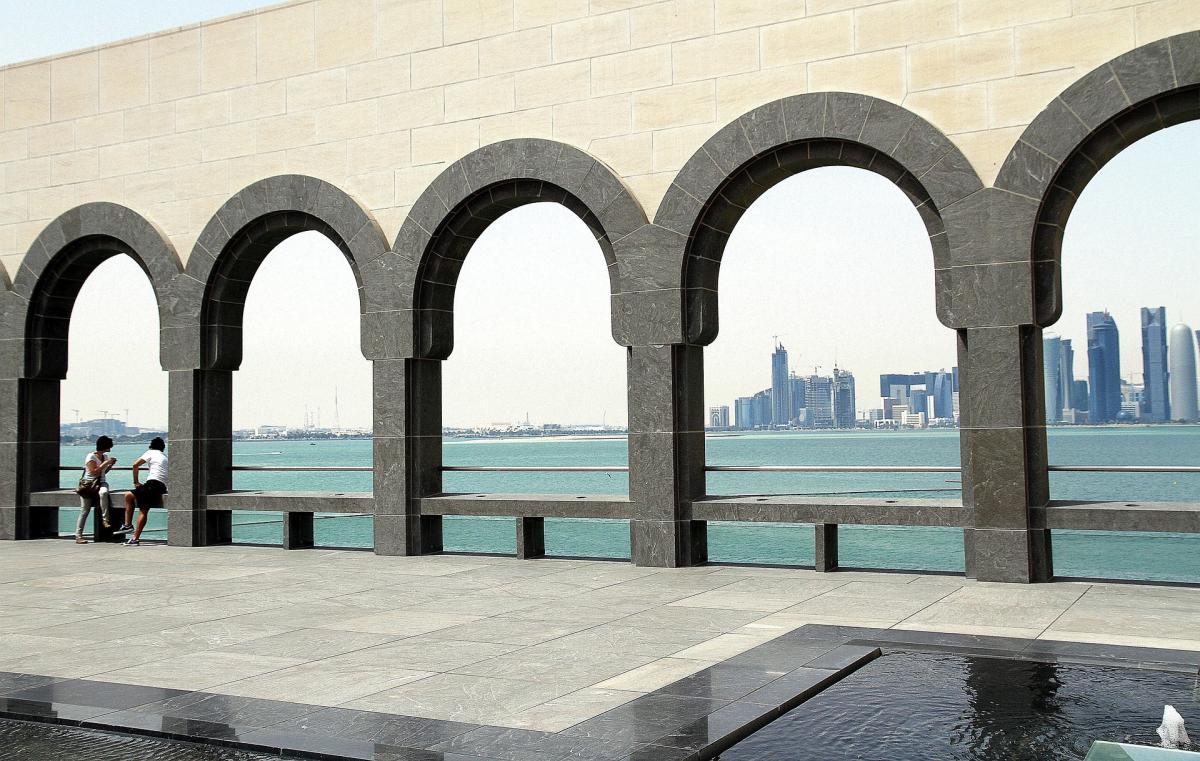
Nestled in the heart of historic Cairo, the Museum of Islamic Art (MIA) stands as a testament to the rich and diverse artistic heritage of the Islamic world. Considered the largest museum of its kind globally, it houses an unparalleled collection of over 100,000 artifacts that span more than 1,200 years...
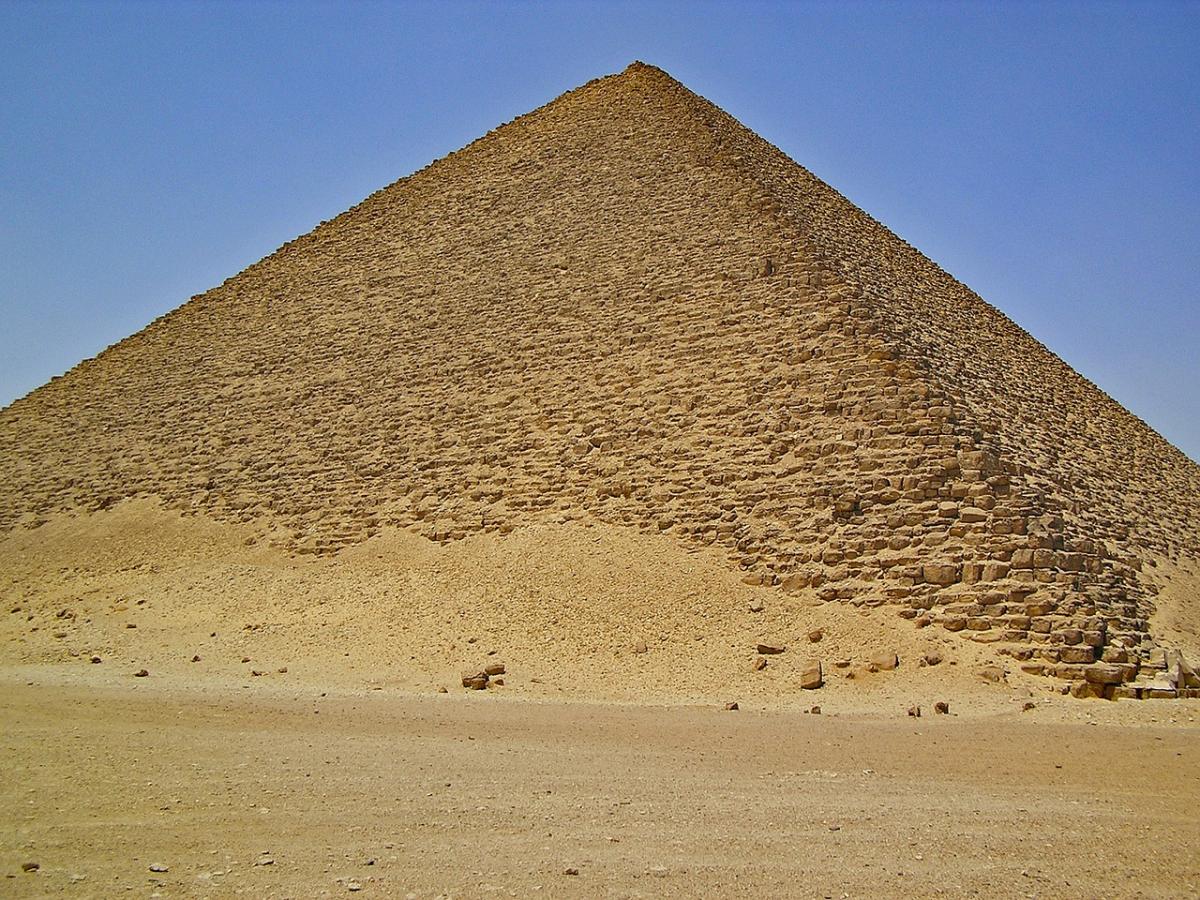
Nestled in the desert on the west bank of the Nile River, approximately 40 kilometers south of Cairo, lies the ancient royal necropolis of Dahshur. This significant archaeological site, part of the larger Memphis necropolis and a UNESCO World Heritage Site, is a testament to the architectural ingenuity...
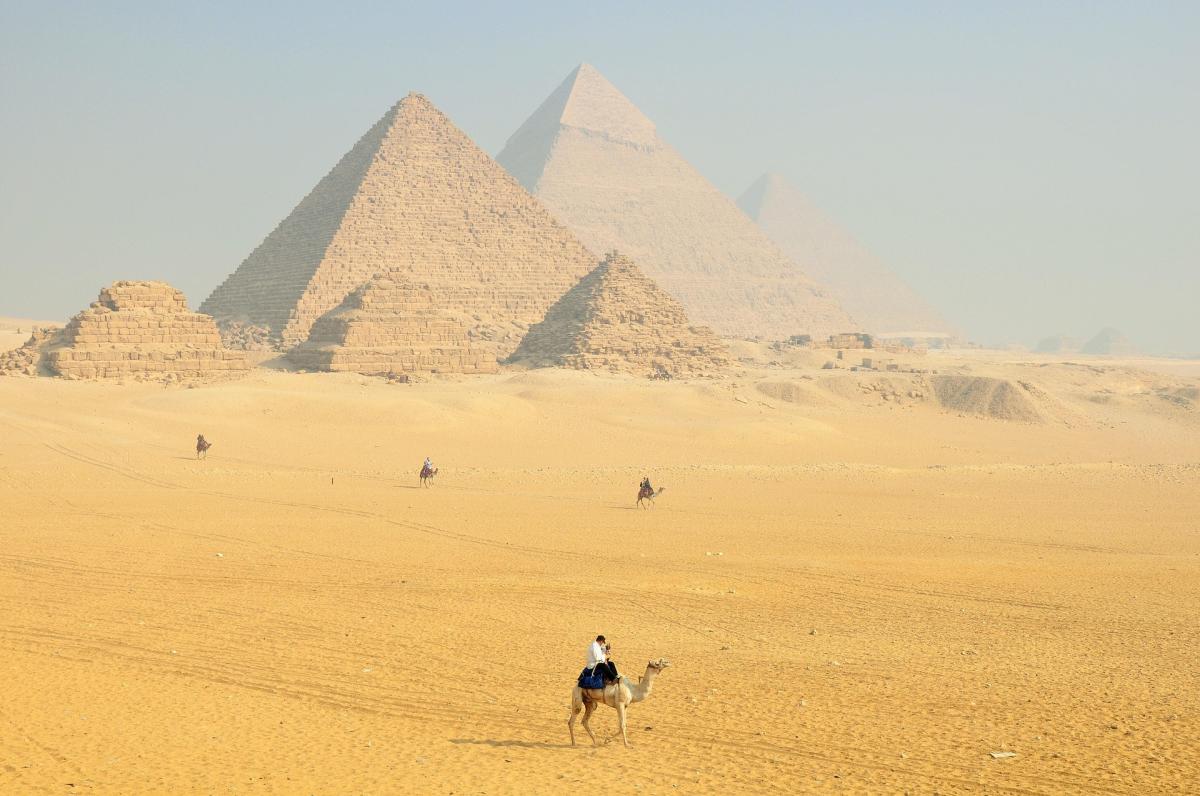
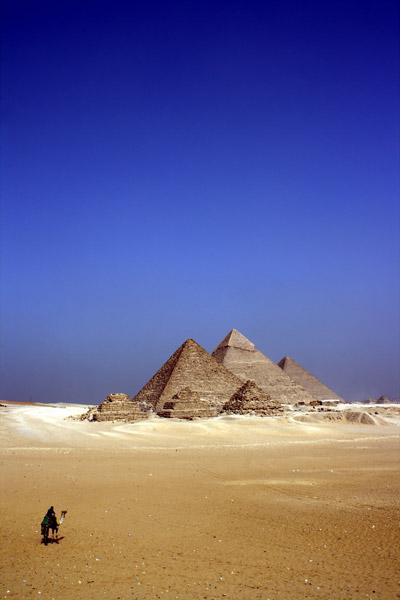
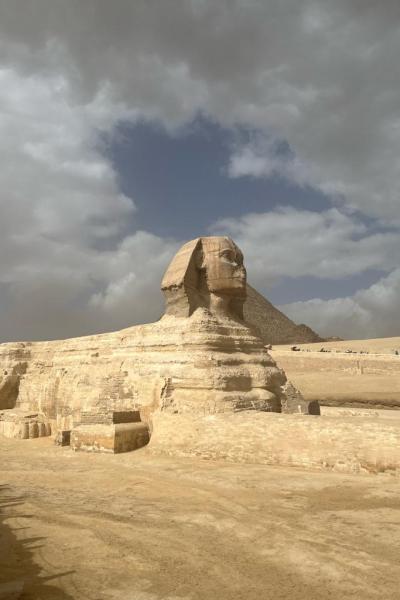
The Giza pyramid complex, a testament to human ingenuity and ambition, stands on the Giza Plateau at the edge of the Western Desert, approximately 13 km (8.1 mi) southwest of Cairos city center. These monumental structures, the last remaining of the Seven Wonders of the Ancient World, have captivated...