An Experts Ultimate Guide to the Best Sights in Cairo
Cairo, a sprawling metropolis and the vibrant heart of Egypt, is a city where millennia of history are etched into the very fabric of its streets. From the last surviving wonder of the ancient world to the intricate architecture of its medieval core and the chic cultural hubs of its modern districts, Cairo is a destination that promises an unforgettable journey through time. This guide offers an expert's perspective on the essential sights and experiences, ensuring a comprehensive and enriching visit to the "Mother of the World."
Ancient Wonders and Pharaonic Marvels
A visit to Cairo is synonymous with an encounter with the legacy of the pharaohs. These monumental structures are not just tourist attractions but powerful symbols of a civilization that has captivated humanity for centuries.
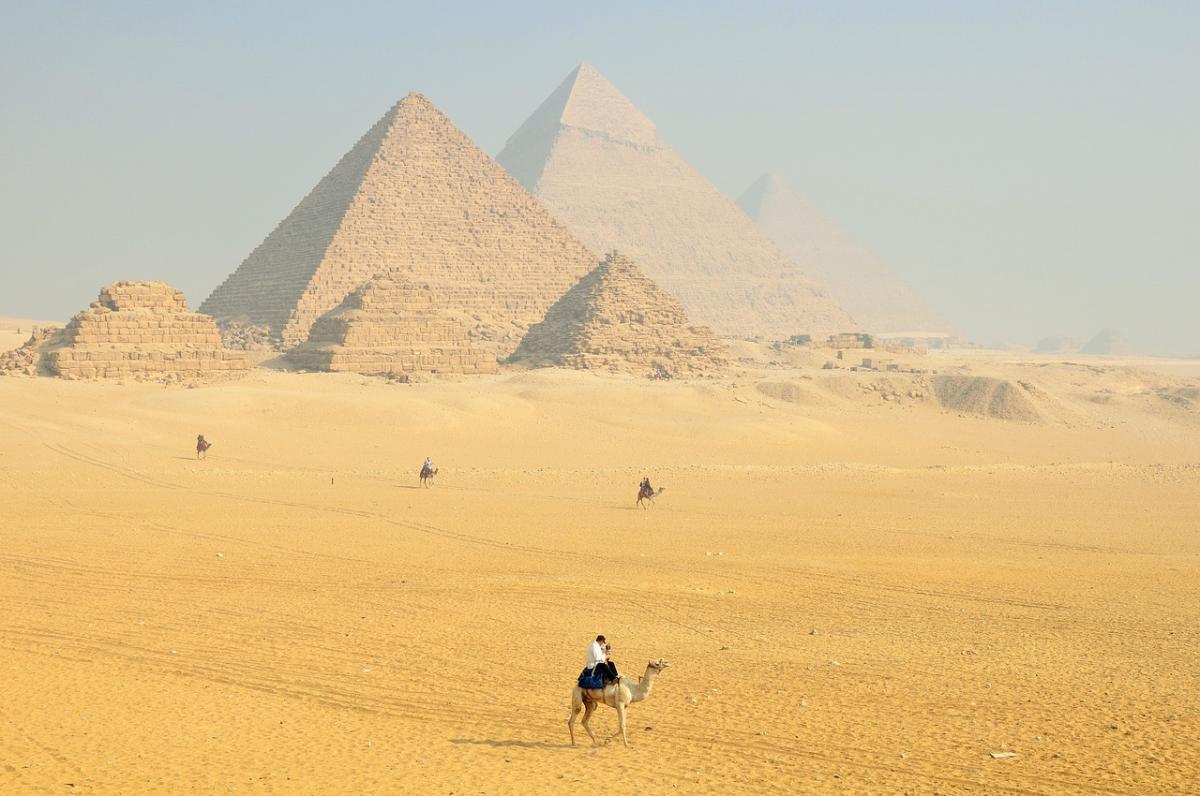
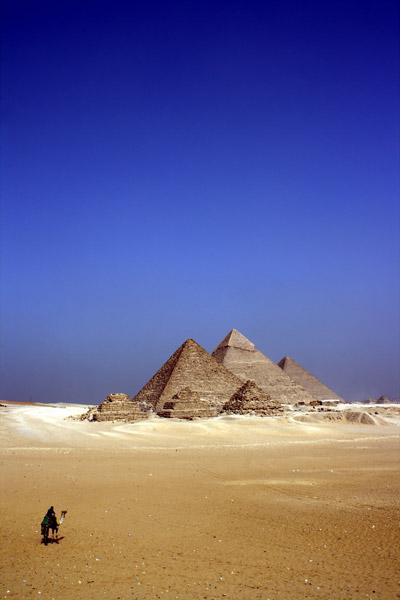
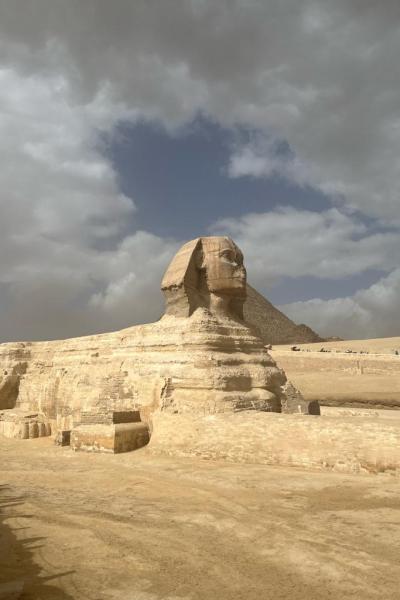
The Pyramids of Giza and the Great Sphinx: The Giza Plateau is the location of the iconic Pyramids of Giza, including the Great Pyramid of Khufu, the Pyramid of Khafre, and the Pyramid of Menkaure. The Great Pyramid is the last of the Seven Wonders of the Ancient World still standing. In total, there are nine pyramids on the plateau, including smaller ones for the queens. The enigmatic Great Sphinx, a limestone statue with the body of a lion and the head of a pharaoh (believed to be Khafre), stands guard over the pyramids. For a truly memorable experience, it is recommended to visit early in the morning to avoid the crowds and the intense heat. While exploring the vast site, you can choose to do so on foot, by camel, or in a horse-drawn carriage. For an additional fee, you can venture into the narrow, steep passages inside the Great Pyramid, though it's a hot and claustrophobic experience with an empty King's Chamber at the end.
Saqqara Necropolis: Located about 40 kilometers southwest of Cairo, Saqqara served as a principal cemetery for the ancient capital of Memphis for over 3,000 years. It is an expansive open-air museum and an active archaeological site with numerous tombs spanning various dynasties.
- The Step Pyramid of Djoser: The centerpiece of Saqqara is the world's first large-scale stone monument, built around 2670 BCE. Conceived by the brilliant architect Imhotep, it began as a traditional flat-roofed mastaba and evolved into a six-tiered pyramid standing 62.5 meters tall, creating a "stairway to the heavens" for the pharaoh's soul. Beneath the pyramid lies a labyrinth of tunnels nearly six kilometers long. After a 14-year restoration, the pyramid was reopened to visitors in March 2020.
- Other Notable Sites: Beyond the Step Pyramid, Saqqara is home to numerous beautifully decorated tombs of high-ranking officials. Key sites include the Tomb of Mereruka, one of the largest non-royal tombs with 33 rooms covered in preserved reliefs ; the Pyramid of Unas, the first to be inscribed with the Pyramid Texts ; the mysterious Serapeum, underground galleries housing the massive sarcophagi of sacred Apis bulls ; and the Imhotep Museum, which provides context for the site's discoveries.
Dahshur's Pyramids: A short drive south of Saqqara, Dahshur is where ancient Egyptian architects perfected the transition from stepped to smooth-sided pyramids.
- The Bent Pyramid: Built for Pharaoh Snefru, this pyramid is a testament to the trial-and-error process of construction. Architects altered the angle from 54 to 43 degrees midway through building due to stability concerns, giving it a unique bent shape. It retains much of its original polished limestone casing and was opened to tourists in 2019 for the first time since 1965.
- The Red Pyramid: Also built by Snefru, this is recognized as Egypt's first successful true, smooth-sided pyramid. Its name comes from the reddish hue of its core limestone blocks. It is the third-largest Egyptian pyramid, and visitors can enter its inner chambers via a long, steep passage.
Memphis: Once the glorious capital of ancient Egypt, Memphis is now an open-air museum. While much of the ancient city is gone, it is home to a colossal statue of Ramesses II and an impressive alabaster sphinx. A visit to Memphis is easily combined with a trip to Saqqara and Dahshur.
Visitor Information for Saqqara & Dahshur: It is highly recommended to hire a guide and driver for the day to navigate these expansive sites. Saqqara is open from 8 am to 5 pm in summer and 8 am to 4 pm in winter. Dahshur is open from 8 am to 5 pm year-round. A general entry ticket for Saqqara is EGP 600, with separate tickets for sites like the Serapeum. The entrance fee for Dahshur is EGP 200. Payment by card is advisable.
World-Class Museums: A Journey Through Time
Cairo's museums are treasure troves, housing priceless artifacts that narrate the long and rich history of Egypt.
The Egyptian Museum (Museum of Egyptian Antiquities): Located in Tahrir Square, this iconic, rose-hued neoclassical building was inaugurated in 1902 after a design by French architect Marcel Dourgnon. For over a century, it has been the world's primary repository of Pharaonic antiquities, housing over 120,000 artifacts. The visitor experience is classic, with the ground floor arranged chronologically and the upper floor organized thematically. While some famous collections have moved, it remains an essential visit holding countless treasures.
- Unmissable Masterpieces: Key pieces include the Narmer Palette, often called "Egypt's birth certificate" ; magnificent statues of pyramid builders Khufu, Khafre, and Menkaure ; the rare and spectacular silver coffin of Psusennes I ; and the largely intact tomb contents of Yuya and Thuya, parents of Queen Tiye.
The Grand Egyptian Museum (GEM): Situated on the Giza Plateau with panoramic views of the pyramids, the GEM is the world's largest archaeological museum dedicated to a single civilization. Designed by Irish firm Heneghan Peng Architects, its monumental, triangular structure features a translucent alabaster facade that glows at dusk. The museum houses over 100,000 artifacts, with an 83-ton statue of Ramesses II greeting visitors in the grand atrium.
- Unmissable Masterpieces: The centerpiece is the complete collection of King Tutankhamun's treasures-all 5,398 artifacts-displayed together for the first time. This includes his iconic solid gold funerary mask, golden sarcophagi, and gilded shrines. Another key exhibit is Khufu's 4,600-year-old Solar Boat.
National Museum of Egyptian Civilization (NMEC): Inaugurated in 2021 in the ancient city of Fustat, the NMEC is the first museum in the Arab world to present a comprehensive overview of Egyptian civilization from prehistory to the present. Its creation was a collaboration between UNESCO and Egypt dating back to 1982. The museum's main hall showcases a diverse array of artifacts, but its most significant attraction is the Royal Mummies' Hall.
- The Royal Mummies' Hall: Following a spectacular "Golden Pharaoh's Parade" in 2021, this hall became the new resting place for 22 royal mummies. The visitor experience is designed to evoke the feeling of walking through a royal tomb, with dimly lit, crypt-like rooms. Here you can come face-to-face with legendary rulers like King Ramses II (the Great), Queen Hatshepsut, King Seti I, and King Seqenenre Tao.
Museum of Islamic Art: Located in the historic Bab Al-Khalq district, this is the largest museum of its kind in the world, with a collection of over 100,000 artifacts. The current building, a masterpiece of Neo-Mamluk architecture, was inaugurated in 1903. The collection covers the 7th to the 19th centuries and includes rare Qur'an manuscripts, exquisite woodwork, ceramics, and scientific instruments.
The Coptic Museum: Located within the ancient Roman fortress of Babylon in Coptic Cairo, this museum houses the world's largest collection of Coptic Christian artifacts, with approximately 16,000 items. Founded in 1908 by Marcus Simaika Pasha to preserve Coptic heritage, it showcases art that fuses Pharaonic, Greco-Roman, and Christian traditions. The collection includes stonework, frescoes, intricate woodwork, icons, and a vast array of textiles. Among its greatest treasures are the Nag Hammadi manuscripts, a collection of 3rd and 4th-century Gnostic texts including the Gospel of Thomas, and the oldest known complete book of the Psalms of David.
Historic Neighborhoods and Cultural Immersion
To truly feel the pulse of Cairo, one must wander through its historic neighborhoods, each offering a unique glimpse into the city's soul.
Islamic Cairo: A UNESCO World Heritage site, this area is the historic heart of Cairo, filled with stunning mosques, madrasas, and monuments from the medieval era.
- The Citadel of Saladin: This impressive medieval Islamic-era fortification was initiated by Saladin in 1176 to protect Cairo from Crusader attacks and serve as a secure seat of government. For nearly 700 years, it was the residence of Egypt's rulers until Khedive Ismail moved the court in the 19th century. It opened to the public in 1983 and offers panoramic views of the city.
- Mosque of Muhammad Ali: Located within the Citadel, this Ottoman-style mosque, also known as the Alabaster Mosque, was built between 1830 and 1857. Its design was inspired by the Sultan Ahmad Mosque in Istanbul, and it is famed for the alabaster cladding its walls. Its twin minarets, at 84 meters, are the tallest in Egypt. The courtyard contains a clock tower gifted by France, and Muhammad Ali's tomb is inside the mosque.
- Khan el-Khalili: This famous bazaar, a living museum with a history of over 600 years, is a labyrinth of narrow alleys that has been the city's commercial heart for centuries.
- History: Founded in 1382 by the Mamluk Emir Djaharks el-Khalili, it was originally a caravanserai (an inn for traveling merchants) built on the site of a former royal necropolis. Its proximity to the Al-Hussein and Al-Azhar Mosques cemented its importance as a cultural and commercial hub.
- Navigation: The bazaar is a medieval open-air labyrinth. For better deals and a more authentic experience, venture into the narrower side streets away from the crowded main thoroughfares. A good arrival strategy is to take a taxi or Uber to the Al-Azhar Mosque; the bazaar is across the street via a pedestrian underpass. Plan to spend at least two to three hours exploring.
- Treasures to Discover: The market is a treasure trove of traditional crafts. Look for iconic brass and colored glass lanterns , intricate metalwork , jewelry from the goldsmiths' souq , aromatic spices and perfumes , inlaid wooden boxes , and hand-blown glassware. Nearby, the Street of the Tentmakers (Sharia al-Khayamiya) is famous for khayamiya, a decorative appliqué textile.
- The Art of Haggling: Bargaining is an integral part of the experience. Let the vendor name the first price, then counter with an offer around 40-50% of their initial quote. Maintain a friendly, polite tone, and be prepared to walk away; vendors will often call you back with a better offer.
- Historic Cafes: The bazaar is not just for shopping. Visit El Fishawy's Cafe, established in 1773, Cairo's oldest and most famous coffeehouse. It was a favorite of Nobel laureate Naguib Mahfouz and is perfect for soaking in the atmosphere with a mint tea. The Naguib Mahfouz Cafe offers a more formal dining experience in a setting that blends Mamluk and Islamic architecture.
- A Walk Down Al-Muizz Street: This one-kilometer street, stretching from Bab al-Futuh to Bab Zuweila, is a veritable open-air museum with the highest concentration of medieval Islamic architectural treasures in the world. It is particularly magical in the evening when the monuments are illuminated. Key sights along the way include the massive Mosque of Al-Hakim , the architecturally pioneering Al-Aqmar Mosque , the stunning Complex of Sultan Qalawun with its advanced former hospital , the ornate Sabil-Kuttab of Abdel Rahman Katkhuda , the grand Complex of Sultan al-Ghuri , and the southern gate of Bab Zuweila, whose minarets you can climb for panoramic views.
- Ibn Tulun Mosque: Completed in 879, this is the oldest mosque in Cairo that remains in its original form. It is known for its vast, serene courtyard and its unique spiral minaret.
- Al-Azhar Mosque: Founded in 970 AD, Al-Azhar is one of the most important mosques in the Islamic world and is home to the world's second-oldest continuously run university.
Coptic Cairo (Old Cairo): This area is a stronghold of Christianity in Egypt and is believed to have been visited by the Holy Family.
- The Hanging Church (Saint Virgin Mary's Coptic Orthodox Church): One of Egypt's oldest churches, its nave is suspended over a passage of the Roman-era Babylon Fortress.
- Saints Sergius and Bacchus Church (Abu Serga): This church is built on the site where the Holy Family is believed to have rested. You can visit the cavern where they stayed.
- Ben Ezra Synagogue: Originally a Christian church, it was converted into a synagogue and is believed to be the spot where the baby Moses was found.
Felucca Ride on the Nile: Experience the timeless beauty of Cairo with a tranquil ride on a felucca, a traditional wooden sailboat that has been used on the Nile for millennia.
- Hiring and Cost: The most common areas to hire a felucca are along the Corniche in the Garden City neighborhood and in Maadi. You can negotiate directly with the captains at the docks. It is crucial to agree on the price and duration before setting sail. A common rate for a private one-hour ride is around 200 Egyptian Pounds, but this is negotiable. Pre-booked tours with transfers can range from $10 to $70 per person.
- The Experience: The most magical time for a ride is at sunset, when the sun casts a golden glow over the city skyline. The ride offers a serene respite from the city's chaos, propelled only by the wind. You'll get a unique perspective of landmarks like the Cairo Tower while gliding peacefully on the water. You can typically bring your own food and drinks on board.
Tasting Cairo: A Guide to Street Food
To truly taste the essence of Cairo, you must dive into its vibrant street food culture. From bustling carts to small, local eateries, the city offers an array of delicious and affordable delicacies.
Iconic Must-Try Dishes:
- Koshary: Often considered Egypt's national dish, koshary is a hearty and satisfying vegetarian meal. It's a unique mix of rice, macaroni, and lentils, topped with chickpeas, a tangy tomato sauce, garlic vinegar (da'a), and crispy fried onions. A bowl can cost between 30 and 65 EGP. For a reliable introduction, visit the famous Koshary Abou Tarek in Downtown or the popular chain Koshary El Tahrir.
- Ful Medames & Ta'ameya: These are the cornerstones of an Egyptian breakfast but are enjoyed all day. Ful is a stew of slow-cooked fava beans seasoned with olive oil, cumin, and lemon juice. Ta'ameya, the Egyptian version of falafel, is made from crushed fava beans, giving it a distinct green interior and a light, crispy texture. Both are typically served as sandwiches in aish baladi (flatbread) and are incredibly affordable, costing just a few Egyptian pounds. You can find them everywhere, but long-standing institution Felfela is famous for its ta'ameya, while chains like Gad, El Shabrawy, and Zooba are also popular choices.
Enjoying Street Food Safely: To ensure a positive experience, choose vendors that are busy with a high turnover of local customers, as this indicates quality and freshness. If you have a sensitive stomach, stick to cooked foods and be cautious with unwashed salads.
Modern Cairo: Art, Architecture, and Urban Charm
Beyond its ancient and medieval core, Cairo thrives with modern, cosmopolitan districts that are cultural centers in their own right.
Zamalek: This affluent island neighborhood on the Nile is a sophisticated hub of art, culture, and upscale living. It is a prime destination for gallery hopping, with spaces like the Zamalek Art Gallery and Safarkhan Gallery. The neighborhood is also dotted with charming cafes and lined with elegant Belle Époque and Art Deco buildings.
Heliopolis: Founded in 1905 as a desert oasis for the wealthy, this suburb is renowned for its unique architectural style blending various influences. Its most iconic landmark is the fantastical, Hindu-inspired Baron Empain Palace, which has been restored and opened to the public. The historic Korba District is perfect for strolling and admiring the "Heliopolis style" architecture.
Off-the-Beaten-Path Adventures
For those looking to venture beyond the main tourist trail, Cairo offers a number of unique and less-traveled attractions.
Al-Azhar Park: This beautiful public park, built on what was once a garbage dump, offers a peaceful escape with manicured gardens and stunning views of Islamic Cairo.
The City of the Dead (Qarafa): This series of vast Islamic-era necropolises is a UNESCO World Heritage site stretching for roughly four miles. It is a unique urban fabric where an estimated half a million people live and work among the historic tombs of caliphs and sultans, a practice dating back centuries. When visiting, it is highly recommended to hire a local guide, dress modestly, and be respectful of the residents. The area contains some of the most celebrated examples of Mamluk architecture.
- Notable Tombs: Don't miss the Funerary Complex of Sultan Qaytbay, a masterpiece of late Mamluk architecture featured on the one-pound note ; the massive Khanqah of Faraj ibn Barquq with its twin domes ; and the Mausoleum of Imam al-Shafi'i in the Southern Cemetery, a major religious site with one of Egypt's largest wooden domes.
Garbage City (Manshiyat Naser) and the Cave Church: This neighborhood is home to the Zabbaleen, Cairo's garbage collectors. Within this community is the incredible Monastery of Saint Simon, a massive cave church carved into the Mokattam Hills.
Birqash Camel Market: For a truly adventurous and non-touristy experience, a visit to this bustling camel market, located outside of Cairo, offers a glimpse into a traditional camel auction.
Practical Tips for Visitors
- Getting Around: Cairo's traffic is notoriously heavy. The journey from central Cairo to the Pyramids of Giza can take anywhere from 30 to 90 minutes.
- What to Wear: Dress modestly, especially when visiting religious sites. For women, this means covering shoulders and knees, and a headscarf is required in mosques. Comfortable, closed-toe shoes are essential.
- Staying Hydrated: The sun can be intense, so it's crucial to drink plenty of bottled water.
- Scams and Touts: Be prepared for persistent vendors. A firm but polite "la, shukran" (no, thank you) is usually effective. Be cautious of anyone who approaches you offering unsolicited help.
- Tipping ("Baksheesh"): Tipping is a part of the culture in Egypt. It's customary to give small tips to restroom attendants and anyone who provides a service.
Summary
Cairo is a city of contrasts, where ancient wonders stand alongside the vibrant pulse of modern life. An ultimate tour of Cairo must begin with the awe-inspiring Pyramids of Giza and the Great Sphinx, but the journey into Egypt's pharaonic past should also include the necropolises of Saqqara and Dahshur. At Saqqara, you can witness the dawn of pyramid building with the Step Pyramid of Djoser, while Dahshur showcases the evolution with the Bent Pyramid and the Red Pyramid. A deep dive into Egypt's treasures continues at its world-class museums: the historic Egyptian Museum in Tahrir Square ; the new Grand Egyptian Museum (GEM), home to the complete Tutankhamun collection ; and the National Museum of Egyptian Civilization (NMEC) with its unforgettable Royal Mummies' Hall.
No visit is complete without immersing oneself in the city's historic heart and culture. Islamic Cairo, a UNESCO World Heritage site, offers a journey back in time. Explore the formidable Citadel of Saladin and the magnificent Mosque of Muhammad Ali. Dive deep into the sensory experience of the Khan el-Khalili bazaar, a 600-year-old market perfect for finding traditional crafts and practicing the art of haggling before relaxing at a historic cafe. A walk down the kilometer-long Al-Muizz Street reveals an open-air museum of medieval architecture. A visit to Coptic Cairo reveals the city's rich Christian heritage, with the Hanging Church and the unmissable Coptic Museum. For a moment of tranquility, take a felucca ride on the Nile at sunset, offering a serene escape and stunning city views.
To experience contemporary Cairo, explore the elegant island neighborhood of Zamalek, a hub for art galleries and chic cafes. Discover the unique architectural charm of Heliopolis and the fantastical Baron Empain Palace. To truly taste the city, indulge in its street food scene, sampling iconic dishes like koshary, ful, and ta'ameya from famous local eateries. For a deeper understanding of Cairo's diverse social fabric, seek out its unique corners like the lush Al-Azhar Park or the living necropolis of the City of the Dead.
A well-rounded trip to Cairo requires at least three to four days. By combining its world-famous monuments with its vibrant cultural experiences and hidden gems, visitors can truly connect with the captivating spirit of this timeless city.
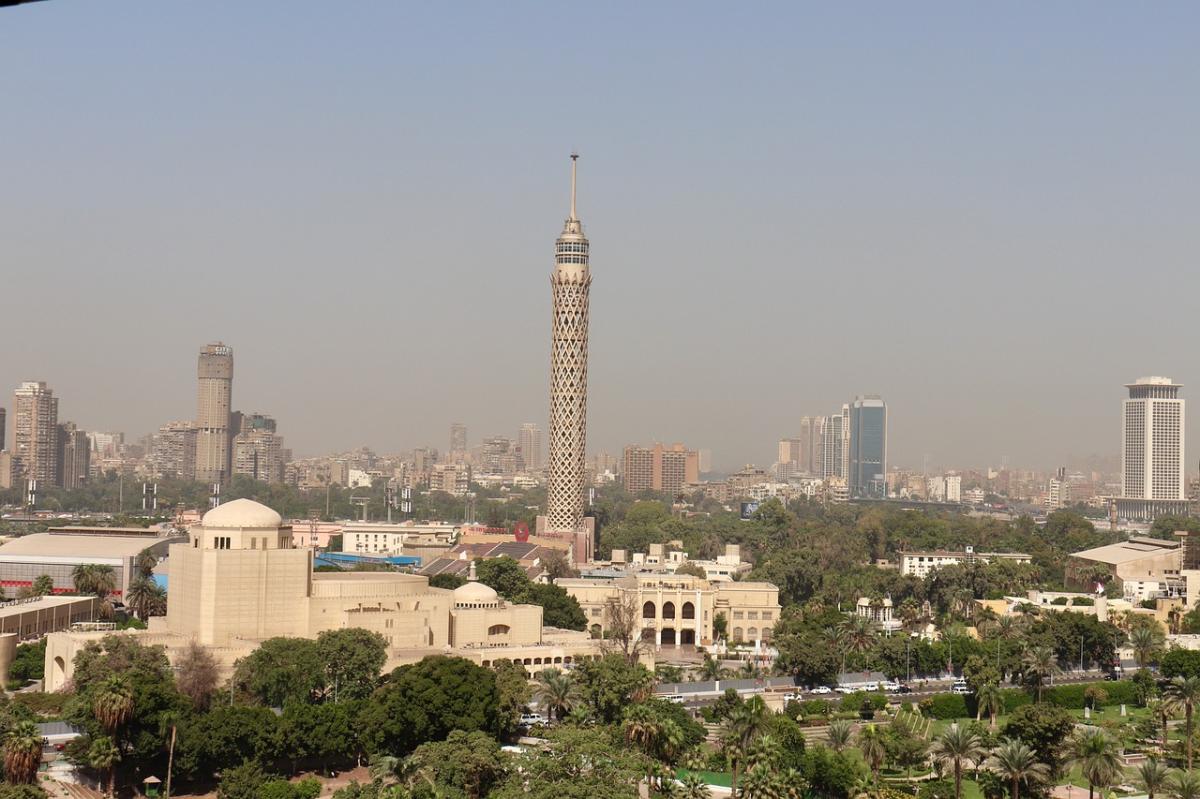
Proudly standing on Gezira Island in the heart of Cairo, the Cairo Tower, or Burj Al-Qahira, is a prominent feature of the citys skyline and a testament to modern Egyptian architecture. Reaching a height of 187 meters (614 feet), it is one of the tallest structures in Egypt and North Africa. For decades...
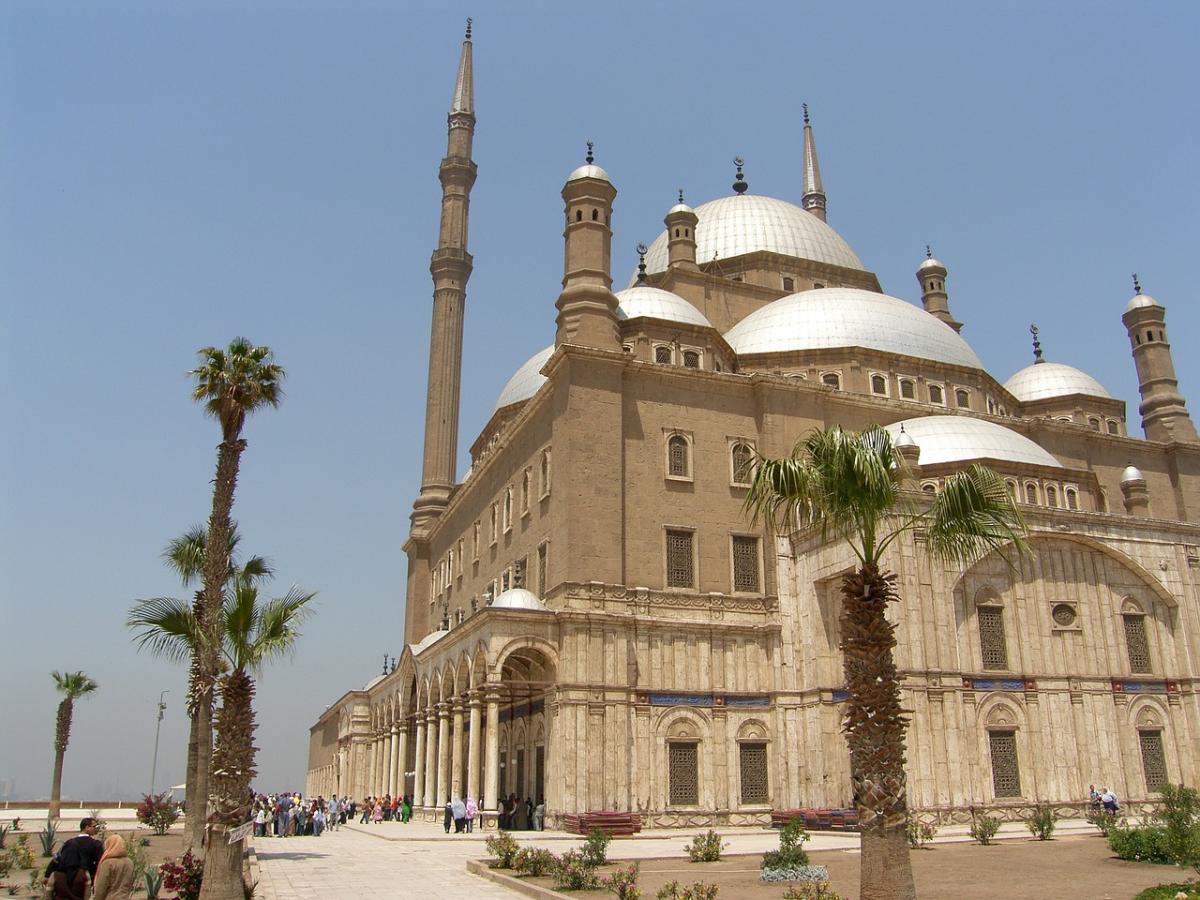
Cairo, Egypt - Perched majestically atop the Citadel of Saladin, the historic seat of Egyptian power for nearly 700 years, the Mosque of Muhammad Ali is an iconic landmark and an enduring symbol of Cairos skyline. Popularly known as the Alabaster Mosque for the extensive use of this gleaming stone on...
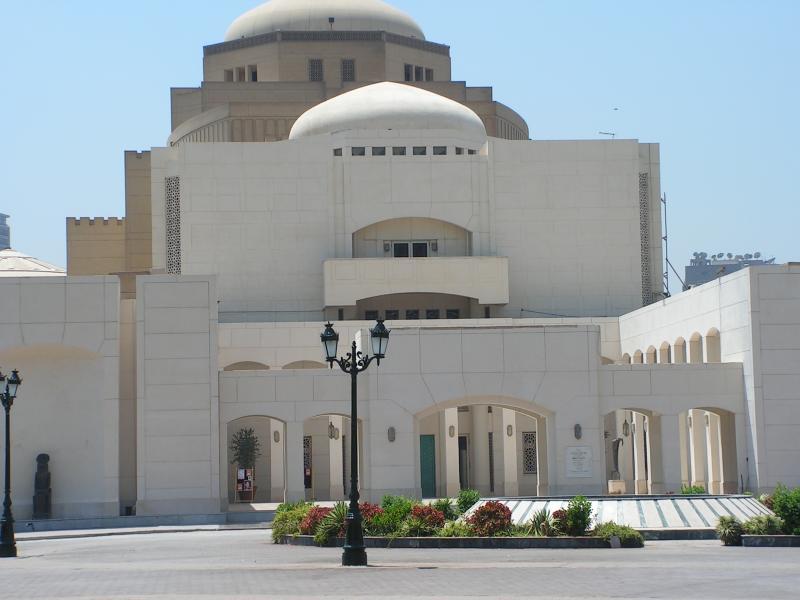
The Cairo Opera House, a magnificent architectural gem nestled on Gezira Island in the Nile, stands as the epicenter of performing arts in Egypt. Officially known as the National Cultural Centre, it is a vibrant hub that showcases a rich tapestry of local and international artistic expressions, from...