A Travelers Ultimate Checklist for Cairo
Welcome to Cairo, the city of a thousand minarets! A sprawling, energetic metropolis where ancient history and modern life collide in a vibrant display of culture, sound, and color. This checklist is designed to help you navigate the city's countless treasures, ensuring you experience the very best of what Cairo has to offer. From millennia-old monuments and bustling bazaars to a thriving contemporary arts scene and an unmissable culinary journey, prepare for an unforgettable adventure.
It is recommended to spend at least three full days in Cairo to truly experience its main attractions, though a week could easily be filled without running out of things to do.
I. The Unmissable Ancient Wonders
No trip to Cairo is complete without standing in the shadow of the last remaining Seven Wonders of the Ancient World. These sites are the primary draw for many visitors and offer a profound connection to Egypt's epic past. Getting to these sites, especially those outside the city center, requires some planning; ride-sharing apps are often the most convenient option.
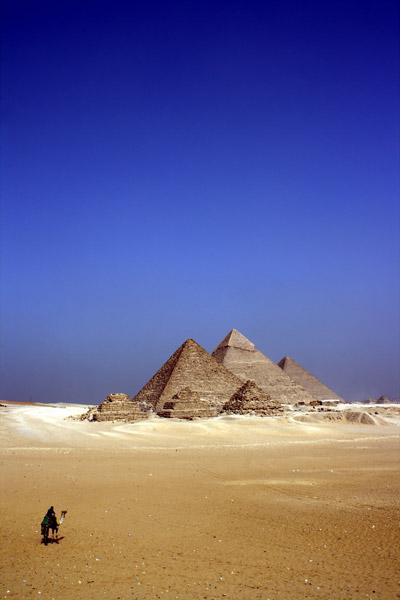
The Giza Plateau: This is the number one reason most people visit Cairo.
- The Great Pyramid of Giza (Pyramid of Khufu): The largest and oldest of the three main pyramids. For an extra fee, you can venture inside through a narrow passageway to the King's Chamber, though this is not for the claustrophobic.
- Pyramids of Khafre and Menkaure: The other two majestic pyramids that complete the iconic trio. Khafre's pyramid is the second largest, and Menkaure's is the smallest.
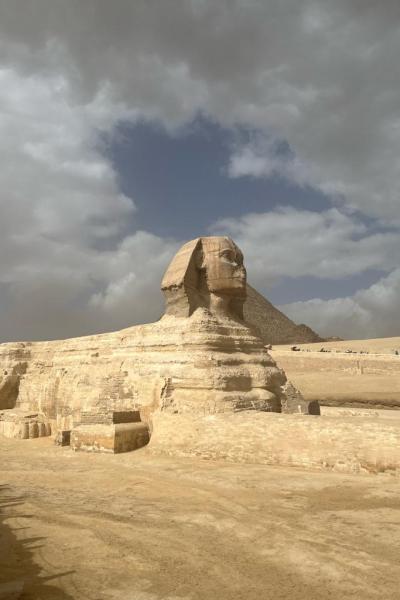
- The Great Sphinx: The legendary limestone statue with the body of a lion and the head of a pharaoh, believed to be Khafre. It stands as a silent guardian of the pyramids.
- Camel and Horse Rides: The area around the pyramids is vast, and many visitors opt for a camel or horse ride to explore the plateau and get those classic photos. Be aware that this area is known for touts and unofficial guides, so it's best to arrange activities through official channels.
Saqqara, Dahshur & Memphis: Located about 30 kilometers south of Cairo, these sites served as the necropolis for the ancient capital of Memphis for over 3,000 years. They are just as fascinating as Giza and offer a deeper look into the evolution of pyramid construction and ancient Egyptian life. Hiring a driver for the day can be a stress-free way to visit these more distant locations.
- The Step Pyramid of Djoser (Saqqara): This is the world's oldest complete stone building complex and represents a crucial step in the evolution of pyramid construction.
- The Bent Pyramid & The Red Pyramid (Dahshur): These two pyramids were built by Pharaoh Sneferu. The Bent Pyramid is unique for its two different angles, and the Red Pyramid is the first successful true smooth-sided pyramid.
- Memphis: Once the ancient capital of Egypt, the open-air museum here features a colossal statue of Ramses II.
- Beyond the Step Pyramid at Saqqara:
- Pyramid of Unas: Though small, its interior contains the first known examples of the "Pyramid Texts," a collection of spells to protect the pharaoh in the afterlife, making it a crucial link in understanding Egyptian religious beliefs. The burial chamber's ceiling is painted with stars to symbolize the heavens.
- Mastaba of Ti: The tomb of a 5th Dynasty high official, celebrated for its exquisitely preserved reliefs depicting daily life, including agriculture, hunting, and boat building, offering invaluable insights into the Old Kingdom.
- Mastaba of Mereruka: The largest non-royal tomb in Saqqara, this 33-chamber complex belonged to a 6th Dynasty vizier. Its vibrant reliefs show scenes of furniture making, goldsmithing, and hunting that Mereruka wished to continue in the afterlife.
- The Serapeum: A mysterious and vast underground necropolis for the sacred Apis bulls, worshipped as incarnations of the god Ptah. Visitors can descend into galleries to see 24 enormous granite sarcophagi, some weighing up to 70 tons, a testament to the importance of animal cults in ancient Egypt.
II. Museums: Gateways to Ancient Egypt
Cairo's museums house an unparalleled collection of artifacts that bring the world of the pharaohs to life. Be aware that museums may have specific rules about photography, sometimes requiring an extra fee.
The Egyptian Museum (Tahrir Square): For over a century, this has been the main repository of Egypt's ancient treasures. The iconic salmon-pink building, established in 1902, is the oldest archaeological museum in the Middle East, with over 170,000 artifacts. Even those not typically enthusiastic about museums find themselves enthralled by its vast collection. The nearest metro stop is Sadat Station.
- Key Masterpieces to See:
- The Narmer Palette: A foundational artifact of ancient Egypt from the 31st century BC, believed to depict the unification of Upper and Lower Egypt by King Narmer. It contains some of the earliest hieroglyphic inscriptions and establishes many artistic conventions that would last for millennia.
- Statues of Rahotep and Nofret: These remarkably lifelike 4th Dynasty limestone statues are famous for their preserved colors and strikingly realistic inlaid eyes made of quartz and crystal. They represent the idealized forms of the prince and his wife for the afterlife.
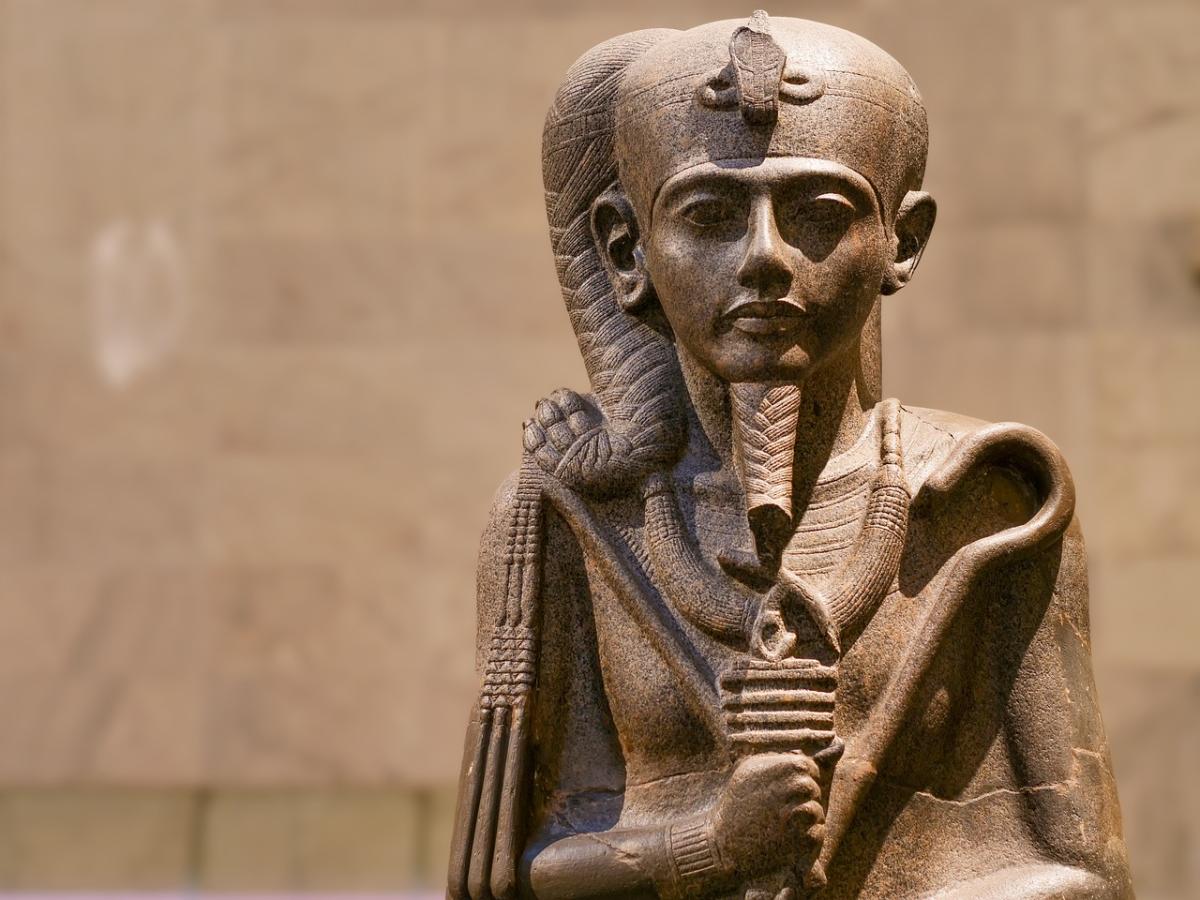
- Statue of Khafre Enthroned: A masterpiece of royal sculpture carved from a single block of dark gneiss, this statue of the Giza pyramid builder exudes eternal power. The falcon god Horus protectively wraps his wings around the pharaoh's head, symbolizing his divine kingship.
- The Treasures from the Royal Tombs of Tanis: Often overshadowed by Tutankhamun's hoard, these treasures from the 21st and 22nd Dynasties are spectacular. Discovered at the start of WWII, the collection includes magnificent gold masks and solid silver coffins (silver was rarer than gold), offering a glimpse into the wealth of the Third Intermediate Period.
- Key Masterpieces to See:
The Grand Egyptian Museum (GEM): Poised to be the world's largest archaeological museum, the GEM is located near the Giza Plateau. It will display a vast number of treasures, many never before seen by the public, including the full Tutankhamun collection.
National Museum of Egyptian Civilization (NMEC): This museum offers a comprehensive overview of Egyptian civilization from prehistory to the present day. Its most famous exhibit is the Royal Mummies' Hall, where you can see the preserved bodies of ancient pharaohs and queens.
III. The Heart of Islamic Cairo
Lose yourself in the narrow, winding streets of one of the world's oldest Islamic city centers, a UNESCO World Heritage site filled with stunning architecture and vibrant life. Remember to dress modestly when exploring this area, especially when entering mosques.
The Citadel of Saladin: A majestic medieval Islamic-era fortification perched on a hill overlooking the city. Construction began in 1176 under Salah al-Din (Saladin) as a fortress against Crusaders, and it served as the seat of government for nearly 700 years.
- Mosque of Muhammad Ali: Known as the "Alabaster Mosque," its grand dome and twin minarets dominate the skyline. Built between 1830 and 1848 and inspired by Ottoman architecture, it symbolizes Muhammad Ali's ambition to create a modern Egypt.
- Al-Nasir Muhammad Mosque: A beautiful example of Mamluk architecture built in the 14th century, this was the royal mosque where sultans performed Friday prayers. It is notable for its two unique minarets decorated with colorful faience mosaics and its use of repurposed columns from older Pharaonic and Roman structures.
Khan el-Khalili: This world-famous bazaar, established in the 14th century, is a labyrinthine network of streets and one of the best shopping experiences in the world. You can find everything from exquisite metal lampshades to spices and perfumes. This is the perfect place to practice friendly haggling. Be mindful of your belongings in the crowds. Don't miss having tea at the renowned El Fishawy, a classic Egyptian coffeehouse.
Al-Muizz Street (Al-Mu'izz li-Din Allah al-Fatimi Street): This one-kilometer-long street is the historic spine of Cairo and the world's largest open-air museum of Islamic monuments. Key sites include the Complex of Sultan Qalawun, the Madrasa of al-Nasir Muhammad with its stolen Gothic portal, and the Mosque-Madrasa of Sultan Barquq.
The Medieval Gates of Old Cairo: These monumental gates are among the most impressive examples of medieval Islamic military architecture.
- Bab Zuweila: The only remaining southern gate (built 1092), it was historically a site for public executions. Today, visitors can climb the towers and the attached minarets of the Al-Mu'ayyad Mosque for breathtaking panoramic views of Islamic Cairo.
- Bab al-Nasr and Bab al-Futuh: These northern gates ("Gate of Victory" and "Gate of Conquest") were built in 1087. They feature impressive defensive designs, and visitors can often walk along the connecting fortified walls for a unique perspective of the city.
IV. Discovering Coptic Cairo
Step back in time in one of the most important locations for Christians in Egypt. This area is built around the fortress of Babylon and contains some of the oldest churches in the country. The easiest way to get here is by taking Metro Line 2 to the Mar Girgis station.
- The Hanging Church (Saint Virgin Mary's Coptic Orthodox Church): One of the oldest and most famous churches in Egypt, named for its location above a gatehouse of the Roman Babylon fortress.
- Saints Sergius and Bacchus Church (Abu Serga): Believed to have been built on the spot where the Holy Family rested at the end of their journey into Egypt.
- Ben Ezra Synagogue: Originally a Christian church, it is believed to be the place where the baby Moses was found.
- The Coptic Museum: Houses the largest collection of Coptic Christian art and artifacts in the world.
V. Exploring Modern Cairo: The City's Vibrant Heart
Beyond the ancient and medieval districts, Cairo pulses with a modern energy best experienced in its cosmopolitan central neighborhoods.
A. Downtown Cairo: A "Paris on the Nile"
Commissioned by Khedive Ismail in the mid-19th century, Downtown Cairo was envisioned as a modern city center to rival Europe's grandest capitals. French architects designed a district of broad, grid-like streets and European-inspired architecture.
- Belle Époque Architecture: Downtown is a living museum of Belle Époque, Art Nouveau, and Art Deco styles. Admire landmarks like the Said Halim Palace, the Groppi Building, and the famous Yacoubian Building.
- Tahrir Square (Liberation Square): A powerful symbol of modern Egyptian history, this square was the epicenter of the 2011 revolution that ousted President Hosni Mubarak.
- Contemporary Culture: Downtown is experiencing a revival, with a burgeoning arts scene and historic cafes like Café Riche, a legendary meeting place for intellectuals and revolutionaries since 1908.
B. Zamalek: An Upscale Island Oasis
Nestled on Gezira Island, Zamalek is an affluent, cosmopolitan neighborhood offering a tranquil escape from the city's hustle. It is home to many embassies, artists, and expatriates.
- A Hub for Arts and Culture: Zamalek is Cairo's premier district for art, with numerous galleries like Zamalek Art Gallery and Safarkhan Gallery. The historic Aisha Fahmy Palace also serves as a stunning art space.
- Shopping and Dining: Discover chic boutiques like Sami Amin and Fair Trade Egypt. The dining scene is diverse, with popular spots like Abou El Sid for traditional fare and the Cairo Jazz Club for live music.
C. The Cairo Tower: A Panoramic Vista
A visit to the Cairo Tower on Gezira Island is a must for breathtaking 360-degree views of the city.
- The Structure: This 187-meter-tall tower, designed to resemble a lotus flower, was the tallest structure in Africa when completed in 1961.
- The View: From the observation deck, you can see the Nile, the sprawling urban landscape, and even the Giza Pyramids on a clear day. The tower also features a revolving restaurant.
VI. A Culinary Journey Through Cairo
A trip to Cairo is incomplete without diving into its vibrant culinary scene. The city's food is a reflection of its history as a crossroads of cultures. Always ask for a menu with prices before ordering to avoid being overcharged.
- The National Dish: Koshari: A hearty and beloved mix of rice, lentils, macaroni, and chickpeas, topped with tomato sauce, garlic-vinegar dressing, and crispy onions. It is believed to have evolved in the 19th century from an Indian dish mixed with Italian pasta.
- Breakfast Staples: Don't miss Ful Medames (slow-cooked fava beans) and Ta'ameya (Egyptian falafel made from fava beans), which gives it a unique green interior.
- Must-Try Street Foods: Sample Hawawshi (spiced meat pie), Shawarma, and grilled Kofta and Kebab.
- Sweet Endings: Indulge in Umm Ali (bread pudding), Basbousa (semolina cake), or Kunafa (pastry with cheese or cream).
- Where to Eat: For Koshari, try the famous Koshary Abou Tarek. For modern street food, visit Zooba. For a traditional feast, go to Abou El Sid or Sobhy Kaber.
VII. Other Unique Cairo Experiences
- Sail the Nile: Experience the city from its lifeblood, the Nile River.
- Felucca Boats: For a traditional and serene experience, take a ride on a felucca, a small wooden sailboat, perfect for sunset.
- Dinner Cruises: These larger boats offer a buffet dinner, live music, and entertainment like belly dancing and Tanoura dance performances.
- Luxury River Cruises: For the ultimate journey, multi-day cruises travel from Cairo to Luxor and Aswan.
- Relax in Al-Azhar Park: An oasis of green offering stunning 360-degree views of Cairo, including the Citadel.
- Visit the "City of the Dead" (Qarafa): A vast necropolis where people live and work amongst the tombs.
- See the Cave Church (Monastery of Saint Simon the Tanner): Located in "Garbage City," this is the largest church in the Middle East, carved directly into the rock.
VIII. Navigating Cairo: Practical Tips for a Smooth Trip
Cairo's traffic can be famously chaotic, but understanding your options will make your trip much smoother.
A. Getting Around Cairo
- Cairo Metro: Often the fastest and most affordable way to cross the city, avoiding street congestion. Line 2 is useful for reaching Tahrir Square and Coptic Cairo. Women-only carriages are available.
- Traditional Taxis: Taxis are plentiful, but insist that newer white and yellow taxis use the meter or agree on a price beforehand. Overcharging is a common issue.
- Ride-Sharing (Uber & Careem): Highly recommended for tourists, these apps offer a safer, more transparent option with set fares, eliminating haggling. Always verify the license plate before getting in.
B. Cultural Etiquette
- Dress Code: As a predominantly Muslim country, modest dress is the norm. For women, covering shoulders and knees is recommended, and a scarf is essential for visiting mosques. For men, long trousers are preferred over shorts in traditional areas.
- Social Customs: A simple "As-salaam alaykum" is a warm greeting. Use your right hand for eating and transactions. Keep public displays of affection to a minimum.
- Photography: Always ask for permission before taking photos of people. It is forbidden to photograph police, military personnel, or sensitive government buildings. Drones are illegal.
C. Staying Safe in Cairo
- Recognizing and Avoiding Scams: Be wary of overly friendly strangers offering unsolicited help, as they are often touts. Politely refuse detours to papyrus or perfume shops where you may be pressured to buy overpriced goods.
- General Safety Tips: In crowded areas like Khan el-Khalili, keep valuables secure to guard against pickpockets. Drink only bottled or filtered water. The number for the tourist police is 126.
Summary
Cairo is a city of immense historical and cultural significance, offering a travel experience that is both exhilarating and deeply rewarding. A well-planned trip should balance the iconic ancient wonders with the rich tapestry of its modern, cosmopolitan districts.
Must-Do Highlights & Tips:
- Ancient Sites: The Pyramids of Giza and the Sphinx are non-negotiable. A day trip to Saqqara and Dahshur is highly recommended; at Saqqara, explore beyond the Step Pyramid to see the Pyramid of Unas with the first Pyramid Texts, the tombs of nobles like Ti and Mereruka, and the mysterious Serapeum.
- Museums & Historic Quarters: The Egyptian Museum, the NMEC's Royal Mummies, and the future GEM are essential. In the Egyptian Museum, seek out key masterpieces like the Narmer Palette and the Treasures of Tanis. Immerse yourself in history by exploring the Citadel, the Khan el-Khalili bazaar, and the ancient churches of Coptic Cairo. For a unique perspective of Islamic Cairo, climb the medieval gate of Bab Zuweila.
- Modern Cairo: Explore the "Paris on the Nile" architecture of Downtown Cairo, a district shaped by 19th-century European design and modern Egyptian history at Tahrir Square. Discover the upscale island neighborhood of Zamalek, a tranquil hub for art galleries, chic boutiques, and sophisticated dining.
- Iconic Experiences: Ascend the Cairo Tower for stunning panoramic city views. Experience the city from the water with a Nile cruise, choosing between a serene felucca ride or a lively dinner cruise.
- Culinary Delights: A trip is incomplete without trying the national dish, Koshari. Other essential tastes include the fava-bean-based breakfast staples Ful Medames and Ta'ameya.
- Practical Planning: Navigating Cairo is part of the adventure. Use ride-sharing apps (Uber/Careem) for efficiency and safety. Dress modestly, be prepared to haggle good-naturedly in markets, and stay aware of your surroundings to avoid common tourist scams.
To make the most of a trip, visitors should plan for at least three to four full days. This allows enough time to cover the Giza Plateau, the major museums, key areas of Islamic and Coptic Cairo, and get a taste of modern districts like Downtown and Zamalek. Cairo is a city that rewards the curious traveler with layers of history, vibrant street life, and unforgettable moments.
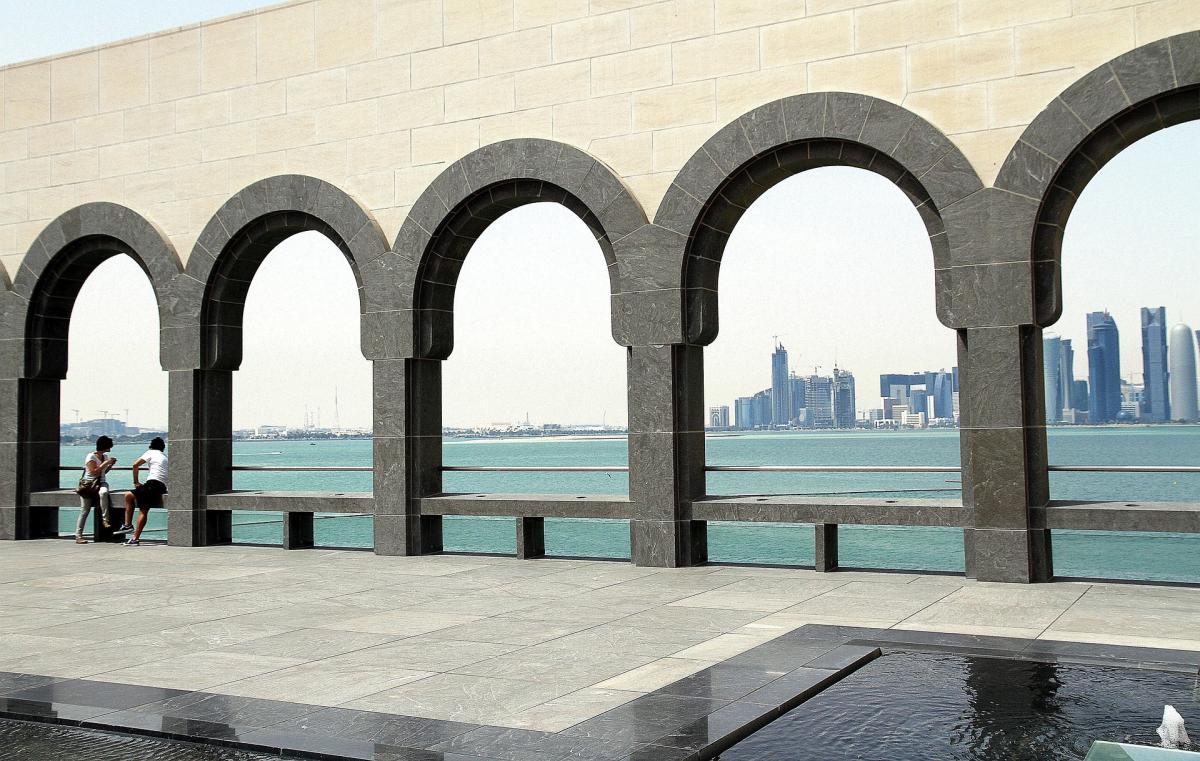
Nestled in the heart of historic Cairo, the Museum of Islamic Art (MIA) stands as a testament to the rich and diverse artistic heritage of the Islamic world. Considered the largest museum of its kind globally, it houses an unparalleled collection of over 100,000 artifacts that span more than 1,200 years...
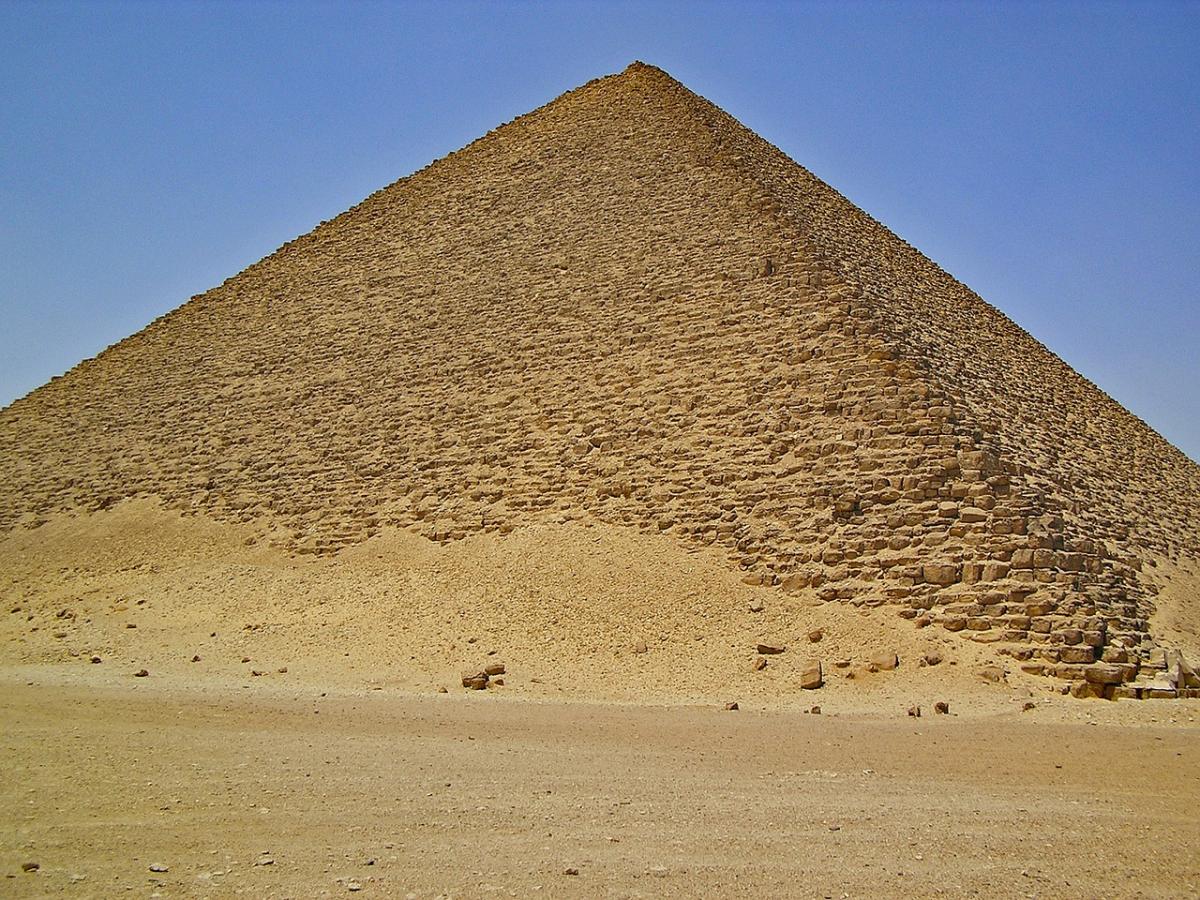
Nestled in the desert on the west bank of the Nile River, approximately 40 kilometers south of Cairo, lies the ancient royal necropolis of Dahshur. This significant archaeological site, part of the larger Memphis necropolis and a UNESCO World Heritage Site, is a testament to the architectural ingenuity...
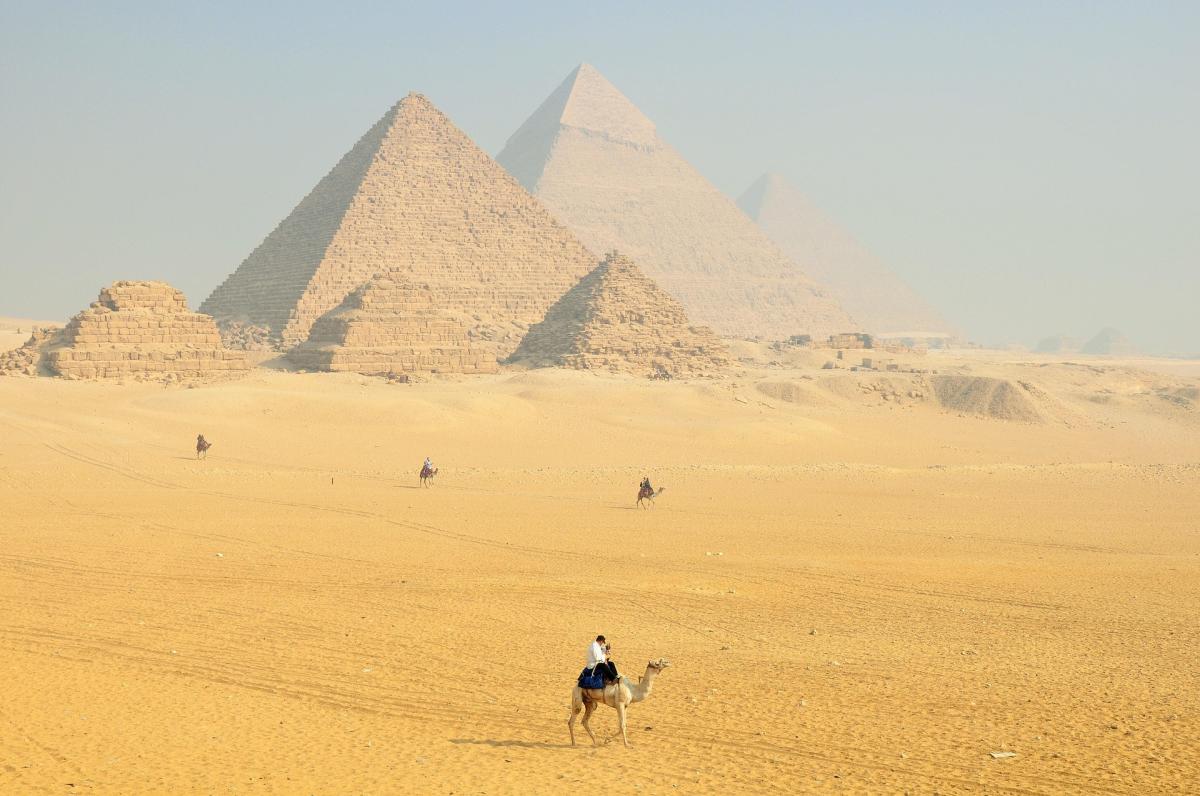
The Giza pyramid complex, a testament to human ingenuity and ambition, stands on the Giza Plateau at the edge of the Western Desert, approximately 13 km (8.1 mi) southwest of Cairos city center. These monumental structures, the last remaining of the Seven Wonders of the Ancient World, have captivated...