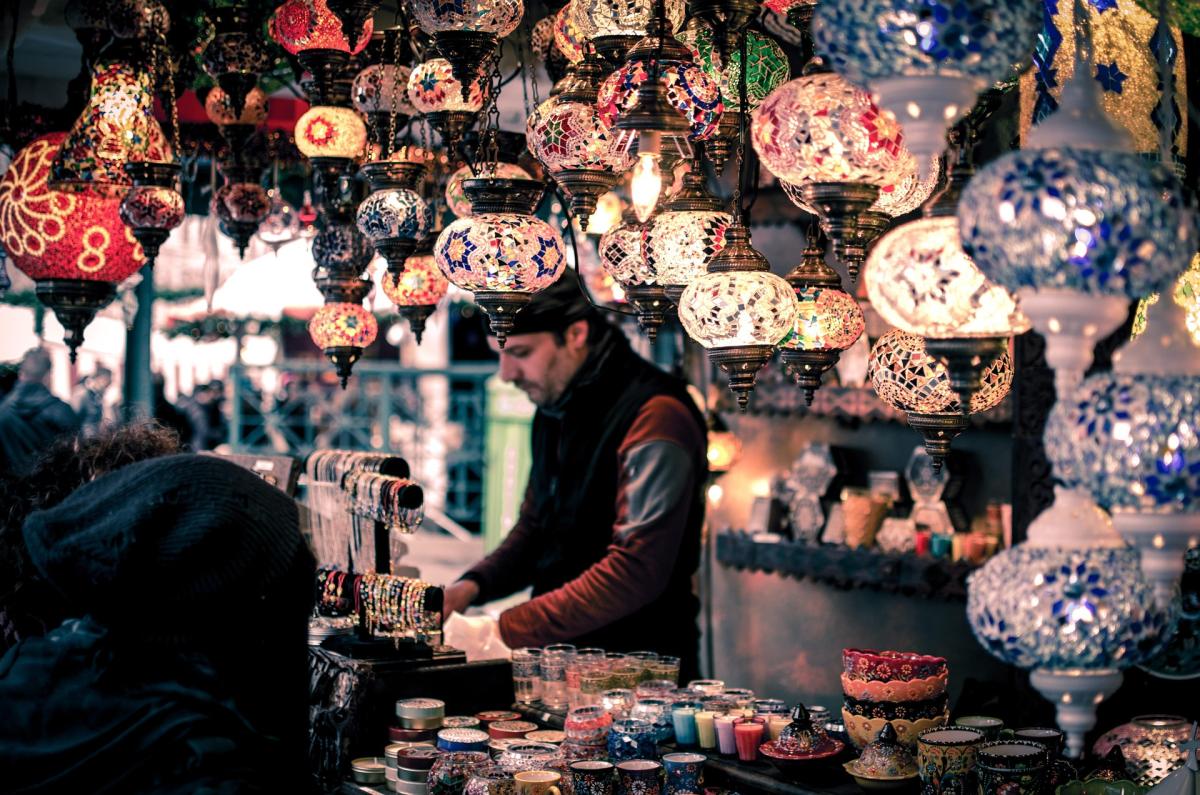
Exploring the Enchanting Khan al-Khalili Bazaar in Cairo
A journey into the heart of Cairo leads to the legendary Khan al-Khalili, a bazaar that has been the vibrant commercial and cultural soul of the city for over six centuries. This sprawling marketplace is not merely a shopping destination; it is a living museum, a labyrinth of narrow alleys that echo with the tales of traders, artisans, and centuries of Egyptian life. A visit to Khan al-Khalili is an immersive experience, a sensory feast of sights, sounds, and scents that captivates and enchants all who wander its historic lanes.
A Rich Tapestry of History
From Royal Necropolis to Mamluk Caravanserai
The story of Khan al-Khalili begins not with commerce, but with eternal rest. The site was originally the southern end of the great eastern Fatimid palace, serving as the royal necropolis for the Fatimid caliphs. This sacred burial ground, known as the "Turbat az-Za'faraan" or "Saffron Tomb," held the remains of the dynasty's rulers.
A pivotal shift occurred in the 14th century under the Mamluk Sultanate. In a move to revitalize a city ravaged by the Black Death and consolidate commercial activities, Emir Djaharks al-Khalili, the Master of the Stables, undertook a major construction project between 1382 and 1389. In a controversial act symbolizing the Mamluk succession over the Fatimids, al-Khalili had the royal tombs dismantled and the bones of the Fatimid rulers were reportedly unceremoniously discarded. On this very ground, he established a large caravanserai, or khan-an inn providing lodging, storage, and a trading post for merchants journeying from across Africa, Asia, and Europe. This foundational structure, with a courtyard surrounded by storerooms below and living quarters above, became the model for the bazaar's expansion and laid the commercial foundation for the district we know today.
Traditional Social and Economic Structure
Historically, the economic and social life of Khan al-Khalili was structured around craft-based guilds. This system was built on a master-apprentice model, where skills were passed down through generations, often within the same family.
- The Guild Hierarchy: Each guild, representing a specific trade like metalwork or spice vending, was headed by a sheikh-a master craftsman responsible for maintaining the quality of goods and the welfare of members. These guilds sometimes provided a social safety net, with funds to support members in need. Master artisans, known as ustads, were highly respected figures who embodied the moral and spiritual values of their craft, a concept influenced by Sufism. They would oversee journeymen and apprentices, guiding them from initial designs to final execution.
- Segregation of Trades: The bazaar was spatially organized by trade, a common feature of medieval Islamic cities. Different sections were dedicated to specific crafts, creating zones for goldsmiths, coppersmiths, and textile sellers. This clustering facilitated regulation and quality control by guild leaders and city officials like the muhtasib, who ensured fair trade practices. While this strict zoning has faded, distinct areas for trades like the goldsmiths' market are still discernible today.
Evolution Through Ottoman and Modern Eras
The bazaar expanded over the centuries, with subsequent rulers adding to its fabric. In the early 16th century, Sultan Qansuh al-Ghuri undertook a significant redevelopment, demolishing some of the original structures and rebuilding them in 1511 with monumental gates, creating a more formal commercial complex. During the Ottoman period (after 1517), Khan al-Khalili became a central hub for Turkish merchants and a crucial node in the empire's vast trade networks.
The 19th and 20th centuries brought profound changes, driven largely by the rise of modern tourism. This "commercialization and touristification," particularly since the mid-20th century, has altered the bazaar's authentic character.
- Shift in Goods: Many traditional workshops have been replaced by shops selling tourist-oriented souvenirs and replicas, driven by demand for lower-value, easily transportable items. Artisans now face stiff competition from cheaper, mass-produced imports, often from China.
- Social and Physical Changes: Family names on shop signs are increasingly replaced by generic English names to appeal to tourists. Many original inhabitants have been replaced by commuter shopkeepers, and residential apartments have been converted into workshops and stores. Despite this, some merchants have become sophisticated international businessmen, and many artisan workshops continue to operate, often tucked away in upper floors or courtyards.
Architectural Marvels and Timeless Design
The architecture of Khan al-Khalili is a captivating narrative of Islamic Cairo's history, retaining its medieval charm. The buildings showcase traditional Mamluk and Ottoman styles, with ornate doorways, Mamluk-style arches, and historic caravanserais. A prominent feature is the mashrabiya, intricately carved wooden screens that adorn the windows. These not only add to the aesthetic beauty but also serve a practical purpose, providing shade and allowing for air circulation in the warm Egyptian climate. The market's structure, a maze of narrow, winding streets that open into small courtyards, invites exploration and discovery at every turn.
A Muse for Writers and Artists
The bazaar's unique atmosphere has made it a powerful source of inspiration for creatives. Its chaotic energy and historic setting have provided fertile ground for celebrated works of literature, art, and cinema.
In Literature: The most prominent literary depiction comes from Nobel laureate Naguib Mahfouz. His 1945 novel, Khan al-Khalili, portrays a family that moves to the district during World War II, exploring themes of tradition versus modernity. He further immortalized the area in his 1947 novel Midaq Alley, set in a small alley within the district. Other writers influenced by the area include Gamal al-Ghitani, who worked in the bazaar as a young man, and international authors like Neal Stephenson, who set parts of his novel The Confusion in a Khan al-Khalili caravanserai.
In Art and Cinema: The visual splendor of the market attracted 19th-century "Orientalist" painters. British artist John Frederick Lewis, who lived in Cairo, produced masterpieces like "The Bezestein Bazaar of El Khan Khalil, Cairo" (1872), capturing the intricate dance of daily life. Other notable works include Edward Angelo Goodall's "Coppersmiths Market in Cairo" (c. 1871) and the detailed lithographs of Cairo's markets by Scottish painter David Roberts. In cinema, the bazaar's atmospheric alleys served as a ready-made set for the 1967 film Khan El Khalili, a direct adaptation of Mahfouz's novel.
The Artisan's Hand: A Legacy of Traditional Craftsmanship
Khan al-Khalili is a living museum of traditional Egyptian craftsmanship, where skills have been passed down through generations. This knowledge transfer typically occurs within families or through formal apprenticeships with a master artisan. While mass-produced goods pose a threat, dedicated artisans continue to practice their ancestral trades.
Jewelry and Metalwork: The goldsmiths' souk glitters with intricate gold and silver jewelry, including cartouches with hieroglyphic engravings. The air also rings with the sound of coppersmiths crafting beautiful brass and copper lanterns (fawanees), trays, and decorative plates. The traditional process for making lanterns involves marking a design on a sheet of tinplate or brass, cutting the components, and carefully assembling the frame before installing glass, which may be decorated by a calligrapher. This craft is now under threat from cheaper, mass-produced imports.
Inlaid Wooden Boxes: This art has ancient roots, dating back to the Pharaonic period and flourishing during the Islamic era with geometric and arabesque patterns. Artisans select a wooden base (often beech or walnut), meticulously carve intricate patterns, and then carefully fit in tiny, hand-shaped pieces of mother-of-pearl, bone, or colored woods. The piece is then sanded and polished to a lustrous finish.
Spices and Perfumes: The spice market is a feast for the senses, with pyramids of saffron, turmeric, and cumin filling the air with exotic fragrances. Nearby, perfumeries continue Egypt's ancient legacy of fragrance making, which dates back millennia. The art lies in blending essential oils extracted from flowers and plants like lotus, jasmine, and myrrh, using techniques influenced by ancient methods like steam distillation and enfleurage. This deep knowledge of ingredients is often a closely guarded family secret.
Textiles and Leather Goods: The bazaar is a great place to find high-quality Egyptian cotton, colorful scarves, and traditional galabeya robes. A variety of leather goods, from handbags to traditional slippers, are also available.
The Woven Stories of Khayamiya
A short walk from the main bazaar is the "Street of the Tentmakers" (Shari'a al-Khayamiya), the historic center for the unique Egyptian textile art of Khayamiya.
Historical Origins: The term Khayamiya derives from the Arabic word for tent, khayma. This decorative appliqué art is believed to have Pharaonic origins and reached its zenith during the Mamluk era. Historically, these large, vibrant textile panels were used to create the interior linings of ceremonial tent pavilions for weddings, funerals, and festivals.
Techniques and Motifs: Khayamiya is an appliqué technique where small pieces of colored cotton fabric are hand-stitched onto a heavy cotton canvas backing. Artisans first draw a design on paper, perforate it to create a stencil, and then use powder to transfer the pattern onto the canvas. The rich motifs include intricate Arabesque patterns, Pharaonic scenes, folkloric tales (like those of Goha), and elegant calligraphy.
Current State: Today, the art of Khayamiya is endangered. The demand for ceremonial tents has waned, and the market is flooded with cheap, machine-printed imitations. The number of skilled tentmakers has dwindled from over a thousand to just a few dozen. In response, artisans have adapted by creating smaller items like cushion covers and wall hangings for the tourist market, though the industry remains fragile.
Notable Landmarks and Cultural Hubs
Beyond the shops, Khan al-Khalili and its surroundings are home to several important historical and cultural landmarks that serve as the spiritual and social anchors of the district.
Al-Hussein Mosque: A Beacon of Faith
The Al-Hussein Mosque, standing majestically near the bazaar, is one of Egypt's most revered Islamic sites and a spiritual anchor to the bustling commercial activity.
- Architectural History: The mosque's origins trace back to 1154 CE during the Fatimid Caliphate. The current building was largely reconstructed in 1874 under Khedive Isma'il, who created a captivating blend of Gothic Revival architecture with traditional Ottoman-style minarets.
- The Sacred Relics: The mosque's profound spiritual importance comes from the belief that it houses the head of Imam Hussein, the grandson of the Prophet Muhammad, making it a major pilgrimage site. It is also said to house artifacts attributed to the Prophet Muhammad himself.
- Symbiotic Relationship with the Bazaar: The mosque and the bazaar share a deeply symbiotic relationship, with the constant flow of worshippers fueling the market's commercial and social rhythms. This connection is especially palpable during religious festivals like Ramadan and Ashura.
El Fishawy Cafe: A Time Capsule of Cairene Society
Tucked away in a narrow alley, El Fishawy Cafe is a legendary coffeehouse that has served as Cairo's living room for over two centuries.
- Founding and Decor: Established around 1771 or 1797, the cafe is renowned for its large, ornate mirrors, dark wood paneling (mashrabiya), and antique furniture, creating a rich, historic ambiance.
- An Intellectual and Artistic Hub: It was a vital meeting place for Cairo's intellectual elite, most famously Nobel laureate Naguib Mahfouz, who wrote parts of his novels here.
- Modern Role: Now an international landmark, the cafe remains open 24/7, serving a diverse clientele of locals and tourists traditional mint tea, strong coffee, and shisha (water pipe).
Al-Muizz Street: An Open-Air Museum
Khan al-Khalili is geographically and culturally inseparable from Al-Muizz li-Din Allah Street, the central artery of medieval Cairo. This one-kilometer-long thoroughfare is a UNESCO World Heritage site often described as the world's largest open-air museum of Islamic architecture, with the highest concentration of medieval architectural treasures in the Islamic world. The street's grandeur provides a breathtaking historical backdrop to the bazaar. Key landmarks include:
- Bab al-Futuh and Bab Zuweila: Monumental 11th-century gates that mark the northern and southern ends of the old Fatimid city walls.
- Al-Hakim Mosque (1013): A massive and imposing Fatimid-era mosque known for its unique minarets.
- Al-Aqmar Mosque (1125): A small but architecturally significant Fatimid mosque, one of the earliest with a decorated stone facade.
- The Qalawun Complex (1284-1285): A massive Mamluk complex that included a renowned hospital (maristan), a madrasa, and a mausoleum with a stunning interior.
- Madrasa of Sultan al-Nasir Muhammad (1304) & Complex of Sultan Barquq (1386): Exquisite examples of Mamluk architecture celebrated for their intricate stone and marble work.
- Sabil-Kuttab of Abd al-Rahman Katkhuda (1744): An ornate Ottoman-era public water fountain (sabil) combined with a Quranic school (kuttab).
- Bayt al-Suhaymi (1648-1796): A beautifully preserved Ottoman-era house offering a glimpse into the domestic life of wealthy Cairenes.
- The Ghuriya Complex (1503-1505): A dramatic Mamluk complex with a madrasa and mausoleum straddling the street.
A Culinary Guide to Khan al-Khalili
No visit is complete without indulging in the area's rich culinary offerings, from quick street food to leisurely meals in historic cafes.
Must-Try Street Food and Snacks
- Koshari: Considered Egypt's national dish, this is a hearty mix of rice, lentils, pasta, and chickpeas, topped with spicy tomato sauce and crispy fried onions.
- Hawawshi: A savory dish of spiced minced meat baked inside a traditional flatbread (baladi bread) until crispy.
- Ta'amiya (Falafel): The Egyptian version of falafel, made from fava beans, which gives it a distinct green hue and flavor.
- Shawarma: Thinly sliced marinated meat (chicken or lamb) cooked on a rotating spit and served in bread.
- Street Snacks: Look for vendors selling roasted sweet potatoes, peanuts, and termes (lupin beans).
Traditional Meals and Restaurants
- El Dahhan: A no-frills local favorite in the square overlooking Al-Hussein Mosque, renowned for its authentic grilled kebab and kofta.
- Naguib Mahfouz Cafe: An upscale establishment run by the Oberoi group since 1989, offering a refined atmosphere with traditional decor, live music, and a menu of Egyptian classics like stuffed pigeon and hawawshi.
- Zeeyara Restaurant: A modern take on Egyptian cuisine with rooftop seating offering views of the bazaar and a menu featuring classics like molokhia.
- Om Dahab: A hidden, family-run kitchen known for its homestyle fattah (a dish of rice, bread, and meat), stuffed pigeon, and mahshi (stuffed vegetables).
Historic Cafes and Quintessential Beverages
- El Fishawy Cafe: Cairo's most famous coffeehouse, perfect for people-watching while enjoying traditional beverages.
- Mint Tea (Shai bil Nana): Strong black tea served with fresh mint sprigs is a staple.
- Turkish Coffee (Ahwa): Strong coffee that can be ordered sweet (zeeyaada), medium (mazboota), or without sugar (saada).
- Karkade: A refreshing, deep-red hibiscus tea that can be served hot or cold.
- Sahlab: A warm, creamy milk-based drink topped with nuts and raisins, popular on cooler evenings.
- Fresh Juices: Numerous stands offer refreshing sugarcane juice (asab), mango, and lemon with mint (limoon bil-na'na').
Comprehensive Visitor's Guide
A visit to Khan al-Khalili is a sensory overload and an essential Cairo experience. To navigate its vibrant chaos with confidence and respect, here is a guide covering etiquette, haggling, and safety.
Practical Information
- Location: Khan al-Khalili is located in the heart of Islamic Cairo, a UNESCO World Heritage site.
- Getting There: The bazaar is accessible by taxi or ride-sharing services like Uber and Careem, which are considered safe and reliable options. The closest metro station is Bab El Shaariya.
- Opening Hours: Most shops are open from around 9:00 AM until late, though many are closed on Friday mornings for prayers. El Fishawy Cafe is notably open 24/7.
- Best Time to Visit: To avoid the largest crowds and midday heat, visit on a weekday morning or in the late afternoon. The evenings are particularly atmospheric when the lanterns are lit.
Cultural Etiquette
- Dress Modestly: As Egypt is a conservative country, it is advisable for both men and women to cover their shoulders and knees. Women may find that loose-fitting clothing helps avoid unwanted attention, and a scarf is necessary for entering mosques.
- Polite Interactions: A friendly "Ahlan wa sahlan" (welcome) will be warmly received. To decline an offer, a polite but firm "la, shukran" (no, thank you) is effective.
- Photography: Always ask for permission before taking photos of people, especially shopkeepers, artisans, women, and children.
- Right Hand Usage: In Egyptian culture, the left hand is considered unclean. Use your right hand for shaking hands, handling money, and eating.
- Public Affection: Keep public displays of affection to a minimum out of respect for local customs.
The Art of Haggling
Bargaining is an integral and expected part of the shopping experience. Treat it as a friendly social interaction, not a battle.
- Do Your Research: Before buying, check prices for similar items in a few different shops to get a sense of the cost.
- Let the Vendor Start: Politely insist that the seller gives you a price first.
- Start Low: A common strategy is to counter with an offer that is 30-50% of the initial asking price and negotiate from there.
- Be Patient and Polite: Maintain a friendly, good-natured attitude. If you can't agree on a price, be prepared to politely walk away; the vendor will often call you back with a better offer.
- Haggle Only if You Intend to Buy: Engaging in lengthy negotiations without the intent to purchase is considered rude.
- Use Cash: Carry small bills in Egyptian Pounds (EGP) for easier transactions.
Safety, Security, and Scams
Khan al-Khalili is generally safe, with a visible tourist police presence, but like any crowded area, it's wise to be cautious.
- Be Aware of Your Surroundings: Keep valuables in a secure bag or money belt and be mindful of your belongings to avoid pickpockets. Avoid flashing large amounts of cash or expensive items.
- For Solo and Female Travelers: Unwanted attention or harassment can be an issue. It is often best to be firm, ignore verbal comments, and walk away with confidence. A firm "La!" can also be effective. Consider hiring a guide or joining a tour for your first visit. Avoid walking alone in deserted alleys after dark.
- Avoiding Common Scams:
- Unsolicited "Help": Be wary of strangers offering "free" gifts or unsolicited help, as they often lead to a demand for money or a commission-based sale. A polite but firm "no, thank you" is the best response.
- Fake Guides: Only use licensed tour guides and ask to see their official identification.
- Price Ambiguity: Always confirm the price before agreeing to a purchase or service. Carefully check your bill for unexpected charges.
Summary
Khan al-Khalili is an enchanting and essential destination for any visitor to Cairo. Its rich history, beginning as a Fatimid royal necropolis and transformed into a Mamluk caravanserai in the 14th century, offers a captivating glimpse into the heart of Egypt. The bazaar's traditional social fabric was historically woven by craft-based guilds and a master-apprentice system that ensured the preservation of generational skills. Today, it is anchored by iconic institutions like the Al-Hussein Mosque, a spiritual beacon of profound religious significance , and El Fishawy Cafe, a timeless social hub that served as a muse for intellectuals like Nobel laureate Naguib Mahfouz. The bazaar's experience is inseparable from the adjacent Al-Muizz Street, an open-air museum lined with magnificent Islamic architectural treasures from the Fatimid to Ottoman eras. Khan al-Khalili remains a treasure trove of traditional crafts, from glittering metal lanterns to the endangered art of Khayamiya (tentmaking). This guide provides a comprehensive overview for the modern traveler, detailing the bazaar's evolution due to tourism, a full culinary guide to its street food and restaurants, cultural etiquette, the art of friendly haggling, and crucial safety tips to ensure a secure visit. By being an informed and respectful visitor, you can fully immerse yourself in the unforgettable experience that is Khan al-Khalili-a journey back in time and a celebration of Egypt's enduring cultural heritage.
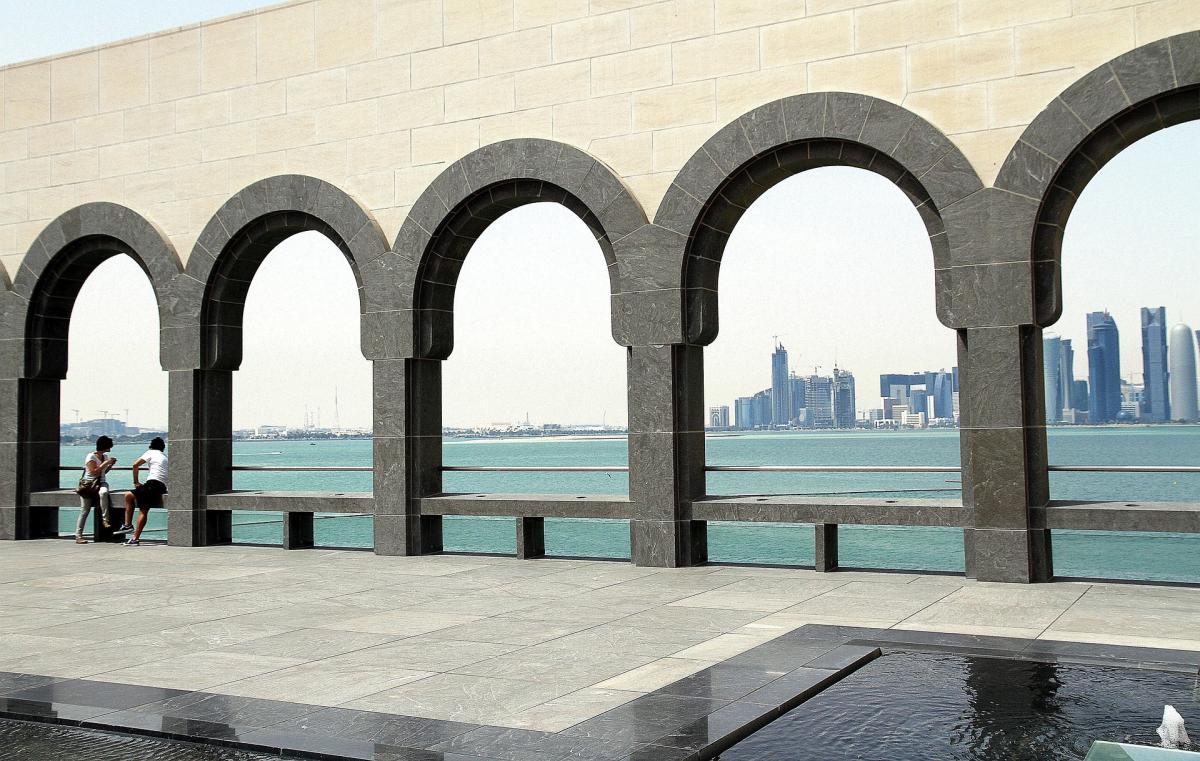
Nestled in the heart of historic Cairo, the Museum of Islamic Art (MIA) stands as a testament to the rich and diverse artistic heritage of the Islamic world. Considered the largest museum of its kind globally, it houses an unparalleled collection of over 100,000 artifacts that span more than 1,200 years...
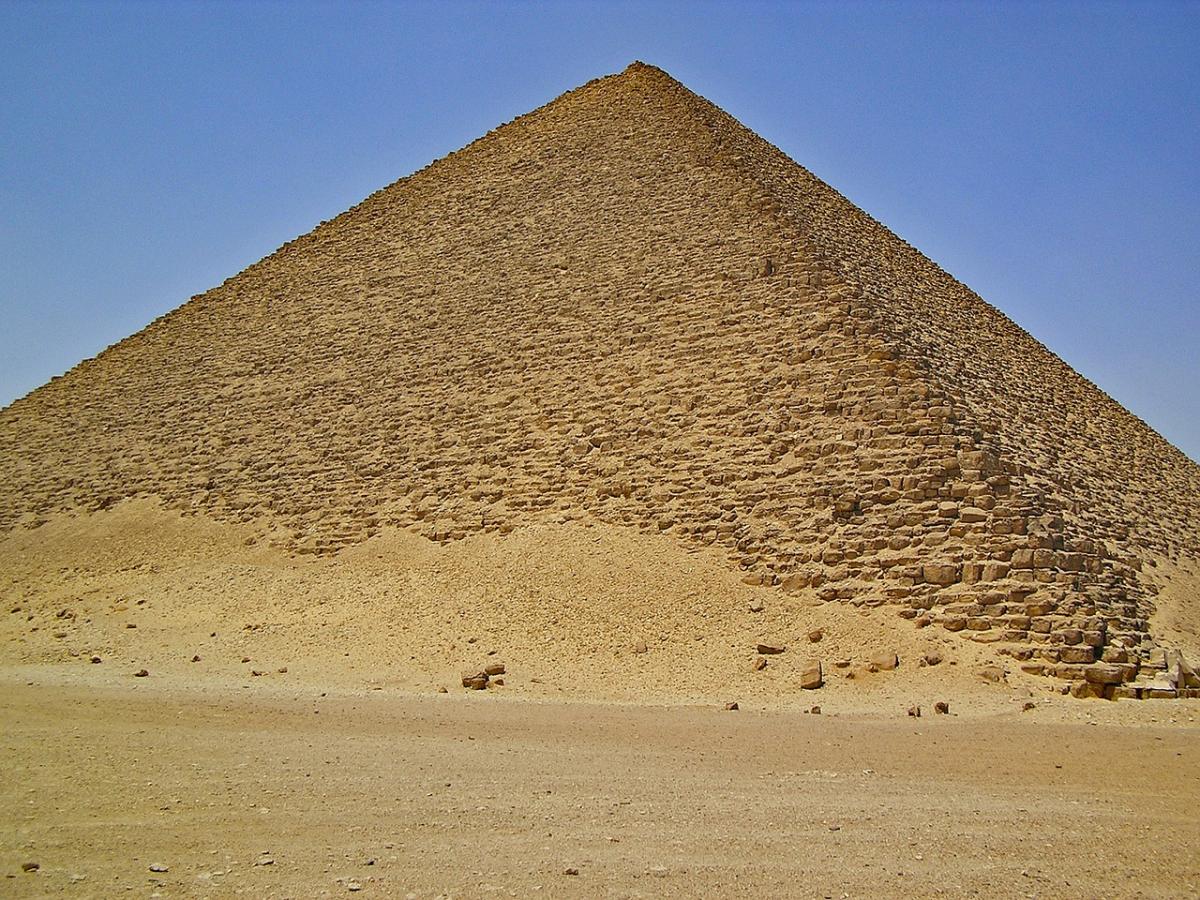
Nestled in the desert on the west bank of the Nile River, approximately 40 kilometers south of Cairo, lies the ancient royal necropolis of Dahshur. This significant archaeological site, part of the larger Memphis necropolis and a UNESCO World Heritage Site, is a testament to the architectural ingenuity...
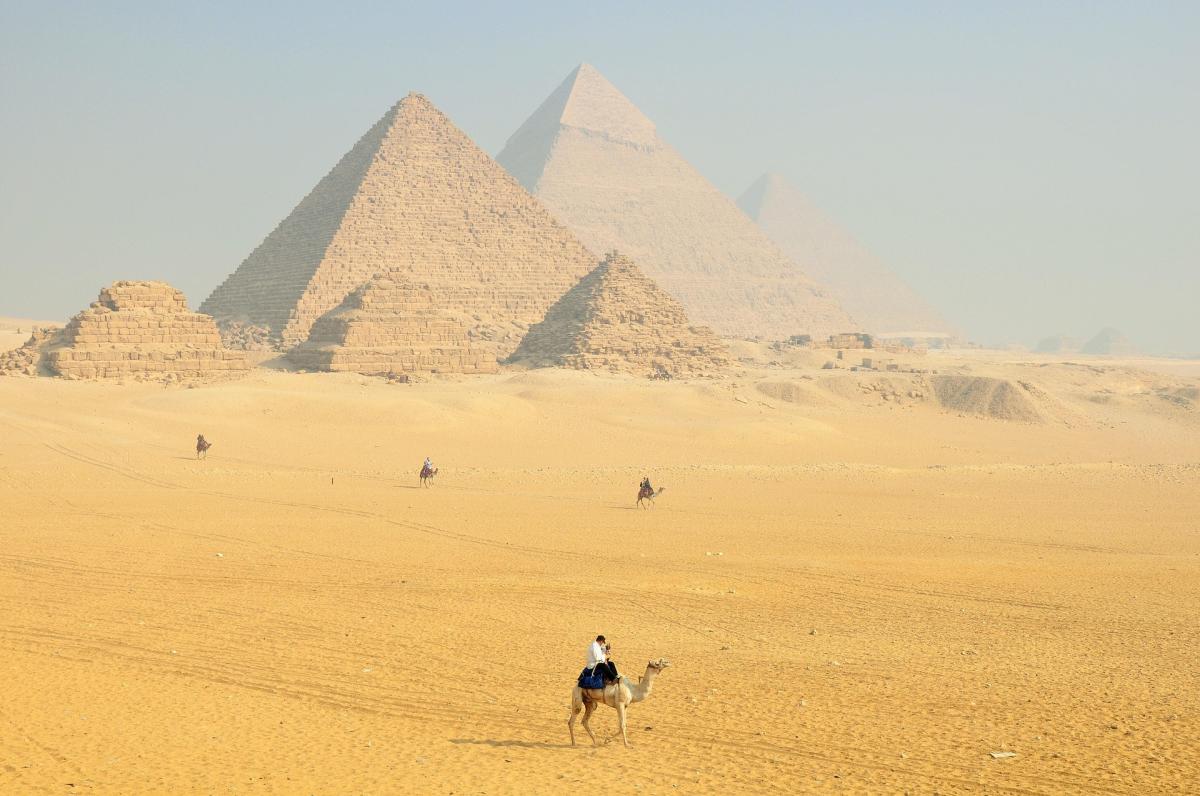
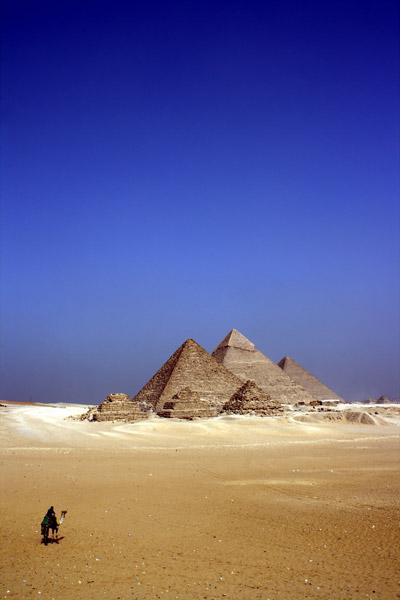
The Giza pyramid complex, a testament to human ingenuity and ambition, stands on the Giza Plateau at the edge of the Western Desert, approximately 13 km (8.1 mi) southwest of Cairos city center. These monumental structures, the last remaining of the Seven Wonders of the Ancient World, have captivated...