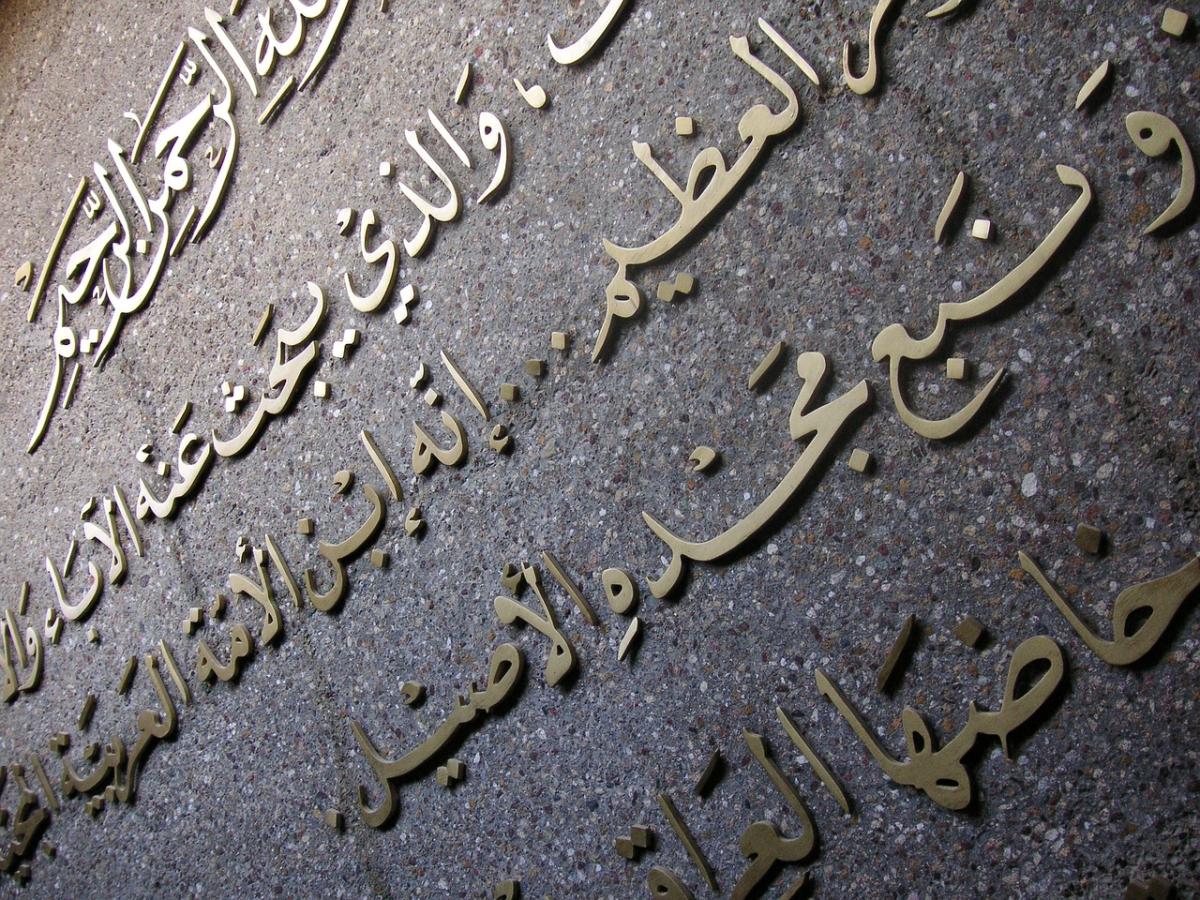
Learn Egyptian Arabic in Cairo: The Ultimate Beginners Guide (Schools, Culture & Living Tips)
Welcome to Cairo, a city that is as rich in history and culture as it is in the vibrant sounds of the Arabic language . This guide is designed to be your friendly companion as you embark on the exciting journey of learning Arabic and immersing yourself in the local Cairene culture.
Understanding the Language Landscape
Before you dive into your language-learning journey, it's important to understand the different forms of Arabic you'll encounter .
Modern Standard Arabic (MSA) vs. Egyptian Colloquial Arabic (ECA)
- Modern Standard Arabic (MSA): This is the formal version of Arabic used in literature, news broadcasts, and official documents across the Arab world . While it's a good foundation for understanding the basics of the language, you won't hear it spoken in everyday conversations in Cairo .
- Egyptian Colloquial Arabic (ECA) or "Masri": This is the dialect spoken by over 100 million Egyptians in their daily lives . It's the language of the streets, markets, movies, and music . For anyone looking to communicate and connect with locals in Cairo, learning ECA is essential . It's known for being widely understood across the Arab world due to Egypt's influential media and entertainment industry .
For a beginner in Cairo, focusing on Egyptian Colloquial Arabic will be the most practical and rewarding approach for day-to-day interactions .
The Linguistic Tapestry of Egyptian Arabic
The modern Egyptian dialect is a vibrant cocktail of languages, shaped by centuries of history and cultural exchange . While its foundation is Arabic, which arrived in the seventh century, it retains a unique character due to several key influences .
- Coptic Influence: Coptic, the final stage of the ancient Egyptian language, has left a significant mark, particularly in the grammatical structure of Egyptian Arabic . For instance, the placement of demonstrative adjectives after the noun (e.g., "the man this" - el-ragel da) is a feature inherited from Coptic grammar . Some vocabulary, especially informal terms like "embu" for water, also has Coptic roots .
- Turkish Influence: Due to centuries of Ottoman rule, Turkish has contributed a noticeable number of words to the Egyptian lexicon . Many Turkish loanwords are integrated into daily conversation, including titles like pasha and bek . Other common words include oda (room) and kubri (bridge) . The suffix "-gi" to denote a profession, as in sofragi (waiter), is also a Turkish borrowing .
- French Influence: The French occupation at the end of the 18th century and a historical affinity for French culture among the Egyptian elite led to the adoption of numerous French words . Words like asansör (elevator, from ascenseur), makiyag (makeup, from maquillage), and car-related terms like direksion (steering wheel, from direction) are commonly used .
- Other European Languages: Italian and Greek have also enriched the dialect, especially with terms related to food and domestic life . For example, fattura (receipt) and gamberi (shrimp) are of Italian origin, while tarabeza (table) comes from the Greek trapeza .
Learning Arabic in Cairo
Cairo is a fantastic place to learn Arabic, with a wide range of options to suit different learning styles and goals. Here's a closer look at some of the most prominent institutions.
A Closer Look at Prominent Language Schools
The American University in Cairo (AUC) - Arabic Language Institute (ALI)Known for its academic rigor, ALI is a prestigious center offering a comprehensive and immersive university-level experience .
- Teaching Philosophy & Environment: The institute provides a full immersion into both Arabic language and culture, emphasizing communicative competence within a critical thinking framework . The workload is famously heavy, but students report significant improvement in their language skills .
- Programs & Curriculum: ALI offers intensive, credit-bearing programs like the full-semester Arabic Language Intensive Program (ALIN) and an intensive summer session (ALIS) . The ALIN program involves 20 to 25 contact hours per week for 12 to 15 transferable credits . The curriculum is content-based, using authentic materials like media and literature, and accommodates all proficiency levels .
- MSA vs. ECA Balance: Courses in both MSA and ECA are offered simultaneously . The primary focus is on MSA (15-20 hours/week), with ECA typically offered as a separate 5-hour per week course . The goal is to develop strong competence in both forms of the language .
- Cultural Immersion: Cultural integration is a core component of the ALI experience . The institute organizes a wide array of subsidized trips to historical sites in Cairo (Pyramids, Khan El Khalili) and longer excursions to Alexandria, Luxor, and Aswan . Students also benefit from a language exchange partner program, cooking sessions, and Arabic music classes .
International House Cairo (IH Cairo)As part of a global network, IH Cairo emphasizes high-quality, structured instruction with modern teaching methods in a supportive environment .
- Teaching Philosophy & Environment: The school's approach is student-centered, aiming to help learners build confidence quickly in a positive and enjoyable setting . All teachers are TAFL (Teaching Arabic as a Foreign Language) certified .
- Programs & Curriculum: IH Cairo offers a diverse range of courses, including separate MSA and ECA classes, a Combined MSA & ECA course, Survival Egyptian Arabic (SEA), and private tutoring . The curriculum is well-structured, using acclaimed textbooks like "Al-Kitaab" and "Kallimni Arabi," and is often topic-based to reinforce learning across all four language skills .
- MSA vs. ECA Balance: The school offers great flexibility . Students can focus on one dialect or choose the popular combined course, where MSA lessons focus on written language and ECA lessons prioritize practical communication for everyday situations .
- Cultural Immersion: Located in the bustling Dokki neighborhood, the school provides easy access to cultural sites and organizes evening seminars and day trips to help students practice their skills in real-world settings .
Ahlan WorldAhlan World operates with the distinct philosophy that language is a bridge to cultural understanding, fostering a warm, "family atmosphere" .
- Teaching Philosophy & Environment: The school views language not just as a goal, but as a "tool that enables and encourages greater understanding between cultures" . There is a strong emphasis on practicing Arabic outside the classroom in natural, relaxed settings .
- Programs & Curriculum: Courses are offered in MSA (standard and intensive) and ECA, with a unique "Ahlan Linguist Package" that combines both . The curriculum, divided into eight proficiency levels, incorporates media like music and films for cultural context . The school advises absolute beginners against taking MSA and ECA courses at the same time to build a strong foundation first .
- MSA vs. ECA Balance: Students can study MSA or ECA individually or combine them in the "Linguist Package" .
- Cultural Immersion: This is a cornerstone of the Ahlan experience. Located in historic Islamic Cairo, the school organizes frequent excursions, weekend trips, language exchanges with local students, seminars, and even volunteering opportunities .
Arab AcademyRecognized for its flexible and customized programs, Arab Academy uses a modern, blended learning approach that combines traditional instruction with digital tools .
- Teaching Philosophy & Environment: The academy's mission is to "bridge gaps between people and cultures through education" by transforming "learning into living" . It keeps class sizes small (maximum of six students) to ensure personalized attention .
- Programs & Curriculum: The academy offers intensive and part-time options for MSA and ECA, plus specialized courses in media and business Arabic . The curriculum is based on ACTFL proficiency guidelines and uses a blended model with online tools to reinforce learning .
- MSA vs. ECA Balance: Students can choose to study MSA, ECA, or a combination, with the option to tailor programs to their interests . The academy often recommends that beginners start with ECA due to its wide comprehension across the Arab world .
- Cultural Immersion: The academy extends learning "beyond textbooks" by immersing students in Egyptian life through guided cultural outings, hands-on activities like cooking and calligraphy classes, and guest lectures .
Other University Programs and Learning Options
- Cairo University: The Center of Arabic Language and Culture at Cairo University also offers a variety of courses for foreigners, including MSA, Egyptian dialect, and specialized courses in media, literature, and culture.
- Private Tutors and Language Exchange: For a more personalized learning experience, hiring a private tutor can be an excellent option. This allows for a flexible schedule and lessons tailored to your specific needs. Another fantastic way to practice your speaking skills is through a language exchange program, which can be found through universities or local cafes, providing a great opportunity to make new friends .
Finding a Home in Cairo
For students and expats, neighborhoods like the central, upscale island of Zamalek or the greener, more suburban Maadi are popular choices due to their amenities and international communities .
The Search Process
- Online Portals: Websites like Property Finder Egypt, OLX (now dubizzle), and Bayut are primary resources for apartment listings with photos and descriptions . Airbnb can also be a good starting point for short-term or long-term stays .
- Real Estate Agents: A licensed real estate agent can be very helpful, especially for navigating the local market and legal processes . They typically charge a commission equivalent to one month's rent .
- Social Media & Word of Mouth: Facebook groups like "Expats in Cairo" are active platforms with daily listings . Don't underestimate traditional methods; asking friends, colleagues, and especially the building's bawaab (doorman) can lead to great finds .
The Rental Process
- Lease Agreements: A formal, written contract is essential . It's highly advisable to get a bilingual (Arabic-English) lease and have it reviewed by a trusted translator or lawyer, as the Arabic version usually prevails in a dispute . The contract should detail the rent, lease duration (typically one year), security deposit (one or two months' rent), and utility responsibilities .
- Negotiation: Rent prices are often negotiable, especially for longer stays . Be sure to negotiate any needed repairs before signing .
- Costs and Requirements: Furnished apartments in Zamalek and Maadi can range from 5,000 to 15,000 EGP per month . Landlords may require a passport, visa, or residency permit . Note that foreigners may sometimes be quoted higher prices than locals . Upon moving in, tenants are required to register with the local police within a week .
Essential Egyptian Arabic Phrases for Daily Life
Arming yourself with a few key phrases in Egyptian Colloquial Arabic will go a long way.
Greetings and Politeness
- Hello/Welcome: Ahlan wa sahlan (أهلاً وسهلاً)
- Peace be upon you: As-salamu alaykum (السلام علیکم)
- Response: Wa alaykum as-salam (وعلیکم السلام)
- Good morning: Sabah el-kheir (صباح الخیر)
- Response: Sabah el-nour (صباح النور)
- How are you? (to a man): Izzayak? (إزیک؟)
- How are you? (to a woman): Izzayik? (إزیکِ؟)
- I'm good, thank God: Kwayyis, alhamdulillah (کویس، الحمد لله)
- Thank you: Shukran (شکراً)
- No, thank you: La, shukran (لا شکرا)
- You're welcome: Afwan (عفواً)
- Please (to a man): Min fadlak (من فضلک)
- Please (to a woman): Min fadlik (من فضلک)
- Yes: Aywa (أیوه)
- No: La' (لا)
- Goodbye: Ma'a as-salama (مع السلامة)
- Bless your hands (a compliment to the cook): Tislam eedak/eedik (تسلم إیدک)
Basic Questions and Shopping
- What's your name? (to a man): Ismak eh? (إسمک إیه؟)
- What's your name? (to a woman): Ismik eh? (إسمک إیه؟)
- How much is this?: Bikam da? (بکام ده؟)
- Where is...?: Fein...? (فین...؟)
- I want... (man speaking): Ana aayiz... (أنا عایز...)
- I want... (woman speaking): Ana aayza... (أنا عایزة...)
- Let's go: Yalla beena (یلا بینا)
Numbers 1-10
- Wahed (واحد)
- Itnein (إتنین)
- Talata (تلاتة)
- Arba'a (أربعة)
- Khamsa (خمسة)
- Sitta (ستة)
- Sab'a (سبعة)
- Tamanya (تمانیة)
- Tis'a (تسعة)
- Ashara (عشرة)
Navigating Cairene Culture: A Beginner's Guide
Understanding local customs will enrich your experience and help you connect more deeply with the people of Cairo.
The 'Bawaab': More Than Just a Doorman
The bawaab (doorman or gatekeeper) is an integral and multifaceted figure in Egyptian urban life . Their role extends far beyond simply opening the door.
- Roles and Responsibilities: A bawaab's duties are extensive . They provide security by monitoring the building's entrance, act as a superintendent handling maintenance and cleaning, and can run errands like buying groceries or washing cars for a fee . They also often mediate between tenants and the landlord .
- Cultural Significance: The bawaab is a "fixture of Cairene city life" . Many come from Upper Egypt and bring a more traditional sensibility, sometimes acting as informal enforcers of social mores . Building a good relationship with your bawaab is crucial for a smooth living experience . They are typically paid a salary by residents, and it is customary to tip them for extra services and give bonuses during major holidays .
Social and Dining Etiquette
Hospitality is a cornerstone of Egyptian culture, and sharing a meal is a significant social ritual .
- Greetings: A simple "As-salamu alaykum" is a respectful way to initiate a conversation . Handshakes are common between people of the same gender; a woman should extend her hand first if she wishes to shake hands with a man .
- Invitations to a Home: If invited for a meal, it is acceptable and often expected to arrive about 30 minutes late . It is customary to bring a small gift, such as good quality chocolates or pastries . Avoid bringing flowers, as they are often reserved for weddings or visiting the sick .
- At the Table: Always use your right hand for eating, passing dishes, or touching communal food, as the left hand is considered unclean . Wait for the host to show you where to sit, and do not begin eating until the oldest male has been served and has started .
- Eating and Compliments: Expect a lavish spread of food . It is polite to try a bit of everything and to accept second helpings as a compliment to the host . Always compliment the cook on the meal . Leaving a small amount of food on your plate at the end can signal that you are satisfied and have been well-fed .
- Respectful Gestures: Avoid crossing your legs in a way that the sole of your foot points at someone, as this is considered impolite . Public displays of affection are generally frowned upon and should be avoided .
General Dress Code
Egypt is a predominantly Muslim country, and dressing modestly is a sign of respect .
- For Women: Wear loose-fitting clothing that covers the shoulders, chest, and knees . Carrying a scarf is always a good idea, as you will need it to cover your hair when visiting mosques .
- For Men: Long pants and shirts are generally recommended . Shorts should be avoided, especially when entering religious sites .
Tipping (Baksheesh)
Tipping, known as baksheesh, is an integral part of the culture and is expected for almost every service . Keep small Egyptian Pound notes (5, 10, 20 EGP) handy . A tip of 10-15% is customary in restaurants .
Bargaining in the Souqs
Haggling is a part of the shopping experience in Egypt's markets (souqs) . Always be polite and patient . A common tactic is to offer about half of the initial asking price and negotiate from there. Be prepared to politely walk away if you can't agree on a price; often, the vendor will call you back with a better offer.
A Taste of Cairo: Food and Drink
Egyptian cuisine is a flavorful tapestry of dishes reflecting the country's rich history .
A Typical Day of Meals
- Breakfast (Futoor): A typical Egyptian breakfast is a substantial, savory affair designed to provide energy for the day . It often features Ful Medames (slow-cooked fava beans) and Ta'ameya (Egyptian falafel made from fava beans), served with fresh Aish Baladi (whole wheat flatbread), white cheese with tomatoes, pickles, and eggs, sometimes cooked with basturma (cured beef) .
- Lunch (Ghada): Traditionally the main meal of the day, lunch is usually eaten in the mid-afternoon, between 2:00 PM and 5:00 PM . It's often substantial and can consist of a protein like grilled chicken or fish, served with rice, vegetables, and salads . Classic lunch dishes include Fatta (a celebratory dish with layers of rice, bread, and meat in a tomato or vinegar sauce) and Molokhia (a green soup made from jute leaves, often served with rice and chicken or rabbit) .
- Dinner (Asha): Dinner is a lighter meal, typically eaten later in the evening, between 9:00 PM and 11:00 PM . It might consist of yogurt, cheese, bread, or leftovers from lunch .
Iconic Dishes and Street Foods
- Koshary: Considered Egypt's national dish, this is a hearty and affordable vegetarian mix of rice, lentils, pasta, and chickpeas, topped with a tangy tomato sauce and crispy fried onions .
- Ta'ameya: The Egyptian version of falafel, made from crushed fava beans instead of chickpeas, deep-fried and served in warm pita bread with tahini .
- Hawawshi: A savory meat pie where spiced minced meat is stuffed inside a whole loaf of bread and baked until crispy .
- Shawarma: A popular "on the go" meal of thinly sliced, marinated beef or chicken cooked on a vertical spit and served in a wrap .
- Kebab and Kofta: A cornerstone of Egyptian grilling, kebabs are skewers of marinated lamb or beef, while kofta is spiced minced meat grilled on a skewer .
- Feteer Meshaltet: A flaky, layered pastry that can be enjoyed sweet with honey or savory with cheese .
Traditional Drinks
- Karkade: A vibrant red hibiscus tea that is a national favorite and can be served hot or cold .
- Asab (Sugarcane Juice): A popular and sweet street-side refreshment, freshly pressed from sugarcane stalks .
- Sahlab: A warm, creamy drink made from orchid root powder, milk, and sugar, often garnished with nuts and cinnamon, perfect for cooler evenings .
- Sobia: A creamy, sweet beverage made from rice, coconut milk, and sugar, especially popular during Ramadan .
- Tamarind Juice (Tamr Hindi): A tangy and refreshing drink made from tamarind pulp .
Getting Around and Staying Safe in Cairo
While Cairo is generally a safe city for tourists, it's a major metropolis that requires awareness and caution .
Transportation
- Cairo Metro: An affordable and efficient way to avoid traffic, with dedicated carriages for women. The Mar Girgis station provides direct access to Coptic Cairo .
- Ride-Sharing Apps: Uber and Careem are widely used, safe, and convenient, offering fixed, fair prices upfront .
- Taxis: If using a traditional white taxi, insist the driver uses the meter . If using an older black-and-white taxi, negotiate the fare before you get in.
Safety and Awareness Tips
- Handling Personal Belongings: Be vigilant about your belongings, especially in crowded places like markets and public transport where pickpocketing can occur . Use a cross-body bag or money belt, and only carry the cash you need for the day, leaving other valuables in your hotel safe . It's also wise to carry a photocopy of your passport and visa .
- Interacting with Strangers: A polite "assalamu alaykum" is a respectful greeting . Be cautious of overly friendly strangers offering unsolicited help, as they may demand a tip . A firm but polite "La, shukran" (No, thank you) is effective for persistent touts .
- Advice for Female Travelers: Solo female travelers may experience unwanted attention . Dressing modestly, avoiding walking alone in deserted areas at night, and staying in busier areas can help mitigate this .
- Avoiding Common Scams:
- Fake Guides: Be wary of individuals posing as official tour guides at major attractions . Book guides through reputable agencies or your hotel .
- The "Closed Attraction" Trick: Scammers may tell you a site is closed to lure you into a specific perfume or papyrus shop where you'll face pressure to buy overpriced goods .
- Camel/Horse Ride Scams: At sites like the Pyramids, handlers may offer a cheap price to get on the animal but then demand a much higher fee to get off . Always agree on the total price for the entire ride beforehand .
- "Free" Gifts: Be cautious of vendors who place an item in your hand, call it a "gift," and then demand payment .
- Restaurant Bills: Always review your bill for unexpected charges or items you didn't order .
- Fake Officials: In rare cases, someone may pose as a police officer to solicit a bribe . Ask to see official identification and, if doubtful, find a uniformed officer or contact your embassy .
Immersing Yourself in Cairene Culture
To truly immerse yourself, venture beyond the main tourist attractions and dive into the city's vibrant arts, history, and daily life.
The Arts Scene: Contemporary and Traditional
Cairo's art scene is a dynamic blend of modern creativity and deep-rooted traditions .
- Contemporary Art Venues:
- Townhouse Gallery: Located in Downtown Cairo, this renowned non-profit space has been making contemporary art accessible since 1998 through exhibitions and educational programs .
- Darb 1718: A contemporary art and culture center in Old Cairo founded in 2008, it features galleries, performance stages, an outdoor cinema, and workshops in a laid-back atmosphere .
- Other Spaces: Explore Gypsum Gallery for experimental practices, Ubuntu Art Gallery for modern Egyptian art, and Medrar for Contemporary Art for emerging, often controversial, artists .
- Traditional Music and Dance:
- Al Tannoura Egyptian Heritage Dance Troupe: Experience the mesmerizing Tanoura (whirling dervish) dance at the Wekalet El Ghouri Arts Center . Shows are popular and often first-come, first-served .
- Nile Dinner Cruises: Many cruises feature traditional entertainment like belly dancing and Tanoura shows alongside dinner .
- Other Venues: The Cairo Opera House and the Makan Egyptian Centre for Culture and Art are excellent spots for live music, folklore, and mystical music like Zar .
Exploring Historic Islamic Cairo
A UNESCO World Heritage site, Islamic Cairo is known as the "City of a Thousand Minarets" and is a treasure trove of history and architecture .
- Key Streets and Markets:
- Al-Muizz Street: This kilometer-long street is the main artery of Islamic Cairo, an open-air museum lined with medieval mosques, palaces, and historic homes . It connects Bab al-Futuh in the north to Bab Zuwayla in the south .
- Khan El-Khalili: Adjacent to Al-Muizz, this famous 14th-century bazaar is a labyrinth of shops selling spices, perfumes, and handcrafted souvenirs .
- Significant Mosques:
- Al-Azhar Mosque: Founded in 970 AD, it is one of Cairo's oldest mosques and home to the world's second-oldest continuously run university .
- Mosque of Ibn Tulun: The oldest mosque in Cairo in its original form, it is famous for its unique spiral minaret that you can climb for breathtaking views .
- Mosque-Madrassa of Sultan Hassan: A monumental Mamluk-era mosque renowned for its massive scale and impressive architecture .
- Mosque of Muhammad Ali: Located in the Citadel of Saladin, this iconic Ottoman-style mosque is also known as the Alabaster Mosque and offers panoramic views of the city .
- Historic Gates: The three remaining gates of the old fortified city are impressive examples of military architecture . They include Bab al-Futuh (Gate of Conquests), Bab al-Nasr (Gate of Victory), and Bab Zuwayla, whose minarets can be climbed for a stunning panorama .
- Etiquette for Mosque Entry: When visiting mosques, dress modestly (covering arms and legs), women must cover their hair, and all visitors must remove their shoes . Avoid visiting during prayer times and always be respectful of worshippers .
Exploring Historic Coptic Cairo
Nestled within the ancient Babylon Fortress, the district of Coptic Cairo (or Old Cairo) is a stronghold of one of the world's oldest Christian communities . It is a place of immense religious significance, as it is widely believed that the Holy Family sought refuge here during their flight from King Herod . The area is a pedestrian-friendly complex best visited on a weekday morning to avoid crowds .
- The Hanging Church (Saint Virgin Mary's Coptic Orthodox Church): Named "Al-Muallaqa" (the suspended), this iconic church is uniquely built atop the southern gate of the Roman Babylon Fortress, giving it a "hanging" appearance . Dating back to the 3rd or 4th century, it served as the seat of the Coptic Orthodox Pope for centuries . It is famous for its wooden roof resembling Noah's Ark and over 100 icons, including the 8th-century "Coptic Mona Lisa" .
- Church of Saints Sergius and Bacchus (Abu Serga): As one of Egypt's oldest Coptic churches (4th century), its primary importance lies in the crypt below, believed to be the spot where the Holy Family rested . This makes it a major pilgrimage site . The church is dedicated to two Roman soldiers martyred for their Christian faith .
- Ben Ezra Synagogue: A testament to Egypt's multi-religious history, this site was originally a church sold to the Jewish community in the 9th century . Tradition holds it is where the baby Moses was found in a basket . It is most famous for the 19th-century discovery of the "Cairo Geniza," a treasure trove of medieval manuscripts detailing Jewish life in North Africa . Today it serves as a historical monument .
- The Coptic Museum: Founded in 1908, this museum houses the world's largest collection of Coptic Christian artifacts, with some 15,000-16,000 items . The collection provides a crucial link between Pharaonic and Islamic Egypt, showcasing a fusion of artistic traditions . Notable artifacts include the Nag Hammadi manuscripts, crucial for the study of early Christianity .
- Etiquette for Visiting Coptic Sites:
- Dress Code: Both men and women should dress modestly, covering shoulders and knees .
- Behavior: These are active places of worship, so speak quietly and be mindful of services, which may lead to temporary closures for tourists . Do not touch ancient icons or artifacts .
- Photography: Rules vary. Flash is generally prohibited to protect artwork . Some sites, like the Ben Ezra Synagogue, may forbid photography entirely . Always ask before taking photos of people .
- Donations: Entry is often free, but small donations for upkeep are appreciated .
Executive Summary
Embarking on a journey to learn Arabic in Cairo is an adventure that offers immense rewards. For practical communication, focusing on Egyptian Colloquial Arabic (ECA) is key, a rich dialect influenced by Coptic, Turkish, and French . The city provides a wealth of learning opportunities with distinct philosophies, from the academic rigor and extensive cultural trips of AUC's Arabic Language Institute to the immersive, "family atmosphere" of Ahlan World, and the structured, flexible programs at International House Cairo and Arab Academy .
For living arrangements, neighborhoods like Zamalek and Maadi are popular, and finding an apartment involves online searches, real estate agents, and leveraging the network of the building's doorman, or bawaab . Understanding the multifaceted role of the bawaab-who acts as security, maintenance, and a cultural fixture-is crucial for a smooth experience .
Navigating the city requires both cultural fluency and practical awareness. Mastering a few essential phrases and understanding local customs-such as tipping (baksheesh), friendly bargaining, and dining etiquette-will significantly enhance your stay . It is also crucial to be aware of your surroundings and common scams; use ride-sharing apps, be cautious of unsolicited help, and secure your belongings, especially in crowded areas .
Immerse yourself in the culture by savoring iconic dishes like Koshary, Hawawshi, and Fatta, and understanding the rhythm of daily meals . Explore the city's dynamic arts scene at contemporary venues like Townhouse Gallery and Darb 1718, or enjoy traditional Tanoura dancing . Discover Cairo's layered history by exploring both Historic Islamic Cairo, with landmarks like Al-Azhar Mosque and Khan El-Khalili, and Historic Coptic Cairo, home to the Hanging Church and the Coptic Museum . When visiting religious sites, always remember to dress modestly and respect local customs . By embracing the language and culture with an open and respectful mind, you will not only learn Arabic but also create lasting memories and connections in the heart of Egypt.
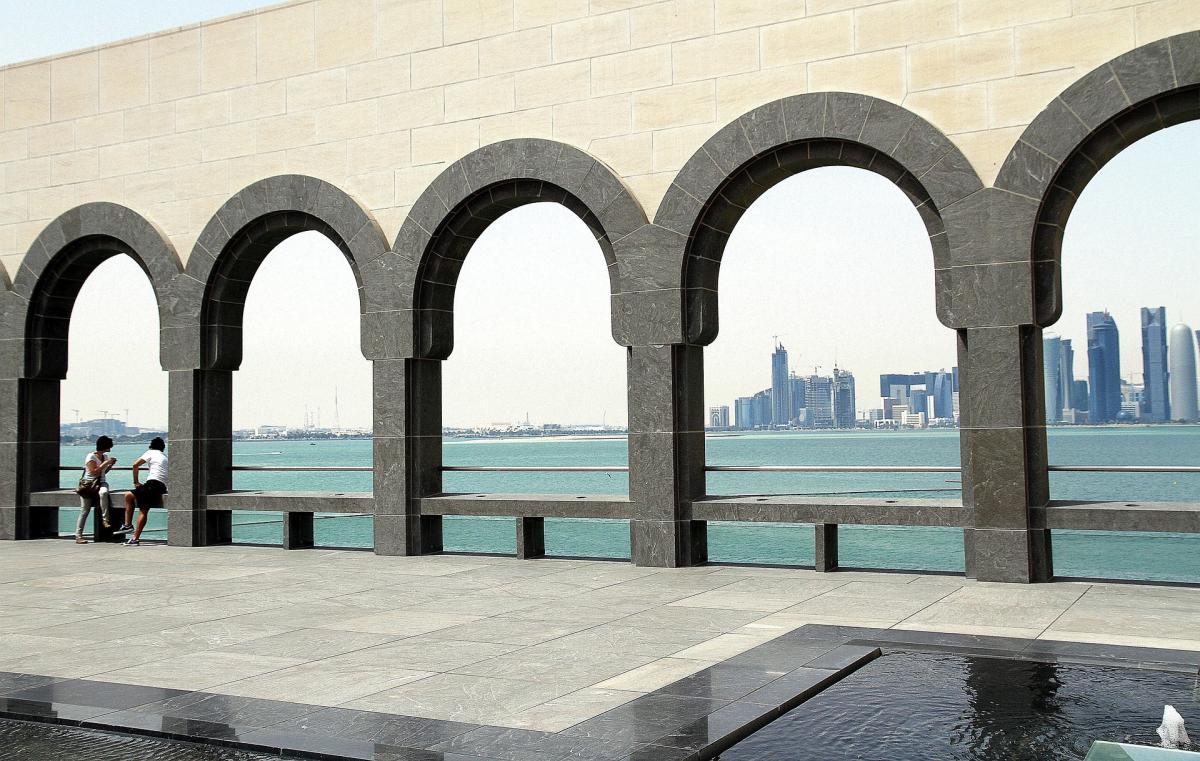
Nestled in the heart of historic Cairo, the Museum of Islamic Art (MIA) stands as a testament to the rich and diverse artistic heritage of the Islamic world. Considered the largest museum of its kind globally, it houses an unparalleled collection of over 100,000 artifacts that span more than 1,200 years...
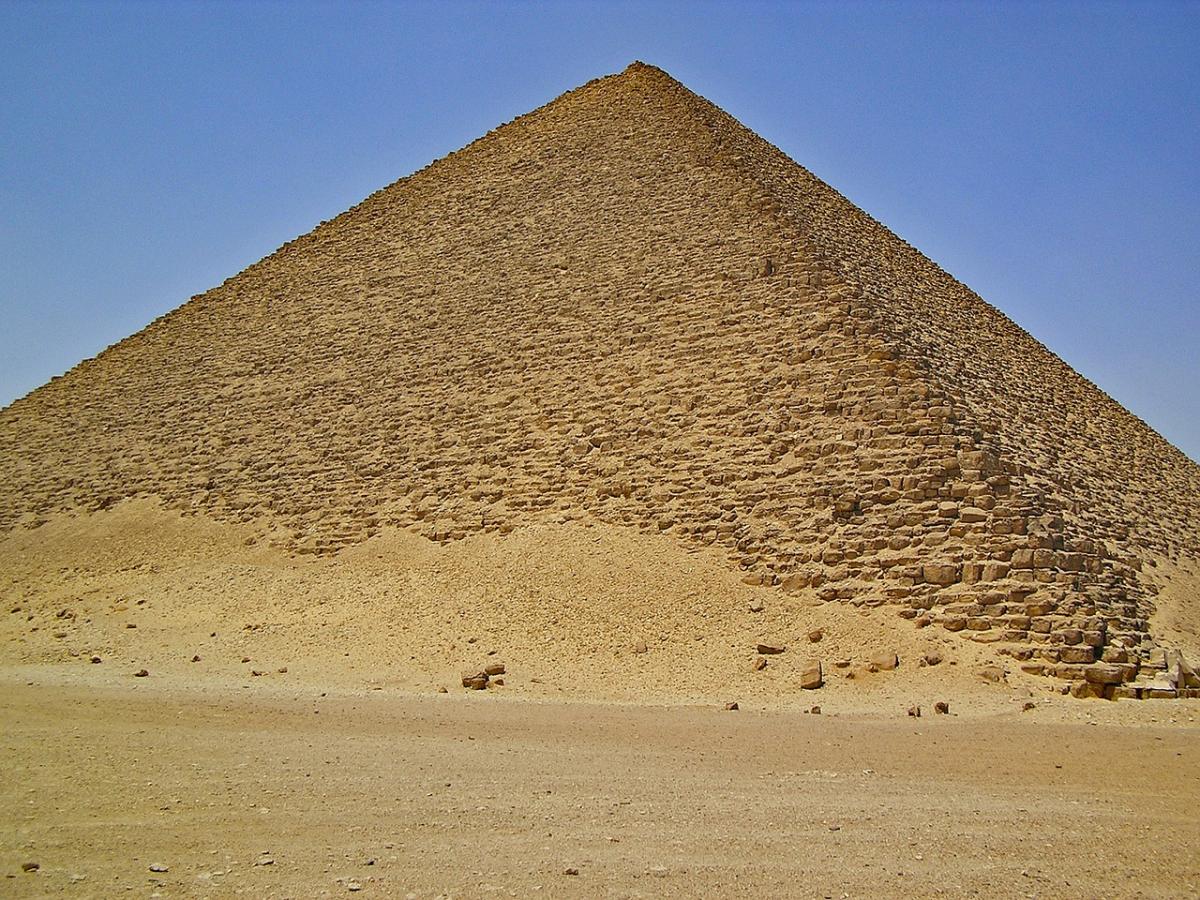
Nestled in the desert on the west bank of the Nile River, approximately 40 kilometers south of Cairo, lies the ancient royal necropolis of Dahshur. This significant archaeological site, part of the larger Memphis necropolis and a UNESCO World Heritage Site, is a testament to the architectural ingenuity...
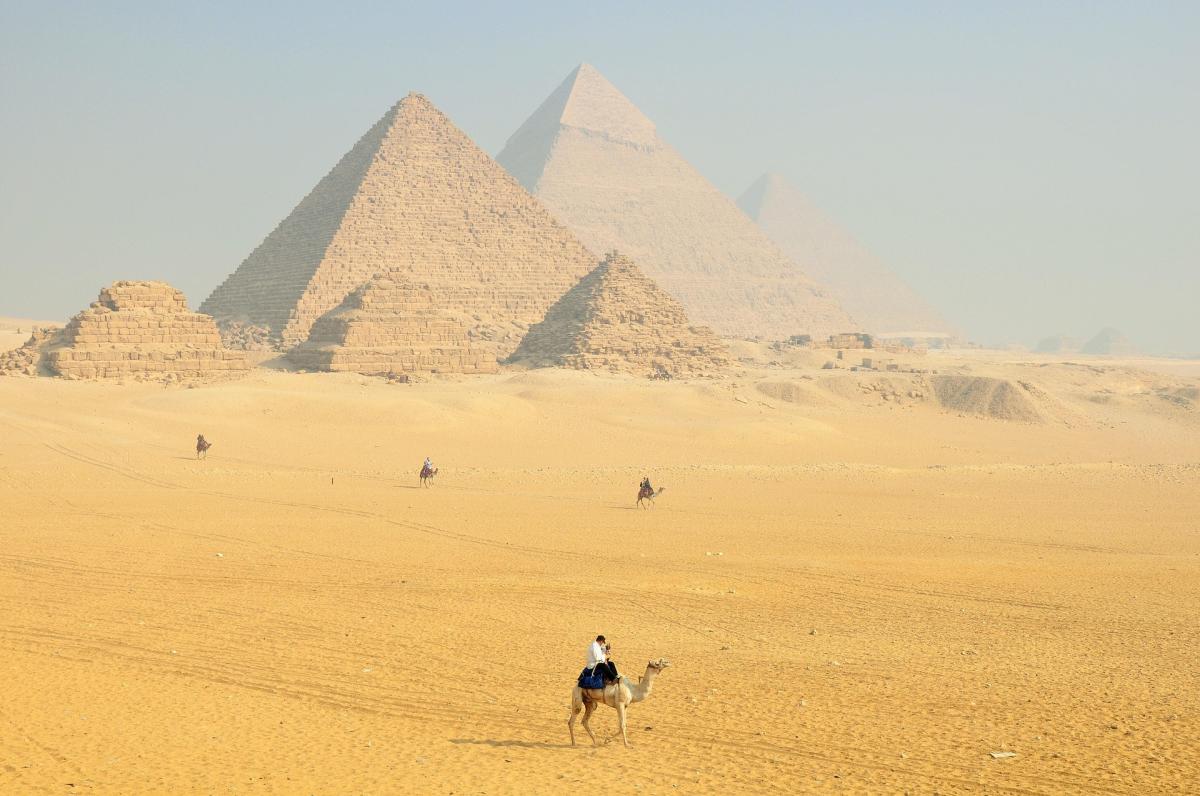
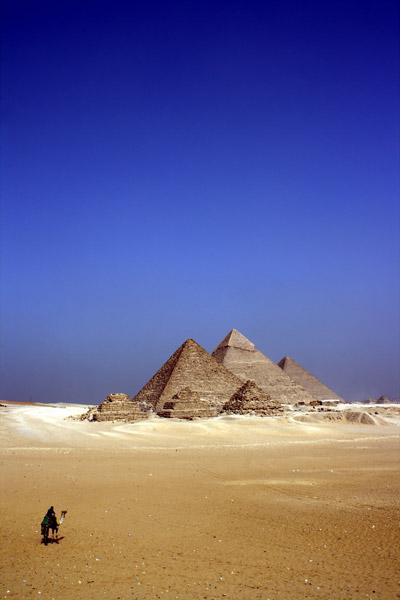
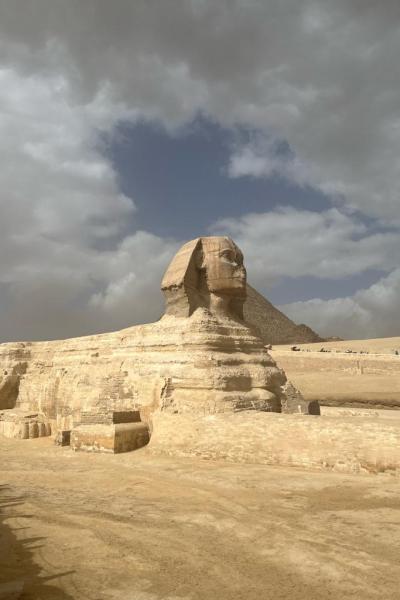
The Giza pyramid complex, a testament to human ingenuity and ambition, stands on the Giza Plateau at the edge of the Western Desert, approximately 13 km (8.1 mi) southwest of Cairos city center. These monumental structures, the last remaining of the Seven Wonders of the Ancient World, have captivated...