The Cultures of Egypt: A Tapestry of Ancient Heritage and Modern Life
Egypt, a nation at the crossroads of Africa and the Middle East, boasts a culture that is as rich and layered as its millennia-old history . From the monumental legacy of the Pharaohs to the enduring influence of Coptic Christianity and the pervasive traditions of Islam, Egyptian culture is a vibrant and complex blend of past and present . This report delves into the multifaceted aspects of Egyptian life, exploring its languages, religions, culinary traditions, artistic expressions, social customs, and regional variations that together form the unique identity of this captivating country.
A Land of Diverse Tongues
While Modern Standard Arabic is the official language of Egypt, used in government, media, and formal education, the true heartbeat of the nation is heard in its spoken dialect, Egyptian Colloquial Arabic, or Masri . Shaped by centuries of history, Masri has been influenced by Coptic, Turkish, French, and Italian . Its widespread understanding across the Arab world is largely due to the dominance of Egyptian cinema and music .
Beyond the bustling streets of Cairo, a variety of regional languages and dialects add to the country's linguistic mosaic:
- Sa'idi Arabic is the predominant dialect spoken in Upper (southern) Egypt.
- In the far south, around Aswan, Nubian languages like Nobiin and Kenuzi are spoken by the Nubian community.
- The Siwi language, a Berber tongue, is spoken by the inhabitants of the Siwa Oasis in the Western Desert.
- Beja (or Bedawi) is a Cushitic language spoken by nomadic communities in the Eastern Desert, though Arabic is now widely spoken among them .
The ancient Egyptian language, one of the world's first written languages, evolved over millennia into Coptic . Following the Arab conquest in the 7th century, Arabic gradually became the dominant language . Today, Coptic is primarily used as a liturgical language within the Coptic Orthodox Church, serving as a direct linguistic link to Egypt's ancient past .
The Spiritual Landscape
Religion is a cornerstone of Egyptian life, deeply influencing social norms, laws, and daily routines.
Islam is the state religion and is practiced by approximately 90% of the population, the vast majority of whom are Sunni Muslims. Egypt is home to the prestigious Al-Azhar University, one of the oldest and most important centers of Islamic learning in the world. Islamic principles guide many aspects of life, including family law. Sufism, a mystical branch of Islam, also has a significant following, with many Egyptians participating in moulids, which are festivals celebrating Sufi saints.
Christianity is the largest minority religion, with Coptic Orthodox Christians forming the most significant group . Estimates of the Coptic population vary, ranging from 5% to 15% of the total population . As descendants of the ancient Egyptians, the Copts represent one of the oldest Christian communities in the world .
- Historical Significance: The Copts played a foundational role in the development of Christian theology . The Catechetical School of Alexandria, founded around 190 AD, was a major center of religious and scientific learning in the early Christian world . Coptic scholars like Athanasius were central to formulating the Nicene Creed . Furthermore, Christian monasticism originated in the Egyptian desert with figures like St. Anthony the Great, establishing a tradition that influenced Christianity globally .
- Role in Modern Egypt: Copts were central to the Nahda (Arab Renaissance) and the modernization of Egypt . They worked alongside Muslims in the 1919 revolution against British rule, a time when priests preached in mosques and imams in churches as a powerful symbol of national unity . Throughout the 19th and 20th centuries, Copts excelled in business and administration, holding influential positions in finance and government under leaders like Muhammad Ali .
- Contemporary Contributions: In business, Coptic families have founded and led some of Egypt's most successful enterprises, with the Sawiris family being a prominent example in construction, telecommunications, and tourism . In politics, while their representation has fluctuated, a younger generation of Coptic intellectuals and activists has become more engaged since 2011, advocating for equal citizenship rights outside the traditional confines of the Church .
Historically, Egypt had a significant Jewish community, but its numbers have dwindled to a very small population today. While Judaism is an officially recognized religion, its public presence is minimal.
The Flavors of Egypt: A Culinary Journey
Egyptian cuisine is a hearty, flavorful, and deeply social affair, characterized by its reliance on legumes, vegetables, and grains from the fertile Nile Valley . While it shares traits with Mediterranean and Middle Eastern cuisines, it maintains a distinct, rustic identity rooted in its ancient past . Spices like cumin, coriander, and chili are common, but the focus is on fresh, local ingredients .
Iconic National Dishes and Street Food
- Ful Medames: A cornerstone of the Egyptian breakfast, this dish consists of slow-cooked fava beans that have been a staple since ancient times . The beans are simmered for hours until tender, then mashed and seasoned with olive oil, lemon juice, and cumin . It is often garnished with toppings like parsley, tomatoes, and tahini and scooped up with aish baladi .
- Ta'ameya (Egyptian Falafel): Unlike the chickpea-based versions found elsewhere, Egyptian ta'ameya is made from dried, split fava beans . The ground beans are mixed with a generous amount of fresh herbs like parsley, cilantro, and dill, which give the inside a vibrant green color . The patties are often coated in sesame seeds and deep-fried, creating a crispy exterior and a fluffy interior .
- Koshary: Widely considered the national dish, Koshary is a unique and filling vegetarian street food that reflects Egypt's history of cultural fusion . It features layers of rice, macaroni, and lentils, topped with chickpeas, a zesty tomato-vinegar sauce, and crispy fried onions . Each component is cooked separately before being assembled into a harmonious and satisfying meal .
- Other Staples: Other beloved dishes include Molokhia, a distinctive green soup made from jute leaves; Hawawshi, a spiced minced meat pie baked in aish baladi; and Fatta, a celebratory dish of rice, bread, and meat in a garlic-vinegar sauce, often served during Eid al-Adha .
Ramadan Culinary Traditions
The holy month of Ramadan transforms Egypt's culinary landscape . The daily fast is broken at sunset with the Iftar meal, a joyous occasion for large gatherings of family and friends . This is also a time of great charity, with many providing free meals to the less fortunate .
- Iftar and Suhoor: The Iftar meal often begins with dates, followed by hearty soups and savory dishes . The pre-dawn meal, Suhoor, typically includes sustaining foods like yogurt and Ful Medames to prepare for the day's fast .
- Special Sweets: Ramadan is famous for its desserts, especially Konafa (a spun pastry filled with cheese or nuts) and Qatayef (small pancakes stuffed with cream or nuts), both of which are soaked in sweet syrup .
Artistic Expressions and Rhythmic Traditions
Egypt's artistic landscape is a dynamic fusion of ancient traditions, classical Arab forms, and contemporary global influences.
The Enduring Legacy of the Pharaohs
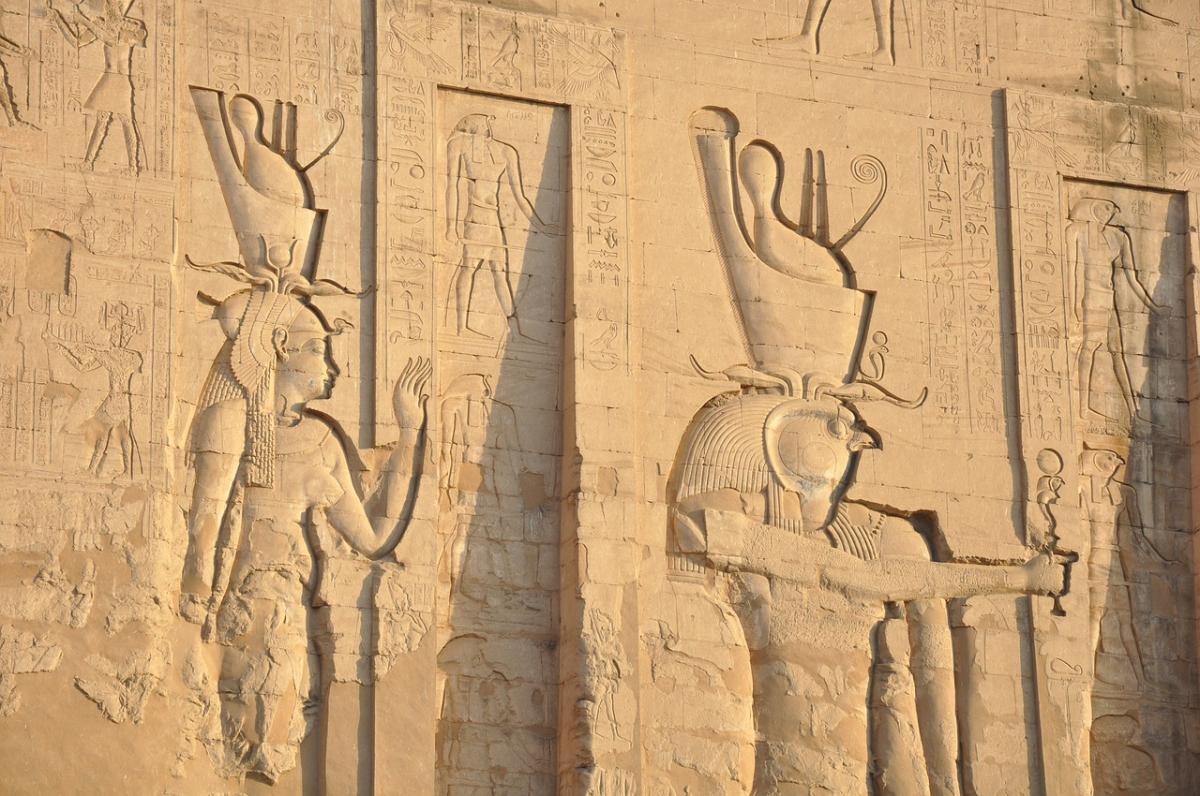
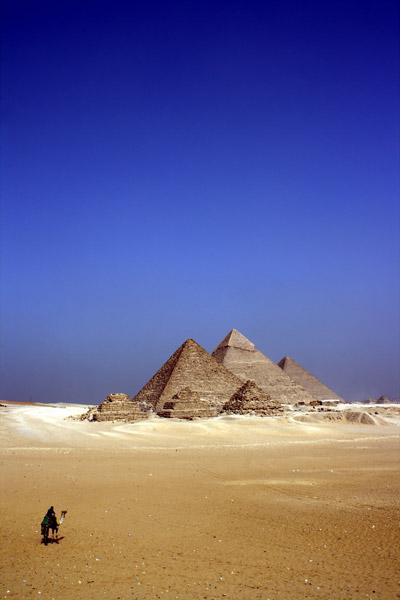
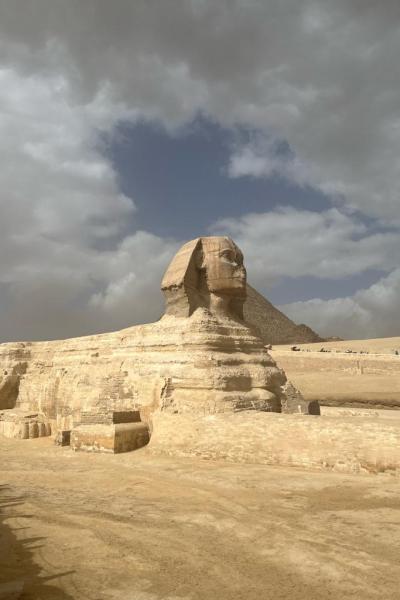
The heritage of ancient Egypt is a living element of modern life, deeply embedded in the nation's identity .
- National Identity and "Neo-Pharaonism": In the early 20th century, "Pharaonism" emerged to build a distinct Egyptian identity based on its pre-Islamic past, uniting Muslims and Copts . This idea has seen a resurgence in state-promoted "neo-Pharaonism," which emphasizes a continuous Egyptian identity distinct from a broader Arab or Islamic one . Grand events like the "Pharaohs' Golden Parade" are staged to foster national pride .
- Art and Architecture: Pharaonic motifs like the ankh, scarab beetle, and lotus flower are common in contemporary jewelry and design . Modern architecture also draws inspiration from this legacy, with prominent examples including the Supreme Constitutional Court building in Cairo and the monument at the Aswan High Dam .
- Mythology and Popular Culture: Ancient Egyptian mythology continues to captivate the global imagination, with deities like Ra and Isis frequently featured in international films, literature, and video games . Pop culture phenomena like "The Mummy" franchise and Marvel's "Moon Knight" demonstrate the timeless appeal of its stories .
Cinema: The "Hollywood of the Middle East"
For over a century, Egyptian cinema has been the most influential film industry in the Arab world, earning Cairo its famous nickname .
- History and Golden Age: The industry's foundations were solidified with the establishment of Studio Misr in 1935 . The period from the 1940s to the 1960s is considered the golden age, during which Egypt's film industry was the third largest in the world . Nationalization under President Gamal Abdel Nasser provided state funding for many significant films .
- Prominent Figures and Themes: This era produced international stars like Omar Sharif and beloved actresses like Faten Hamama . Visionary directors like Youssef Chahine pushed cinematic boundaries, while social realism flourished, often adapting the novels of Nobel laureate Naguib Mahfouz to explore themes of poverty and class inequality .
- Cultural Impact: The industry's profound influence led to the Egyptian dialect becoming widely understood across the Middle East and North Africa .
The Voice of Egypt: Modern Literature
Modern Egyptian literature, which blossomed during the Nahda (Renaissance), is a powerful force for exploring national identity and shaping social and political discourse . Writers have long grappled with themes of colonialism, nationalism, social justice, and the clash between tradition and modernity .
- Pioneers and Social Realism: The early 20th century saw pioneers like Taha Hussein and Tawfiq al-Hakim blend Western literary forms with Arabic traditions . The towering figure of this era is Naguib Mahfouz, the first Arab to win the Nobel Prize in Literature (1988) . His works, like The Cairo Trilogy, masterfully chronicle the lives of ordinary Cairenes against a backdrop of immense social change, exploring themes of existentialism and social injustice . Yusuf Idris was another master of realism, known for his poignant short stories about the urban poor .
- Political Critique and Feminist Voices: The post-1952 revolution era saw a rise in literature engaging with political issues . Sonallah Ibrahim became known for his fearless critiques of the state, drawing from his experiences as a political prisoner . A powerful and trailblazing feminist voice, Nawal El Saadawi, boldly confronted taboo subjects like female genital mutilation and patriarchal oppression in works like Woman at Point Zero, making her a foundational figure for feminism in the Arab world .
- Contemporary Scene: Alaa Al-Aswany's bestselling novel, The Yacoubian Building, offers a scathing portrayal of corruption and social hypocrisy in modern Egypt . The 2011 revolution spurred a wave of "Revolution Literature," and more recent trends include a rise in dystopian fiction from authors like Ahmed Khaled Tawfik and Basma Abdel Aziz, who use the genre to critique contemporary political realities . Other significant authors include Ahdaf Soueif, Bahaa Taher, and Radwa Ashour .
Music and Dance
- Music: The 20th century was defined by legends like Umm Kulthum and composer Mohammed Abdel Wahab . The contemporary scene is dominated by pop stars like Amr Diab and the hugely popular working-class genres of Shaabi and Mahraganat .
- Dance: Raqs Sharqi (Belly Dancing) is the most internationally recognized Egyptian dance form. Folkloric dances like the Sufi-inspired Tanoura Dance and the Upper Egyptian stick dance Tahteeb showcase regional traditions .
Social Fabric: Customs and Family Life
Social Etiquette and Customs:
- Hospitality: Egyptians are renowned for their warmth and generosity, with hosts taking great pride in honoring guests with an abundance of food . Accepting second helpings is considered a compliment .
- Greetings: The most common greeting is "As-salamu alaykum" (peace be upon you). Handshakes are common between people of the same gender.
- Dining: When eating from communal dishes, it is customary to use the right hand . While utensils are common, using bread to scoop food is also widely practiced . Bringing a small gift, like pastries, is a thoughtful gesture when invited to a home .
- Modesty: Egypt is a predominantly conservative society where modesty in dress is valued. It is advisable to cover shoulders and knees, especially when visiting religious sites.
Family Life:The family is the most important social unit in Egypt.
- Structure: The traditional family structure is patriarchal, though nuclear families are now the norm in urban areas.
- Loyalty and Honor: Family loyalty is paramount, providing individuals with their social identity and security. The honor of the family is a collective responsibility.
- Elders and Children: Elders are highly respected, and it is common for children to care for their parents in their old age.
A Calendar of Celebrations
Egypt's calendar is filled with a mix of religious and secular holidays.
Islamic Holidays:
- Ramadan: The holy month of fasting is a time of spiritual reflection, prayer, and community, marked by streets decorated with colorful lanterns (fanoos) .
- Eid al-Fitr: A joyous three-day celebration marking the end of Ramadan.
- Eid al-Adha: The "Feast of the Sacrifice."
- Moulid al-Nabi: Celebrates the birth of the Prophet Muhammad.
Coptic Christian Holidays:
- Coptic Christmas: Celebrated on January 7th.
- Coptic Easter: The most important Coptic festival, preceded by a 55-day fast. The community uses its own calendar, based on the ancient Egyptian calendar .
National and Cultural Festivals:
- Sham El Nessim: An ancient spring festival dating back to Pharaonic times, celebrated by all Egyptians on the Monday after Coptic Easter with picnics featuring salted fish (fesikh) and colored eggs.
- Secular Holidays: These include Revolution Day (January 25th) and Armed Forces Day (October 6th).
Regional Cultural Diversity
While sharing a strong national identity, Egypt also has distinct regional cultures.
- Urban vs. Rural: There is a noticeable contrast between the cosmopolitan life in cities like Cairo and Alexandria and the more traditional, agriculturally focused life in rural areas.
- North vs. South (Lower vs. Upper Egypt): People from Upper Egypt (Sa'idis) are often perceived as more conservative than those from the more urbanized Lower Egypt.
- The Bedouins: Inhabiting the Sinai and the Eastern and Western Deserts, Bedouin tribes maintain a rich culture shaped by their environment . Their society is tribal and patriarchal, governed by customary law ('urf) and built on the cornerstones of honor (sharaf) and sacred hospitality (diyafa) . While their traditional nomadic lifestyle is transitioning, these core values remain central .
- The Nubians: Indigenous to southern Egypt, the Nubians possess a vibrant and distinct culture rooted in their ancestral lands . Their identity is linked to their unique Nilo-Saharan languages and a strong sense of community . Nubian culture is famously expressed through its colorful, domed mudbrick architecture and unique music based on a pentatonic scale . Despite displacement by the Aswan High Dam, they actively work to preserve their rich heritage .
Summary
The culture of Egypt is a rich and enduring tapestry woven from the threads of its Pharaonic past, its Coptic Christian heritage, and its deep-rooted Islamic traditions . This complex identity is expressed through its languages, with Egyptian Arabic serving as the unifying vernacular, spread widely by the nation's influential film industry . Religion is a fundamental pillar of society, with a Sunni Muslim majority and a significant Coptic Christian minority who have made profound historical and contemporary contributions . Egyptian cuisine is hearty and communal, defined by staples like Ful Medames and Koshary and the immense hospitality that surrounds the sharing of food, especially during Ramadan .
The legacy of the Pharaohs is a living element of national identity, visible in modern art and architecture and promoted through state-sponsored "neo-Pharaonism" . For over a century, Egyptian cinema-the "Hollywood of the Middle East"-has shaped regional culture . This artistic landscape is also defined by a powerful literary tradition, from Nobel laureate Naguib Mahfouz's social realism to the incisive political commentary of contemporary authors like Alaa Al-Aswany and Nawal El Saadawi . Family remains the bedrock of the social structure, emphasizing kinship and collective honor. This national culture is further enriched by the distinct traditions of regional groups like the resilient Nubians and the desert-dwelling Bedouins . Together, these elements create a dynamic and deeply layered culture that is uniquely and unmistakably Egyptian.
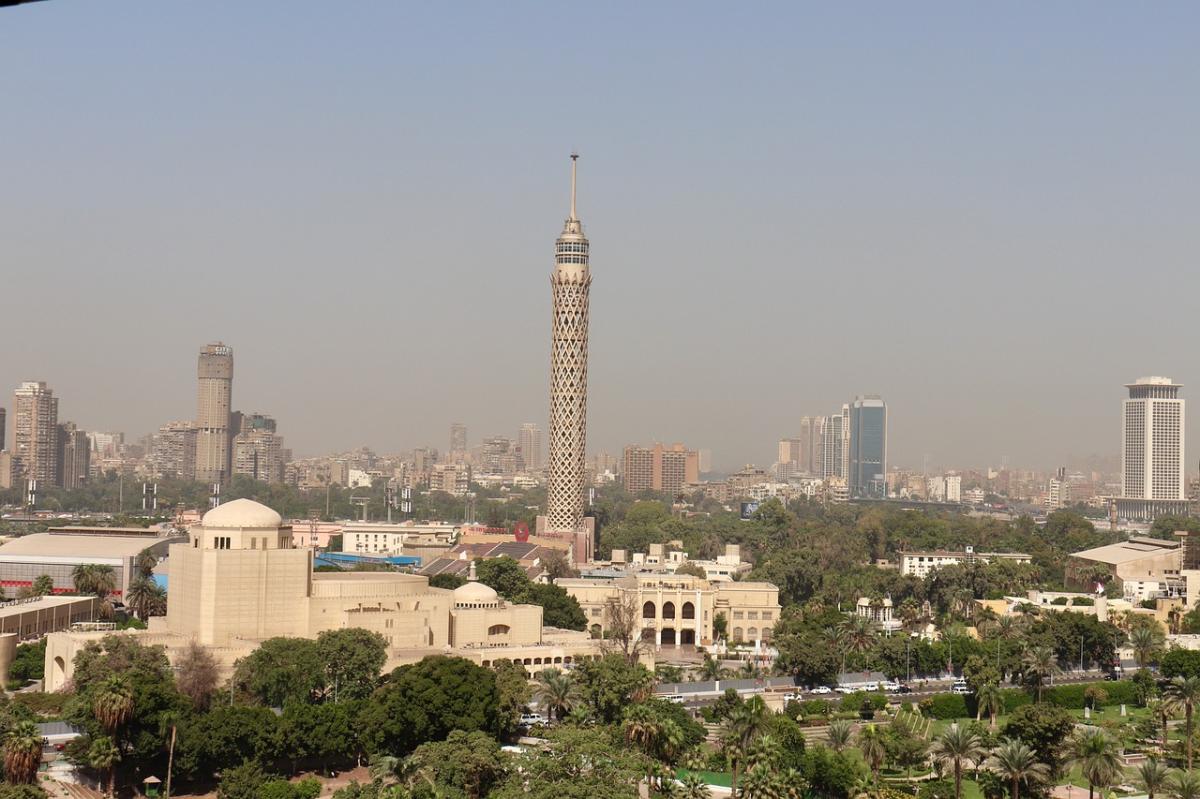
Proudly standing on Gezira Island in the heart of Cairo, the Cairo Tower, or Burj Al-Qahira, is a prominent feature of the citys skyline and a testament to modern Egyptian architecture. Reaching a height of 187 meters (614 feet), it is one of the tallest structures in Egypt and North Africa. For decades...
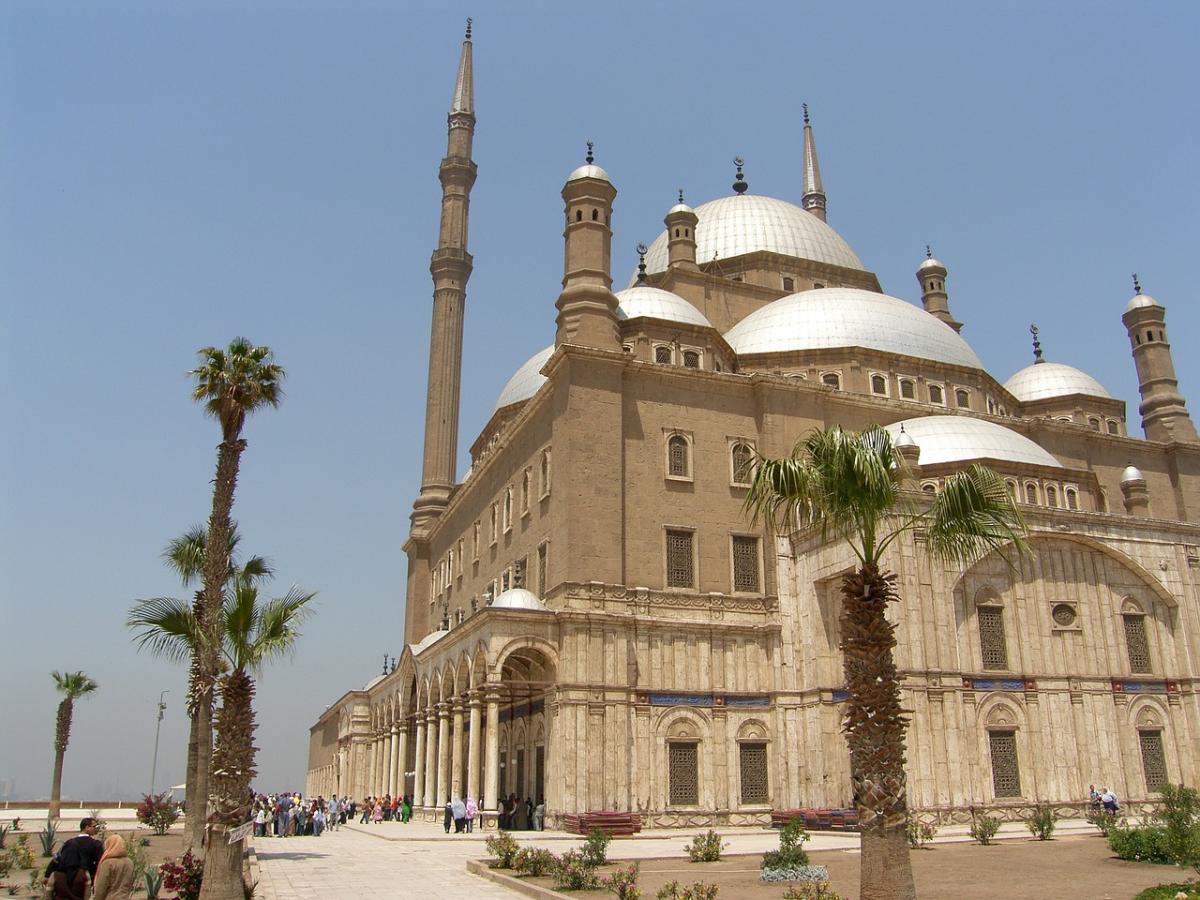
Cairo, Egypt - Perched majestically atop the Citadel of Saladin, the historic seat of Egyptian power for nearly 700 years, the Mosque of Muhammad Ali is an iconic landmark and an enduring symbol of Cairos skyline. Popularly known as the Alabaster Mosque for the extensive use of this gleaming stone on...
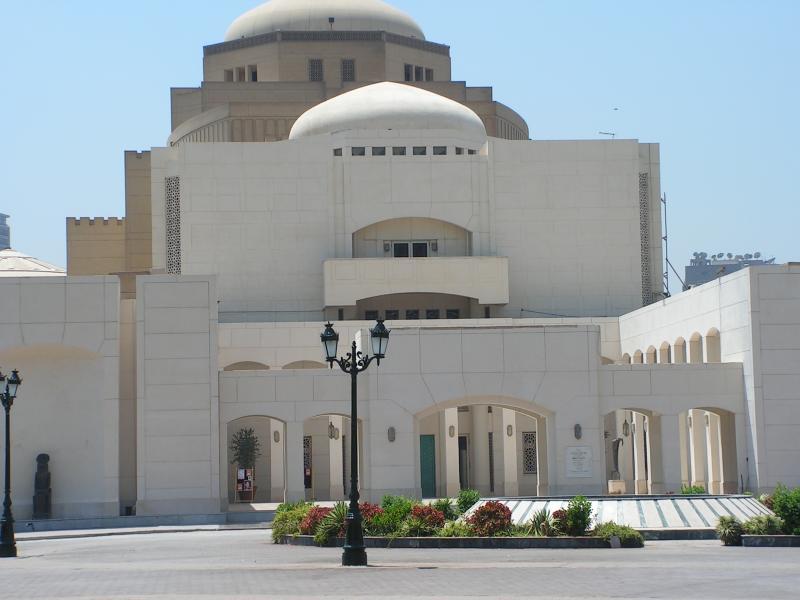
The Cairo Opera House, a magnificent architectural gem nestled on Gezira Island in the Nile, stands as the epicenter of performing arts in Egypt. Officially known as the National Cultural Centre, it is a vibrant hub that showcases a rich tapestry of local and international artistic expressions, from...