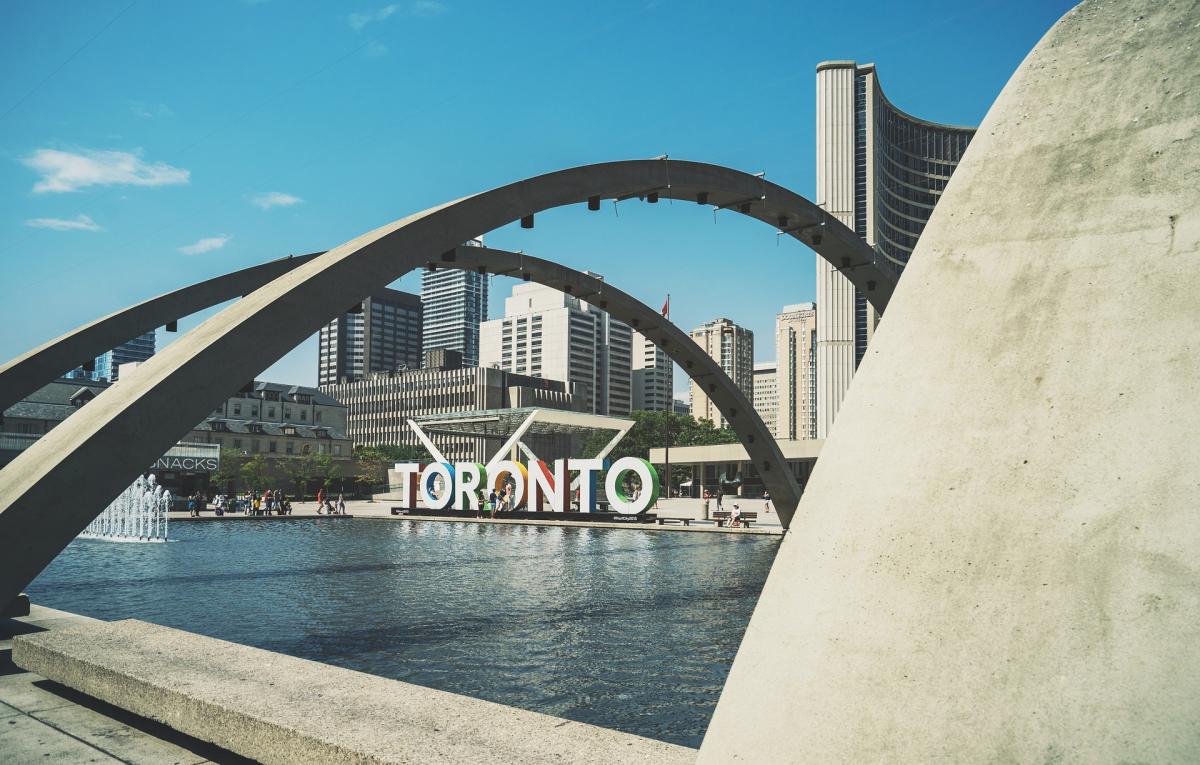
Toronto: A Vibrant Hub for Art Lovers and Museum Enthusiasts
Toronto stands as a premier destination for art lovers and museum-goers, offering a rich and diverse cultural landscape that caters to a wide array of tastes and interests. From world-renowned institutions housing vast collections to dynamic neighbourhood art scenes, a thriving street art culture, and galleries championing contemporary and Indigenous art, the city provides an immersive and multifaceted artistic experience.
World-Class Museums and Galleries
At the heart of Toronto's cultural offerings are its major art institutions.
- Art Gallery of Ontario (AGO): The AGO is one of North America's most distinguished art museums, boasting a collection of over 90,000 works. This includes an extensive collection of Canadian and Indigenous art, as well as European masterpieces and a growing contemporary collection. The AGO's J.S. McLean Centre for Indigenous & Canadian Art is a key feature, centering Indigenous artworks and perspectives.
- Royal Ontario Museum (ROM): The ROM offers a unique blend of art, culture, and natural history. With a world-class collection of 13 million artworks, cultural objects, and natural history specimens, the ROM's 40 gallery and exhibition spaces provide a comprehensive look at global history and creativity. The Daphne Cockwell Gallery dedicated to First Peoples art and culture is a significant part of its offerings.
A Thriving Contemporary Art Scene
Toronto's contemporary art scene is vibrant and multifaceted, anchored by key institutions, a network of innovative galleries, and distinct neighbourhood hubs that are epicentres of creativity.
Major Contemporary Institutions
- Museum of Contemporary Art (MOCA) Toronto: Housed in the historic Tower Automotive Building, MOCA is a hub for innovative and thought-provoking art from Canadian and international artists. The gallery's rotating exhibitions often feature experimental and immersive installations.
- The Power Plant Contemporary Art Gallery: Located at the Harbourfront Centre, The Power Plant is dedicated to showcasing contemporary visual art from Canada and around the world. It offers free admission to its thought-provoking exhibitions.
Vibrant Art Neighbourhoods: Epicentres of Creativity
Two neighbourhoods in particular-West Queen West and the Distillery District-serve as distinct but equally vital pillars of Toronto's contemporary art scene.
West Queen West: A Gritty and Chic Art HavenOnce a stretch of industrial buildings, West Queen West began its transformation in the 1970s and 80s as artists migrated westward seeking affordable rent and studio space. This organic, artist-led growth led to the city officially designating it the "Art + Design District". Today, its character is a unique blend of gritty urbanism and chic creativity, earning it a reputation as one of the world's coolest neighbourhoods. It boasts the highest concentration of art galleries in Toronto.
- Galleries and Cultural Hubs: The area is home to commercial galleries like Paul Petro Contemporary Art and artist-run centres such as Gallery 1313 and Propeller Art Gallery. A foundational organization is Artscape West Queen West, which established Canada's first legally zoned artist live-work building in 1995, providing secure spaces for artists. The neighbourhood's cultural fabric is also enriched by boutique hotels like The Gladstone House and The Drake Hotel, which function as cultural hubs frequently exhibiting contemporary art. A key arts and culture hub is the 401 Richmond building, a historic warehouse that houses influential artist-run centres like A Space Gallery, Gallery 44 Centre for Contemporary Photography, and Trinity Square Video.
The Distillery District: A Historic Backdrop for Contemporary CreationIn contrast to West Queen West's organic evolution, the Distillery District was a masterfully planned act of urban revitalization. The site of the former Gooderham and Worts distillery-once the largest in the British Empire-was transformed into a pedestrian-only village dedicated to arts and culture, officially opening in 2003. Its cobblestone streets and preserved Victorian industrial architecture create a unique, atmospheric setting for art.
- Galleries and Artisan Studios: The district is home to a curated selection of prominent commercial galleries. Arta Gallery, a founding tenant, showcases contemporary Canadian and international artists. Other key institutions include the Thompson Landry Gallery, which focuses on Quebec artists; the Corkin Gallery, representing international artists; and the Beauchamp Art Gallery. The area is also filled with artisan studios like DISH GALLERY + STUDIO for ceramics and is home to the Sculptors Society of Canada and the Deaf Culture Centre.
Other Notable Galleries and Artist-Run Centres
Reflecting the decentralized nature of the city's art world, many prestigious galleries are located outside these main hubs.
- The Nicholas Metivier Gallery, established in 2004, is one of Canada's largest contemporary galleries and is highly regarded for its focus on contemporary painting and photography.
- The Olga Korper Gallery, founded in 1973, has a long-standing reputation for its thoughtfully curated exhibitions of contemporary Canadian and international art in a renovated foundry space.
- Artist-run centers like Mercer Union and Gallery TPW are also crucial to the city's ecosystem, fostering experimental and critically-engaged work.
Art in the Public Sphere
Toronto's streets and public spaces serve as a dynamic canvas for artistic expression, making art accessible to all.
Nuit Blanche: An All-Night Art Spectacle
A highlight of Toronto's public art calendar is Nuit Blanche, a free, annual, all-night contemporary art festival that transforms the city from sunset to sunrise. Inspired by the Parisian original, the event turns streets, parks, and cultural institutions into an immersive, open-air gallery, encouraging exploration and a new perspective on the city. The event is vast, often featuring over 80 projects from local, national, and international artists across the entire city. Each year is unified by a curatorial theme, with installations ranging from monumental sculptures to interactive multimedia projections and live performances.
Year-Round Public Art and Street Art
Beyond Nuit Blanche, art is woven into the city's fabric year-round, particularly in its key art districts.
- West Queen West: This area is a living gallery. The most famous example is Graffiti Alley (officially Rush Lane), a laneway south of Queen Street that serves as a dynamic, ever-changing outdoor gallery for street artists. The nearby Milky Way laneway is another hotspot covered in works by local and international artists. The annual Queen West Art Crawl, a multidisciplinary arts festival in Trinity Bellwoods Park, also transforms the neighbourhood into an open-air celebration of art.
- The Distillery District: The district's public spaces are punctuated by sculptures that complement its historic setting. Iconic permanent pieces include Michael Christian's towering, insect-like sculpture "I.T." and Dennis Oppenheim's whimsical "Still Dancing". The district also hosts temporary public art events like the Toronto Light Festival and Spring Stations, ensuring a constantly evolving outdoor art experience.
- City-Wide Initiatives: The city's ArtworxTO initiative offers over 50 free, self-guided tours of public art, covering everything from graffiti to large-scale installations.
A Tapestry of Cultures: Diverse Artistic Voices
Toronto's motto, "Diversity Our Strength," is deeply reflected in its artistic landscape, with institutions dedicated to celebrating a wide range of global and Canadian cultures.
The Aga Khan Museum: A Beacon of Islamic Arts and Culture
The Aga Khan Museum is a vital cultural institution dedicated to the arts and cultures of Islamic civilizations. Its mission is to foster a greater understanding of the contributions of Muslim cultures to world heritage.
- Architectural Masterpiece: Designed by Pritzker Prize-winner Fumihiko Maki, the building itself is a work of art inspired by "light," with an angular, white granite exterior that creates a constant interplay of light and shadow.
- Rich Collections: The permanent collection comprises over 1,200 artifacts from the 9th to the 21st century, including manuscripts, ceramics, and textiles, representing the achievements of Muslim societies from Spain to China. A highlight is the earliest known copy of Avicenna's Qanun fi'l-Tibb ("The Canon of Medicine").
- Cultural Importance: The museum enriches Toronto's cultural landscape by providing a space to explore the diversity of the Islamic world and serves as a catalyst for mutual understanding through exhibitions, education, and performances.
Celebrating Canadian and Global Heritage
- McMichael Canadian Art Collection: Located just outside the city, this is the only major museum in Canada devoted exclusively to Canadian art, with a significant collection of works by the Group of Seven and Indigenous artists.
- Multicultural Institutions: The Multicultural History Society of Ontario works to preserve the province's multi-ethnic heritage, while the Museum of Toronto aims to tell the city's story by honoring its diversity.
Specialized and Unique Museum Experiences
For those with specific interests, Toronto offers a variety of specialized museums that add remarkable depth to its cultural offerings, providing deep dives into unique facets of human creativity.
Gardiner Museum: A Celebration of Clay
As Canada's national museum of ceramics, the Gardiner is one of the world's few museums dedicated to the art of clay. Its mission is to foster creativity and community by exploring the long history of people crafting and living with this fundamental medium. The museum's philosophy is centered on "making, looking, and thinking through clay".
- Collection Highlights: The collection contains approximately 5,000 objects from the Ancient Americas, Europe, and Asia. It is renowned for holding the most significant collection of European porcelain in Canada, with strengths in Meissen and Vienna porcelain, as well as Italian Renaissance maiolica and English Delftware. Notable pieces include "The Canada Bowl," a Meissen piece from circa 1724-1725, and the "Jan Steen jug," a Dutch jug from circa 1640 famously depicted in paintings. The collection also features contemporary works with an emphasis on leading Canadian artists.
- Architectural Features: The building itself is a landmark, having undergone a significant expansion by KPMB Architects that added an elevated cube with elegant limestone facades. A recent $15-million renovation of the ground floor has created a bright, open, and inviting space with a new Indigenous gallery, a maker space, and a community learning centre.
Bata Shoe Museum: A Walk Through History
The Bata Shoe Museum offers a fascinating exploration of the history of footwear and its cultural significance, operating on a mission to explore the social life of humanity through shoes.
- Collection Highlights: The museum houses the world's most comprehensive collection of footwear, with nearly 15,000 artifacts spanning 4,500 years of history. The diverse collection includes everything from ancient Egyptian sandals and Chinese bound-foot shoes to Japanese samurai warrior shoes made from bear fur. A major draw is the extensive celebrity footwear collection, featuring Queen Victoria's ballroom slippers, Elvis Presley's blue patent loafers, John Lennon's "Beatle boot," Elton John's silver platform boots, and Terry Fox's single Adidas running shoe.
- Architectural Features: Designed by acclaimed architect Raymond Moriyama, the building is inspired by a shoebox, featuring a tilted roof that resembles a slightly askew lid. The exterior is clad in French limestone chosen for its leather-like texture and features a striking wedge-shaped glass entrance, making it a distinctive feature on Toronto's Bloor Street Culture Corridor.
Textile Museum of Canada: Weaving Global Stories
This is the only museum in Canada solely dedicated to the exhibition, collection, and documentation of textiles from around the world. Its mission is to inspire an understanding of the human experience through the stories held within its global collection, with a commitment to challenging colonial portrayals of art, particularly Indigenous art.
- Collection Highlights: The collection numbers over 15,000 objects from more than 200 regions, spanning 2,000 years of textile history. It includes fabrics, ceremonial cloths, garments, and carpets. Notable examples include a salmon skin suit from China, 2,000-year-old Nazca fragments from Peru, magnificent Indigenous textiles like Coast Salish blankets, and contemporary pieces like a striking beaded dress by Plains Cree designer Jontay Kahm. The entire collection is digitized and accessible online.
- Museum Features: Located downtown, the museum provides an intimate setting for its exhibitions and features a hands-on education gallery called "Fibrespace" and a Reuse Centre that diverts fabric from landfills.
TIFF Bell Lightbox: A Cinematic Universe
The Toronto International Film Festival (TIFF) is one of the world's most influential and publicly attended film festivals, with a mission to transform the way people see the world through film. Its People's Choice Award is often a strong predictor of Academy Award success.
- A Year-Round Destination: While the festival takes over the city each September, its permanent home, the TIFF Bell Lightbox, is a five-storey cultural centre that operates year-round. Opened in 2010, this KPMB-designed building includes five cinemas, two galleries, a film reference library, and learning studios.
- Programming and Exhibitions: The Lightbox offers a constant stream of high-quality programming, including curated screenings of classic and international films through the TIFF Cinematheque program. It also hosts major exhibitions on figures like Tim Burton and Stanley Kubrick, Q&As with renowned filmmakers, and extensive educational initiatives for students and the public.
Little Canada: A Miniature Journey Across a Nation
A uniquely captivating attraction, Little Canada presents a highly detailed and animated miniature world celebrating the landscapes and landmarks of Canada. Spanning 45,000 square feet, it offers a coast-to-coast journey at a 1:87 scale, blending immense artistry with technology. The project was born from founder Jean-Louis Brenninkmeijer's desire to celebrate his new home, inspired by Germany's Miniatur Wunderland.
- Miniature Destinations: Visitors can tour several meticulously crafted regions. Highlights include Little Toronto, with a 14-foot CN Tower and a functional Rogers Centre roof; Little Niagara, with rushing water effects at Horseshoe Falls; Petite Québec, a charming winter scene with the Château Frontenac; Little Ottawa, where fireworks erupt over the Parliament Buildings; and the Little East Coast, featuring the Bay of Fundy's tides in a 400-litre basin and the Bluenose II in Halifax Harbour. Future expansions are planned for the rest of the country.
- Artistry and Technology: The creation involved over 180,000 hours of work by more than 50 artists and specialists. The world comes alive with a 15-minute day-to-night cycle powered by over 30,000 LEDs, immersive soundscapes, and over 300 autonomous vehicles navigating the streets. The process involves digital design, laser-cutting, and meticulous hand-painting to ensure authenticity.
- Interactive Elements: A standout feature is the "Littlization Station," where a booth with 128 cameras creates a 3D scan of a visitor, who can then be immortalized as a 3D-printed "Little Me" placed permanently within the exhibit. A "Maurice the Moose" scavenger hunt also encourages close observation of the detailed scenes.
Summary
Toronto's reputation as a top destination for art lovers and museum-goers is well-deserved, built on a cultural landscape characterized by its depth, diversity, and accessibility.
Key highlights include:
- Major Institutions: The Art Gallery of Ontario and the Royal Ontario Museum provide world-class collections of art and artifacts from Canada and around the globe.
- Thriving Contemporary Scene: A dynamic contemporary art scene is led by institutions like MOCA Toronto and is anchored by vibrant, art-filled neighbourhoods. West Queen West, an edgy, artist-driven "Art + Design District," and the Distillery District, a historic village masterfully revitalized into a cultural hub, offer high concentrations of galleries, studios, and public art.
- Public and Accessible Art: The city's streets are alive with art, from the iconic Graffiti Alley in West Queen West to the massive, all-night Nuit Blanche festival, which transforms the entire city into a free, interactive contemporary art gallery.
- Cultural Diversity: Toronto's multicultural identity is reflected in its art. The Aga Khan Museum stands as a beacon for Islamic arts and culture, fostering intercultural dialogue through its stunning architecture and rich collection. Other institutions celebrate Canadian, Indigenous, and a wide range of global heritages.
- Specialized Museums: A variety of unique museums offer deep dives into specific art forms, providing accessible and engaging ways to connect with global culture. These include the Gardiner Museum (ceramics), the Bata Shoe Museum (footwear), the Textile Museum of Canada (global textiles), the TIFF Bell Lightbox (cinema), and Little Canada (a highly detailed miniature world), each a major cultural destination in its own right.
In conclusion, Toronto offers a comprehensive and engaging cultural journey for any art enthusiast, with a wealth of options to explore, from the traditional to the cutting-edge, and from the grand museum hall to the vibrant neighbourhood street.
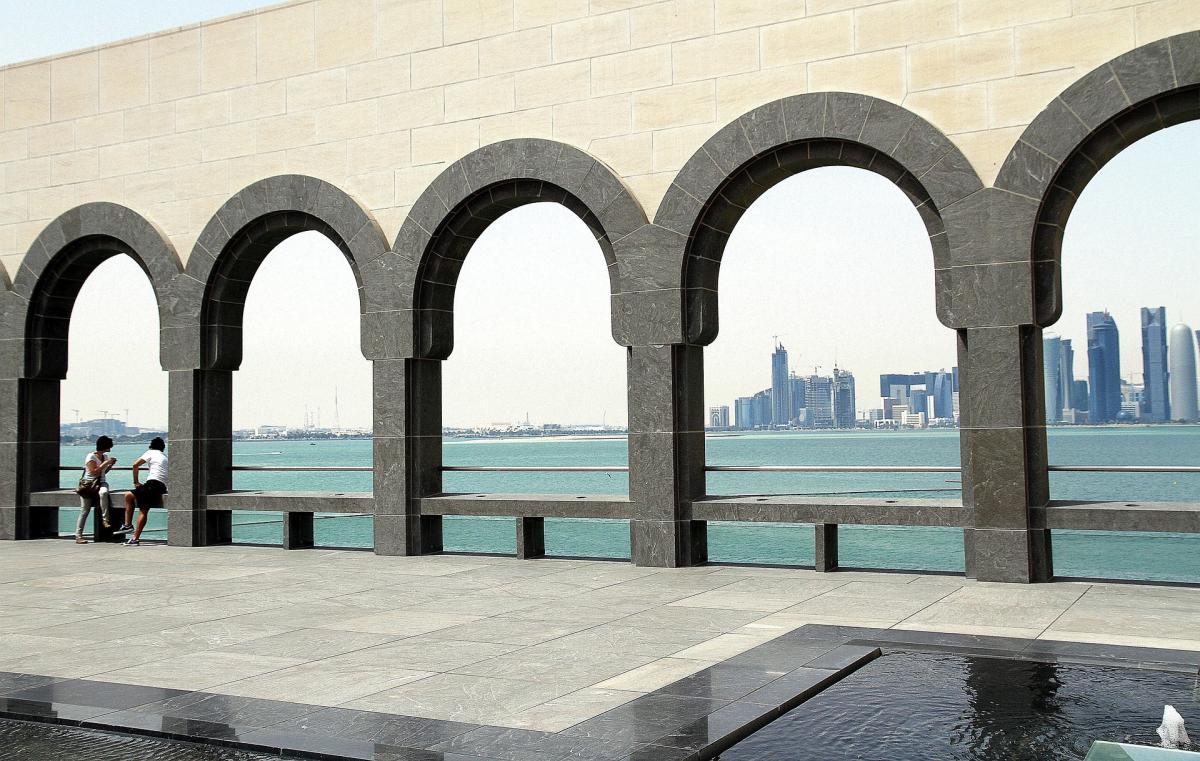
Nestled in the heart of historic Cairo, the Museum of Islamic Art (MIA) stands as a testament to the rich and diverse artistic heritage of the Islamic world. Considered the largest museum of its kind globally, it houses an unparalleled collection of over 100,000 artifacts that span more than 1,200 years...
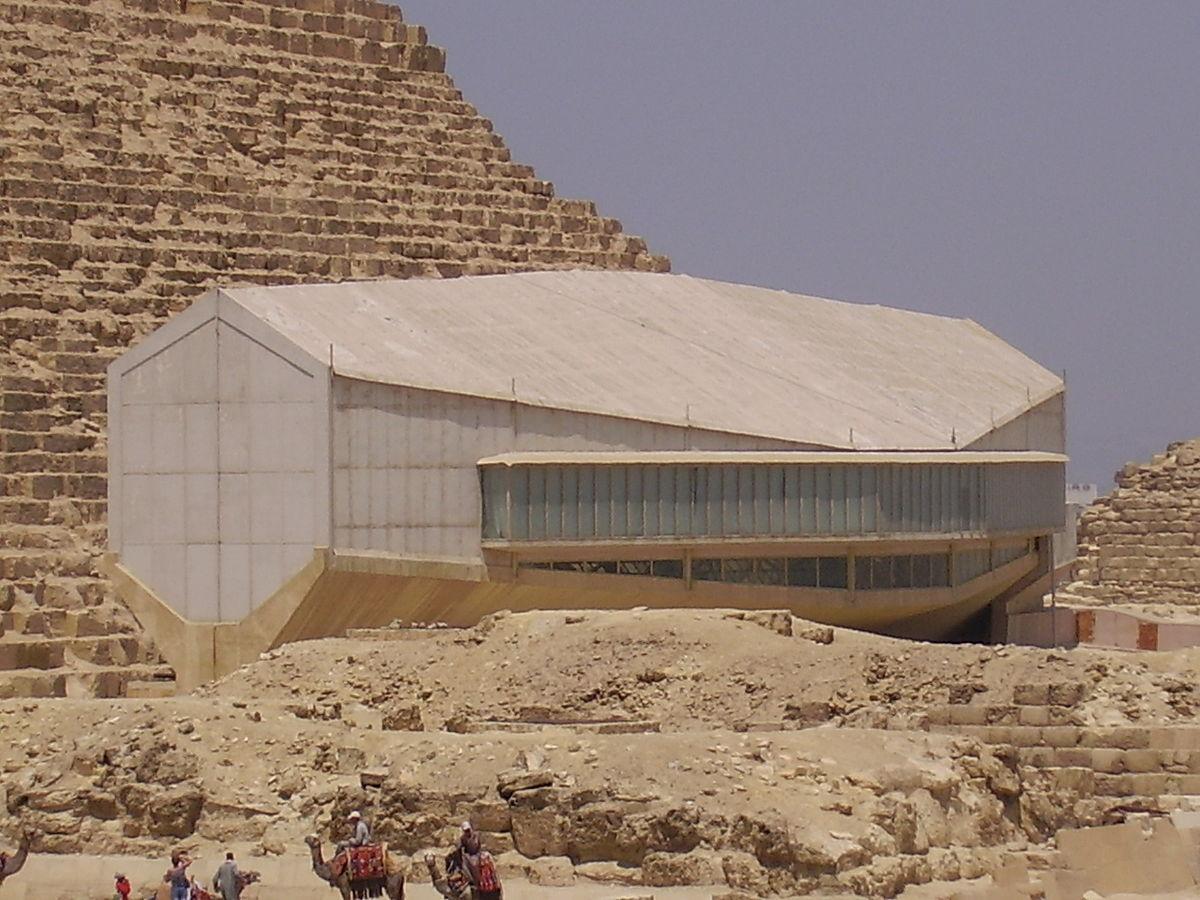
This report explores the history, significance, and evolution of the museum dedicated to one of ancient Egypts most astounding discoveries: the Khufu ship. We will examine the original Solar Boat Museum on the Giza Plateau, delve into the scholarly debates surrounding the vessels purpose, explore the...
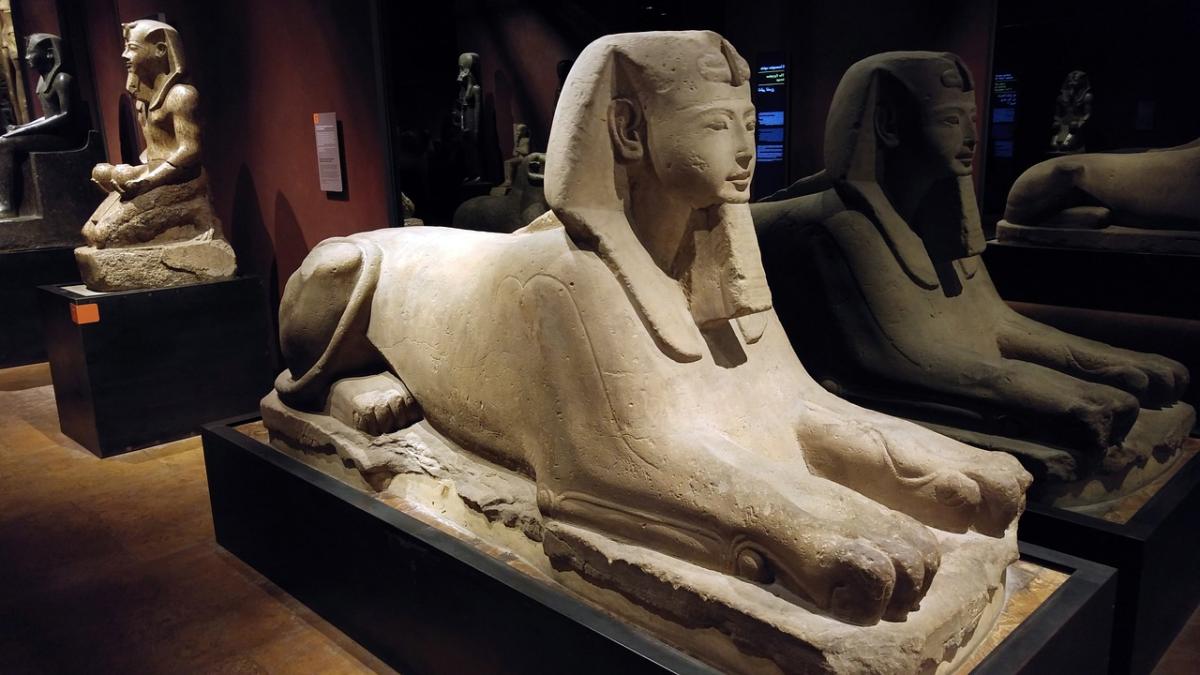
Located in the heart of Cairo on Tahrir Square, the Museum of Egyptian Antiquities, commonly known as the Egyptian Museum, stands as the oldest archaeological museum in the Middle East . For over a century, it has been the worlds foremost repository of Pharaonic antiquities, offering an unparalleled...