Zamalek: A Cultural and Recreational Oasis in the Heart of Cairo
Nestled on Gezira Island in the Nile River, the affluent district of Zamalek stands as a testament to Cairo's rich cultural tapestry and cosmopolitan flair. A world away from the bustling energy of the city's downtown, Zamalek offers a serene and sophisticated retreat with its tree-lined streets, elegant architecture, and a wealth of attractions that cater to art aficionados, foodies, and leisure seekers alike. This report delves into the historical development, captivating cultures, and modern attractions that make Zamalek a unique and alluring destination within the Egyptian capital.
From Royal Garden to Elite Enclave: A Brief History
The sophisticated neighborhood of today bears little resemblance to its humble origins. Before the mid-19th century, the island was a largely undeveloped expanse of agricultural land, prone to the Nile's annual floods, which hindered permanent settlement. It was known by various names, including "Arwa" (the Central Island), and old maps suggest it would sometimes connect to the Giza mainland, only appearing as an island during high flood seasons. The name "Zamalek" is believed to derive from an Albanian or Turkish word for the primitive bamboo huts that once dotted the landscape. The island became a more permanent landmass around 1830, prompting ruler Muhammad Ali Pasha to build a palace there.
The pivotal transformation began with the reign of Khedive Ismail (1863-1879), who, inspired by his visits to Paris, harbored a grand vision of turning Cairo into a "Paris of the East". He initiated significant engineering works to alter the Nile's course and solidify the island's landmass, creating a stable foundation for development. The centerpiece of his vision was the lavish Gezira Palace, designed by German architect Julius Franz Pasha to host international dignitaries like Empress Eugénie of France for the Suez Canal opening celebrations in 1869. This opulent palace, which now forms the central part of the Cairo Marriott Hotel, set the tone for the island's future of luxury and prestige. Ismail also dubbed the island "Jardin des Plantes" (Garden of Plants), importing exotic flora from around the world to create a lush, green oasis with wide, planned boulevards, a stark contrast to the rest of Cairo.
The dawn of the 20th century saw Zamalek transition into an upscale residential suburb, a process accelerated by the construction of the Boulaq Bridge and a tram line in 1912, which improved access to the city center. Under British influence, the island's development was meticulously planned, attracting Egypt's new political and social elites, as well as wealthy foreigners and senior British officials. The establishment of the exclusive Gezira Sporting Club in 1882 for the British military and foreign aristocrats further cemented the area's upscale reputation. This influx of a cosmopolitan bourgeoisie led to a construction boom of grand villas and elegant apartment buildings, displacing the island's earlier working-class residents and establishing Zamalek as the prestigious diplomatic and residential quarter it remains today.
A Hub of Artistic Expression
Zamalek is arguably the epicenter of Cairo's contemporary art scene, boasting a remarkable concentration of museums and art galleries that showcase the works of both established and emerging Egyptian and international artists. The neighborhood's vibrant artistic soul is palpable as one wanders through its streets, discovering hidden gems and prominent institutions dedicated to the visual and performing arts.
The Cairo Opera House Complex: A Beacon of High Culture
Located at the southern end of Gezira Island, the National Cultural Centre, more commonly known as the Cairo Opera House complex, is the beating heart of Egypt's performing arts scene. This landmark is home to several key institutions.
The Cairo Opera House: A legacy reborn, the current Opera House was a gift from Japan and inaugurated in October 1988. It replaced the original Khedivial Opera House (built in 1869), which was famously inaugurated with Verdi's "Rigoletto" and for which "Aida" was commissioned, before it was tragically destroyed by fire in 1971. The modern complex features a harmonious blend of traditional Islamic motifs and modern Japanese architectural influences, with elegant domes and arches. It houses several venues:
- The Main Hall: A grand, 1,200-seat auditorium with four levels and advanced acoustics, serving as the premier venue for major opera and ballet productions, symphonic concerts, and international performances.
- The Small Hall: An intimate 500-seat venue ideal for recitals, chamber music, and plays, creating a close connection between performers and the audience.
- The Open-Air Theatre: A unique 600-seat space for concerts and festivals under the stars during warmer months.The Opera House is home to prestigious companies like the Cairo Symphony Orchestra, the Cairo Opera Company, and the Cairo Opera Ballet, hosting a diverse program of classical genres, traditional Arab music, and modern dance.
Museum of Modern Egyptian Art: Housed within the complex, this museum is a treasure trove documenting Egypt's artistic evolution from the early 20th century to today. Established in 1927, its collection now exceeds 13,000 paintings and sculptures. The museum chronicles how pioneering artists blended European academic techniques with local subjects and nationalist aspirations. Visitors can explore a multitude of styles, from realism and surrealism to cubism and abstraction. Key artists featured include Mahmoud Sa'id, Ragheb Ayad, Youssef Kamel, Gazbia Sirry, Abdel Hadi Al-Gazzar, and Inji Aflatoun.
World-Class Museums
Mahmoud Khalil Museum: This museum is a testament to the cultural vision of Mohamed Mahmoud Khalil, an influential Egyptian politician, and his French wife, Emiline Lock. United by their love for art, the couple amassed an extraordinary collection of 19th and 20th-century masterpieces. Khalil bequeathed his palace and its priceless contents to the state, and the museum first opened in 1962.
- The Collection: Internationally acclaimed, the collection focuses on French Impressionist and Post-Impressionist movements. It holds over 300 paintings and more than 50 sculptures, including masterpieces by Claude Monet, Pierre-Auguste Renoir, Vincent van Gogh, Paul Gauguin, Edgar Degas, and Auguste Rodin. It also features works by Egyptian artists and valuable decorative arts.
- Cultural Significance: Considered a bridge between Eastern and Western cultures, the museum is a vital cultural institution and a symbol of Egypt's "soft power".
Museum of Islamic Ceramics: Housed within the exquisite Prince Amr Ibrahim Palace, this is the first museum of its kind in Egypt, offering a unique synergy between its collection and its architectural setting.
- The Palace: Commissioned in 1921, the palace is a stunning example of Neo-Islamic and Neo-Ottoman styles, with Moroccan and Andalusian influences. The interior features a marble fountain, wooden mashrabiyas, and walls adorned with glazed floral tiles.
- The Collection: The museum showcases the rich history of Islamic ceramics from the 9th to the 18th centuries, with priceless pieces from Egypt, Iran, Turkey, and Spain organized by era, including the Umayyad, Fatimid, Mamluk, and Ottoman periods.
A Thriving Private Gallery Scene
Zamalek is Cairo's primary gallery district, essential for understanding the country's vibrant contemporary art scene.
- Picasso Art Gallery: A prominent and well-known gallery for over two decades, it is committed to making art accessible. It hosts solo and group exhibitions for renowned and emerging Egyptian artists, showcasing diverse genres like painting, sculpture, and calligraphy in its two main halls.
- Zamalek Art Gallery: Since 1999, this has been a vital hub for modern and contemporary Egyptian and Arab art. Its mission is to represent artistic pioneers while nurturing new talent, often holding simultaneous exhibitions for masters and emerging artists in its main space and annex. It represents prominent figures like Gazbia Sirry and Inji Aflatoun.
- ArtTalks Gallery: Founded in 2009, this interdisciplinary space fosters art education and a new generation of collectors. It specializes in 20th-century Egyptian modern art, runs historical seminars, and hosts conceptually challenging exhibitions featuring rare works by masters like Mahmoud Mokhtar and Ragheb Ayad.
- Other notable spaces include UBUNTU Gallery, Gallery Misr, AZAD Gallery, and Yassin Art Gallery, all contributing to the neighborhood's dynamic creative pulse.
Architectural Grandeur and Historic Landmarks
Zamalek's architectural landscape is a captivating blend of different eras and styles. The elegant "Belle Époque" architecture, a mix of European influences like Neo-Renaissance and Art Deco, is a prominent feature from the late 19th and early 20th centuries. These grand villas and stately apartment buildings lend Zamalek its unique and sophisticated charm.
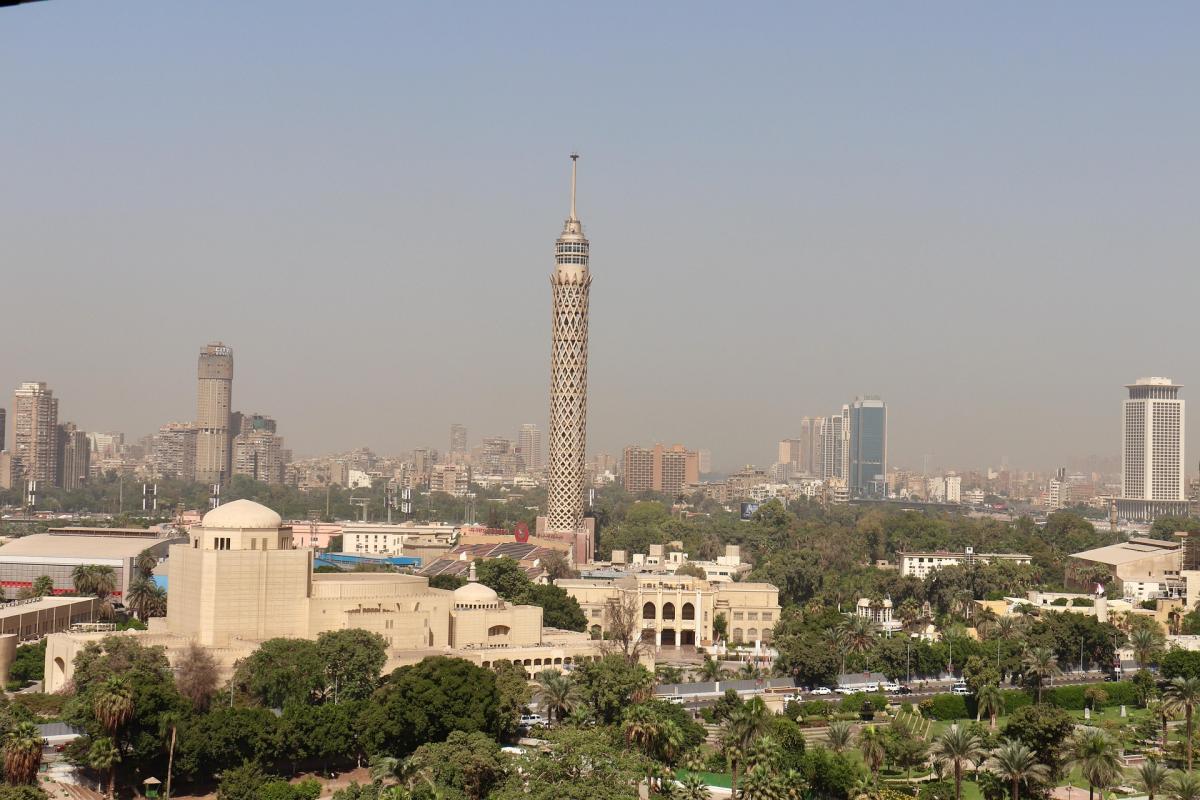
Cairo Tower (Borg El-Qahira): A Symbol of Modern Egypt: Dominating the skyline, the Cairo Tower is not just an architectural feat but a potent symbol of a pivotal era in Egyptian history.
- A Political Statement in Concrete: The tower's construction is rooted in the Cold War politics of Gamal Abdel Nasser's presidency. According to widespread reports, the tower was funded by a gift of $1 to $3 million from the United States' CIA, intended to dissuade Nasser from supporting the Algerian war of independence. Reportedly insulted by what he saw as a bribe, Nasser used the funds to build a monument symbolizing Egypt's defiance. The tower was deliberately built to be visible from the US Embassy, serving as a taunting symbol of resistance. This act earned it nicknames like "Nasser's Fork". Construction spanned from 1956 to 1961, with an interruption due to the 1956 Suez War, and it was inaugurated on April 11, 1961.
- Architectural Homage to Ancient Egypt: Designed by Egyptian architect Naoum Shebib, the tower is a masterful blend of modern engineering and ancient symbolism. Standing at 187 meters (614 feet), it surpassed the Great Pyramid of Giza and was the tallest structure in Africa upon completion. Its most prominent feature is the latticework exterior, designed to resemble a pharaonic lotus flower-a symbol of purity, creation, and rebirth. The structure is made of reinforced concrete with a base of polished pink granite from Aswan, and its exterior is covered in approximately eight million small mosaic tiles.
- The Visitor Experience: Today, the tower is a cherished national icon, second only to the Pyramids in recognizability. A high-speed elevator whisks visitors to the top in about 45 seconds. The circular observation deck offers breathtaking 360-degree panoramic views of Cairo, including the Pyramids, the Citadel of Salah El-Din, and the Nile River. One level below the deck, a revolving restaurant provides a unique dining experience with an ever-changing city backdrop. The tower, which also has a cafeteria, was renovated between 2006 and 2009, adding modern exterior lighting that illuminates it nightly.
Aisha Fahmy Palace: This historic palace, now a cultural center, often hosts temporary art exhibitions, offering another venue to experience the artistic vibrancy of Zamalek.
Cairo Marriott Hotel: While a modern hotel, its central section is the original Gezira Palace built by Khedive Ismail in the 1860s, allowing visitors to step directly into the area's opulent past.
A Culinary Journey for Every Palate
Zamalek's culinary scene is as diverse and sophisticated as its cultural offerings, inextricably linked to its social life.
- Fine Dining with a View:
- Pier88: Located on a boat, this restaurant offers a genuine Mediterranean-Italian experience with an elegant, breezy atmosphere right on the Nile. It's a go-to spot for refined dining with a menu of Italian classics.
- Crimson Bar & Grill: This rooftop establishment provides a high-end dining experience with casual comfort and breathtaking Nile views. The menu features top-notch international cuisine with Mediterranean influences.
- Le Pacha 1901: This floating palace houses a collection of restaurants offering a variety of cuisines with spectacular river views.
- Authentic Egyptian Flavors:
- Abou El Sid: A must-visit for authentic Egyptian cuisine in a lavish, oriental setting that transports diners to another era. The Zamalek branch has a unique, cavernous ambiance with rich, old-style art and dim lighting, with a menu featuring classics like molokheya and fattah.
- Zooba: This vibrant eatery has revolutionized Egyptian street food by presenting it in a modern, gourmet context. Using fresh, local ingredients, it offers elevated versions of classics like koshary and ta'ameya in a casual, colorful setting, making it a favorite meeting point for young Cairenes.
- Cairo Kitchen: This restaurant provides an authentic taste of Egyptian home cooking in a modern and inviting setting.
- International Cuisine:
- Makino: A favorite among the Japanese expatriate community for authentic sushi, sashimi, and ramen.
- La Trattoria: A classic Italian restaurant known for its warm ambiance and consistently good food.
Leisure and Recreation
Beyond its cultural and culinary attractions, Zamalek offers ample opportunities for relaxation, staying true to Khedive Ismail's original vision of a green pleasure ground. The neighborhood's lush, tree-lined streets and its location on the Nile make it an ideal place for a leisurely stroll. The Gezira Sporting Club, founded in 1882, remains one of the oldest and most prestigious social and recreational hubs in Egypt.
Summary
Zamalek is a captivating district in Cairo that seamlessly blends historical depth, cultural richness, and a relaxed, sophisticated atmosphere. Its modern identity is built on a fascinating history, beginning with Khedive Ismail's 19th-century vision to create a "Paris on the East" from a simple Nile island. This legacy is visible in its planned, tree-lined streets and the magnificent Belle Époque and Neo-Islamic architecture that defines its character.
Today, Zamalek's status as a premier hub for the arts is firmly established. It is home to world-class institutions like the Mahmoud Khalil Museum, with its renowned collection of European Impressionist art, and the unique Museum of Islamic Ceramics. The district's cultural heart is the Cairo Opera House Complex, which includes the magnificent Opera House-a modern icon with a rich history-and the comprehensive Museum of Modern Egyptian Art. A defining landmark is the Cairo Tower, a symbol of modern Egyptian pride born from Cold War politics, whose lotus-inspired design offers panoramic city views. This high culture is complemented by a dense and dynamic private gallery scene, with spaces like Picasso Art Gallery, Zamalek Art Gallery, and ArtTalks leading the way. The culinary landscape is equally impressive, offering everything from upscale Nile-side dining at Pier88 to modern takes on street food at Zooba. The serene environment provides a welcome respite from the intensity of Cairo, making Zamalek a highly desirable place to live and a must-visit destination for anyone seeking to explore a unique and multifaceted side of the Egyptian capital.
Nestled in the heart of historic Cairo, the Museum of Islamic Art (MIA) stands as a testament to the rich and diverse artistic heritage of the Islamic world. Considered the largest museum of its kind globally, it houses an unparalleled collection of over 100,000 artifacts that span more than 1,200 years...
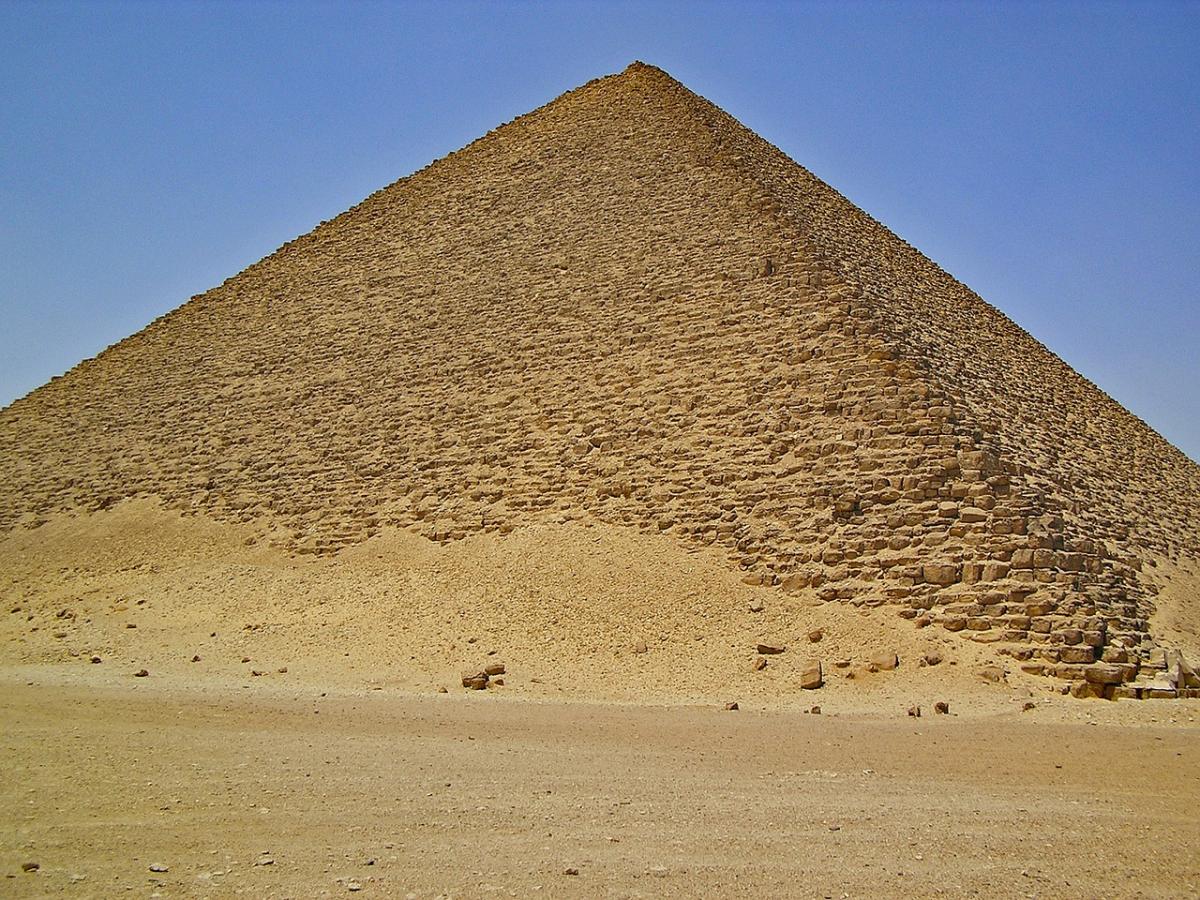
Nestled in the desert on the west bank of the Nile River, approximately 40 kilometers south of Cairo, lies the ancient royal necropolis of Dahshur. This significant archaeological site, part of the larger Memphis necropolis and a UNESCO World Heritage Site, is a testament to the architectural ingenuity...
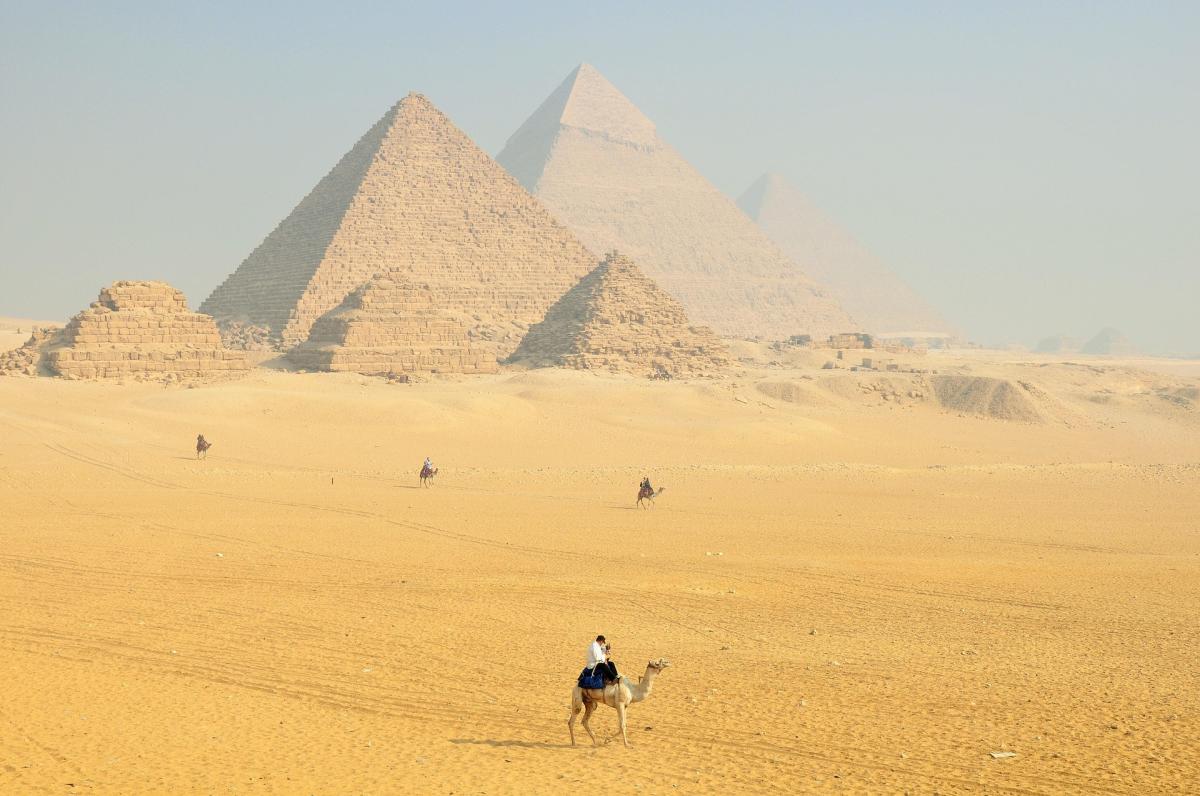
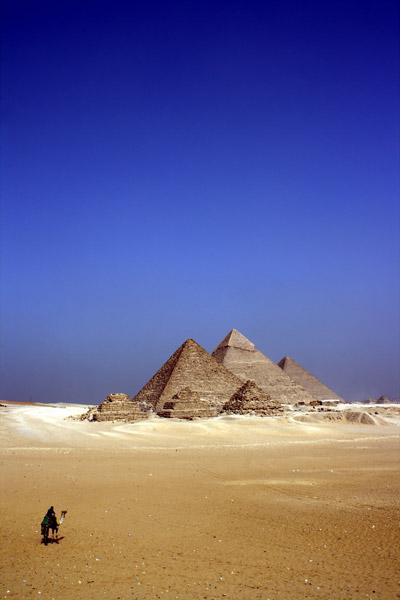
The Giza pyramid complex, a testament to human ingenuity and ambition, stands on the Giza Plateau at the edge of the Western Desert, approximately 13 km (8.1 mi) southwest of Cairos city center. These monumental structures, the last remaining of the Seven Wonders of the Ancient World, have captivated...